• Home
  • About
  • Writing
  • [Cultured] Pearls
  • Contact
Menu

CultureZohn

Street Address
City, State, Zip
Phone Number

Your Custom Text Here

CultureZohn

  • Home
  • About
  • Writing
  • [Cultured] Pearls
  • Contact

Lincoln Kirstein’s Modern

March 15, 2019 Patricia Zohn
IMG_0779.JPG
IMG_0780.JPG
IMG_0782.JPG
IMG_0784.JPG
IMG_0785.JPG
IMG_0786.JPG
IMG_0788.JPG
IMG_0789.JPG
0.jpg

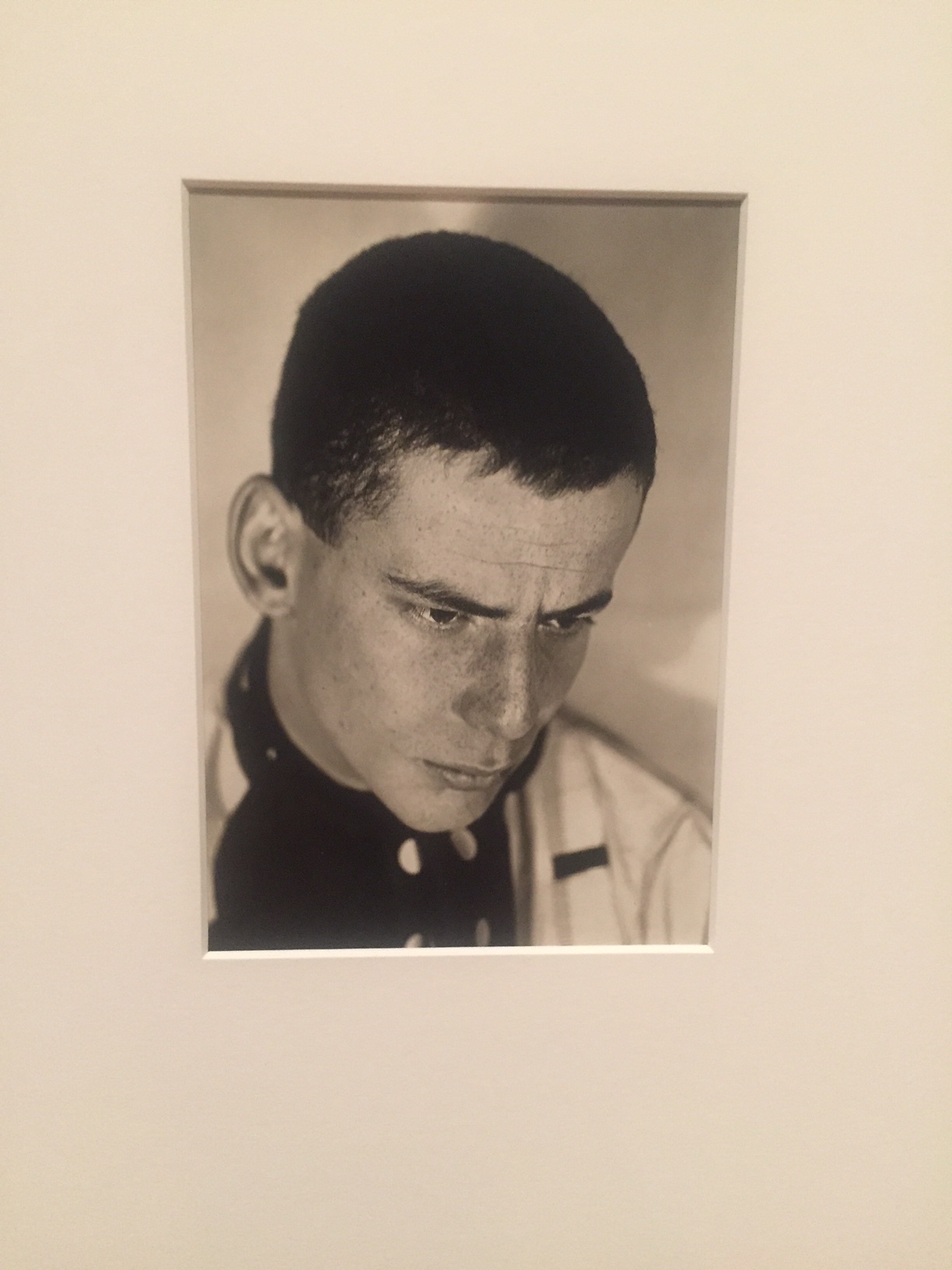
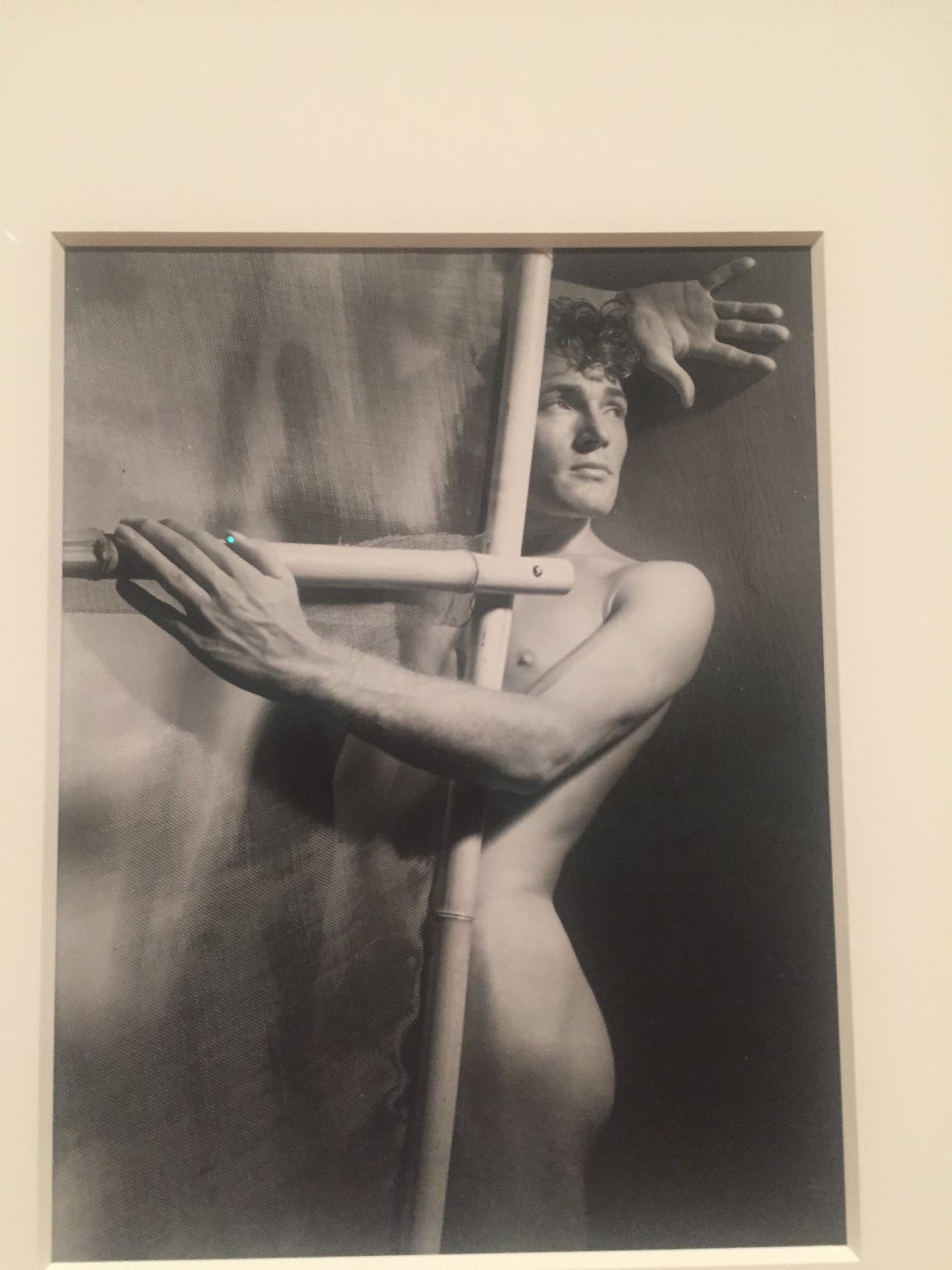
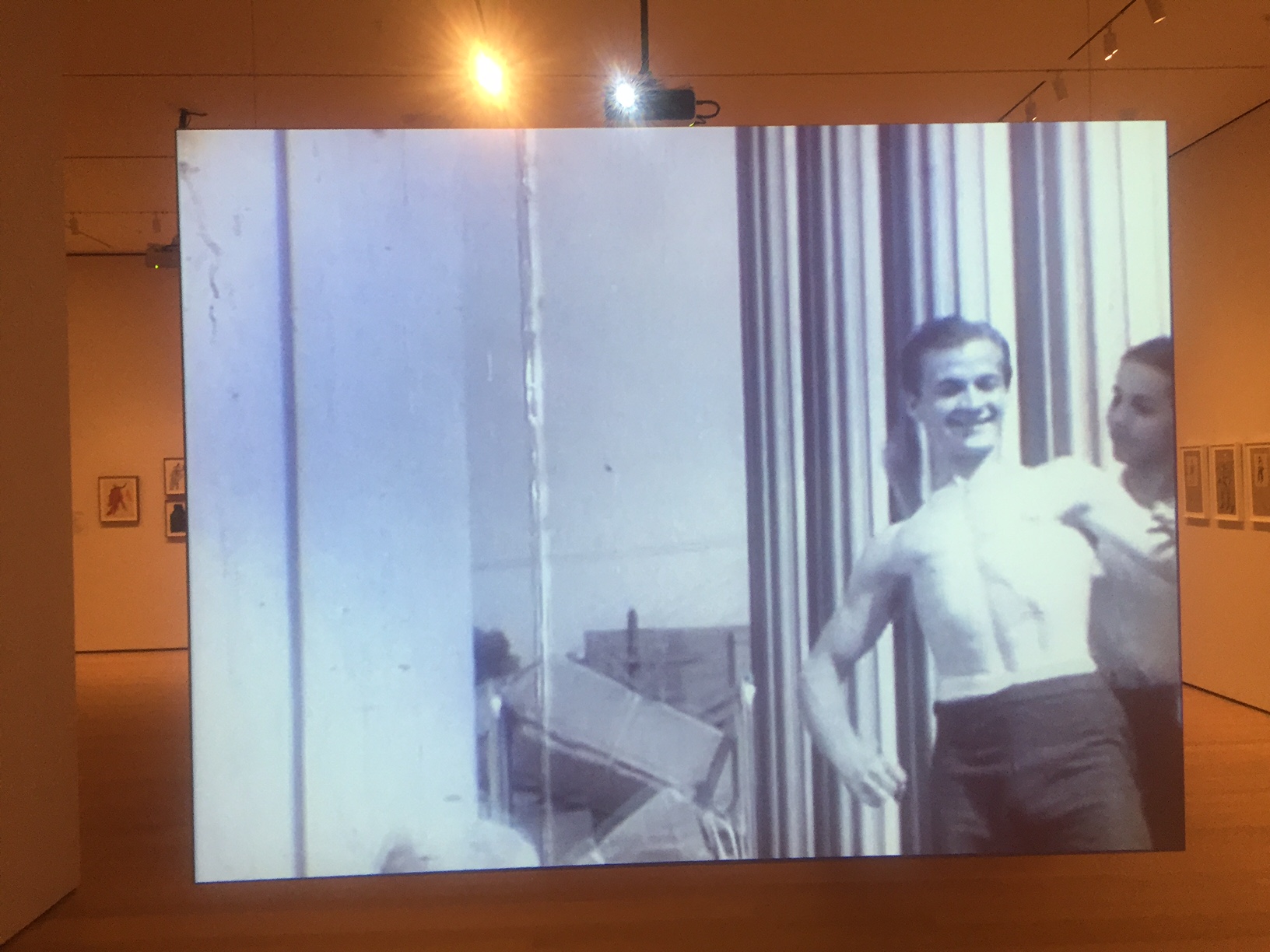
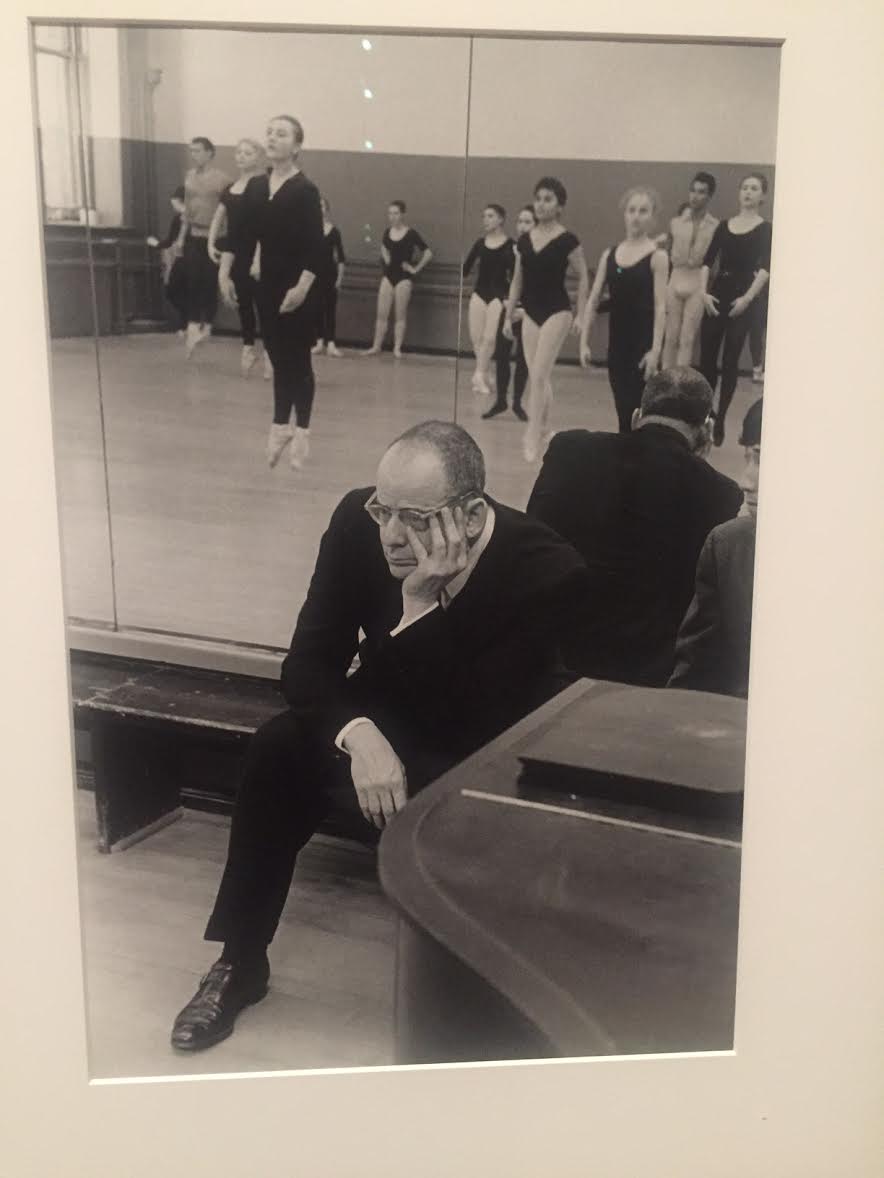
The Museum of Modern Art has exhumed its diverse archive of Lincoln Kirstein-iana in a new exhibition, Lincoln Kirstein’s Modern. We see his love for ballet, for art, for theater, for film, for photography, and for left-liberal causes.

I was in a class of 8 year olds at the school of American Ballet and it was Kirstein’s words in the brochure which had convinced my mother that a ballet career could, in the proper hands—e.g. Balanchine and his Russian Mesdames—be the equal of law or medicine.

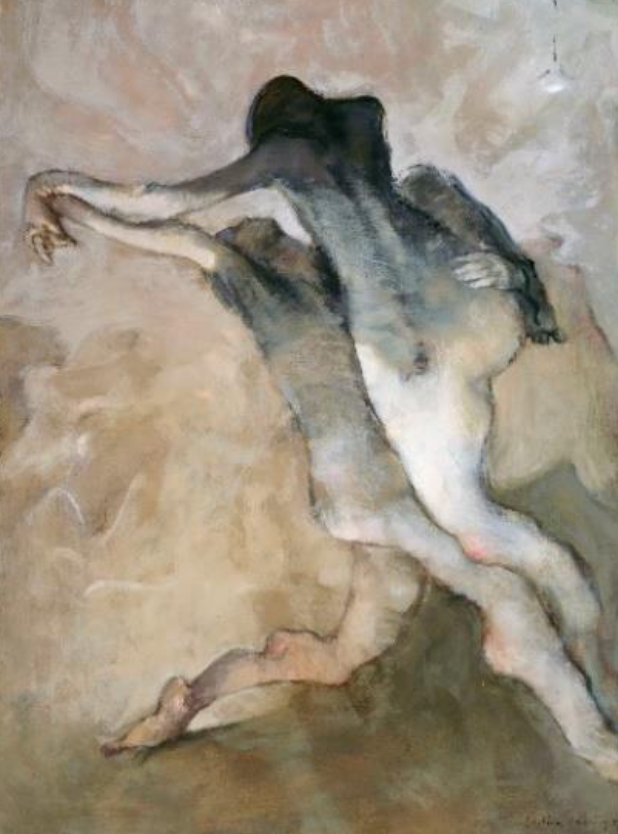
He wrote he had his first coup de foudre for dance in the person of Tilly Losch who performed in Errante in a green satin evening dress with a twelve-foot train. A well-to-do, only semi-closeted Bostonian who became obsessed with ballet, Kirstein finally went to Europe as a young man, gathered his nerve, and asked Balanchine to open a school in America while at his fancy London hotel, far away from his family, surrounded instead by white-robed English beauties with plumes in their hair getting ready to be presented at Court.

But MoMA is eager to show the man in full. Besides being an impresario, he was also a polymath, a renaissance man, a multi-disciplinary scholar, and a fierce advocate for the creations and artists he cared about. He seized upon MoMA not long after its opening as the perfect repository for his many enthusiasms. This is both the exhibition’s unifying theme and its challenge. Kirstein was not as gifted a talent spotter in every medium as he was a ballet agent. Even there, it was the collaboration with Balanchine which made his work in that discipline so important. His passions did not always allow for the best judgment, in fact then-Director Alfred Barr was sometimes at pains to rein him in. Kirstein pushed MoMA in directions they may not at first glance have anticipated including a Dance and Theater department, not long-lived—which now, however, seems prescient as performance has entered the curatorial mandate at MoMA and at many museums..

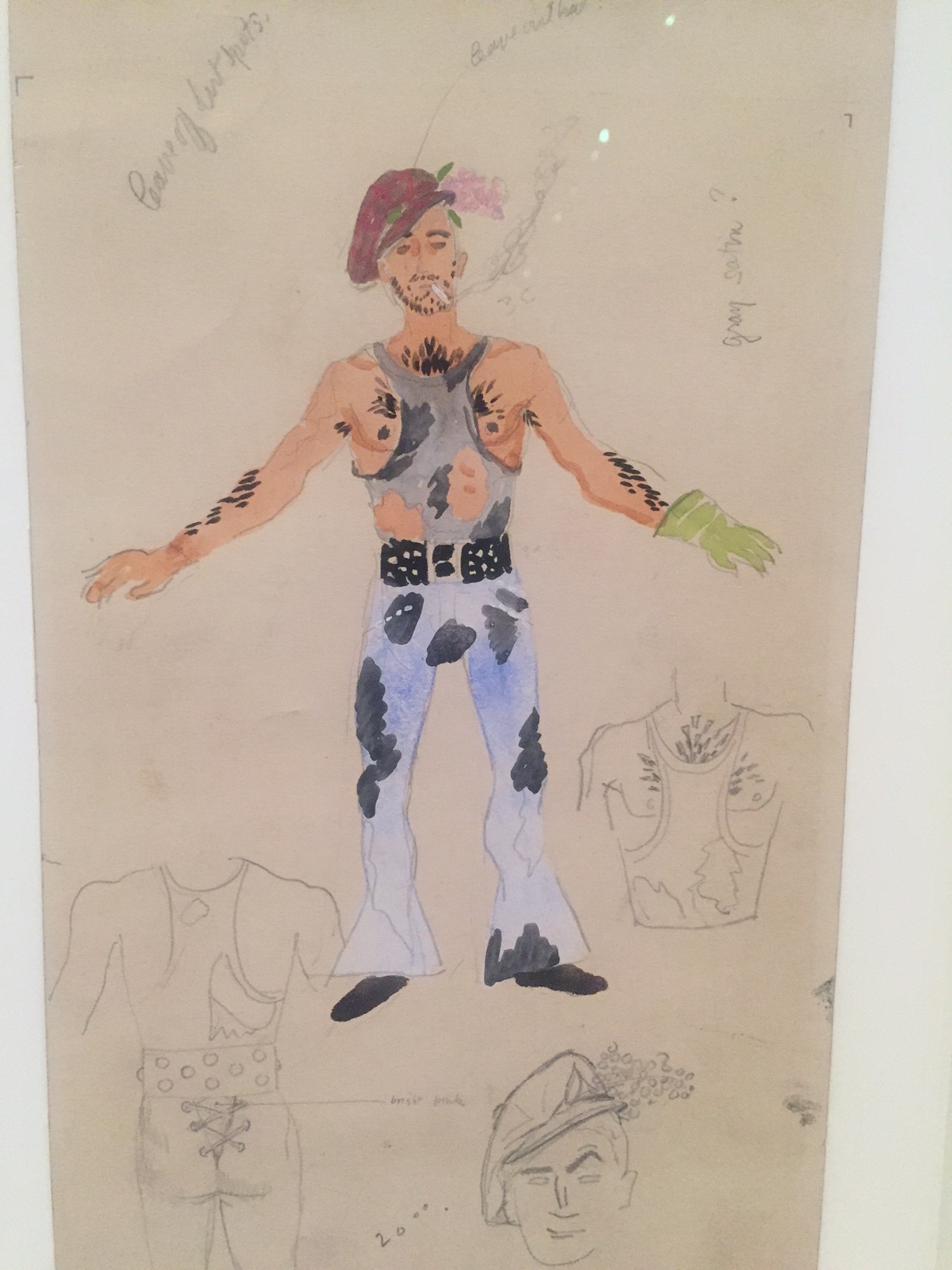
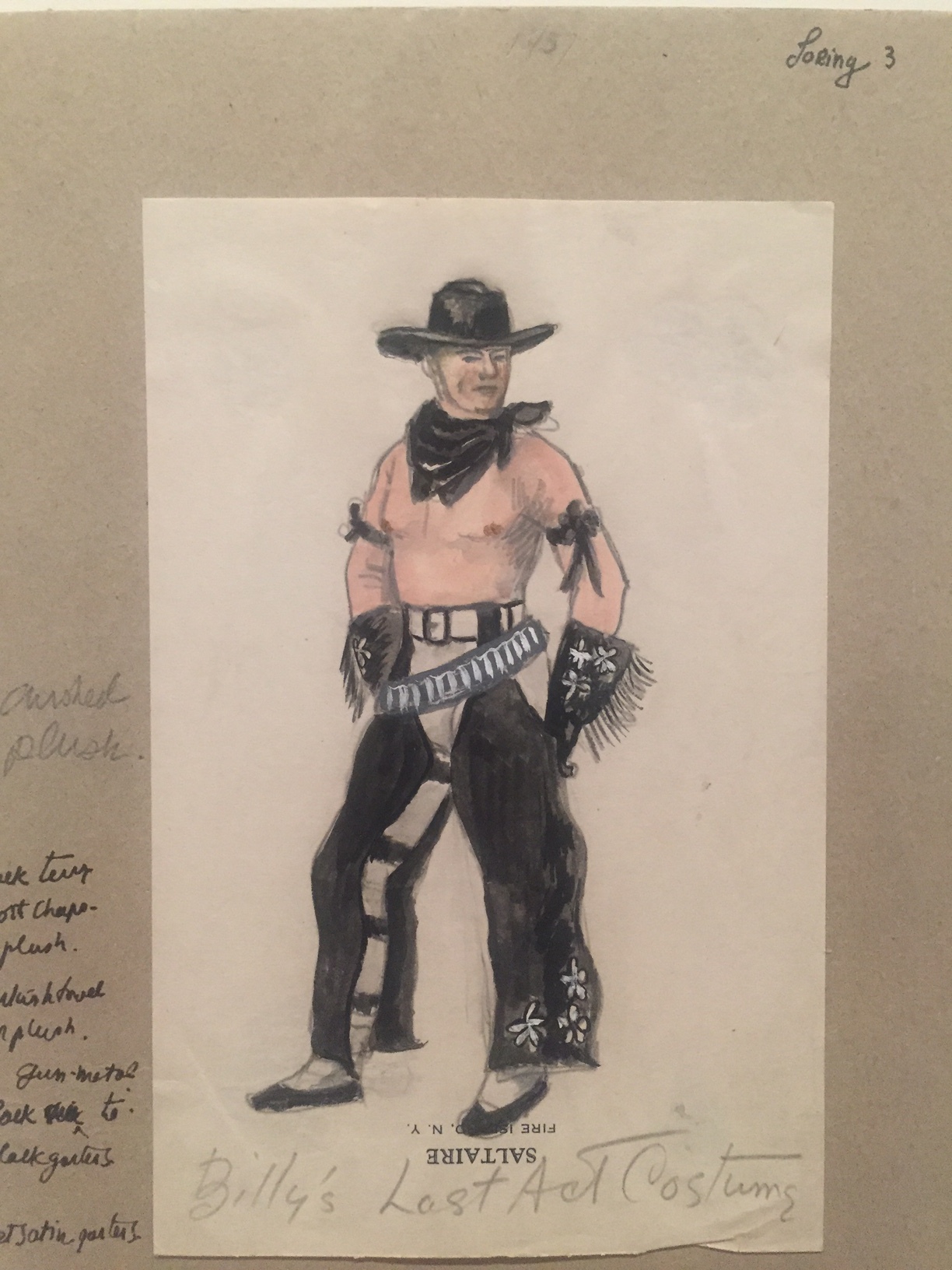
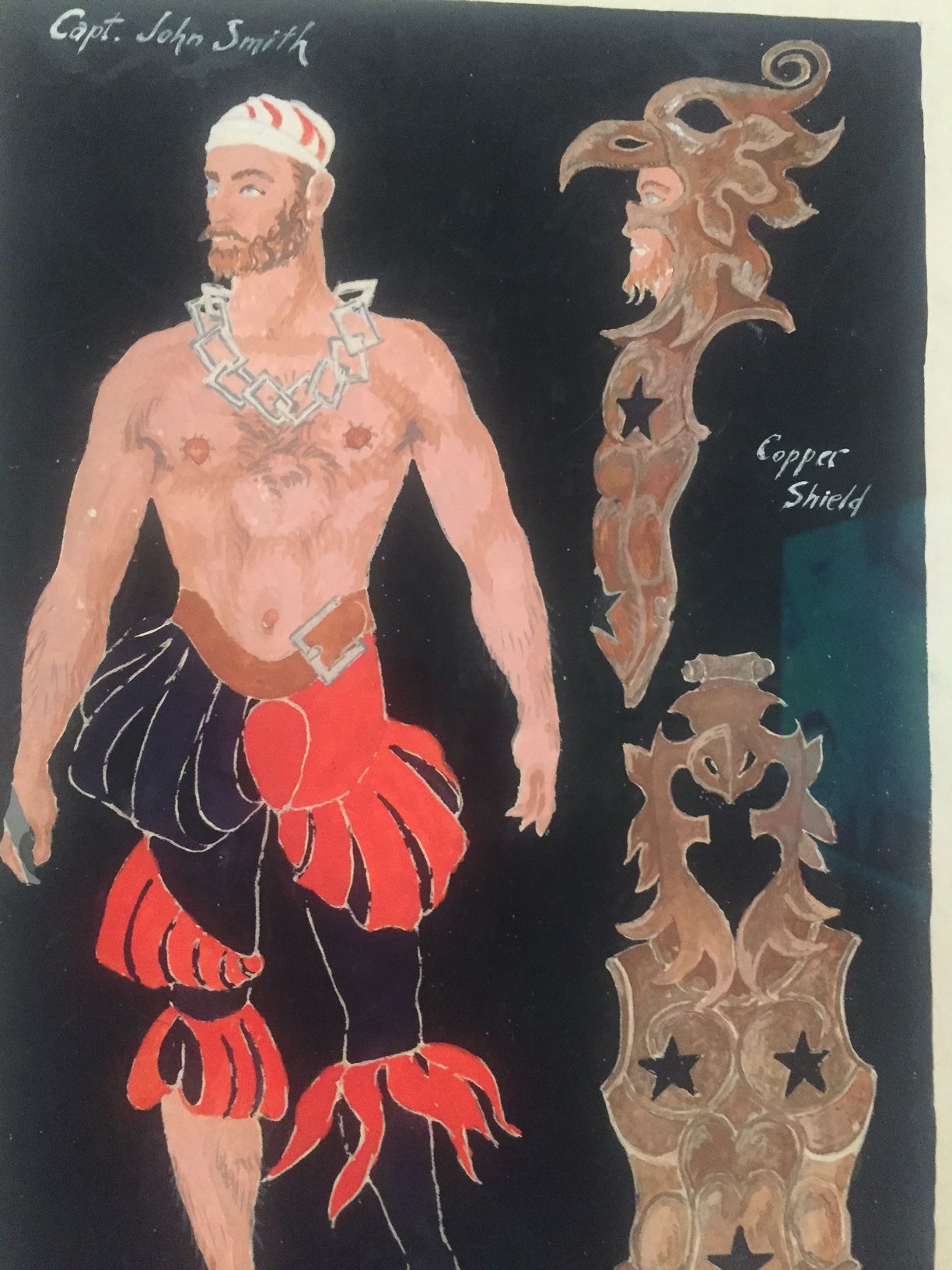
He made many subsequent donations including a large collection of George Platt Lynes beefcake. As the very interesting catalog and the many costumes and designs showing off buff male torsos makes plain,homosexual connections were the genesis of some of Kirstein’s most important collaborations. (As a young summer intern in the Publications Department at MoMA, I did not know for example that former department head Monroe Wheeler had once lived in a threesome with Lynes and writer Glenway Wescott. Kirstein himself had lived in a threesome with his wife Fidelma and dancer Jose Martinez. Etc.)

The discursive and lively exhibition, curated by Jodi Hauptman and Samantha Friedman, can feel a bit kitchen-sinky by the last gallery. But it accurately reflects a febrile mind from which sprang much curiosity ,encouragement and leadership—backed up by dollars. Would that the patrons of today had the foresight and stick-to-itive-ness of this brilliant man.

The exhibition runs from March 17 - June 15 at the Museum of Modern Art. MoMA is also collaborating with the NY City Ballet for performances in their atrium. A companion exhibition on Jerome Robbins is at the Cullman Performing Arts Library at Lincoln Center.

In Fine Art Tags Lincoln Kirstein, Kirstein, Ballet, Dance, Musem of Modern Art, MoMa

Dorothea Tanning opens eyes and doors at the Tate Modern

March 12, 2019 Patricia Zohn
Screen Shot 2019-03-04 at 9.31.50 PM.png
Screen Shot 2019-03-04 at 9.32.00 PM.png
Screen Shot 2019-03-04 at 9.32.22 PM.png
Screen Shot 2019-03-04 at 9.35.22 PM.png
Screen Shot 2019-03-04 at 9.35.30 PM.png

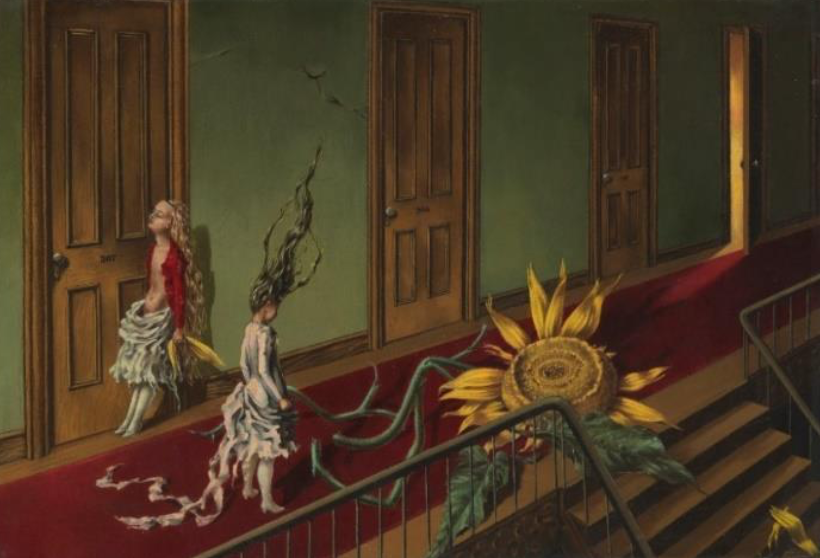
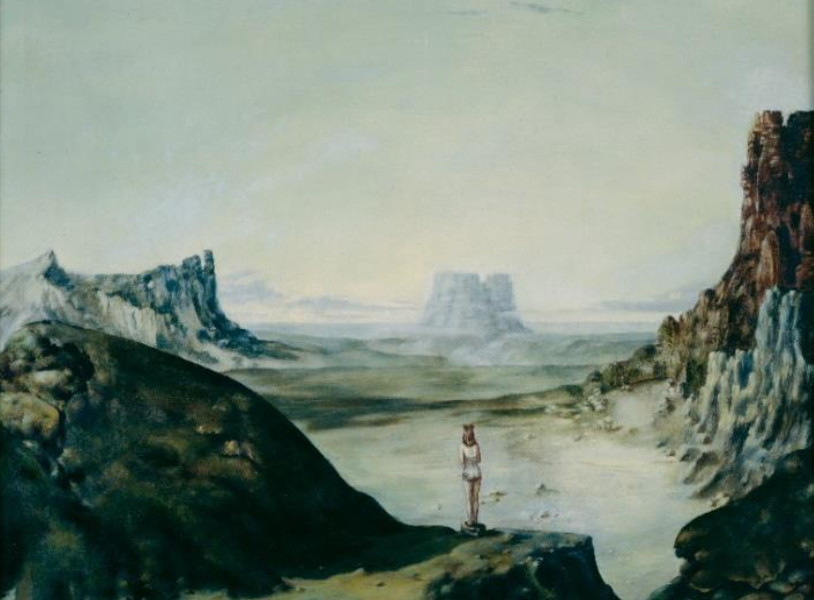
Like Warhol, Dorothea Tanning, the subject of a new retrospective at the Tate, toiled first in advertising when she came to New York. She had been deeply affected by the groundbreaking MoMA Surrealism/Dada show of 1936 and her ads for Macy’s and others reflected this new awareness of the ability to disassociate body parts and imagery.

She herself was selected by her future husband Max Ernst—then married to Peggy Guggenheim—for a show of women artists at Guggenheim’s Art of this Century gallery when she returned from a stay in Europe. (Was this the moment of the Ernst-Tanning coup de foudre? A year later they were together) Georgia O’Keefe refused to be relegated to this show of ‘women artists” but Tanning accepted. When next invited to participate however in a women-only show in the 70’s second wave of feminism, like many creative women who had already made their own way (Mary McCarthy, Lillian Hellman et al) Tanning was also finally a refusnik. ‘Women artists,” she said, “There is no such thing – or person. It’s just as much a contradiction in terms as “man artist” or “elephant artist”. You may be a woman and you may be an artist; but the one is a given and the other is you.’

She had by then grown into a bold, incisive, self-confident practitioner of painting, poetry, sculpture, costumes and set design.

"Just put yourself in my place, George, " she wrote after she had, in a labor of love, produced the costumes and sets for Balanchine’s new ballet Night Shadow, supported by Lincoln Kirstein, "and you would cry too." Tanning was passionate about ballet, but her production had an unfortunately short shelf life when a new production by the Monte Carlo ballet appeared just a few years later. "I really thought all this time that I had helped to make it a good work, and lots of other people thought so too. I was proud to have worked with you to make such a pretty ballet and I felt it was a real collaboration of all 3 of us. But I suppose it’s a very complicated story and I don’t understand very well how these things work."

Tanning went on to work on other ballets and had plans for many more, but was thwarted by lack of funding and the nature of the collaborative process which stymied her as a solo practitioner .

I wonder what Tanning would have made of the many women-only international shows organized this year in response to #MeToo.  Ghetto or Gift?  The concurrent counter narrative solo exhibitions—besides Tanning (Ernst), Lee Miller(Man Ray) and Gala Eluard (Dali)—who have finally been removed from the rolls of the ‘muses’-only, tell a more complete tale.  

The exhibition runs from February 27 to June 9, 2019 at the Tate Modern. All images courtesy of the Tate.

In Fine Art Tags Dorothea Tanning, Tate, Tate Modern, Surrealism, Art, Artist, Women

Carol Rama was not one for sitting pretty

March 11, 2019 Patricia Zohn
IMG_0769.JPG
IMG_0768.JPG
IMG_0772.JPG
IMG_0773.JPG
IMG_0776.JPG

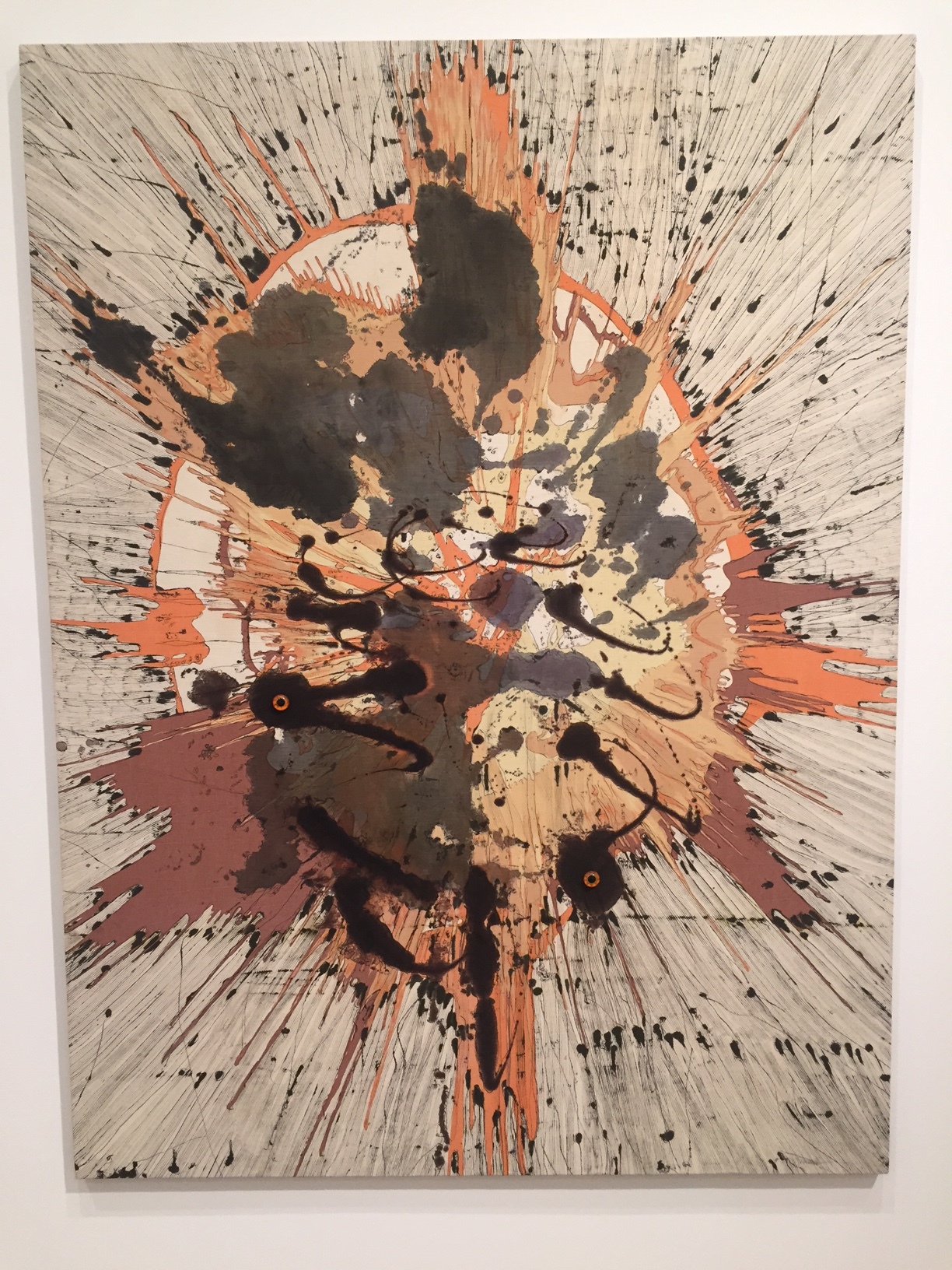
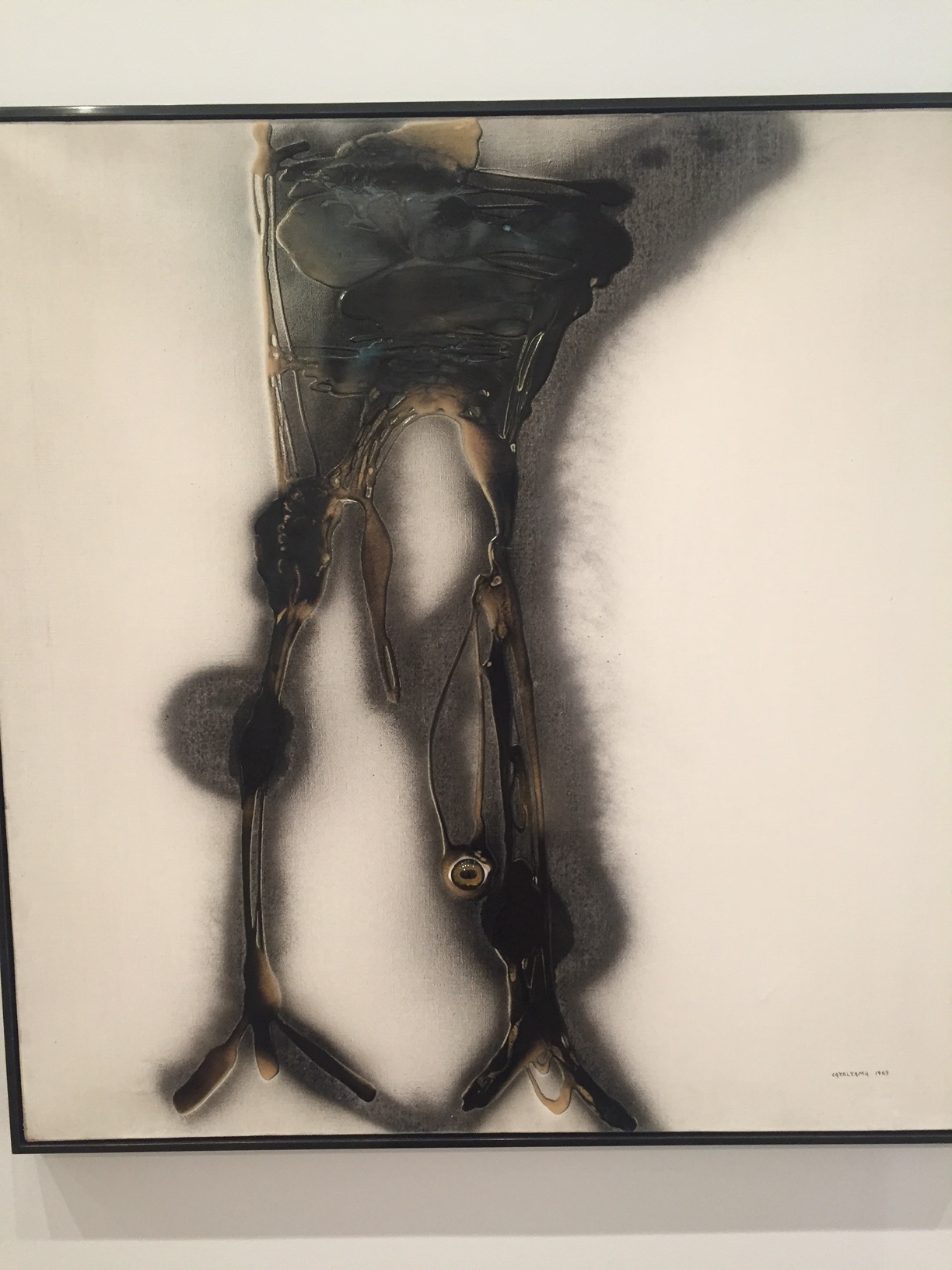
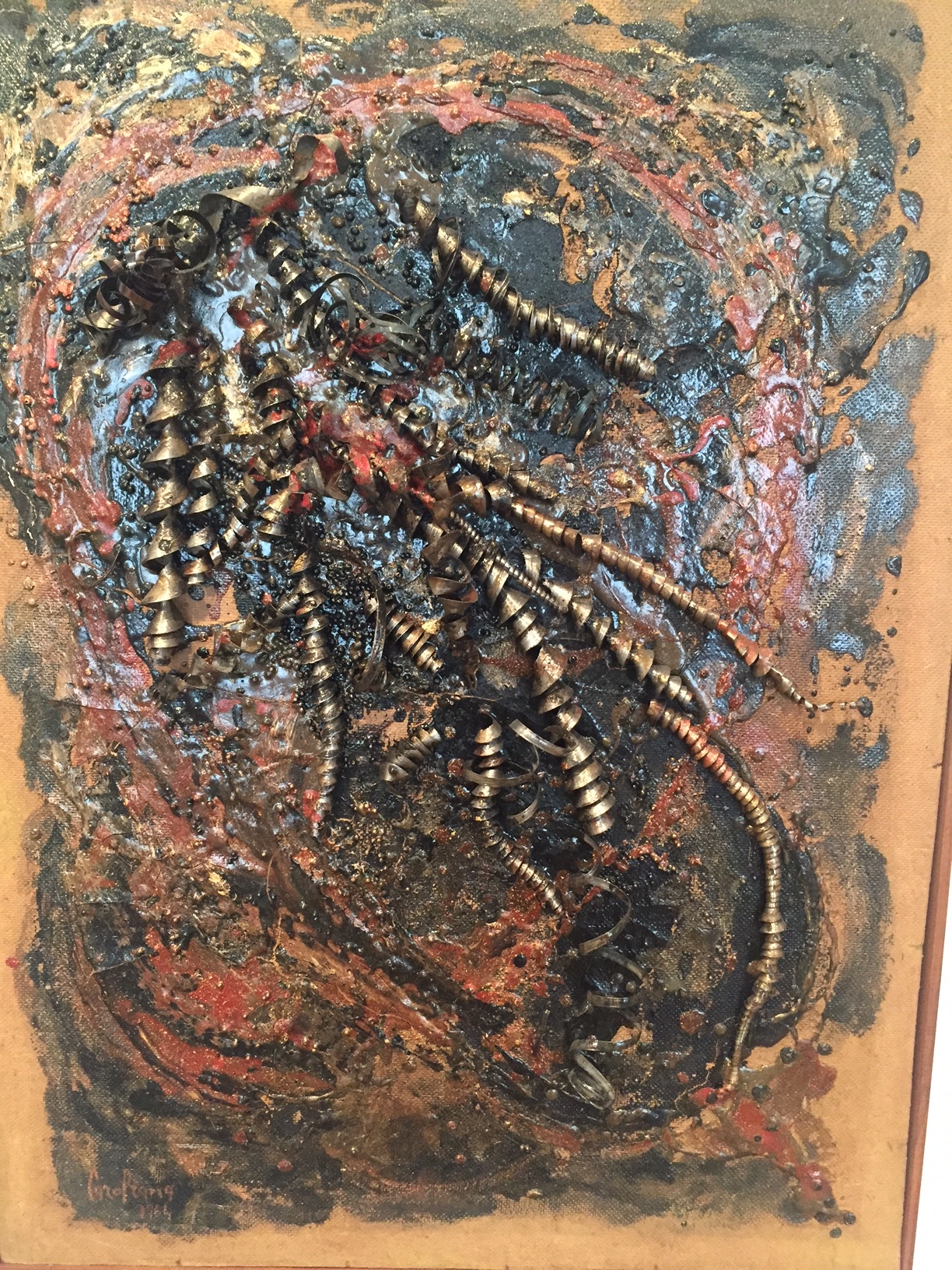
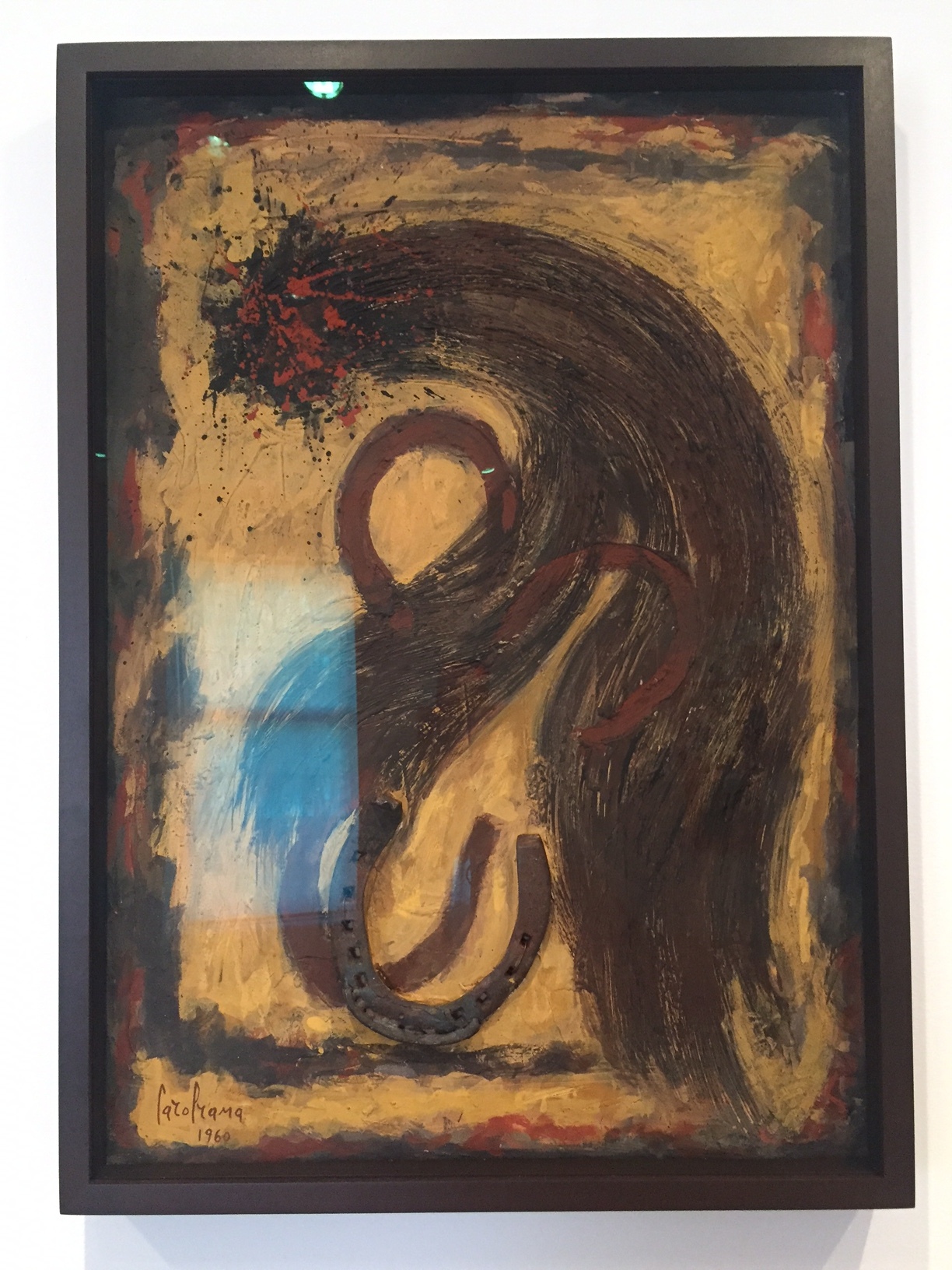
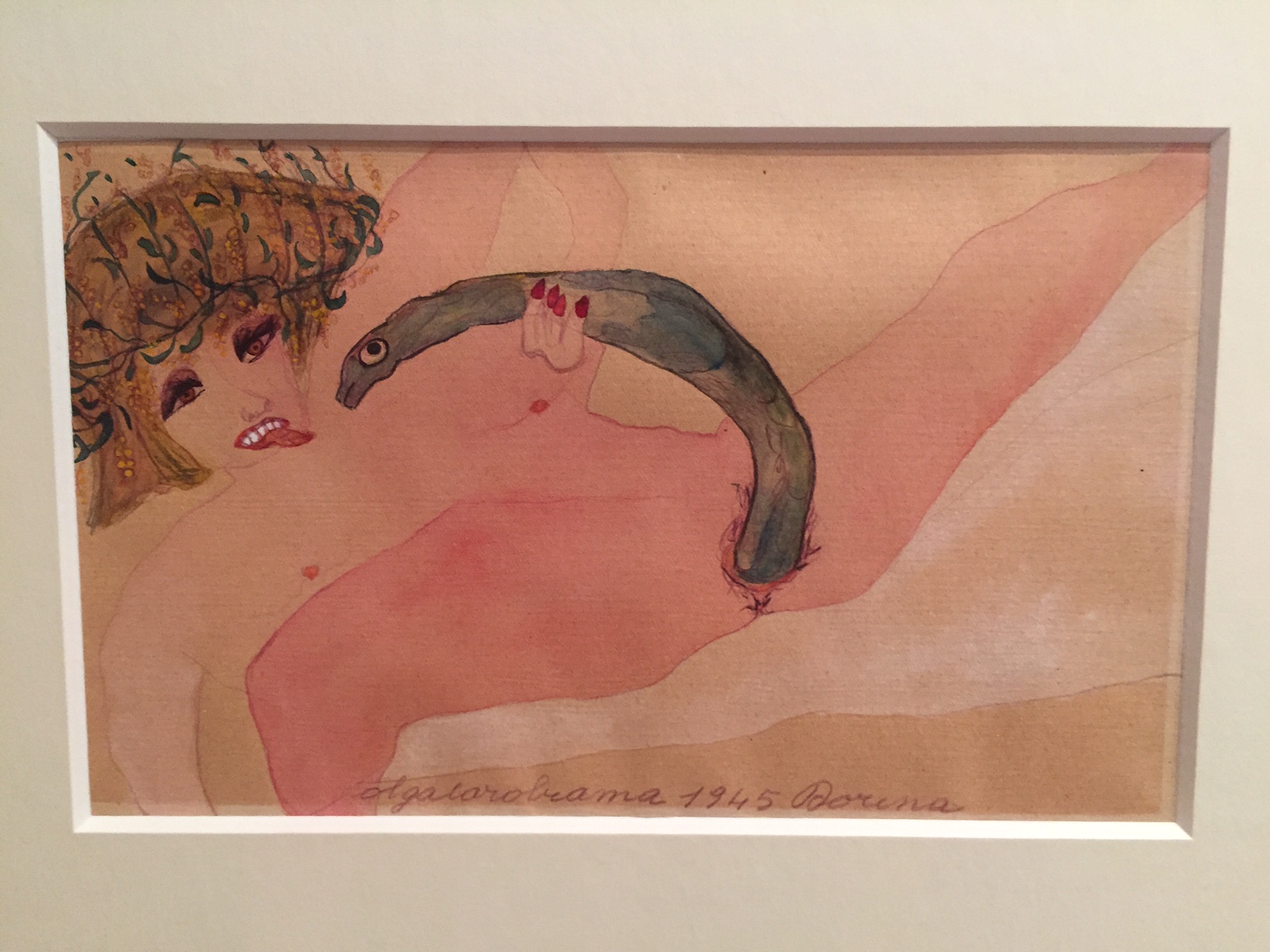
Carol Rama was very much her own person and her own artist, but I could not help but be reminded of Alberto Burri when I saw her work.  Both repurposed discarded materials in their canvases (Rama: syringes, tires; Burri: war cast-offs, plastics and sheet metals) making not-quite-paintings, not-quite-sculptures, emerging then with a third dynamic way of bricolage. Unlike Burri, she had little recognition until the end of her life: her work challenged erotic and gender norms. Rama’s current show at Levy Gorvy also includes Egon Schiele-esque delicate, erotic watercolors and pen and ink drawings which do not seem as if they could not have come from the same much more abrasive fount. "I didn't think I had the qualities for becoming an artist," she once said. "Beautiful women, prima donnas, beautiful people who speak several different languages, sitting and being charming.”

In Fine Art Tags Carol Rama, Alberto Burri, Egon Schiele, art, Levy Gorvy

Bulletin from Brazil

February 20, 2019 Patricia Zohn
IMG_9878.JPG

Brazil has been much in the news. As if it weren’t enough that post-Olympic budget shortfalls, political corruption, Zika and crime had combined in a toxic brew, the recent election of Bolsonaro pointed up deep-seated philosophical fears and divisions much as the Trump election did in the US. 

Brazilians in the creative sector have been trying to regroup, but in addition to the above they have faced devastating fires (the National Museum of Rio), burst dams, (Brumadinho adjacent to Inhotim art park), and the abolishment of the Ministry of Culture, which has been folded into a newly christened Ministry of Sport.

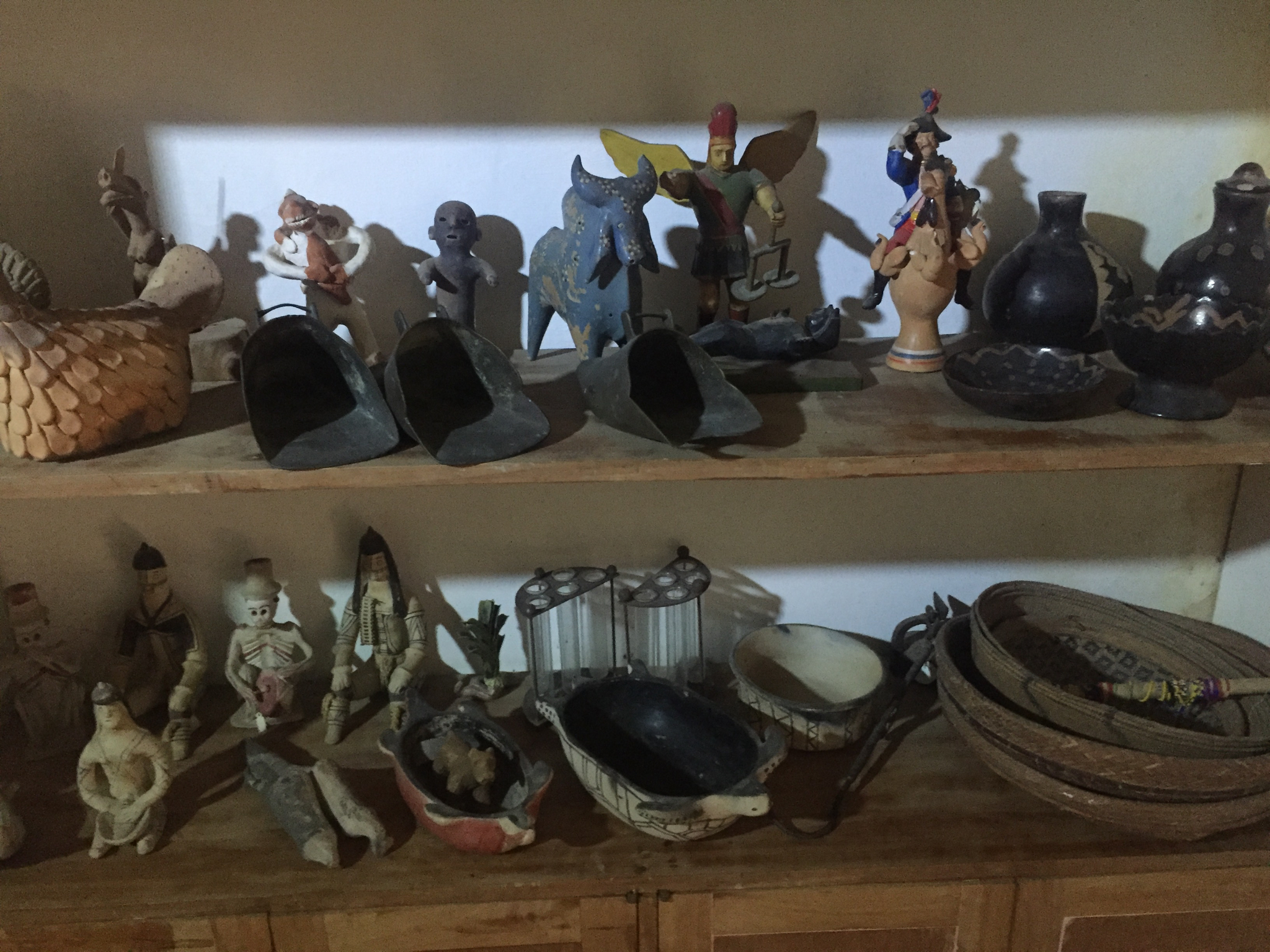
I finally returned recently to Brazil after a long absence. As a pre-teenage exchange student in the home of a wealthy Carioca family with whom my parents had briefly met and conspired late one night undoubtedly after too many caipirinhas, I had a decidedly one-sided view of the country. As a sheltered suburban girl, suddenly I was with a posse which had free reign—underage drinking and driving, dancing ‘till dawn on Ipanema. On the wild rides to mountain homes in Petropolis we passed favelas which made me mute— Brazil was my first third world country.

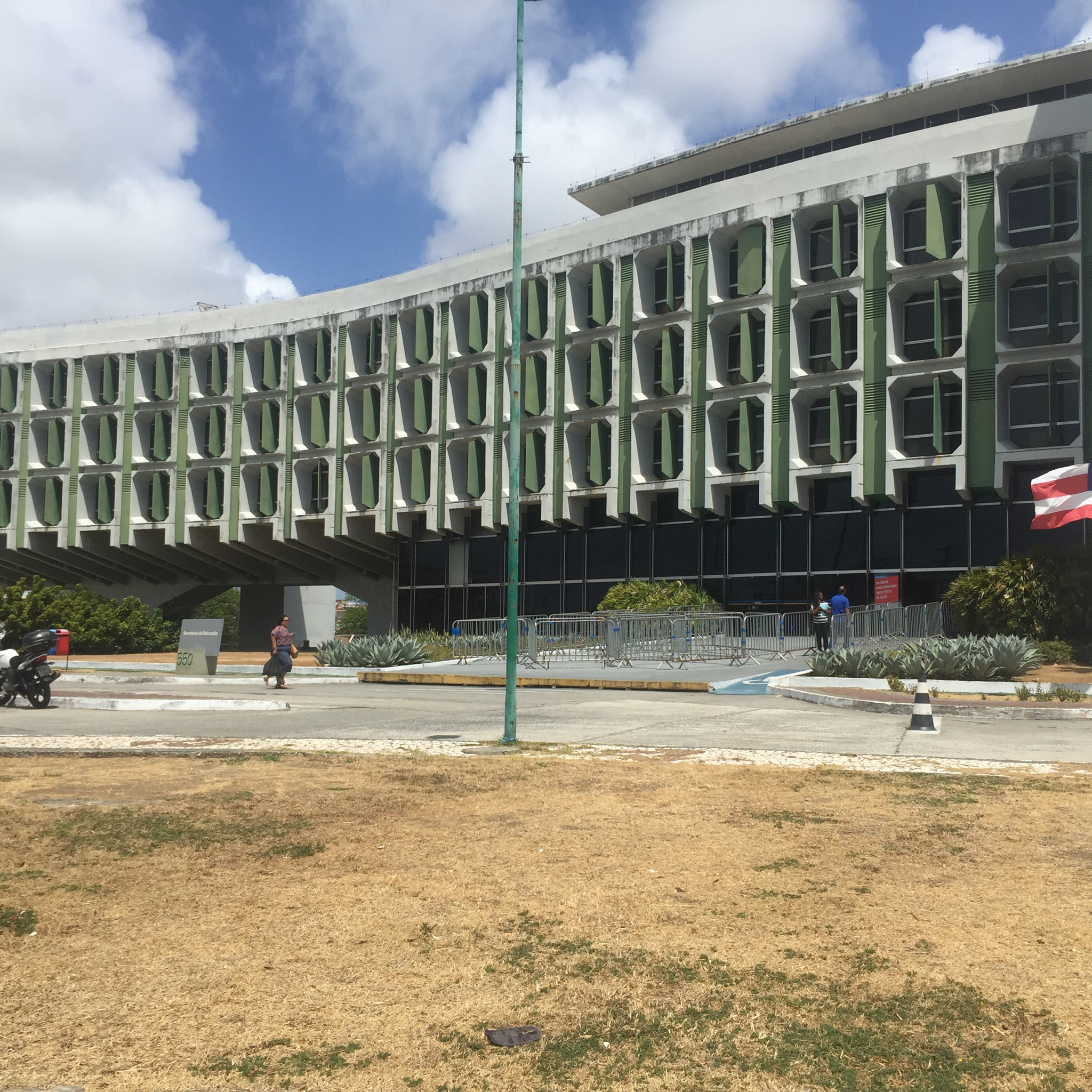
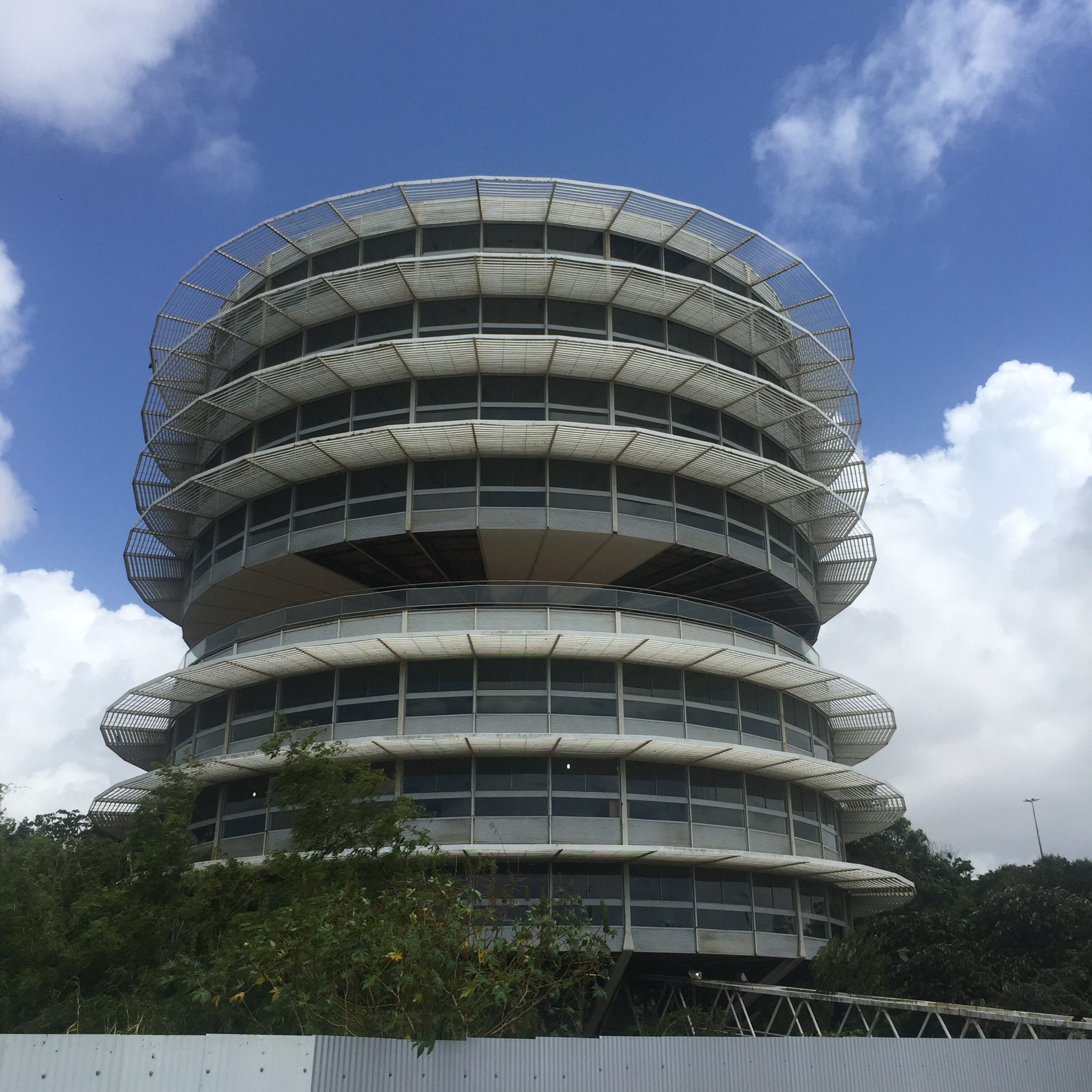
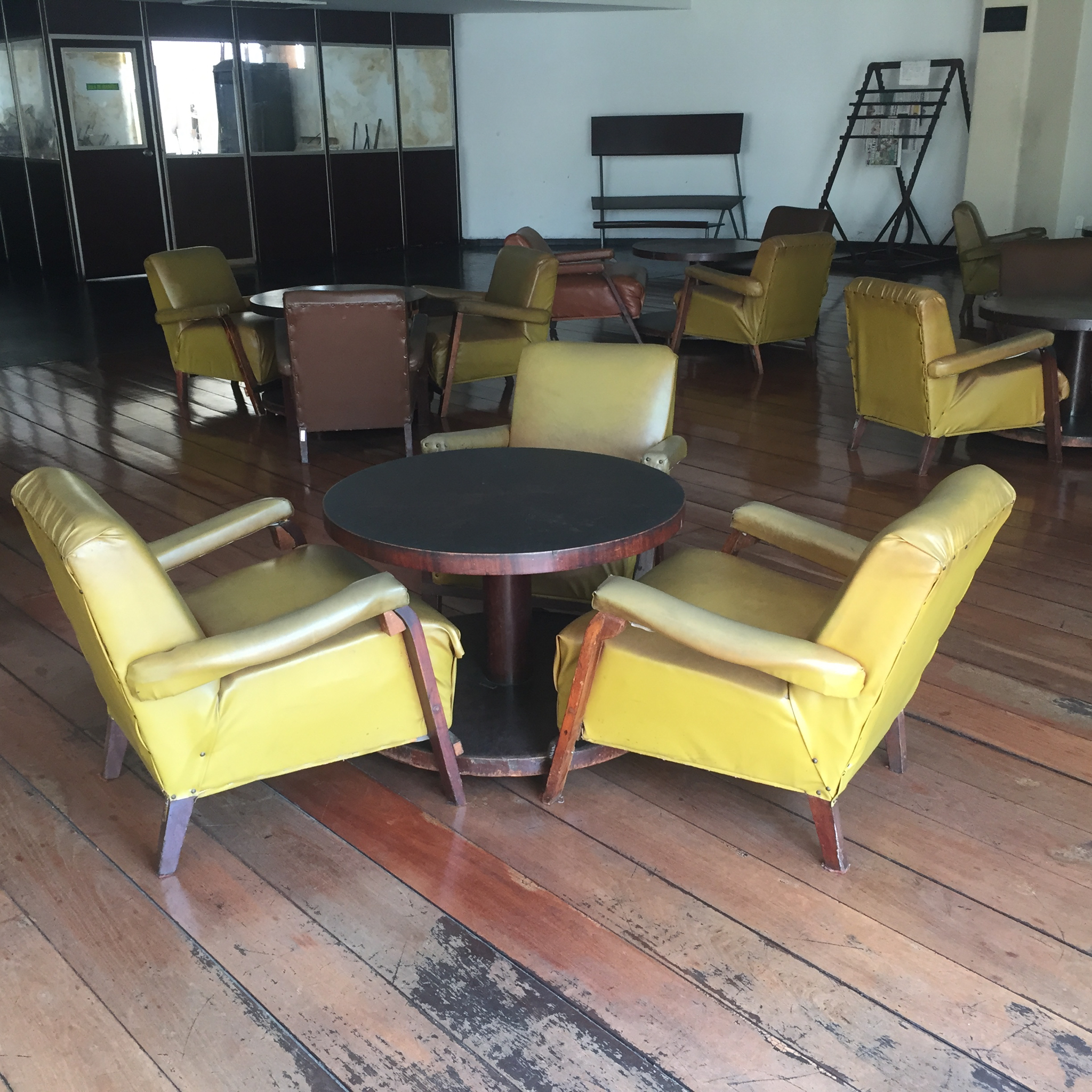
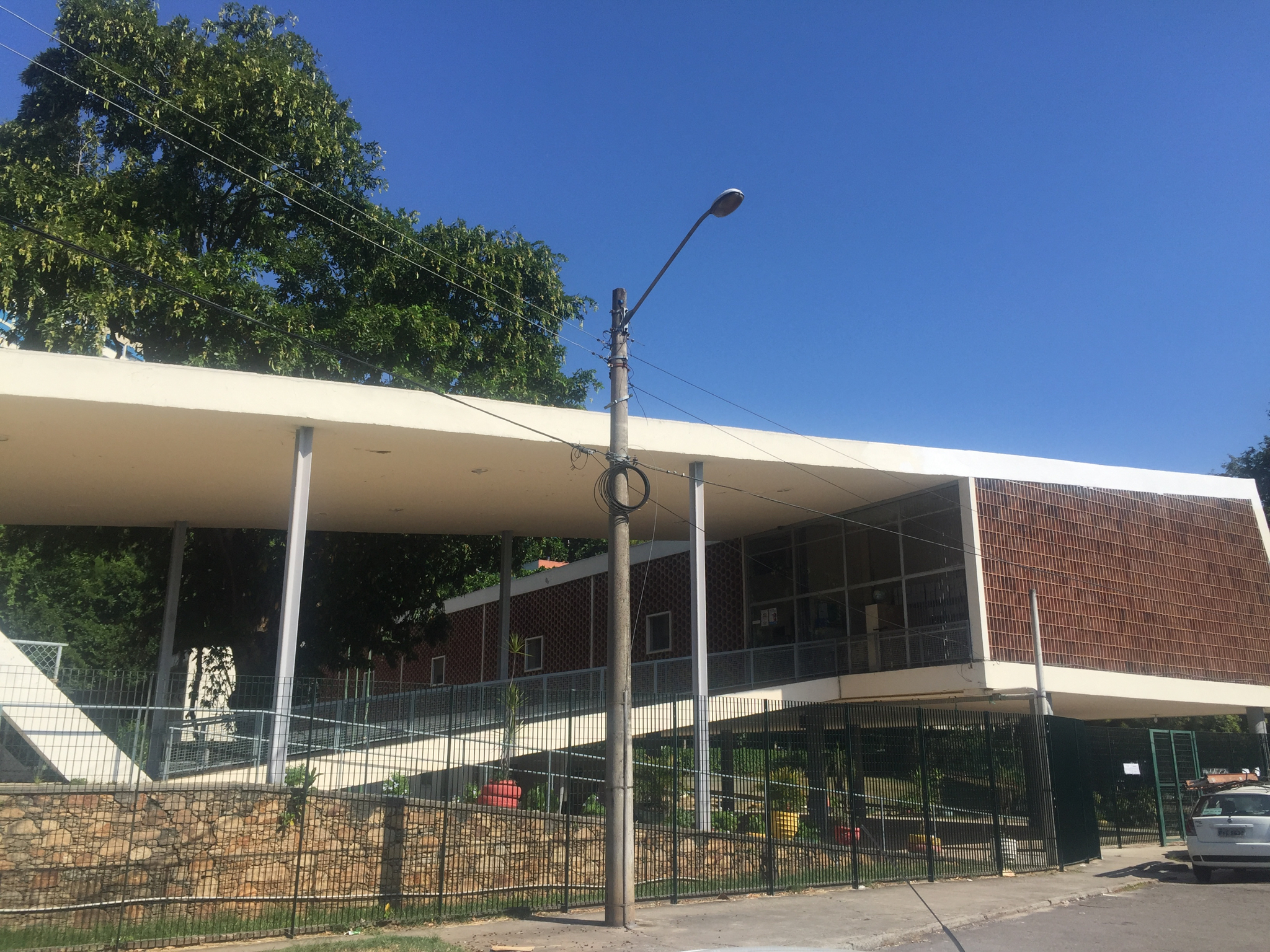
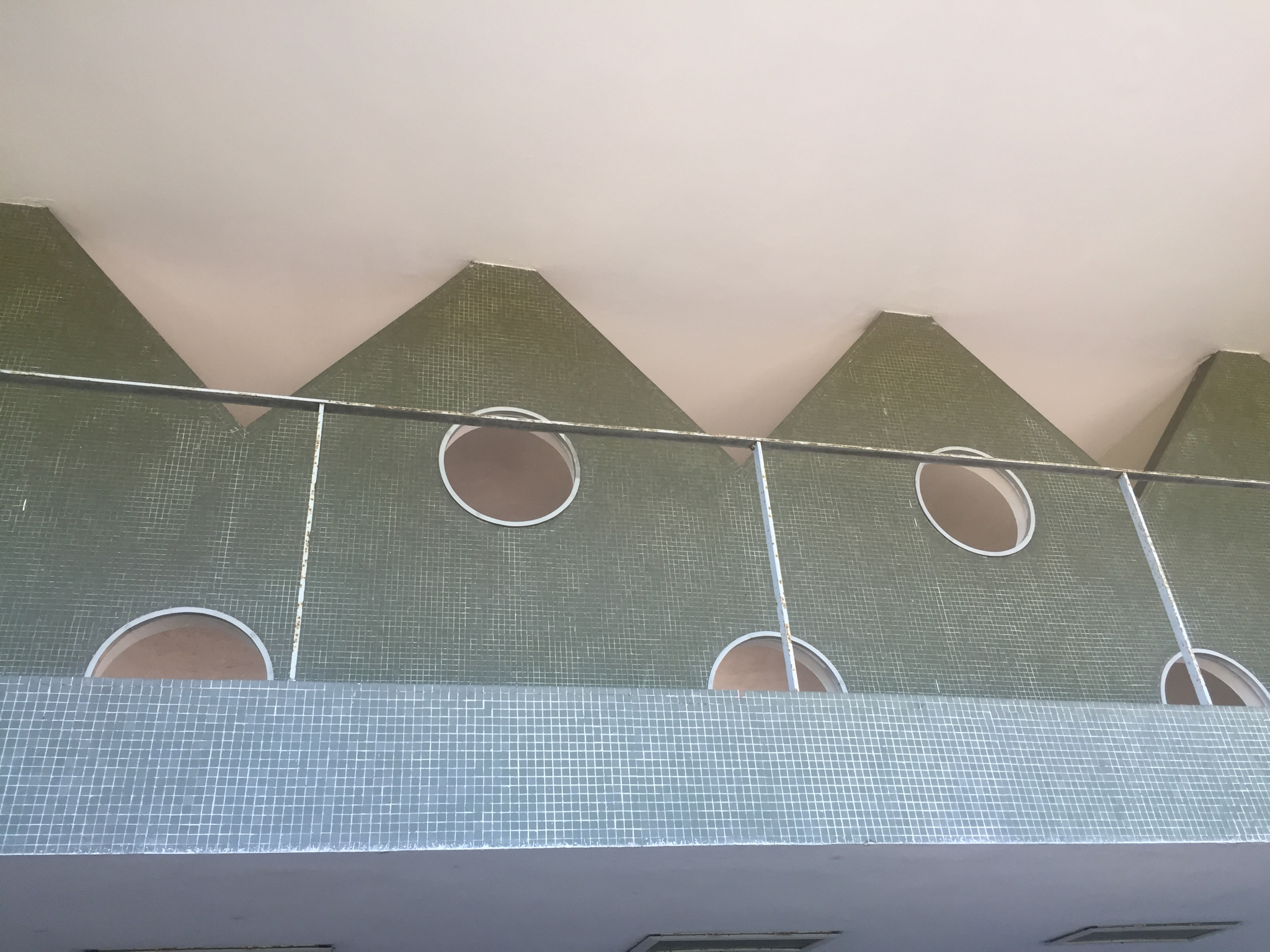
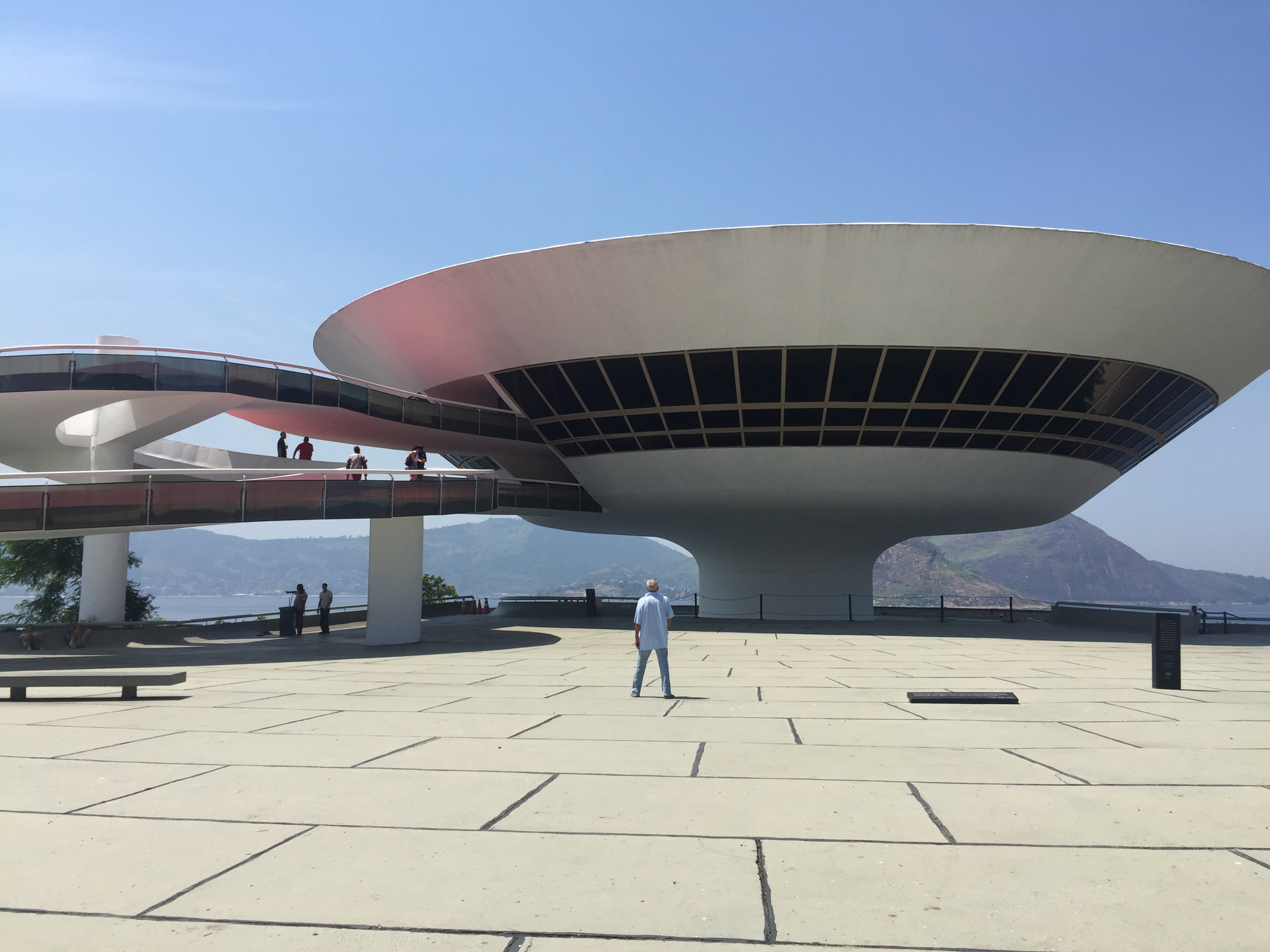
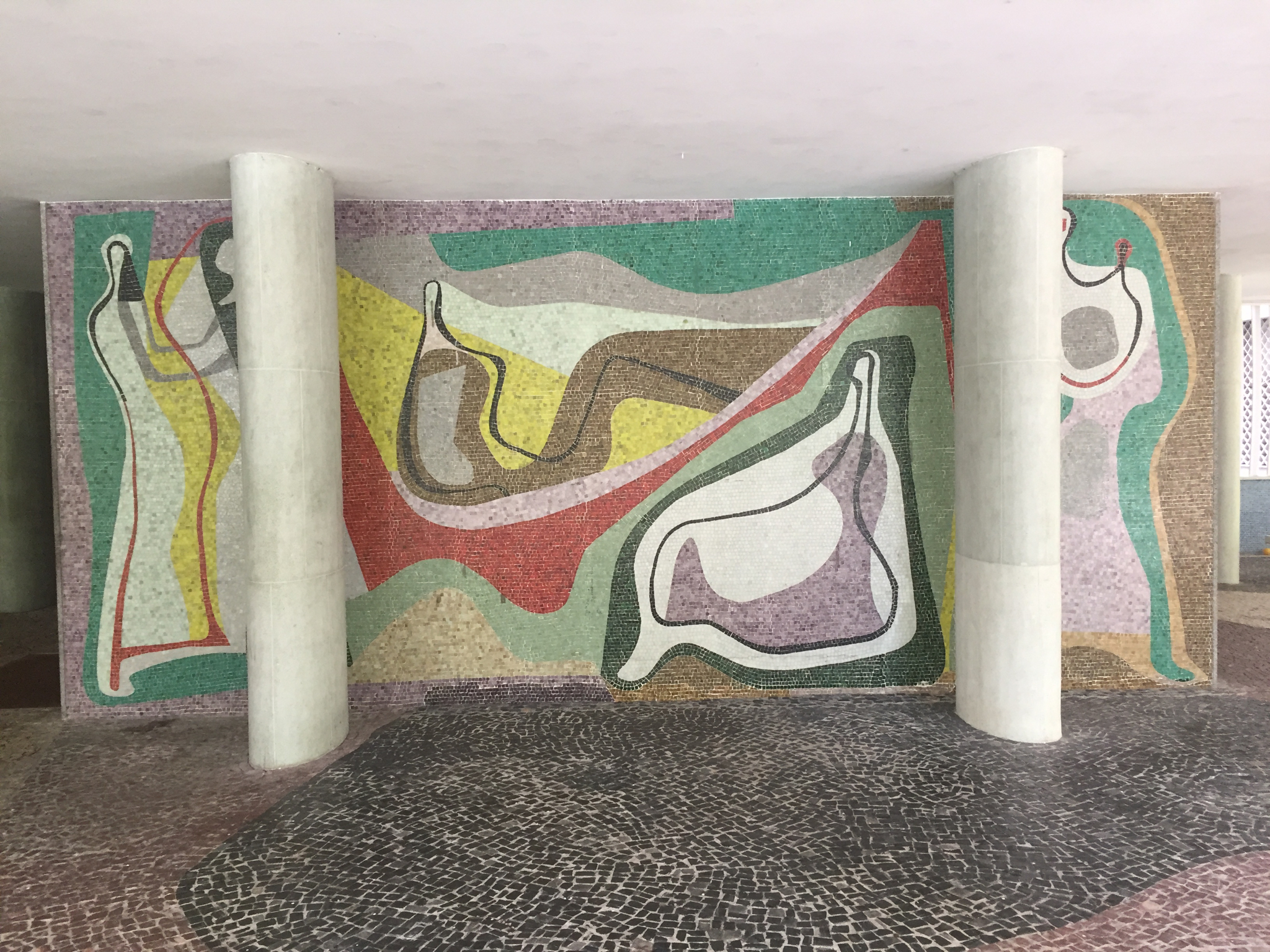
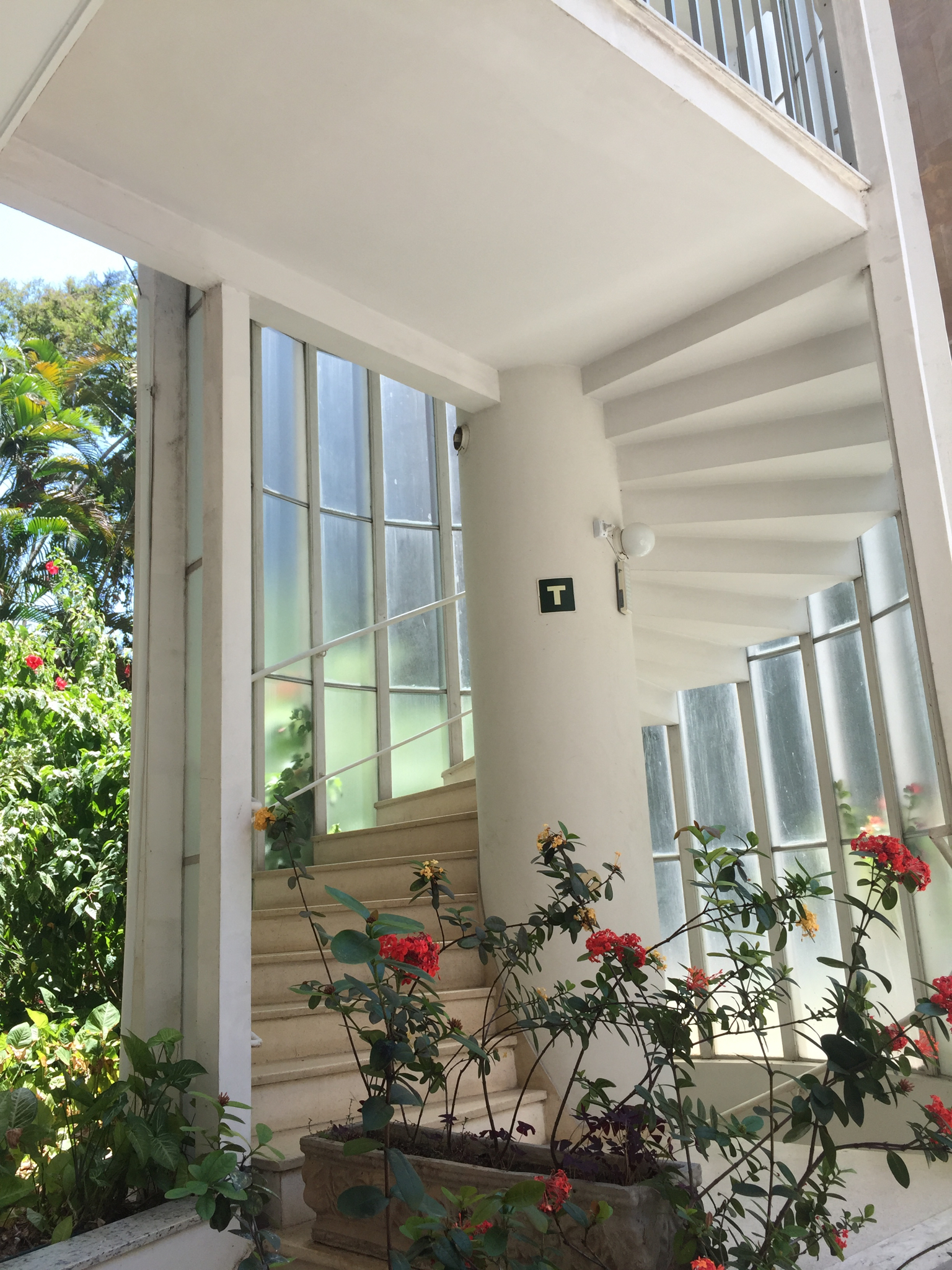
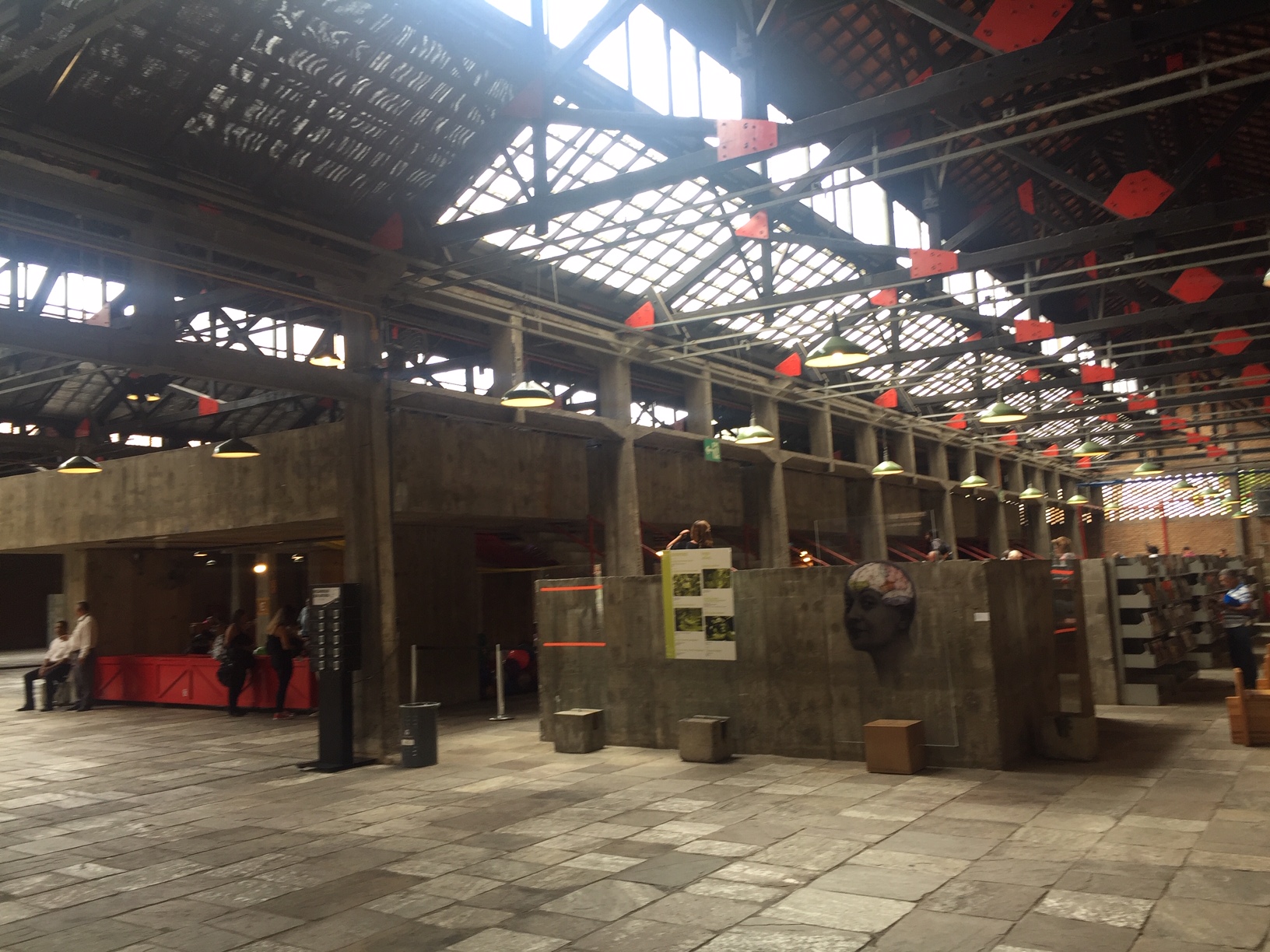
I returned ostensibly to study modernist architecture but my journey became a window into both politics and culture as a country’s built environment—and how it is respected— is closely aligned with the political imperatives of the day. In my view, this 20th century patrimony is as important as the pyramids are to Egypt. So many iconic structures are deteriorating and are without adequate fire protection. In Rio next year there will be a world architecture congress with government support which will address some of these issues—already a few of the most distinguished buildings are undergoing thorough, if protracted, preservation projects.   

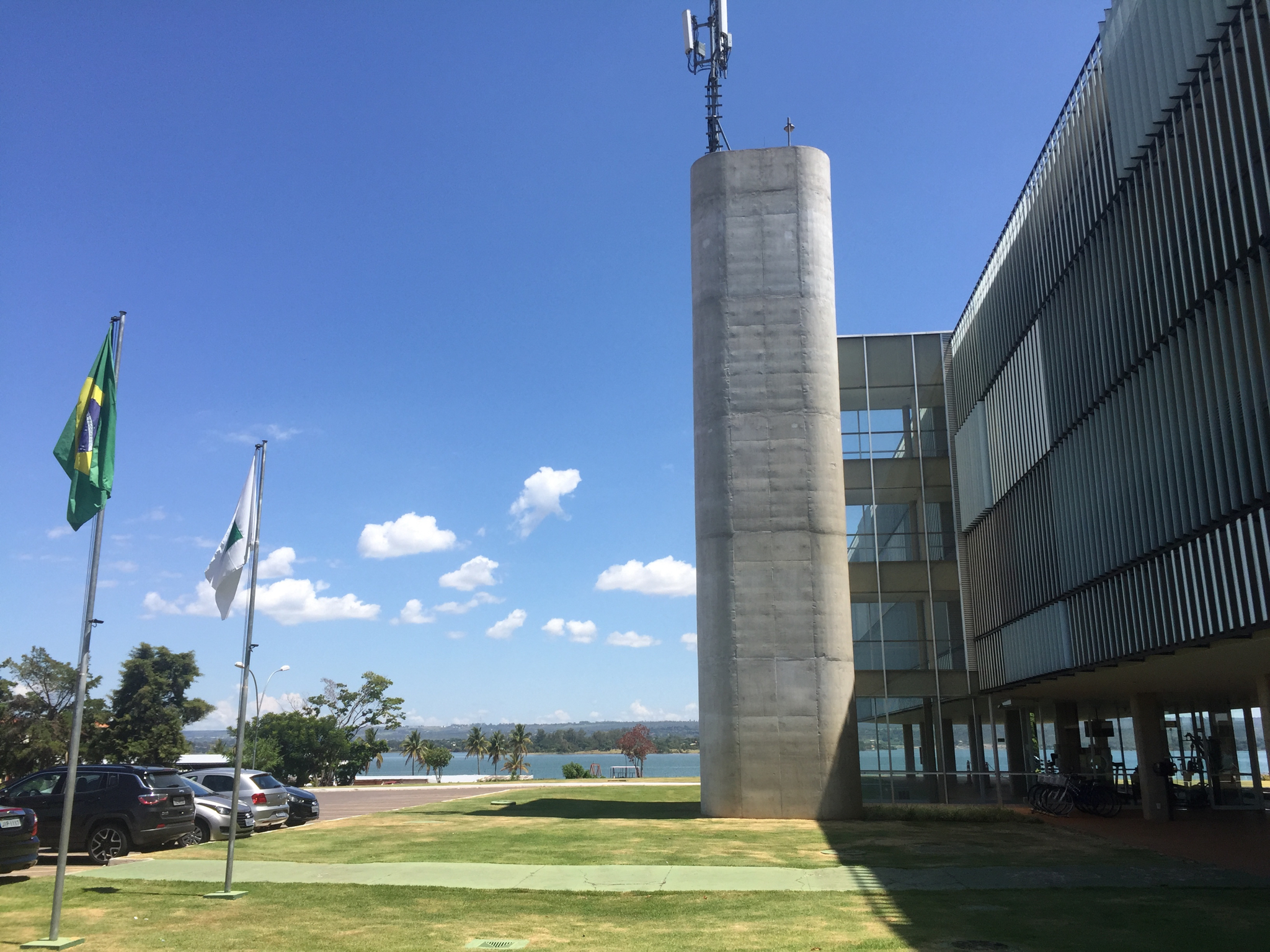
I arrived this time in Brasilia and went directly from the plane to drop my bags at the Niemeyer designed Palace Hotel, a quiet lakeside gem near the Embassy district. I had the impression of being on a stage set even though Brasilia is now a full-fledged metropolis. Inevitably, it is the show stopping Niemeyer federal buildings that still have pride of place. My first stop was to be the Alvorada Palace, the Brazilian White House, the Bolsonaro residence of only a few weeks’ duration. Military guards and street blockades warned that this would not be easy and, sure enough, even though I had given my passport number in advance (and Bolsonaro was in Davos), I learned that the palace, though previously accessible on certain dates, was now permanently closed to visitors. My architectural colleague (almost all my expert guides were organized by Superbacana) explained that, in his opinion, the house was Niemeyer’s most beautiful work in the city. I’m told this might change, but it was only the first of many heartbreaks of inaccessibility along my route

Nevertheless, my day with Oscar, as I came to think of it, was every bit as fulfilling as I had imagined. Brasilia is a resounding example of the political will of principally three men—Juscelino Kubitschek (President), Lucio Costa (planning) and (architect) Oscar Niemeyer— to build a utopian mecca for a new more central seat of Brazilian government in 1956 (it had been Rio)—in just four years. Though I generally am suspicious of superstardom in architecture, here I was grateful to have this body of monumental work on display. Yes, there were manifold issues around its construction in the middle of a largely rural province. As in the construction of Gibellina Nuova, Sicily, the visionaries marched to their own drum without consulting local inhabitants.

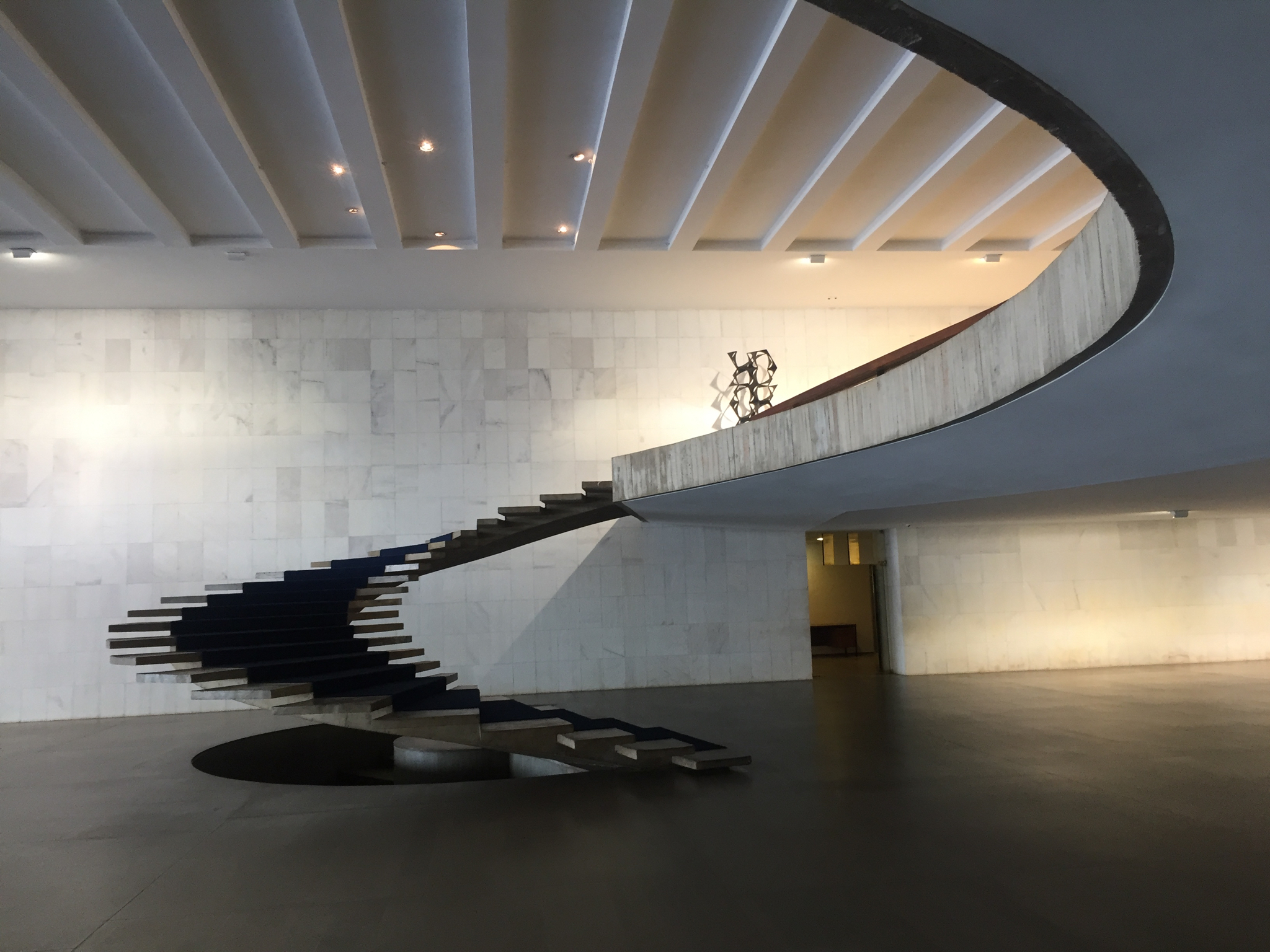
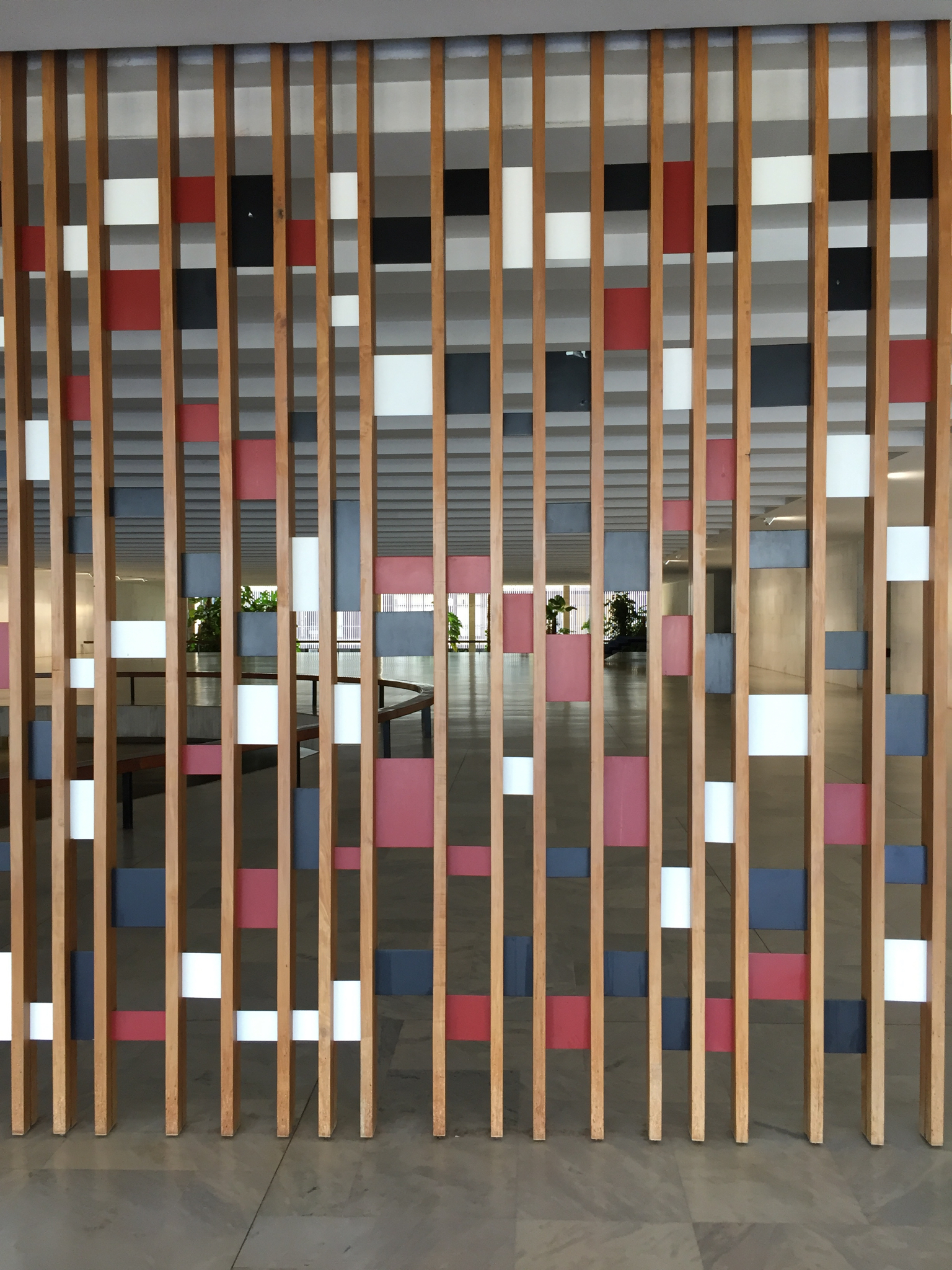
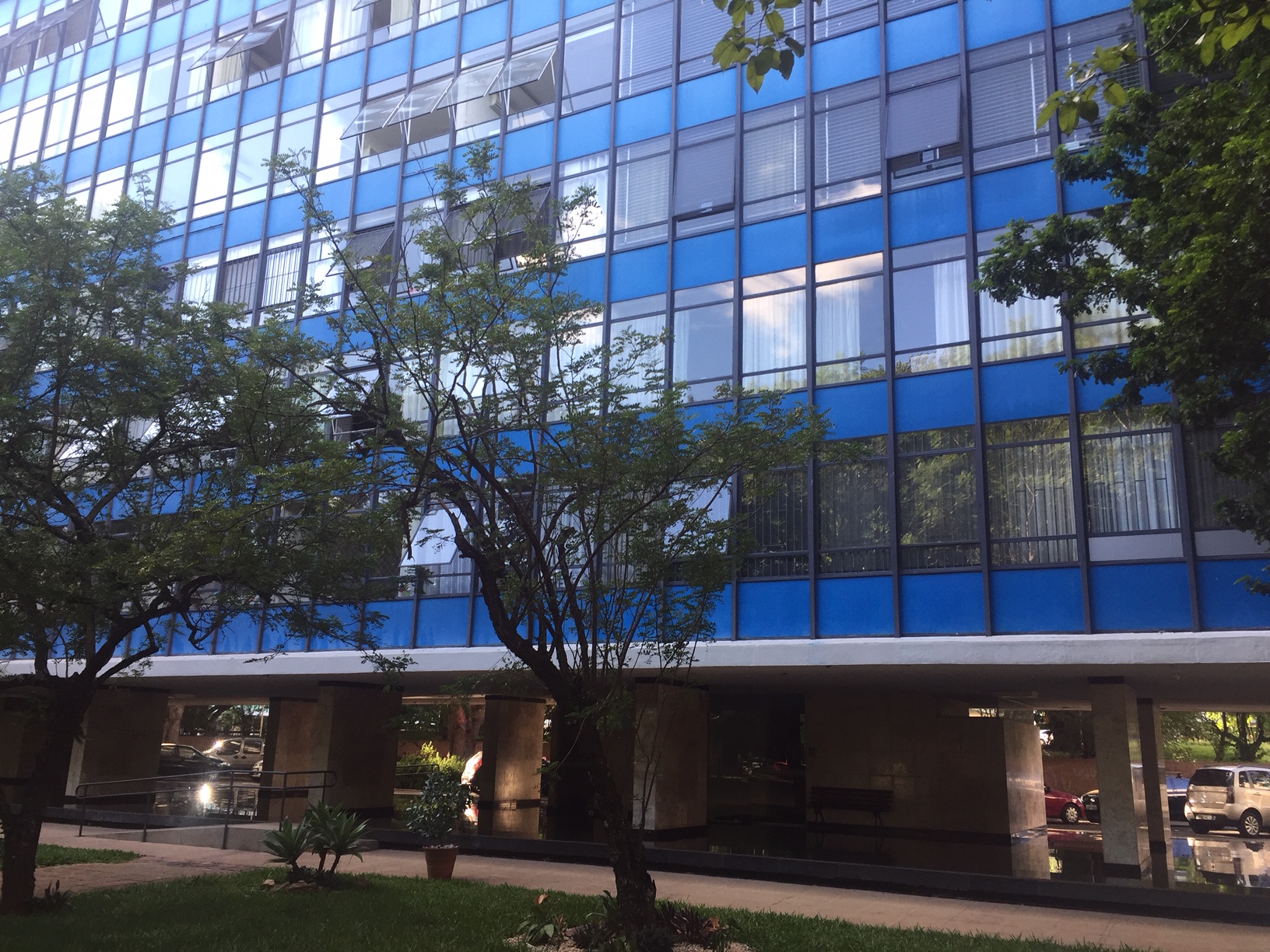
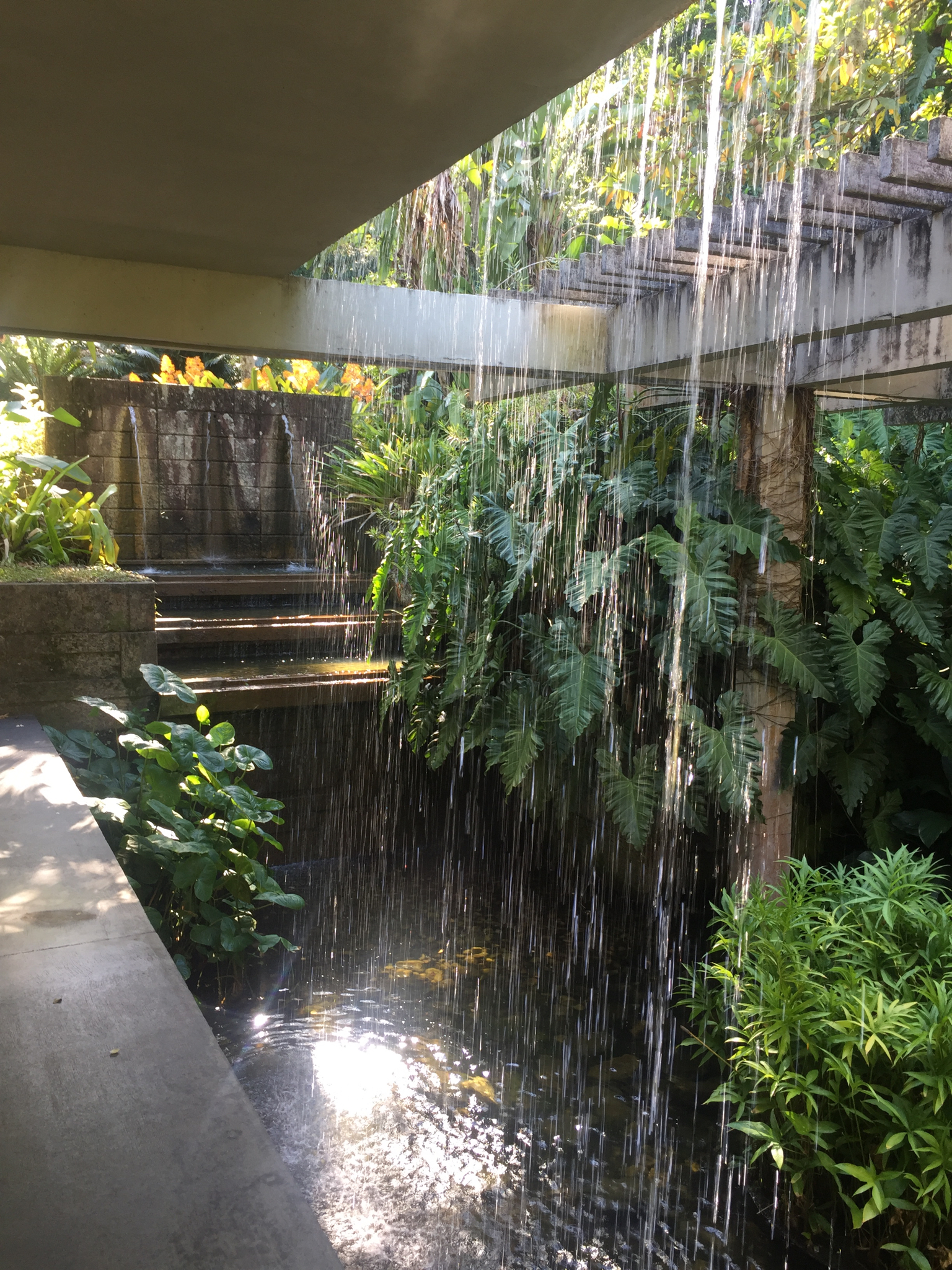
Highlights: on the Monumental Axis, the Itamaraty Palace with its splendidly thin arches, its central staircase, its Roberto Burle Marx garden; the National Congress with its pea green carpeting, brutalist hallway and starry-ceilinged legislative chamber, the Ministry of Justice with waterfalls emerging from its façade. On the residential axis, the elegant living spaces and muted colors of the Superquadras (these a true revelation), the brutalist, un-gated Mexican Embassy. (Our American Embassy has just announced a new project by Jeanne Gang. Thank goodness, as the walled, wired, hodgepodge mess there is an embarrassment. At least one good decision from the Trump State Department).  

IMG_0003.JPG
IMG_0005.JPG
IMG_0012.JPG
IMG_0014.JPG
IMG_0016.JPG
image2.jpeg
image1.jpeg

 In anticipation of going to Salvador, Brasilia’s polar opposite, I took an Afro-Brazilian dance class at Steps. That revved me up for the multi-culti experience of that seaside city which keeps its clock—and its energy—on a time all its own.

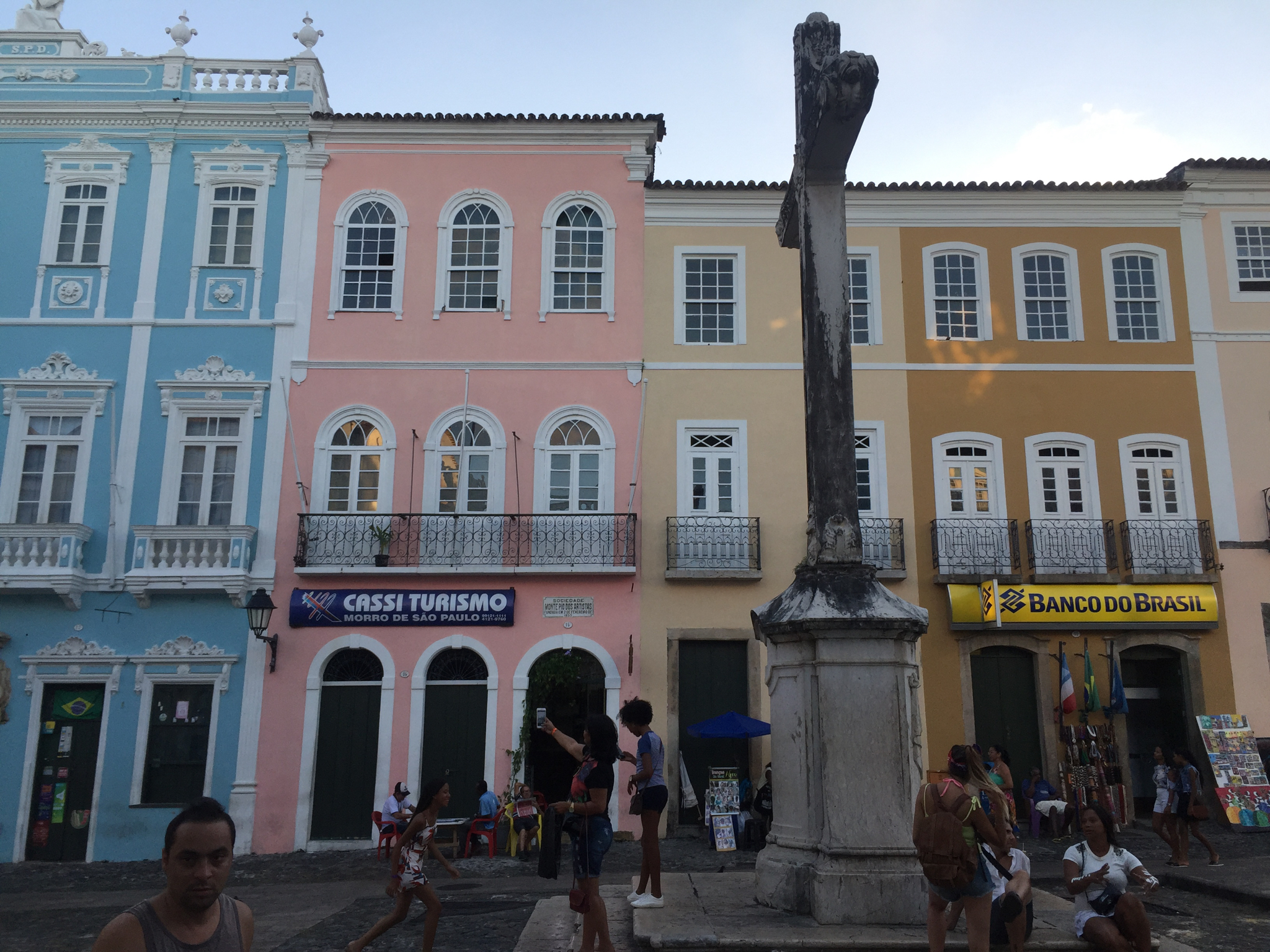
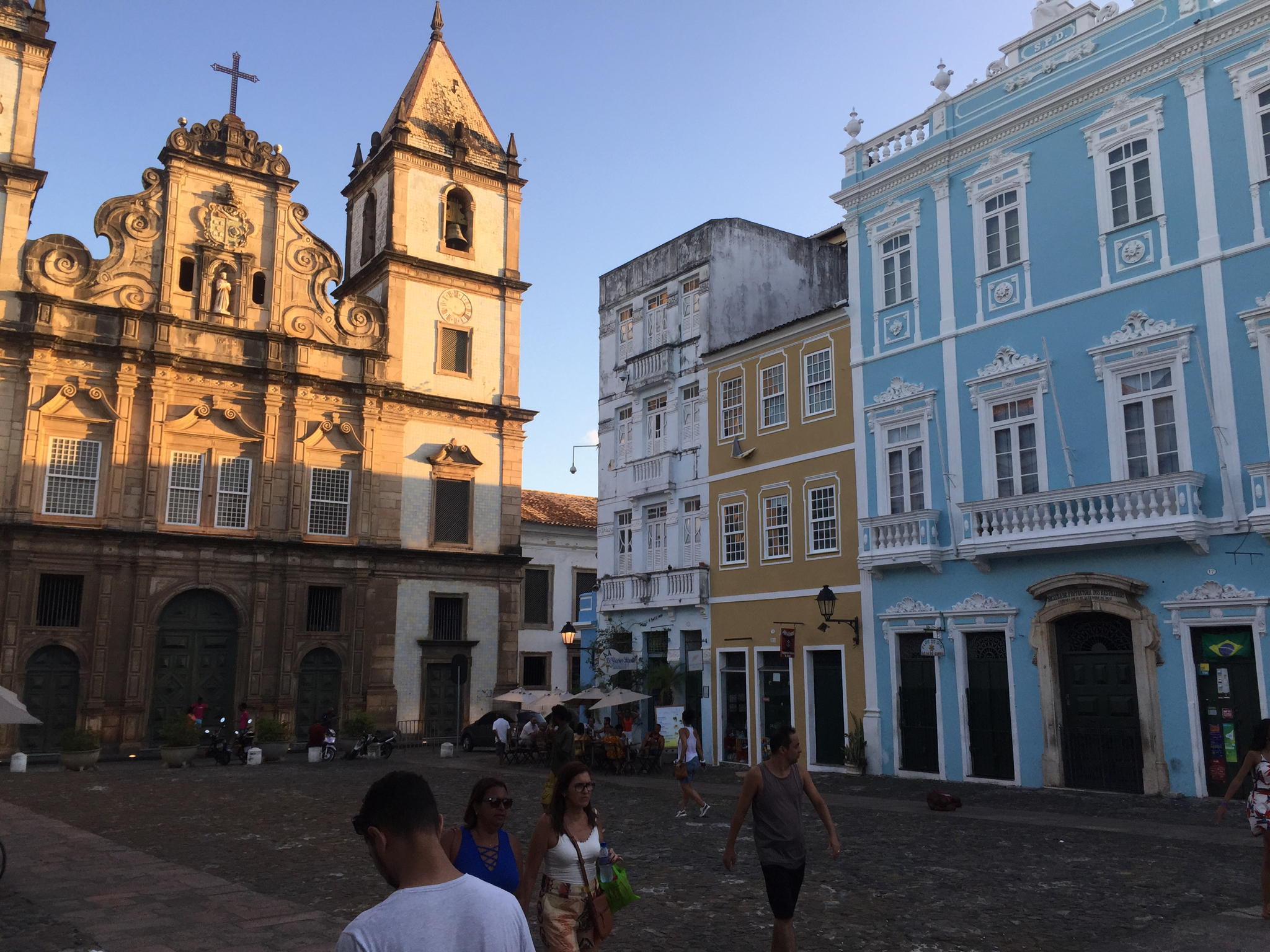
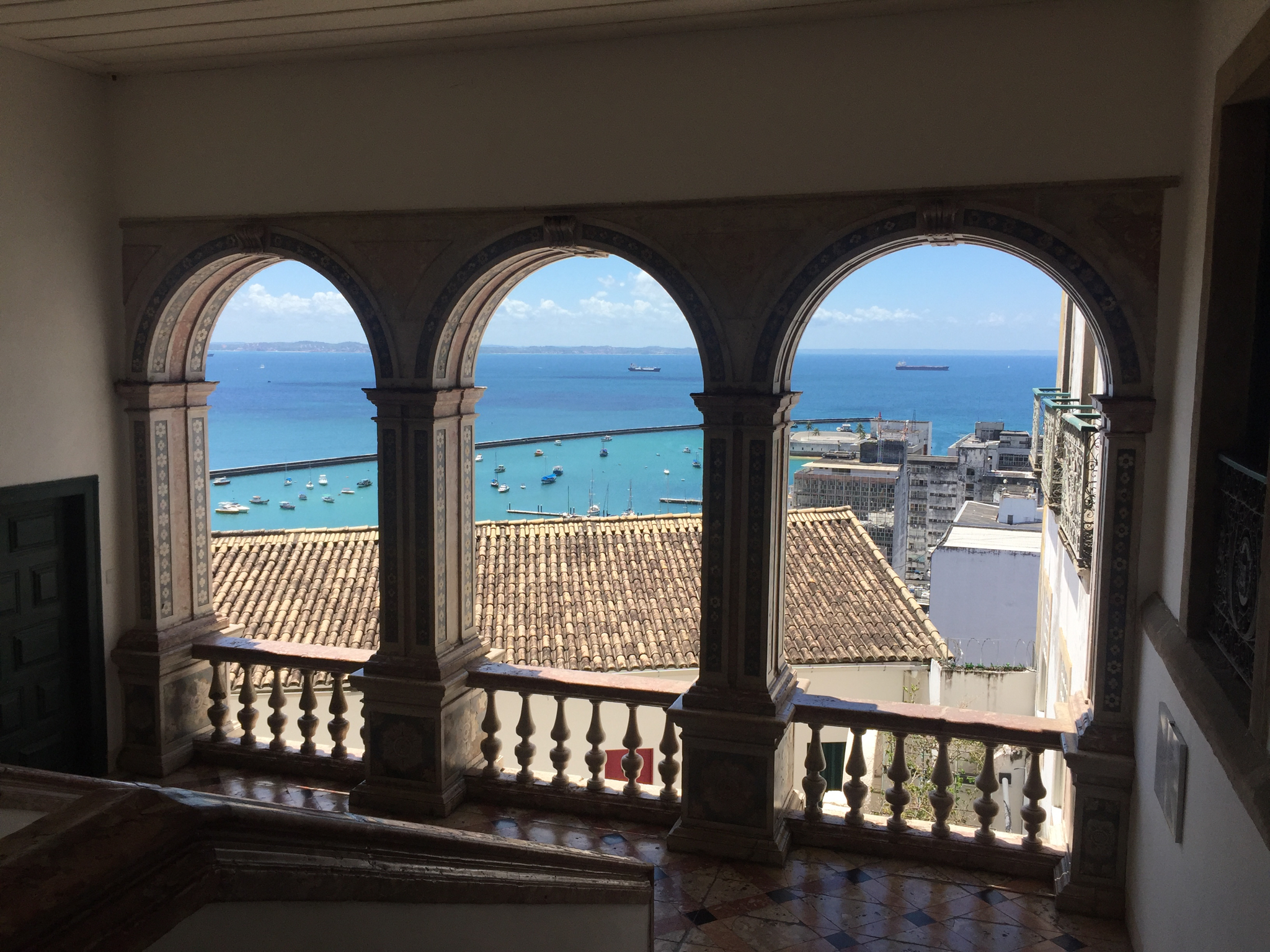
Highlights: There is a Lele (Joao Lima) cathedral and city hall and other projects by Lina Bo Bardi, one in restoration (the museum) but others (a theater, a bar) in alarming stages of disrepair.  I was very taken with the local branch of the Sarah Hospitals chain (LeLe was in the in-house architect), and a wonderful history museum, the Misericordia Hospital, evidence of the Portuguese wealth that existed when Salvador was an early capital. These are thankfully in pristine condition.

IMG_0046.JPG
IMG_0047.JPG
IMG_0051.JPG
IMG_0038.JPG
IMG_0079.JPG
IMG_0077.JPG
IMG_0076.JPG
image3.jpeg
IMG_0048.JPG

A contemporary architectural intervention into an adjacent palace made the Carnival Museum a dynamic space with video exhibits which—for the first time in my experience— give dance and music a founding place in the history of a country. However nothing was as thrilling as an actual afternoon Carnival rehearsal with Olodum, the largest of the Bloco Afros.

Though some claim they have become too commercial, their intense drumming and singing which revved up a crowd of locals and foreigners was entirely infectious and hardly disturbed by the defile of military police which marched through at regular intervals. ( In the town square, I saw other police routinely searching and harassing local youth. Is this a new Bolsonaro initiative or business as usual in Salvador?) Two new chic hotels are open near the waterfront (Fasano and Fera), but I stayed in the heart of the Pelourinho district at the faded but friendly Convento do Carmo which felt more in keeping with the city energy. Salvador was named one of the NYT 52 places to visit this year, but I would wait until fall as many things are under construction. 

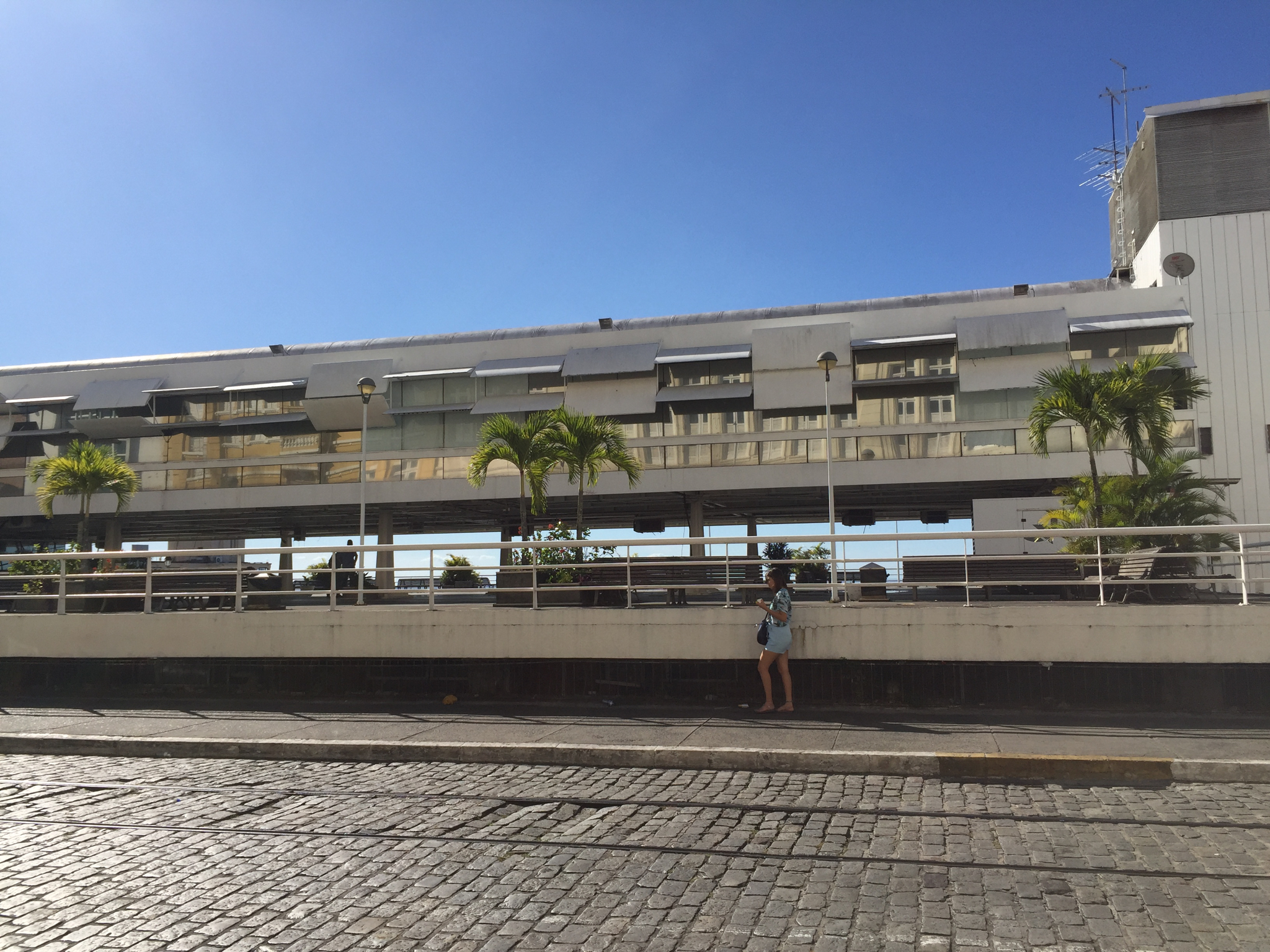
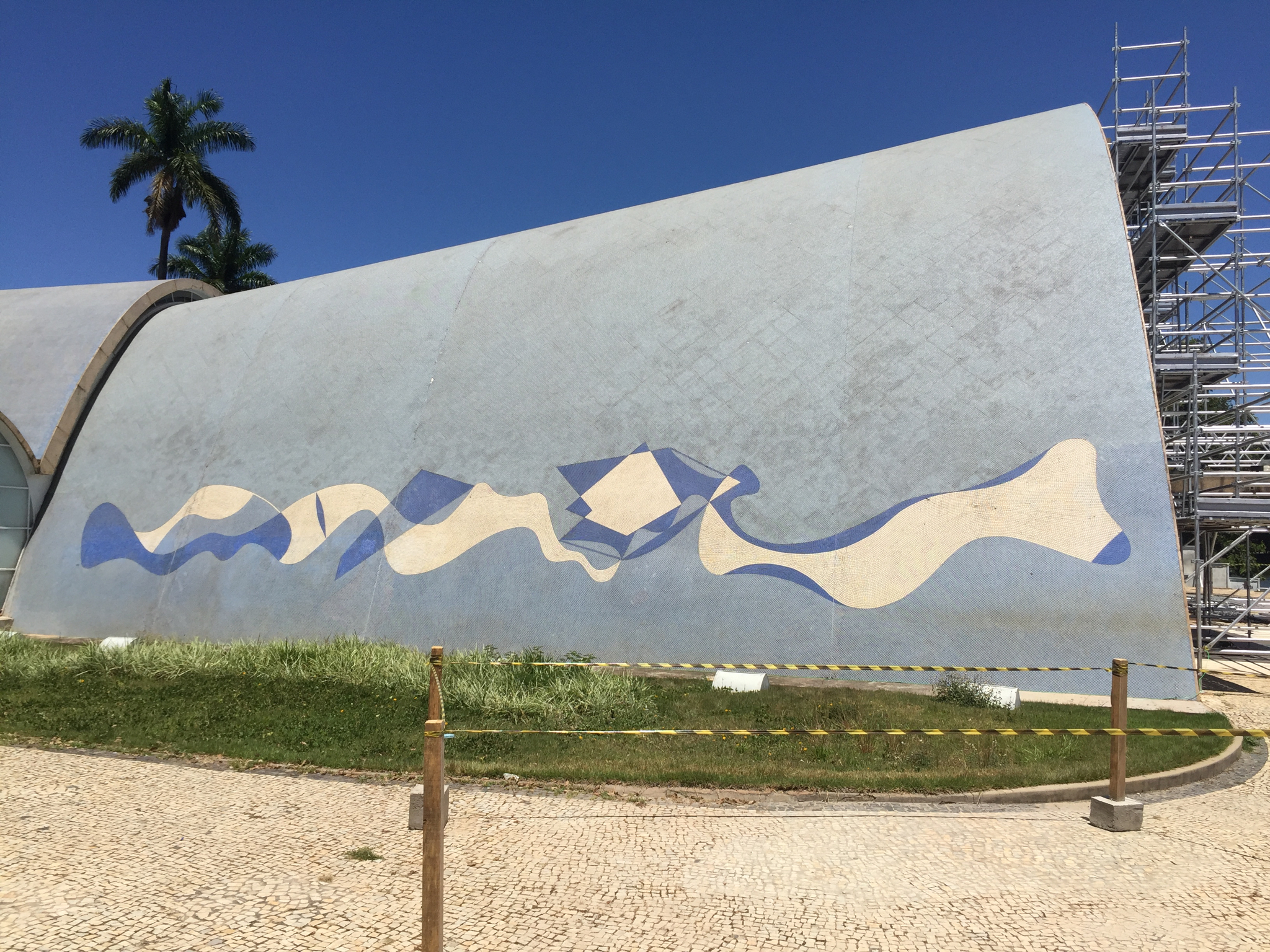
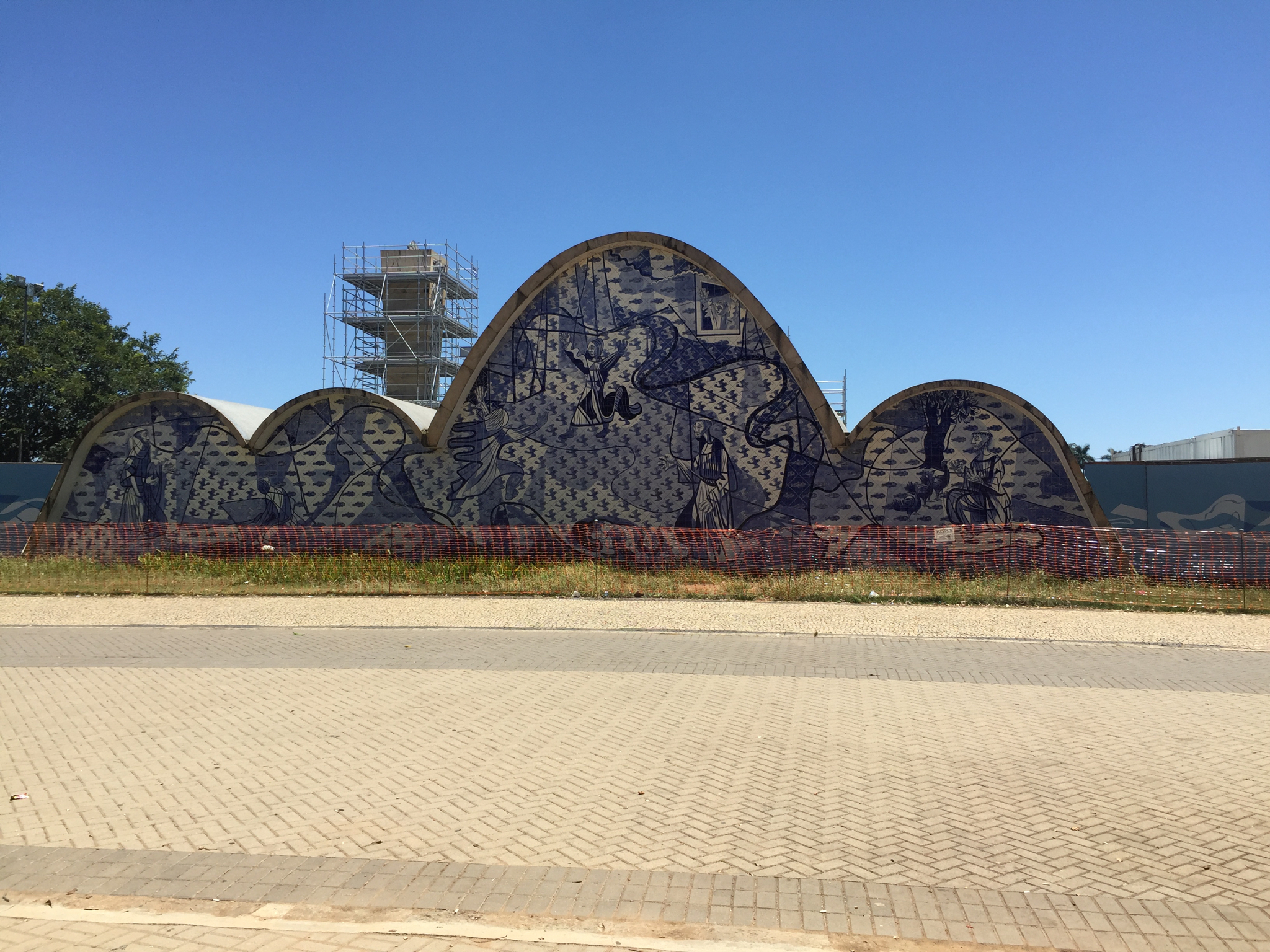
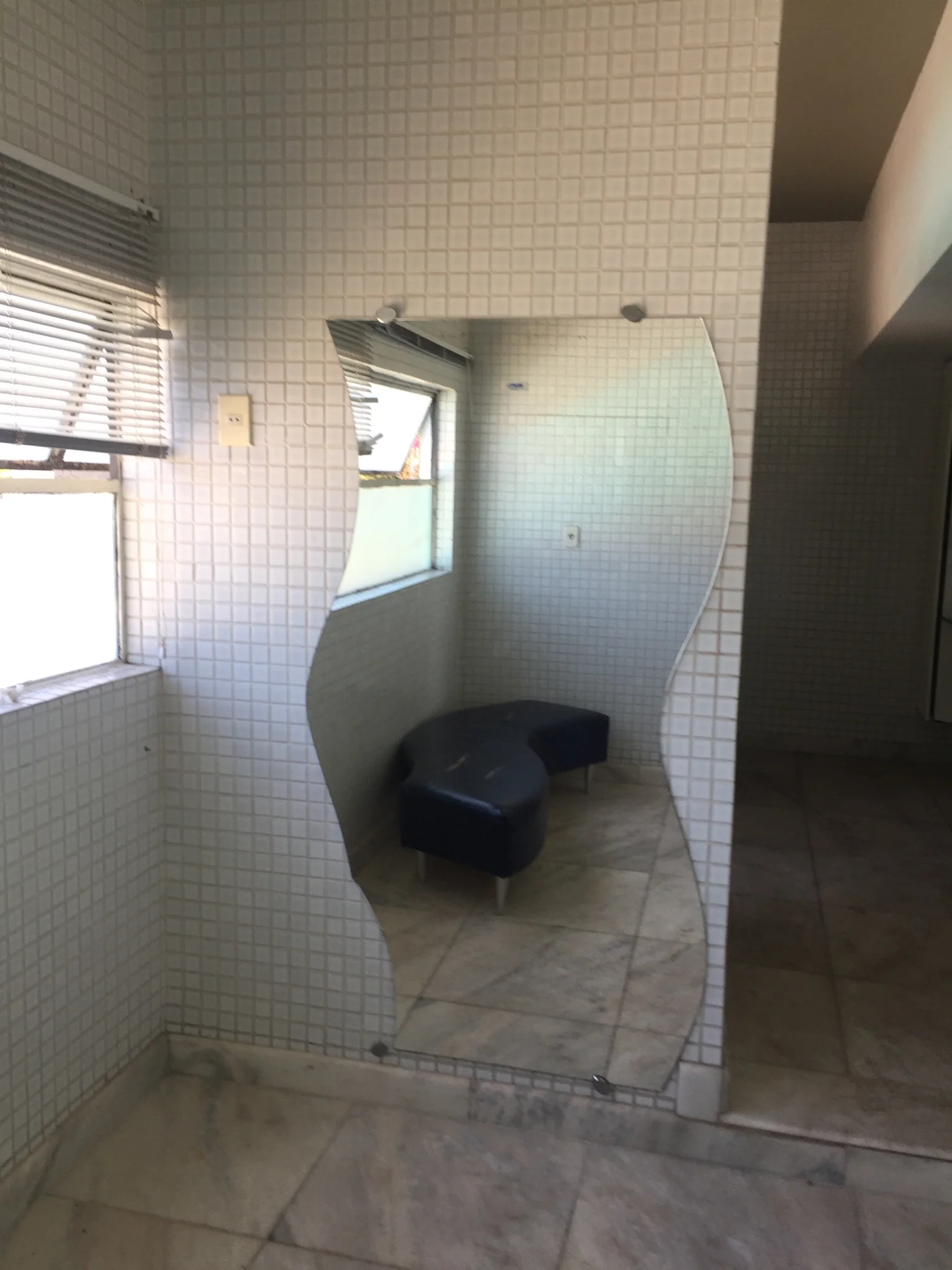
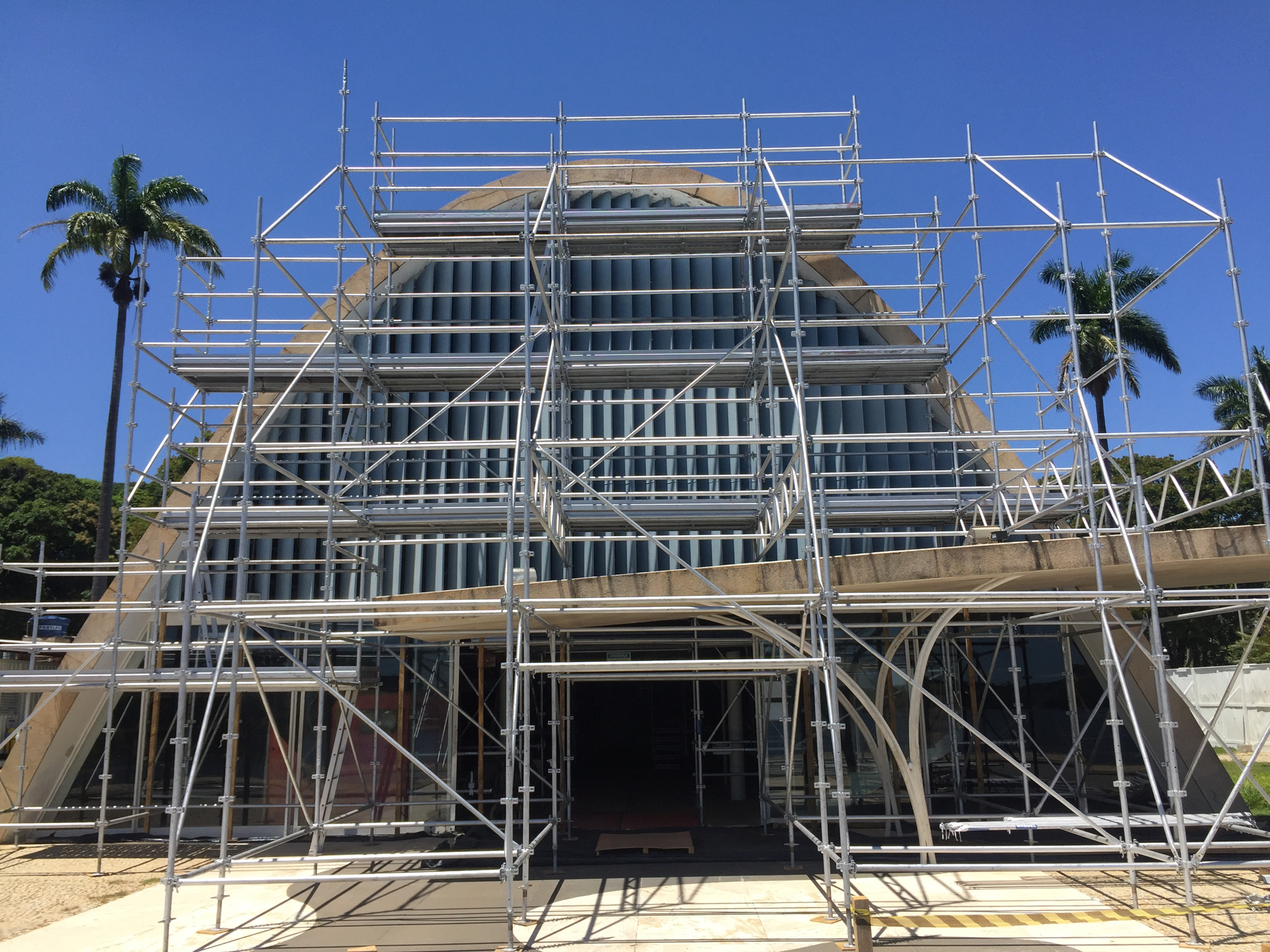
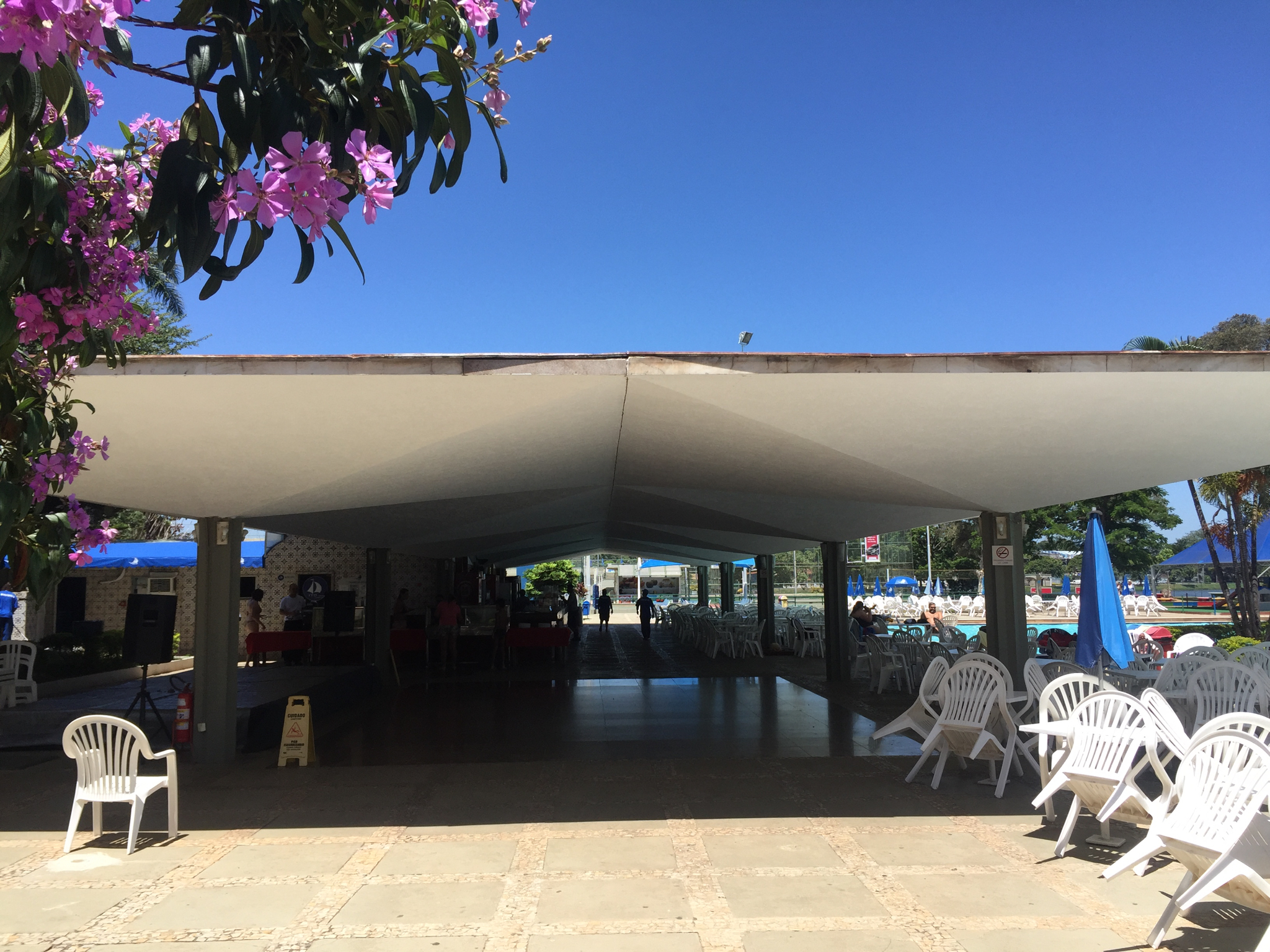
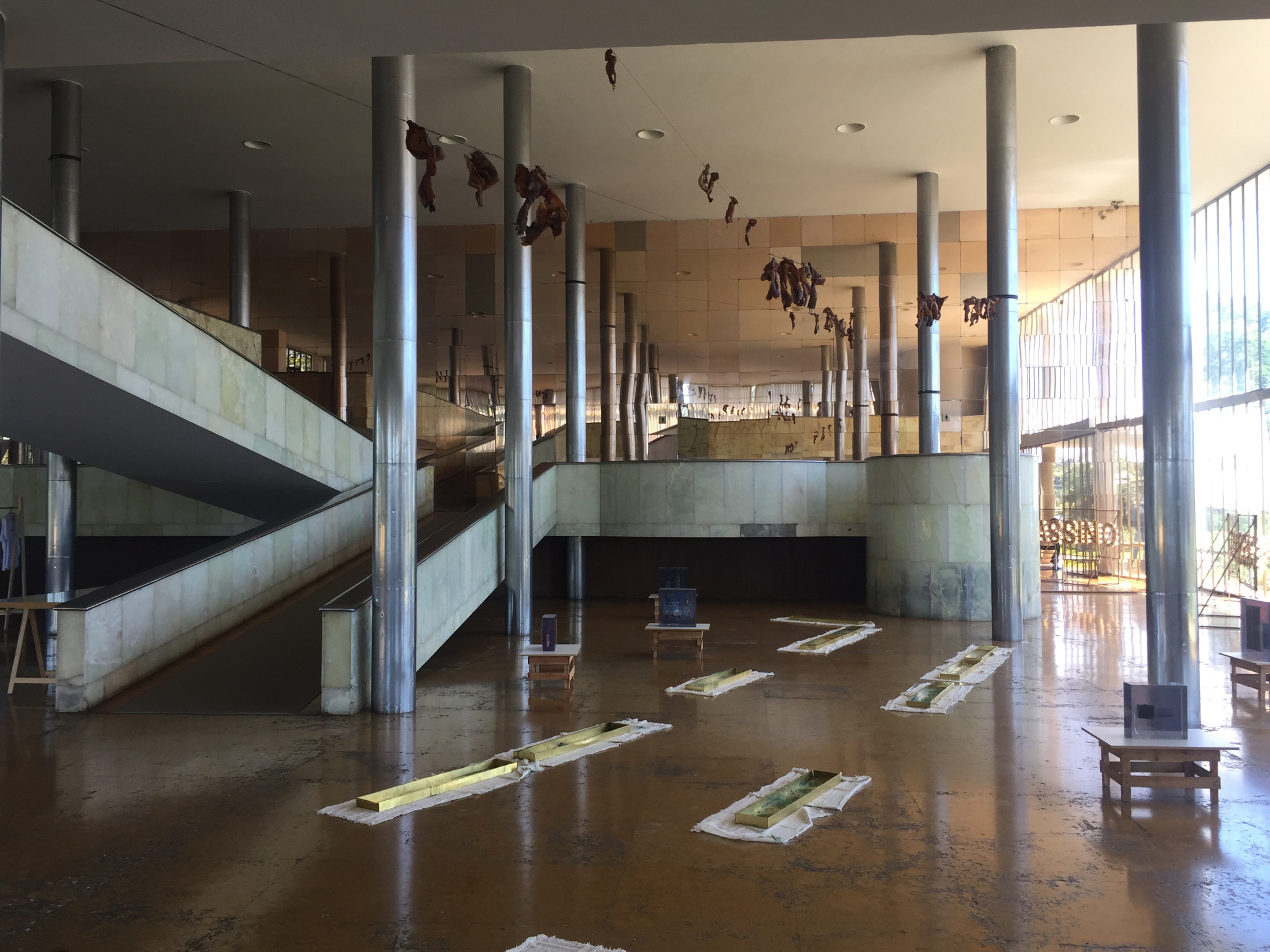
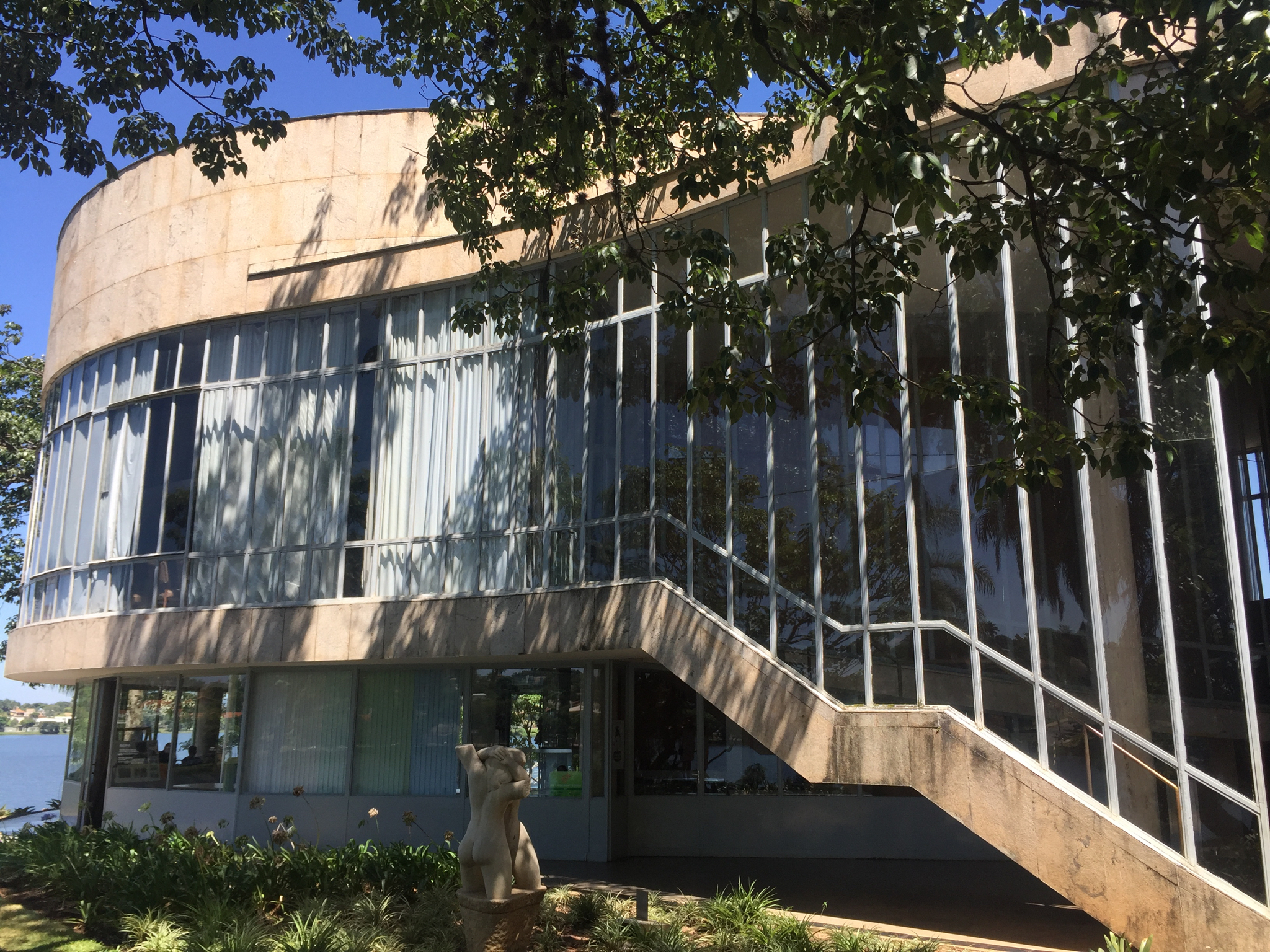
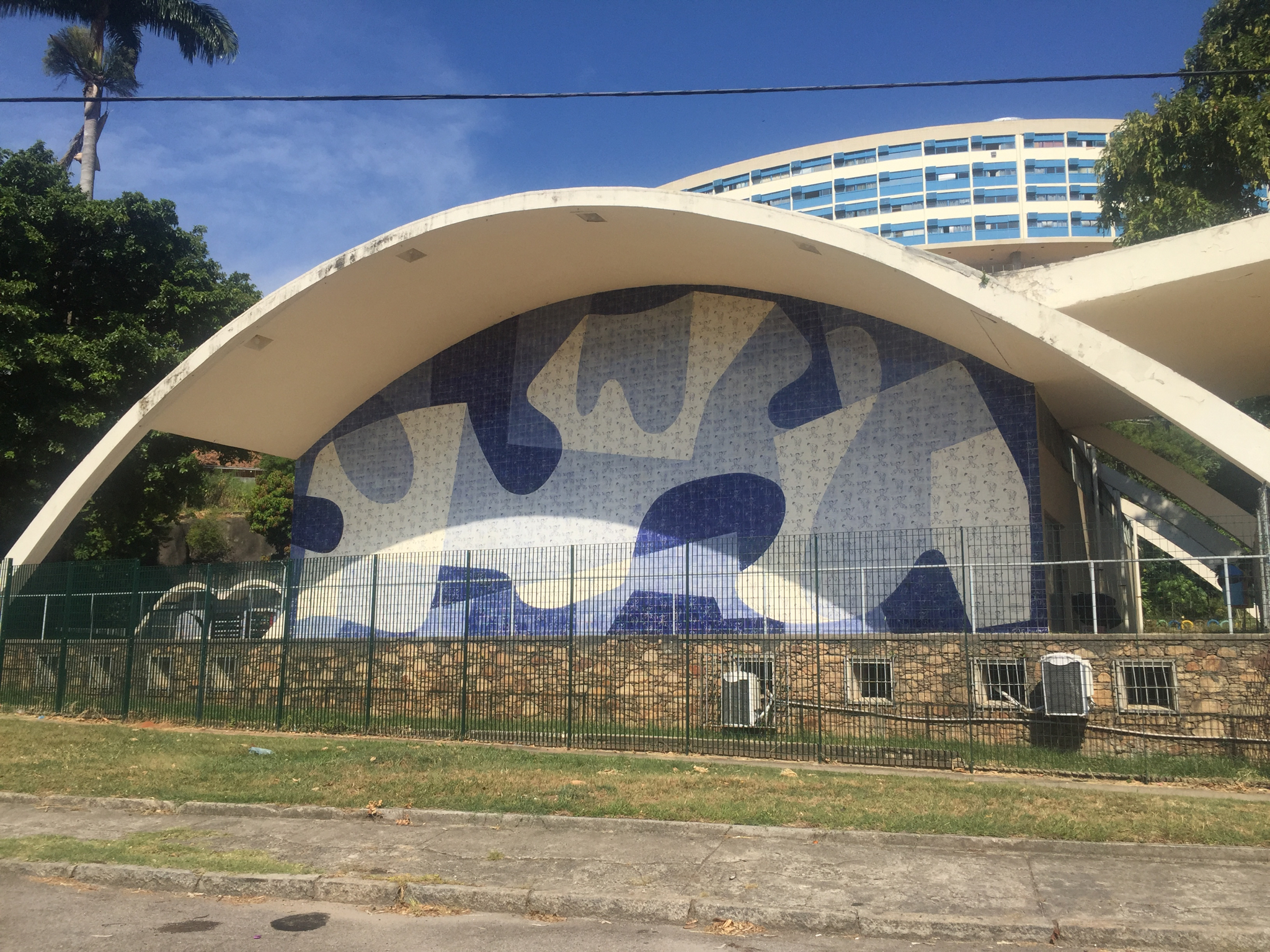
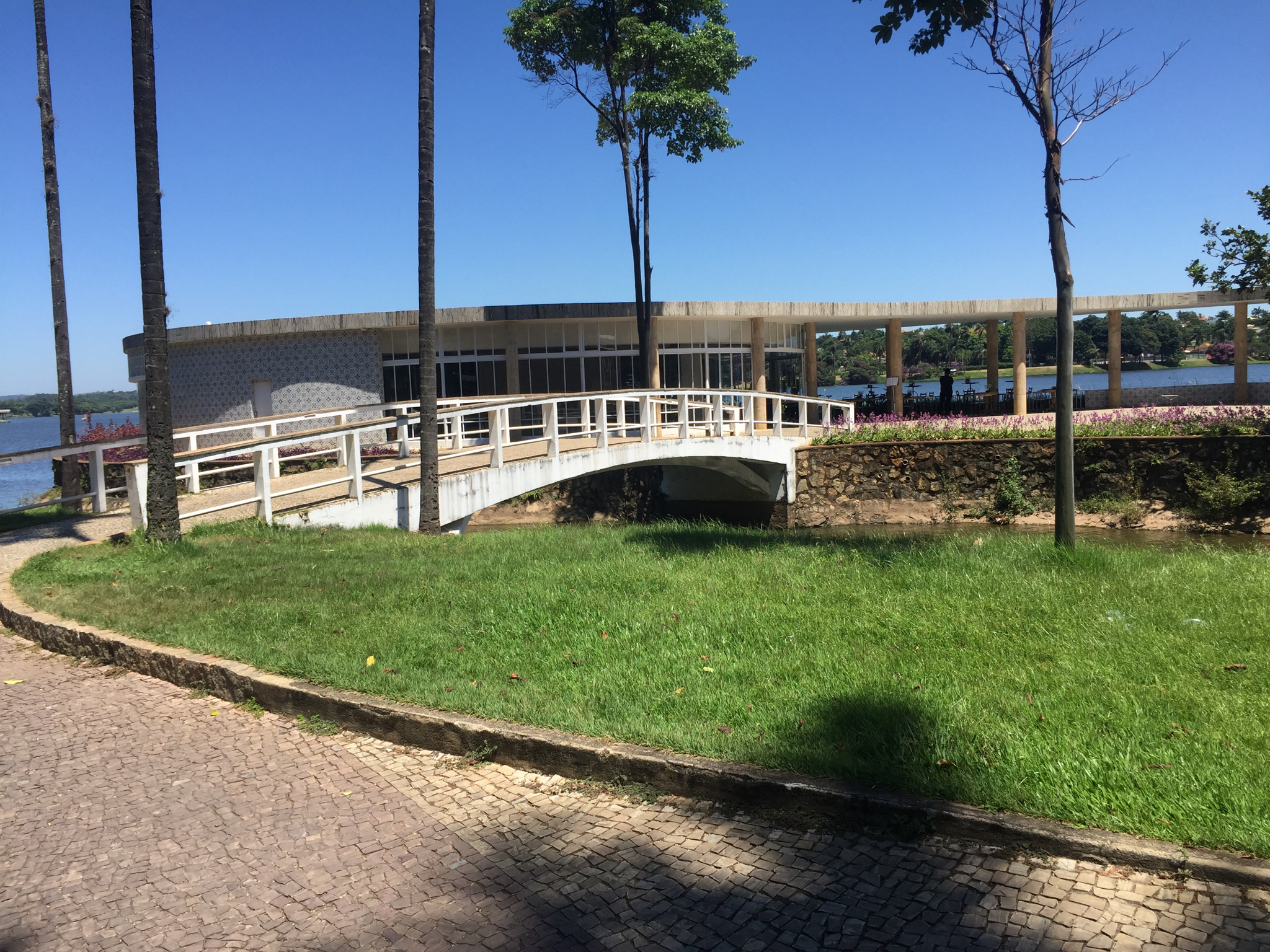
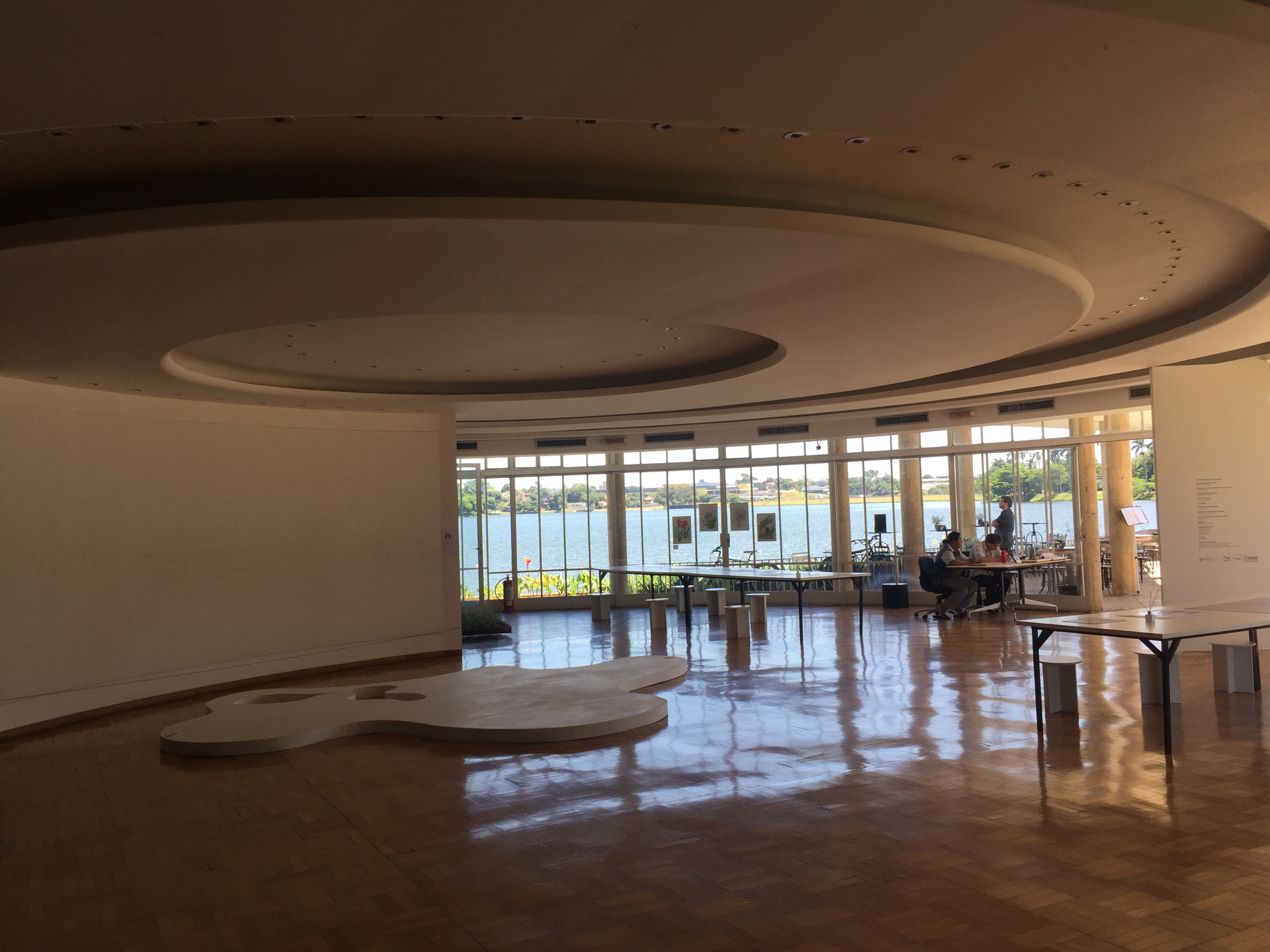
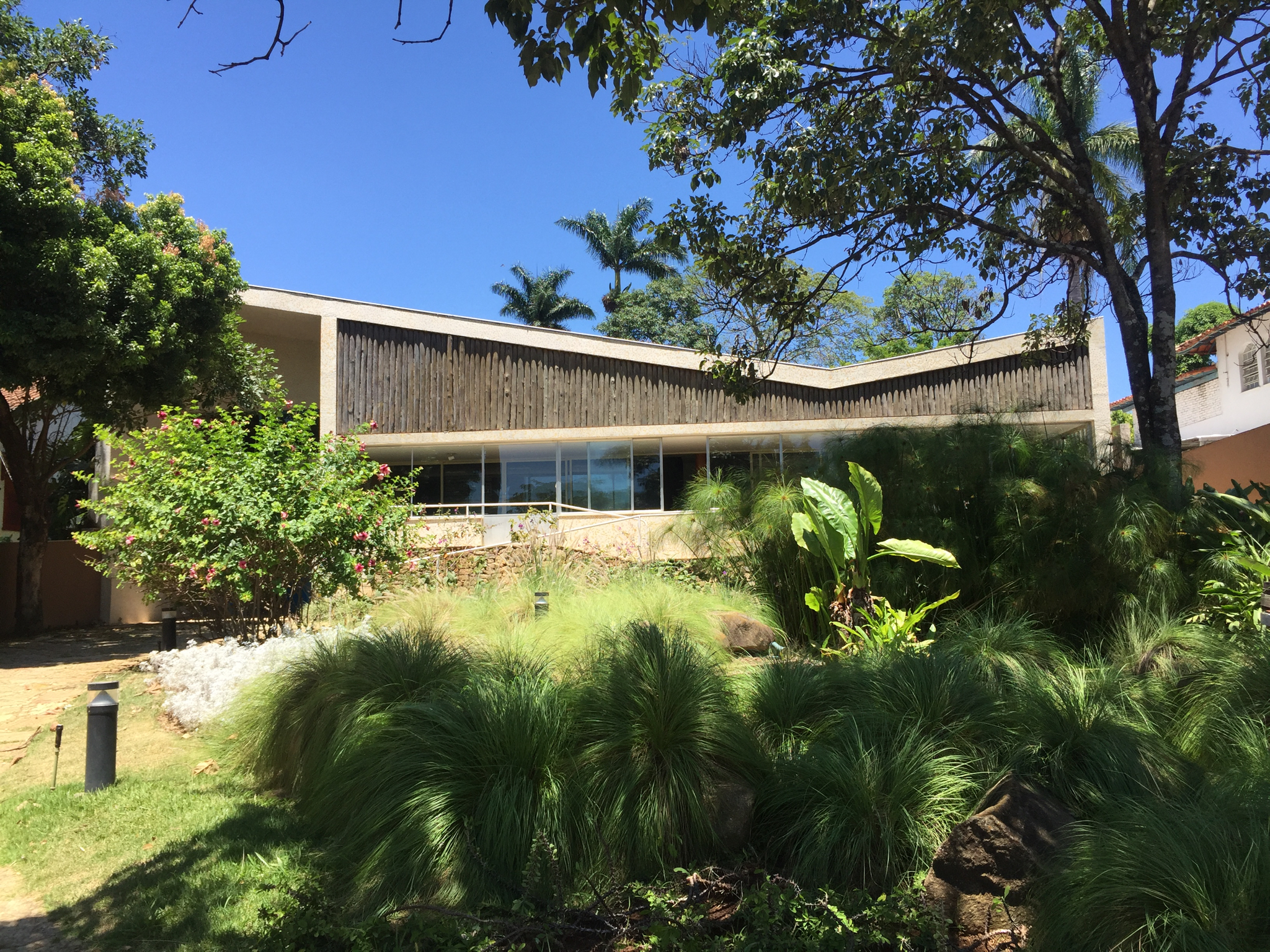
I was a lesser but still mournful victim of the giant dam disaster in Brumadinho as, despite pulling every string possible, I was not able to gain access to Inhotim, the marvellous contemporary art site just adjacent which, although not damaged, was closed in solidarity. I made lemonade by adding a stop outside Belo Horizonte at Pampulha, Niemeyer’s spectacular lakeside complex—again devised in a collaboration with Kubitschek.

IMG_0087.JPG
IMG_0089.JPG
IMG_0094.JPG
IMG_0091.JPG
IMG_0090.JPG
IMG_0102.JPG
IMG_0114.JPG
IMG_0096.JPG
IMG_0109.JPG
IMG_0088.JPG
IMG_0105.JPG
IMG_0107.JPG
IMG_0111.JPG
IMG_0104.JPG
IMG_0115.JPG
IMG_0101.JPG

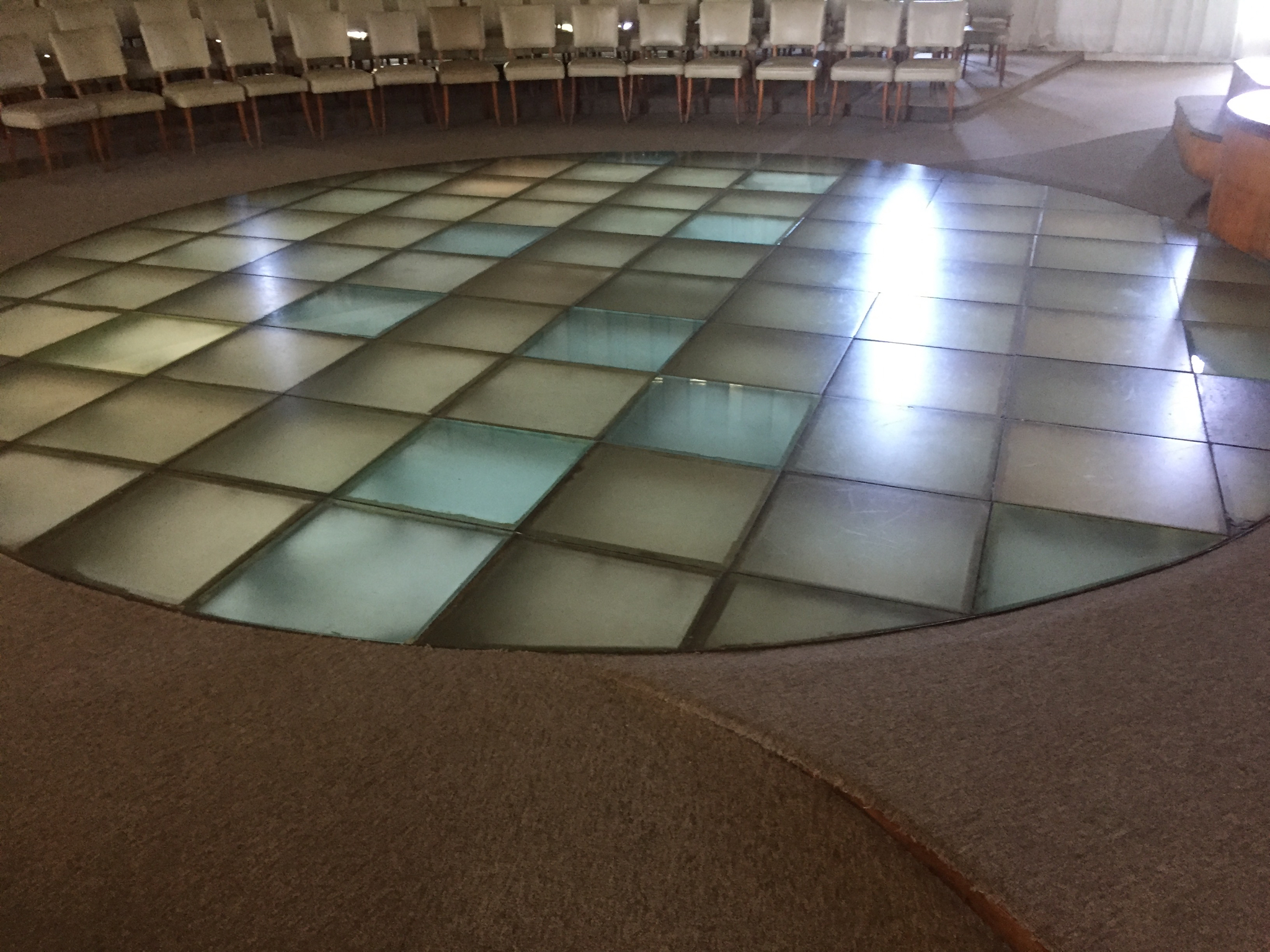
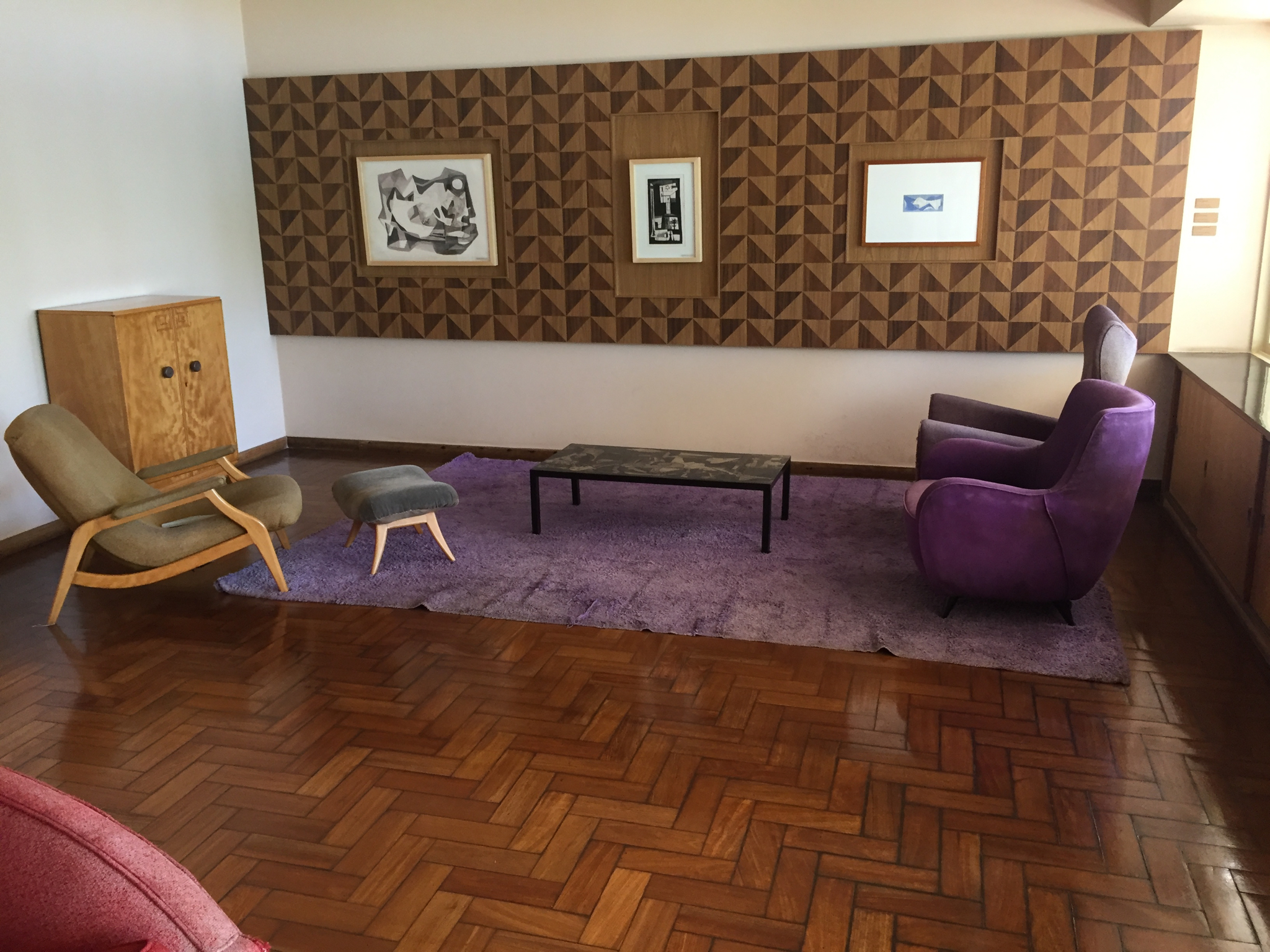
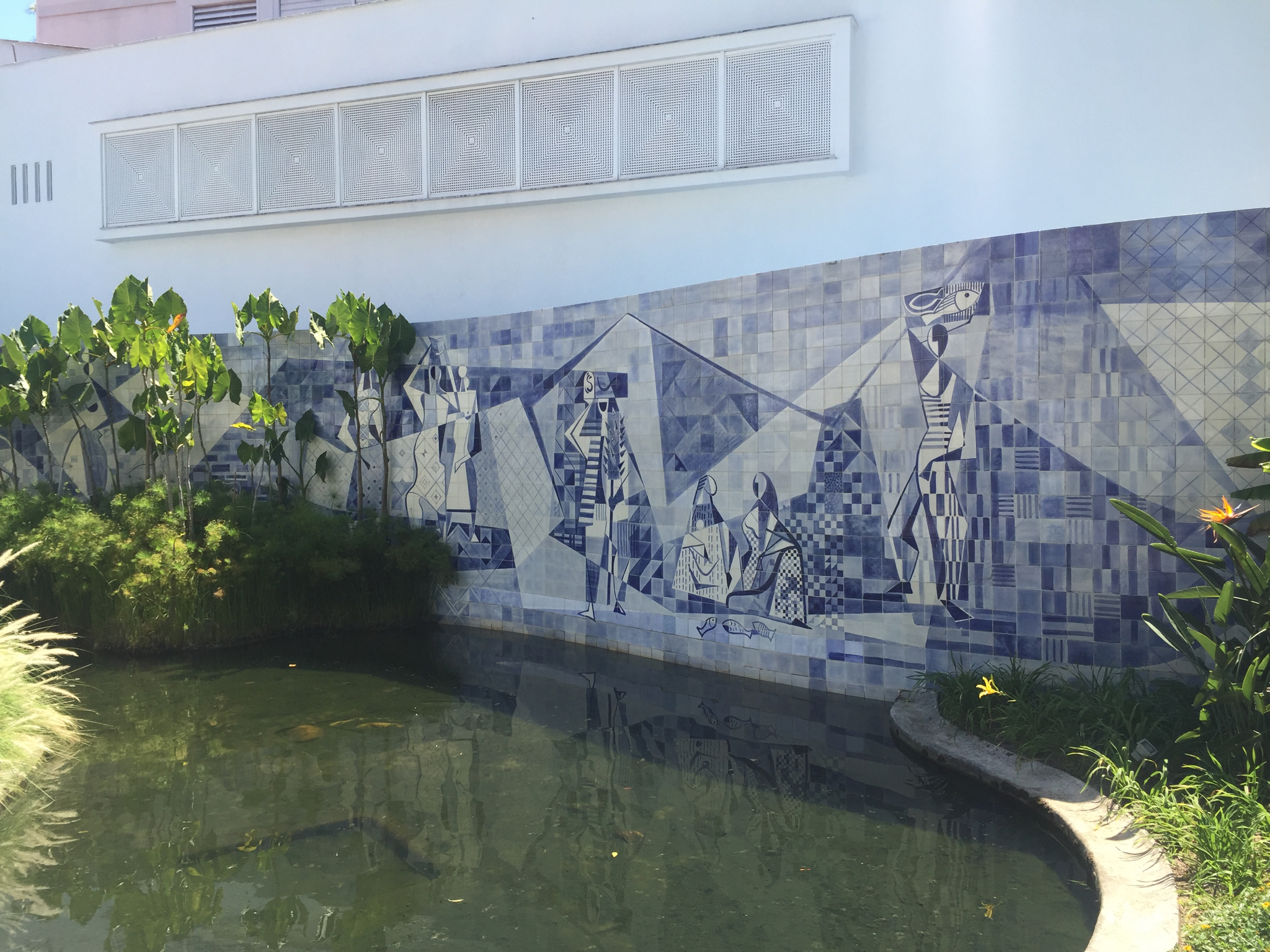
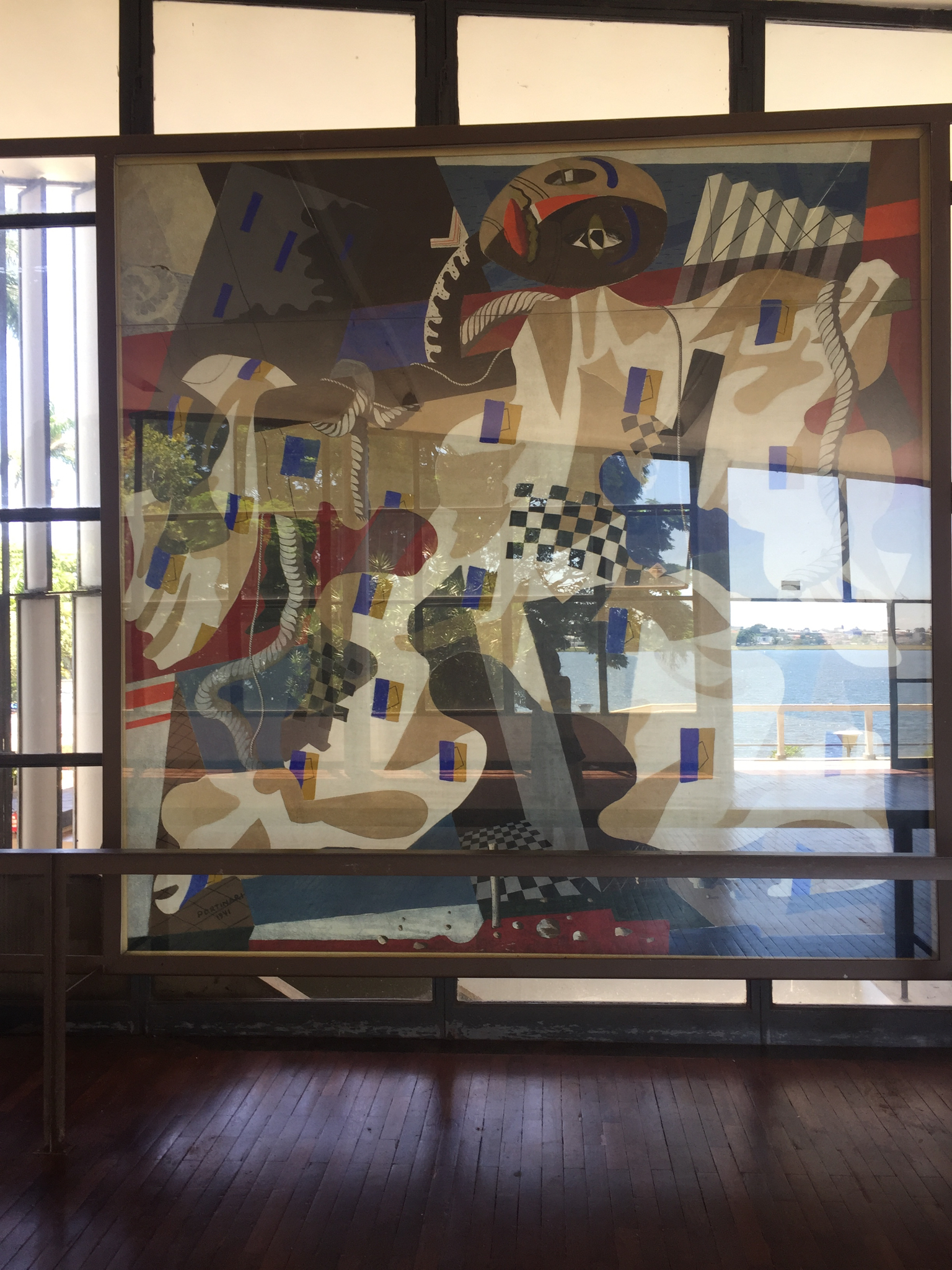
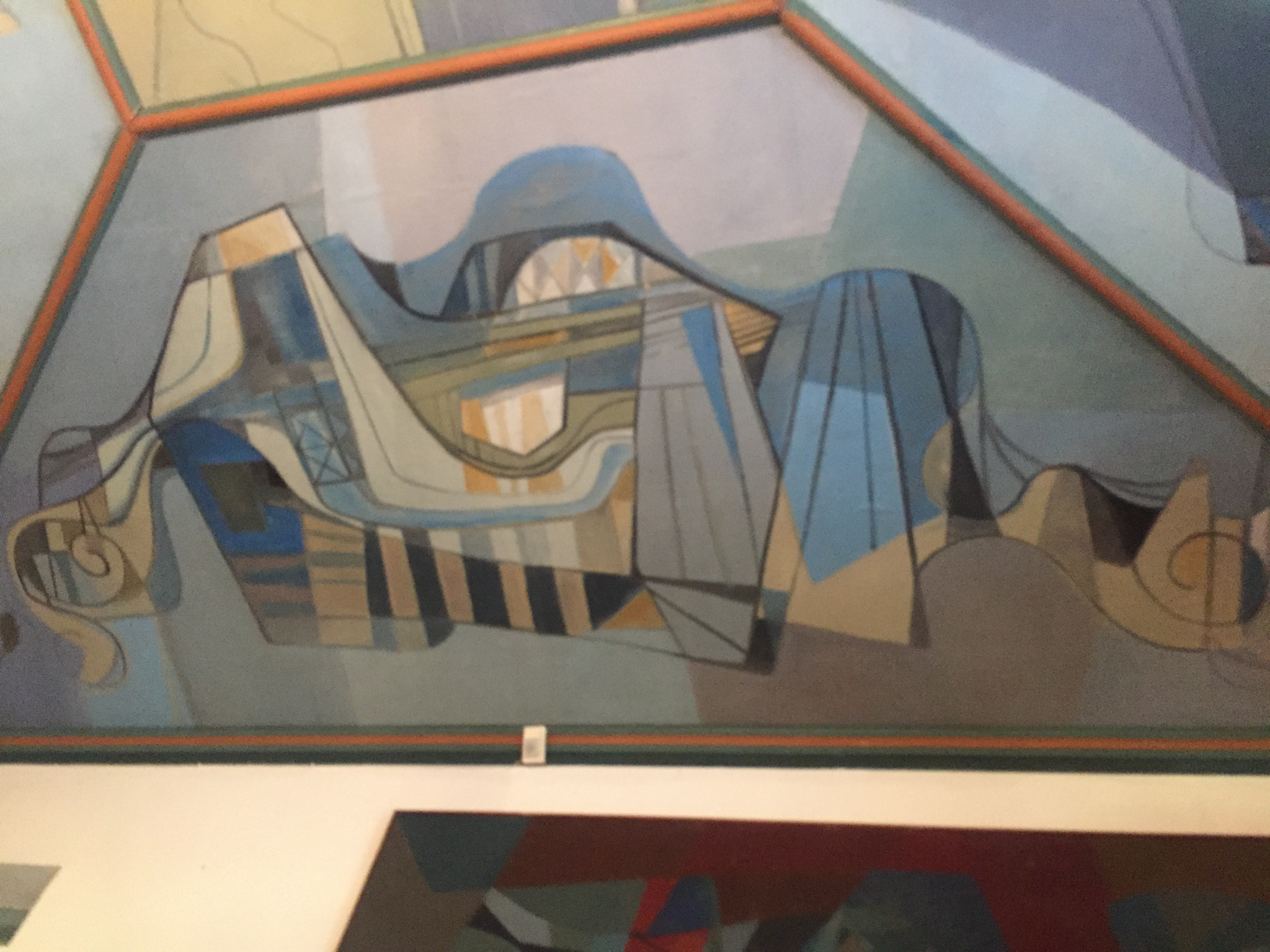
Highlights: The museum, the church (it’s in restoration but I managed to get a peek at its famous mural), the open air restaurant, the Casa do Baile (Sanaa must have seen this one), the beach club, and the home he built for the Kubitscheks, which feels as if they might emerge at any moment, are once again vibrant examples of this giant of 20th century architecture who was able to think about intimate spaces as well as grand.

IMG_0124.JPG
IMG_0121.JPG
IMG_0120.JPG
IMG_0127.JPG
IMG_0125.JPG

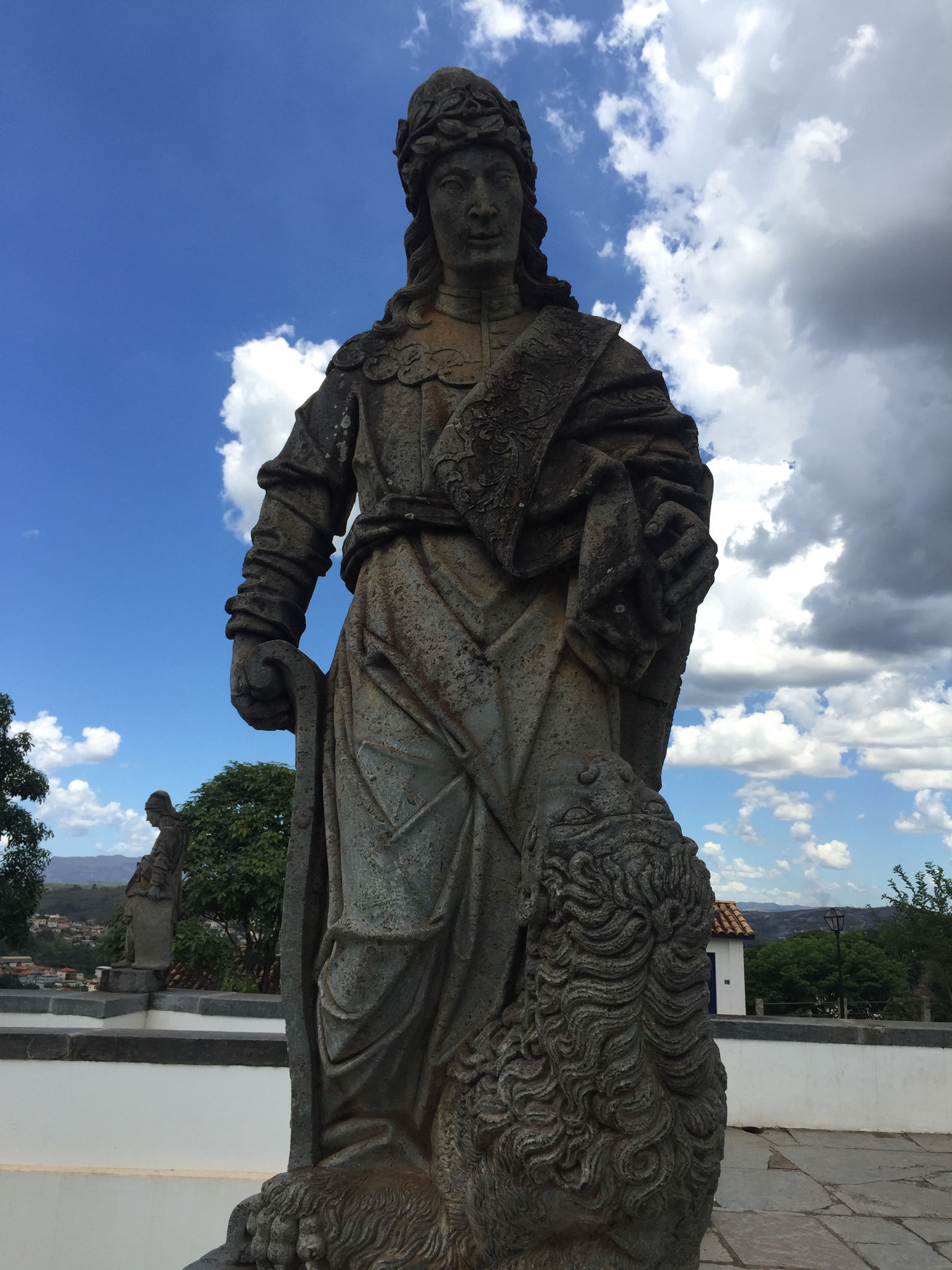
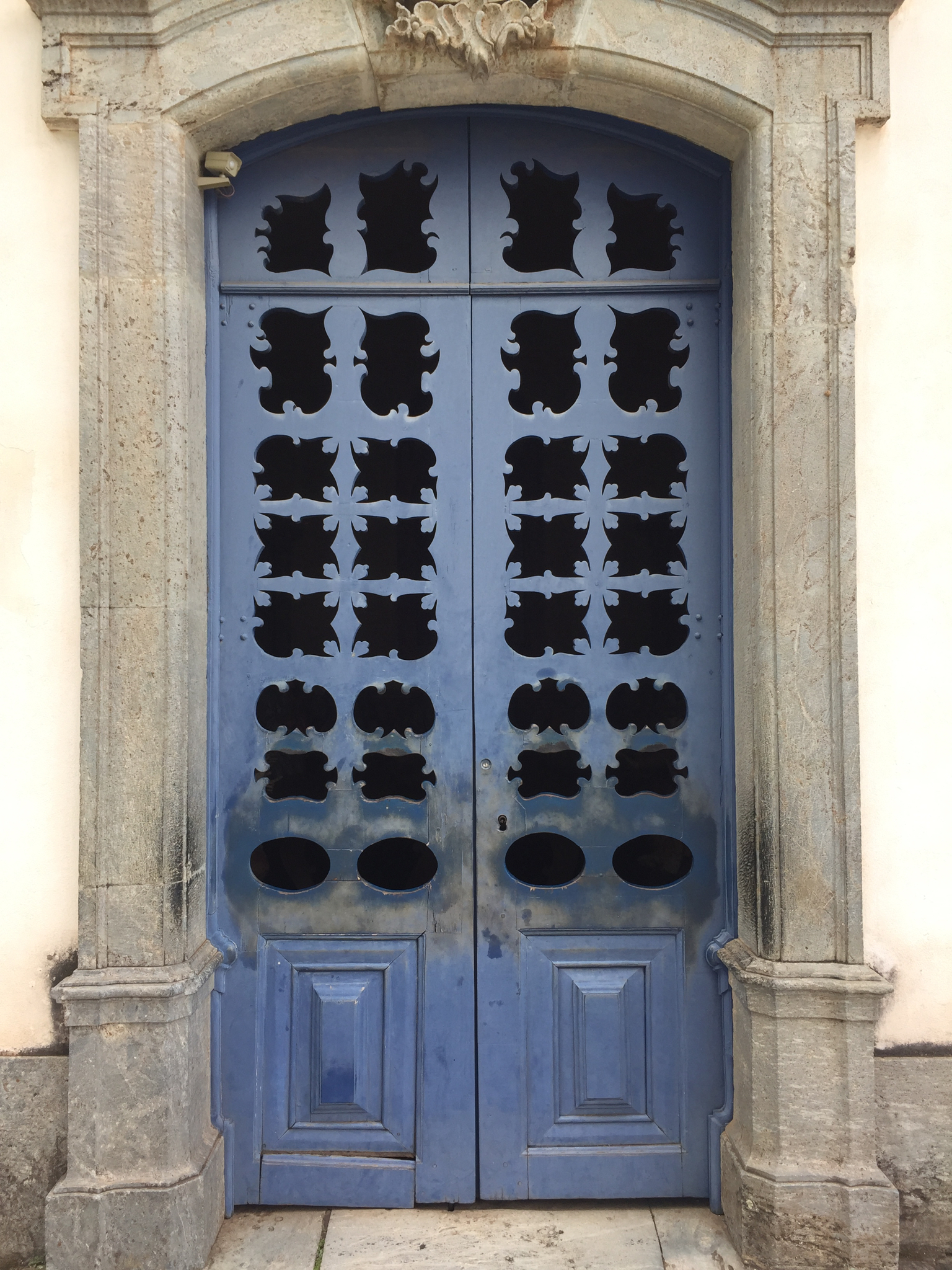
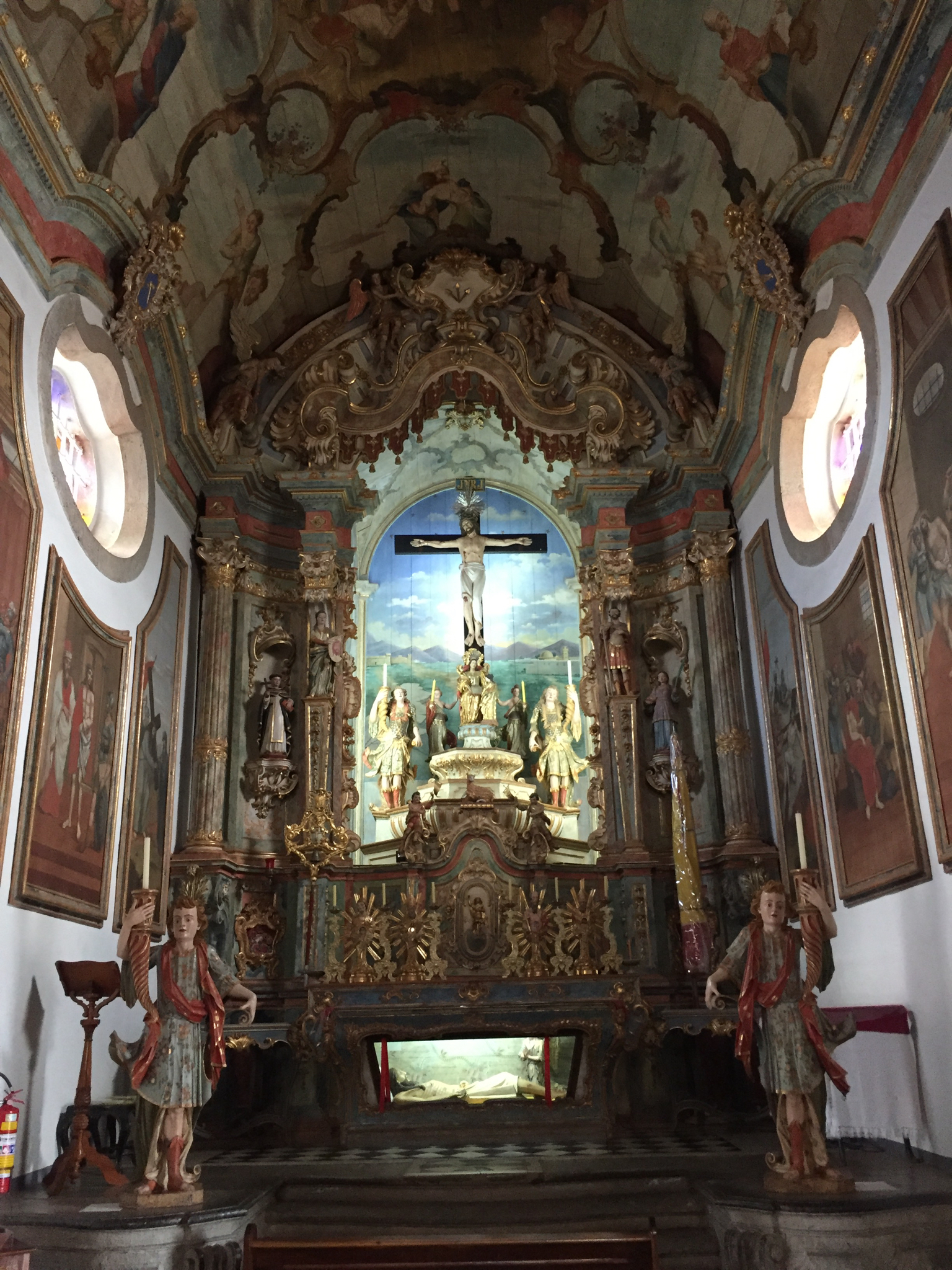
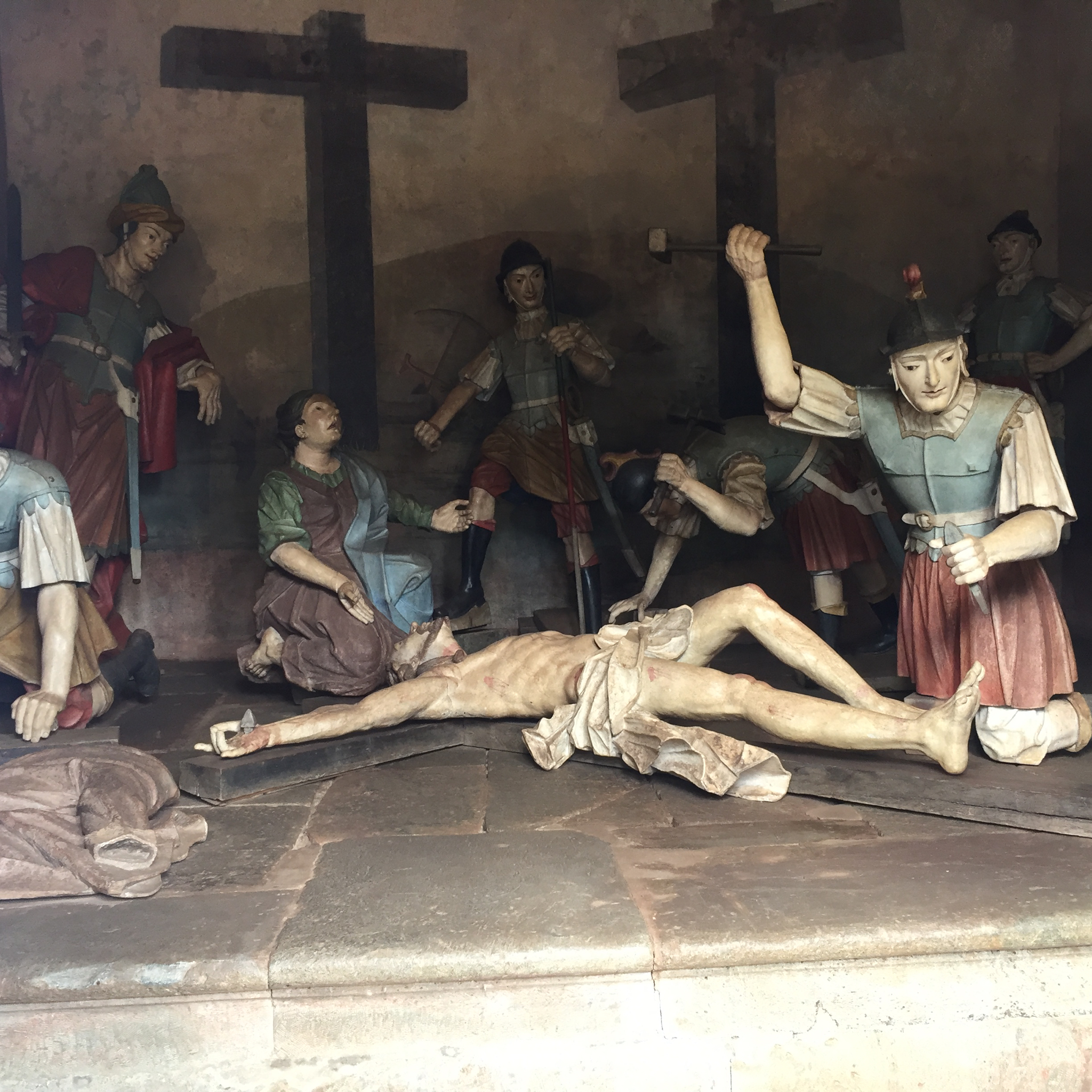
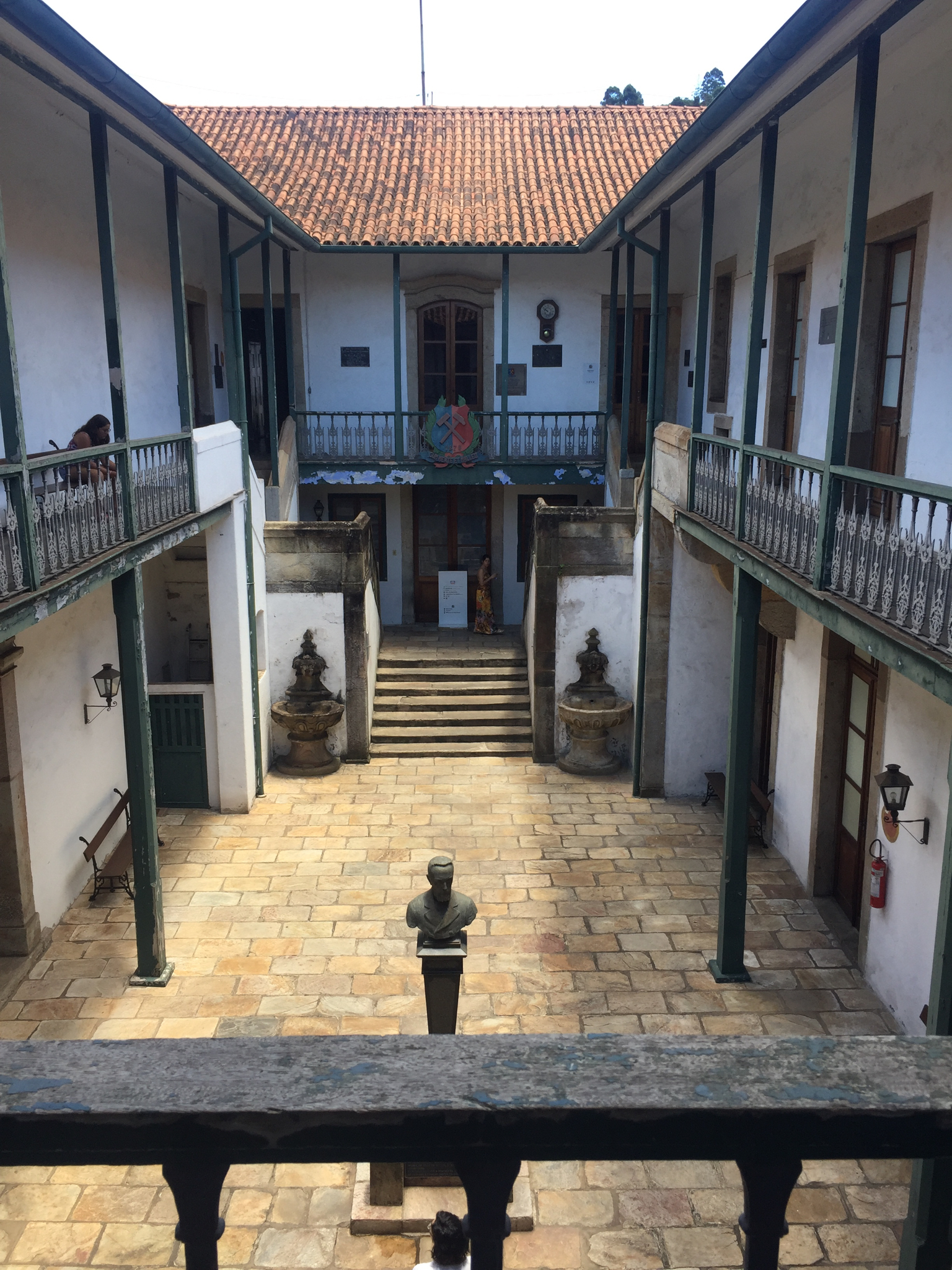
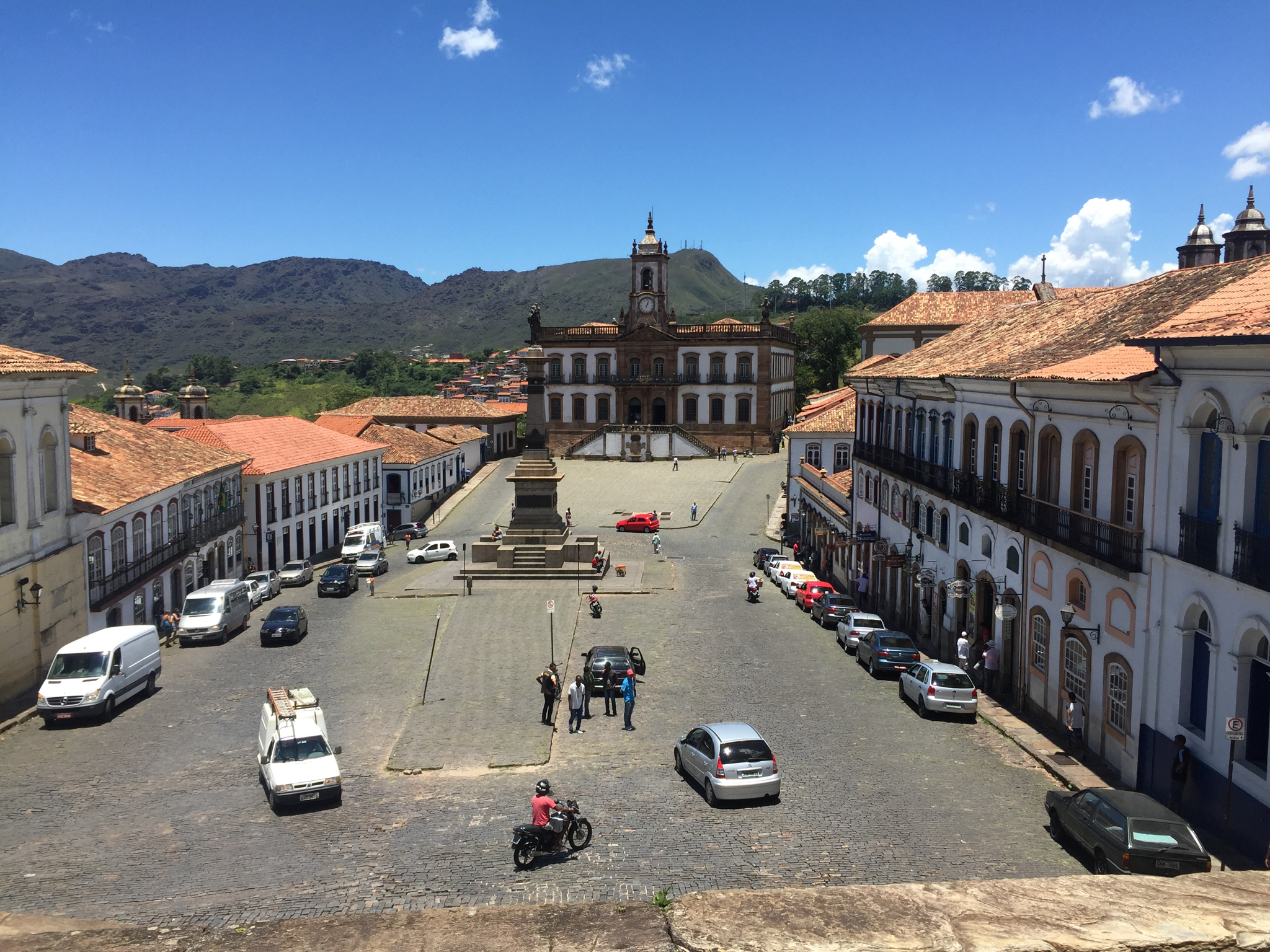
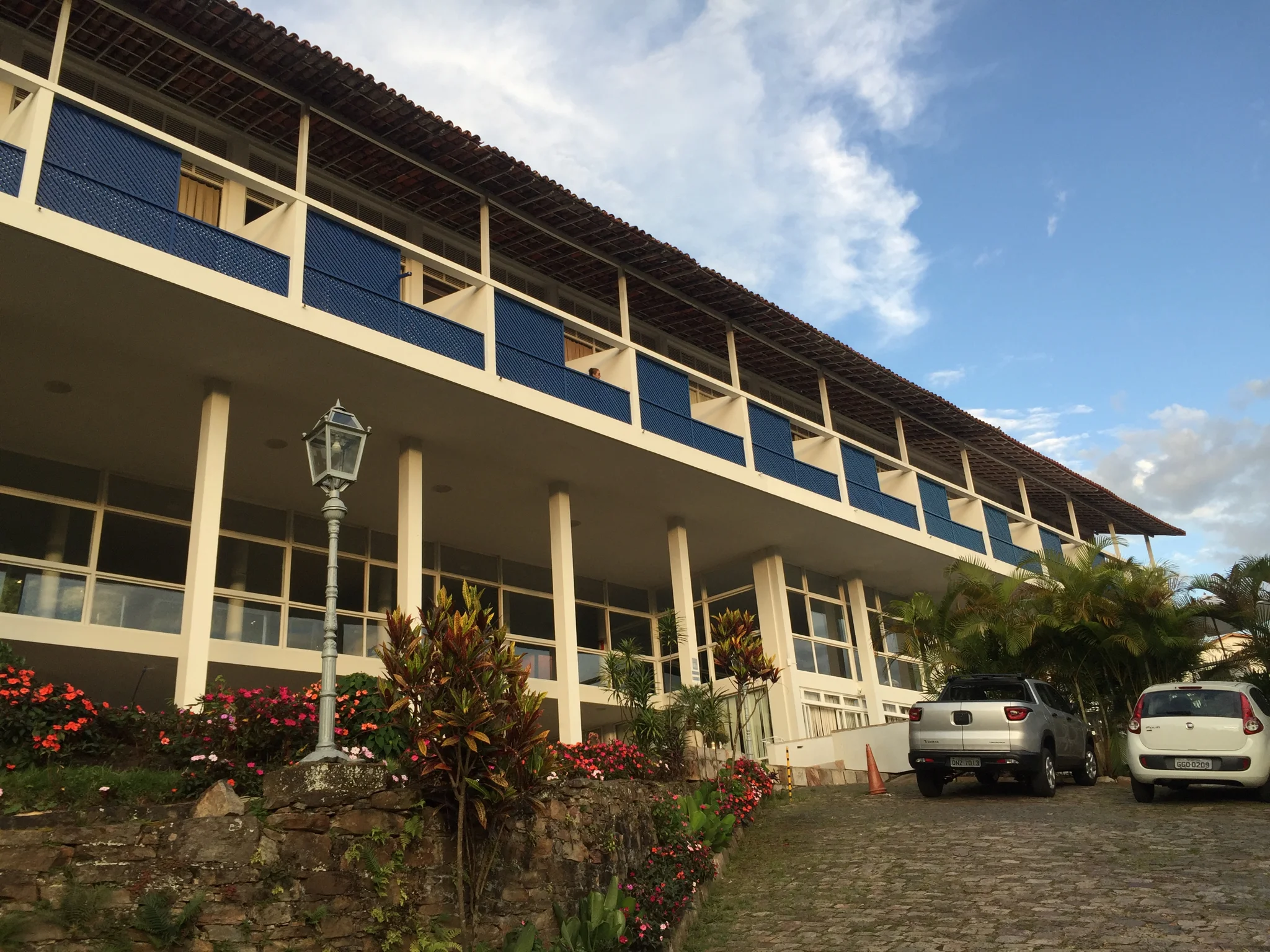
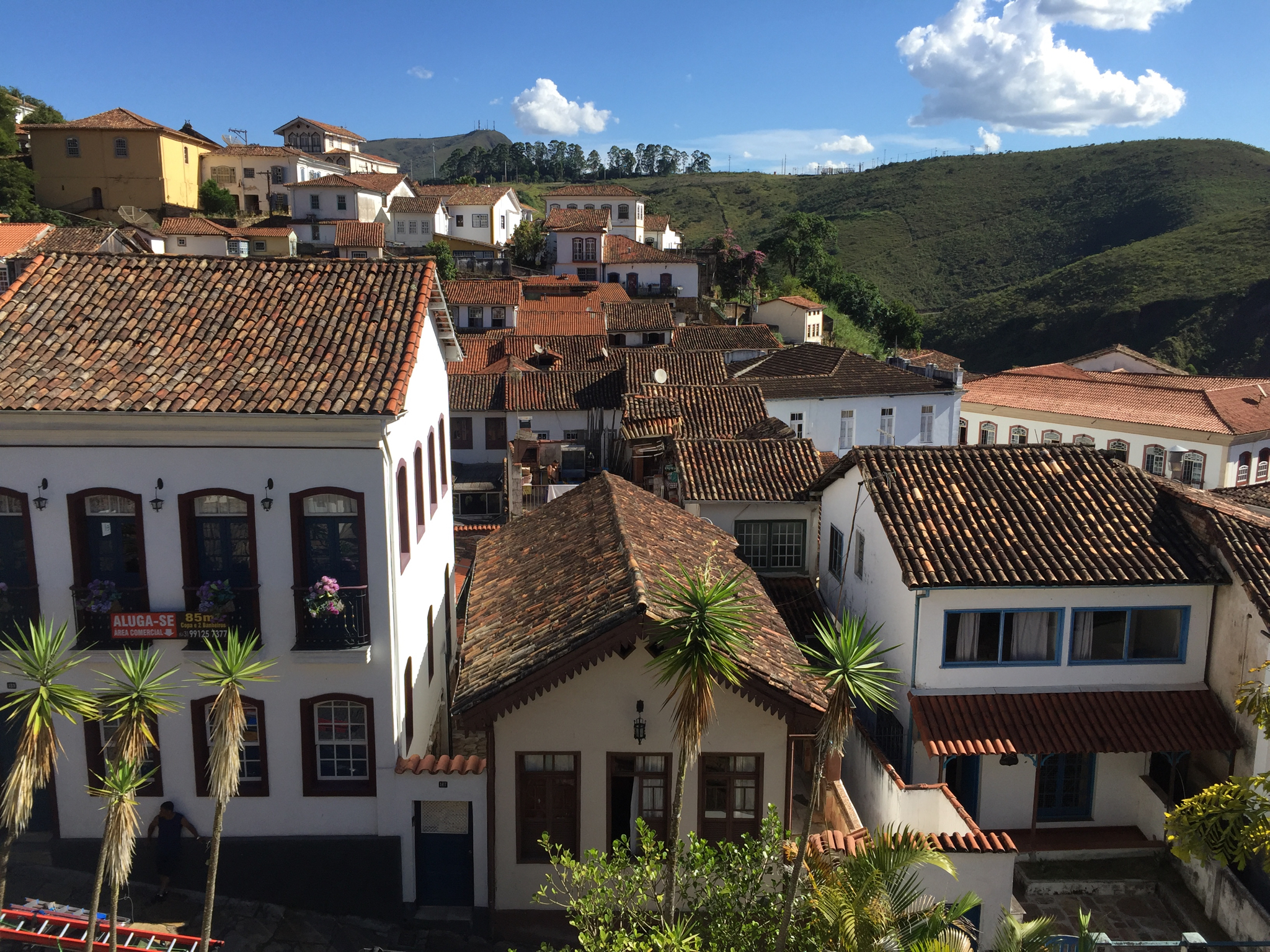
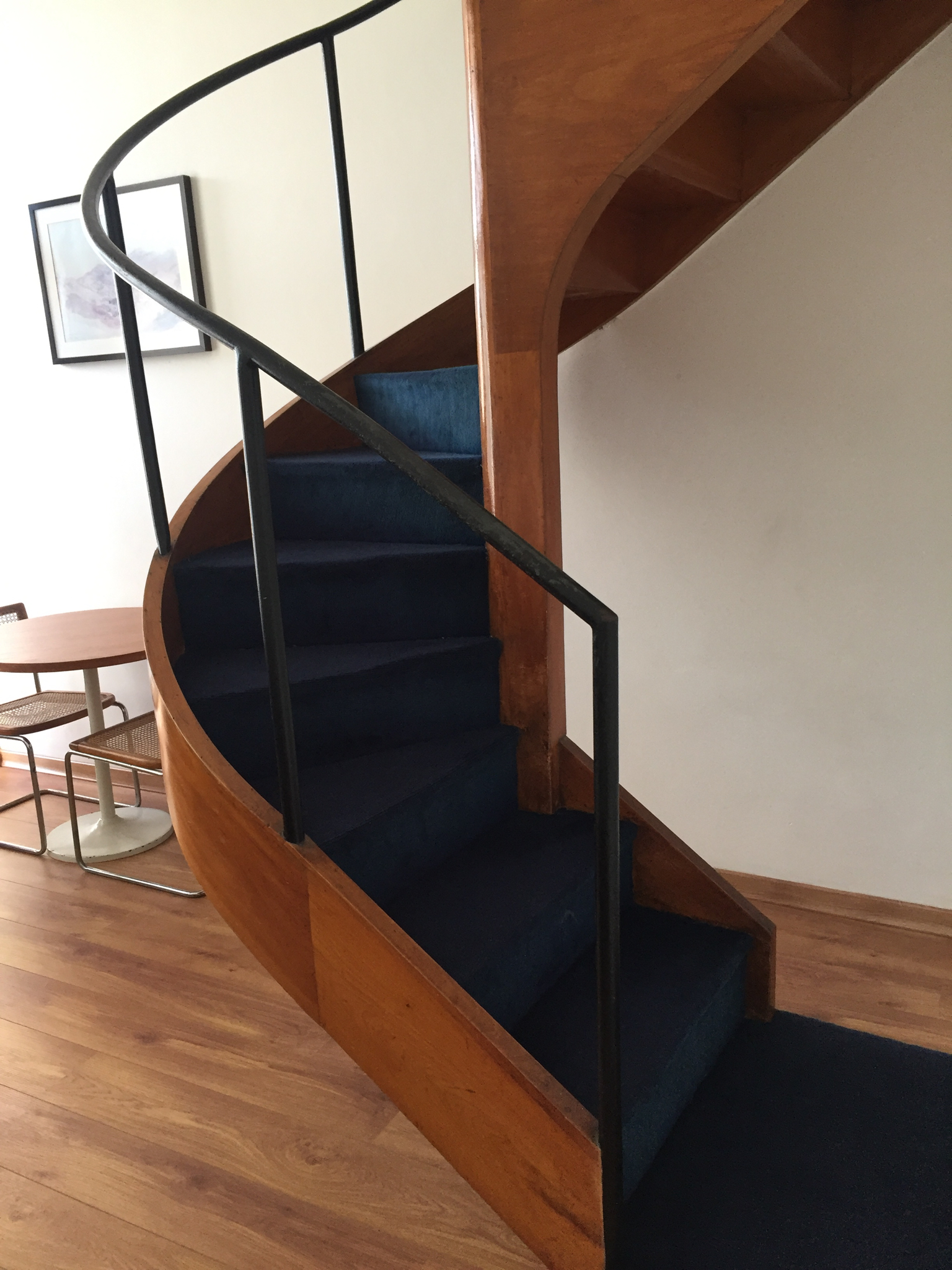
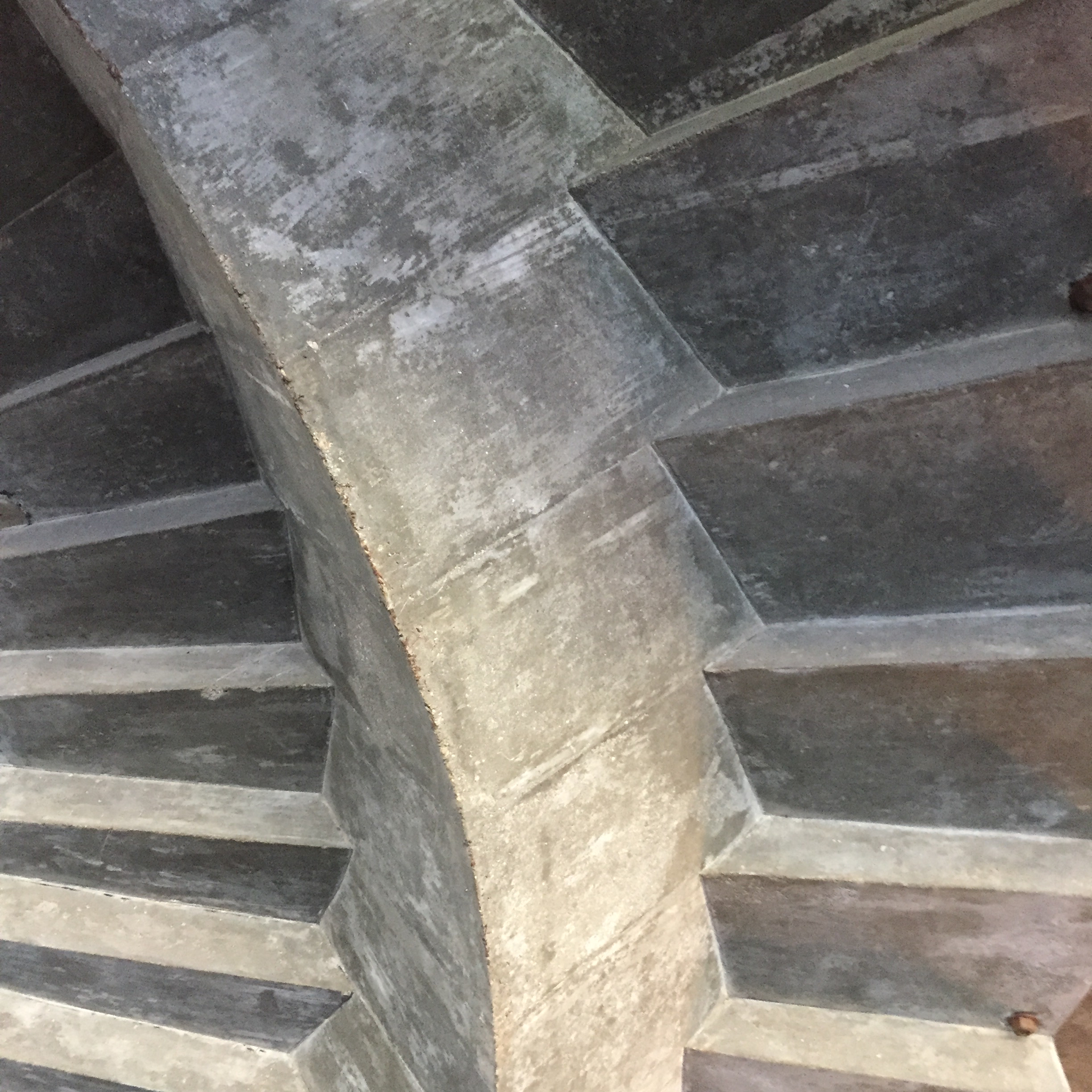
I practically wept at the haunting beauty of the twelve Aleijadinho soapstone prophets in Congonhas, and arrived in the colonial mining town of Ouro Preto. (You can still stay in an original Niemeyer duplex in the Grande Hotel with one of his signature winding staircases.). I happily lost myself in the cobbled streets of the colonial town and visited the three local museums—the Inconfidencia is an excellent intervention into a former slave prison. It wasn’t until I returned to the States that I learned that Ouro is another town also directly at risk from mine disaster as is much of Minas Gerais, once the wealthiest pocket of Brazil. 

IMG_0129.JPG
IMG_0130.JPG
IMG_0134.JPG
IMG_0132.JPG
IMG_0131.JPG
IMG_0133.JPG

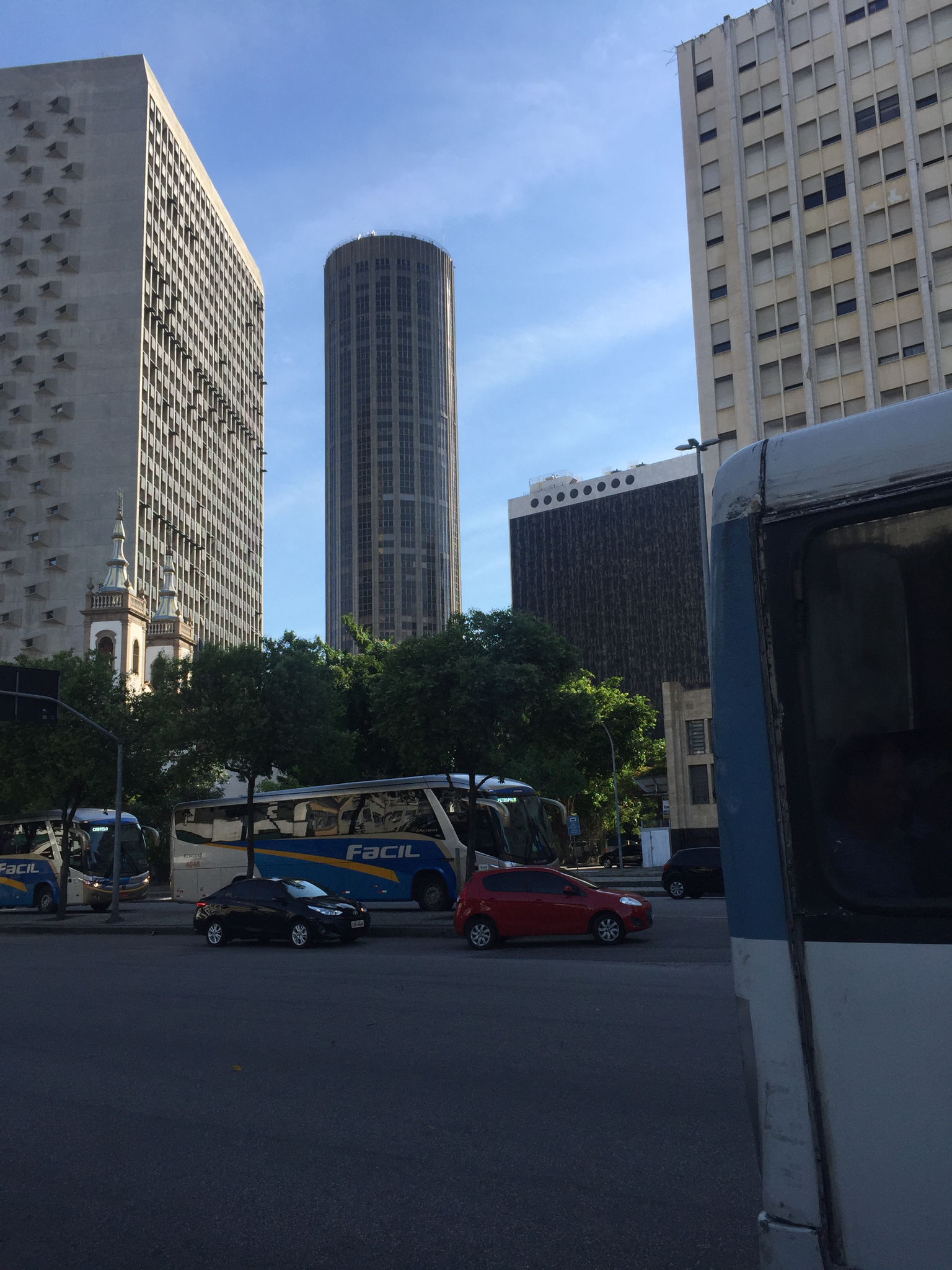
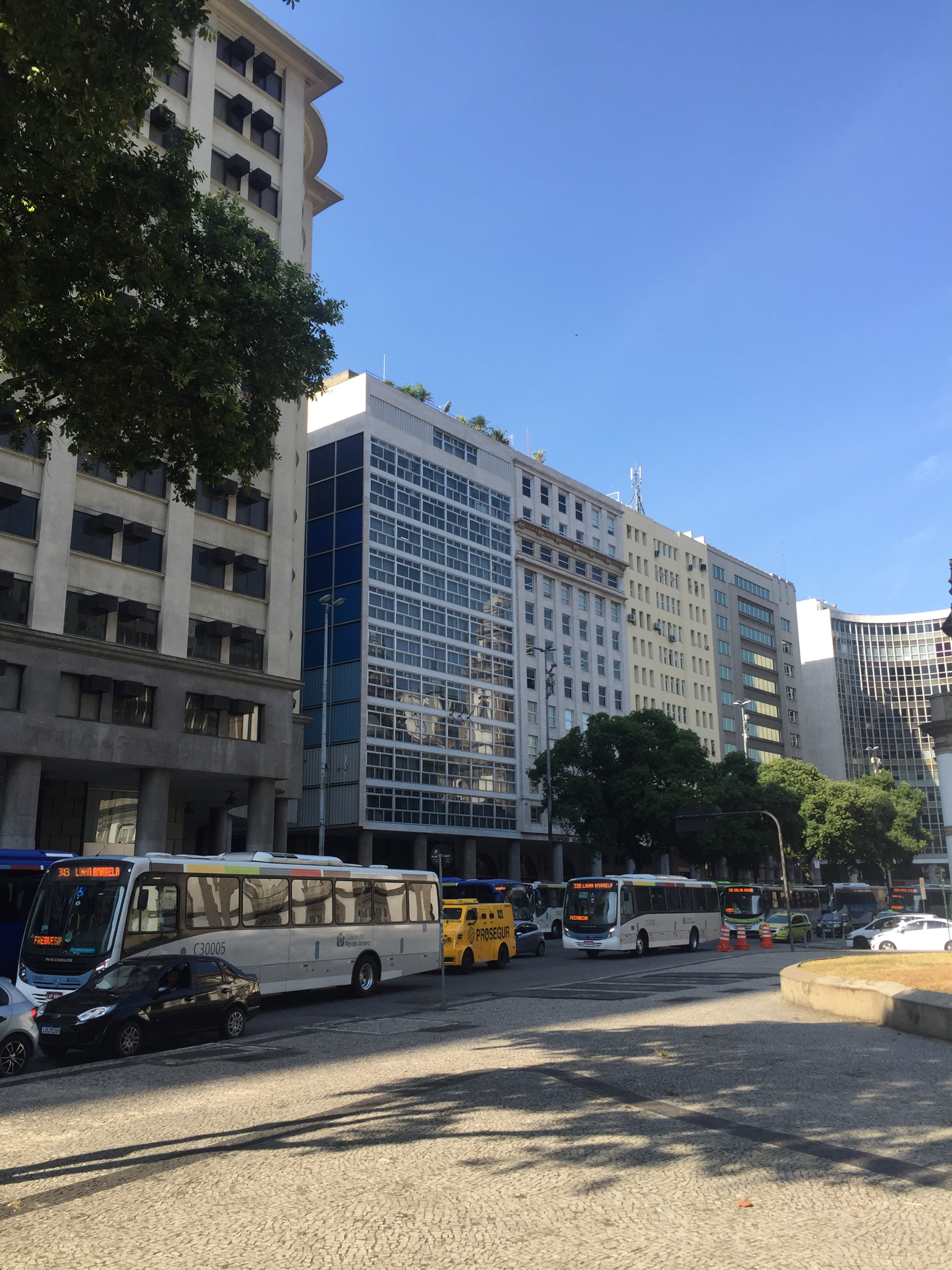
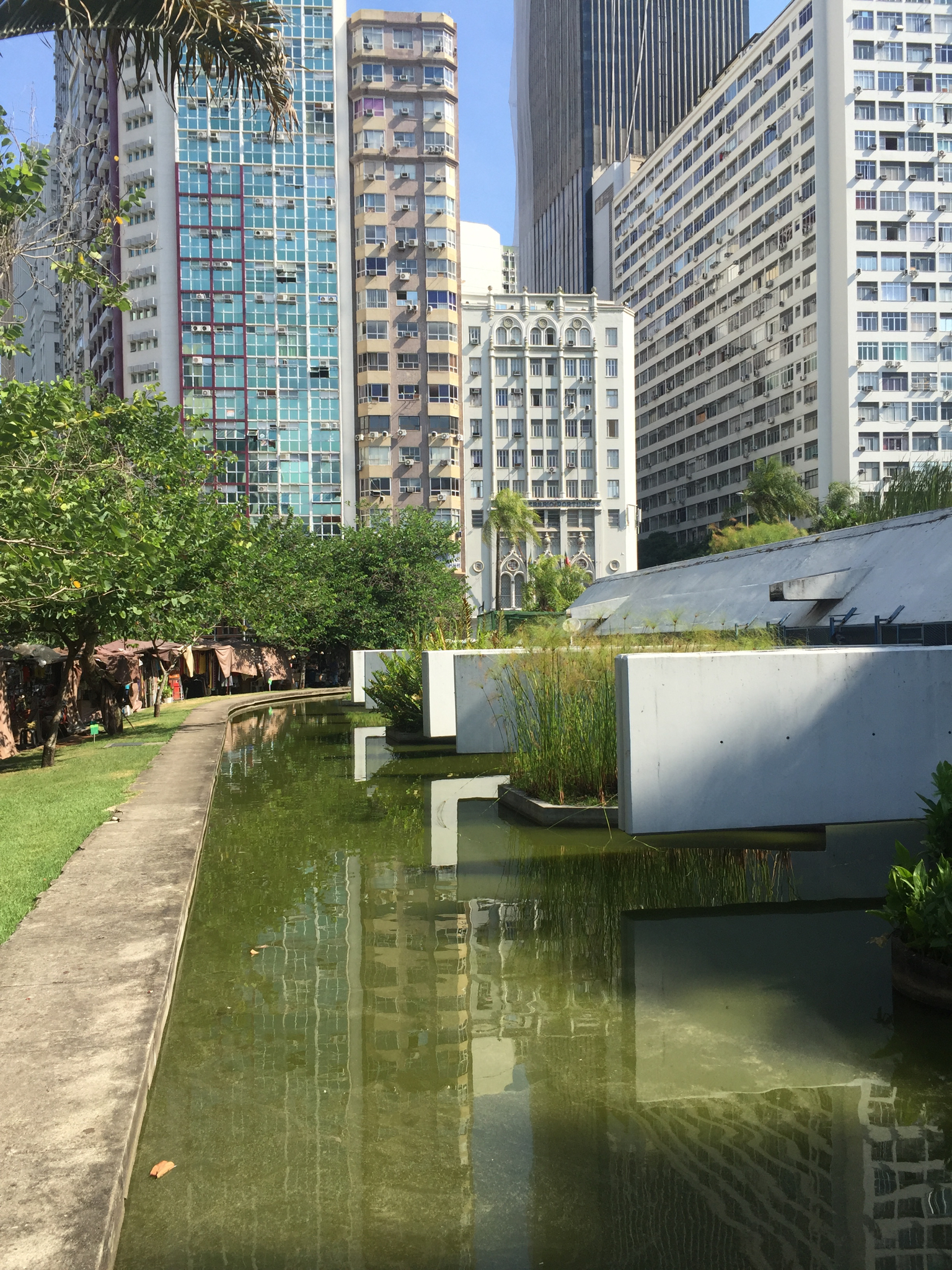
Arriving in Rio at the famed Santos Dumont airport was the first time I had a real chance to assess my vivid memories. The city is still so beautiful, where mountains meet the sea, but at every turn, the favelas remind of the societal disparities. (One even still bisects an extravagant private golf club.) Nevertheless, the display of modernist, art deco, and French inflected architecture is unparalleled and with the right guides one can access some hidden spaces that are an aficionado’s dream. I learned more about Lucio Costa and his Carioca school confederates Affonso Reidy, the Roberto Bros, Paolo Werneck, Jorge Moreira et al.

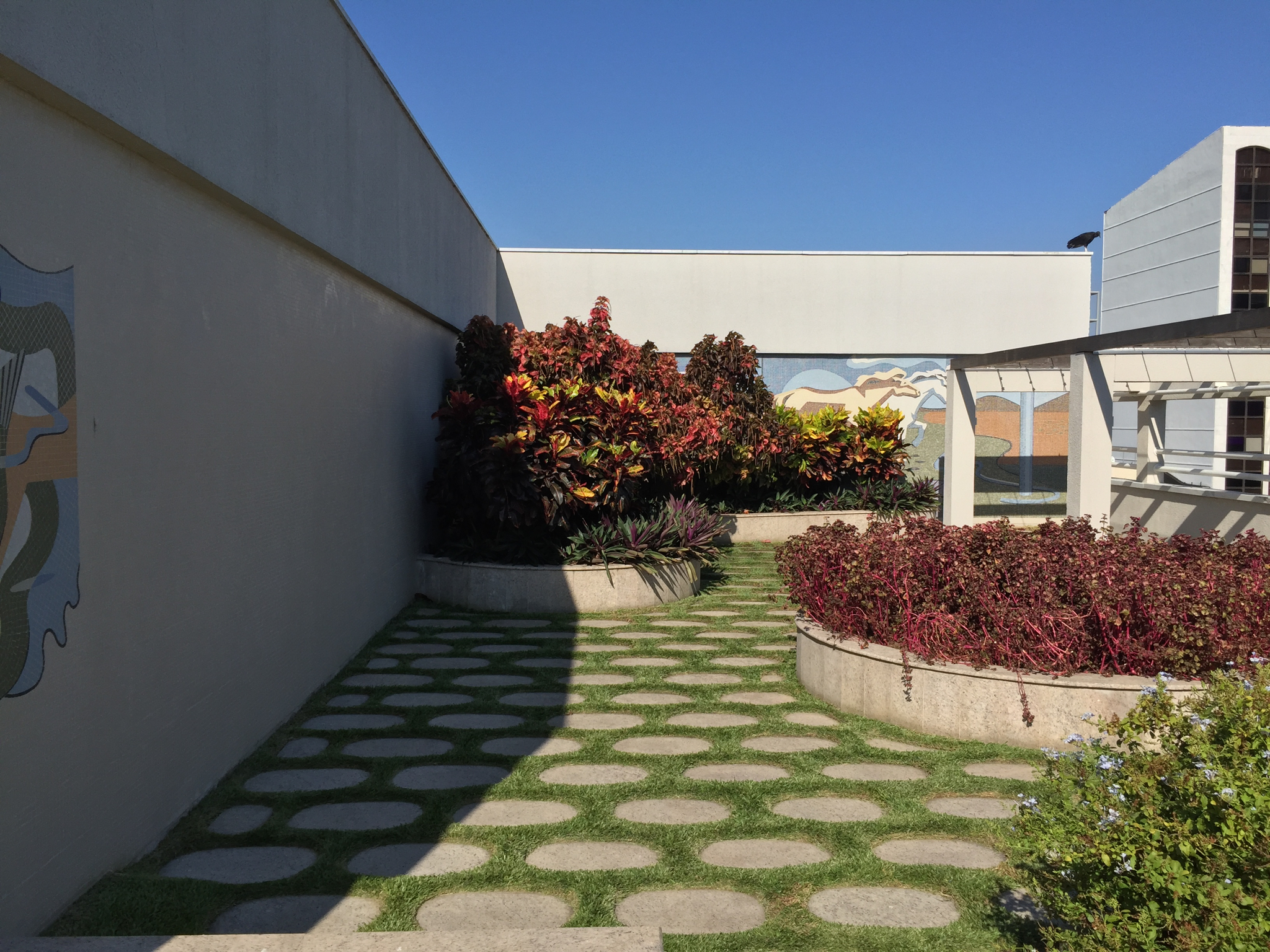
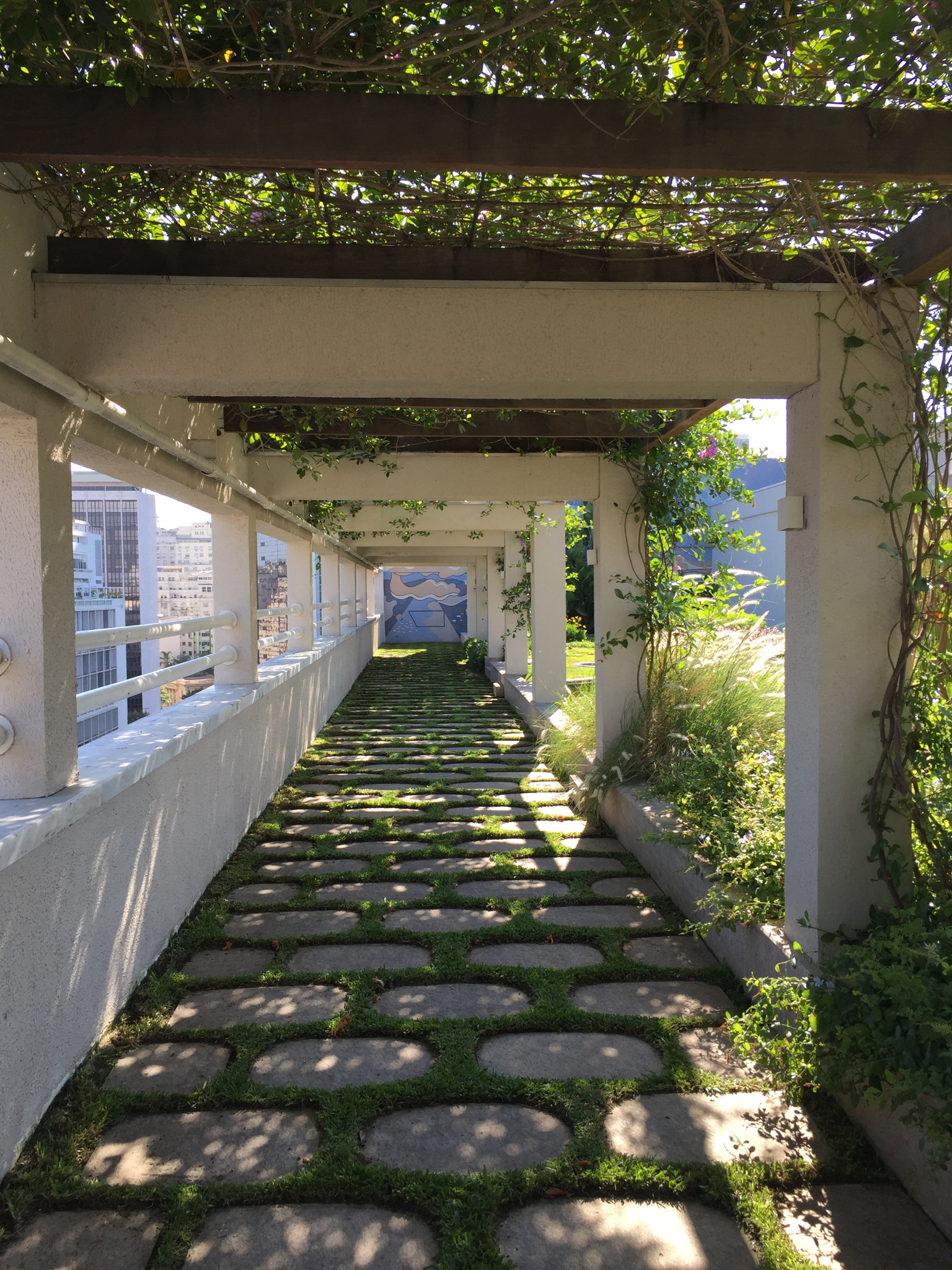
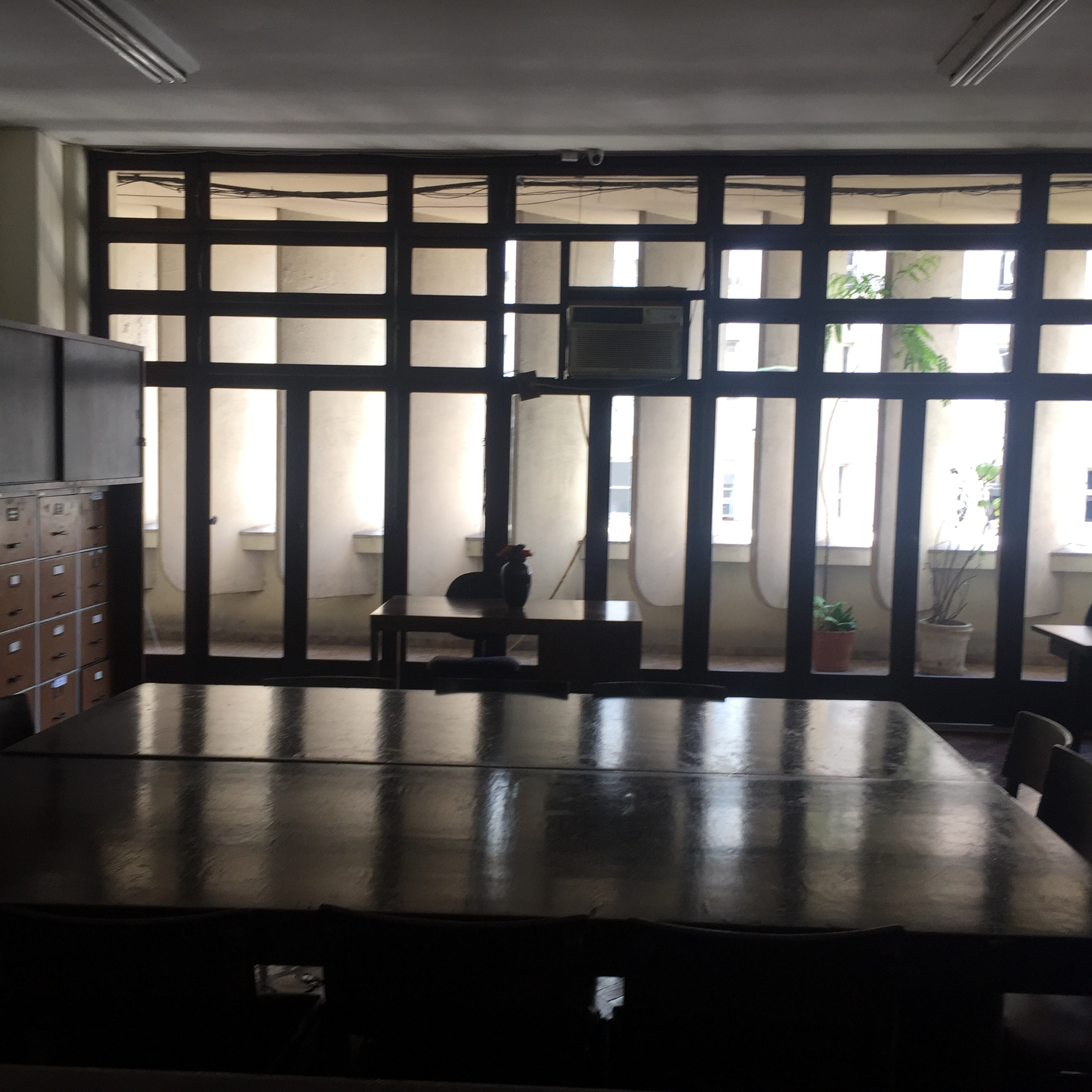
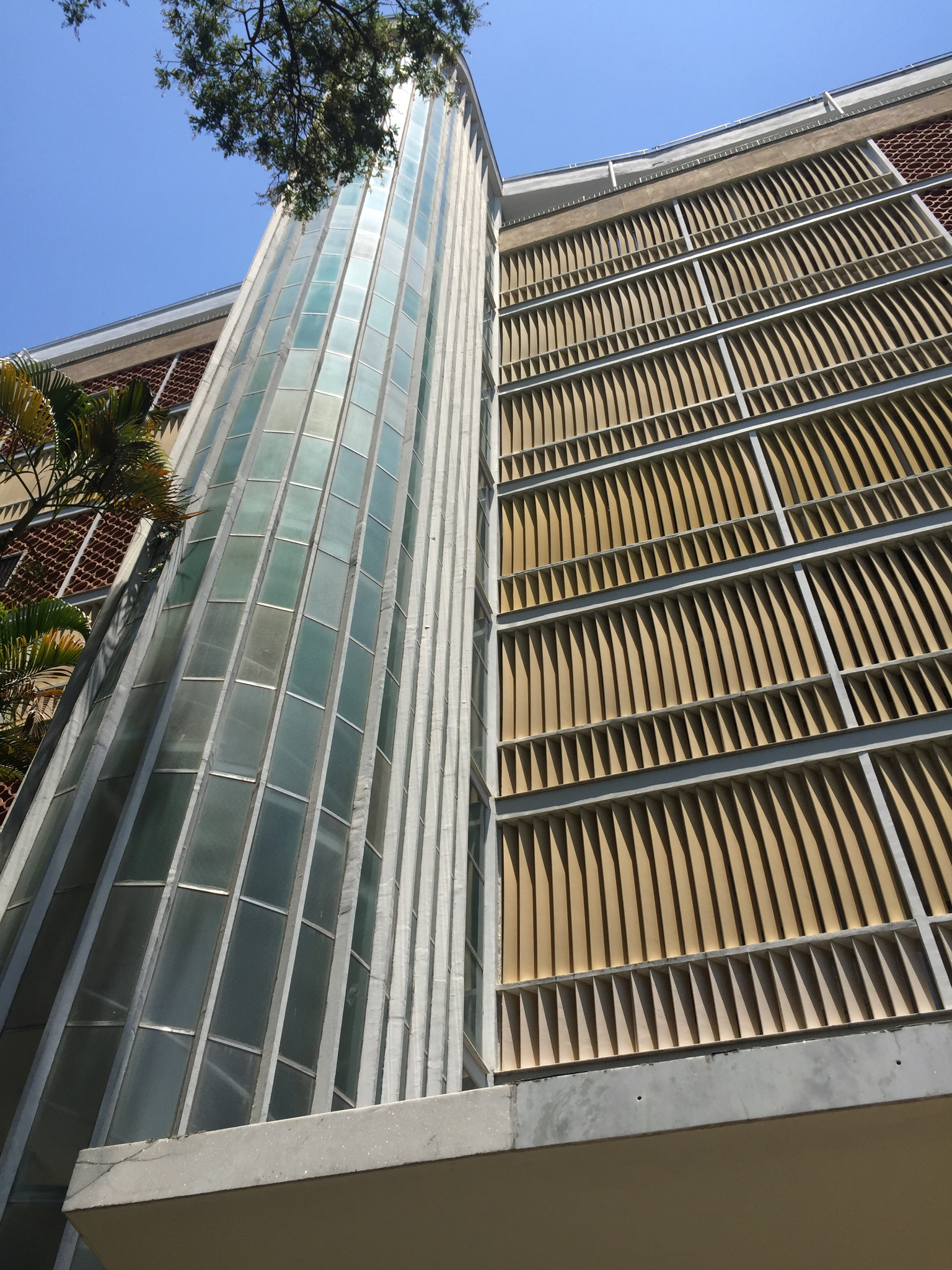
Highlights: We went to the roof of an adjacent building for a view of the famous Niemeyer-Burle Marx Ministry of Health which was at the top of my list (closed for restoration as so many projects are, alas), explored the hidden upper reaches of the Brazilian Press Association, the perfect reinstallation of the Burle Marx garden at the top of the (very private) IRB corporation Roberto Bros designed building.

IMG_0166.JPG
IMG_0172.JPG
IMG_0176.JPG
IMG_0152.JPG
IMG_0155.JPG
IMG_0149.JPG
IMG_0138.JPG
IMG_0143.JPG
IMG_0142.JPG
IMG_0144.JPG
IMG_0146.JPG
IMG_0153.JPG
IMG_0163.JPG
IMG_0158.JPG
IMG_0174.JPG
IMG_0175.JPG
image2 2.jpeg
image1 2.jpeg
IMG_0170.JPG
IMG_0113.JPG
IMG_0159.JPG
IMG_0162.JPG
IMG_0161.JPG
IMG_0156.JPG
IMG_0157.JPG

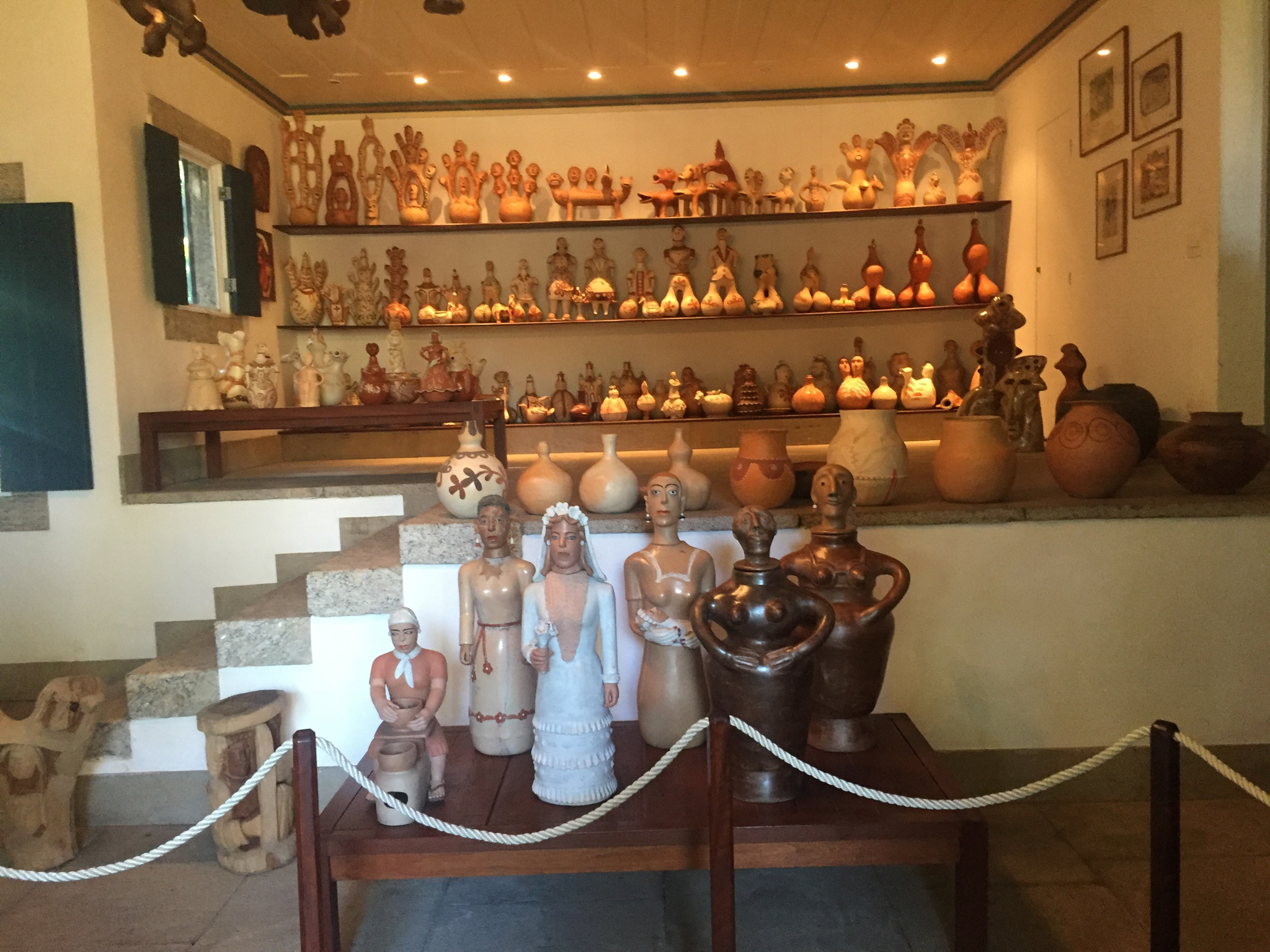
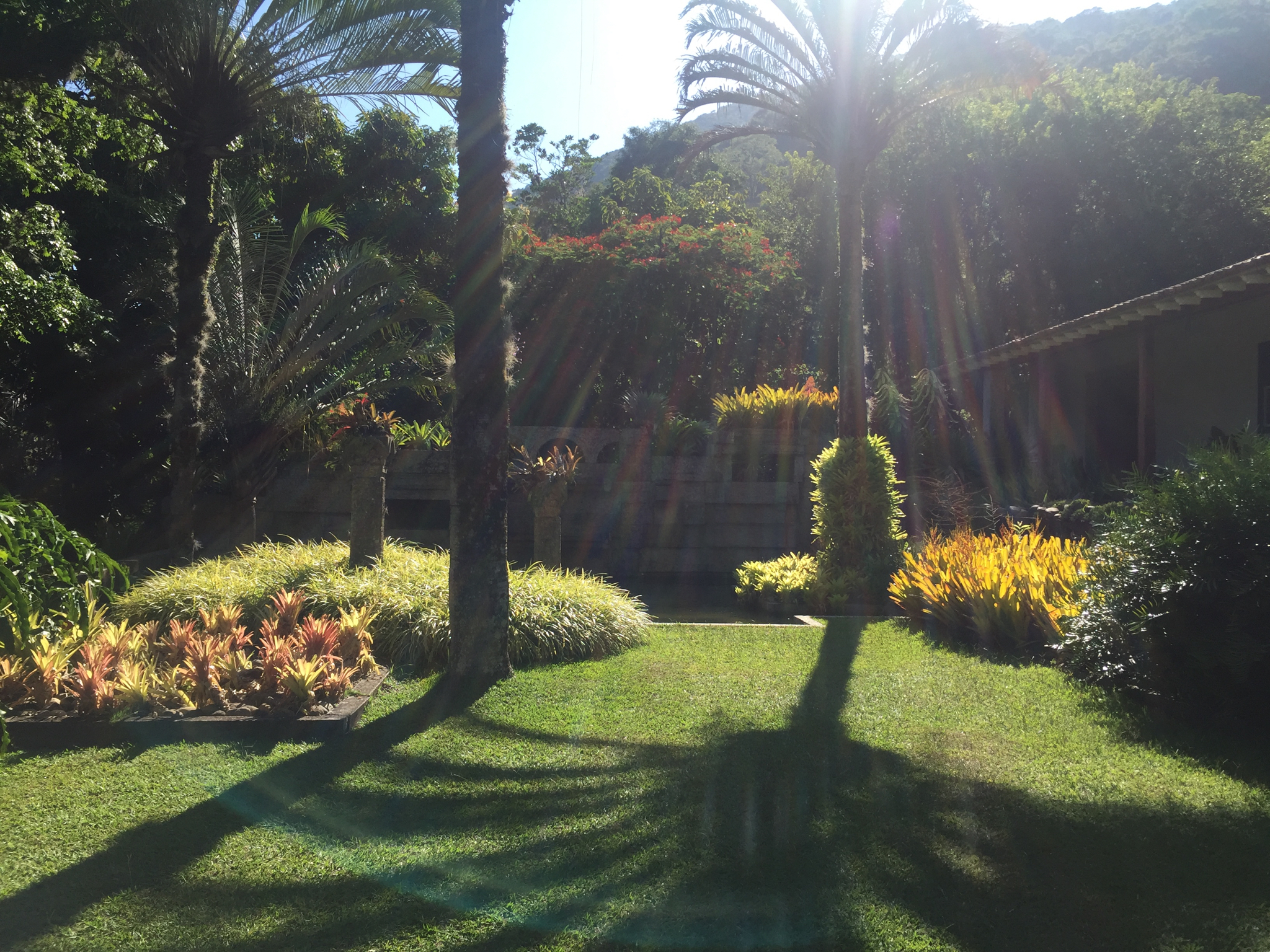
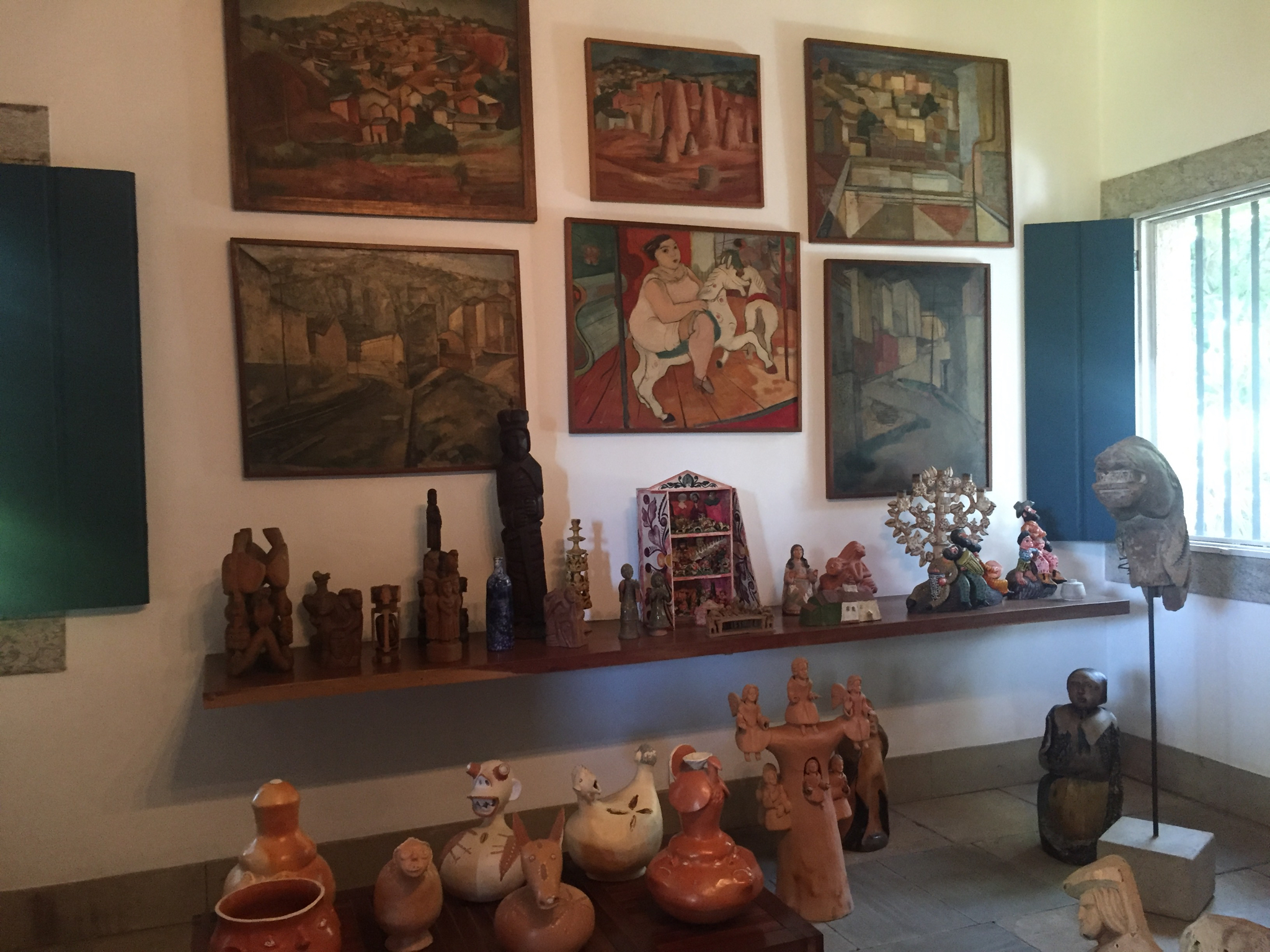
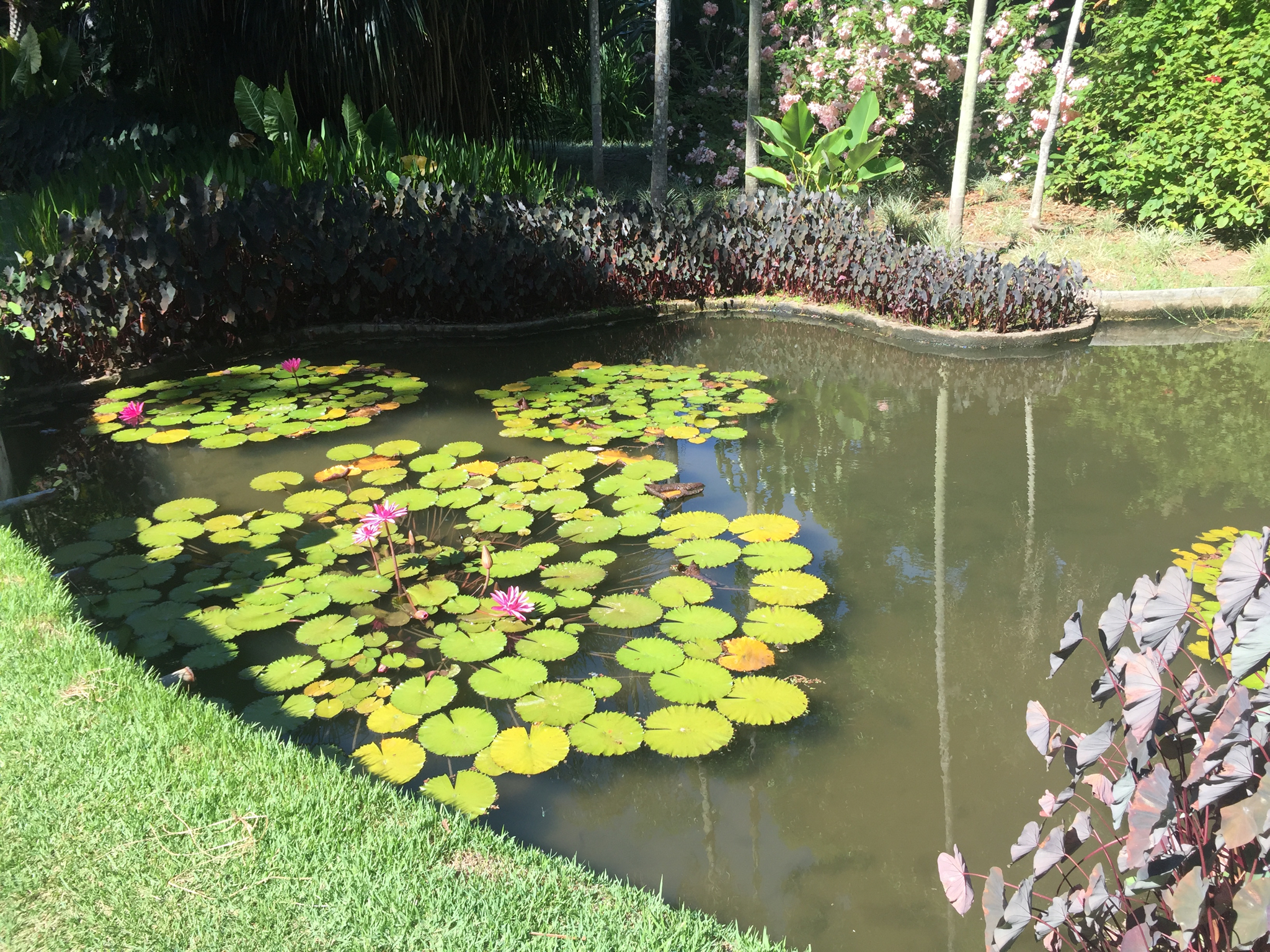
The Instituto Salles was also partially closed for installation, but its outdoor spaces are elegant and well preserved in contrast to Oscar Niemeyer’s own house which, though technically in restoration by his family, is a mess. An expedition there with two intrepid architects who care deeply about its progress enabled me to see close up just how much is needed, and is not being done. Though I had written about the out of town Sitio Burle Marx, I was unprepared for its wild majesty and the many 17th century domestic structures left as Burle Marx inhabited them. The Sitio was apparently the scene of wild parties and gay life that garnered him quite a reputation at the time, but only enhanced the enchantment of this extraordinary space for me.

IMG_0177.JPG
IMG_0179.JPG
IMG_0178.JPG
IMG_0186.JPG
IMG_0181.JPG
IMG_0185.JPG
IMG_0188.JPG
IMG_0180.JPG
IMG_0184.JPG
IMG_0187.JPG
IMG_0189.JPG
IMG_0182.JPG
IMG_0183.JPG
IMG_0190.JPG

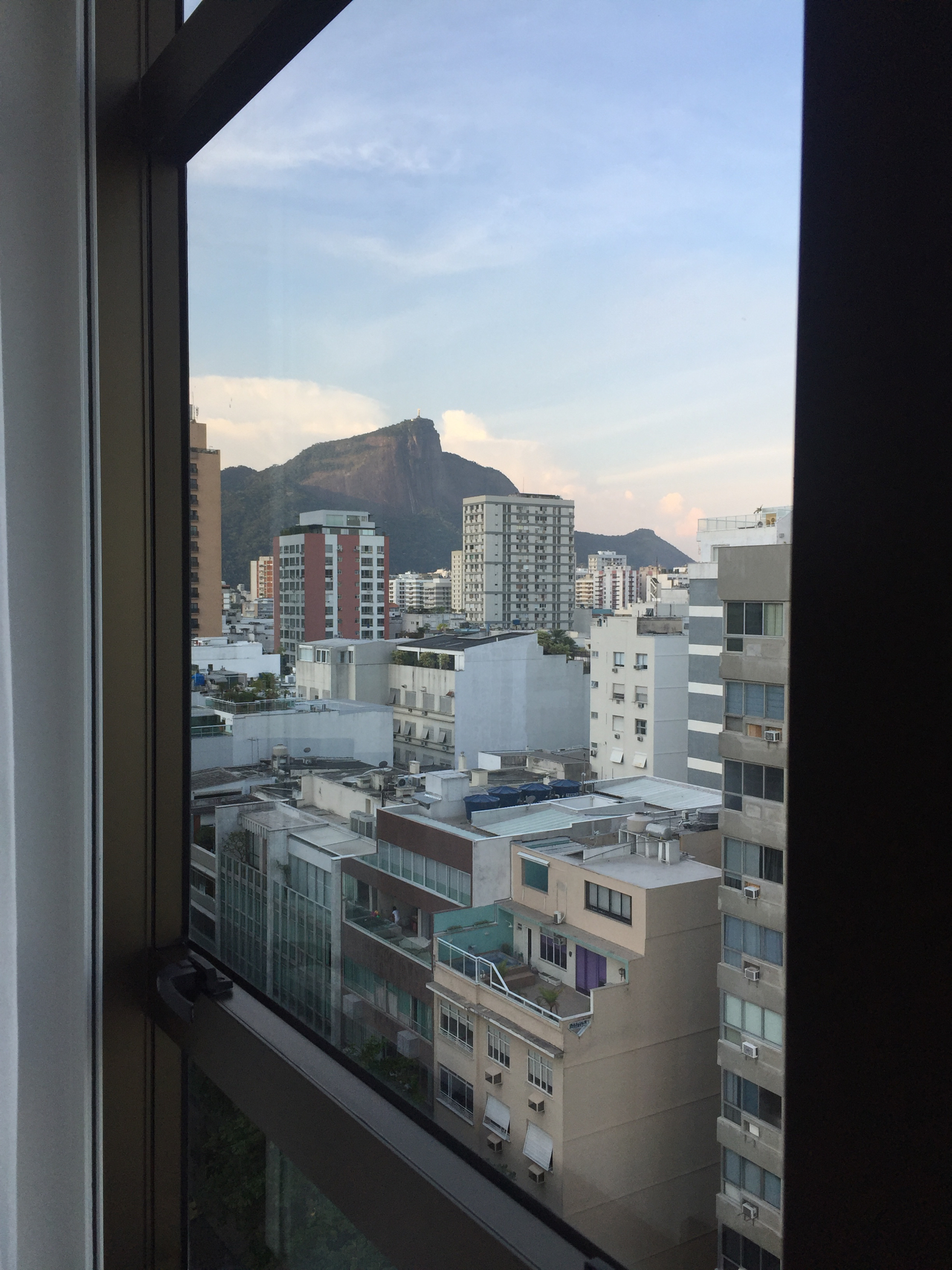
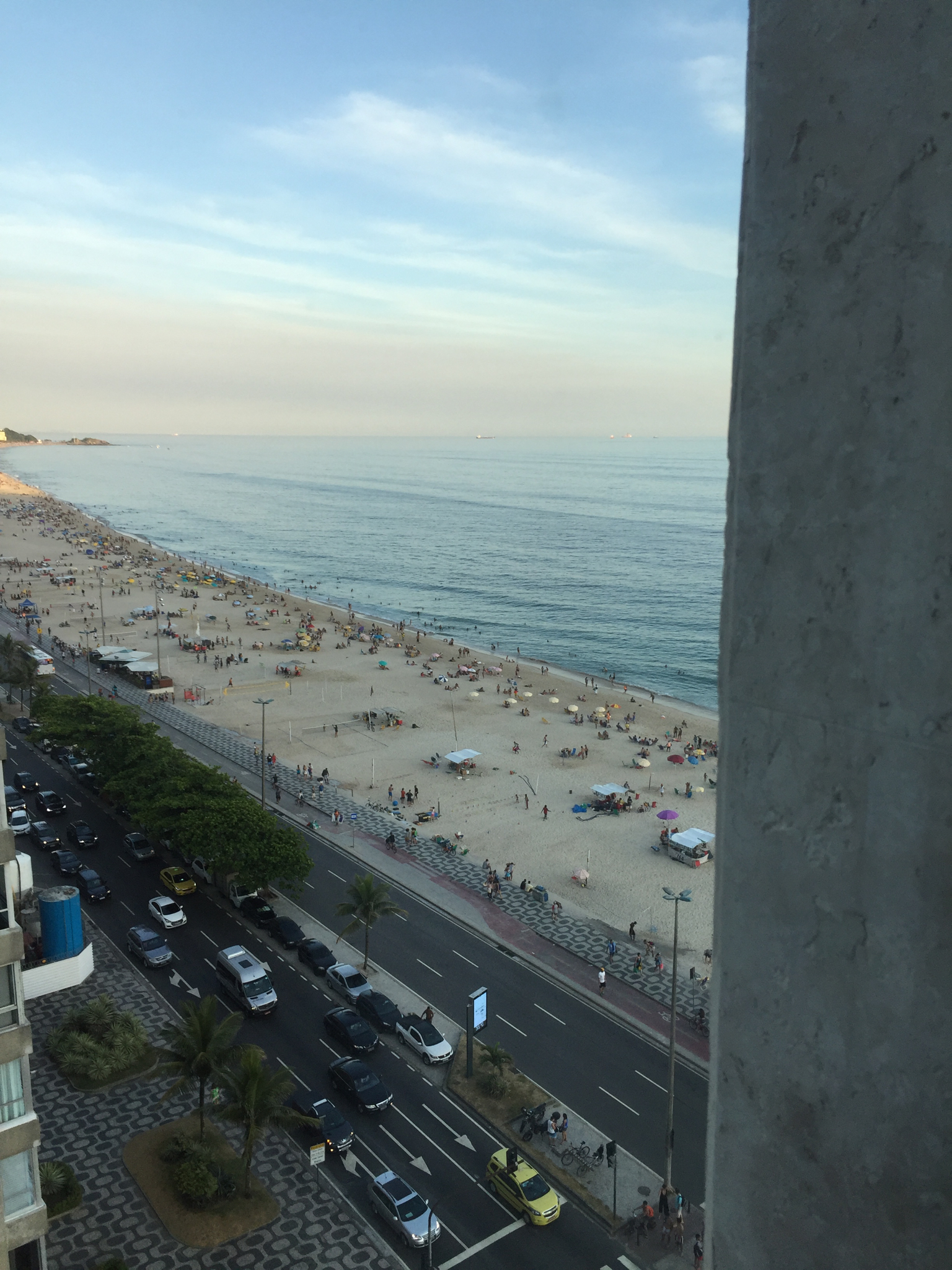
(Note well: There is a completely new oasis in the Leblon district, the Janeiro Hotel set to officially open in time for Carnival next month. This boutique heaven will certainly draw the smart set away from the famous Copacabana Palace. If you look left, you see the Corcovado. If you look right, you are facing Ipanema Beach. It has almost every service a larger hotel would have—and an especially engaging staff. At the end of a day of seeing many buildings in disrepair, it was particularly welcome. Anyone who is considering Rio—for example for the Architecture Congress in 2020—would do well to base herself here.)

IMG_0147.JPG IMG_0148.JPG

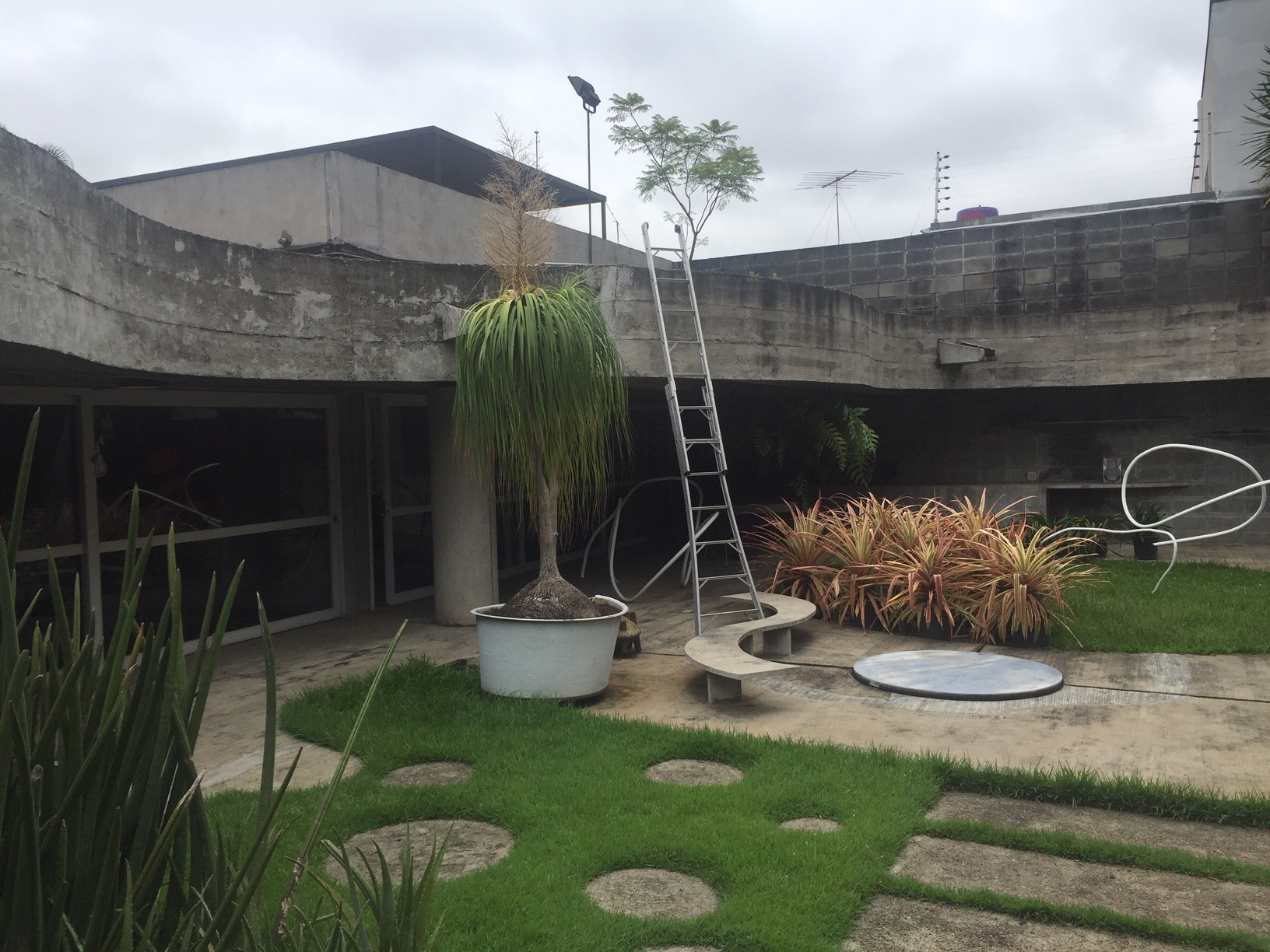
In Rio, shorts is the uniform. In Sao Paolo people wear suits and build enormously high walled compounds. Brutalism reigns.  (Again I was warned about crime, but experienced no qualms myself. One homeowner told me he had been held up at gunpoint in his shower and had left his absolutely primo brutalist Paolo Mendes da Rocha house in the care of his brother). Mendes da Rocha himself, now 90, is, however, apparently undaunted and still maintains his modestly located downtown office. Though busy , SP certainly has a less exotic, hothouse air than Rio.

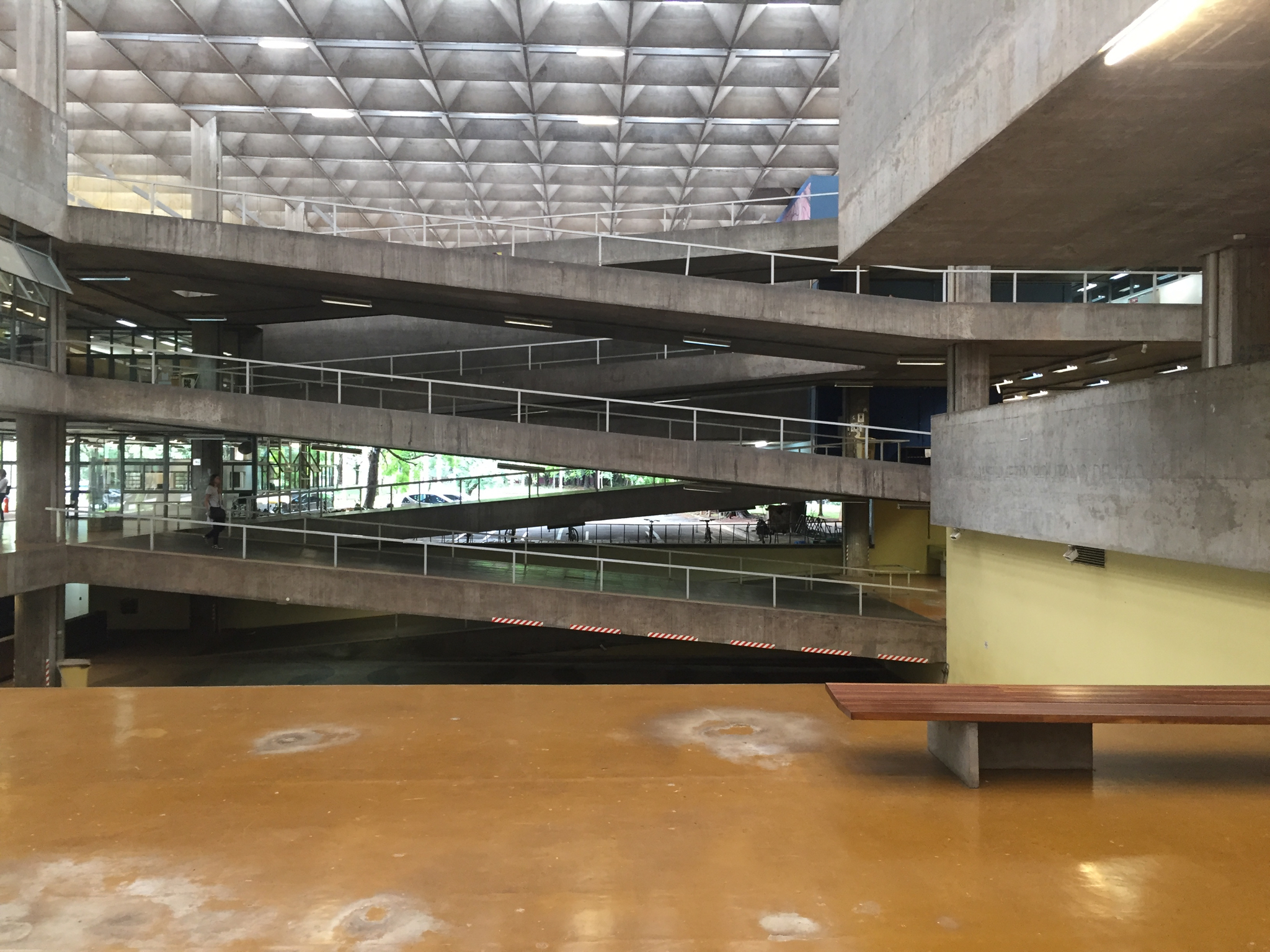
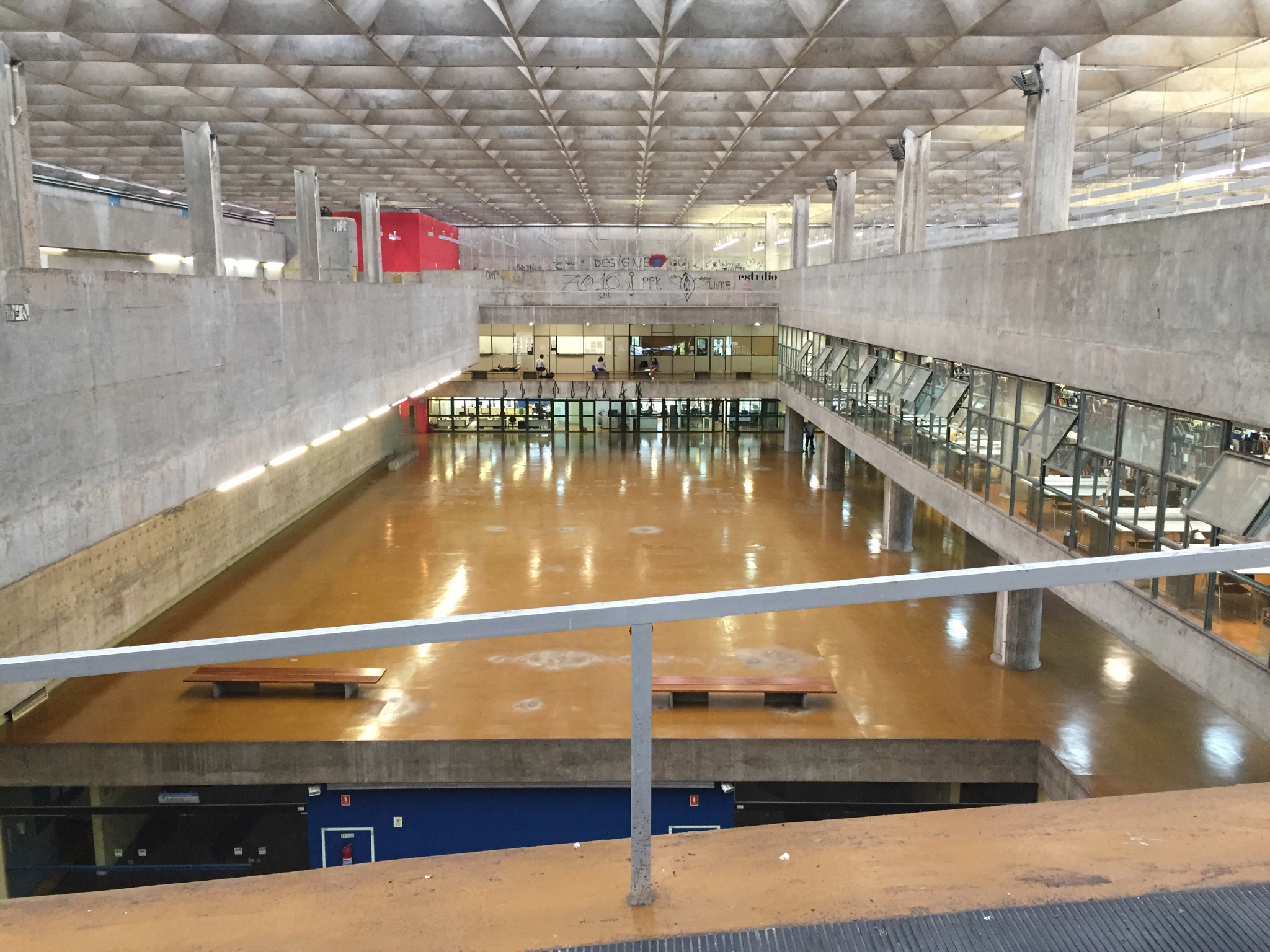
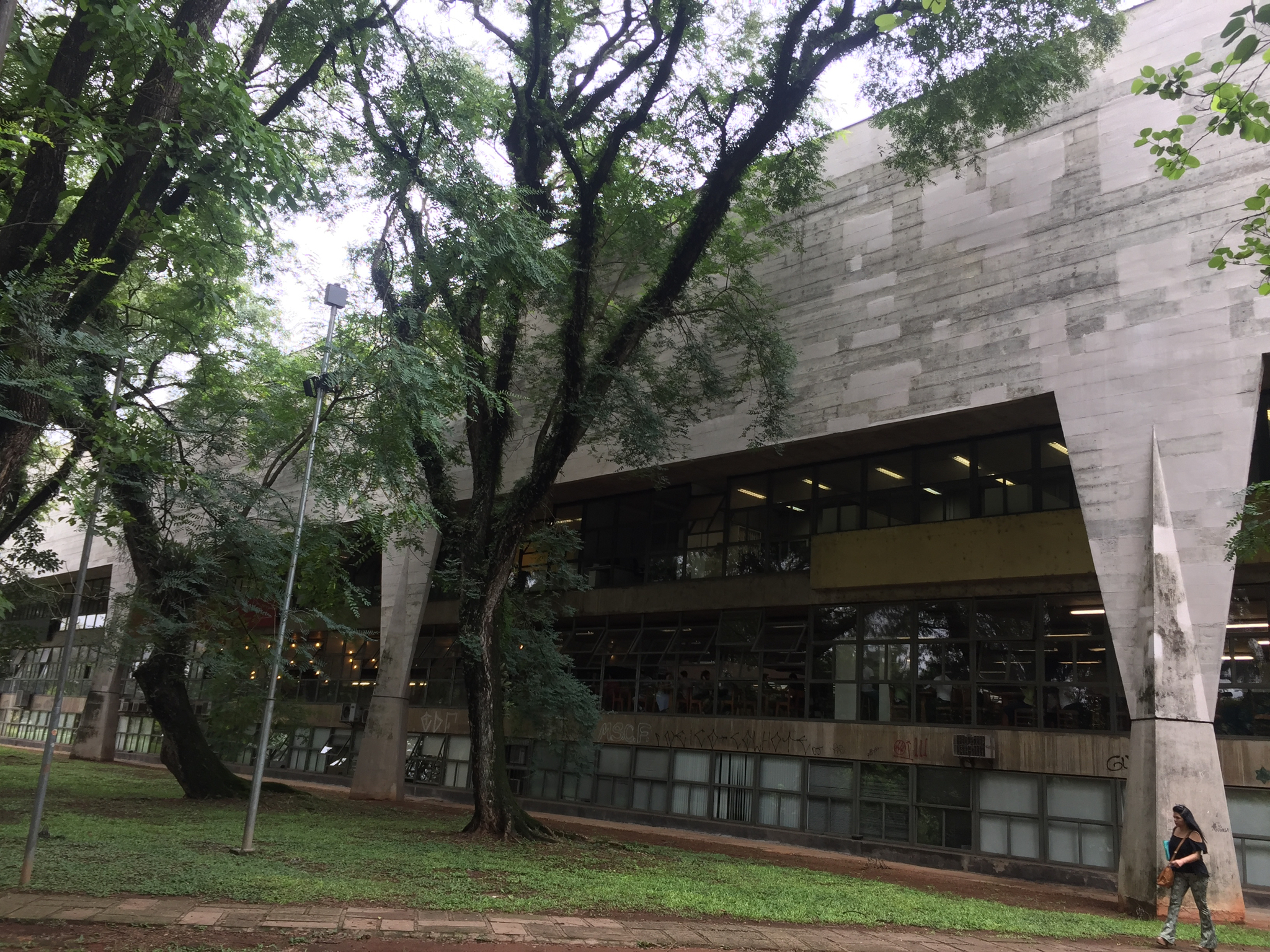
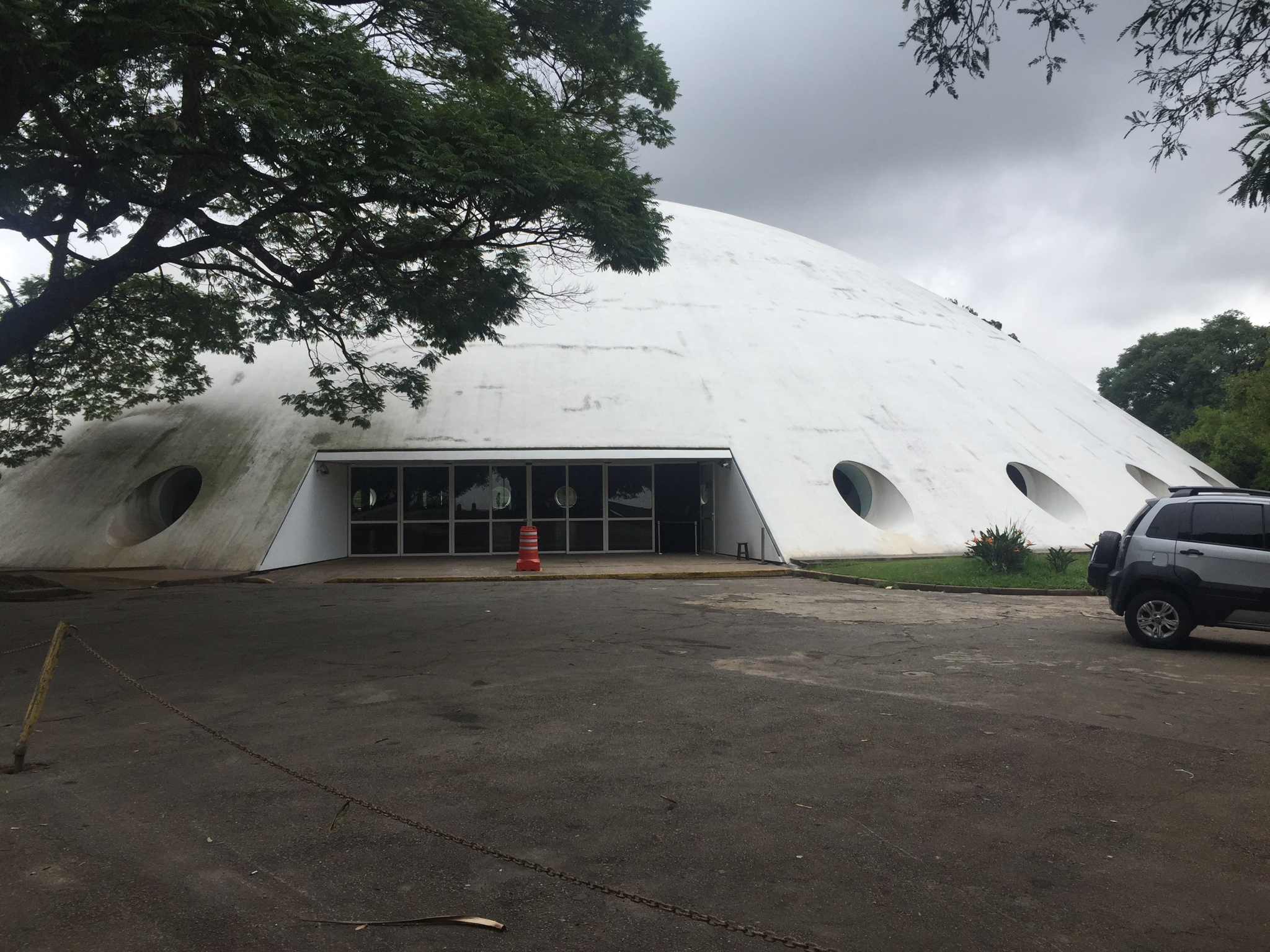
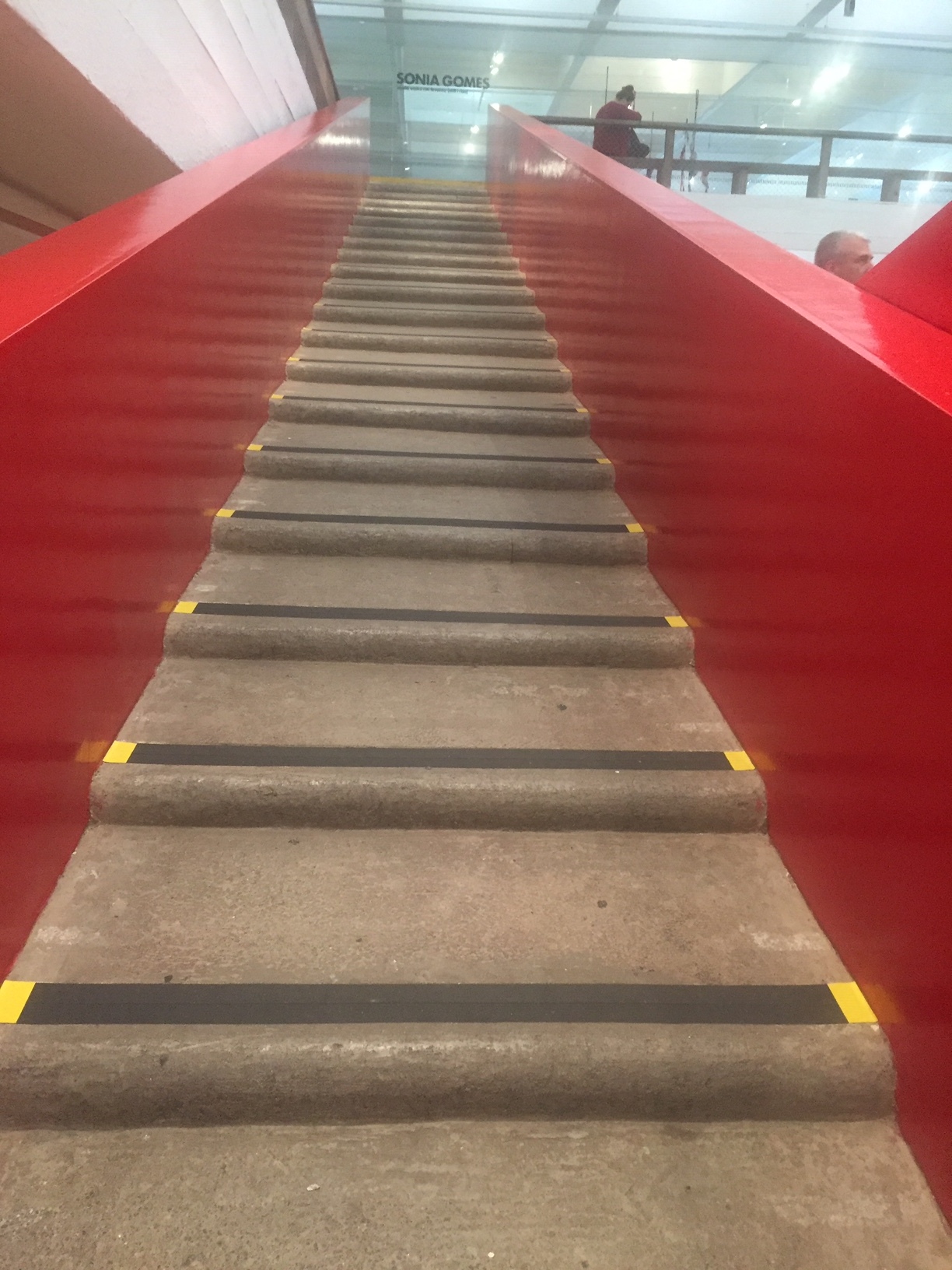
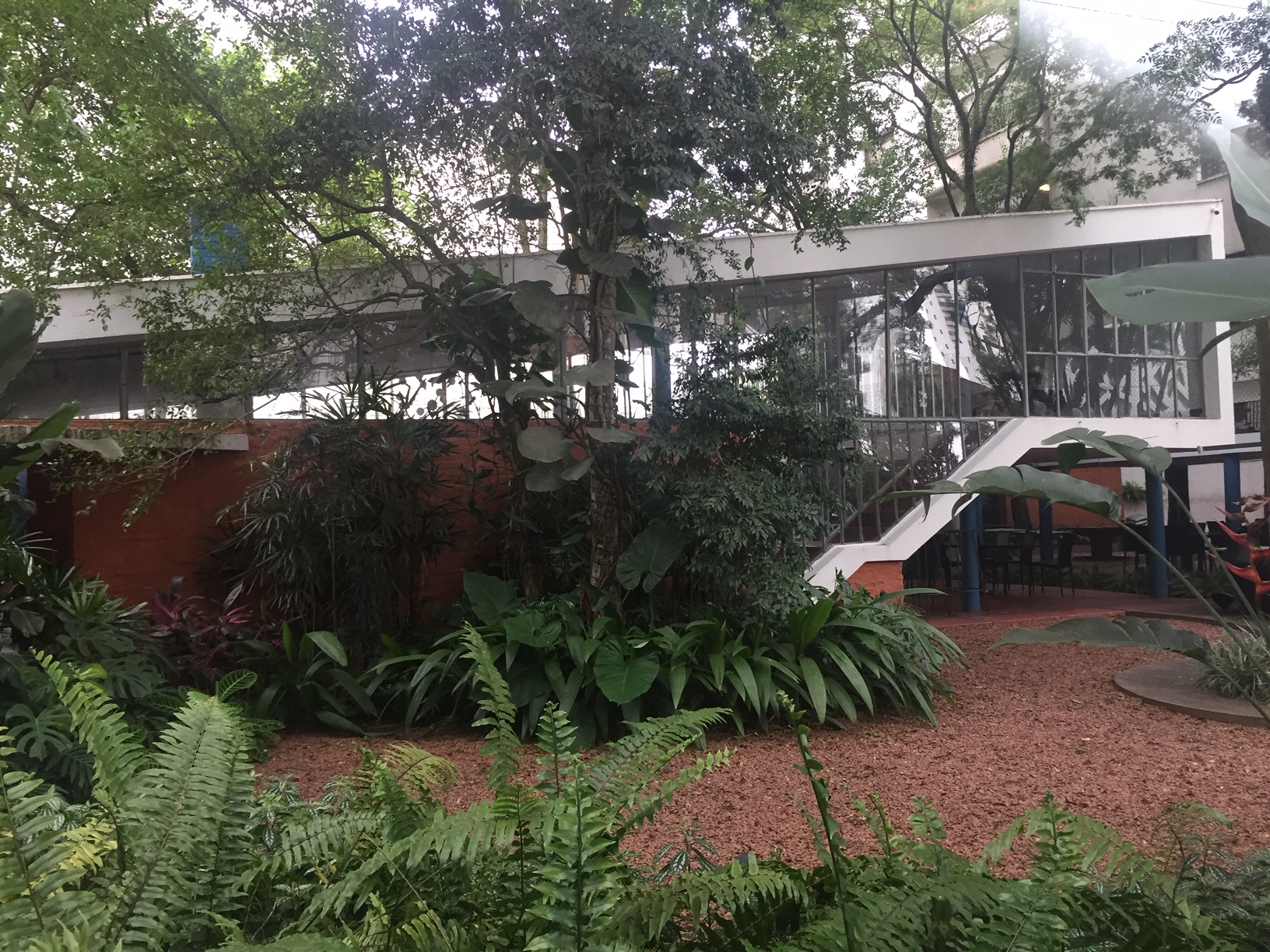
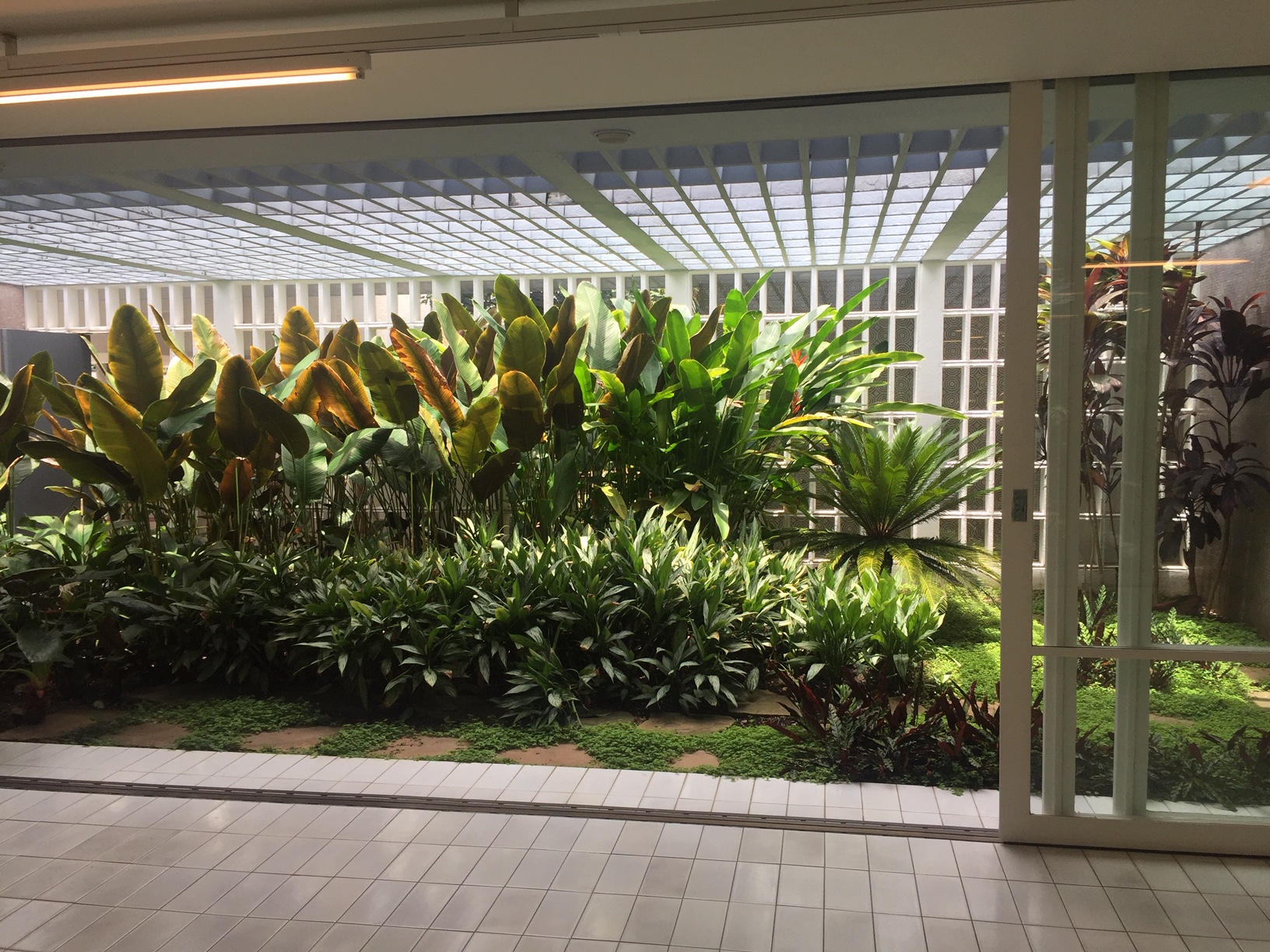
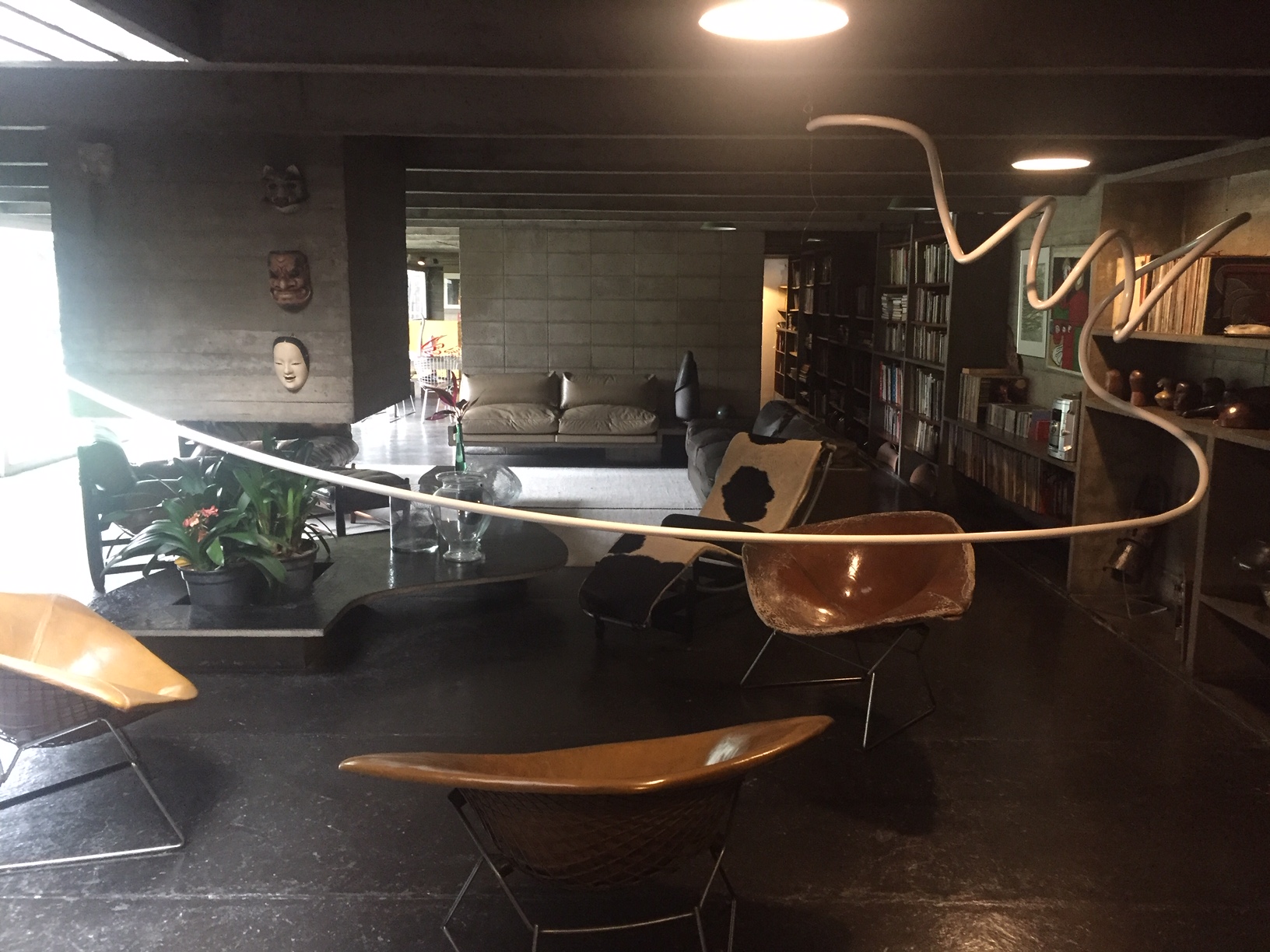
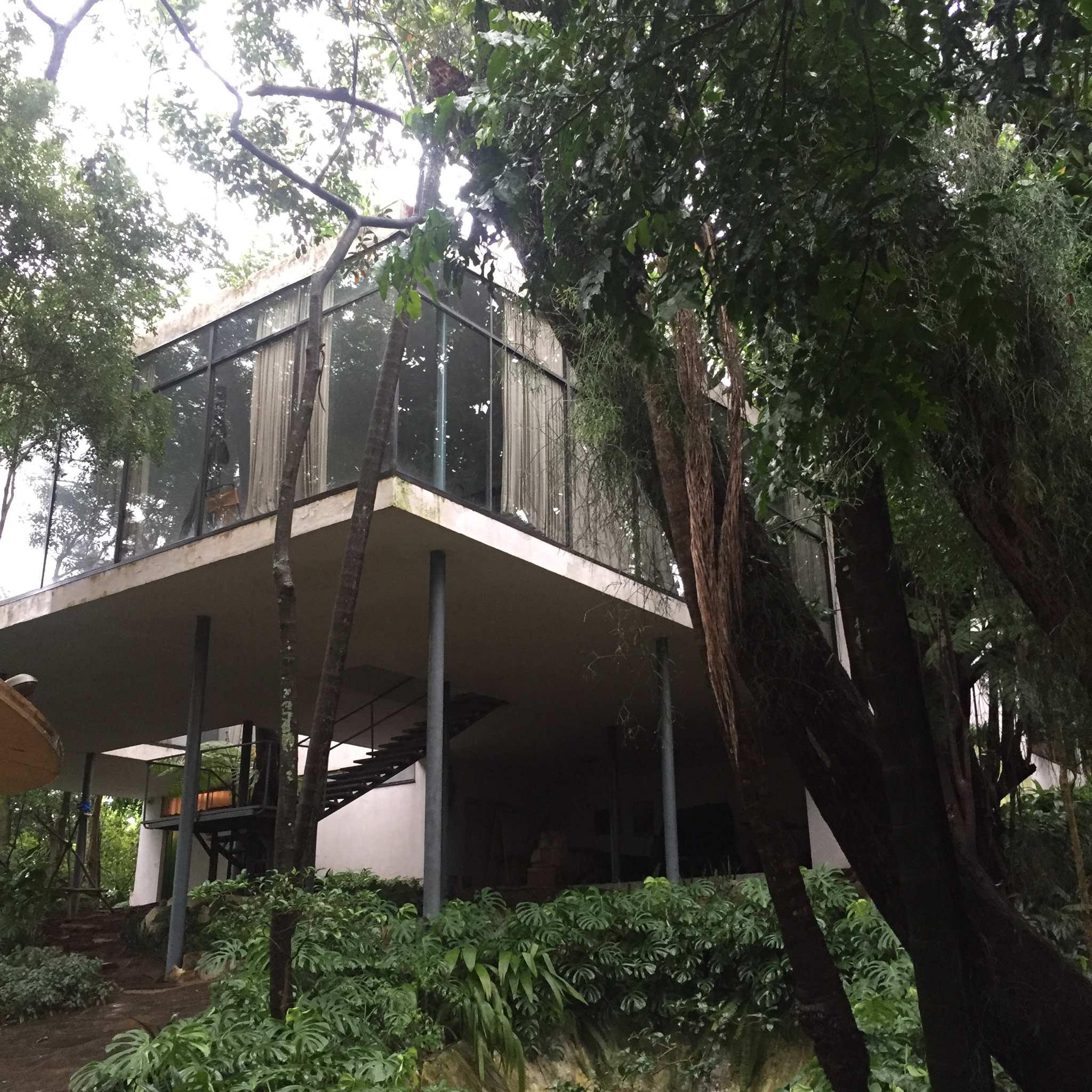
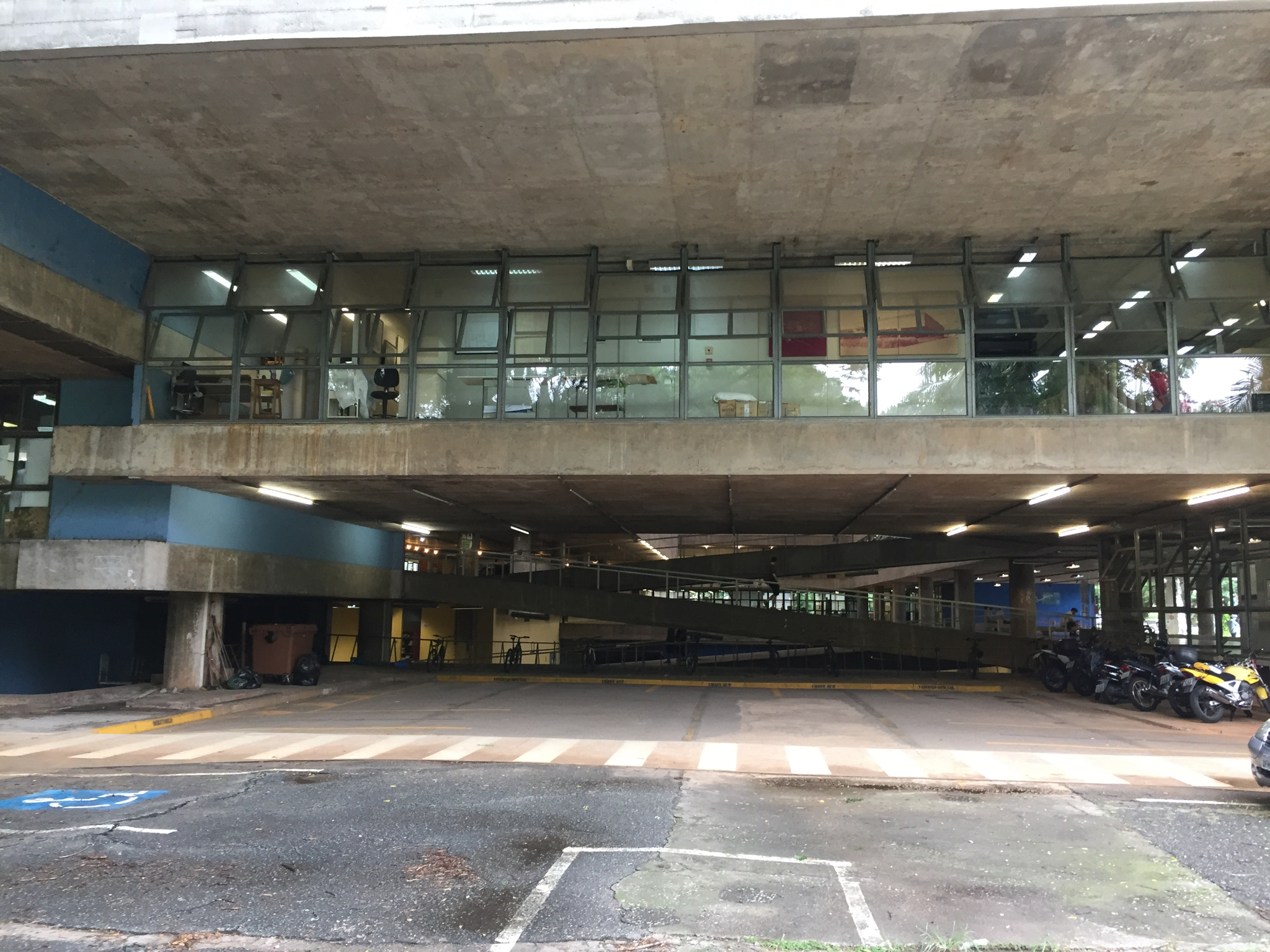
Highlights: The projects of Lina Bo Bardi, the Italian architect who together with her husband Pietro commandeered the Brazilian art and culture world in the 1950’s and 60’s via the Museum of Sao Paolo, her stewardship of the museum and university in Salvador, their joint editorial supervision of their magazine Habitat, her truly egalitarian SESC Pompeia culture center and her own Casa De Vidro are still first class examples of civic and botanical engagement combined with architectural splendor (more soon on Bo Bardi).  Proud homeowners welcomed me to their singular brutalist houses. Niemeyer’s grand Ibirapuera Park is vast and undergoing very slow renovation. Artigas and Cascaldi’s architecture faculty at the University is a majestic building but from my perspective, compromised by layers of apparently unrestricted grafitti. It’s in vastly better shape however than its counterpart architecture faculty in Rio.

IMG_0216.JPG
IMG_0219.JPG
IMG_0217.JPG
IMG_0220.JPG
IMG_0223.JPG
IMG_0225.JPG
IMG_0227.JPG
image11.jpeg
image9.jpeg
image10.jpeg
image6.jpeg
image5.jpeg
image8.jpeg
image4.jpeg
image1.jpeg

Brazil has probably the greatest concentration of important 20th century architecture as anywhere in the world. Private funding for preservation is scarce, there seems to be precious little corporate support of these structures.  

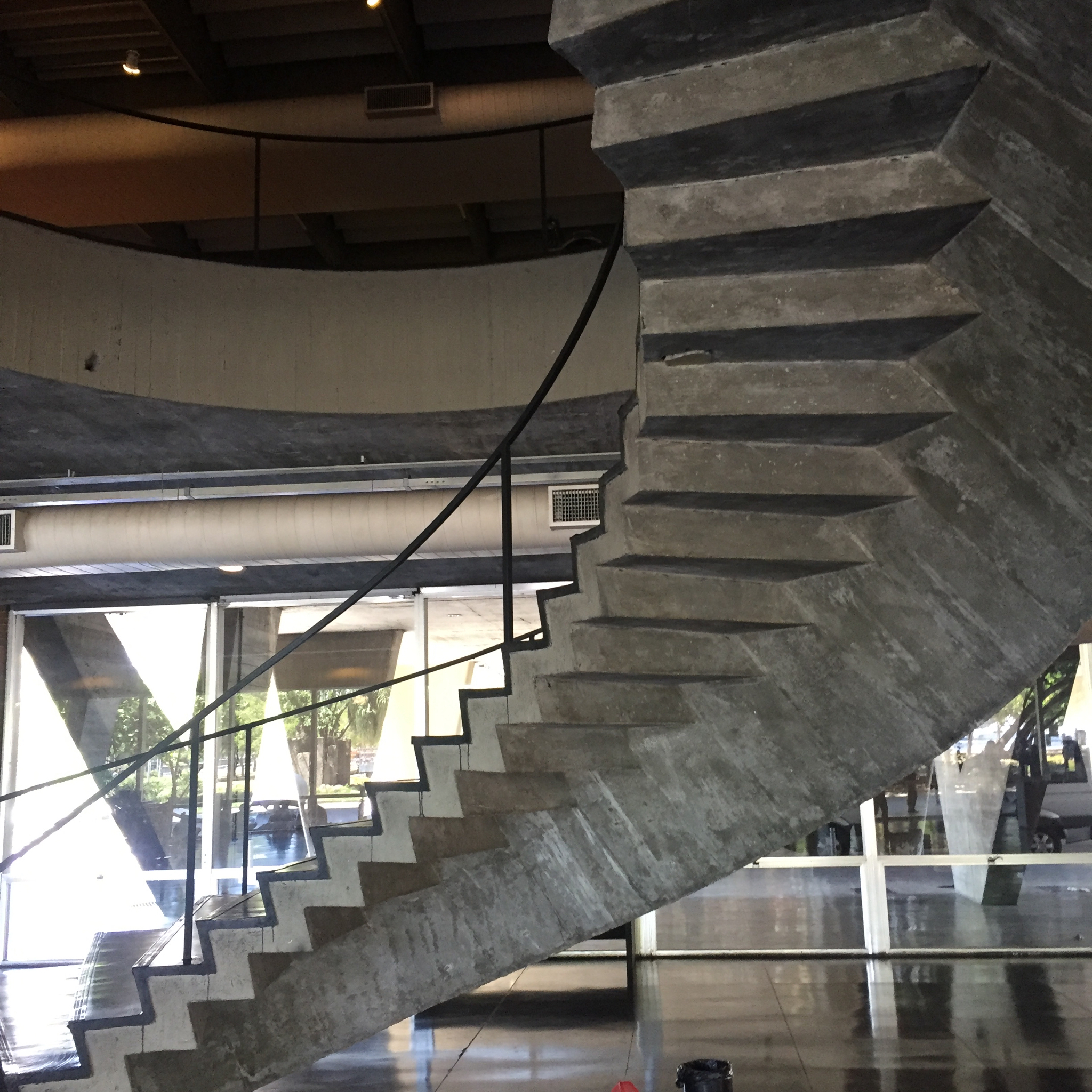
 Mine was the only American I heard on this trip, and very little else. Argentinians were the few tourists I encountered. Many have been scared off, I imagine, by the onslaught of frightening front page news. The Brazilians are among the liveliest, most welcoming, citizens and their creative professionals among the most erudite. I urge Bolsonaro to reconsider his priorities. Brazil’s artistic heritage is one of its strongest suits and can only serve to deposit prized dollars into its coffers. I returned wanting to install ramps, winding staircases, philodendron. And a set of drums. 

In Architecture, Fine Art Tags Brazil, Tourism, Architecture, Rio, Sao Paolo, Brasilia, Samba

Lucio Fontana: On the Threshold at the Met Breuer

January 23, 2019 Patricia Zohn
IMG_9838.JPG
IMG_9847.JPG
IMG_9846.JPG
IMG_9848.JPG
IMG_9849.JPG

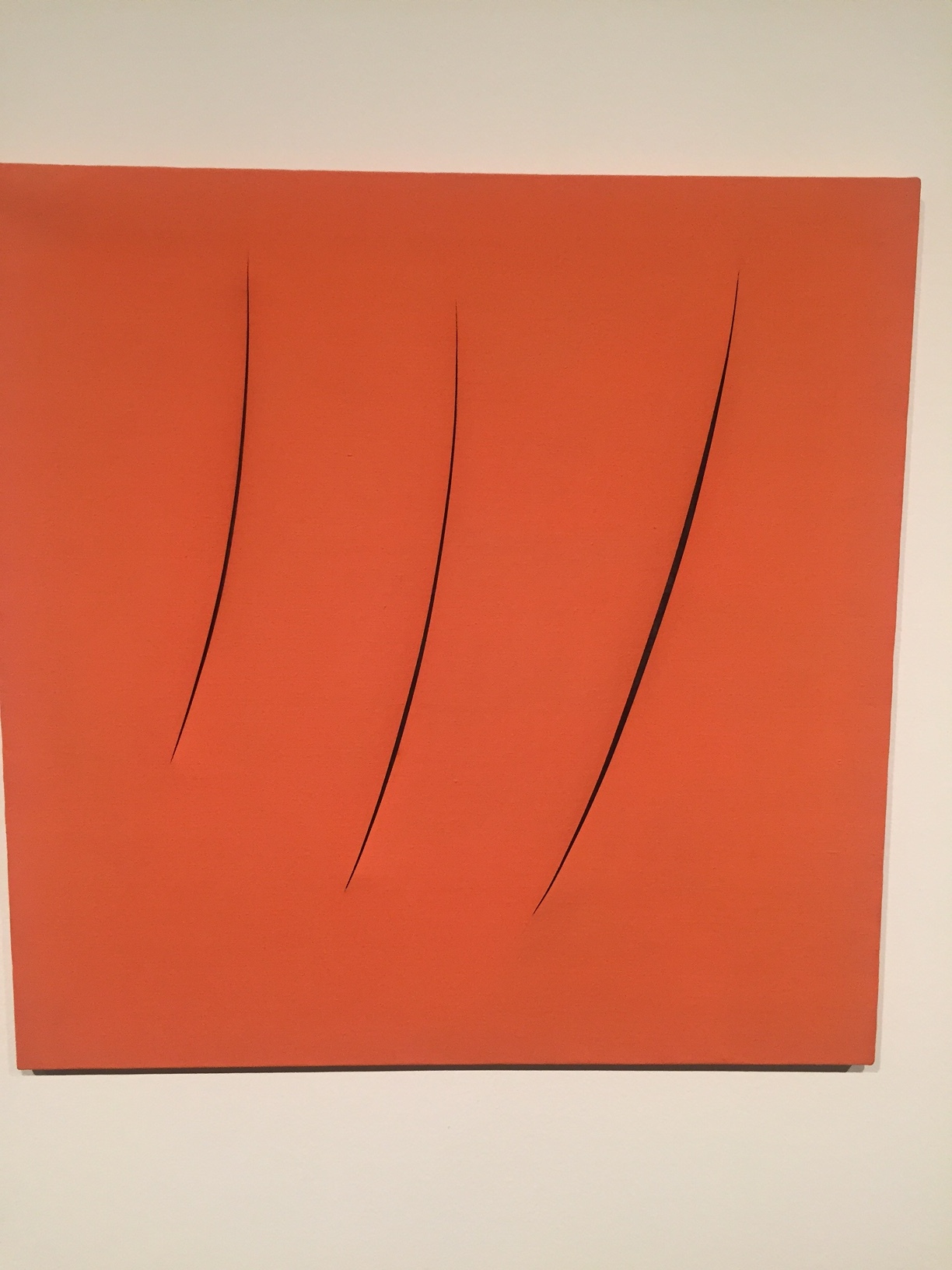
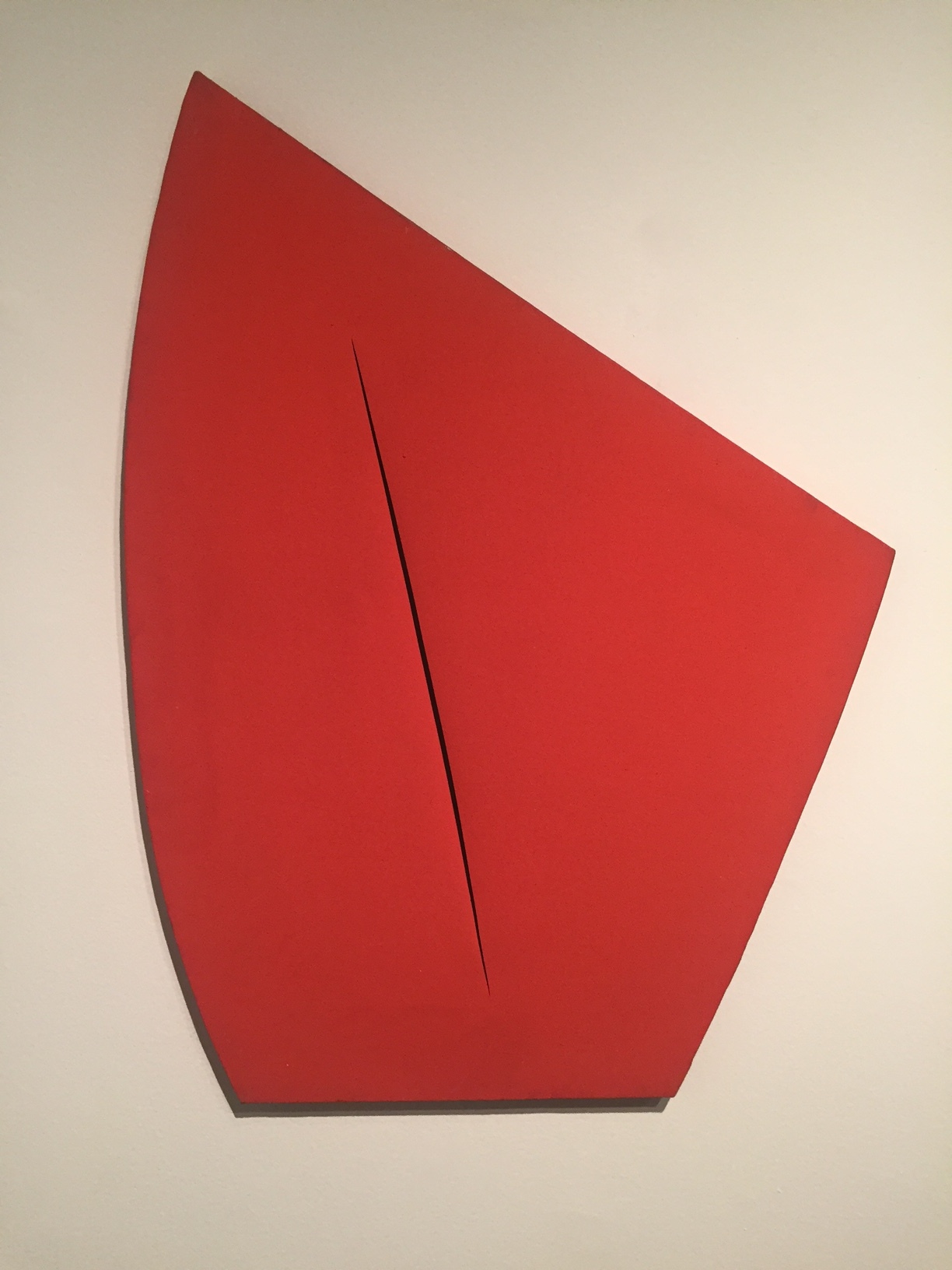
Lucio Fontana: On the Threshold at the Met Breuer comes at the proper moment.  We are all ready to pierce and slash things right now, and Fontana gives us a vision of how we might do that and also produce beauty. What better metaphor for our times? 

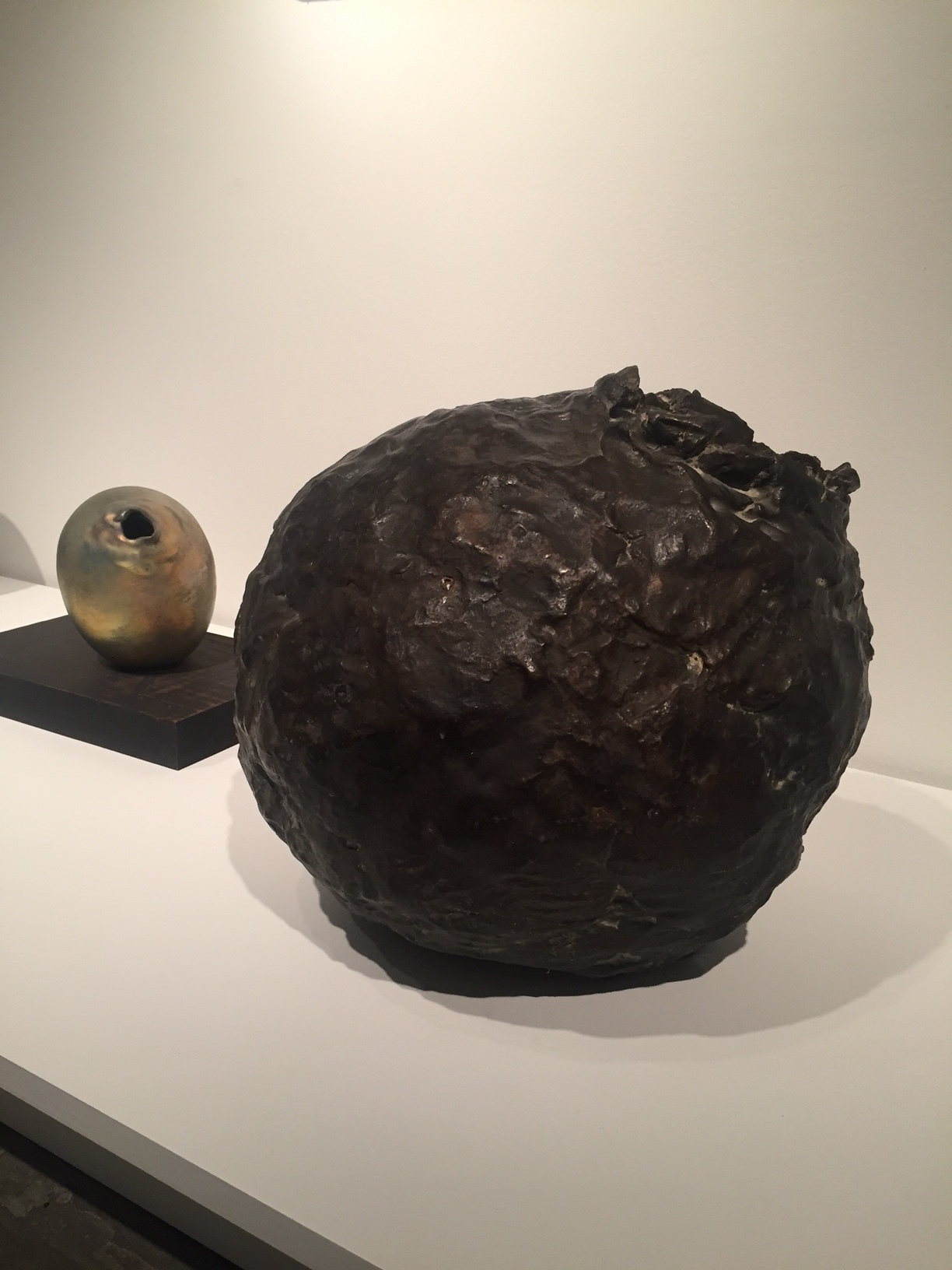
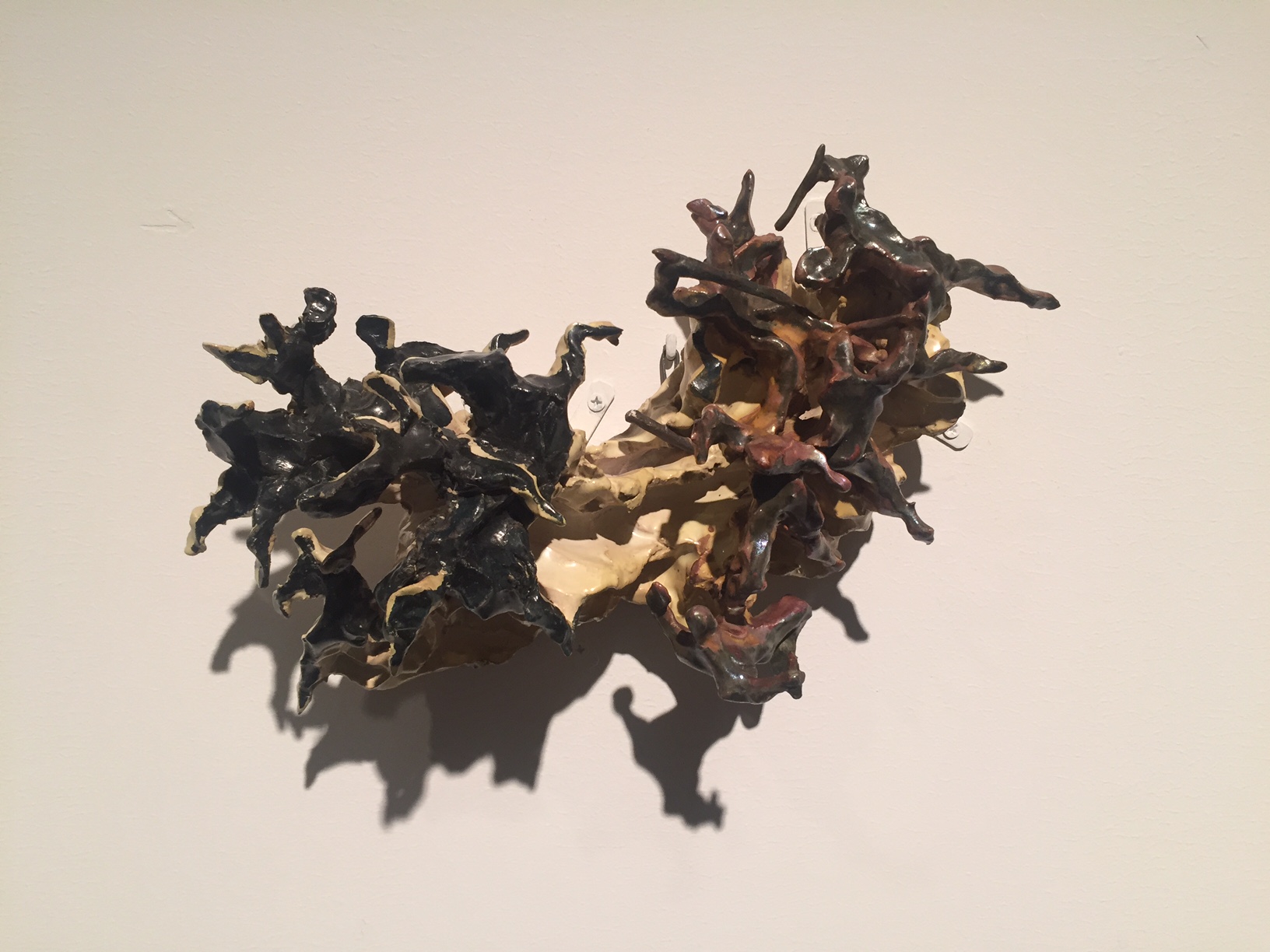
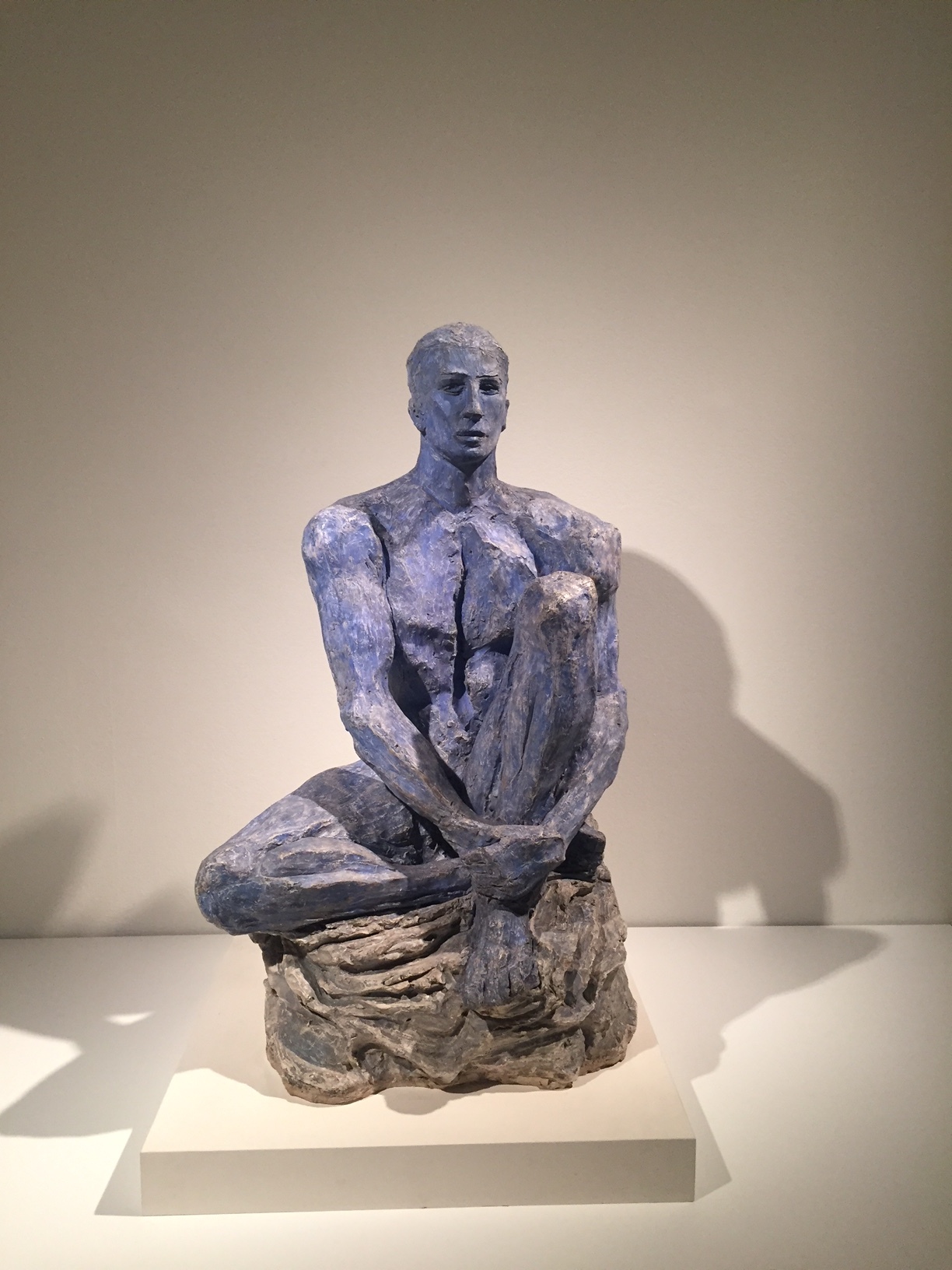
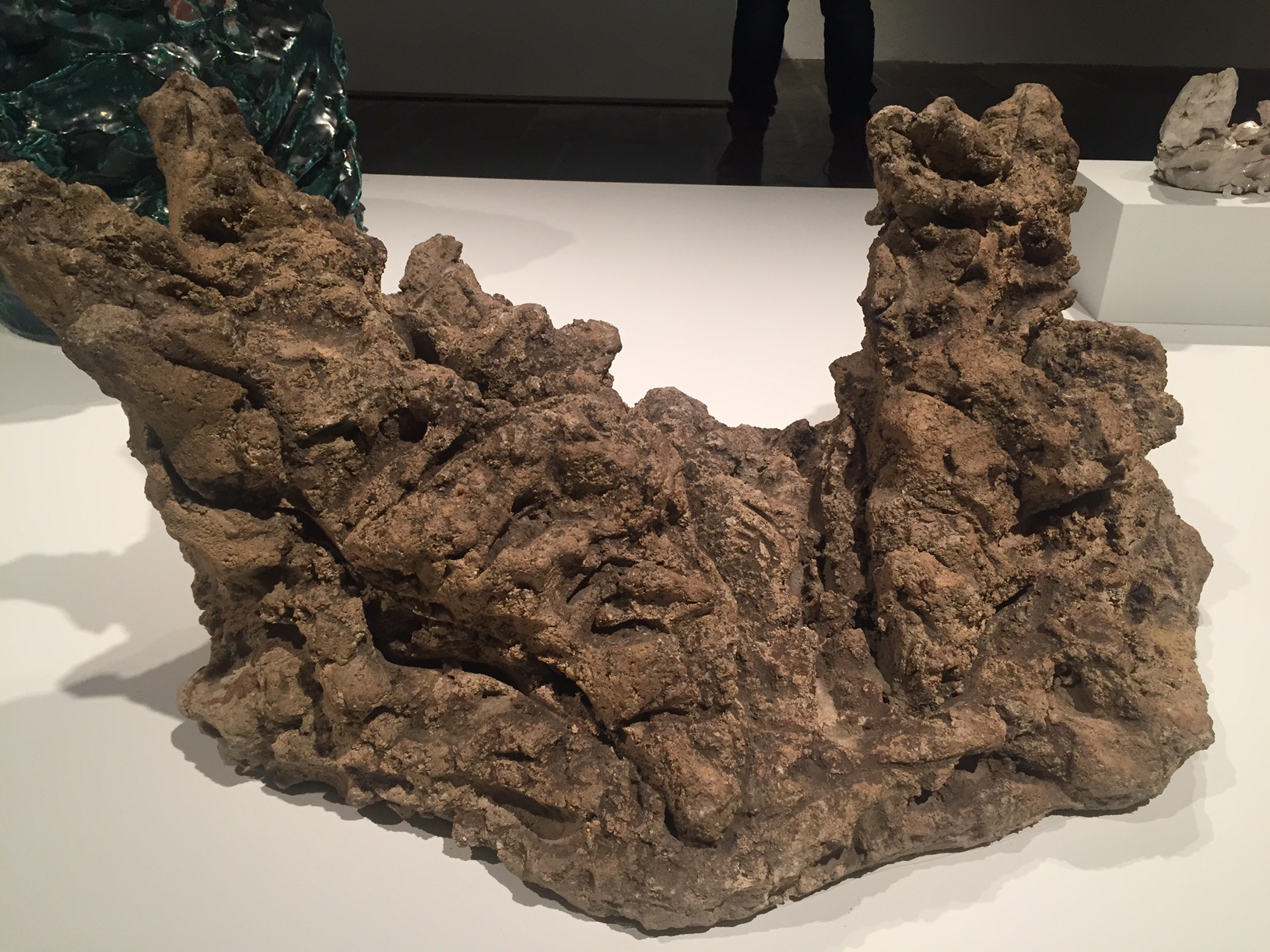
In his early years, Fontana, an Argentinian-Italian hybrid, made wonderful sculptures with a rare freedom both in form and color also riffing on the Majolica which was omnipresent (they oddly reminded me of Dana Schutz’s new series). His work was popular almost right away and he received a commission on the Life of the Sea, which showed his affinities for the natural world. They were to be totally obscured in the later work. 

IMG_9844.JPG
IMG_9839.JPG
IMG_9841.JPG
IMG_9840.JPG
IMG_9842.JPG

He is particularly famous for two series that broke through the picture plane. 

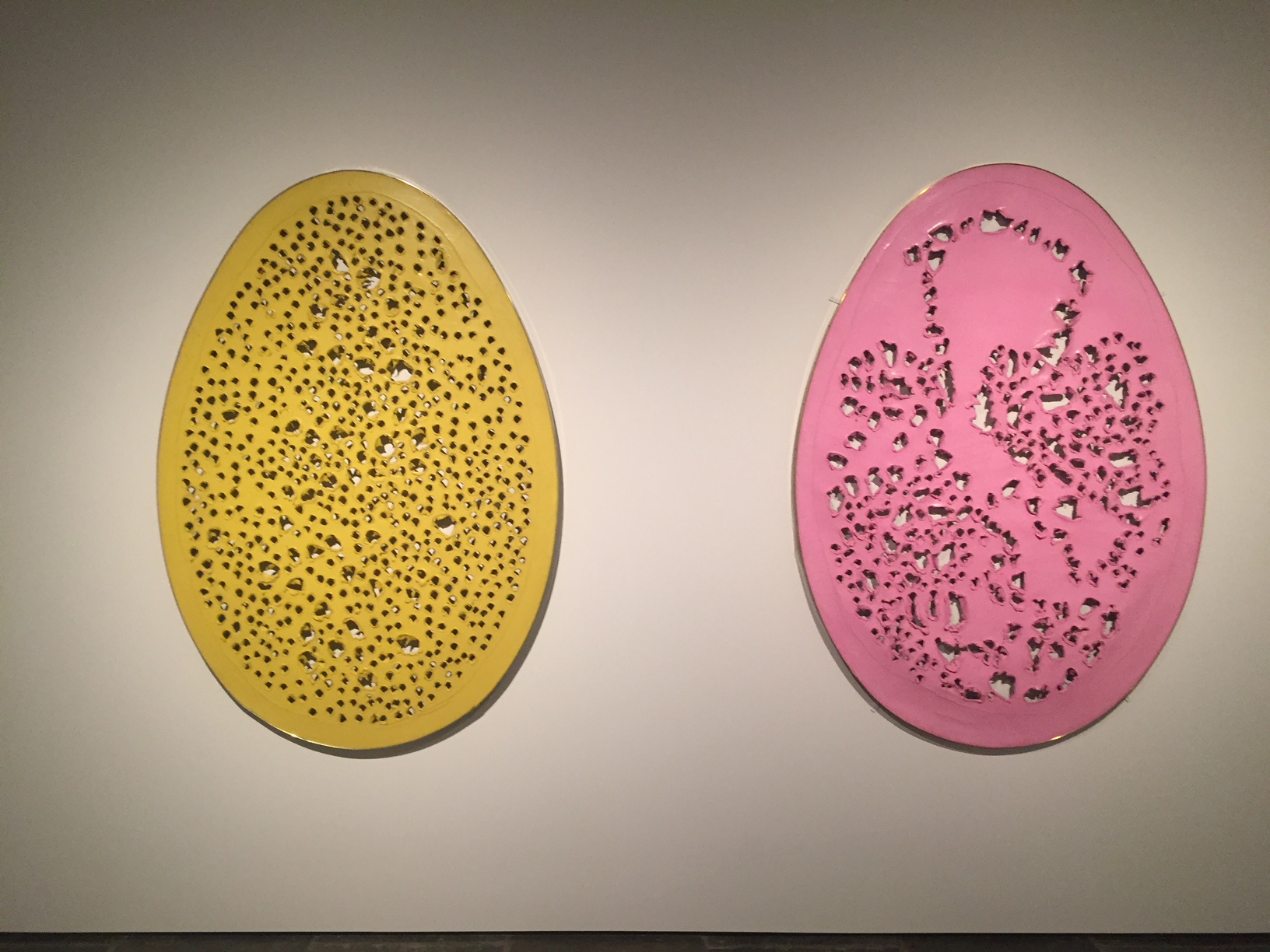
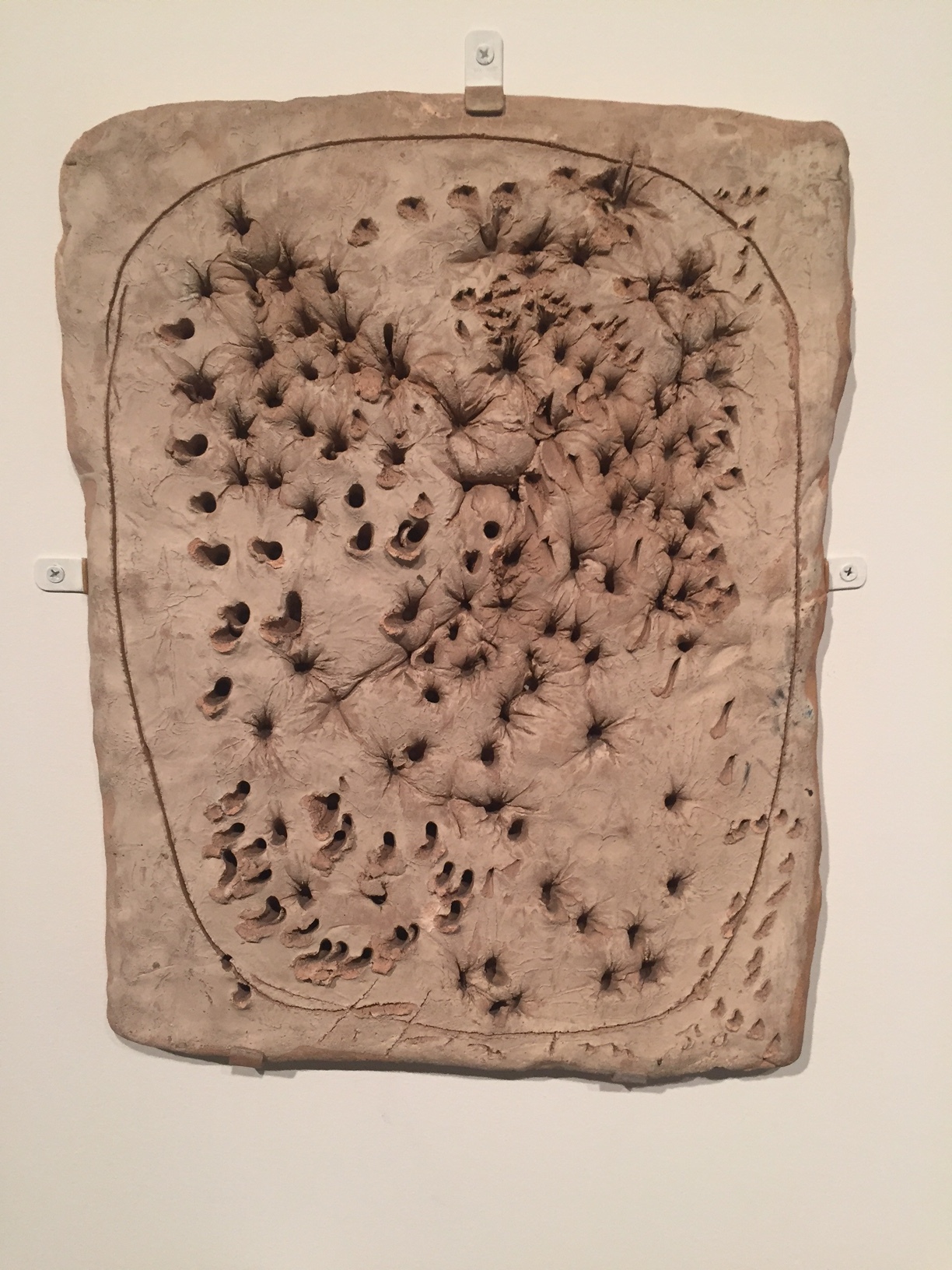
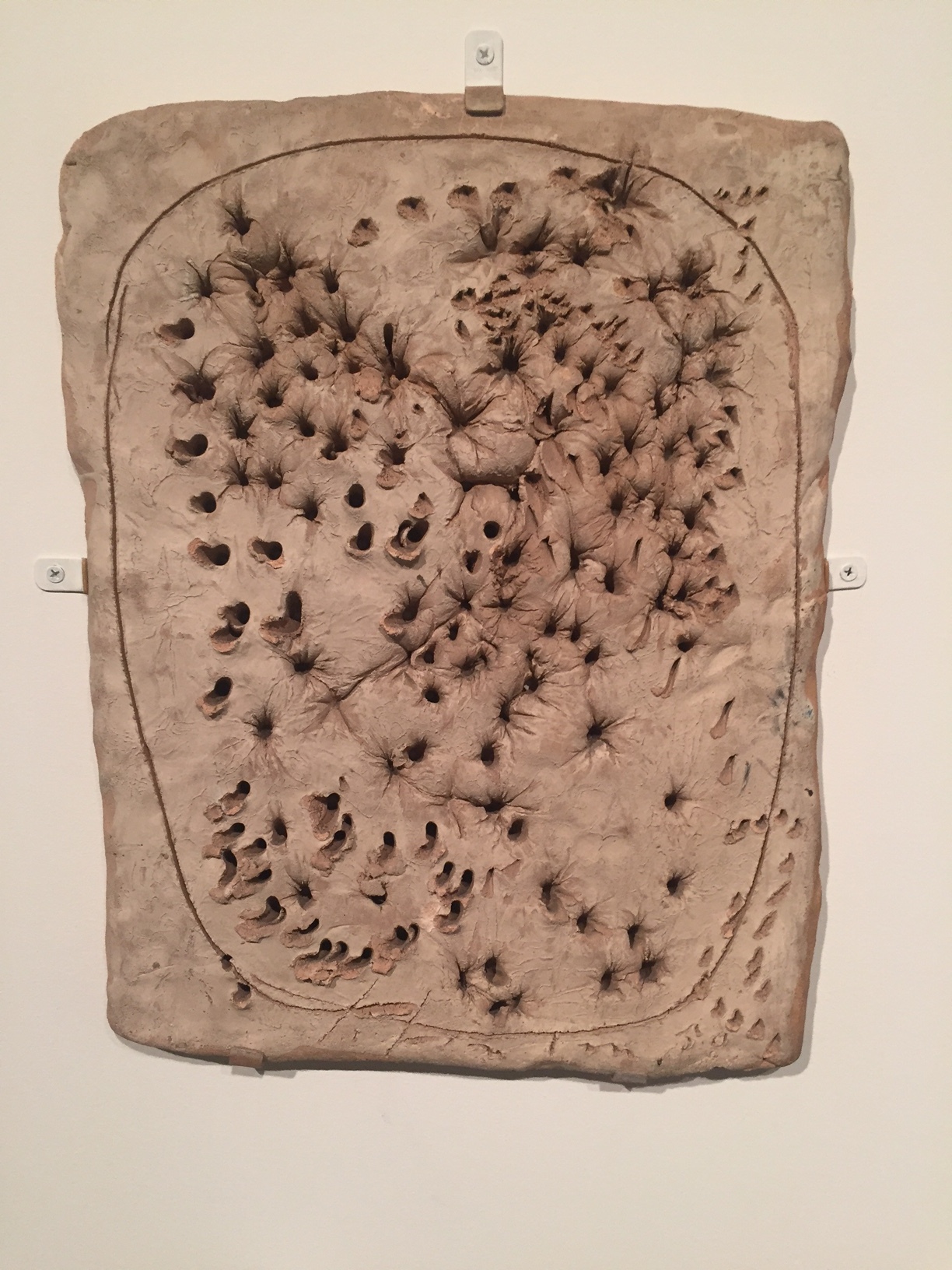
The ‘Concetto spaziale,’ which were first conceived as screens for the transmission of light, display holes punched in patterns on canvas connecting us to the void, the infinite, the 4th dimension. 

IMG_9843.JPG

The early gallery of these, without chroma, but instead a kind of washed out beige, are so very pure.

I feel like my heart is being pierced. Somehow they made me think of Janis Joplin’s lyric “Take a little piece of my heart now baby.”  

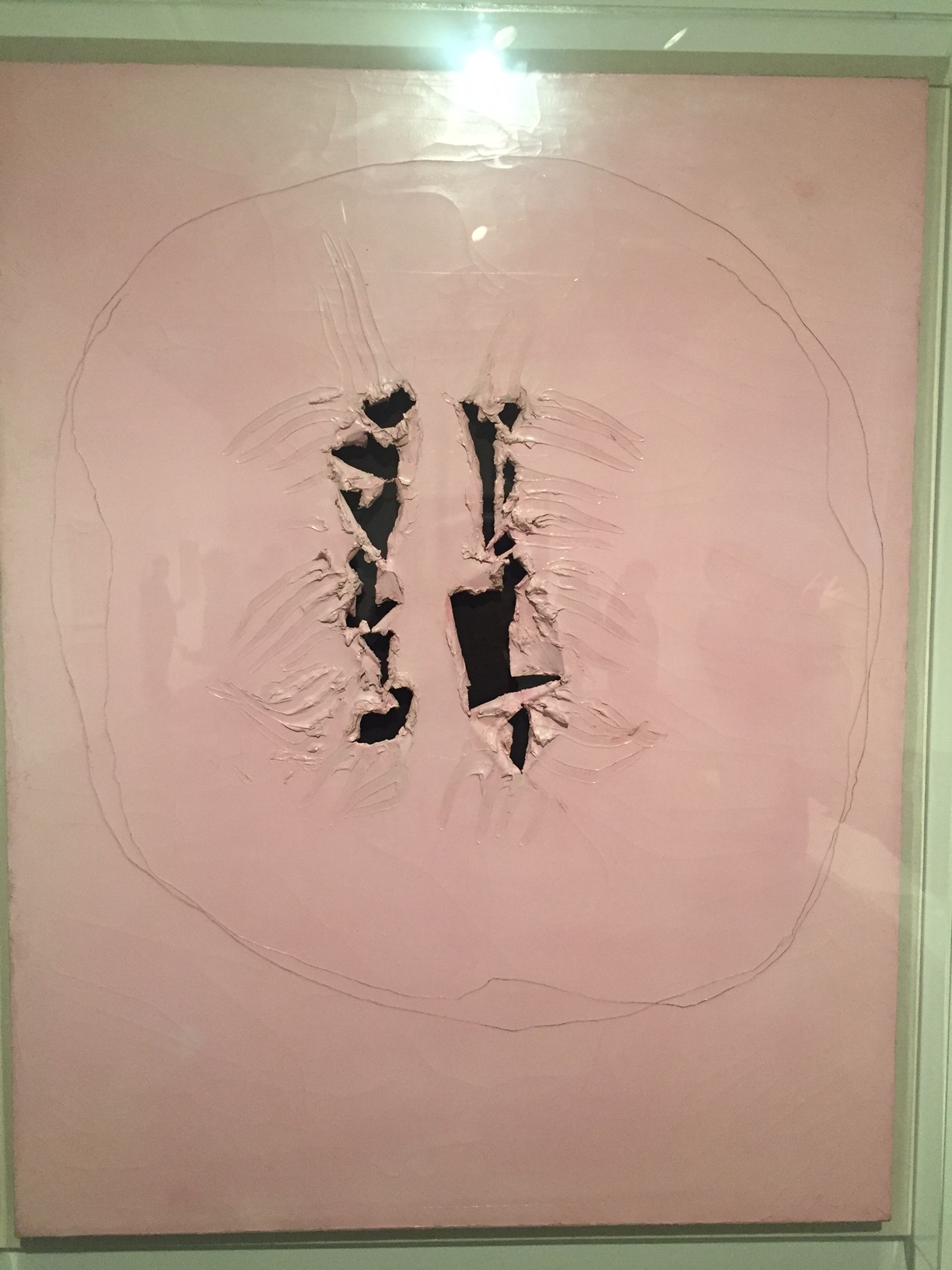
Later, he added chroma, glass and stone and the paintings grew larger, but those don’t have the same resonance. There is actually a pink painting that looks like the cavity of the chest—perhaps too literal. 

IMG_9845.JPG
IMG_9843.JPG

His “Cuts” series was considered his most radical, acts of sabotage painting. These are likely the ones you are more familiar with. Fontana said it was as hard to decide where to put the cuts as anything else he had done, and that he then folded them back and affixed them to the back of the canvas. No more fenestration as with the holes—just violent fissures. Once again, it’s impossible not to think of our contemporary social and political anguish. 

A decade later, he had cycled through color and come back to white, using house paint because it was flatter.

Fontana has come back into vogue along with his compatriots Alberto Burri and Piero Dorazio and the mid-century school of Italian painting, design and architecture. Here at the Met we have the reason why. 

January 23 - April 14, 2019.

In Fine Art Tags Lucio Fontana, On the Threshold, The Met, Met Breuer, New York, New York City

Dana Schutz at Petzel Gallery: Imagine Me and You

January 20, 2019 Patricia Zohn
SCH 18_032L.jpg

Dana Schutz’s new show at Petzel opens on a woman painting in an earthquake. Her sneakered foot rests on a skull.

 I think of Schutz having to work after the earthquake of the last Whitney Biennial, debris flying at her that she never expected, yet managing in spite of the --in my opinion--wholly undeserved misplaced vitriol about her painting of Emmett Till, to carry on with her work and her life. 

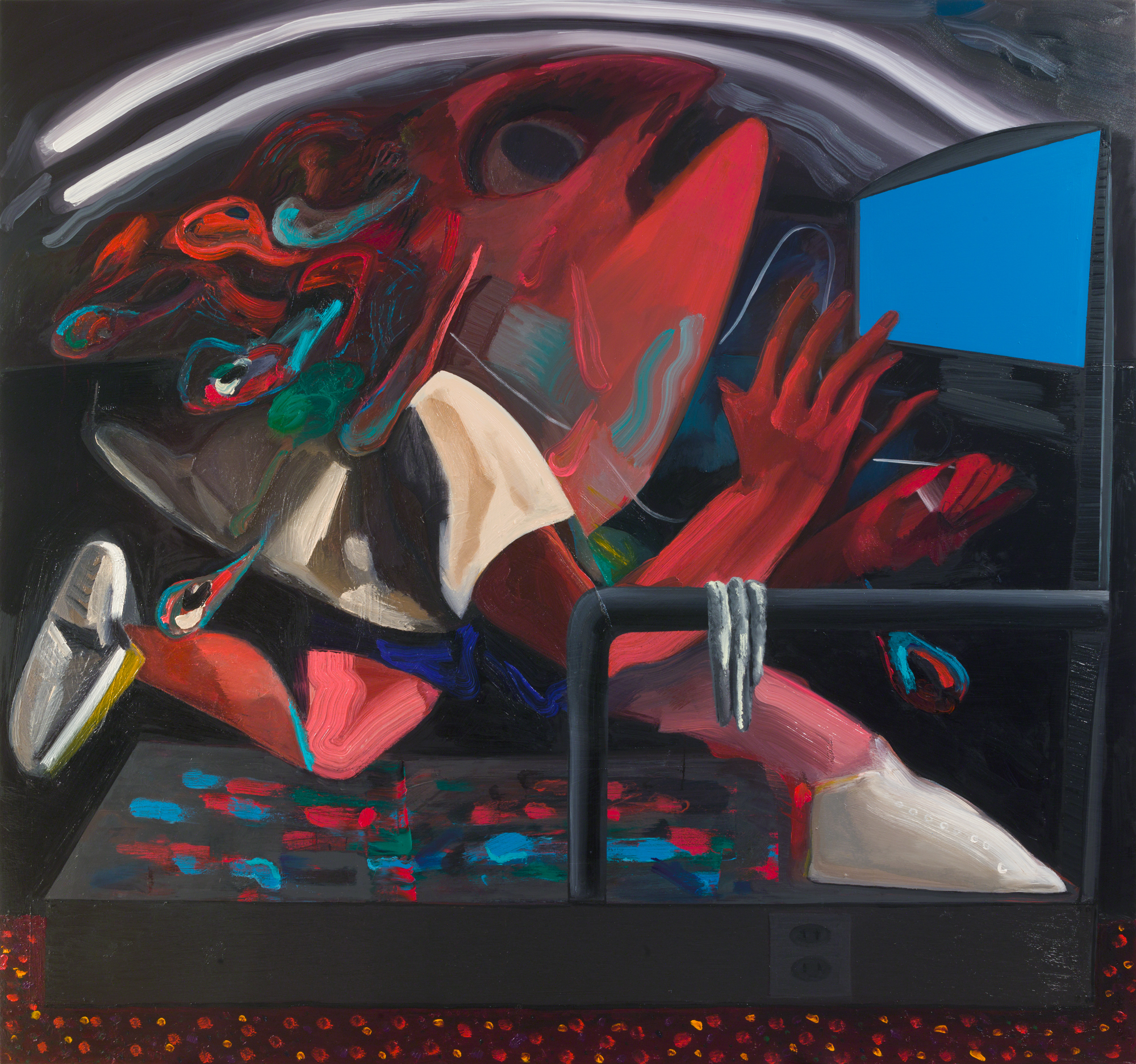
 Another painting in this collection shows a woman on a treadmill watching a blank screen. Maybe this was the only way to exorcise that troubling time.

SCH 18_014L.jpg

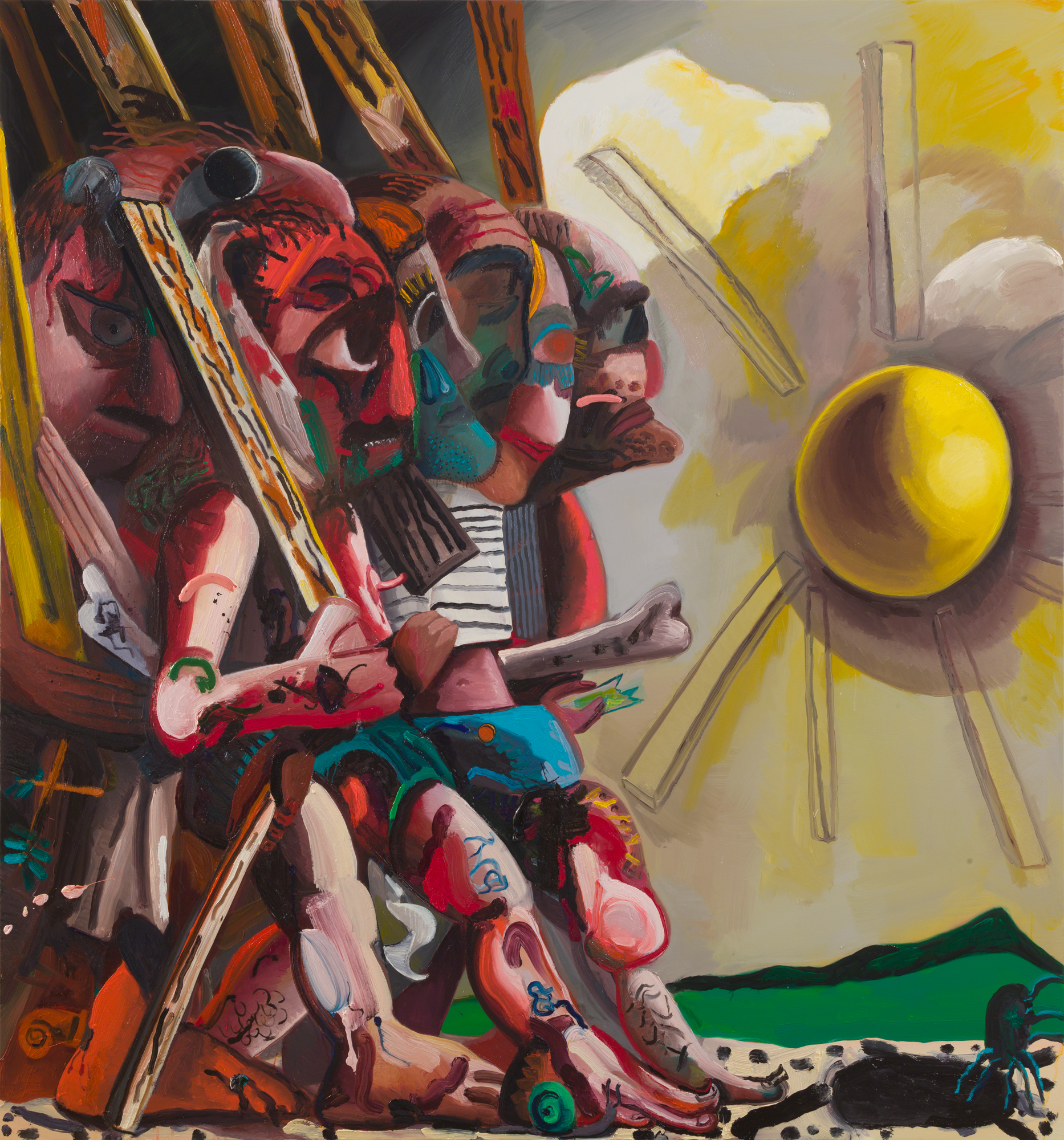
 We are told as readers never to conflate the work with the writer.  And yet it’s impossible not to conjure up the life surrounding this new work, at odds with a self-effacing, private self.  Instead it is filled with monsters and demons, bold slashes of color, trouble, wandering, marching and strangers as well as the occasional more pastoral: the sun, a boatman, a mountain group. 

SCH 18_015L.jpg
SCH 18_026L.jpg
SCH 18_024L.jpg

My favorite image, having spent the previous evening with Manet’s Odalisque is Schutz’s equally provocative version, a green eyed woman who boldly confronts the viewer, refusing to sink beneath the waves, a pelican with a raspberry standing in for Laure and her bouquet of flowers.

SCH 18_029L.jpg

 Shutz imparts more emotion into a finger or a limb than most artists can into a face. Each element of a body is articulated. It reminds me of flamenco dancing—sometimes your head is going one way, your hands another, your body yet another. Your feet are stamping to get attention. Yet somehow the whole makes sense if you add enough emotion. Emotion is the overlay to Schutz’s more formally excellent qualities. I feel a gut punch at every image.

 There is still plenty of Philip Guston in Schutz and even Picasso, but that’s all to the good. Schutz is not afraid to reference her heroes and heroines, to give credit where it’s due. Her bronze sculpture is new and engaging, her painting impasto translating readily into the dynamic, often humorous creatures as if Giacometti had run riot. 

 I am obviously a fan of Schutz’s bold and ambitious work.  I believe she is one of our leading, most authentic artists. 


Dana Schutz, Imagine Me and You, Petzel Gallery, 18th Street, open until February 23. 

In Fine Art Tags Dana Schutz, Petzel Gallery, Imagine Me and You, Art, Fine Art'

God Made My Face: James Baldwin via Hilton Als at David Zwirner

January 20, 2019 Patricia Zohn
IMG_9826.JPG
IMG_9829.JPG
IMG_9824.JPG
IMG_9823.JPG
IMG_9834.JPG

“I remembered myself as a very small boy, already so bitter about the pledge of allegiance I could scarcely bring myself to say it…I was in short, but one generation removed from the south.”

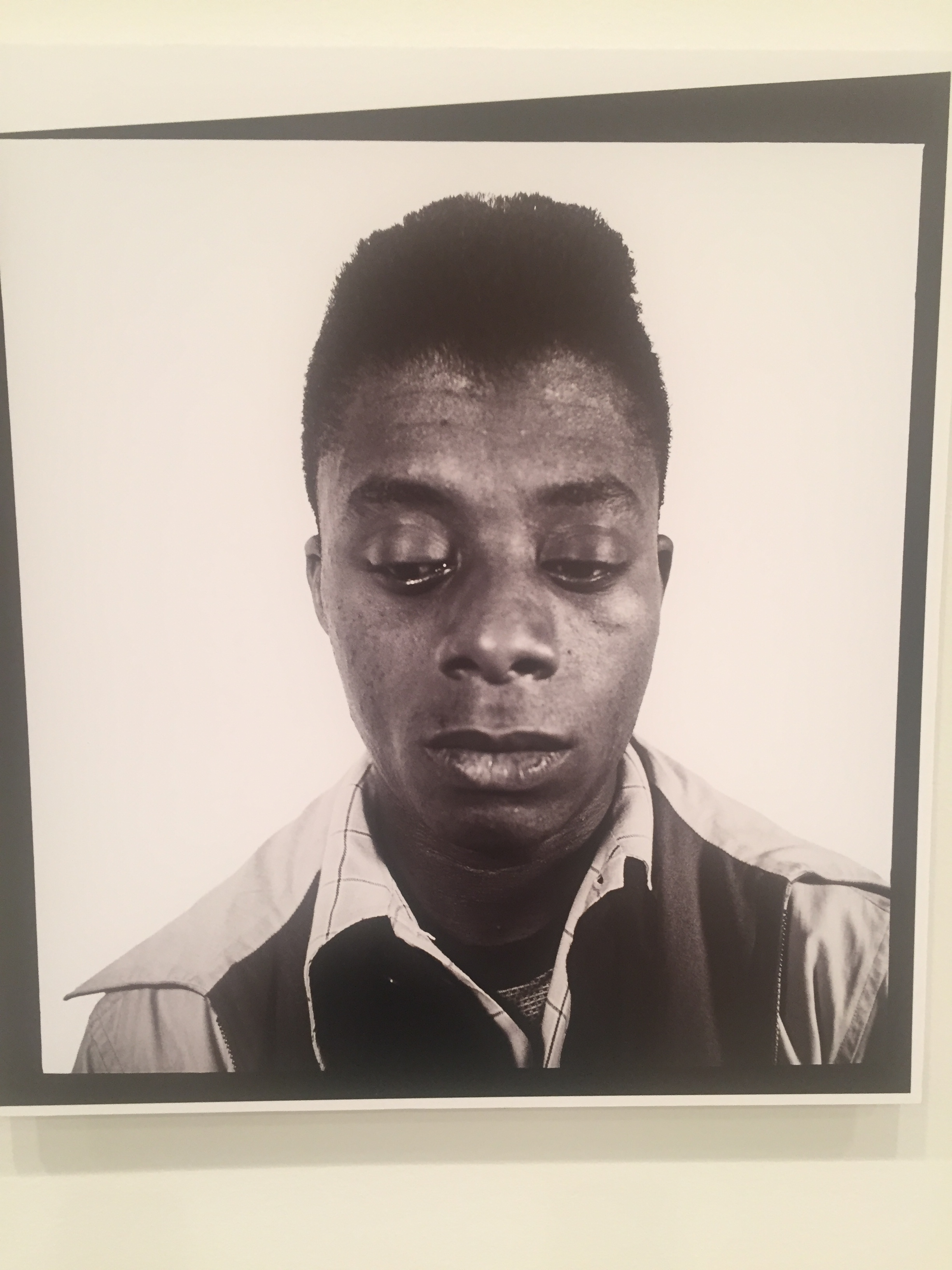
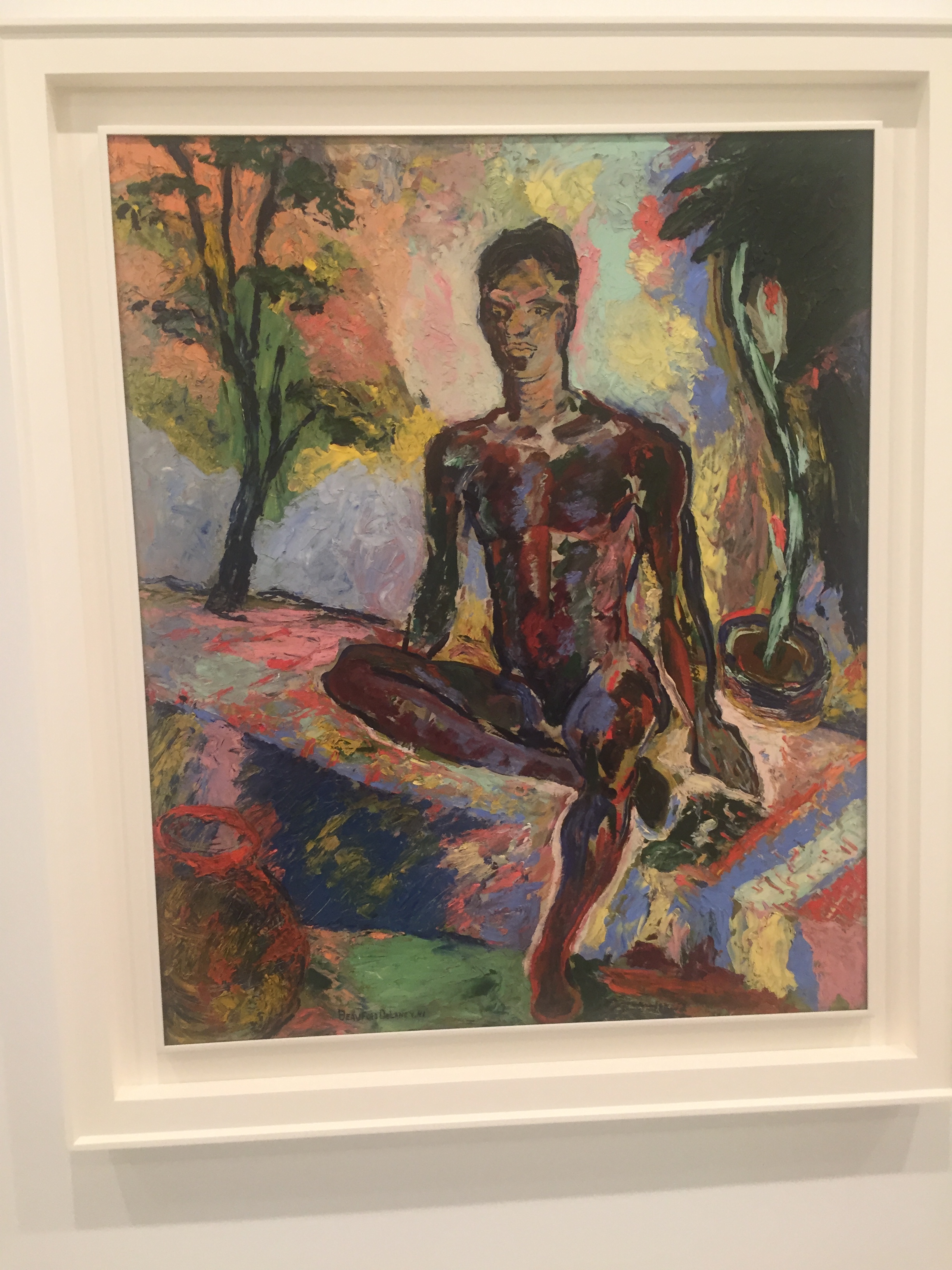
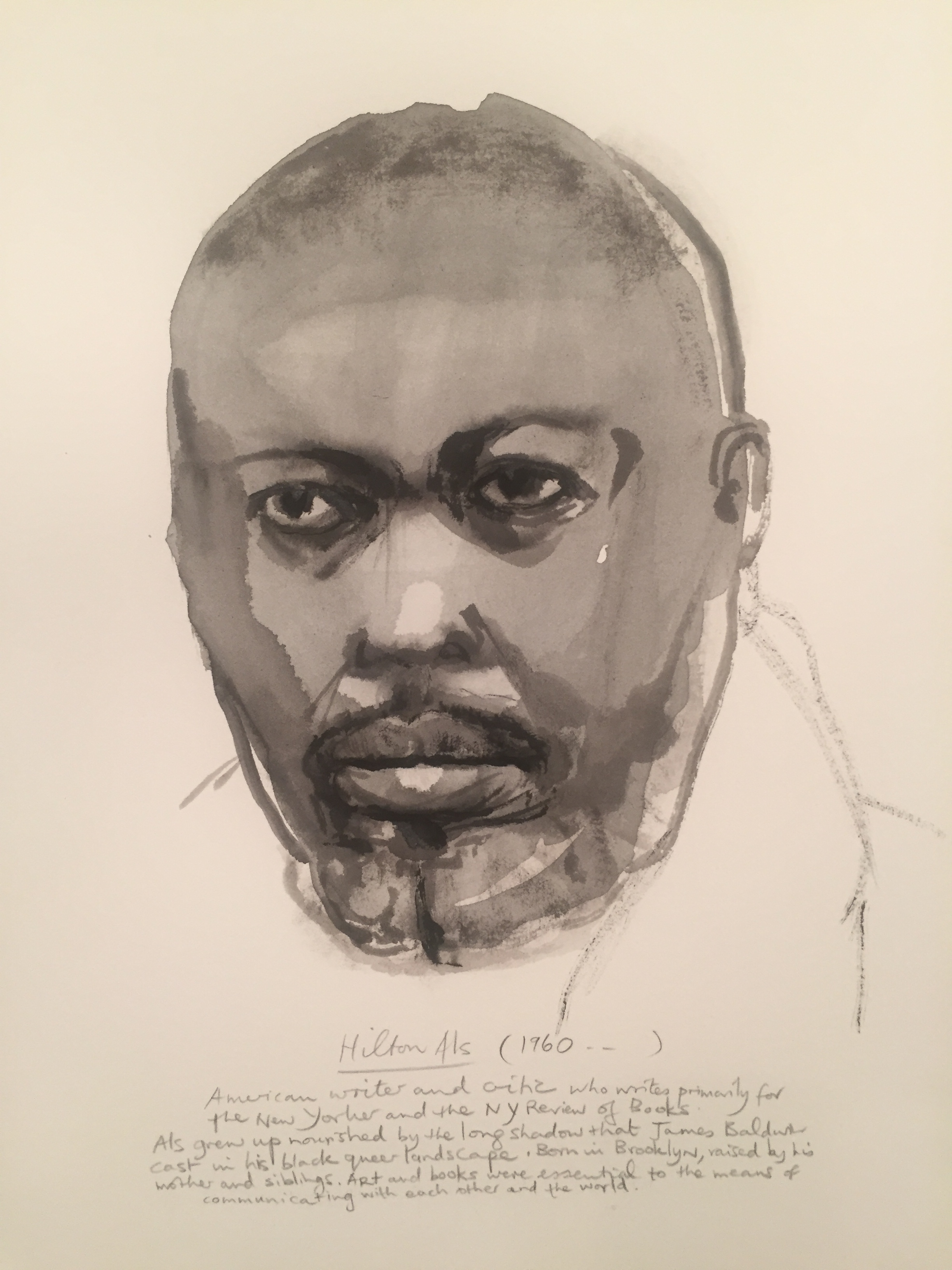
 So opens the moving exhibition on James Baldwin, God Made My Face, curated by Hilton Als at David Zwirner.  In two distinct sections, A Walker in the City and Colonialism, Als offers us original text and images as well as commentary by fellow artists.

 “He will not be swiftly forgiven for having turned so many tables,” Baldwin writes of Michael Jackson.  The same could have applied to Baldwin himself. 

Baldwin had a fraught childhood: his mother fled from his real father and traveled north. His stepfather, a preacher, had 8 children with his mother and especially disfavored Baldwin. After trying to be comfortable in his own skin in Harlem, he escaped to Paris.  As for so many of us, Paris was both the tonic and the siren we thought would let us be who we really were. You didn’t have to be black and homosexual to want to have the artistic freedom of Paris. His friends became his family.

 Baldwin had a slow but steady emergence from his painful chrysalis as a profound writer (original editions of the books are on display ). But he also kept a close eye on other forms of culture: film, theater, music, photography.  His friendship with Richard Avedon began at DeWitt Clinton High School in the Bronx (my father also attended) and they stayed close. 

 He was especially keen on filmmaking, but that did not work out as well as he had hoped. His métier instead was to dissect himself, his culture, the people and circumstances who had discouraged and pigeonholed him including his own family.

 After publication of The Fire Next Timein 1963, Baldwin emerged as a leading cultural figure, one with agency. He then had more courage to take on battles larger than his own personal demons, ones that had long preoccupied him: the complicated legacy of civil rights, colonialism and its aftermath, miscengenation. 

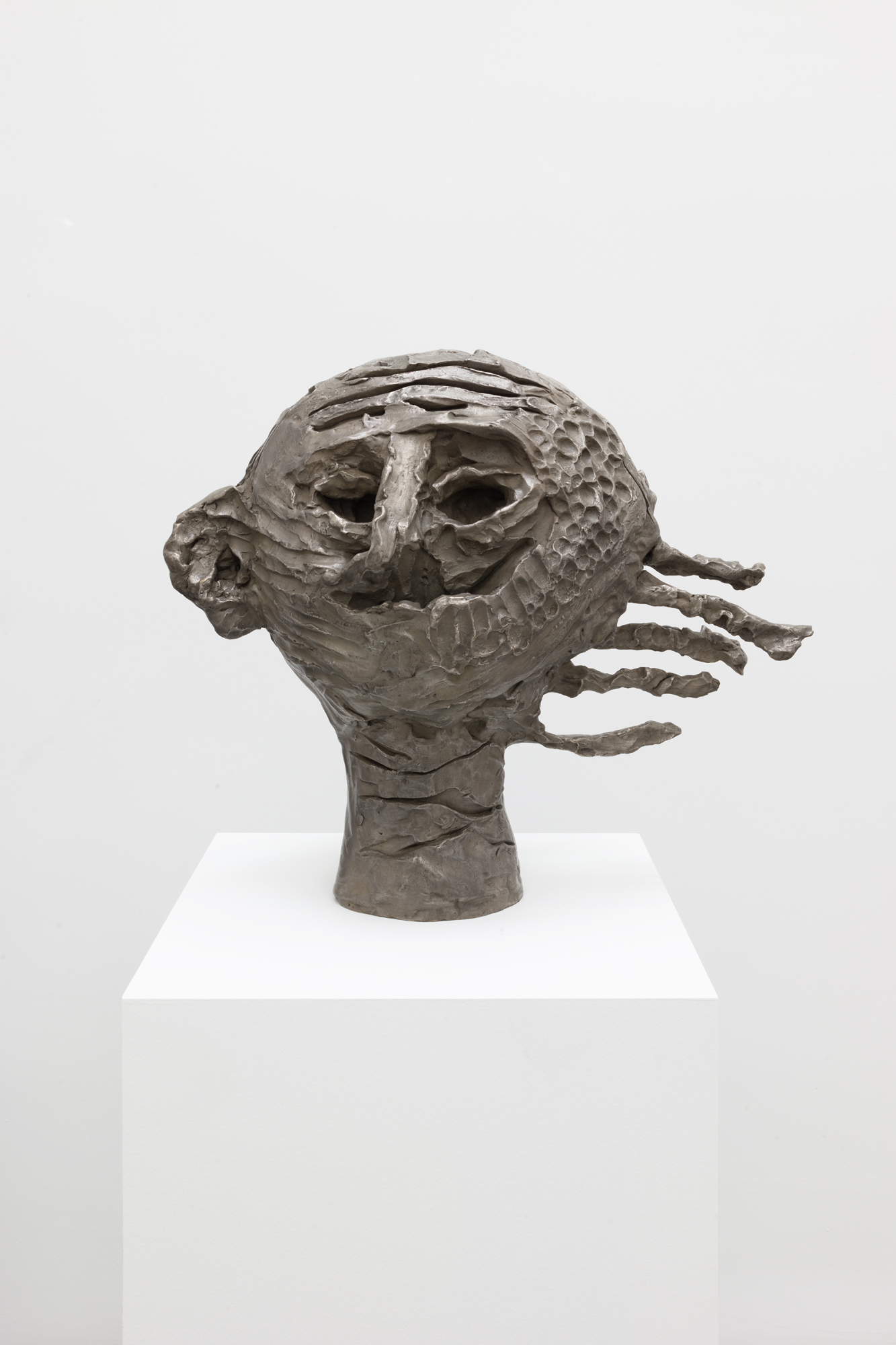
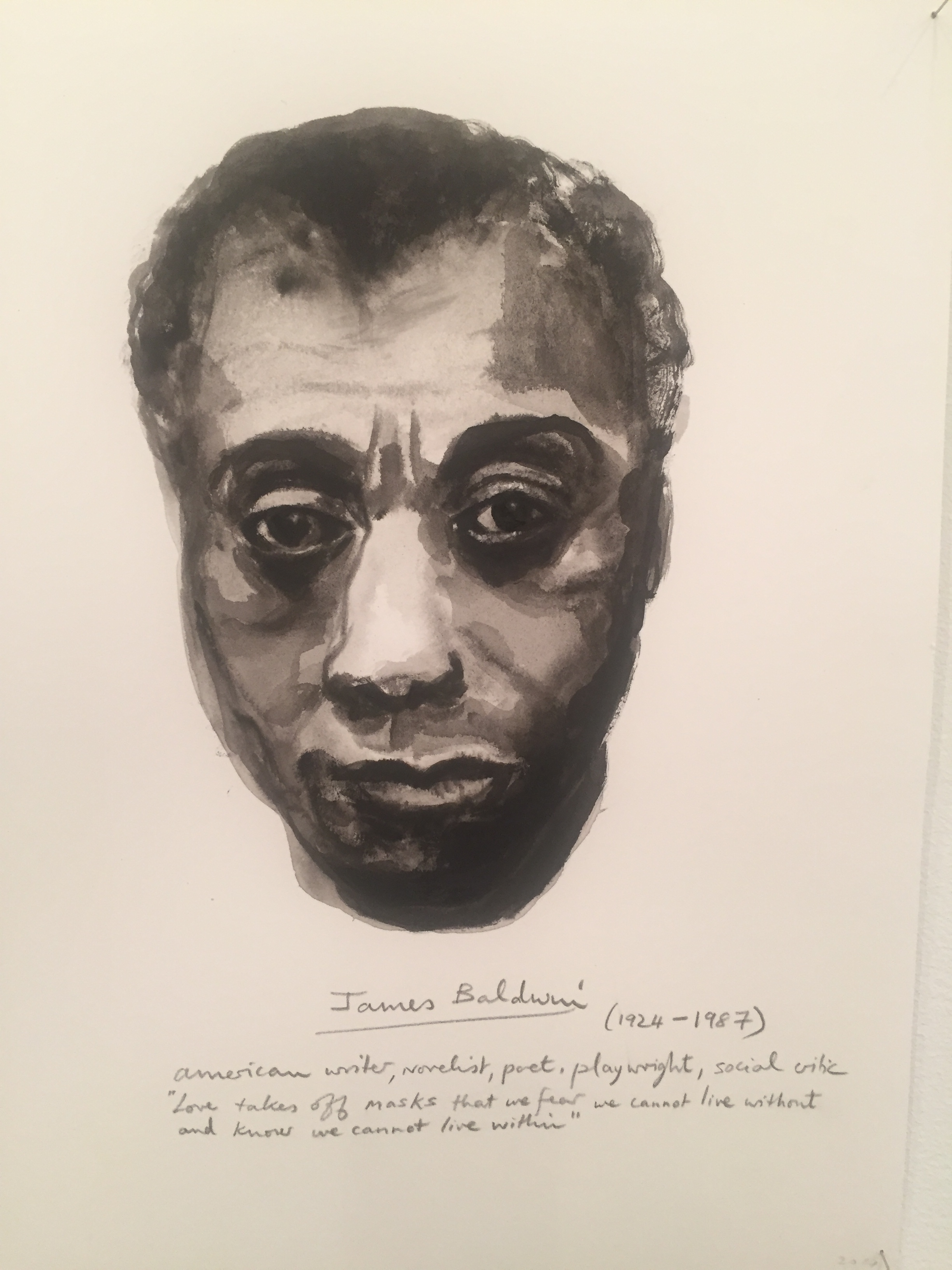
 The topic of homosexuality was more challenging. Here at Zwirner, Glenn Ligon and John Edmonds weigh in on his behalf. Kara Walker, represented by her graphic film 8 Possible Beginnings,has never been abashed about telling it like it is.  Marlene Dumas’s black and white watercolor series of writers and artists she periodically adds to imports a very personal dimension to some of Baldwin’s friends and contemporaries. 

 Curator Hilton Als himself seems to have picked up where Baldwin left off.  Both as an excellent excavator of historical black culture (his last exhibition on Alice Neel also at Zwirner, was one of my favorites) and a supporter of contemporary black culture he excels. Yet he is a fluent about white culture as anyone.  

 With the film If Beale Street Could Talk and this exhibition, Baldwin re enters the culture for another generation.


In Fine Art Tags Literature, God Made my Face, James Baldwin, Hilton Als, David Zwirner

Posing Modernity at Columbia University's new Wallach Gallery

January 19, 2019 Patricia Zohn
Manet_LaNegresse_Pinacoteca Agnelli.jpg
IMG_9817.JPG
Manet_BaudelaireMistress_MFABudapest.jpg
IMG_9814.JPG
IMG_9819.JPG
IMG_9820.JPG
Thomas_DinUneTrèsBelleNégresse_lehmanmaup_artistStudio.jpg

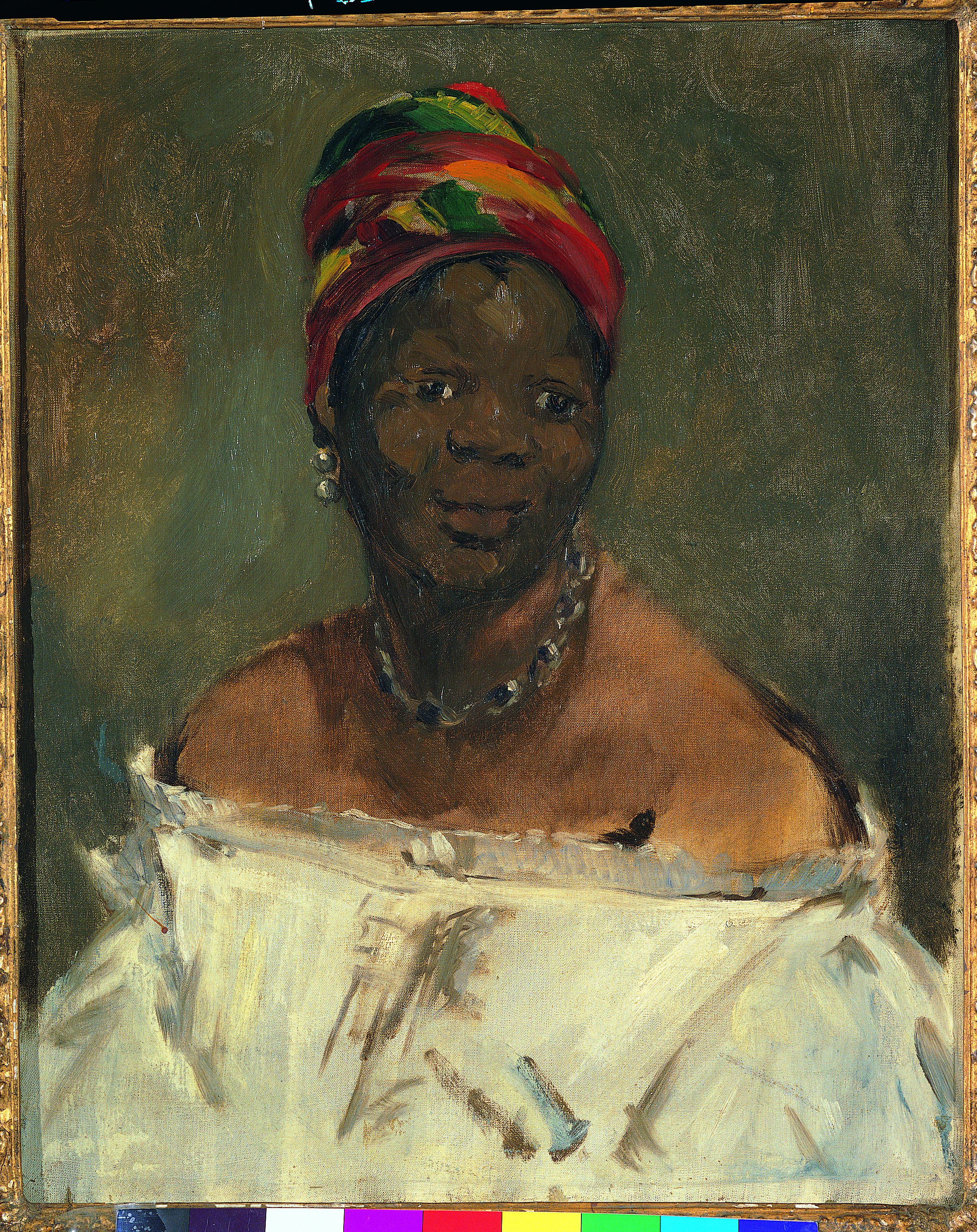
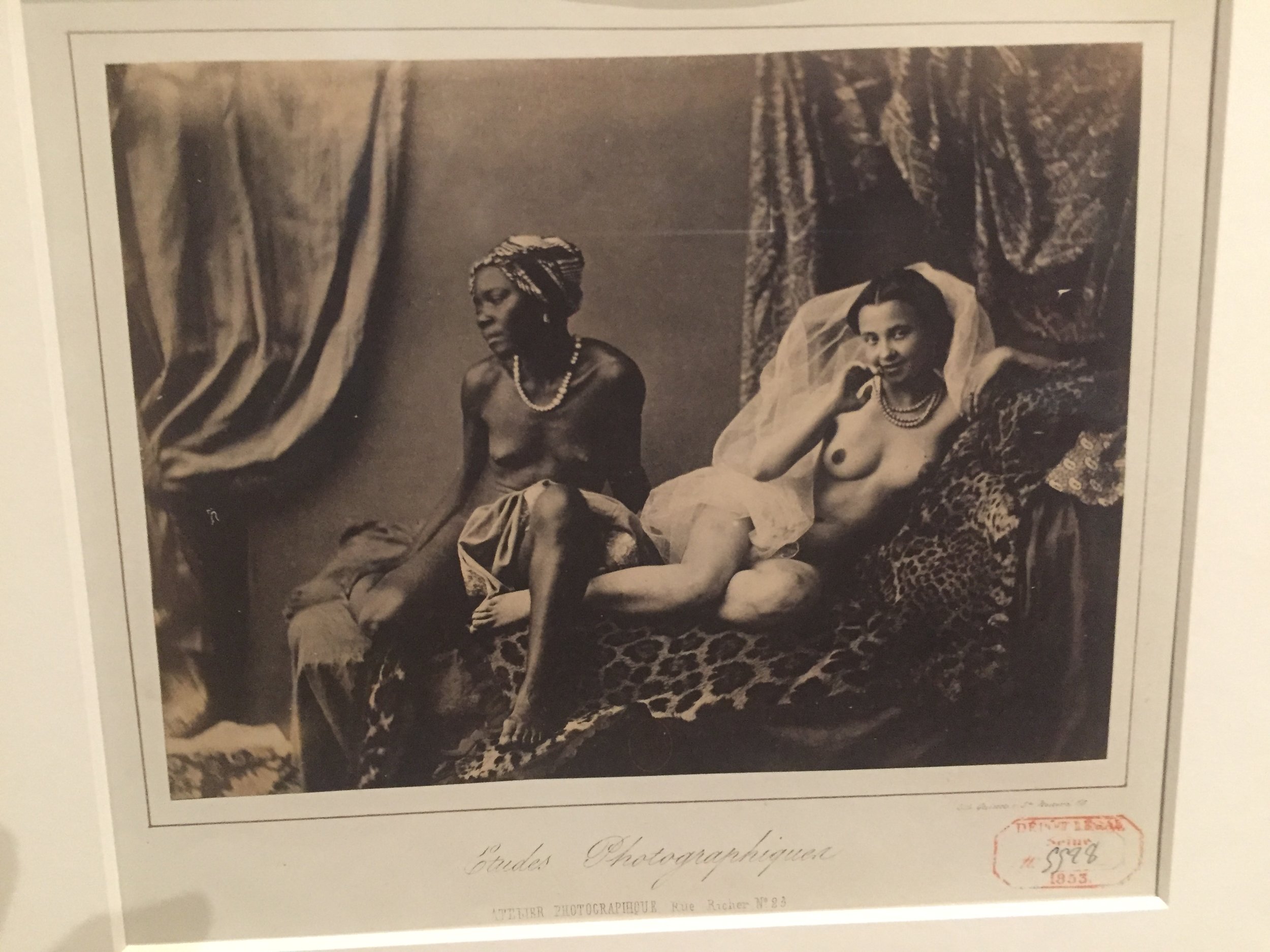
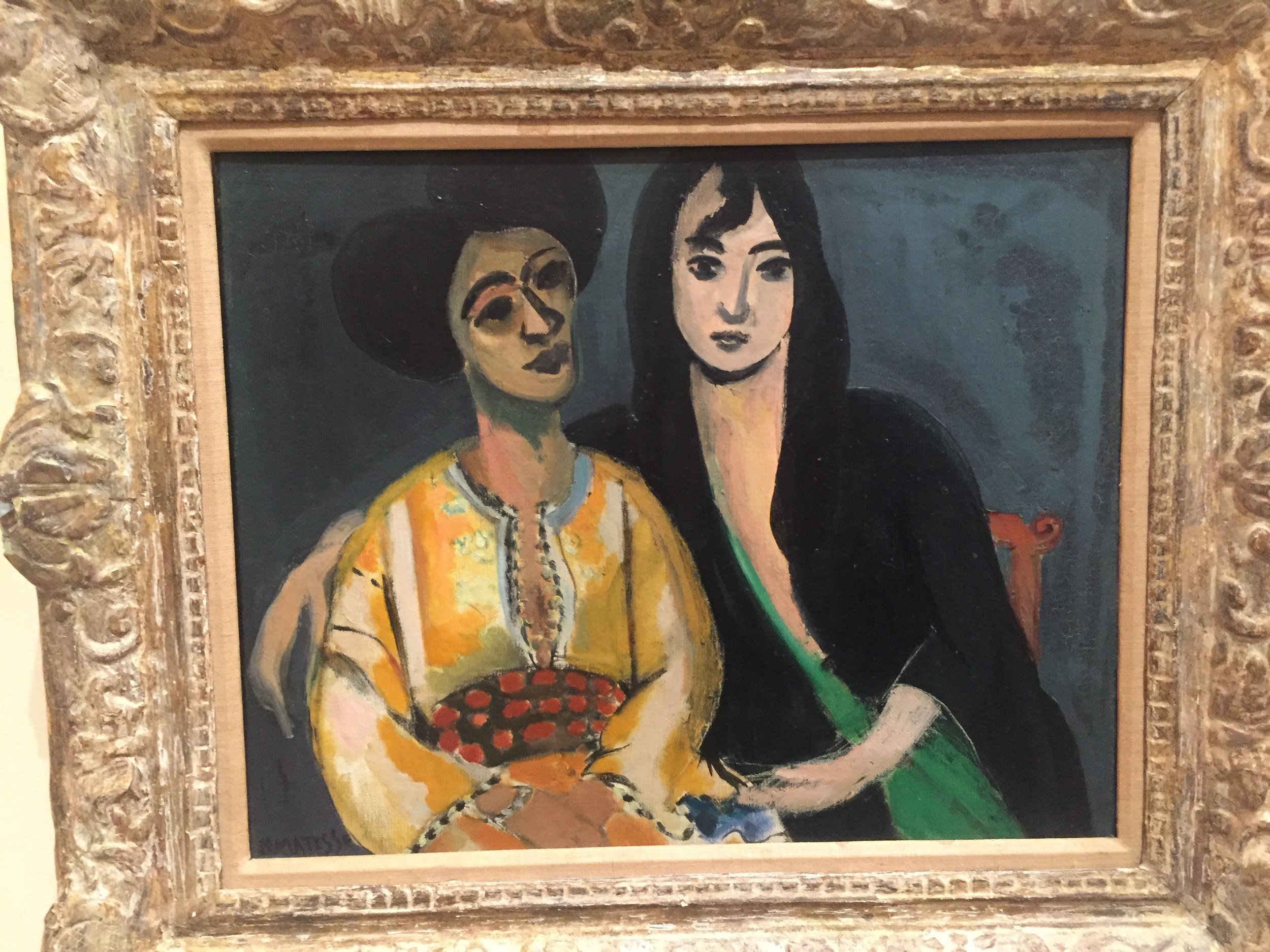
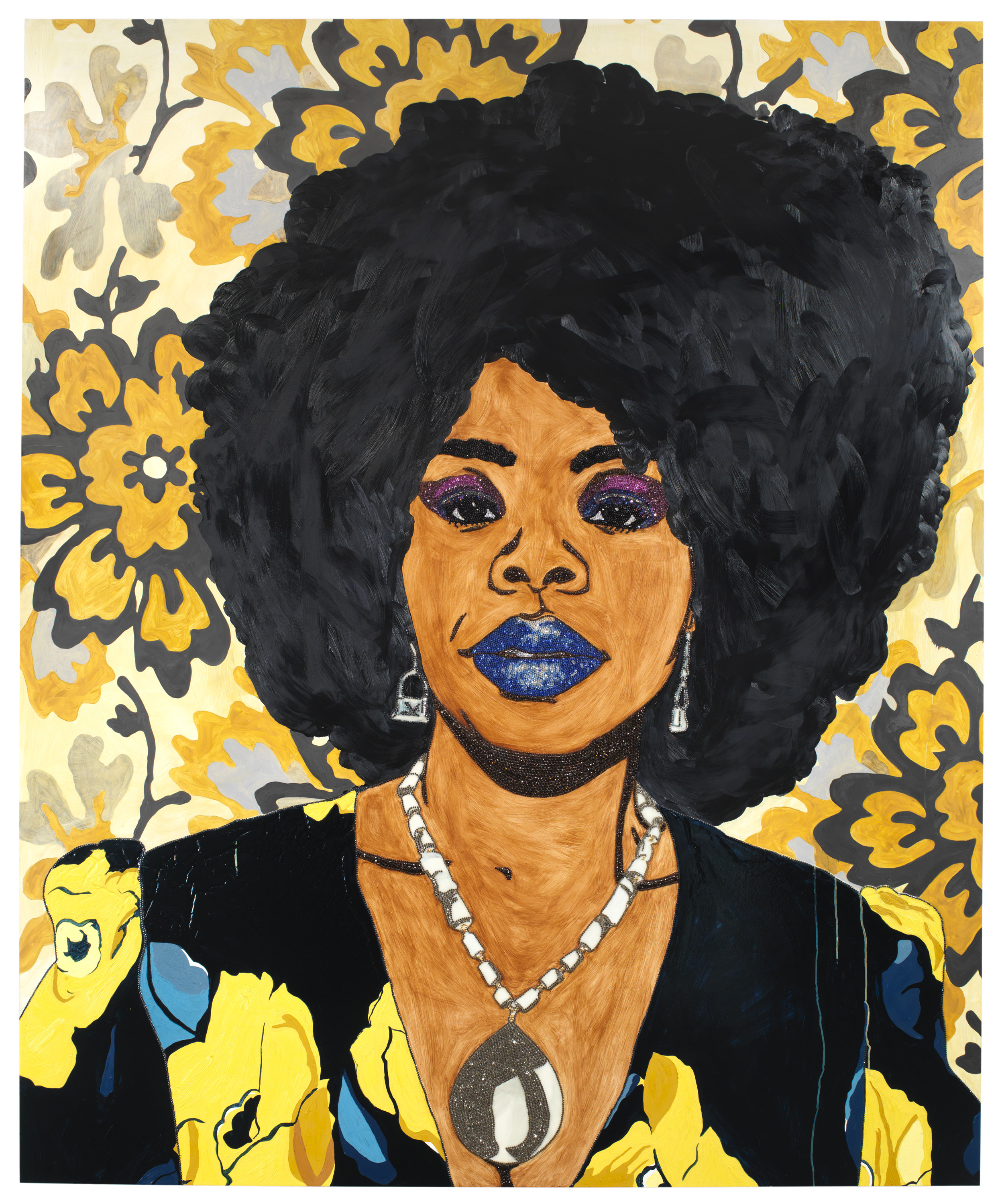
Posing Modernity: The Black Model from Manet to Matisse to Today has a long title but in this case its thoroughness mirrors the truly deep and expansive exhibition at the Wallach Art Gallery at the newish Renzo Piano designed Lenfest Center at Columbia University. Based on her disseration, Denise Murrell has curated an investigation of gender, race and class via the role of black female model in 19-21st century art history. 

 It’s the precisely right exhibition at the right time at the right place.

 Sponsored by the Ford Foundation, the exhibition takes as its premise the centrality of the black female figure in modern art, that these models were both much more important to the development of painting and to the personal lives of their painters than anyone has presumed. No longer exotic, they were full participants in the culture.  They became individuals instead of stereotypes.

There are so many surprises in the exhibition that my companion and I, an erudite former curator and head of a foundation found ourselves constantly stopping and pointing things out to each other.

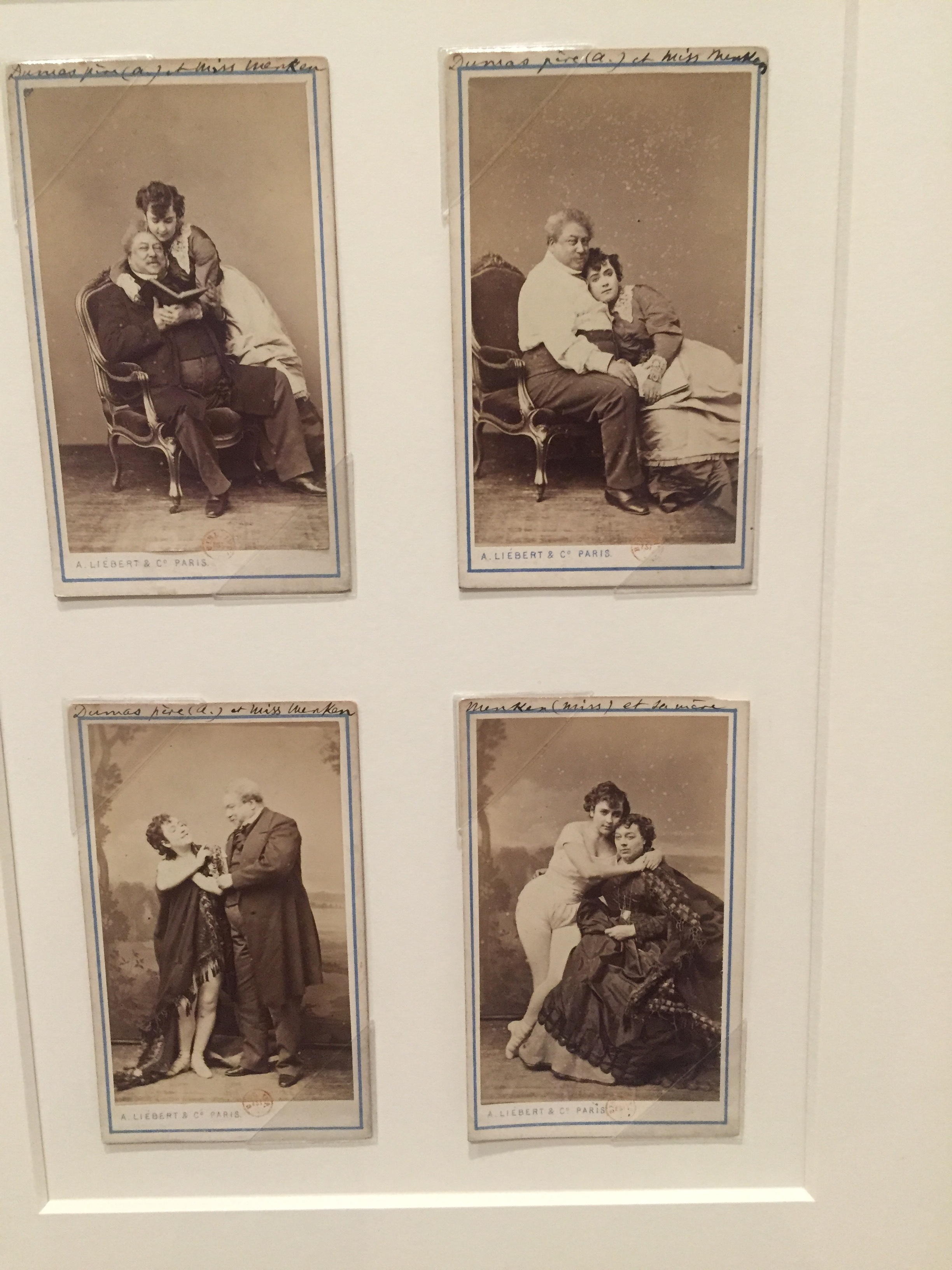
 Who knew that Alexandre Dumas pere was black?

 Who knew that Matisse regularly visited Harlem?

 Who knew that La Dame aux Camelias and subsequent adaptation La Traviata was based on the story of a mixed race American actress called Adah Mencken who had been one of Dumas’s many mistresses?

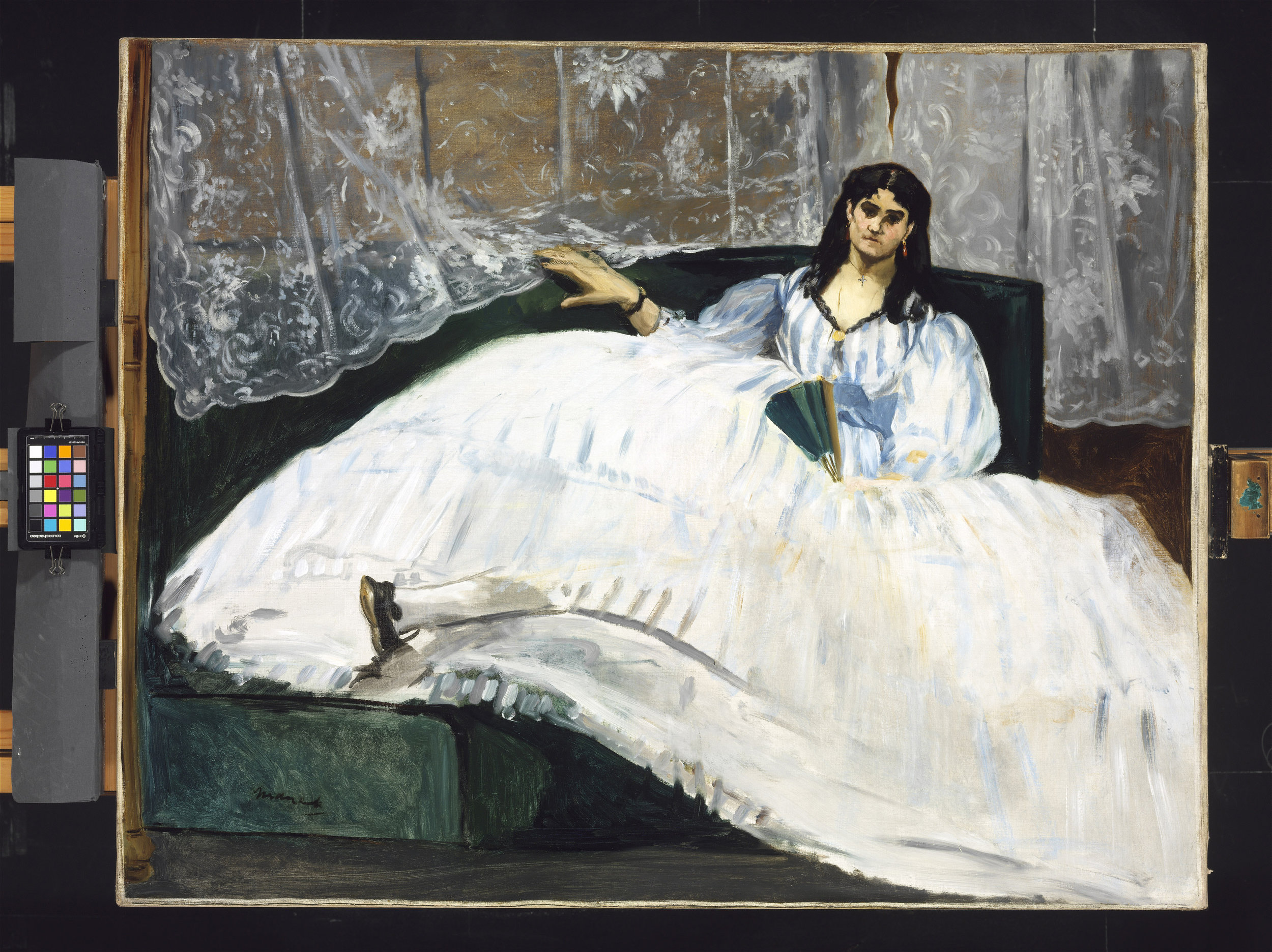
 Who knew it was Baudelaire’s visits with actress Jeanne Duval and his sessions with Laure, both Civil War era free black Parisians that inspired Manet’s Olympia and other paintings?

 Olympia is alas not here but you can always find her luscious white body, her black cat and Laure as her maid carrying flowers at the Musee d’Orsay where this exhibition is next destined. We are sorry to miss her in the flesh, since so much of the exhibition derives from this historic painting but instead we have a variety of prostitutes, nannies, slaves from the West Indies, circus stars and grisettes from Paris in images from Nadar, Degas, Norman Lewis, James Porter, James van Der Zee among others. it is another kind of bouquet.

The show summons how extensive the pattern of black modeling was for 160 years, how close some of the models were to these famous painters, and how much their work was influenced by the then novel inclusion of their race and gender in works no longer destined for the salon. The legacy of Olympia runs deep and long. The last room is devoted to contemporary riffs on the Manet from Ellen Gallagher to Mickalene Thomas.   

For me, even as a writer not a painter, the painting has cast a long shadow, summoning the 19th century literary heroines who were both revered and sometimes destroyed by their desire and devil-may-care.   Behind these paintings were some very brutal stories of painterly and writerly disaffection and dismissal.  Yet in the end, these models have more than withstood the test of time and represent an uplift of subject and grace.  

Columbia’s new complex of buildings by Piano is a fine home for the show and rightly sited in Harlem and it bodes well for the university as a legitimate and first tier venue for class A material.  Congratulations to all. 

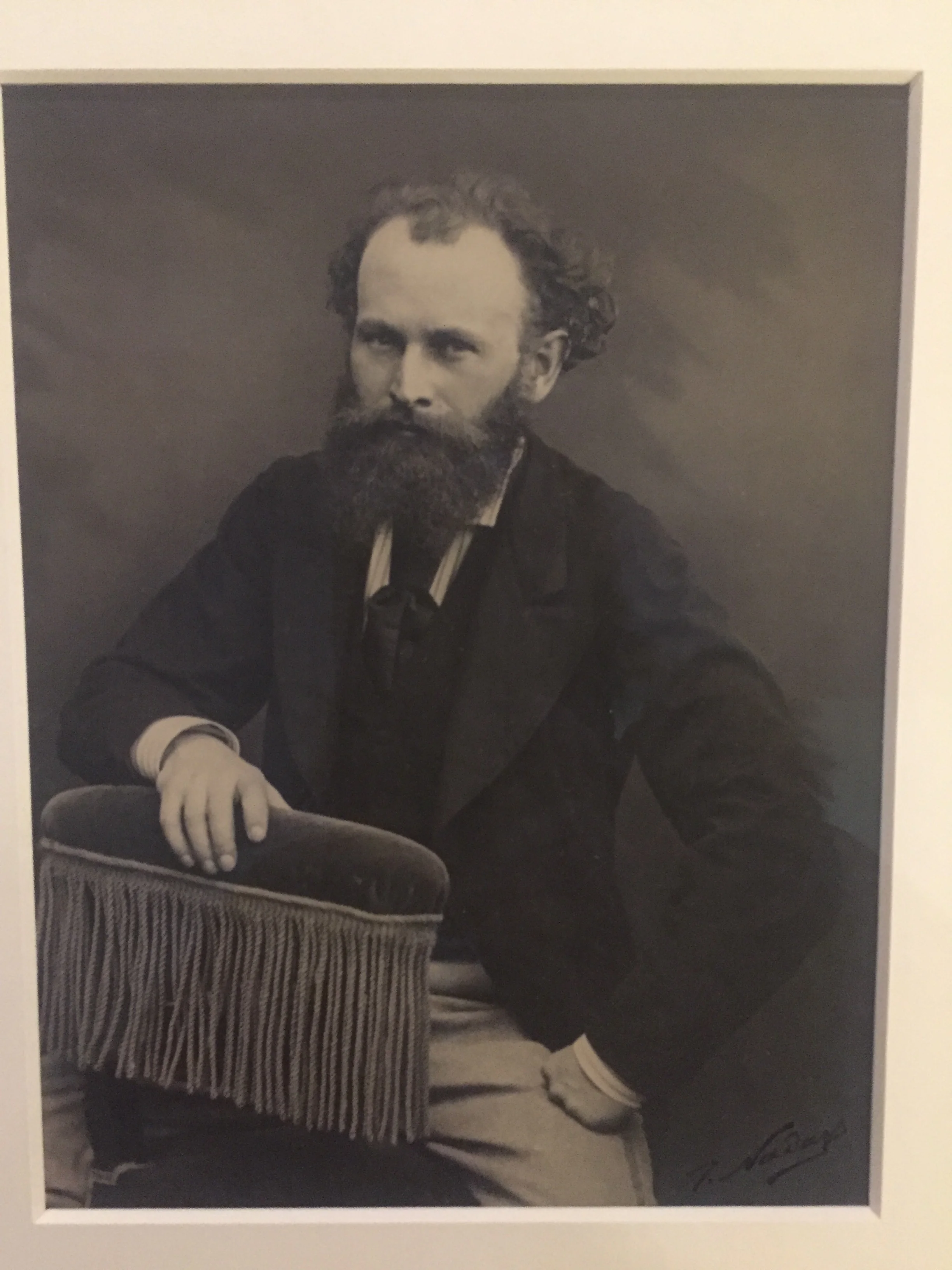
Baudelaire

Baudelaire

Manet

P S.  I include two images of Manet and Baudelaire not only to show you how lively and modern they look but also to see that it’s possible that Baudelaire was separated from Bill Murray at birth!


IMG_9812.JPG
In Fine Art Tags Posing Modernity, Columbia University, Wallach Gallery, The Black Model, Black, Denise Murrell, Renzo Piano, Art

The Sea Ranch at SF MoMA: If you build it, will they come?

January 13, 2019 Patricia Zohn
IMG_9770.JPG
IMG_9765.JPG
IMG_9767.JPG
IMG_9774.JPG
0w5T2zXv.jpg
1C5YVCQD.jpg

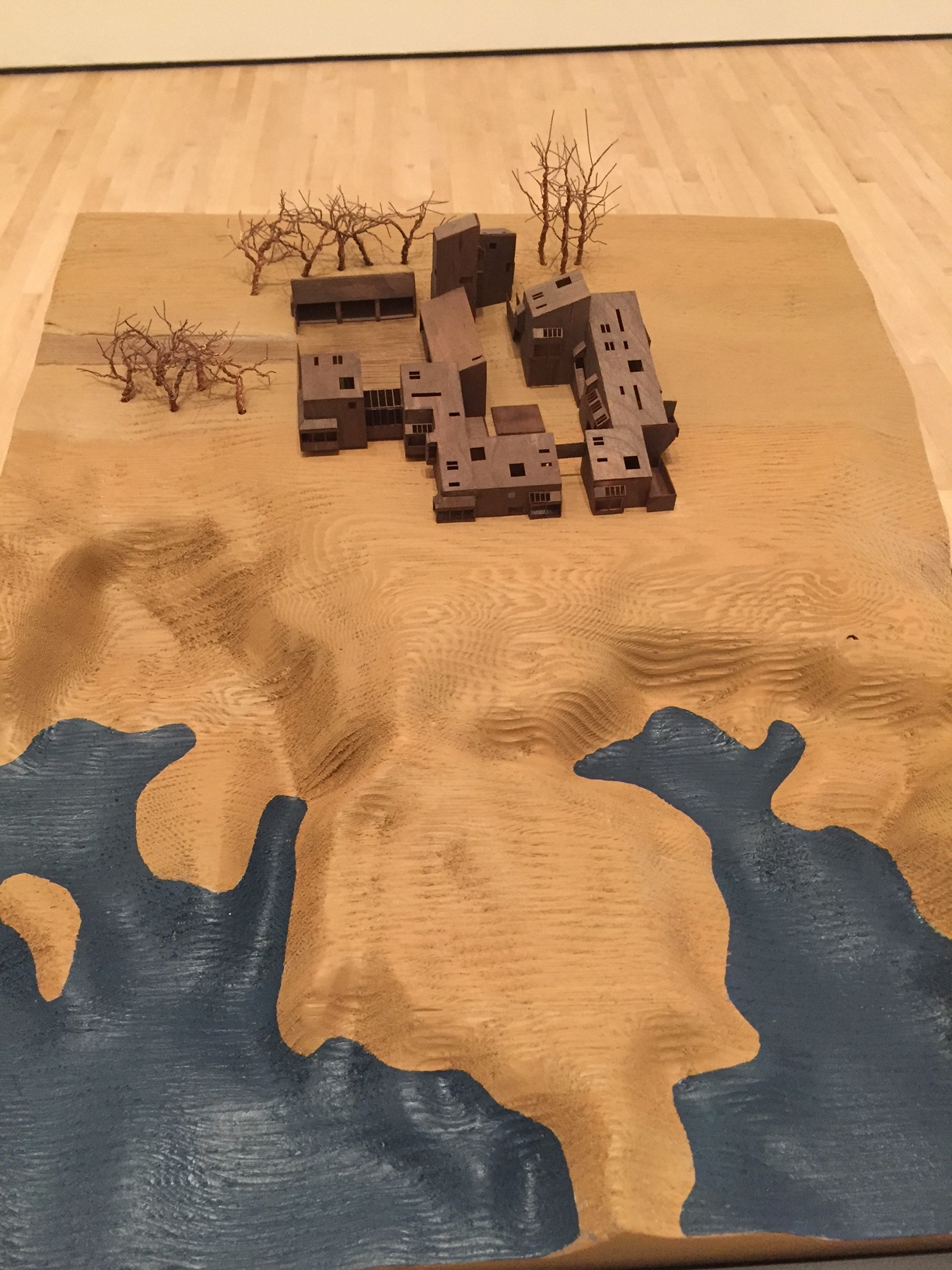
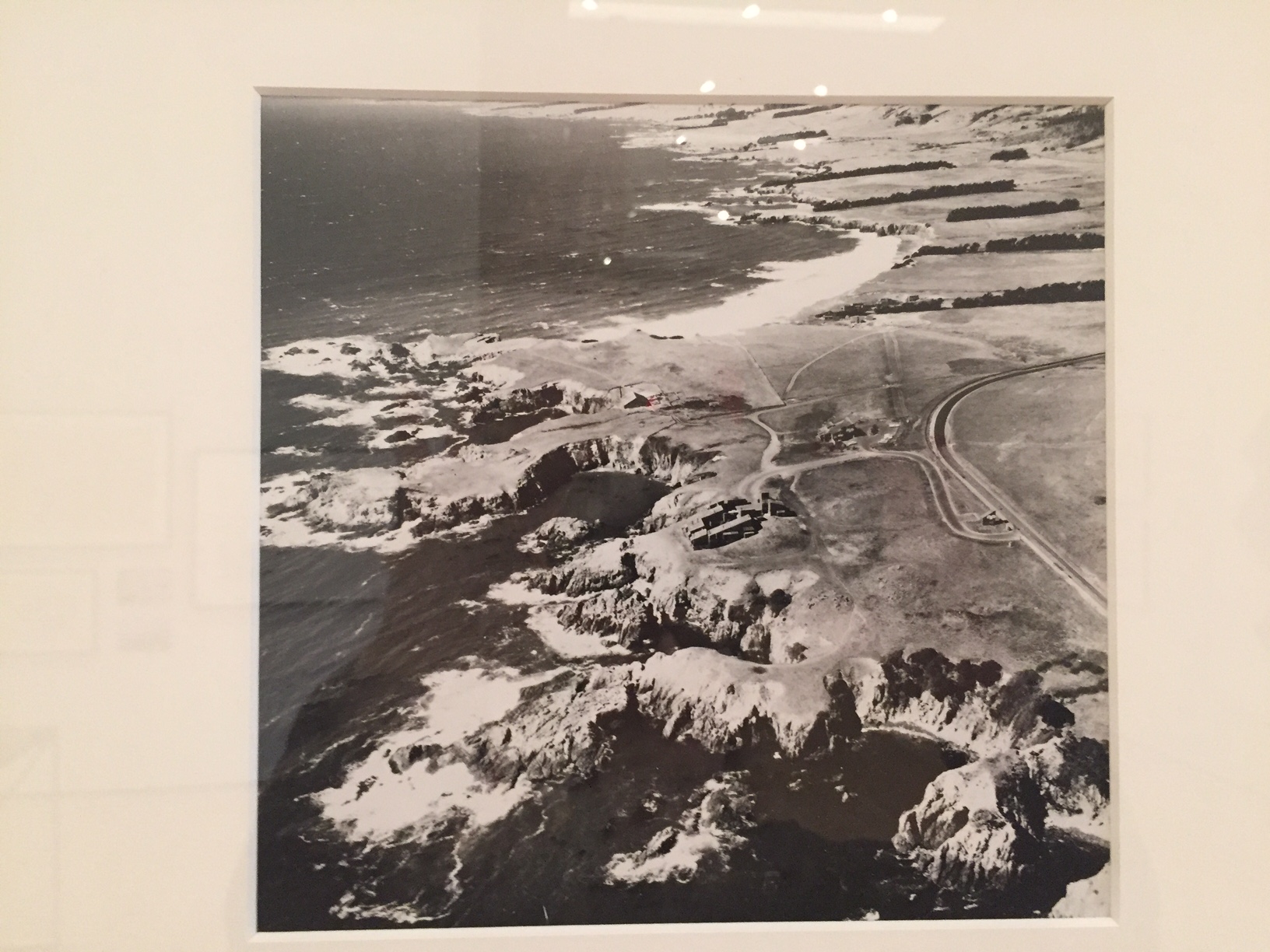
Sea Ranch, a sixties Utopian project by Bay Area architects and designers about 100 miles north of San Francisco, is now the subject of a tightly focussed exhibition at SF MoMA, and still exemplar of a remarkably sylvan development along ten miles of pristine California coastline.

The purchase of the land was organized by Al Boeke, an LA architect- developer in 1963 and was a hat trick that would never be allowed today as problems of public access to the ocean arose almost from the very outset. The powerful California Coastal Commission—which now regulates billionaires from getting their way in Malibu and other seaside communities— grew out of the divisive politics of getting the Sea Ranch underway.


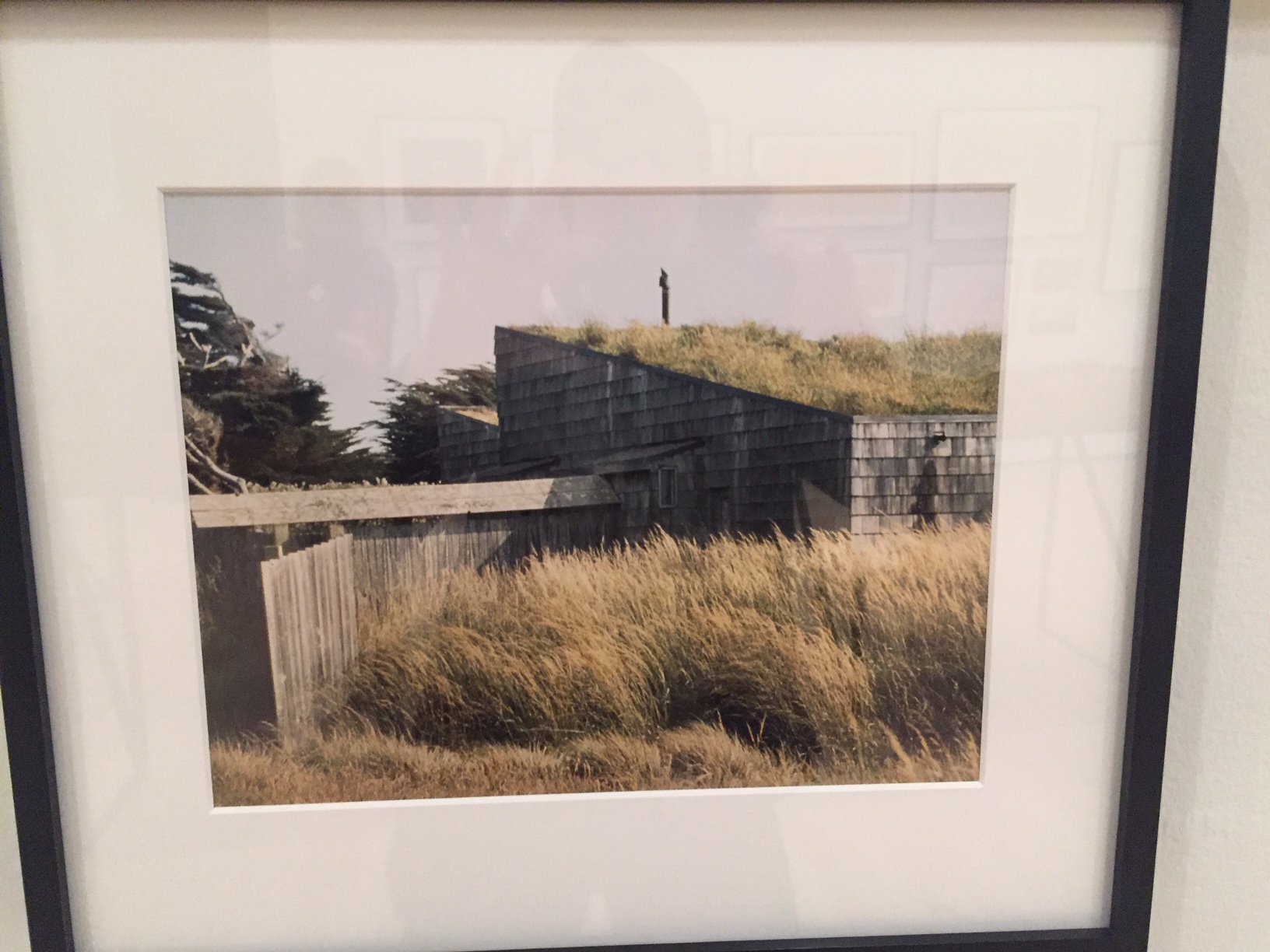
Larry Halprin, the opinionated landscape architect, was engaged to master plan the site and Joseph Esherick, Obie Bowman, Charles Moore, Bill Turnbull, and other architects and designers to create housing (the first condos) all out of unpainted redwood that would meld more naturally with the grassy, coastal landscape. Roofs had to have a specific slant. Bold graphic design and marketing by Barbara Solomon kept within the scheme. Originally, there was to be an escape from suburban style development, but when the concept didn’t sell well enough, more structures were added. Now there are over 1800 homes (many second homes or rental properties).

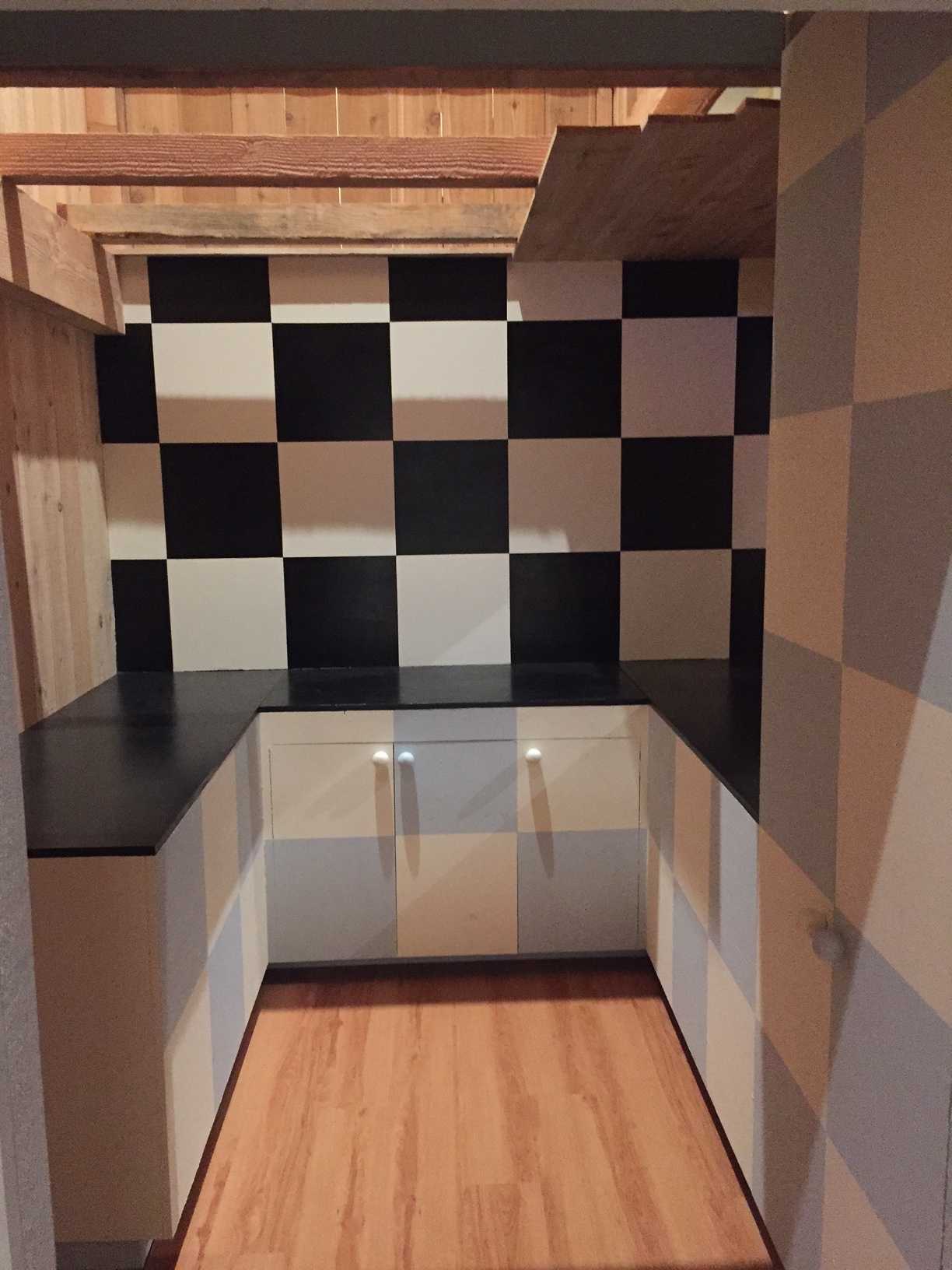
 SF MoMA has built out the interior of a house within the exhibition gallery and it is under the weathered eaves you can catch a short film about the project with original participant interviews.  As in Gibellina, Sicily, visionary but dogmatic planners were eager to influence the way we live our lives—see the list of dos and don’ts in my slide show (above). They were intent on making the development nature-and-environmentally friendly, yet ignored certain human foibles. The sixties and seventies were marked by this kind of futuristic ideation at a time when it felt like the world was indeed falling apart. Structure and planned community became a literal metaphor for trying to put back some kind of order into life.

The natural progression after seeing the show is the drive up to Sea Ranch where there are many vacation properties for rent and see what you think.  Has it lived up to their prescription?


In Architecture Tags Sea Ranch, SFMOMA, Architecture, California

Vija Celmens at SFMOMA: To Fix the Image in Memory

January 13, 2019 Patricia Zohn
jYBzjYs2.jpg
-t2x9tc2.jpg
1UUxiCIA.jpg
XA-gvHHs.jpg
U2UNdJN4.jpg
LfP3YlhF.jpg
IMG_2875.JPG
unnamed.jpg

The Vija Celmins exhbition curated by Gary Garrels at SF MoMA is very beautiful. Quiet, reflective, deep, it gives one the perfect January pause, a diet for the mind and spirit.  Though born in Europe, California gave Celmins, who attended UCLA, some of her greatest subjects: ocean, sky and desert. Her rendering of a craggy, desert landscape with its rusticated ochre reminded me of the crags in the Burri Cretto in Sicily.

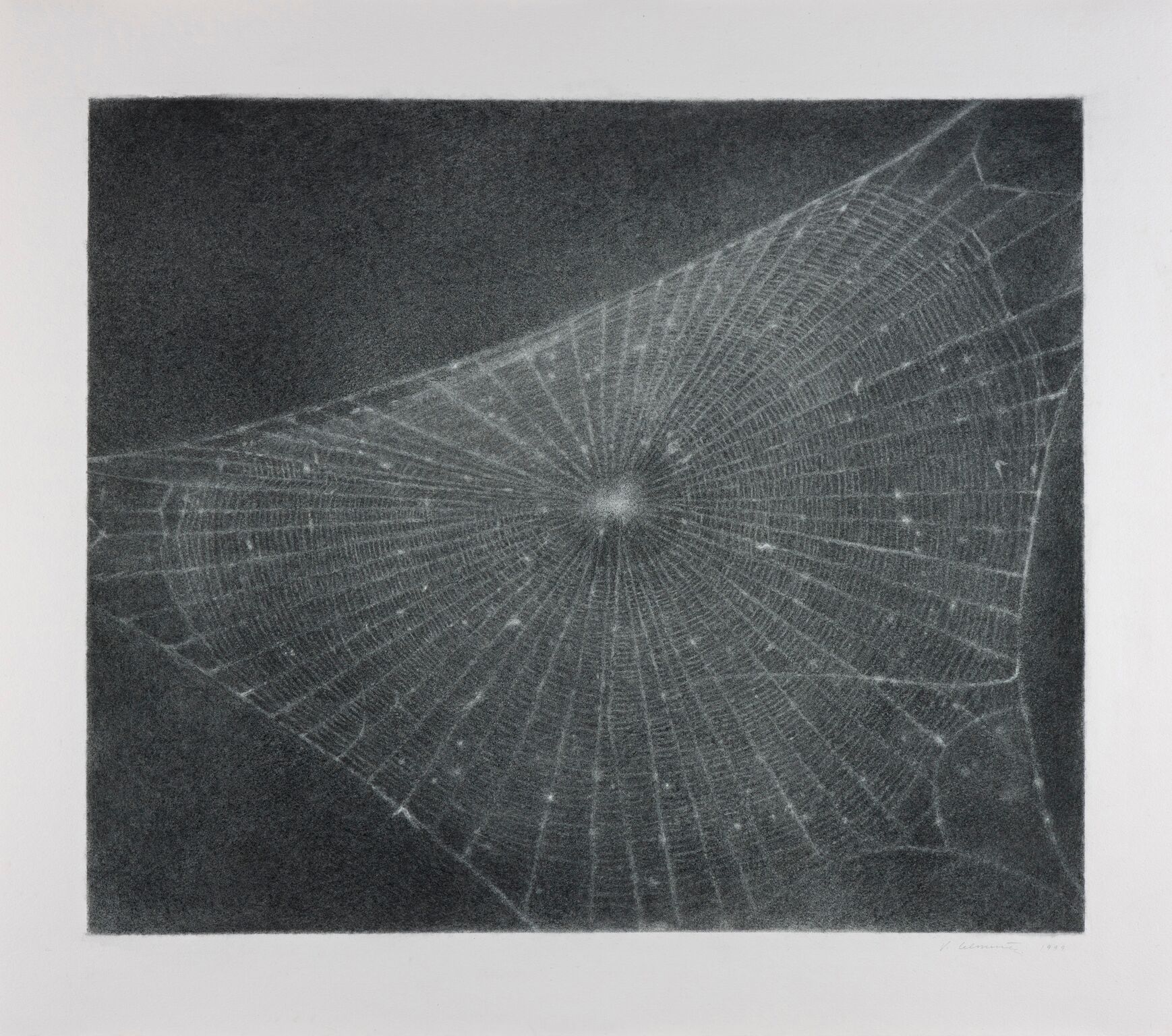
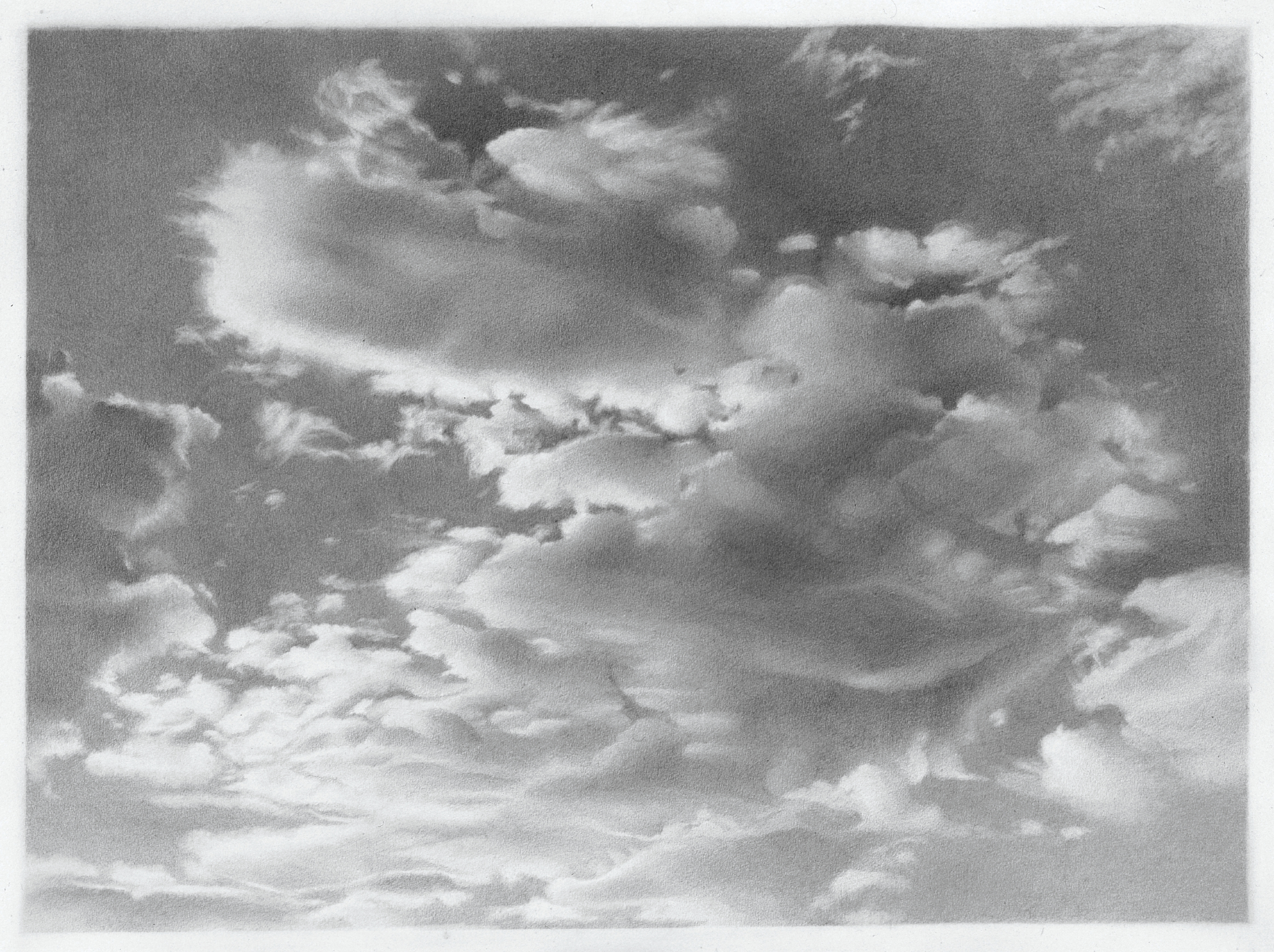
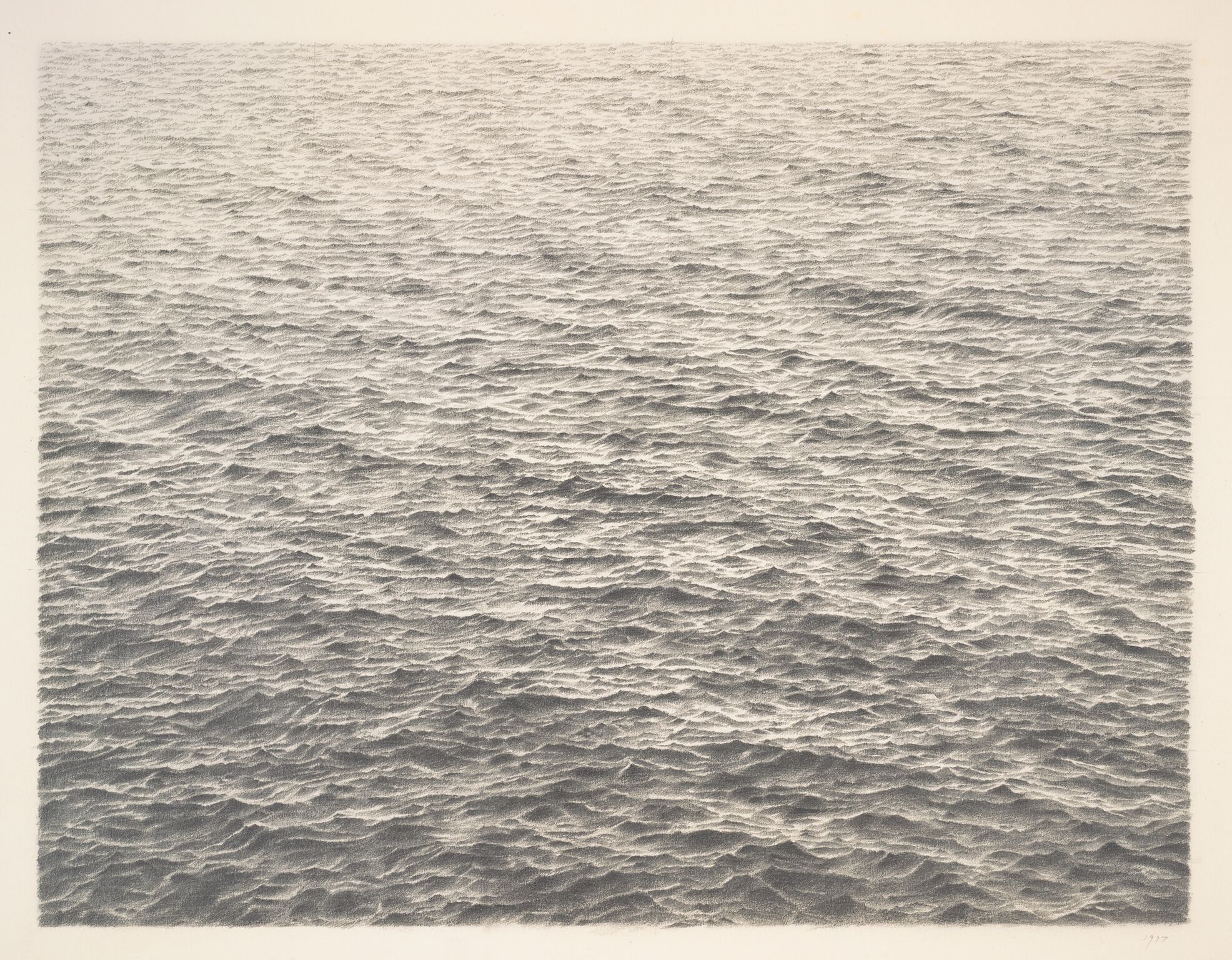
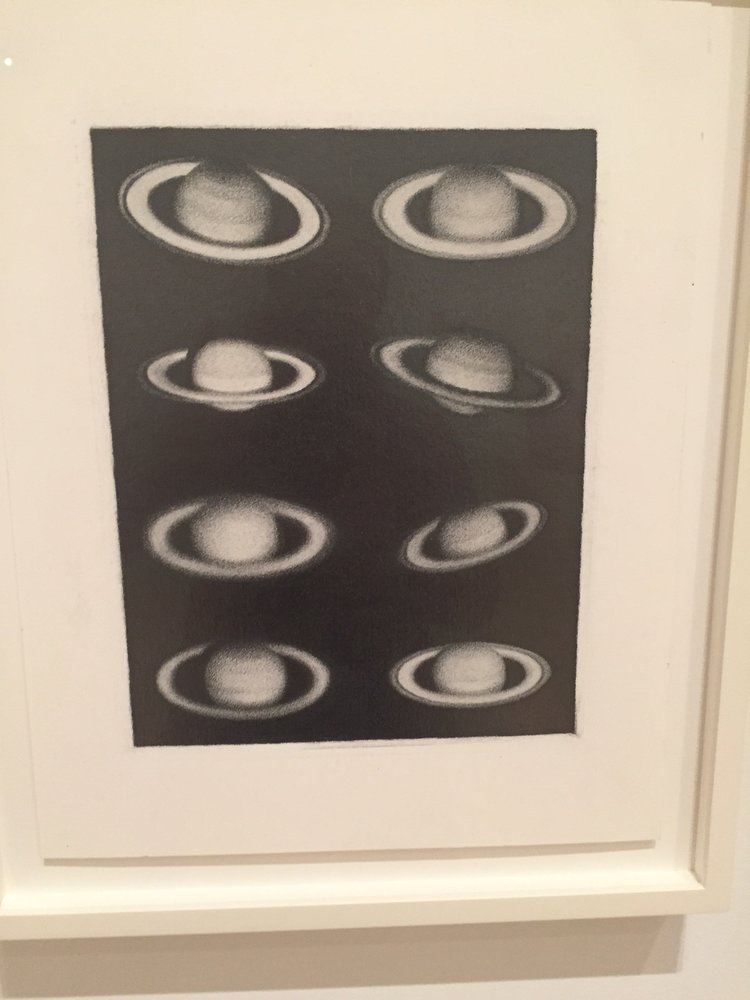
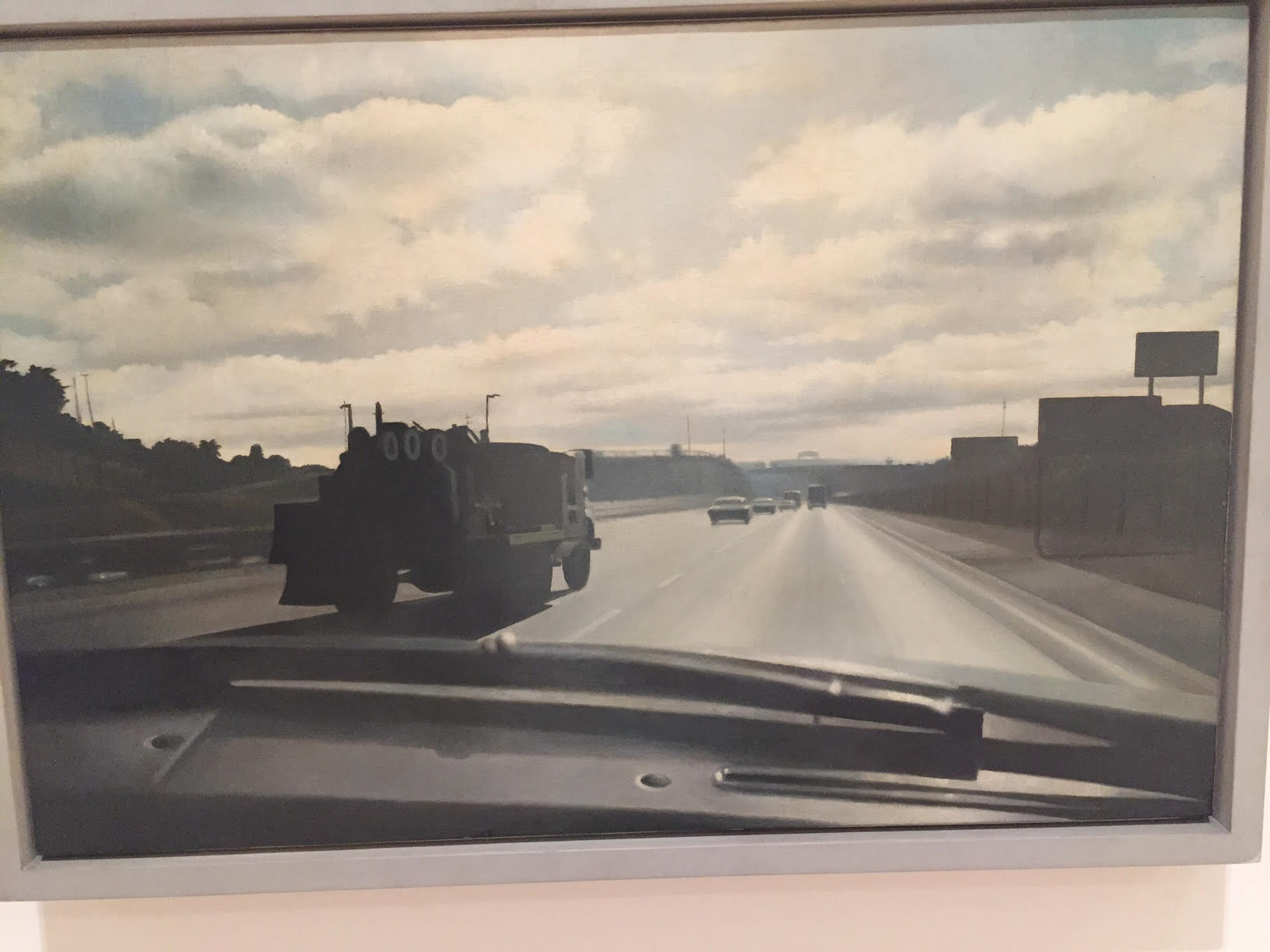
 In her meticulous graphic renderings of ocean waves, stars, planets, spider webs and other natural objects, she worked lower right to upper left on a bridge to avoid smudging. She never erased!  How wonderful it would be if we could all be so precise in our lives. Her early work in the sixties, both Magritte-an and Oldenburg-ean was a surprise to me, but showed a sense of humor that doesn’t necessarily appear in the mature work. She called this body of work “falling out of the picture plane”. A view of the LA freeway from inside a car is just about as close to Joan Didion as one could get in imagery, Tuesday Weld notwithstanding.

 In paring her later art back to its essence, Celmins is not intending to be spiritual but rather locate the meaning in physicality of the natural things she studies so carefully according to Garrels.  Celmins approaches her subjects the way writers often approach their work. Is it real, or is it my memory of it that is real? Memory imposes an extra layer. In Celmins case, it is all to our benefit.

Be sure to take a look at the videos on the SF MoMA website. Celmins, who now lives in NY, will be at SF MoMA for a talk on January 31.


In Fine Art Tags Vija Celmens, SFMOMA, To Fix The Image In Memory, Gary Garrels, UCLA

Monumentality at the Getty: an exhibition filled with solidity and whimsy

January 3, 2019 Patricia Zohn
IMG_9689.JPG
IMG_9691.JPG
IMG_9693.JPG
IMG_9695.JPG
IMG_9696.JPG
IMG_9694.JPG

The Monumentality exhibition at the Getty Research Institute (in my opinion, always the venue of the great sleeper hits of Getty curatorial initiatives) is of a cosmic piece with the MoMA show on Yugoslav Concrete Utopias. It’s much smaller but it has as thesis that monumentality is not only defined by concrete but also other structures and natural objects that have a certain considerable mass and effect on the environment.

In particular it dials down on Los Angeles as a home to monumental structures that are more unconventional and opens one’s eyes to the very concept of monumentality.

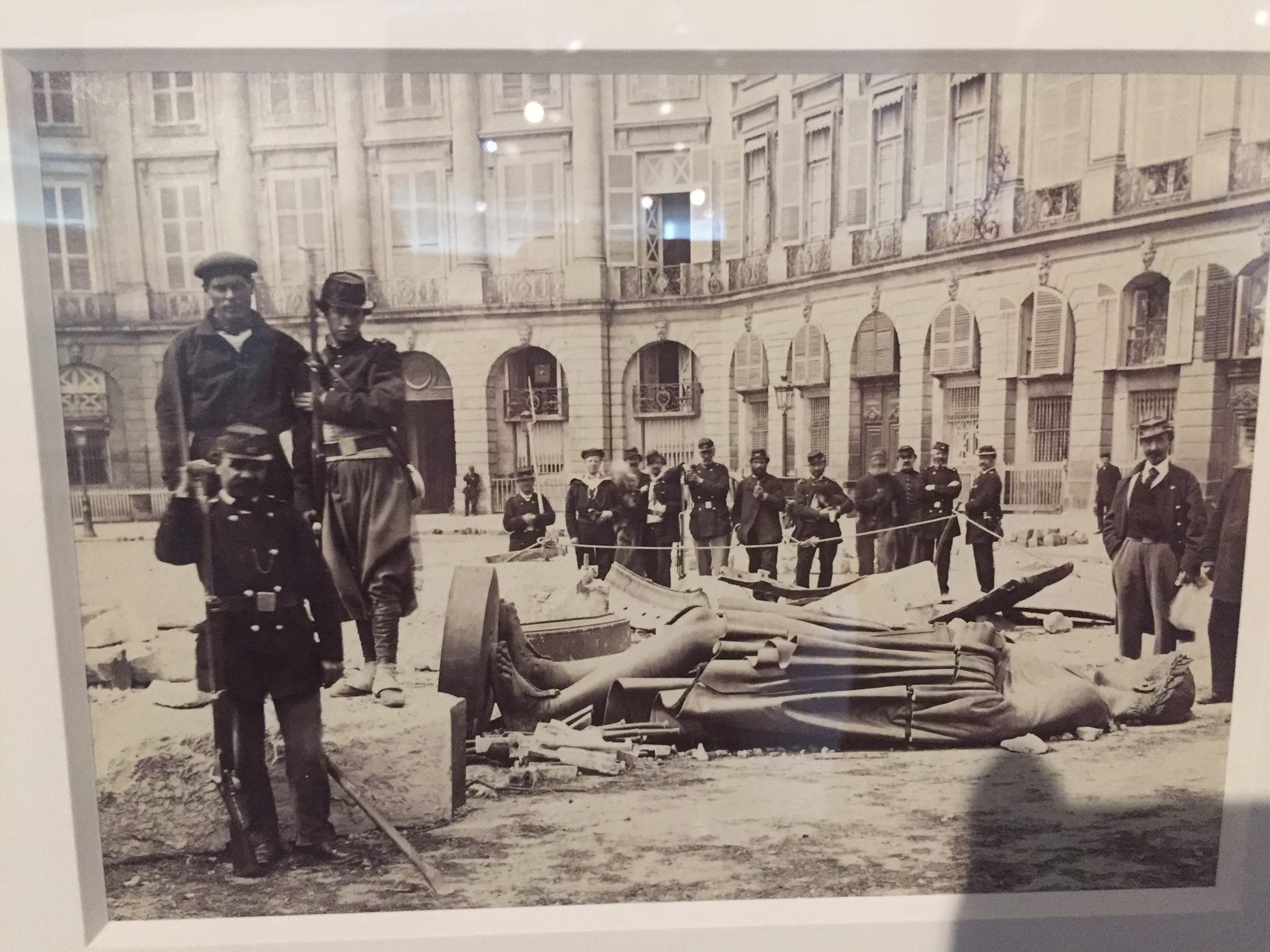
It begins with Trajan’s Column in Rome, the Place Vendome copy in Paris, built, destroyed and rebuilt depending on the political whims of the French and their view of Napoleon, and Palmyra, Syria sites that are, alas, no longer with us.

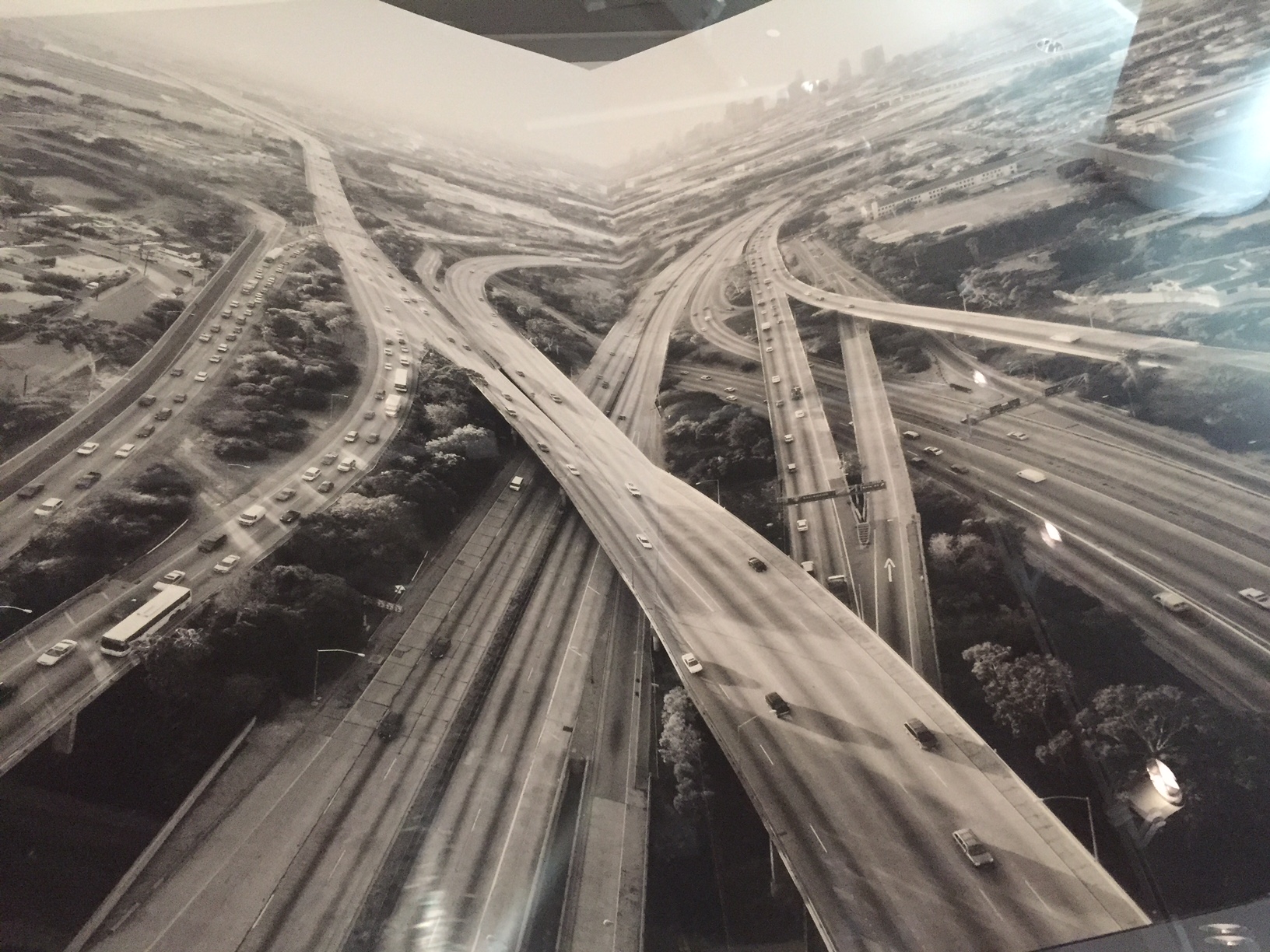
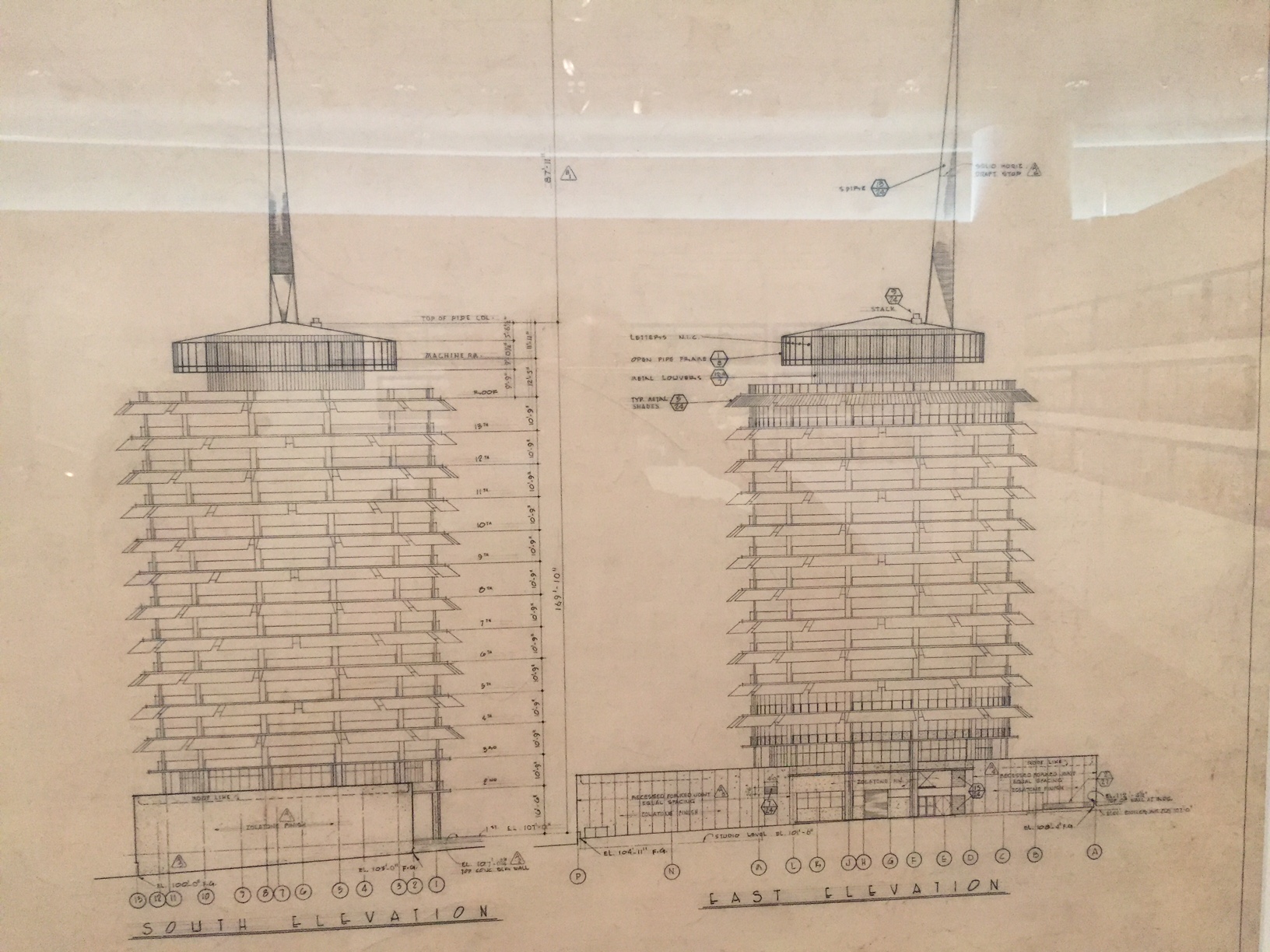
But it quickly moves on to things one might not have considered ‘monumental’ at the outset and by the end of the small but pungent displays make a convincing case that the infamous Los Angeles freeways, the LA River, Virginia Dwan gallery’s Earthworks show, the Capitol Records building, Tacita Dean’s riff on a JG Ballard paired with the Smithson Spiral Jetty, and the Moon itself are also ‘monumental’.

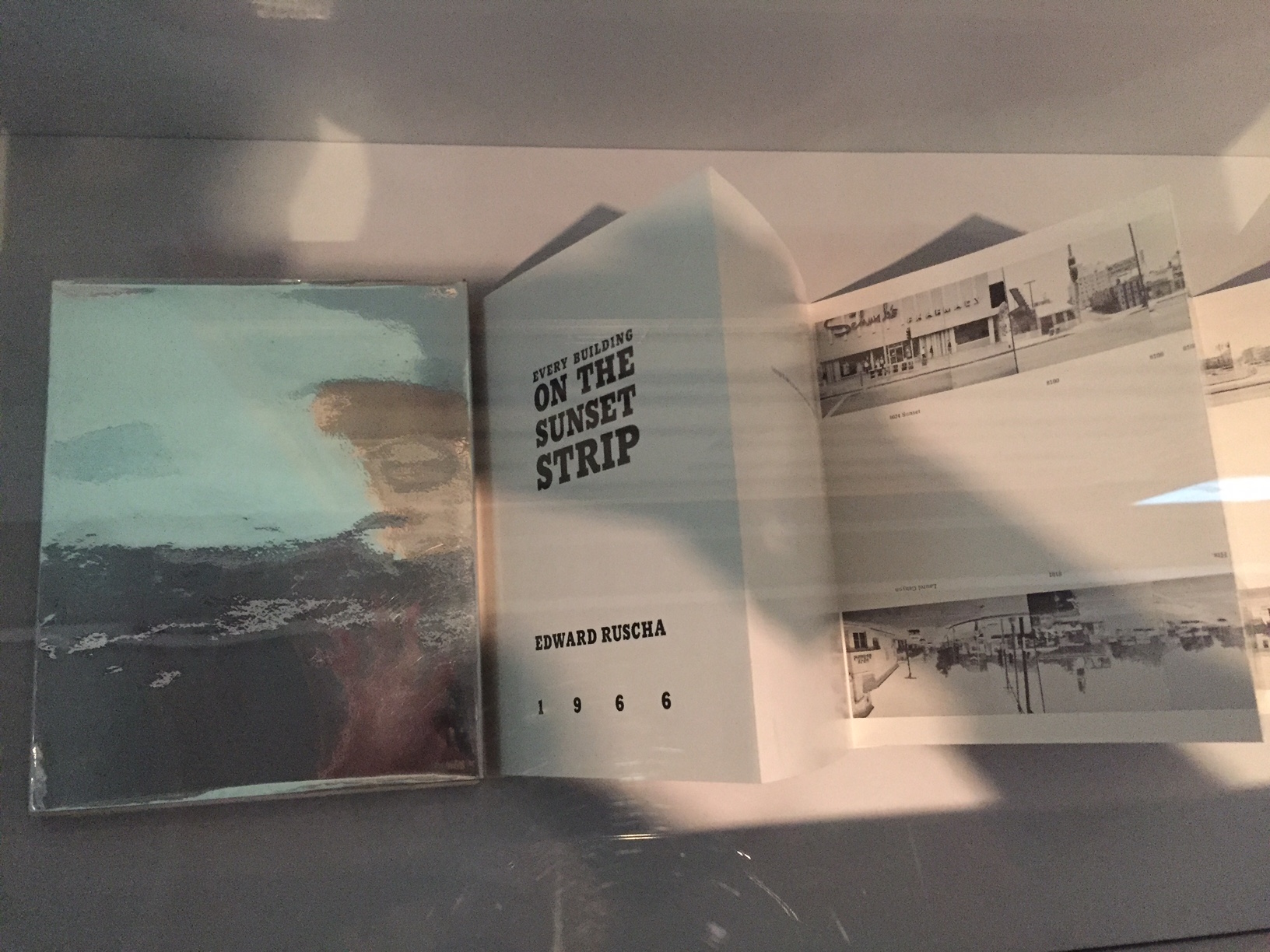
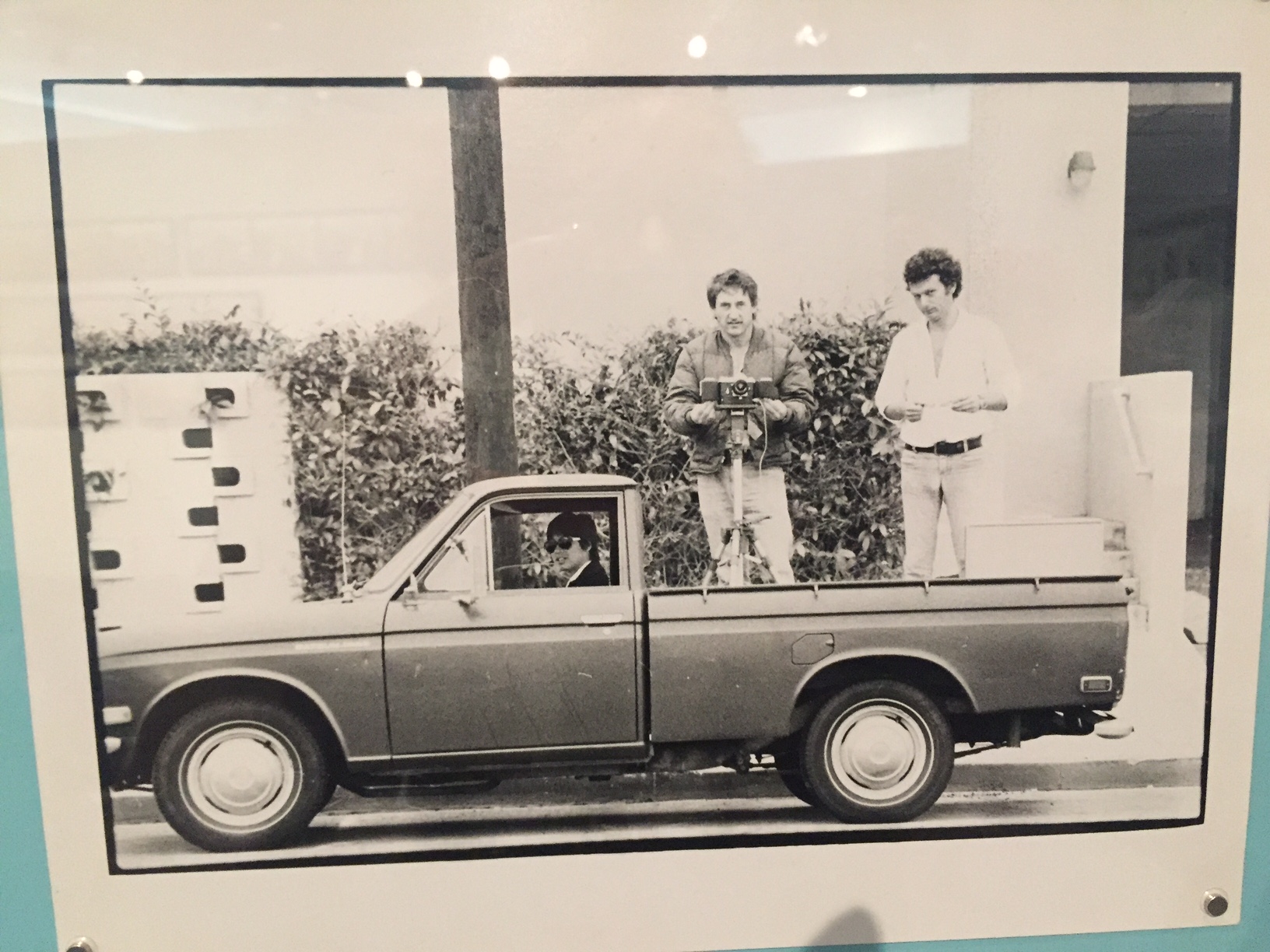
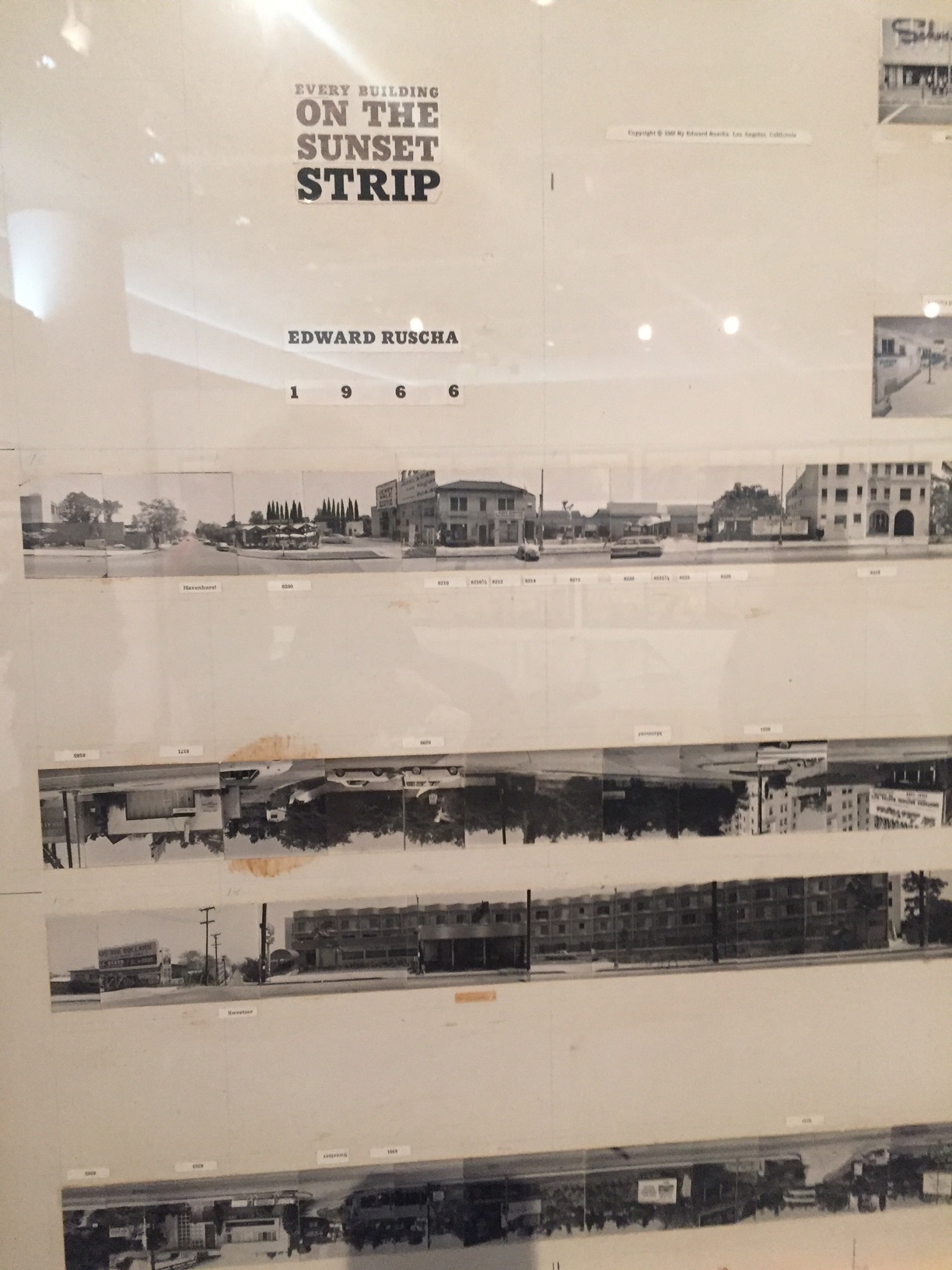
My favorite is, of course, Ed Ruscha’s Every Building on the Sunset Strip. This small fold-over book, a personal talisman for me loaded with emotional freight, is here backed up by Ruscha’s handwritten production notes for the original shoot (plus a follow up video of Hollywood Boulevard, seen below). This conceptual piece—a pre-animation— has resonance well beyond his original intentions as it serves both as a marker of what once was on the street as well as a new definition of urbanity while more strictly traditional cities were in flagrante of this low-rise kind of density.


In an adjacent gallery, there is some overlap to the MoMA show especially in a charming film of the Yugoslav Tito-era Communist monuments which shows them in overgrown, grassy situ juxtaposed with interviews with locals who live adjacent to them. This verite film is priceless as it captures the solidity of the fantastical monuments as well as their (certainly unintended) whimsy. One commenter dryly notes that “without having moved a muscle” he has lived under 5 successive regimes.

In the museum there is the sublime Renaissance Nudes exhibition, monuments of an entirely other kind. The air is ultra clear and cool and after the fires, it is a splendid time to be in Los Angeles and a needed respite from the more dire news from our nation’s capital.

In Architecture Tags Monumentality, The Getty, Exhibition, Getty Research Institute, MoMA, Los Angeles

The importance of Kem Weber, Walt Disney's design guru

December 8, 2018 Patricia Zohn

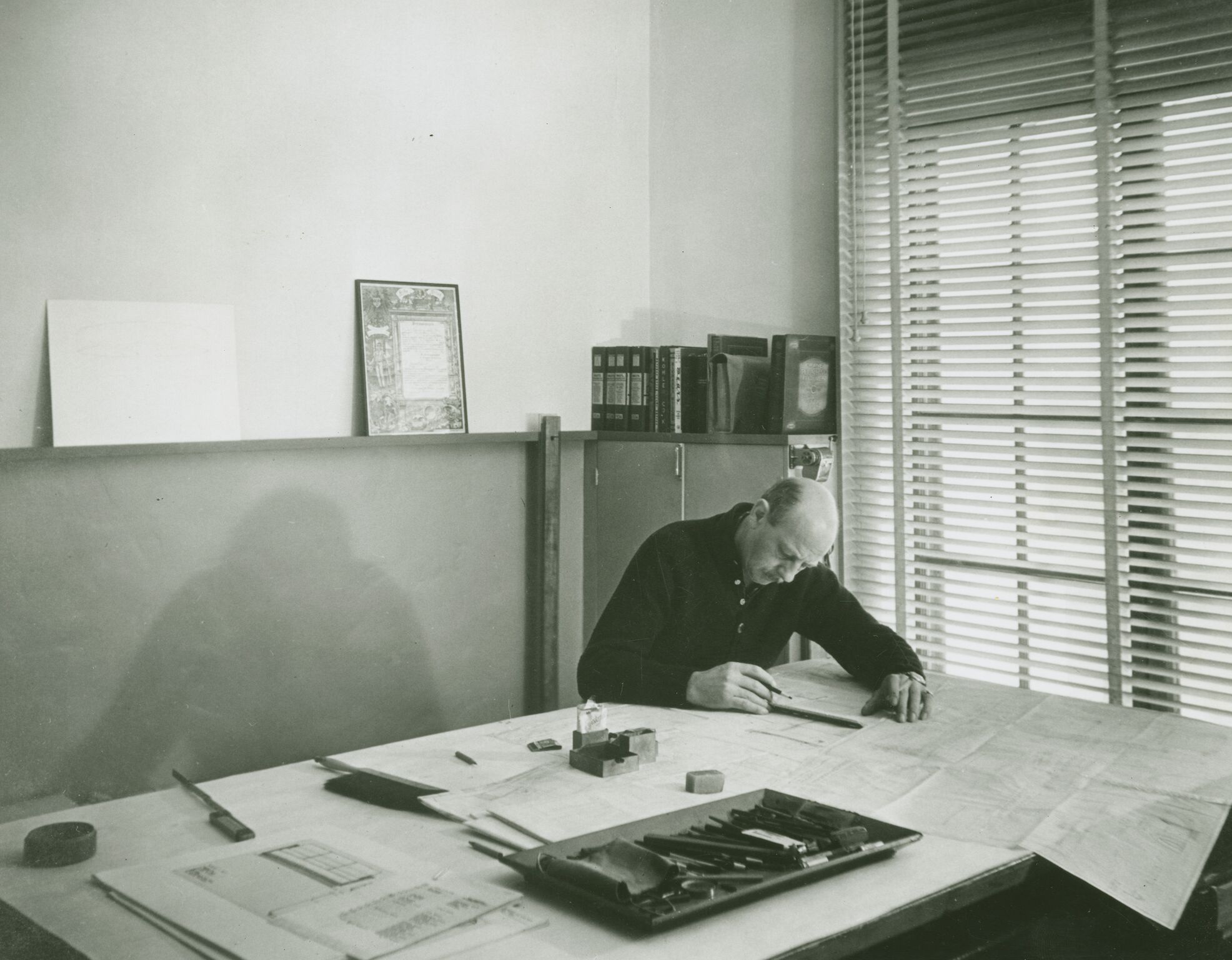
Dave Bossert, a 32 year veteran effects animator of the Walt Disney studio who worked on The Little Mermaid, Beauty and the Beast, Aladdin ,et al, was gifted the original Kem Weber-designed desk that had been his steady support and companion on his departure.  His affection for this desk grew into a wonderful new monograph on Weber’s important design contributions to the Walt Disney studios in Burbank.

5sml7BkL.jpg

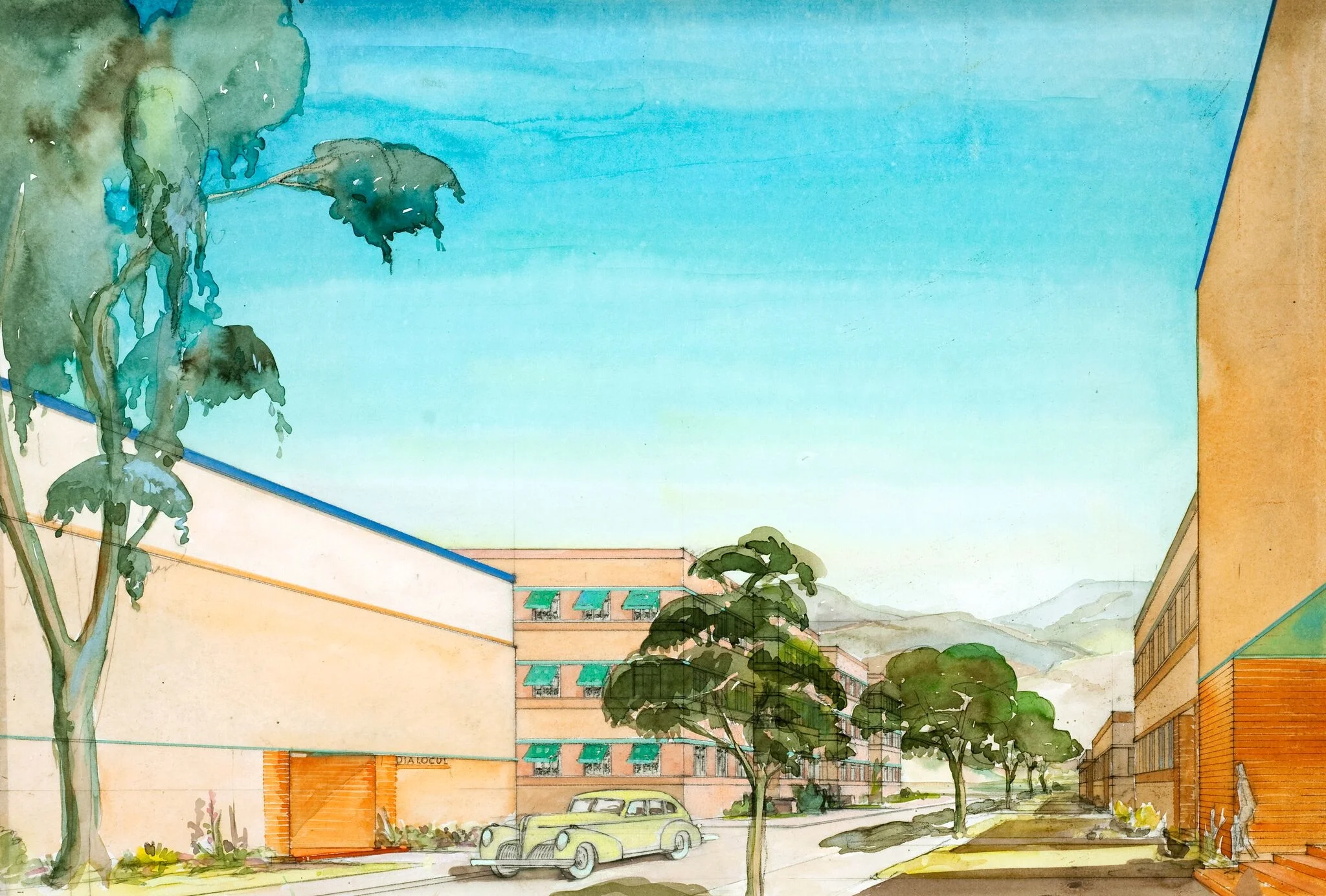
 After the cozy mish mash of the Hyperion studios, Burbank was a streamlined factory.  Workers complained that some of the spirit was gone, but in exchange they had the most efficient and beautiful machine from which to make their innovative and highly technical animated films.

plYCml3r.jpg

Bossert tracked down Weber’s original drawings and renderings for both the exterior physical plant and the custom furnishings at UC Santa Barbara.  Each type of artist had a different desk: the flat, expansive kind for directors who had to lay out entire scenes or sequences, the tilt topped, back-lit kind for animators and assistants, the file cabinets, the shelving, the meticulously thought through workstation.  Artist input was solicited for the preferred angle of light, the chair style, the comfort, the ease with which they could accomplish the maximum quantity of high-value, technical work.

AYxDDVKc.jpg

Bossert was not there during the time period of my Vanity Fair story research on the Ink and Paint department which was the earlier Golden Age, but I know that the workers I interviewed very much appreciated this attention to their comfort and productivity and Bossert says in his era too, they all felt enduring capability and inspiration from their custom-designed surroundings.

Weber was German-born and had worked under a master of the Wiener Werkstatte as well as for the Barker Bros., but there is also much Bauhaus and International style as well as mid century modern in his influences. He found in Walt Disney a true patron who worked with him on almost every aspect of the studio design and who allowed him creativity as well.

67l66dEq.jpg

Interestingly, Walt admired this kind of industrial design but not the worker collectivity theory behind it for almost as soon as they got to the new studio, the famous Disney strike began for which there was much retribution.

 Weber desks have gone at auction for very high prices especially when they were attached to famous animators.  I admire Weber’s work, even the smaller occasional pieces, and especially wish the commissary and the coffee shop still existed.  Walt’s Weber-designed office is extant in the pink Animation Building, a testament to how innovative his thinking was on every aspect of the dynamic company he created. 

vZTL03Da.jpg

Bossert’s beautiful book is for sale here.

Images courtesy of Dave Bossert, copyright UCSB.

In Architecture Tags Kim Weber, Walt Disney, Disney, Design, Architecture, Dave Bossert, Burbank, California

The Head and the Load: William Kentridge pulls focus on Africa and WW I

December 7, 2018 Patricia Zohn
HEADLOAD__9.JPG
HEADLOAD_12.JPG
HEADLOAD__8.JPG
HEADLOAD_18.JPG
HEADLOAD_20.JPG

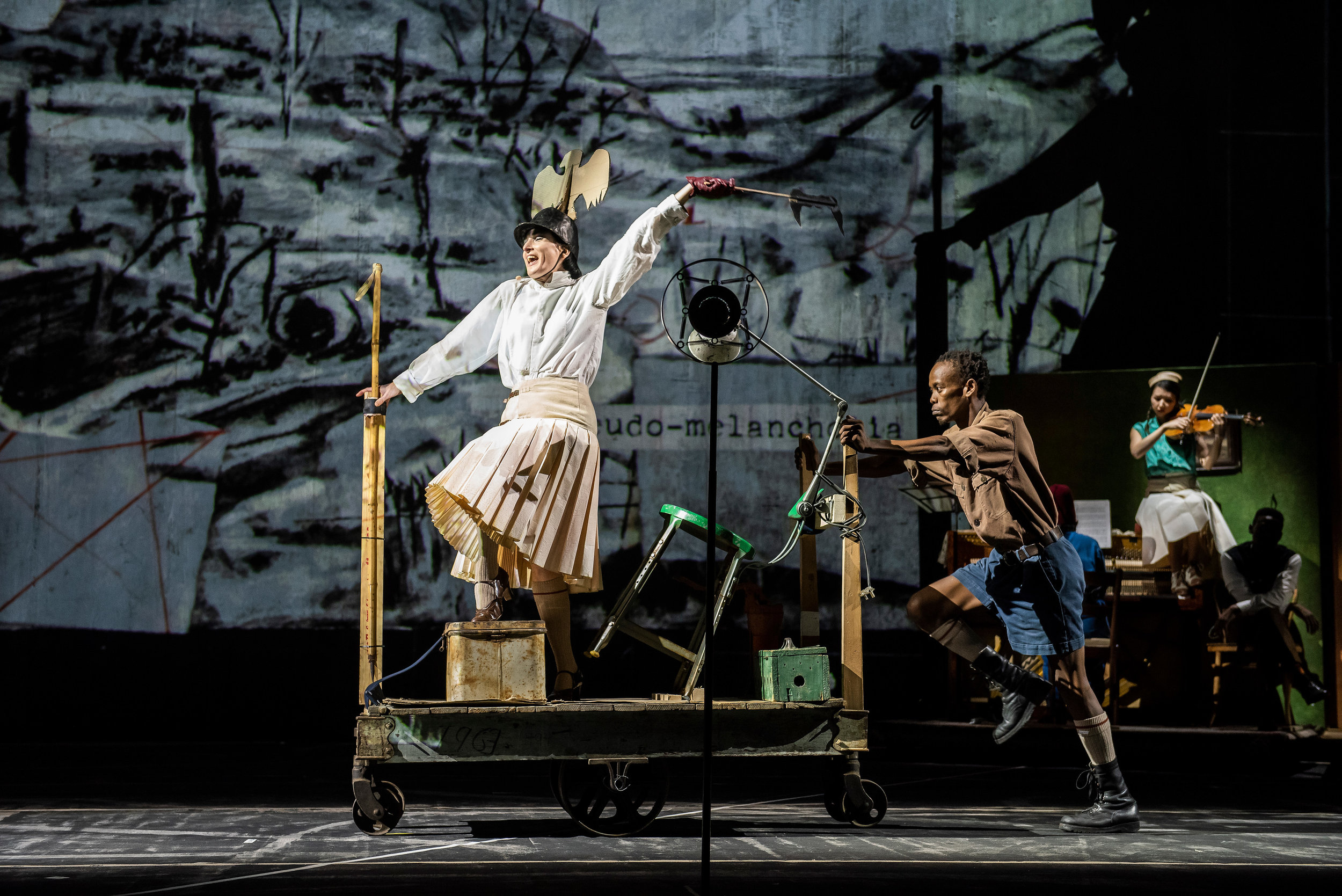
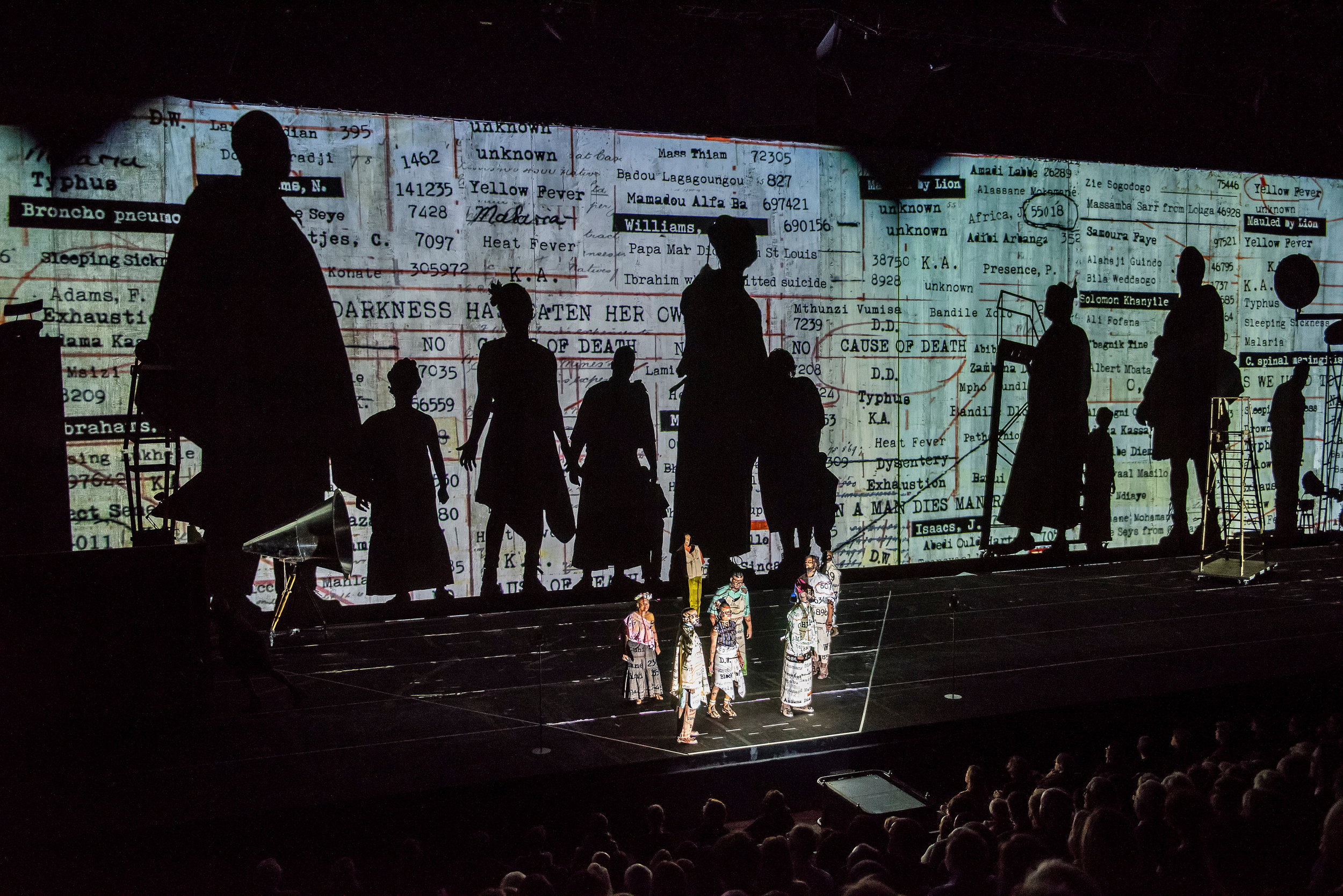
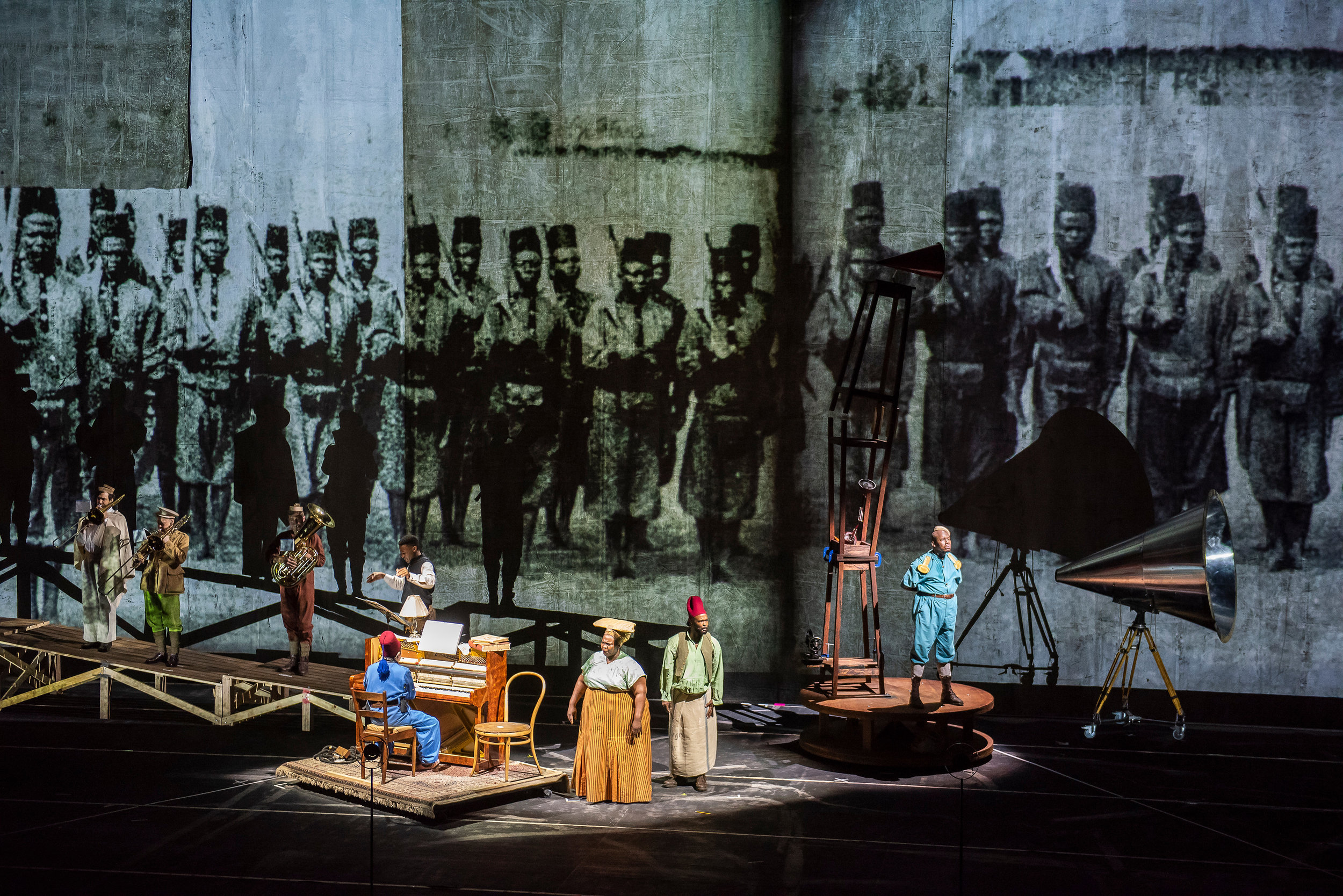
William Kentridge is a polymath, an entrepreneur, a ringmaster, an historian, a singer, a writer, a visual artist, a designer, and so on. There is probably no challenge too great for this maestro of the visual and performing arts.

 The Head and the Load, a production workshopped at his The Center for the Less Good Idea atelier in Johannesburg and at Mass MoCA, and performed already at the Tate and in Germany, arrives at the Drill Hall of the Park Avenue Armory already finely tuned.  I’ve long had trouble with seeing productions try to successfully fill this vast space.  But apparently if you build it they will come—and there is no one better than Kentridge to think big. 

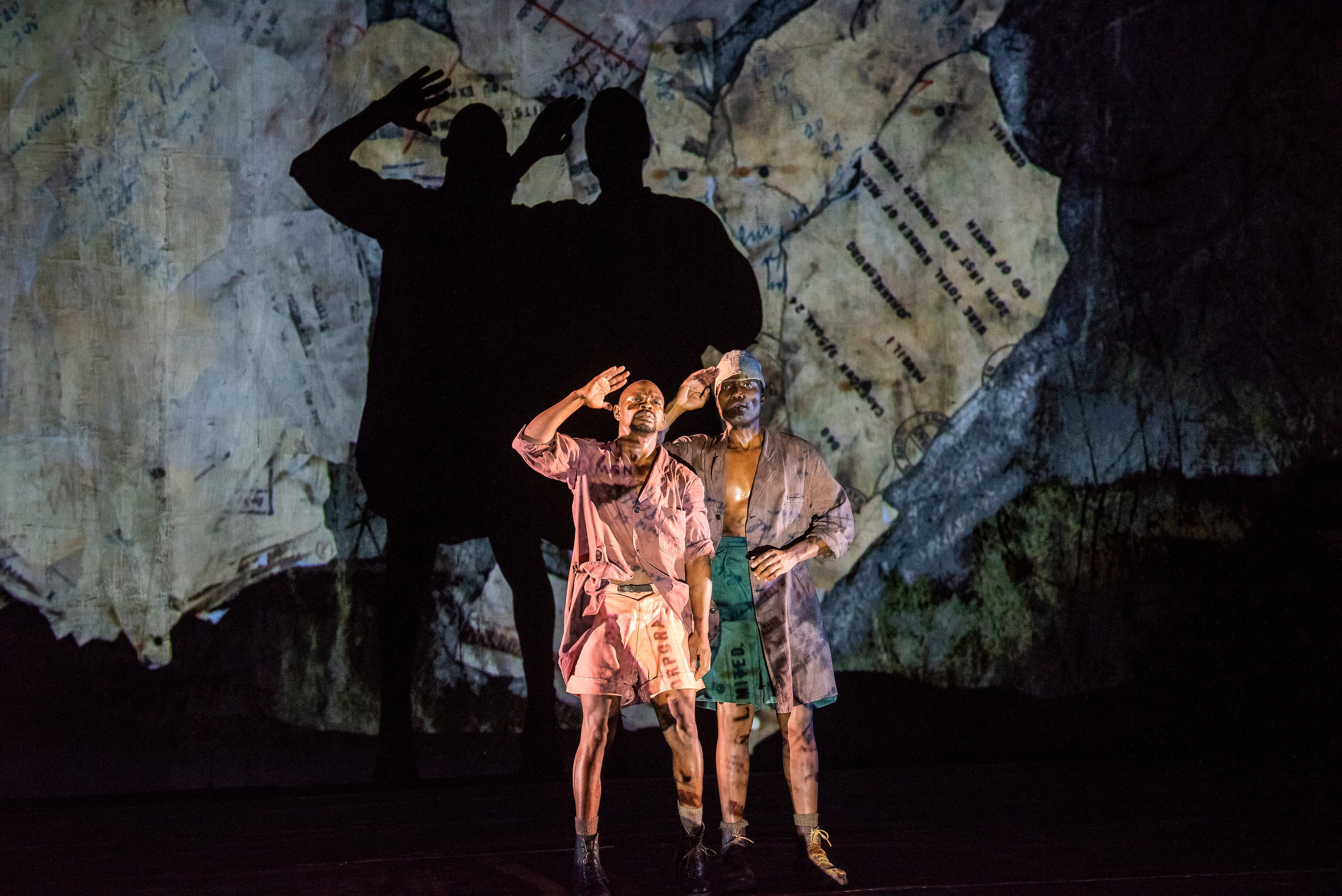
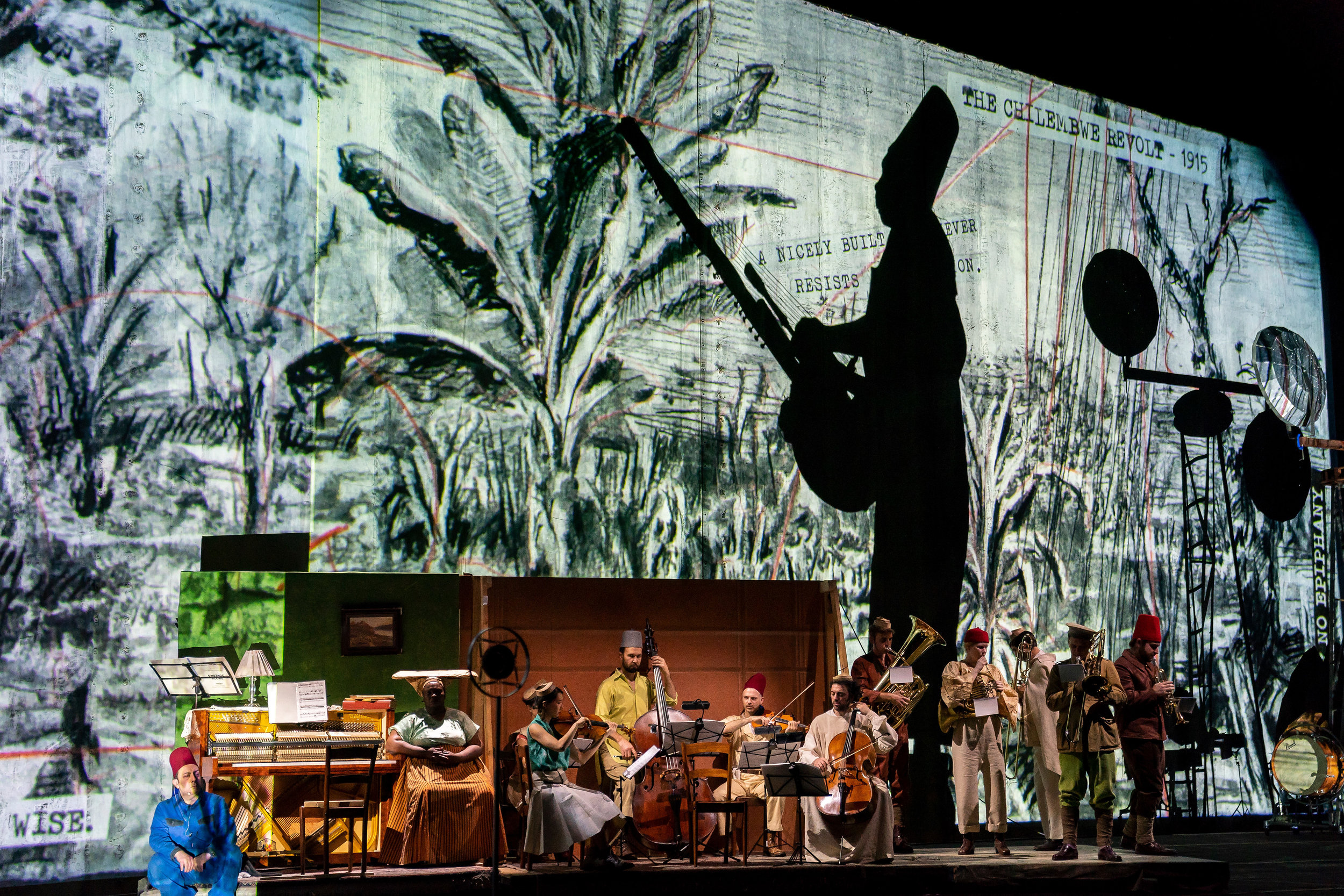
 Taking as his ostensible subject the role of Africans in WW 1, Kentridge envisions a world where Africans are finally allowed to speak truth to power about what it was like to be a human vehicle (soldiers and porters) for troop strength and munitions during this global war in which Africa became part of the spoils.  With his principal collaborators, composers Philip Miller and Thuthuka Sibisi, choreographer Gregory Maqoma, a local NY chamber orchestra The Knights and other accomplished dancers, singers, musicians and actors, Kentridge deploys some of his signature elements: live and video shadowplay, original documentation, animation, processionals et al) and delivers a vast and moving panoply of heartbreak and political strife.

 In an artists talk before the performance, Kentridge described the gestation of the piece in an 8 day workshop in Joburg with 60 artists that gradually evolved over the course of other subsequent workshops.  Some elements were  also stimulated by his processional piece in Rome on the Tiber River. For The Head and the Load, Kentridge modified this processional approach with waystations: breaks for us to understand the deeper history and meanings of the conscription of native African troops into a far away war they barely understood.

 English, French, German and African languages are deployed alongside voices in an arsenal of sounds that both emulate aspects of the destruction and elevate it.  Having seen Kentridge perform the Schwitters Ursonate last year I heard the elements of Rakka Ta Bee Bee in the opening moments.  Instruments are voices, voices are instruments, and as Kentridge says, he would be hard pressed to find opera singers who would challenge their vocal equipment quite so audaciously as these performers are willing to do. 

 Kentridge is recalling Dada and its emphasis on collage, on the spoken automatic word, on repetition as a tool for engagement.  But the most affecting moment for me was the extraordinary pas de deux between two soldiers, one in a state of collapse, the other trying to haul him up and get him to salute. This is probably the most affecting new piece of choreography I have seen in a very long time, and is as moving and intricately plotted as any of the Swan Queen with her Prince. Kentridge says he wanted to emphasize the contrasting “tenderness and violence” 

 Kentridge resisted the temptation to focus on one character’s three act journey, a more conventional operatic approach.  Instead this collage method (his default) allows him to graze on many stories which percolate, evaporate and then re-constitute as the evening progresses.

 I still have trouble with the Drill Hall.  My head moves in a kind of robotic 180 degree rotation, trying to capture the fullness of what the team is showing me. It’s not only tiring, I think it distracts from the pithiness, the anguish, the intensity.  

 But ok. Here’s a guy for whom the work size is irrelevant. He can work small (Ursonate) or large (The Nose), in museums, or in performing arts venues with equal aplomb. He is bravely opening a different window on non-western culture and history for all of us and is to be commended. 


The Head and the Load continues at the Park Avenue Armory through December 15.

In Fine Art Tags The Head and the Load, William Kentridge, Performance Art, Art, Africa, ww1, The Center for the Less Good Idea, Park Avenue Armory

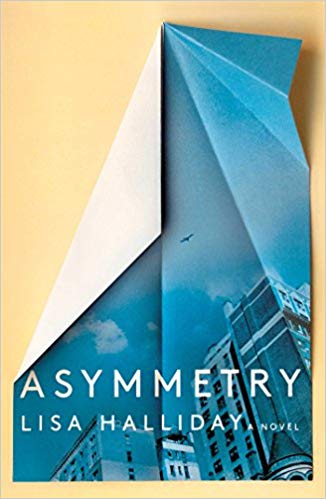
Asymmetry: Best book of 2018 by Lisa Halliday

December 5, 2018 Patricia Zohn
51miL1ZYPxL._SX324_BO1,204,203,200_.jpg

Asymmetry is now at the top of both the New York Times and the New Yorker year end best lists. And I am in full agreement. I’ve just finished my second full read. As someone who pines for ‘good old fashioned novels’, I was completely swept up by Lisa Halliday’s fictionalizing of her affair with Philip Roth when she was in her twenties and he was much older. Though she submits it’s not actually Roth but an amalgam of people in her life, it feels like reportage…and yet not.

 Her character is just brilliant enough, self-deprecating enough, attractive enough, young enough, clever enough, to make it not only believable that he would be attracted to her but that she would see through him.  Roth saw the MS and liked it. Here’s a case where life and art are intertwined—and they were apparently still friends up until his death. There could be nothing more flattering, in the end.

Once many years ago in northwestern Connecticut, I walked into a popular restaurant and saw Philip Roth sitting in a booth with some friends.(Roth had a home nearby)  I know he shot a glance my way. I say that not to boast but to affirm how compelling this man’s gaze was.

 At first Halliday’s sandwich of the story of the young Iraqi-American who is detained at Heathrow felt jarring. But on my second read, I understood her impulse to make us see that while her intimate story was playing out, a much graver, life-or-death defining experience was afoot. These characters are both young and trying to find their place in a world in which normal expectations have been upended. 

 I am hugely jealous of Lisa Halliday, who not only has dominated the charts but lives now in Milan, away from the fray of NY publishing.  I enjoyed reading this novel twice and I imagine it will become a classic example for all aspiring authors. I look forward to her next book.

In Fine Art Tags Asymmetry, Lisa Halliday, Book

Maria by Callas: What does Diva really mean?

December 4, 2018 Patricia Zohn
9.jpg
6.jpg
5.jpg
11.jpg

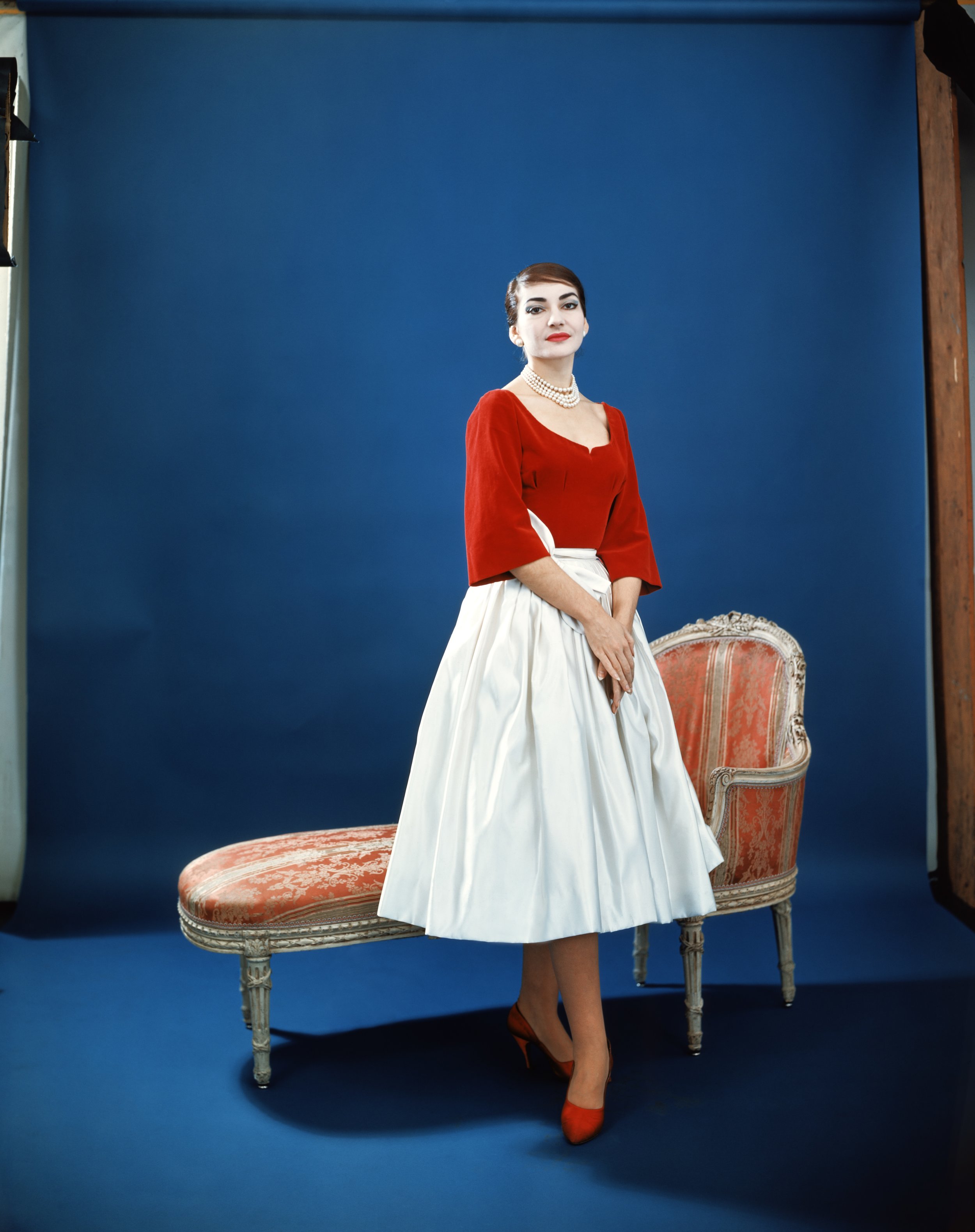
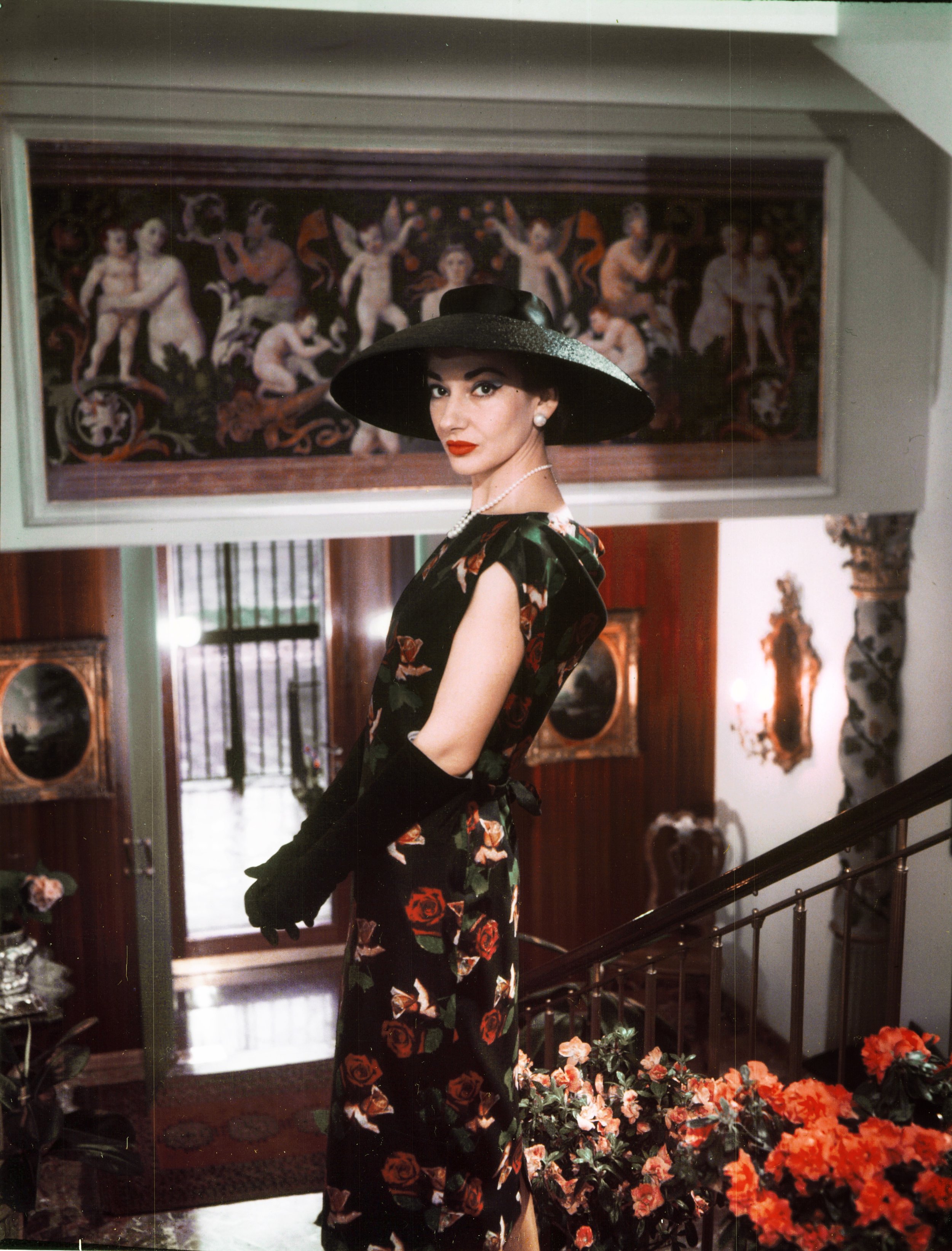
I write to the luscious tones of Maria Callas.  Tom Volf, the director of the new documentary Maria by Callas fell in love with her voice only five years ago. He had a coup de foudre for all things Maria and it took him the better part of four years to pull off what is really a marvellous documentary. 

 Instead of talking heads, and a narration, la Callas, as she referred to her professional self, or Maria as she referred to her personal self, is captured in on-and-off the record interviews with Joyce di Donato standing in for her when she is momentarily absent. Entire songs rather than excerpts let you bathe in the voice, the mannerisms (I want the shawl, I want to hold my arms in a self-embrace, I want the bouffant hair).

 Of course it’s the early years that fascinate. Born in New York City, she becomes a more elegant and refined citizen of no country with the haute accent that goes along with that. The pudgy prodigy, nudged by her mother to Greece for training with a Spanish diva who is discovered early on becomes the leading bel canto singer of her generation.

7.jpg

The images of her looking up at the camera, the cat eyes, the wide mouth, they are indelible. Besides her voice, she knew what her assets were.  

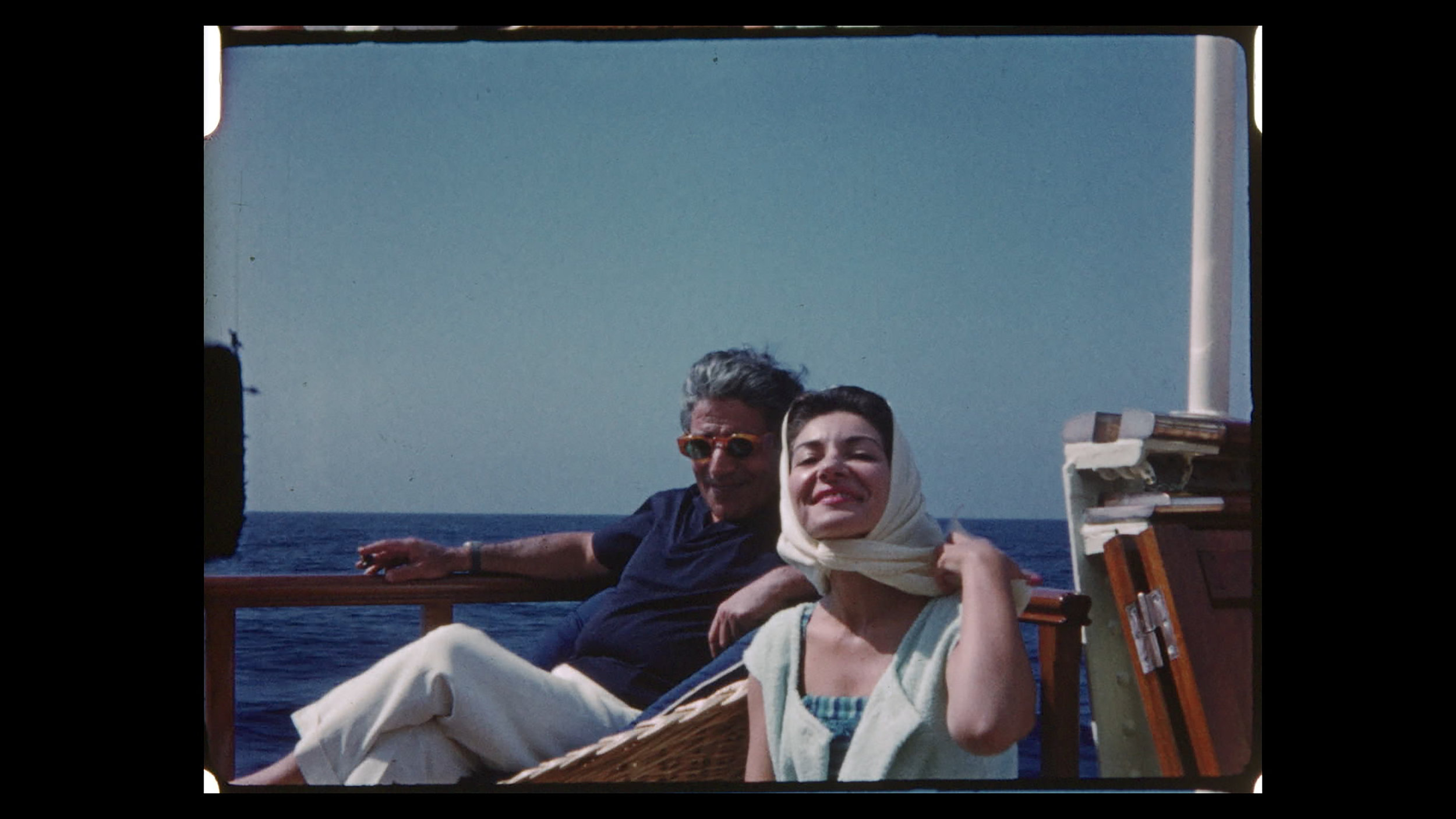
 The dramatic career buttressed by the long affair with Aristotle Onassis, interrupted by an equally ambitious Jacqueline Kennedy, and then a rapprochement when La JO had had enough is grand opera in itself.  Don’t ever let great artists con you by saying their lives are separate from their work.  

 If you don’t know Callas, Amazon Prime has a lot of free Callas, and there is You Tube. But the film is special, the house was packed Saturday night in NY at the Paris Theater, I could only think with Met opera goers who were not at the opera itself (Callas warred with the Met much of her career).

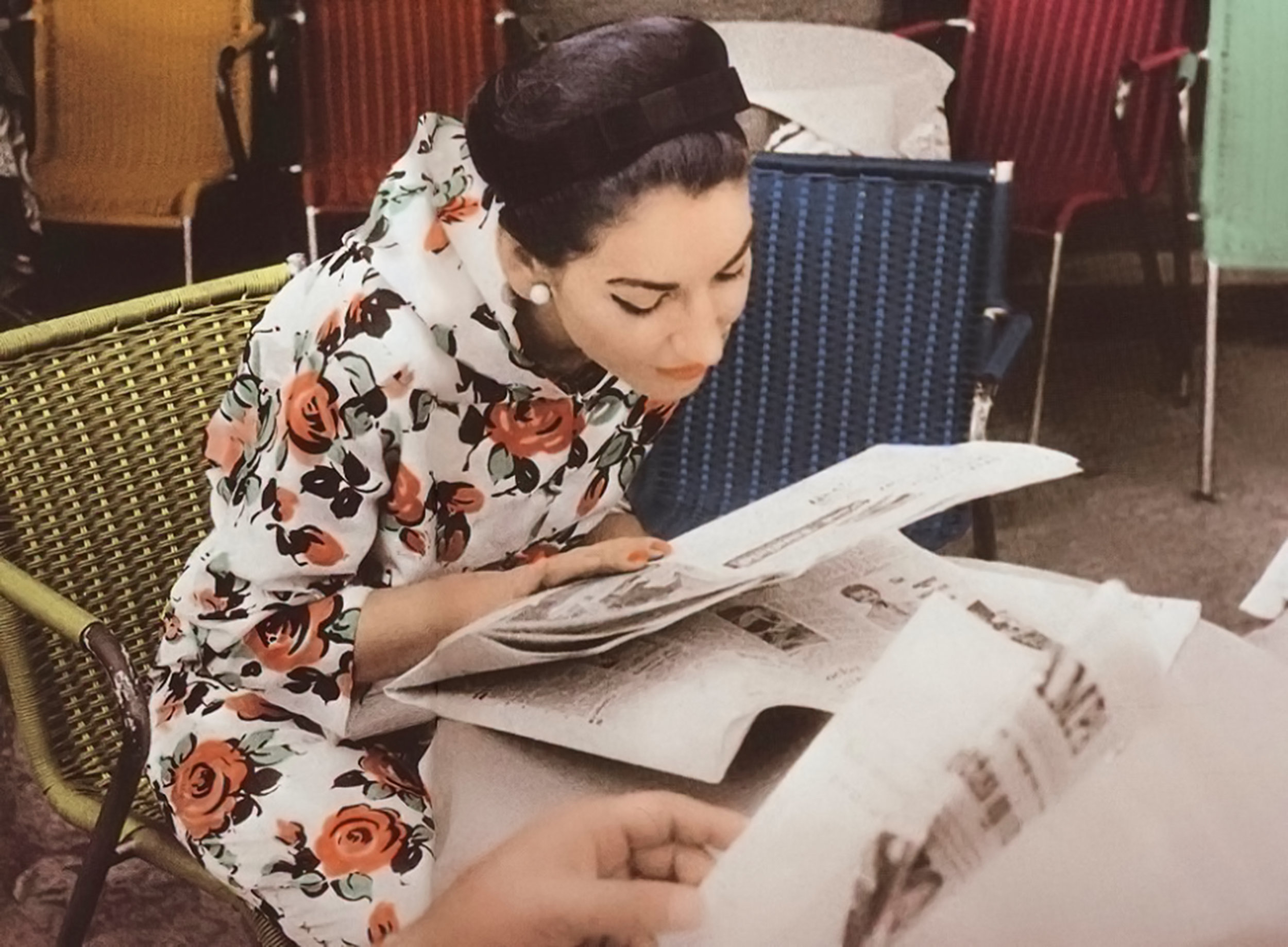
 The film is a brilliant look at what goes into being a celebrity of any decade.

 We talk about divas. There are divas and then there are Divas. Callas was the latter. 

In Opera Tags Maria Callas, Maria by Callas, Diva, Film, Opera, Tom Volf, Documentary

Becoming Astrid: a film about the real-life Pippi Longstocking

November 18, 2018 Patricia Zohn
Becoming-Astrid-Theatrical-Poster_2764x4096.jpg

My office library is organized by subject matter.  Non fiction—biography and memoir—load most of the shelves.  Fiction is in the bedroom—hardcover—and art books in the den. The children’s books are still in one of the rooms once occupied by my youngest son.  

 But on the two shelves above my desk are the books which are the most personal.  The series of French film books and DVDs of the New Wave, the books by friends which have been inscribed to me by their authors, and a short selection of novels and non fiction which reference my current work.

 On the very top shelf, in the middle, now encased in a plastic baggie as it’s so fragile is the paperback version of Pippi Longstocking which I ordered as part of the Scholastic book club in elementary school.  The binding is shot, the pages are brittle and many are loose and have disengaged from their mooring.

IMG_2729.jpeg

I know I am far from the only girl, or person, who nourishes such fond affection for a novel which found in me the brave girl I wanted to be, who didn’t give a fig for what anyone else thought, who could climb trees and wash the floor as if she were skating, had a horse in her backyard and was so strong she could lift him, who made excellent pancakes, who could sleep whenever and however she liked, join the circus, and had a pet monkey and was so nice to the more conventional children next door.

 Author Astrid Lindgren found her way to millions of childrens’ hearts all over the world because, as one says in a letter she receives when she is very old in a new film biography from Sweden, “ You understand us Astrid, you are on our side”.

BecomingAstrid1.jpg

 Becoming Astrid directed by Pernille Fischer Christensen tells the fairly conventional story of an unconventional girl: a rebellious farmgirl with talent who leaves her family behind as her talent is recognized, and along the way has a affair which changes the course of her life, but only serves to deepen her ability to understand how a child feels.

 And it shows in a very simple way how it’s impossible to entirely separate the writer from the document no matter how much they (we) protest.

BecomingAstrid3.jpg

 Like Laura Ingalls Wilder, Lindgren took the basics of her own life and put them into her stories; she wrote many more books but Pippi is the one best known to English speaking audiences.

 I don’t really want to spoil the film for anyone.  Alas I believe one sex scene would make it difficult for anyone younger than middle school or high school to see it, it’s really a film for older teenagers and adults.

 I took an informal survey of friends. Everyone identified with Pippi. Like Eloise and Madeline she is smart but feisty, all three of them girls who prevail in the end just by being themselves.

The film is perfect holiday treat about loss and forgiveness, following your passion, the clichés of growing up and out which are all too true. A new generation is discovering the marvels of Pippi every day.

image2.jpeg


It opens on November 23rd.


In Fine Art Tags Pippy Longstocking, Becoming Astrid, Literature, Books, Film

Elena Ferrante's saga of a friendship, My Brilliant Friend, begins on HBO

November 16, 2018 Patricia Zohn
4733b745c4996ffbfea4a14215a9aee1d3622d952336e0375388fd33f25aac0e4bee3e464cdd24cab0d8617ce7a3fdec.jpg


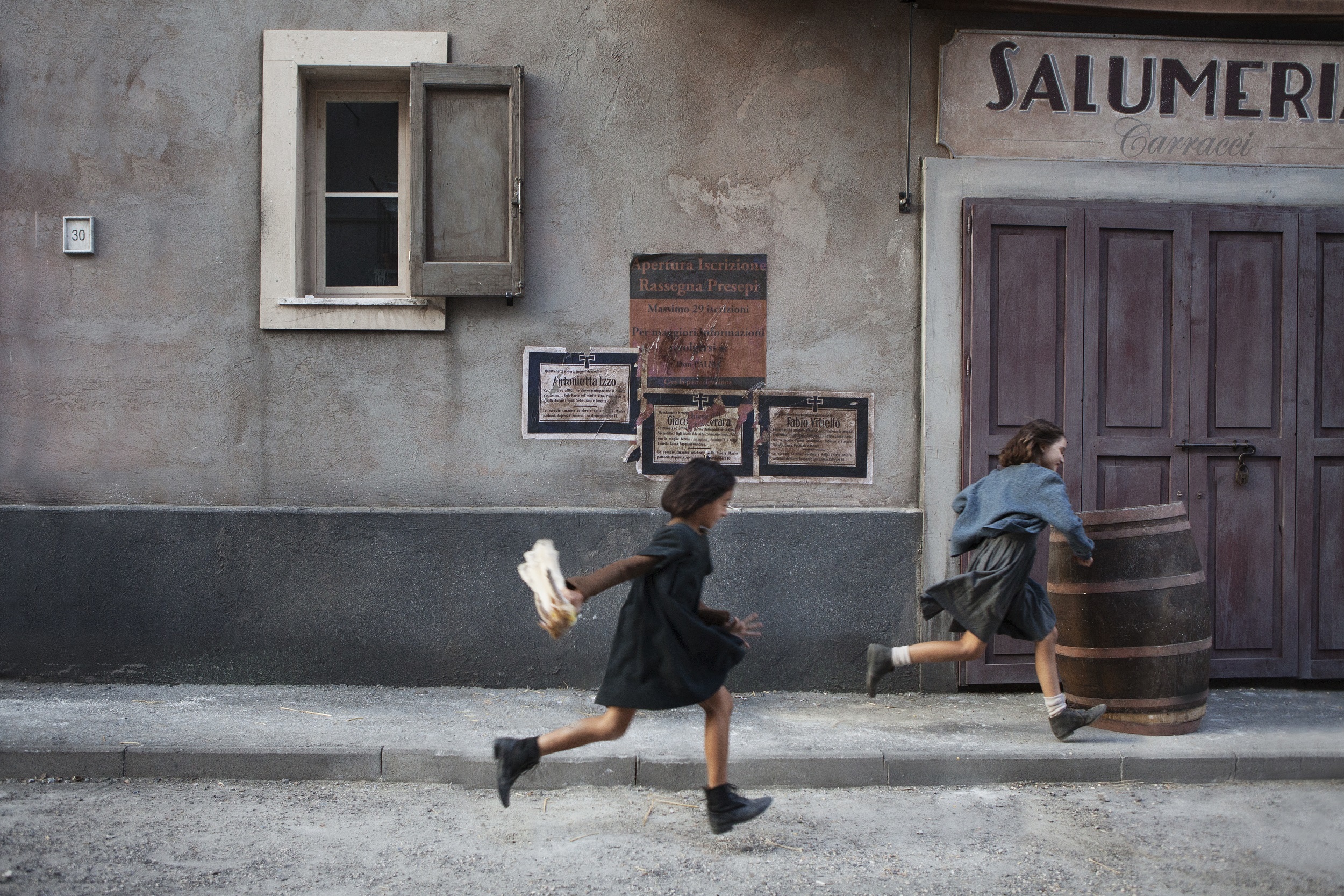
The opening scene of Episode 1 (of 8) of My Brilliant Friend co-produced by HBO and RAI is the rupture of a life, and of the lives attached to it.  Even more than a suicide, a disappearance is an assault against those who remain. 

My Brilliant Friend is the now infamous first of four Elena Ferrante novels which depicts a friendship between two women beginning in the 1950s in a small town outside of Naples. Ferrante, a nom de plume, has chosen to remain anonymous.  In collaboration with the director Saverio Costanzo (known in the US mostly for In Treatment), she has brought this moving and remarkable series to life. 

 I first read the novels as they appeared in English while I was in Europe for work, so I felt especially connected to the text. It was edge-of-my-bed reading as it reminded me of a long friendship I had which had gone awry without my knowing exactly how. I believe each person who views the film, especially women, will find something of their friendships therein.

(TOP) Elisa Del Genio as Elena. (BOTTOM) Ludovica Nasti as Lila. EDUARDO CASTALDO - HBO.jpg

 The opening scene sets the dynamic between the two friends: the greater admiration, and subsequent love of one girl for another. The relationship is always recalibrating. But in the end, like any love relationship, one person has more power.

 The lyricism of the series is expressed in ways large and small. The entire complex of buildings around which many of the early chapters revolve is a perfect, claustrophobic reconstruction of the incestuous village. Every detail has been attended to: the austere gray buildings bulging with cooking and arguing, the uniforms of the schoolchildren as they stand at attention, the muted colors of their vintage hand knit wool sweaters.  It is post-war Naples (Caserta is the body double). Poverty is rampant, the infrastructure of Italy in tatters. The church and the court are the only civic institutions with any residual heft.  The lives of the families who live atop each other and from whose balconies we see everything from romance to violence are thoroughly interdependent and yet straining to break free of historical feuds and alliances.  

f1553da0f4882fba10db89713bdaf27734a9f9ef841bdf39d506fd62b4910a346cf2c835c0a82a34ecc6742c7882a86c.jpg

 The series is in Italian, dubbed, and traditional in a way that one can only now treasure as productions of this kind are increasingly rare.  Do not let that put you off! Luca Guadagnino tries, but he doesn’t have the narrative heft to compete with this.  The series affirms what I felt when I read the novels: a female Godfather.

f8c59718c5078f43b6ebffb51a896a60a01bed7f435a94b30f224cac1d2bdebbfc701a44521c26c38e3c203592d5aa9e.jpg

 8,000 Campanians turned out to audition for the roles. The four girls who play the friends at different ages were amateurs, but from the region.  I imagine Elena Ferrante was instrumental in that decision. The Neapolitan dialect just makes it that much more authentic, it’s a fully Italian production, above and below the line. 

1b235e3782cdf7effc3ddc384e79f17c968f077646ecd17634ce5c7dcff79a7d37ec750a49b75fea74f3d8c6714b1f75.jpg

 The series moves from Lenu’s (Elisa Del Genio) notification about the disappearance of Lila (Ludovica Nasti)  into flashback and voice-over.  Don’t let anyone ever tell you voice-over is dead and out of fashion. Here, there is no better way to keep Ferrante’s voice front and center.  Lenu and Lila who are aware of each other from being the smartest girls in their class, witness an old family feud finally reaching desperate measures as thugs are hired to rough up a neighbor whose store has been remanded. It is there, first silently tied in their horror and disgust over the incident which begins during a church service and then after a rock fight between Lila and the neighborhood boys that they are joined together against the injustice of Don Achille, the local bully and enforcer, and hyperaware of each others every move and decision. 
Lila was “firm”. Lenu felt herself unable to “stick” to things.  But they get money from Don Achille for ‘capturing’ their dolls and trade up to a book at Lila’s suggestion: Little Women. This truly opens their eyes to the world of storytelling and the power a woman can have through words instead of violence. Their families are against their going on to middle school as they are poor and uneducated. Lenu manages with the support of her teacher to go all the way through high school; Lila is an autodidact who actually is always one step ahead of her.  The girls are a fountain of baleful stares, verge of tears, incandescent smiles, holding hands, hiding money and hiding their feelings, one dark and small a bundle of contradictory impulses, the other taller and fair, more circumspect. 

(L to R) Elisa Del Genio as young Elena, and Ludovica Nasti as young Lila. Eduardo Castaldo - HBO (Photo 1).jpg

 The families are individuals.  Stereotypical and yet not. Lenu’s mother looks like a Picasso—and the faces are mostly haggard, as if the war also erased any beauty, run dry like the dessicated land and the bombed-out buildings. The girls stand out, especially Lila who grows into her beauty and her overt sexuality.

(LEFT) Gaia Girace as Lila. (RIGHT) Margherita Mazzucco as Elena. EDUARDO CASTALDO - HBO.jpg

 I became impatient from time to time with Lenu’s passivity and naivete.  It’s not something I remember quite so keenly from the book. The screen lights up instead every time Lila is on screen and we, along with Lenu, wait for her return.  

 But it’s a quibble. They have done real justice to the novels, and to the whole notion of what a true friendship really means. The series premieres on HBO on Sunday and Monday November 18/19 and follows in that pattern in the following weeks. Do not miss it. 


(Right now at Grey Art Gallery at NYU a wonderful show of neo realist photographs of post war Italy is on display. If you fall in love with My Brilliant Friend please add this to your list of things to do.)

All images by Eduardo Castaldo, courtesy of HBO.

Tags Elena Ferrante, My Brilliant Friend, TV, HBO

Van Gogh by Julian Schnabel: At Eternity's Gate

November 15, 2018 Patricia Zohn
van gogh_vestibule hospice.jpg

Julian Schnabel is a very brave artist.  After being a wildly successful artist du jour and then coming down off that perch, he turned his hand to film and made, among others, some beauties: the story of Basquiat and The Diving Bell and the Butterfly. 

 At Eternity’s Gate, his film portrait of Van Gogh is as ambitious as the others but is hampered more than anything by the dialog seemingly lifted in whole chunks from letters that Van Gogh wrote to his brother Theo, to Paul Gauguin fellow artist, and others. Despite help from veteran screenwriter Jean Claude Carriere (or maybe alas because of it)  nothing ever sounds natural.  And therefore the performances, though earnest and deep, draw attention to their static quality instead of to their verisimilitude.  Schnabel should have trusted himself more. 

van gogh_jardin hopital arles.jpg

 Instead of bringing on a French screenwriter, the casting could have been more European. Not that I am PC about that. But the American-ness and British-ness of the principal roles doesn’t help you dive into the characters. 

 Willem Dafoe is abjectly tortured, (even if a good thirty years older than the artist actually was as this series of events unfolds), the artist who can’t get anyone to even hang his work for free in a bar, whose manic depression overwhelms him, whose obsessions for capturing on canvas a girl walking home from work or a fellow asylum mate get him into trouble.  His compulsive desire to fill every canvas, to layer it, to exhaust the paint itself, is made real and here Schnabel’s own expertise comes into play. We feel keenly his desire to suck up the sights, sounds and even smells of the world.

At-Eternitys-End-Poster-Willem-Dafoe-Vincent-Van.jpg

 Oscar Isaac is a suitably arrogant Gauguin who alternately thrills and chills his less successful friend.  The best surprise is Rupert Friend as brother Theo.

 This relationship of the brothers is wonderfully drawn: Theo the sane, Vincent the genius madman, linked forever as helper and helpless.  Theo’s desire for his own life eventually overrides his compassion for Vincent when he institutionalizes him. 

van gogh_champ maisons.jpg

 Van Gogh’s intellectual heft, his knowledge of Shakespeare and the Bible is set against his dramatic deficits of personal intelligence.  I don’t know if Schnabel invented this or it was real. (I reached out to John Walsh, ex Getty director, now giving a series of lectures on Van Gogh at Yale open to the public for some context. Walsh reminded me he would be dealing with this period in Arles next semester .)

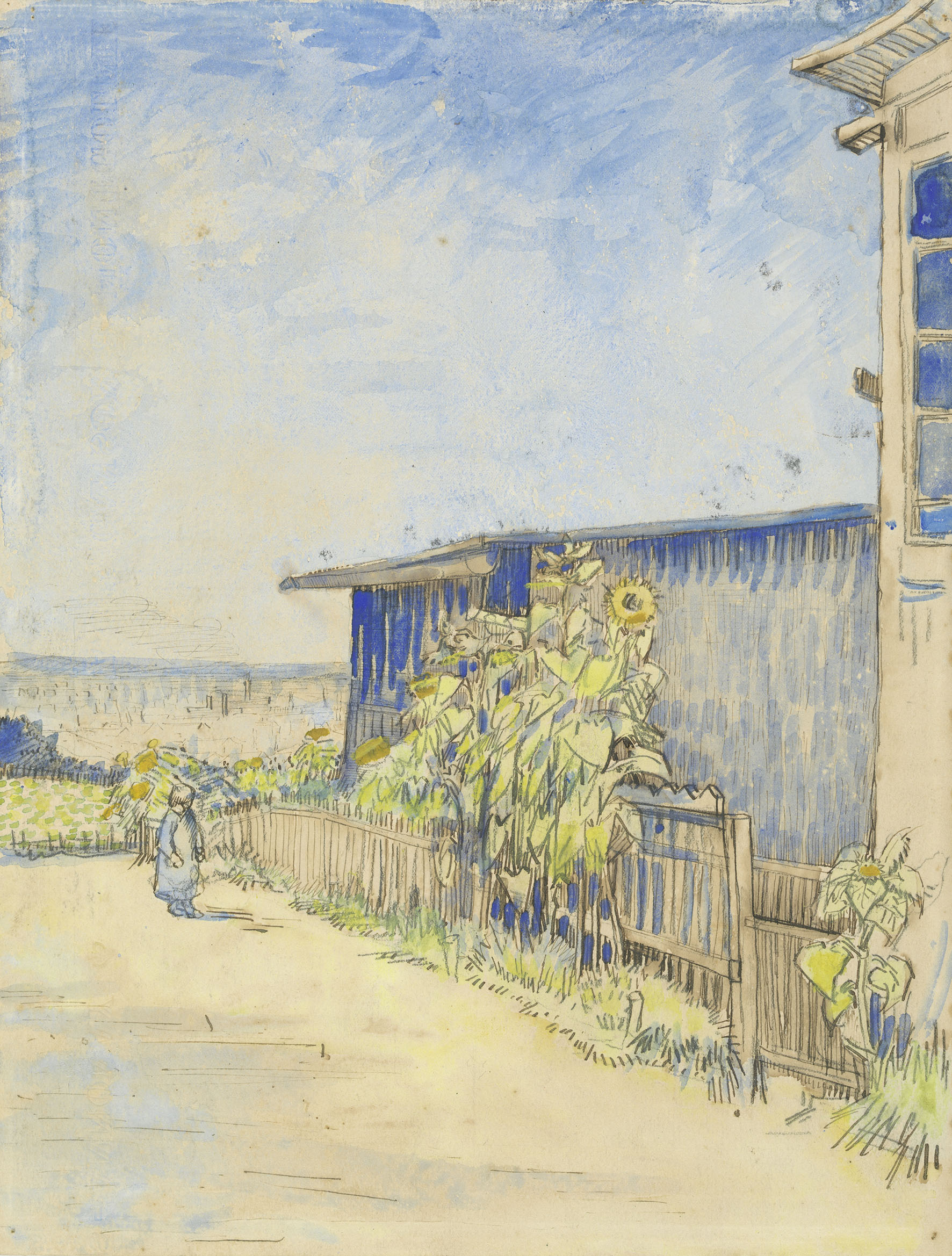
 The production is filled with the southern French light that so warmed Van Gogh’s aching heart and soul.  (Arles, once a favorite city of mine, is now undergoing massive development by the Luma Foundation. I saw things in construction a few years ago. I’m hopeful they can retain something of the city’s historic character) Schnabel managed to find the still rural Arles, the one that was Van Gogh’s home at the end of his life both inside outside the asylum walls. 

van gogh_cabane tournesols.jpg

 Every loaf of bread, bowl of fruit and indeed every character from barmaid to priest is filled with the unique texture of real life. And then every once in a while the screen goes black.  A moment of darkness descends on us just as it does on Vincent. 

 The film opens on November 16th.

In Fine Art Tags Julian Schnabel, Van Gogh, Vincent Van Gogh, At Eternity's Gate, Willem Dafoe, Art, Artist, Film

City Center honors Jerome Robbins at Studio 5 series

November 15, 2018 Patricia Zohn
IMG_9553.JPG
IMG_9555.JPG
FullSizeRender-1.jpg
FullSizeRender-2.jpg
FullSizeRender-3.jpg
FullSizeRender-4.jpg
FullSizeRender-5.jpg
FullSizeRender.jpg

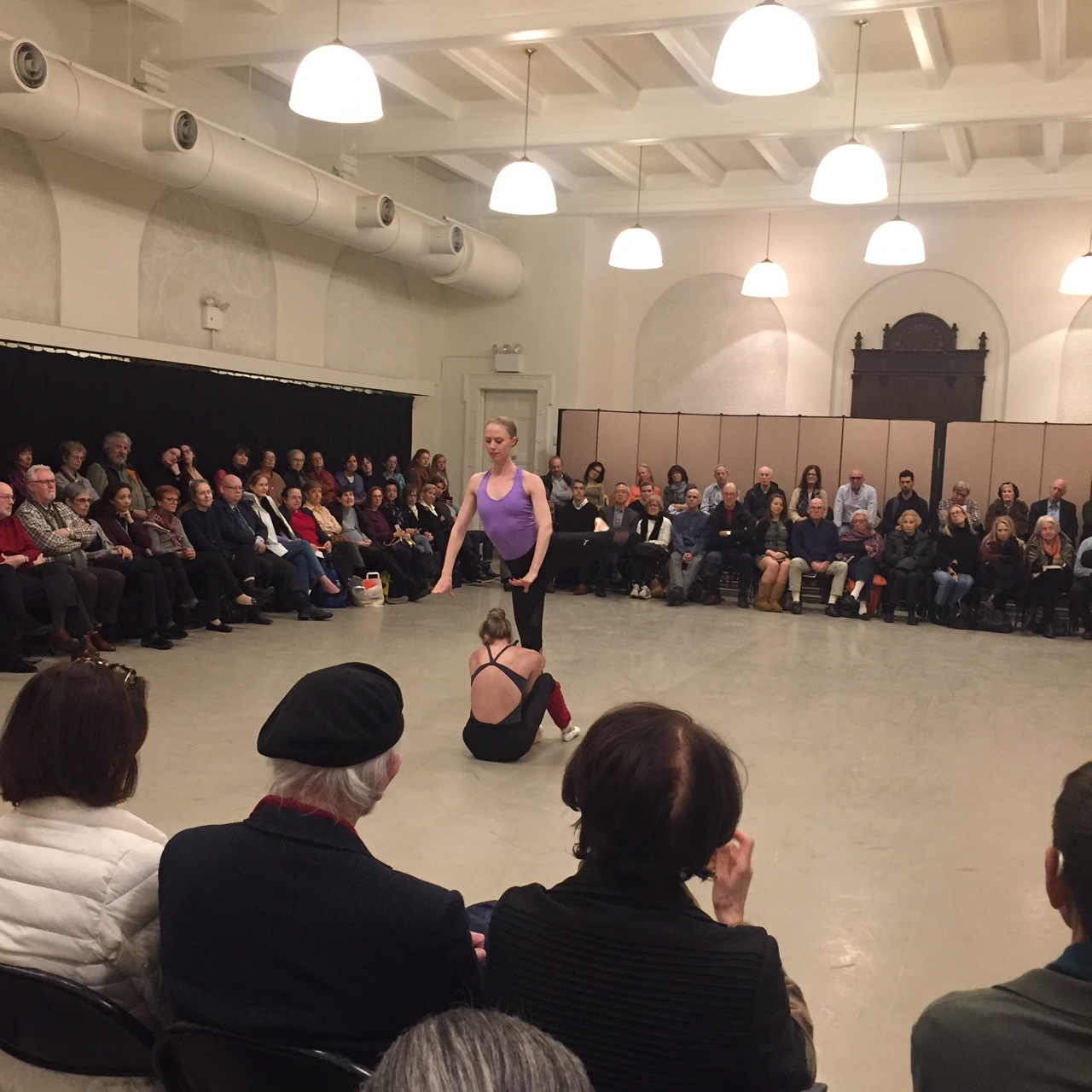
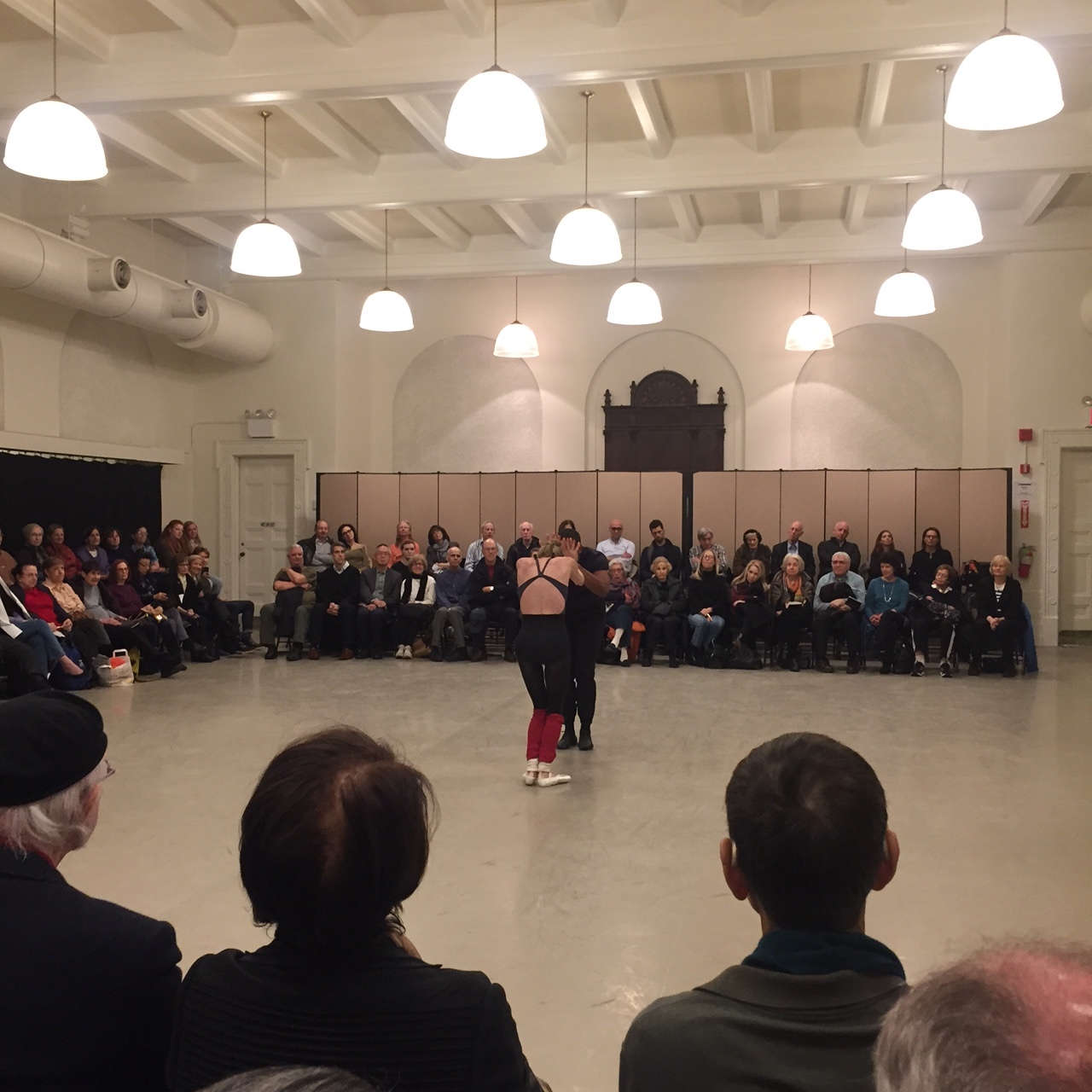
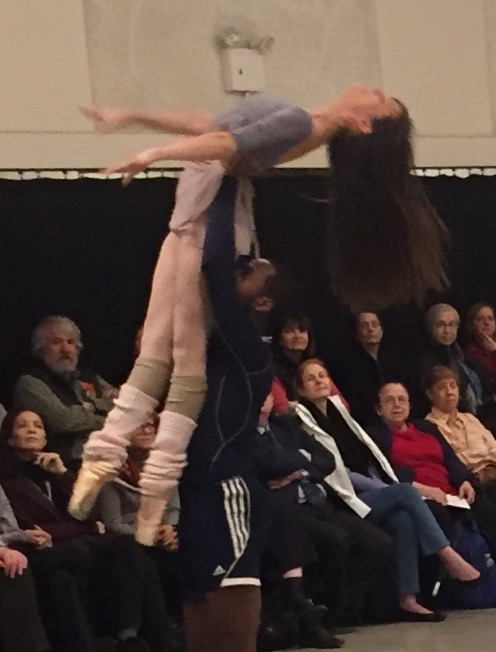
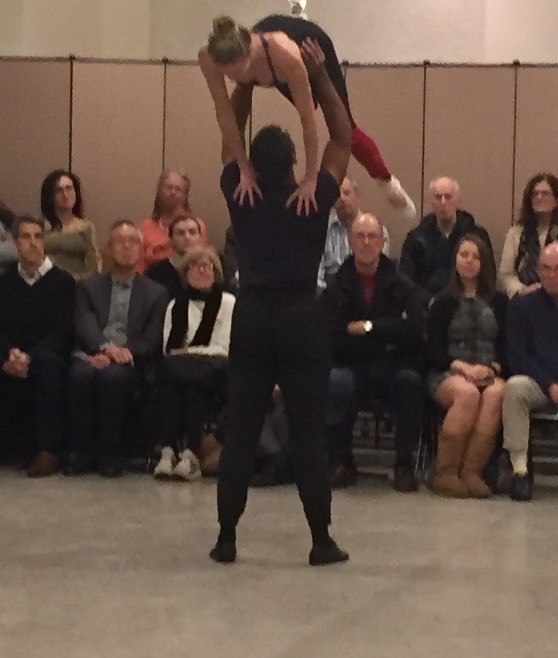
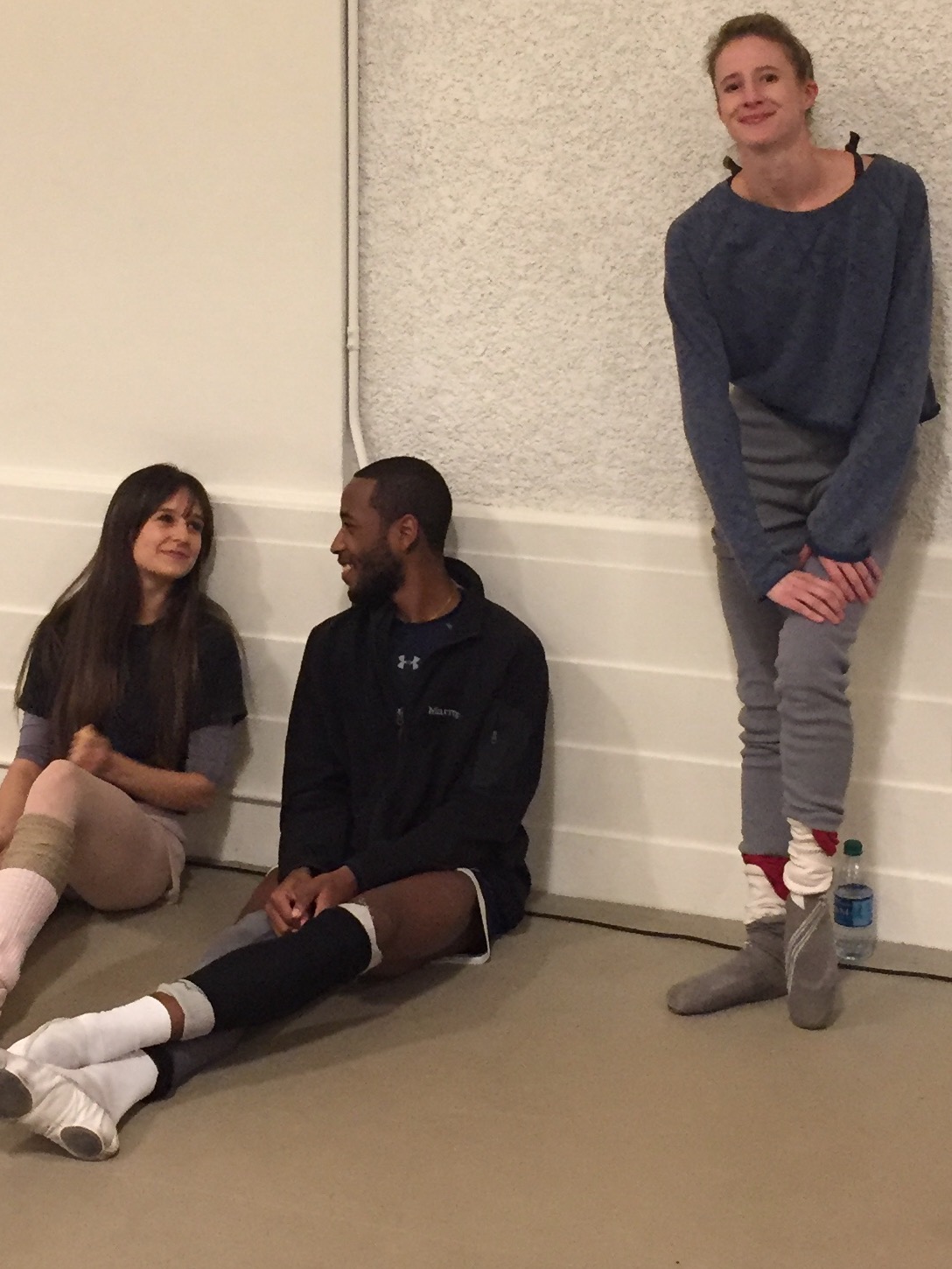
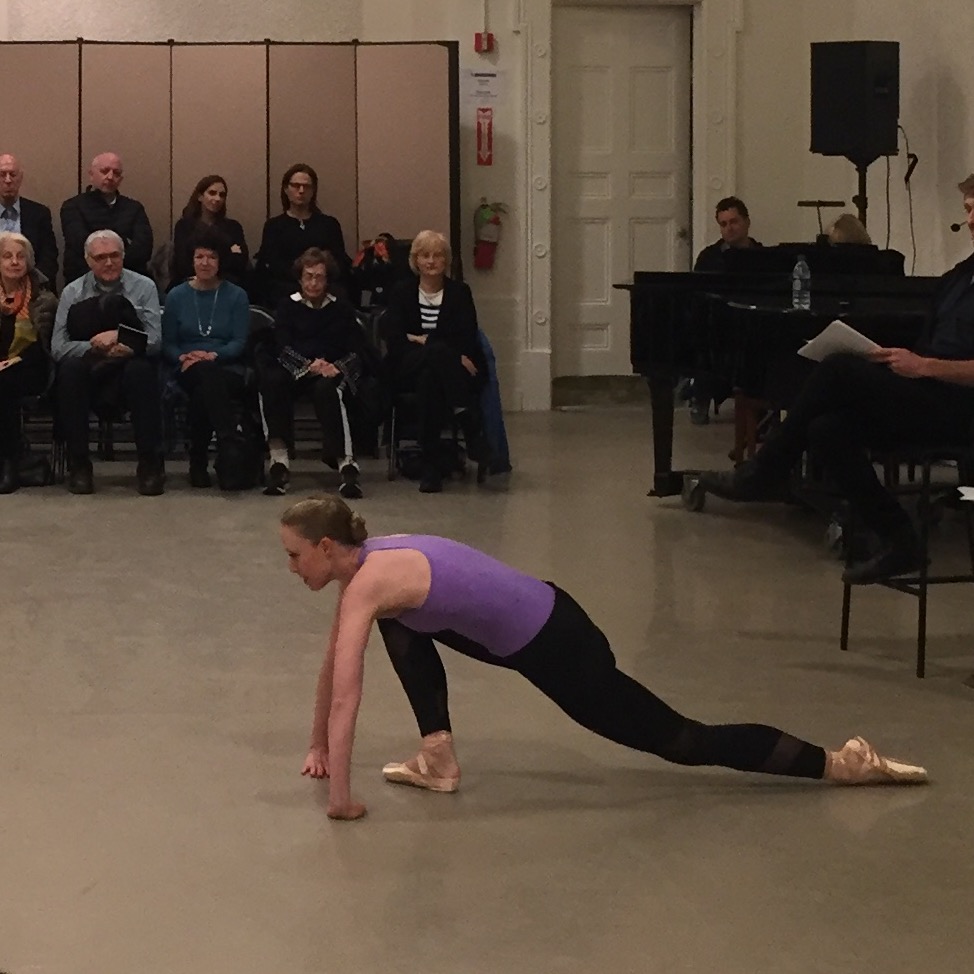
I am just this year discovering the City Center rewarding series Studio 5, intimate evenings that let you get up close to superior dancing and understand something of what dancers go through to prepare for a role.

In the last weeks they have focussed on Balanchine. Now, for two evenings, they are moving the dial to my favorite choreographer, Jerome Robbins. I’ve written extensively about his Goldberg Variations, to me one of the most moving and intricate ballets ever made.

Adrian Danchig-Waring, an NYCB principal, in what may have been his first outing as a speaker, needed an editor as he had over prepared his notes—distilled from the biographies and his own experiences— but what he had to say was meaningful. Robbins was a tortured soul: about his Judaism, his homosexuality, his politics, even his talent.

Robbins was not Balanchine, though a disciple. They both had Broadway in their bones, but Robbins made more of a serious career of it (Fiddler, West Side Story, etc). When he came to NYCB he wanted to learn from the master. But his powers of observation and gift for spontaneous though rigorous movement moved him up to be Balanchine’s equal (not everyone agrees with me on this).

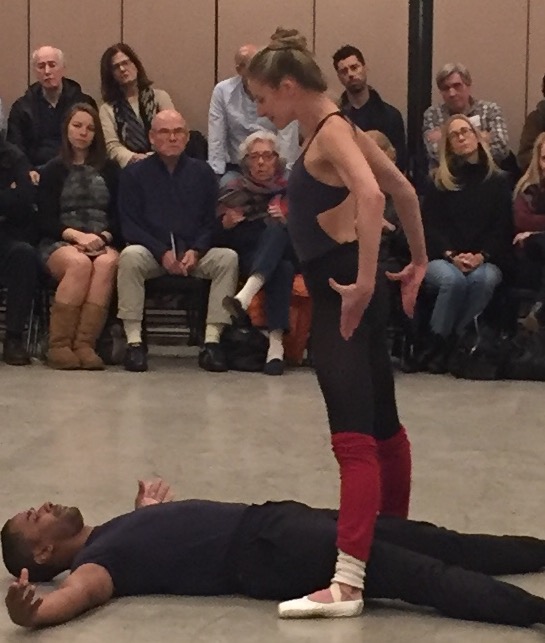
Craig Hall, Kennard Henson, Sterling Hyltin, Lauren Lovette and Teresa Reichlen performed two early Robbins masterworks: The Cage and Afternoon of a Faun. I do not like The Cage with its buggy, static movements and deeply Freudian themes though I recognize its being ahead of its time.

But having grown up seeing Allegra Kent and Jacques D’Amboise dance Faun at City Center I was thrust back into the memories of my first understandings about sex and dance and how they can be all mixed up together. This ballet set to Debussy is still one of the most erotic confections and also gives a glimpse of life in a ballet studio and its insistence on the mirror.
There’s another evening of Robbins on November 26.

In Fine Art Tags CIty Center, Jerome Robbins, Studio 5, Dance, Ballet

East Western Divan Orchestra proves detente possible

November 12, 2018 Patricia Zohn
CH1440629_Original.jpg
CH1440630_Original.jpg
CH1440631_Original.jpg

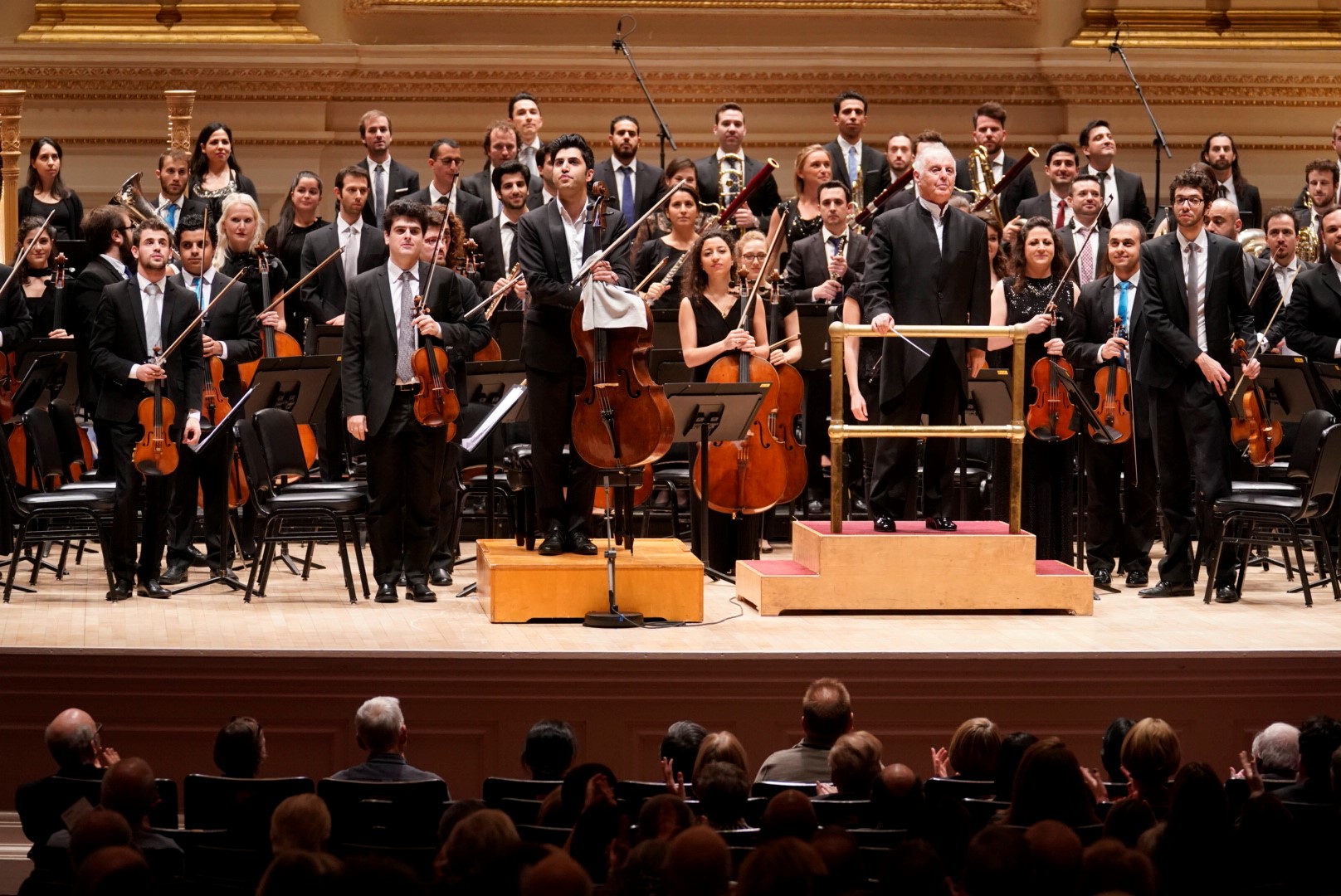
The West-Eastern Divan Orchestra though now based in Seville, Spain was founded in Germany after discussions between writer Edward Said and conductor Daniel Barenboim as a vehicle to promote interchange between Palestinian and Israeli musicians. My attention was first drawn to the orchestra last year in Berlin when I went to a concert at the new hall Frank Gehry has designed for the Barenboim-Said Academy.
 Daniel Barenboim has said,

 "The Divan is not a love story, and it is not a peace story. It has very flatteringly been described as a project for peace. It isn't. It's not going to bring peace, whether you play well or not so well. The Divan was conceived as a project against ignorance. A project against the fact that it is absolutely essential for people to get to know the other, to understand what the other thinks and feels, without necessarily agreeing with it. I'm not trying to convert the Arab members of the Divan to the Israeli point of view, and [I'm] not trying to convince the Israelis to the Arab point of view. But I want to – and unfortunately I am alone in this now that Edward died a few years ago – ...create a platform where the two sides can disagree and not resort to knives."

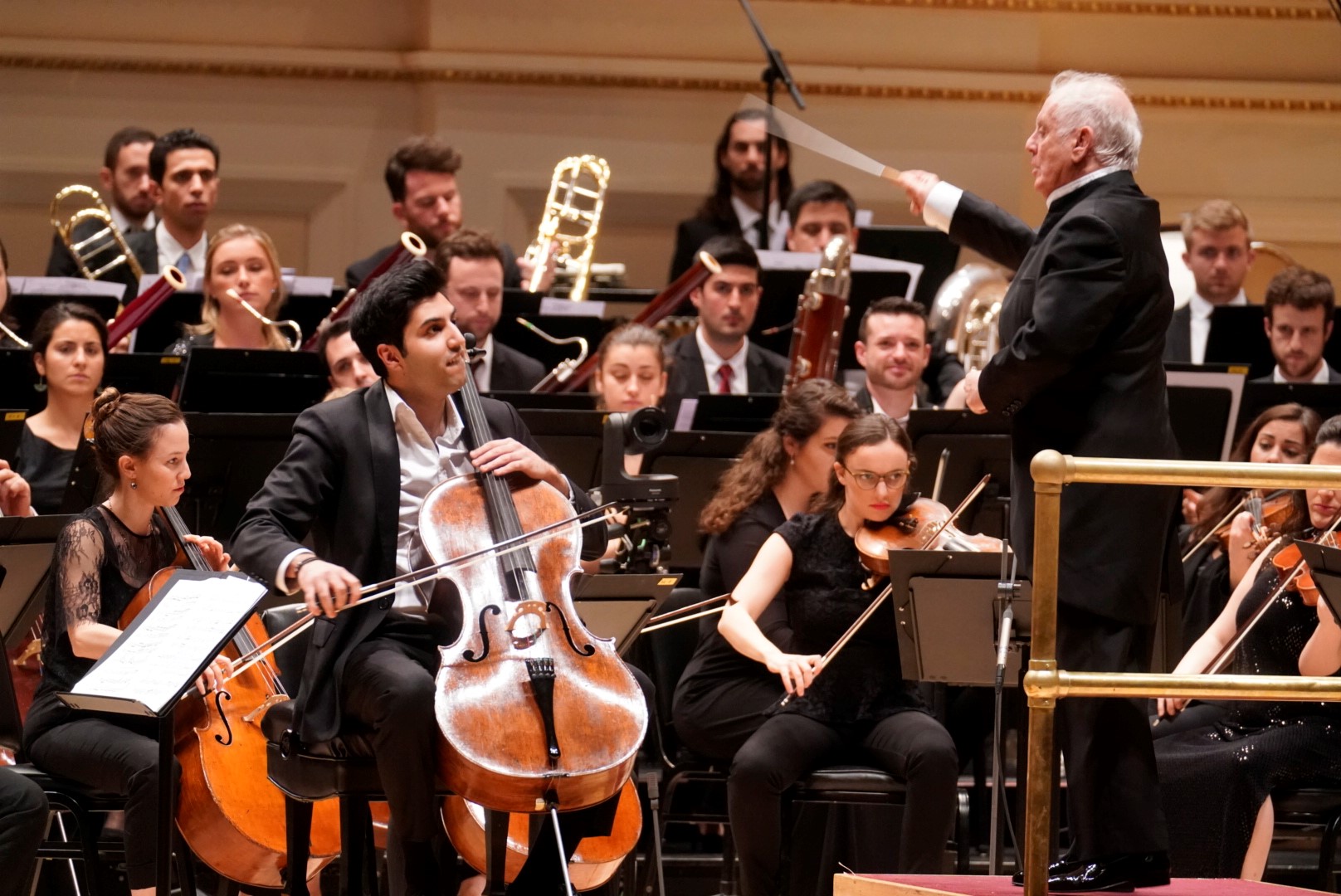
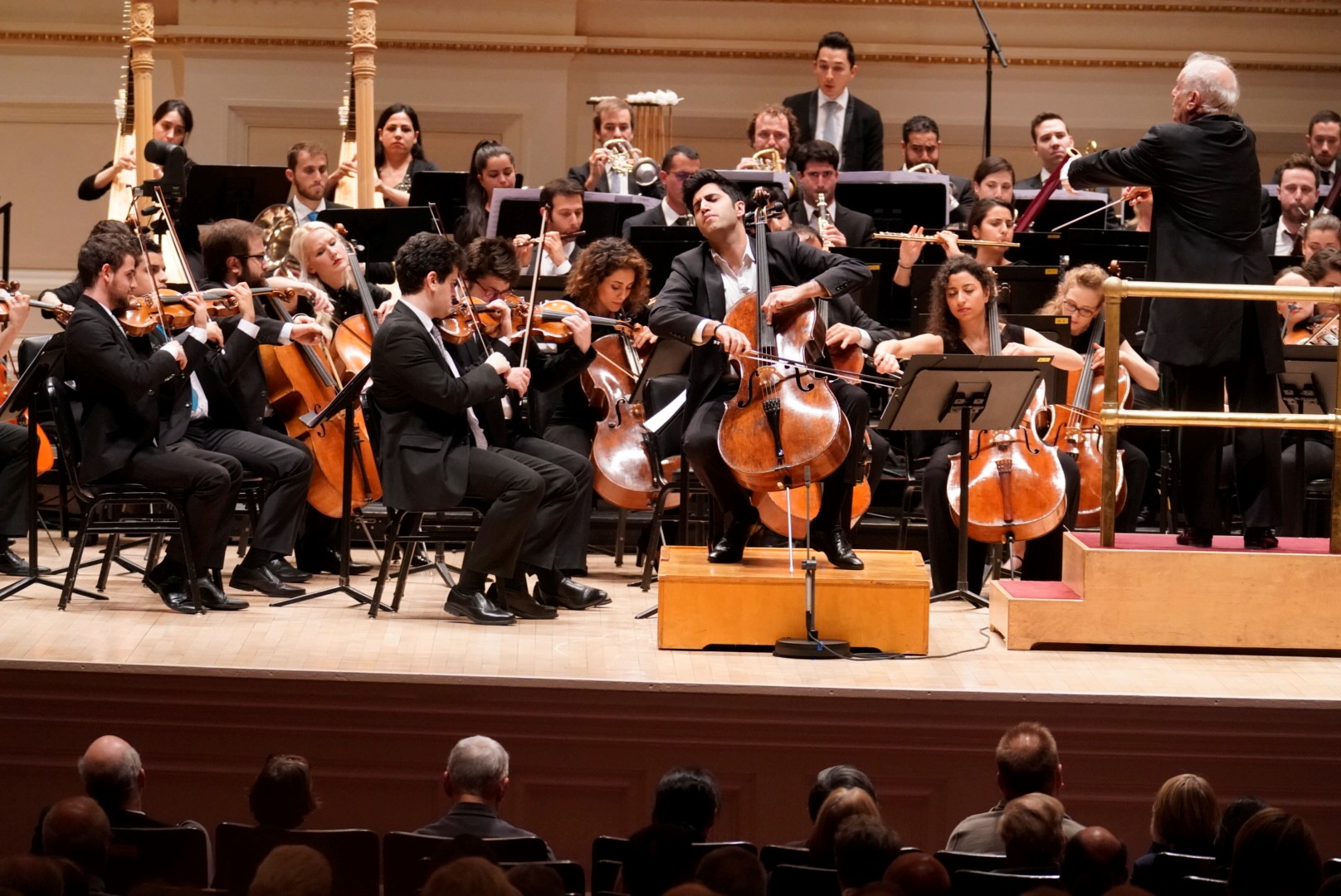
 I finally had a chance to catch them at Carnegie Hall last week, where much of this unique collaboration was on display.  The orchestra which now crowds even the ample stage at Carnegie Hall is a rousing tribute to music. The mostly young musicians were intent and dedicated in their renditions of Strauss’s Don Quixote and Tchaikovsky’s passionate Symphony 5, always an inspirational piece. 

 I first saw Barenboim conduct Brahms 2 at his home base at the Staatskappelle in Berlin, a legendary architectural confection.  He’s apparently a wonderful and warm person (see this 60 minutes story) and his style is self-effacing but electric.  He bows low to the orchestra in a kind of swan dive as he coaxes out what he wants from them.  

 I had an amazing seat behind Placido Domingo and across the aisle from Alec Baldwin, both passionate artists themselves. Domingo, also a conductor, nodded his head and air-conducted through some particularly engaging musical passages. Baldwin kept his head down after the more combative events of last week, but is to be commended. He is the voice of the NY Phil and supports the arts.

 Coming hard on the heels of the midterms and our own divided country displayed in such harsh relief the West-Eastern Divan Orchestra is a welcome example that getting close to each other means everything.  

Photo Credits: Chris Lee.

In Fine Art Tags Music, East Western Divan Orchestra, Detente, Orchestra
← Newer Posts Older Posts →