• Home
  • About
  • Writing
  • [Cultured] Pearls
  • Contact
Menu

CultureZohn

Street Address
City, State, Zip
Phone Number

Your Custom Text Here

CultureZohn

  • Home
  • About
  • Writing
  • [Cultured] Pearls
  • Contact

Notes on Seattle

April 1, 2018 Patricia Zohn
IMG_7418.JPG
IMG_7416.JPG
IMG_7426.JPG
IMG_7414.JPG
IMG_7413.JPG
IMG_7411.JPG
IMG_7431.JPG
IMG_7430.JPG
roule+cannelle-4.jpg

Like other west coast cities, Seattle is booming. It's not just Amazon that is creating new architecture but restaurants, housing, culture spaces and more. 

The Pacific Northwest Ballet headed up by the warm and welcoming Peter Boal has excellent dancers but they were in search of a better repertory program on the Sunday matinee I took in.  The William Forsythe Slingerland Duet was a tease for the longer work it had originally been part of, New Suite, and One Flat Thing, an early work Forsythe made on Ballet Frankfurt though gymnastic and complex seemed busy rather than soaring. The Perpetual State, a new work by Ezra Thomson felt dated and static, the corps performing robotically and symmetrically throughout the piece.  Red Angels by Ulysses Dove is the crowd pleaser from NYC Ballet's Diamond Project and it stands out for its dynamic dancing and fluid and upbeat rhythm.  Violinist Michael Lim accompanies the quarter with gusto. 

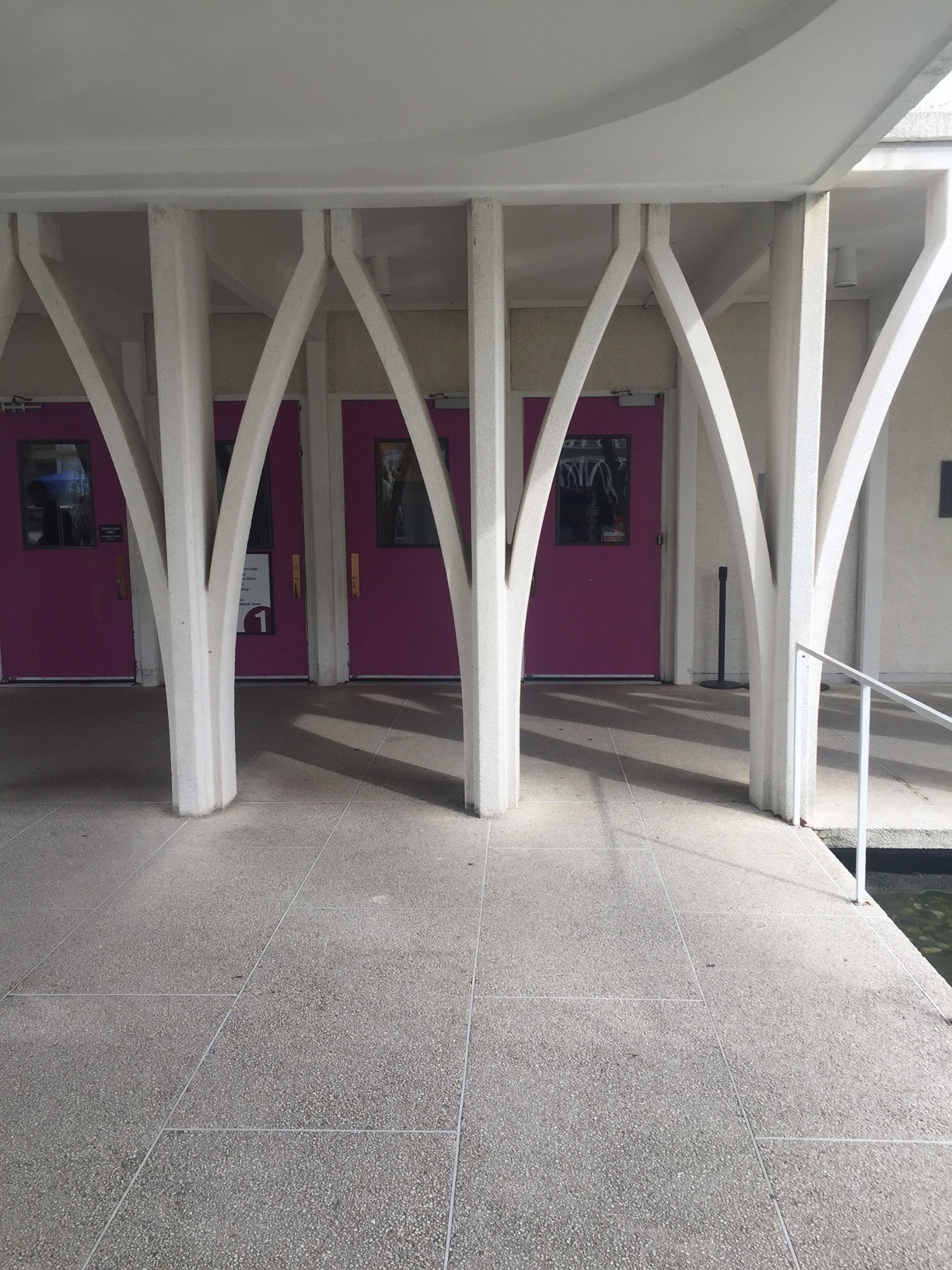
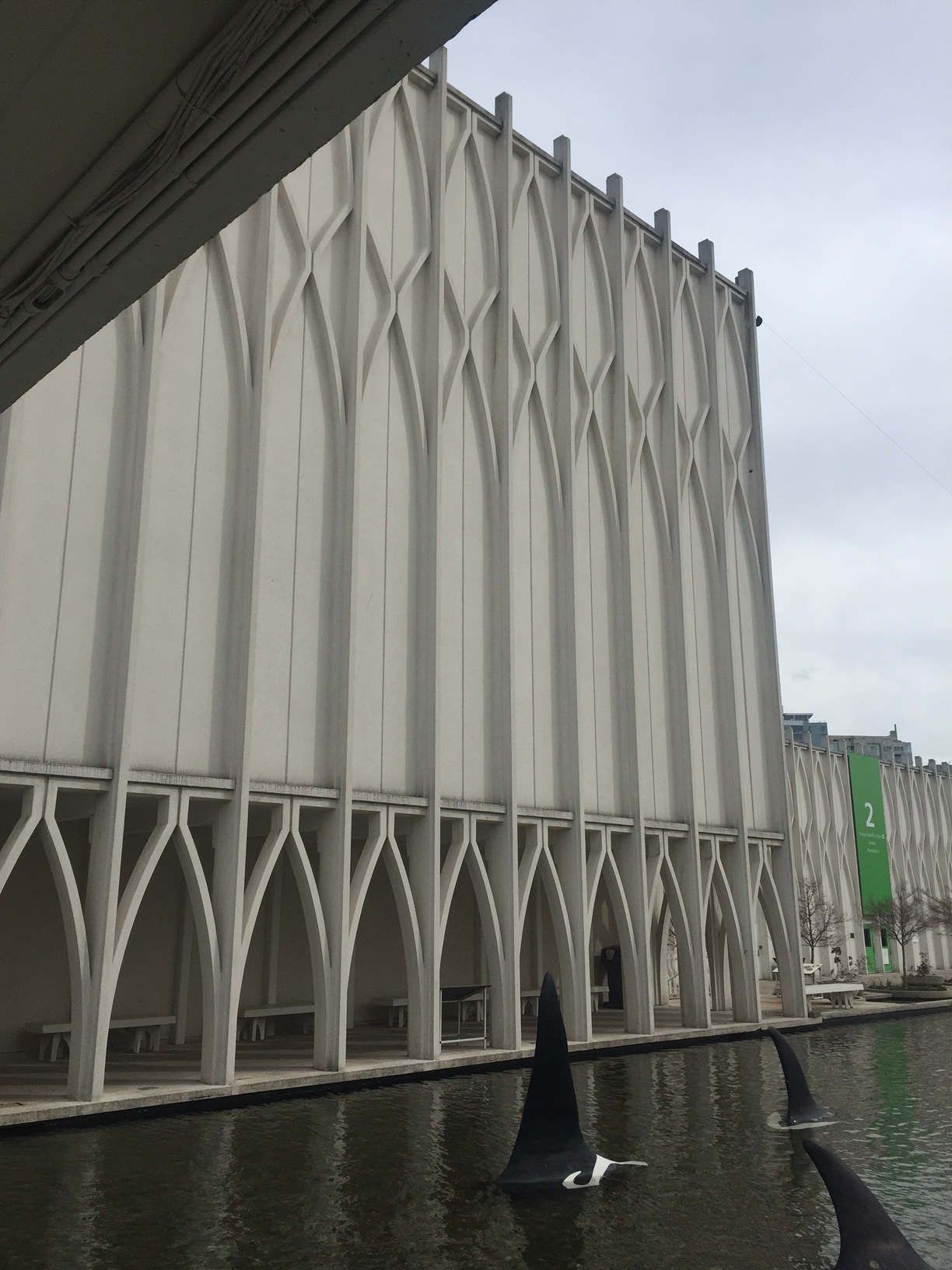
The Pacific Science Center, a sixties-era faux Venetian jewel leftover from the Worlds Fair near the Space Needle was filled with leftover marchers from Saturday's anti gun rally and felt particularly busy and happy after the more solemn march, as children younger than the Parklanders made and launched rockets and learned about physics and bioengineering etc from the U of Washington grad students who were placed around strategically to impart a little science along with the exhibits. This is a great collaborative program and should be copied everywhere. 

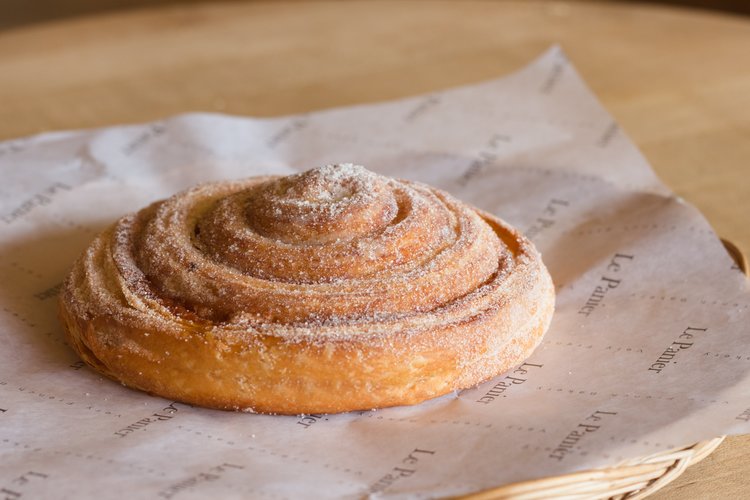
The Pike Market, the mother of all urban farmer's markets is now a bit too shiny for my taste but some things do still taste very very good, in particular the roules cannelles from Le Panier. 

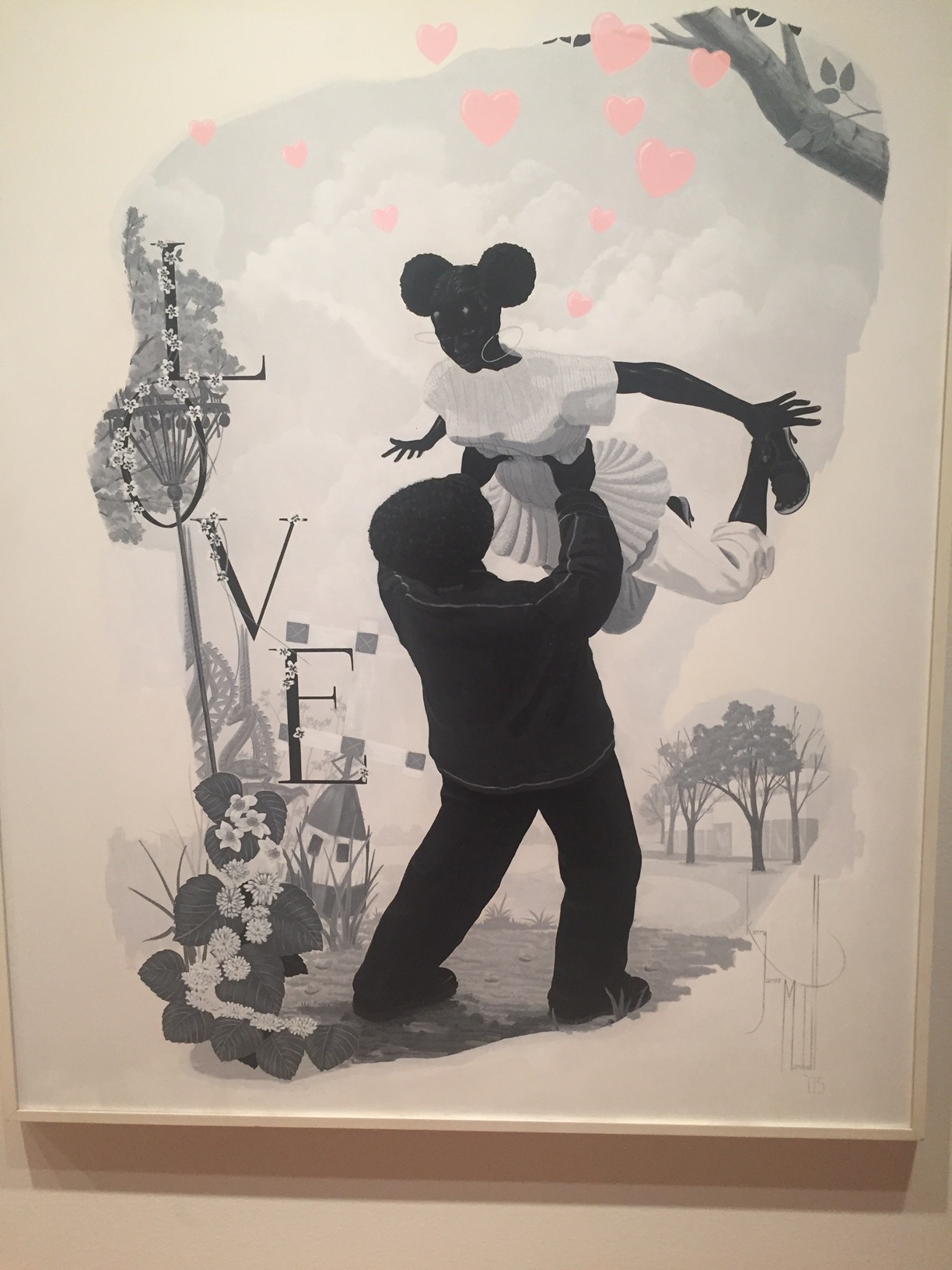
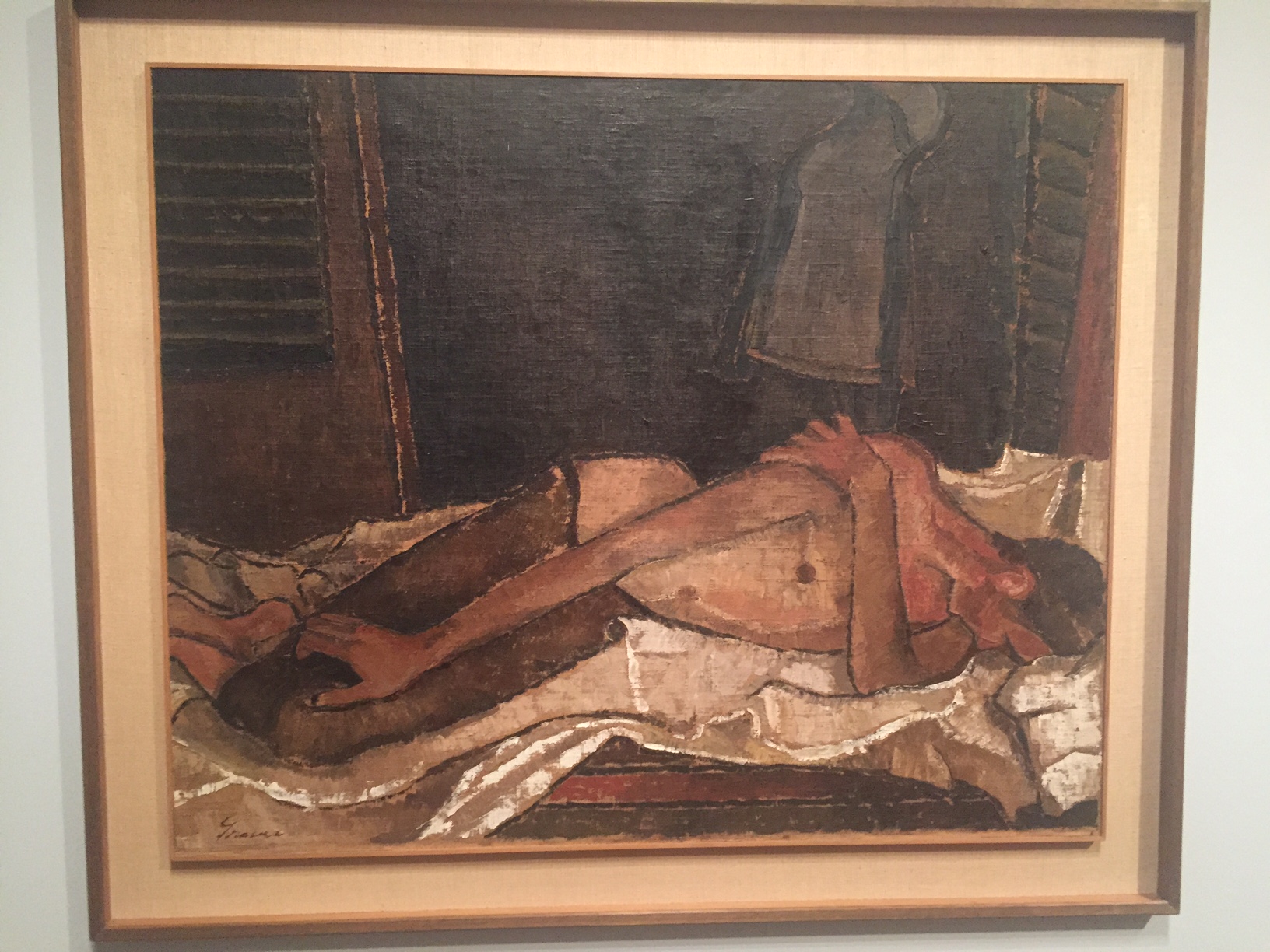
I always like the Seattle Art Museum for its careful curation of its permanent collection. I learn something new each time I'm there from the rotating selection of works, and this time, a special exhibition of Kerry Marshall, Robert Colescott and Mickalene Thomas allows these superstars to become even starrier in juxtaposition with one another.  Marshall's latest work (post the MoCA show) continues to be rich and rewarding. He has done a series of riffs on Fragonard I found particularly engaging.  

Postscript: Joseph Pereira interview at LA Phil Intermission

March 27, 2018 Patricia Zohn

A few months ago I wrote about this marvelous collaboration of the LA Phil percussionist Joseph Pereira and Maracaz for his new work, Threshold.  Please see the new video of how it all happened. 

The Marciano Art Foundation: a Masonic temple becomes a temple to art

March 14, 2018 Patricia Zohn
IMG_7365.JPG
IMG_7366.JPG
IMG_7367.JPG
IMG_7378.JPG
IMG_7379.JPG
IMG_7371.JPG
IMG_7380.JPG
IMG_7370.JPG
IMG_7369.JPG
IMG_7363.JPG
IMG_7364.JPG
0Y6A2373.jpg

All these years I’ve been driving by this immense white elephant of a structure on Wilshire Boulevard wondering what was inside.

Now I know. It's become the Marciano Art Foundation Building a/k/a the Scottish Rite Masonic Temple.

And it’s marvelous.

I hesitated before going because from what I had read, it had become just another, yawn, private museum.

But the Temple, 1961, from SoCal native artist/architect Millard Sheets was, is, a wondrous thing and to the immense credit of  Paul and Maurice Marciano, a/k/a Guess, it has been revamped to house their contemporary art collection.

How successful have they been?  

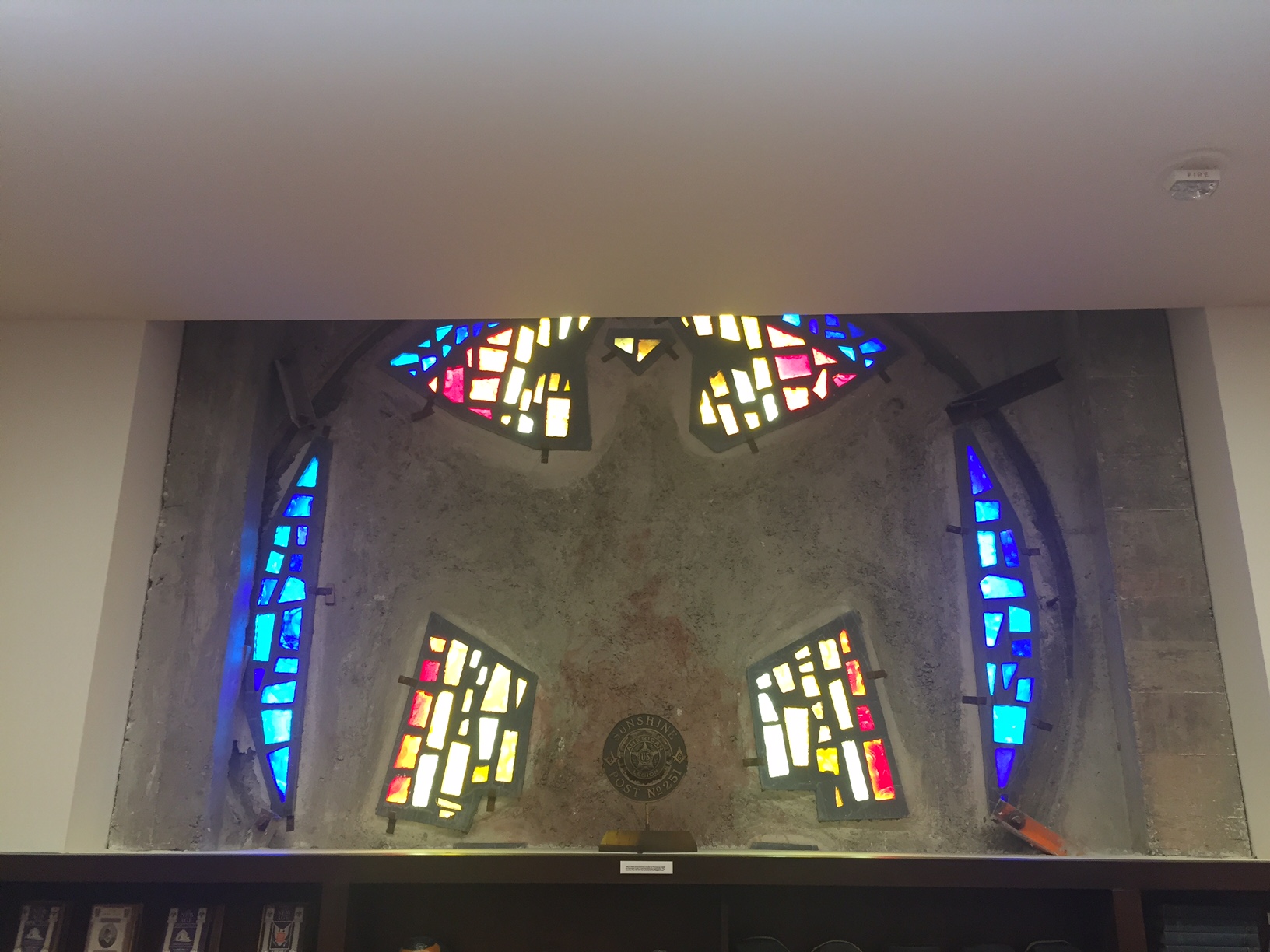
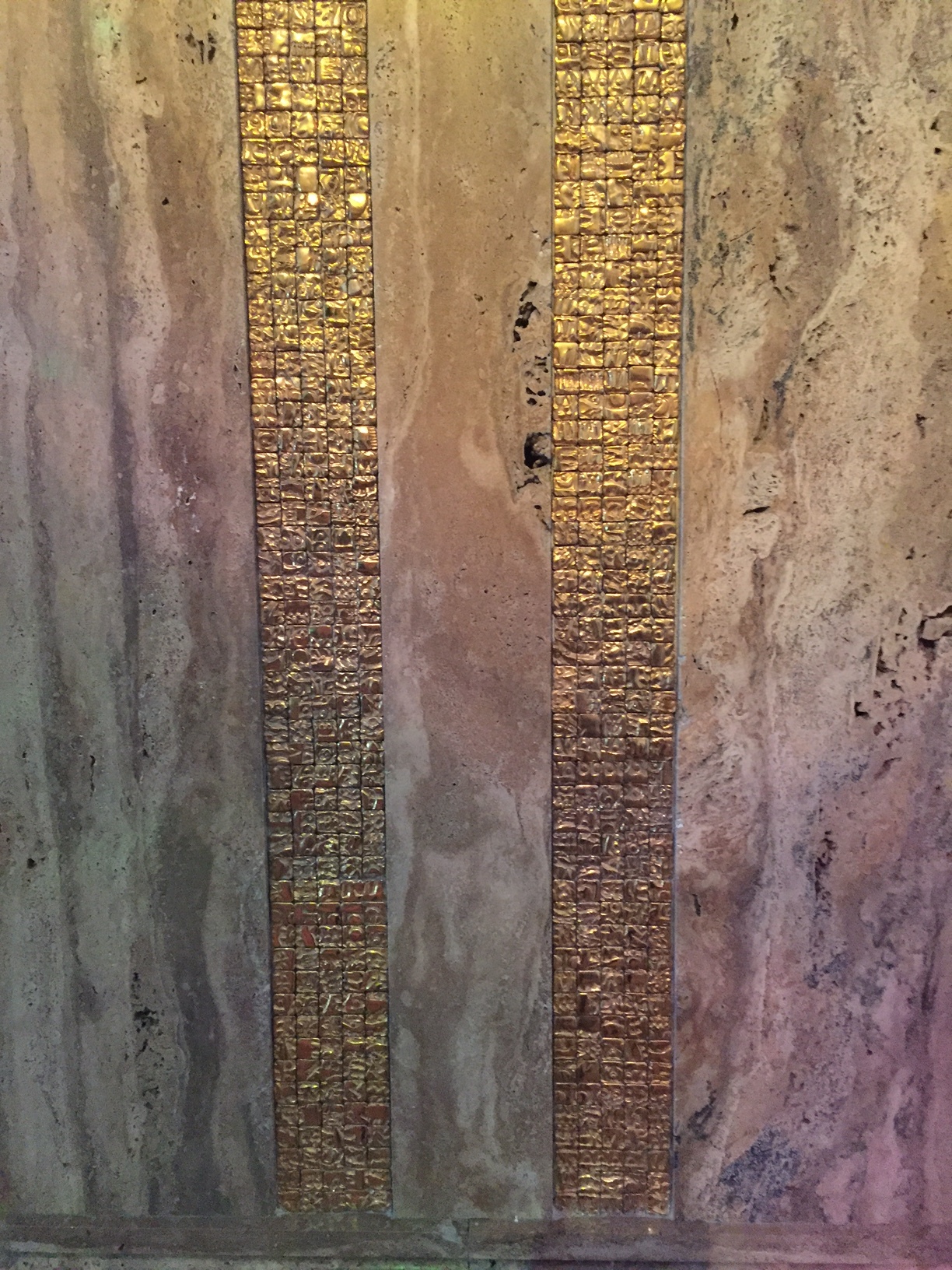
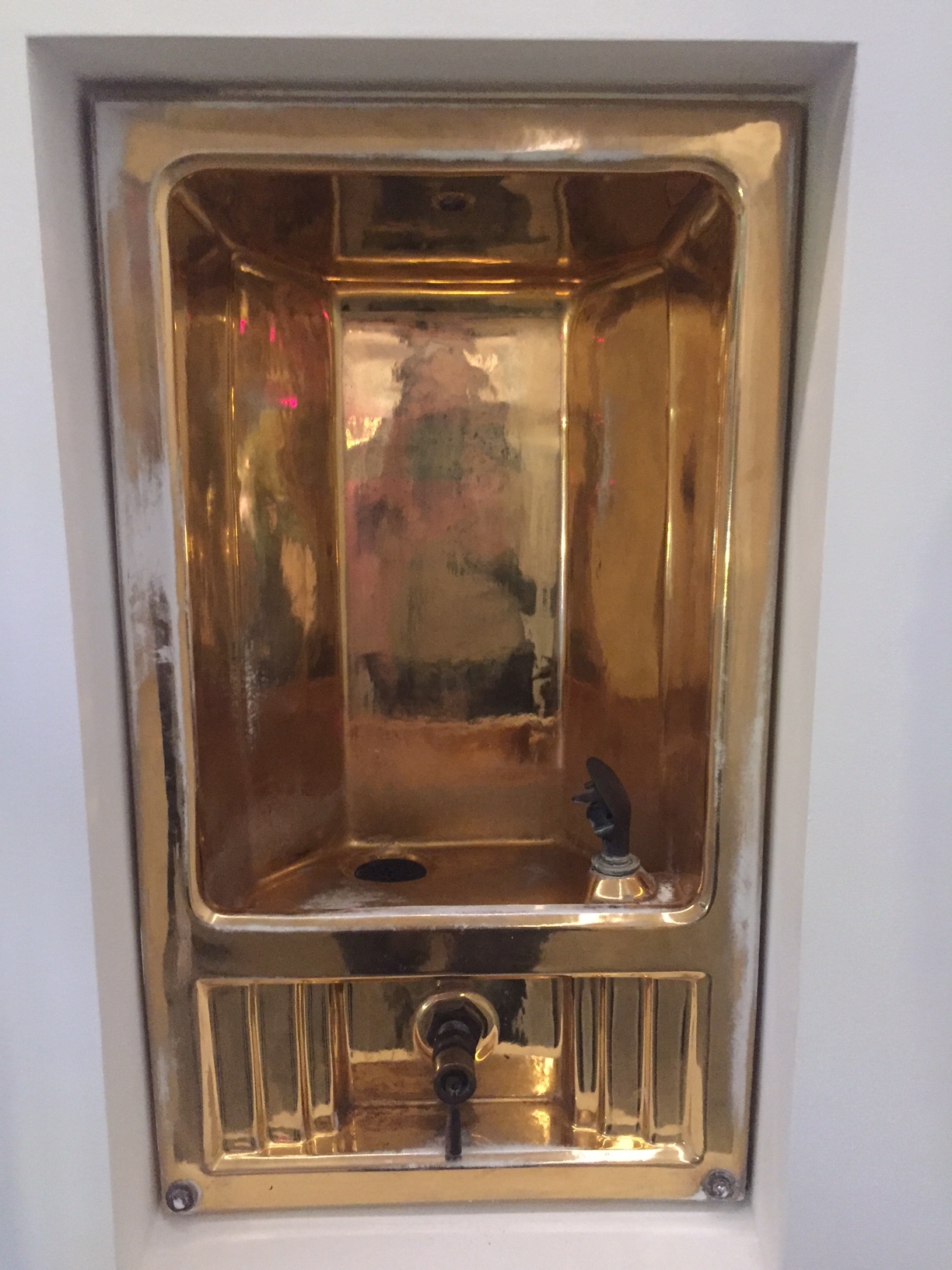
First the architecture:  Luckily, Kulapat Yantrasast of wHY Architects left enough of the raw material so that we can see what ‘splendor’ meant in 1961. It is hulking, marble, adorned with over-the-top Albert Stewart statuary of Masonic figures, gold wall tiles, gold drinking fountains, ambitious mural work, multi-colored flooring, everything we associate with Los Angeles. Why it’s a miracle that the gold Oscar statues are not also on display. (Bisazza—the closest thing in contemporary tile, should come and have a look and license these.) And now that so many of the buildings from that era are at risk, (e.g. , the Ahmanson pavilion at LACMA with which it shares some stylistic flourishes), we need to embrace what is left of our paltry architectural heritage here in LA and applaud those who see the potential. Christopher Hawthorne, our new design czar, take heed!


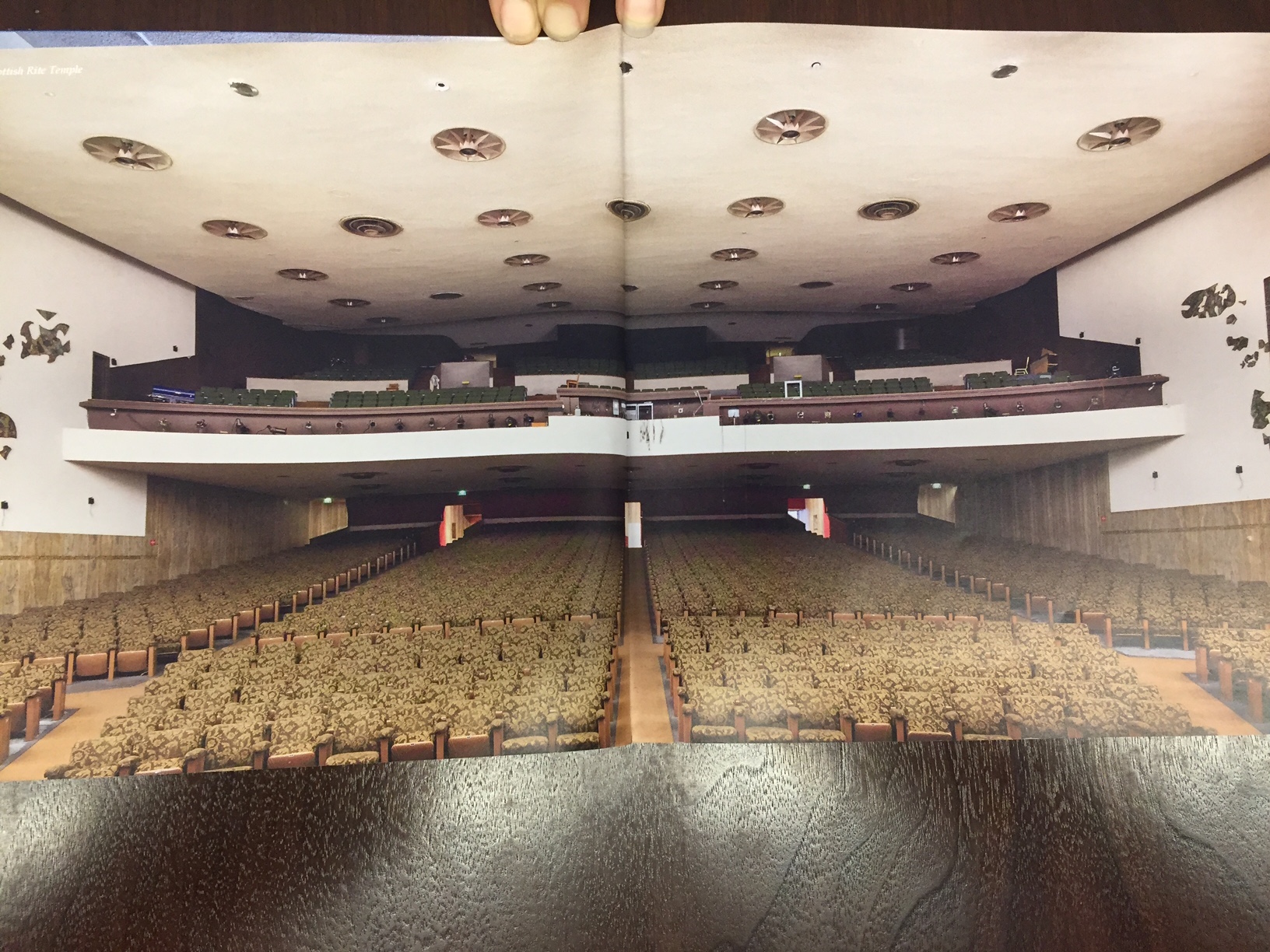
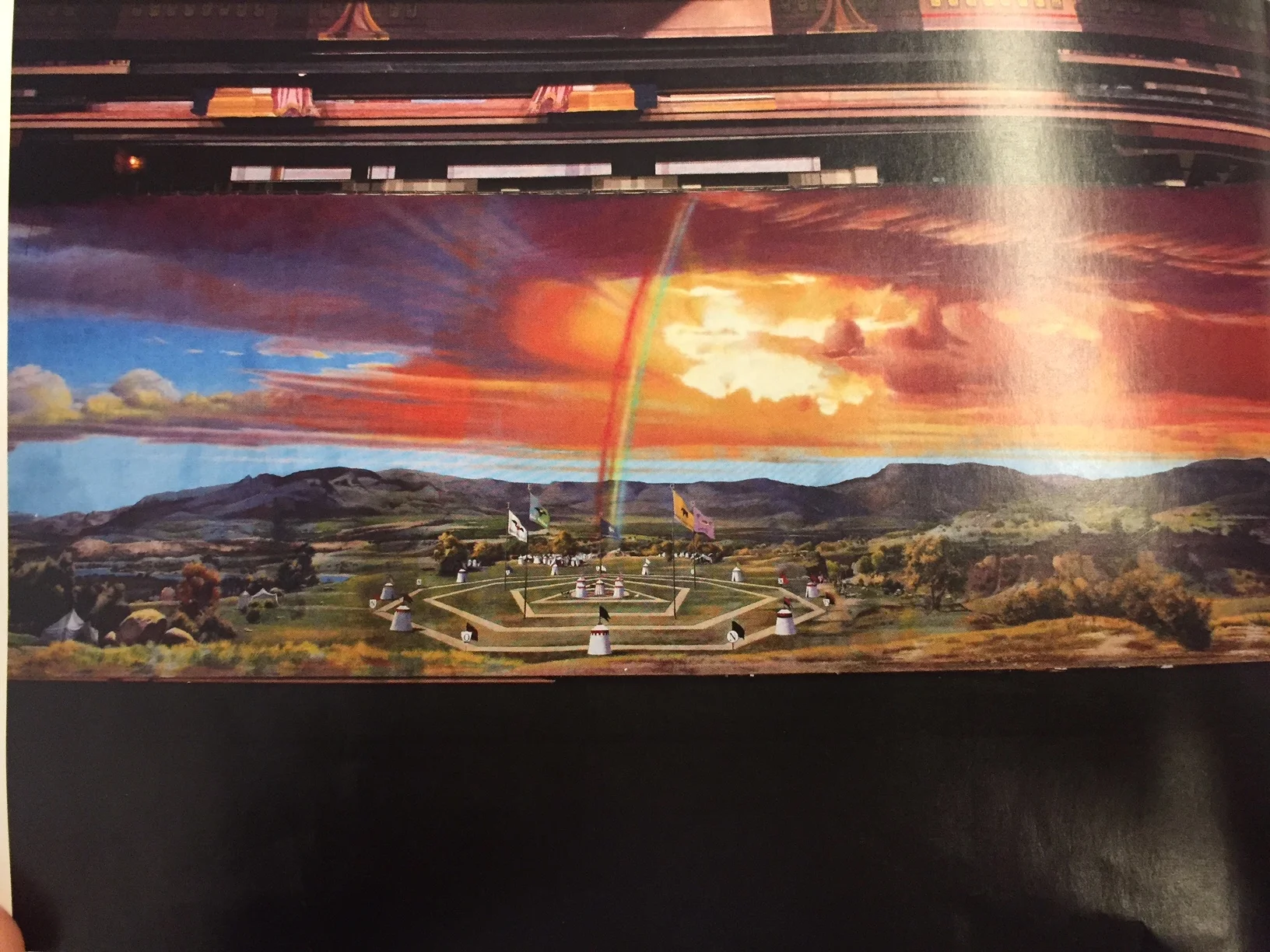
I am sorry I missed the opening Jim Shaw show which contained a number of scrims that the Masons had used for their high/low performative works that showed off their magical thinking. Alas, a curator actually allowed Jim Shaw to paint over them in his work. Shame! Also a shame that what looks to have been a very appealing theater where the performances were held was torn down for fashionably large art installations. But ok: this is an art space not a theater space. Still, I long to program a series of dance performances that utilize these amazing backdrops which are being stored somewhere, at least that.

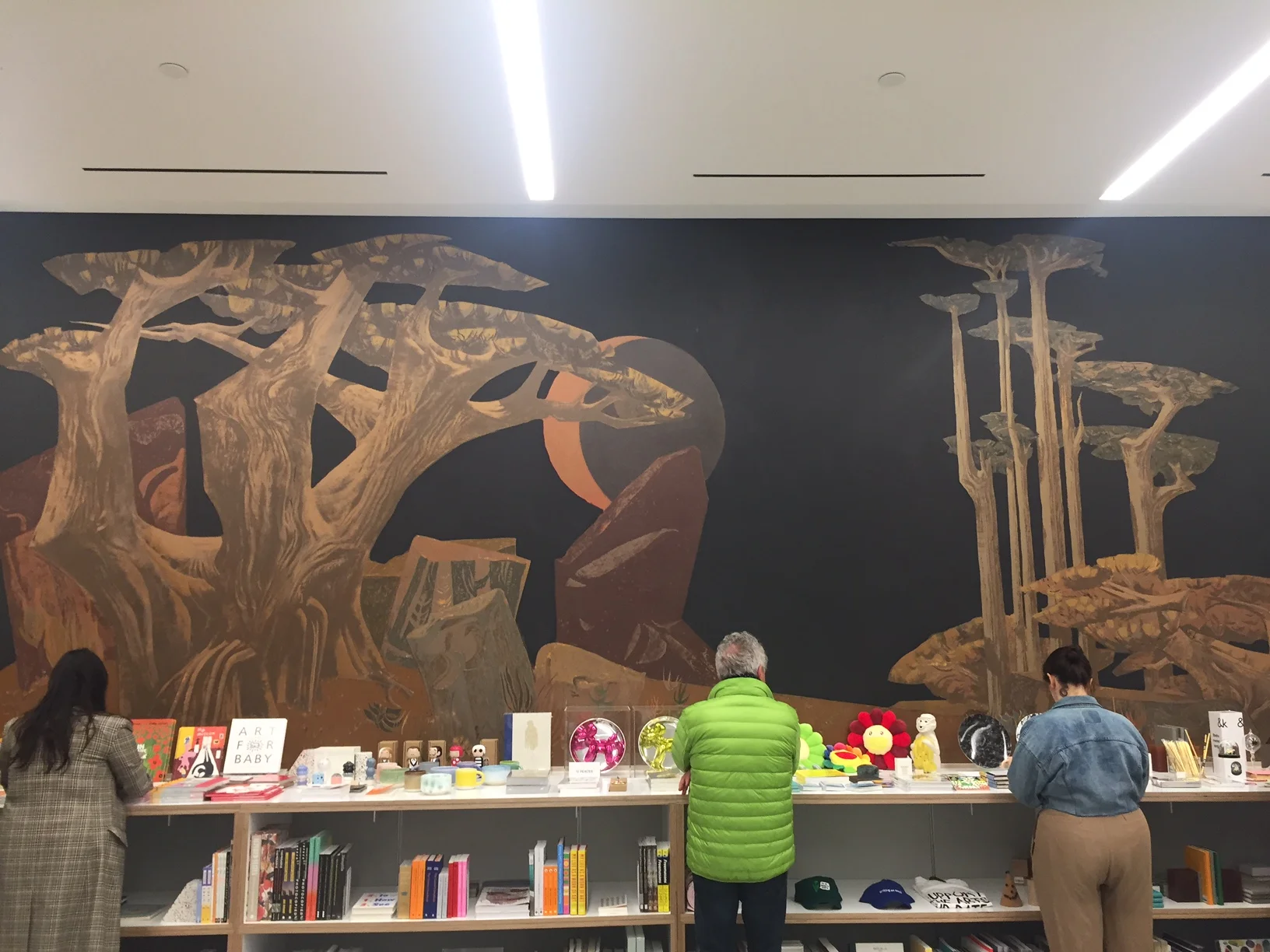
Another problem:  A large, freestanding wall has been built at the end of the permanent galleries totally obscuring the amazing Millard Sheets wall-sized mosaic behind, next to which the big, pretty art in the room rather pales. Maybe that was intentional. 

Which brings me to the art: it's pretty. Some of it is accomplished, the names are right. But in this big gallery space, it all begins to meld. It's colorful,large-scale, patterned and in the end the artists are not served by being hung in such even proximity to each other.  It leaves you with the feeling of a big meal, but not an especially refined one. If the Broad is blue chip this is potato chip. Eating but not dining etc. 

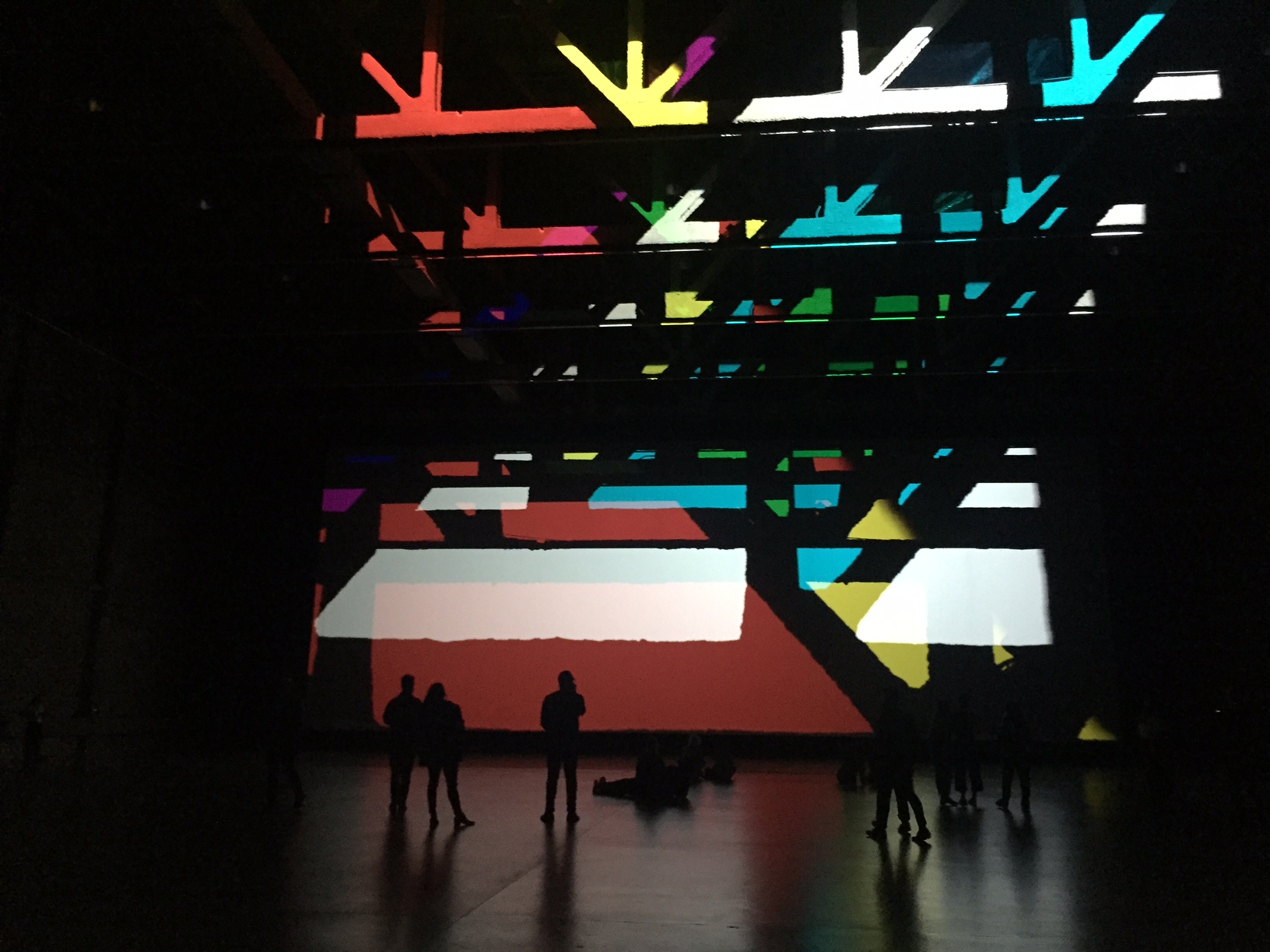
Currently into the vast former theater space is Olafur Eliasson's Reality Projector. I admire Olafur Eliasson, and his work, and his big thinking, but this is not his best piece and instead comes across as something that would have better re-purposed as an Anni Albers-style tapestry or a Frank Lloyd Wright designed fabric as it resembles them both. 

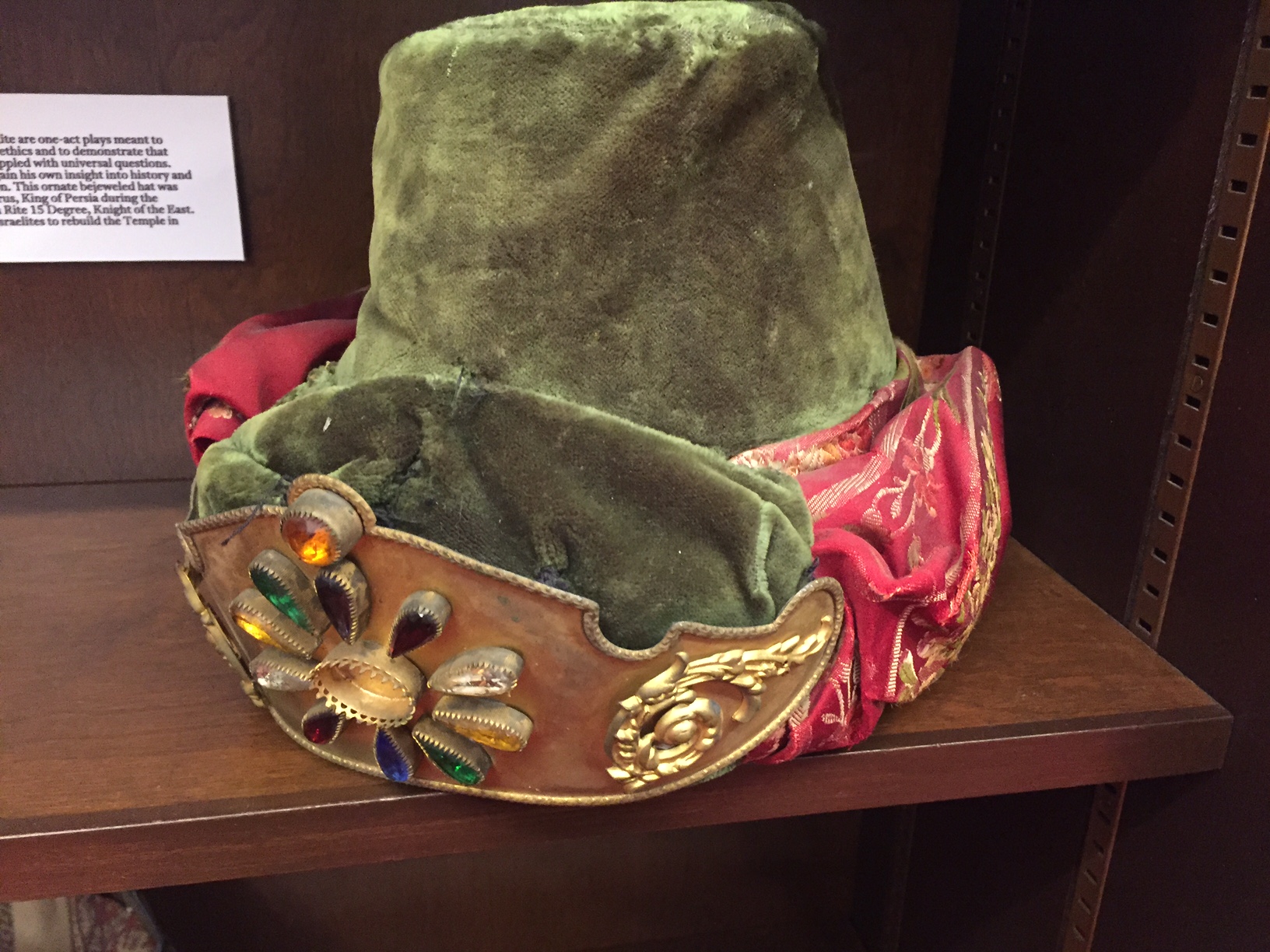
The Marcianos have been wise and created a library filled with Masonic literature, memorabilia, clothing, and explanatory material.I remembered that Mozart, Cecil B. DeMille, Louis B. Mayer, Darryl F. Zanuck, and Walt Disney were Masons.  It’s a rather diverse list combining youthful 17th century composers, gay 20th century directors and autocratic studio owners. 

I think there is something in the all-male, secret society Mason thing that may have spoken to the Marcianos. From their very own website,

“The great appeal of the Scottish Rite Temple might have been the freedom men felt—among their “brothers” and within the “safe spaces” of the lodge where all were sworn to secrecy—to rid themselves of the restrictive one-dimensionality of conventional public demonstrations of masculinity.”

As brother Paul has recently been accused of being something of a not-so-secret sexual predator, they might want to re-think this text. 

Nonetheless: Bravo to the Marcianos for thinking big and saving us from yet another loss.


#MeToo Round One: Carolee and Judy show sisterhood at its most original

February 26, 2018 Patricia Zohn
10_Carolee Schneemann Eye Body.jpg
JuC_working_on_PowerPlay_at_Shidoni_Foundry_Santa_Fe_1986.jpg
3_Carolee Schneemann_Meat Joy_1964.jpg
BOWERY_INSTALL-04.jpg

Forgive me if I call them by their first names. Carolee Schneemann and Judy Chicago. They may be fed up with being linked.  But it's impossible to see the shows at PS 1 and the Brooklyn Museum and Salon 94 without making the connections both to each other and to our current feminist moment. They represented sisterhood, and women's liberation, terms that fell out of favor, but seem to have been reborn, at least partially, in #MeToo. 


 Born exactly the same year, 1939, often lumped together as second-wave feminist leaders and first-wave feminist artists because they were so bold, there were still differences.  Like Schneemann, Chicago was interested in the body but Chicago did not privilege the erotic or her own body in a performative practice, though she also has been interested in the birth process and in the sources of male power.  Both had a reverence for the first wave feminists, Mary Wollenstonecraft, Virginia Woolf et al.   


Schneemann said at the outset she was interested in undoing the separation between painting and life, and used multidisciplinary interdisciplinary art forms-- dance, theater, music, visual art, etc-- to get at the question, “ Can I be both an image and an image maker?"


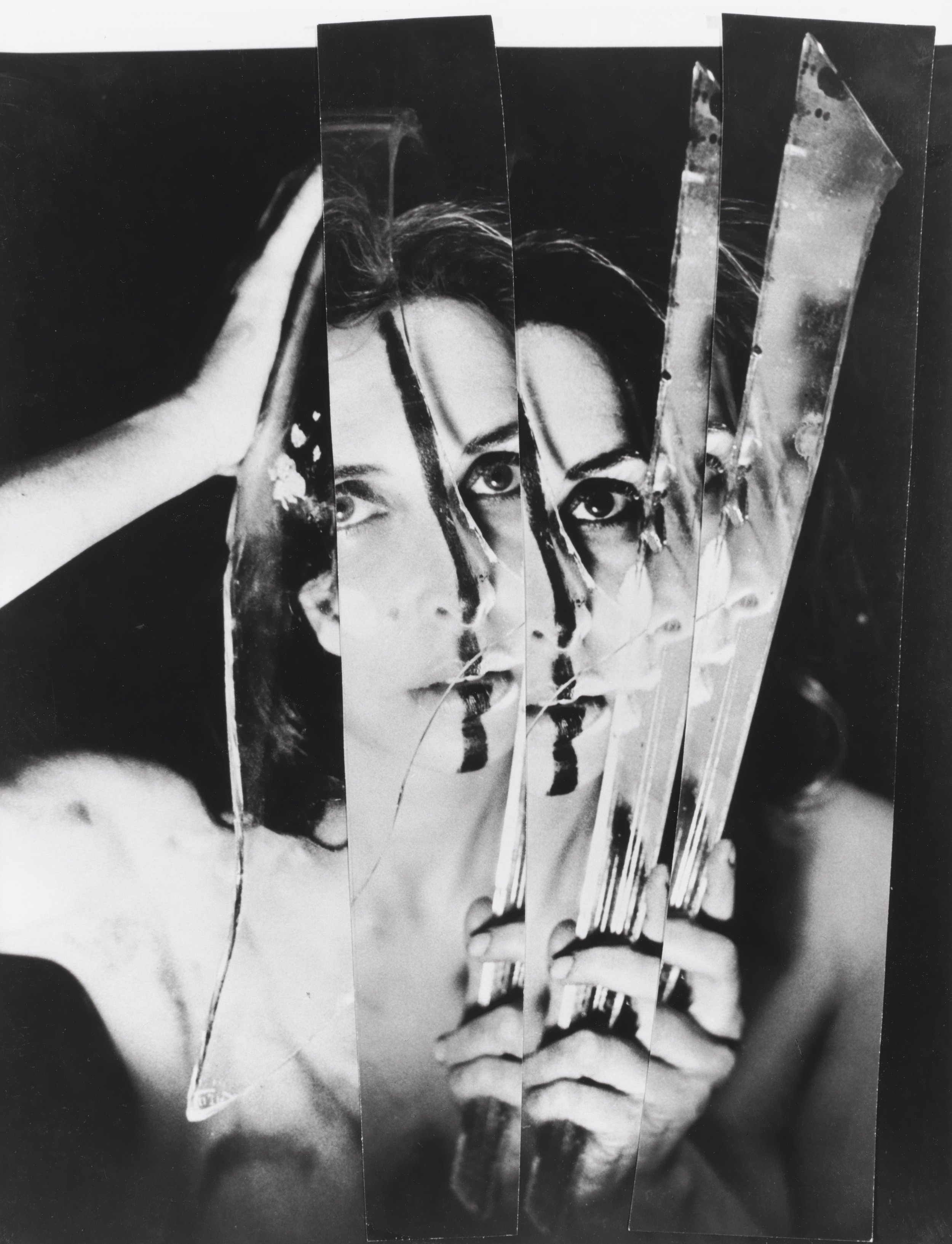
She had no fear and also no modesty.  She literally threw her whole body into situations—although with a great deal of forethought and planning--and waited to see what the consequences of her actions might be.  Fire, rope, film, menstrual blood, internal scrolls that she withdrew from her vagina, these were just tools to get at the truth even though she always thought of herself as a painter.  But she wanted to take painting beyond the canvas and substituted her own body and the bodies of others as brushes to make her mark. In the beginning there are the traces of de Kooning and Rauschenberg in the work but pretty soon it is all Schneemann. And having just seen the Gunter Brus show in Vienna, (born 1938) we see that Schneemann wasn’t alone in using her body as her primary arsenal.


An interesting factoid: In art school, she was allowed to pose nude for the male artists in her class but not to do a nude self-portrait. She was always rebellious, dropped out of high school, and made one of the first art films that was simply a very tight shot on her own heterosexual sex act with her partner from different angles—also the cat’s--her constant companion and alter ego.


Meat Joy, which was once characterized as ‘Ab Ex meets Busby Berkeley’ was an early performance piece. “Only I knew the destination but they would discover it for themselves,” she said of its participants who also included Dorothea Rockburne. The names of the groups and the performers and creators pop out at me like way-stations: the Living Theater, Judson Dance Theater, Stan Brakhage.   Just like vintage fashion, with vintage feminism, everything old is new again.


Still, when critics --and even the artists themselves--depend so much on theory and start throwing around terms like ‘ intersubjective interdependency’(from the Schneemann catalog)—completely echoing a base in the theoretical as much as any Abstract Expressionism, a movement they theoretically had put aside, my eyes glaze over. When I am spending more time looking at wall labels then on art, I know I am in a realm that feels artificial. 

But I came away from all of these shows respecting these artists and their resistance to male-dominated imagery and I was newly impressed how ambitious and original these women were.

This brings me to the fact that neither of them has biological children (Chicago says she could never have had the career she has had with children), but they have many artist-children and acolytes. In those earlier days of feminism, it seemed to be either or.  You had to commit to artistic practice or piano practice there wasn’t an in between. It's a subject that interests me as I see the divergent lives of my friends with children and without. 

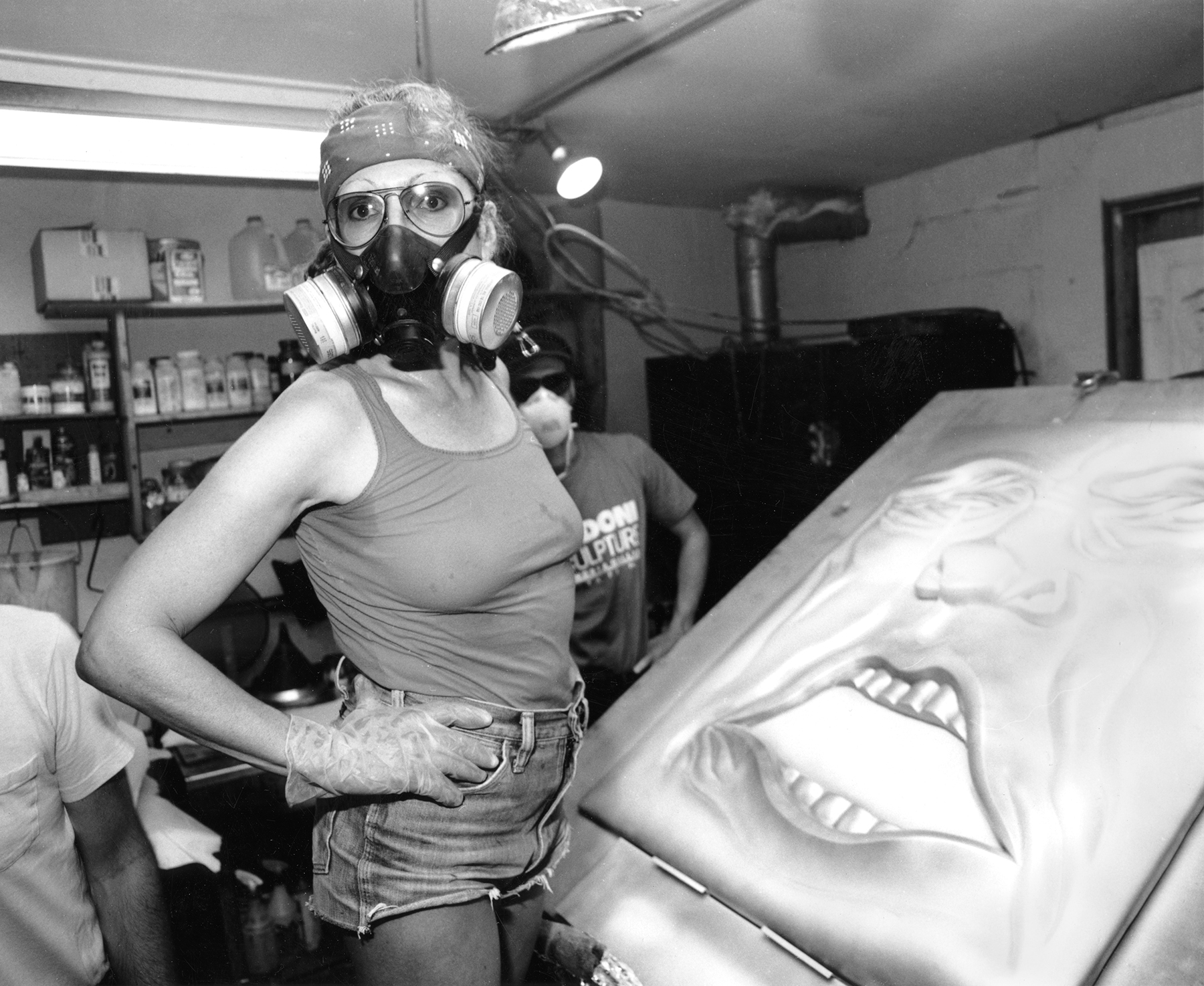
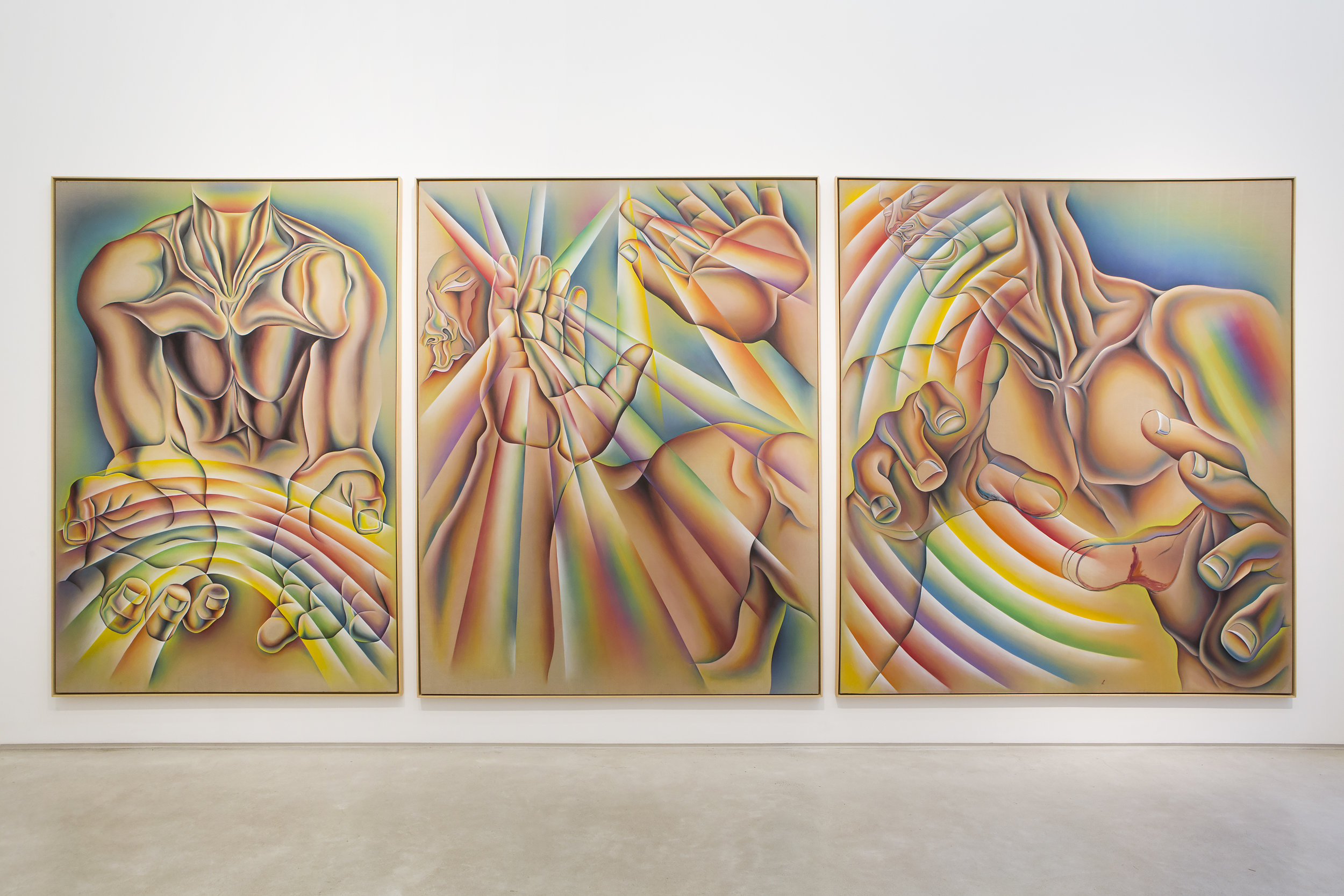
After The Dinner Party and the The Birth Project, Chicago wanted to turn the tables on the male gaze. Power Play, at Salon 94 Bowery, works from 1982-7 does so with gorgeous air brushed imagery of men in full power-mode display. Whether peeing or sticking their tongues out, the paintings have a Soviet era image ethos that I was hyperconscious of after my trip to Eastern Europe. Though this body of work apparently got scant attention when it was shown contemporaneously, now, the work seems remarkably prescient.


“I knew that I didn’t want to keep perpetuating the use of the female body as the repository of so many emotions," said Chicago at the time, "it seemed as if everything — love, dread, longing, loathing, desire, and terror — was projected onto the female by both male and female artists, albeit with often differing perspectives. I wondered what feelings the male body might be made to express, ”


 Anyone interested in #MeToo (which should be everyone) should see these important exhibitions. They close soon.


Chicago’s Dinner Party is at a permanent install at the Brooklyn Museum and a show about its origins closes on March 4.

The Judy Chicago Power Play show closes at Salon 94 on March 3

The Carolee Schneemann show closes at PS 1 on March 11. 


Image credits: 

Carolee Schneemann. Meat Joy. 1964. Chromogenic color print of the performance in New York. 5 × 4" (12.7 × 10.2 cm). © 2017 Carolee Schneemann. Courtesy the artist, P.P.O.W, and Galerie Lelong, New York. Photo: Al Giese

Carolee Schneemann. Eye Body: 36 Transformative Actions for Camera. 1963/2005. Eighteen gelatin silver prints. 24 x 20" each (61 x 50.8 cm). The Museum of Modern Art, New York. Gift of the artist. © 2017 Carolee Schneemann. Courtesy the artist, P.P.O.W, and Galerie Lelong, New York. Photos: Erró, Courtesy MoMA PS 1

Power Play, Judy Chicago at work, and the work itself, courtesy Salon 94 


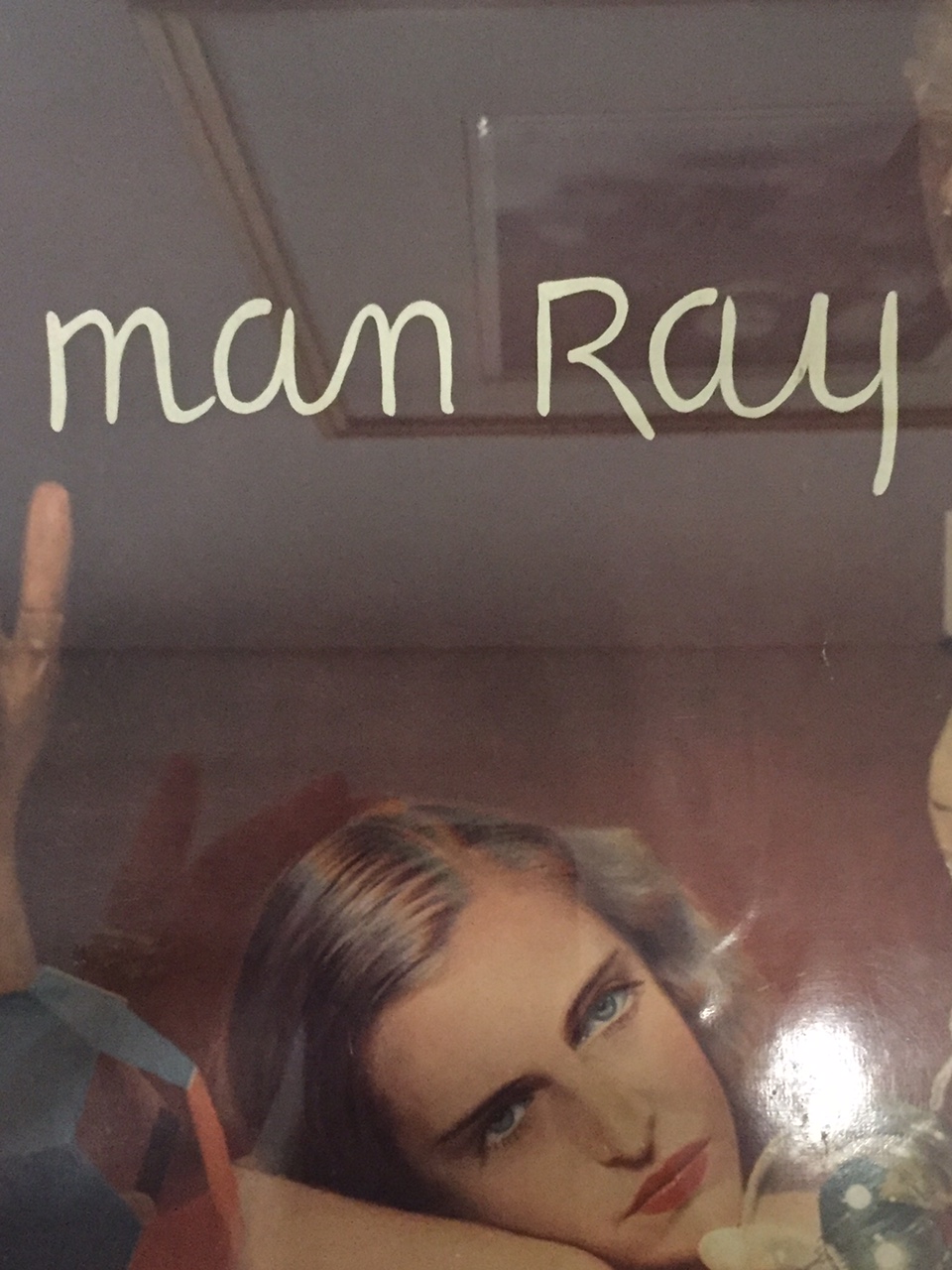
Man Ray in Vienna: An exhibition at the Kunstforum shows off his versatility

February 20, 2018 Patricia Zohn
FullSizeRender-7 copy 3.jpg
FullSizeRender_2.jpg
FullSizeRender_1.jpg
FullSizeRender_5.jpg
FullSizeRender.jpg
FullSizeRender_4.jpg
IMG_7312.JPG
FullSizeRender_3.jpg

Lisa Ortner-Kreil is just finishing up installing her comprehensive exhibition on Man Ray when I arrive at Vienna’s Kunstforum Wien to get an early glimpse before the show’s official opening even as filmmakers are there waiting for a moment to interview her.  Ortner-Kreil looks remarkably like Rebecca Hall, the actress, tall, graceful, and as it happens, is the mother of five month old girl who is also patiently awaiting her attentions outside for a quick feed.


I think Man Ray would have appreciated her ability to multi-task for in fact that is what Ornter-Kreil’s exhibition shows off most about this 20 century artist: his ability to throw himself into so many different disciplines without fear. 


I tell her at the outset about my one encounter with Juliet Man Ray, his ex-Hollywood Martha-Graham-trained model/ wife, who received me in their small, chock a block home/atelier in Paris on the rue Ferou when I was doing research on a Picasso documentary.   With her signature cat’s eye sunglasses, Juliet still had undiminished eccentric wit and charm. Even then, looking around this diminutive space, one could see Man Ray's voracious bumblebee instinct, alighting here and there for a time in photography, painting, sculpture, text, and film, each time with an eye to creating something new within the form. 


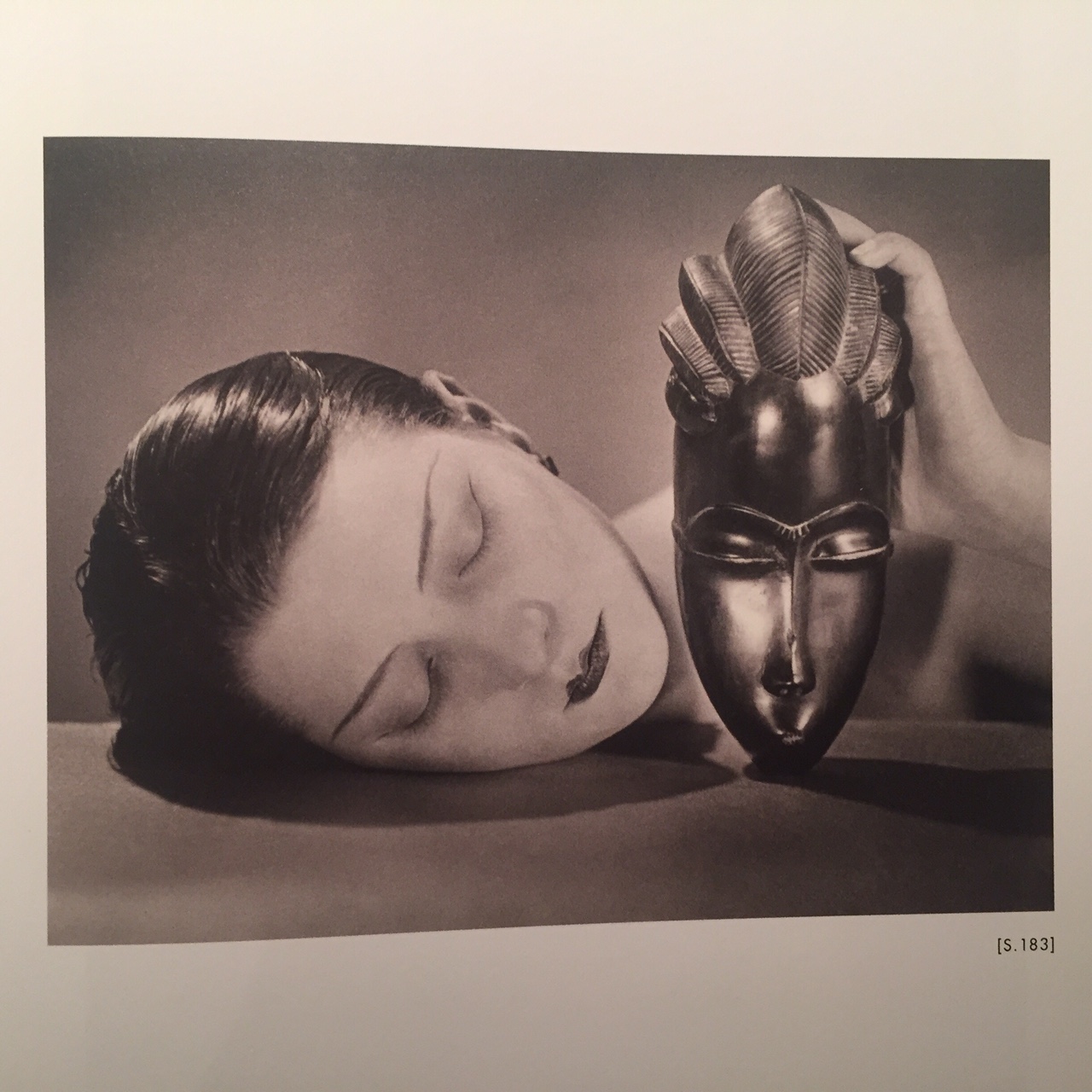
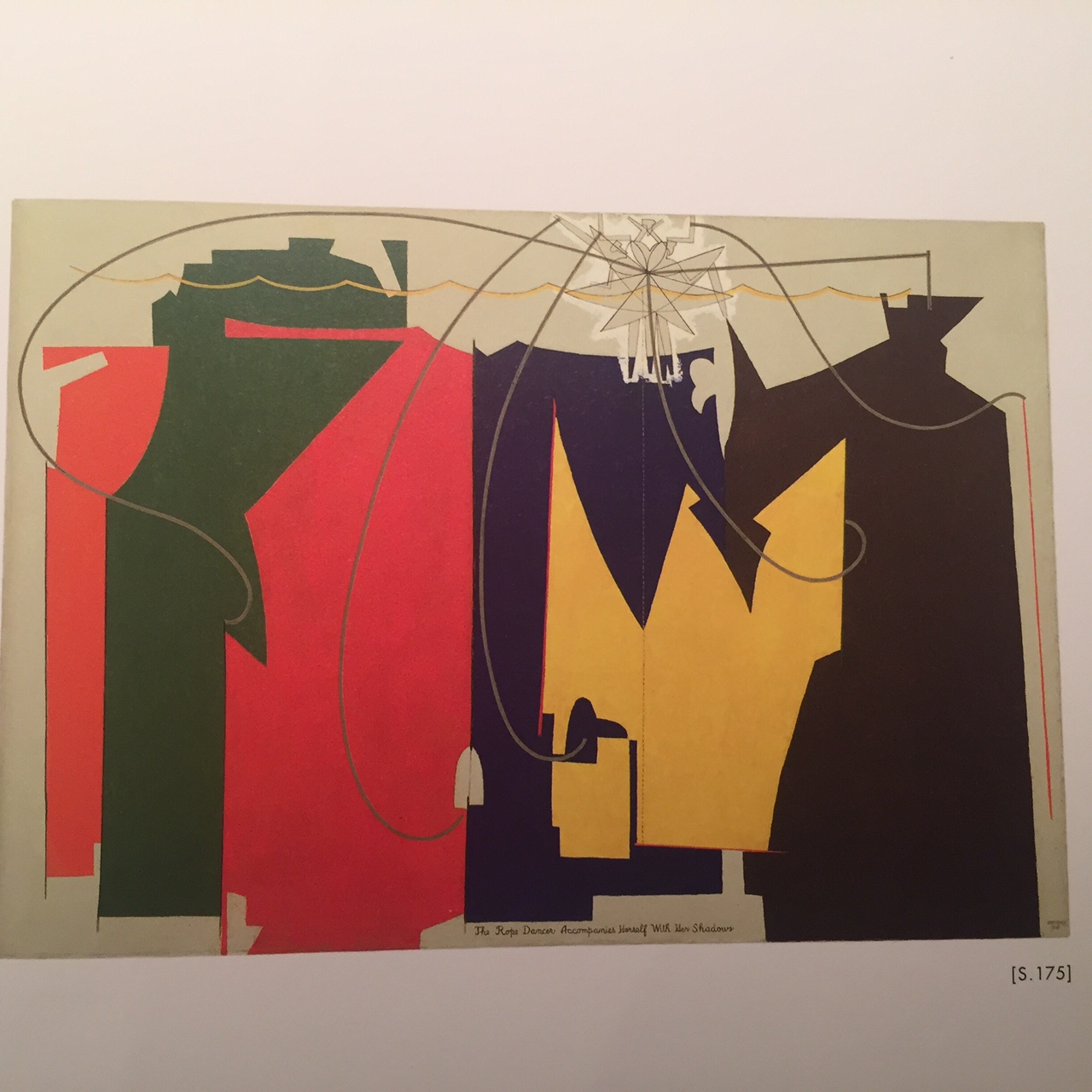
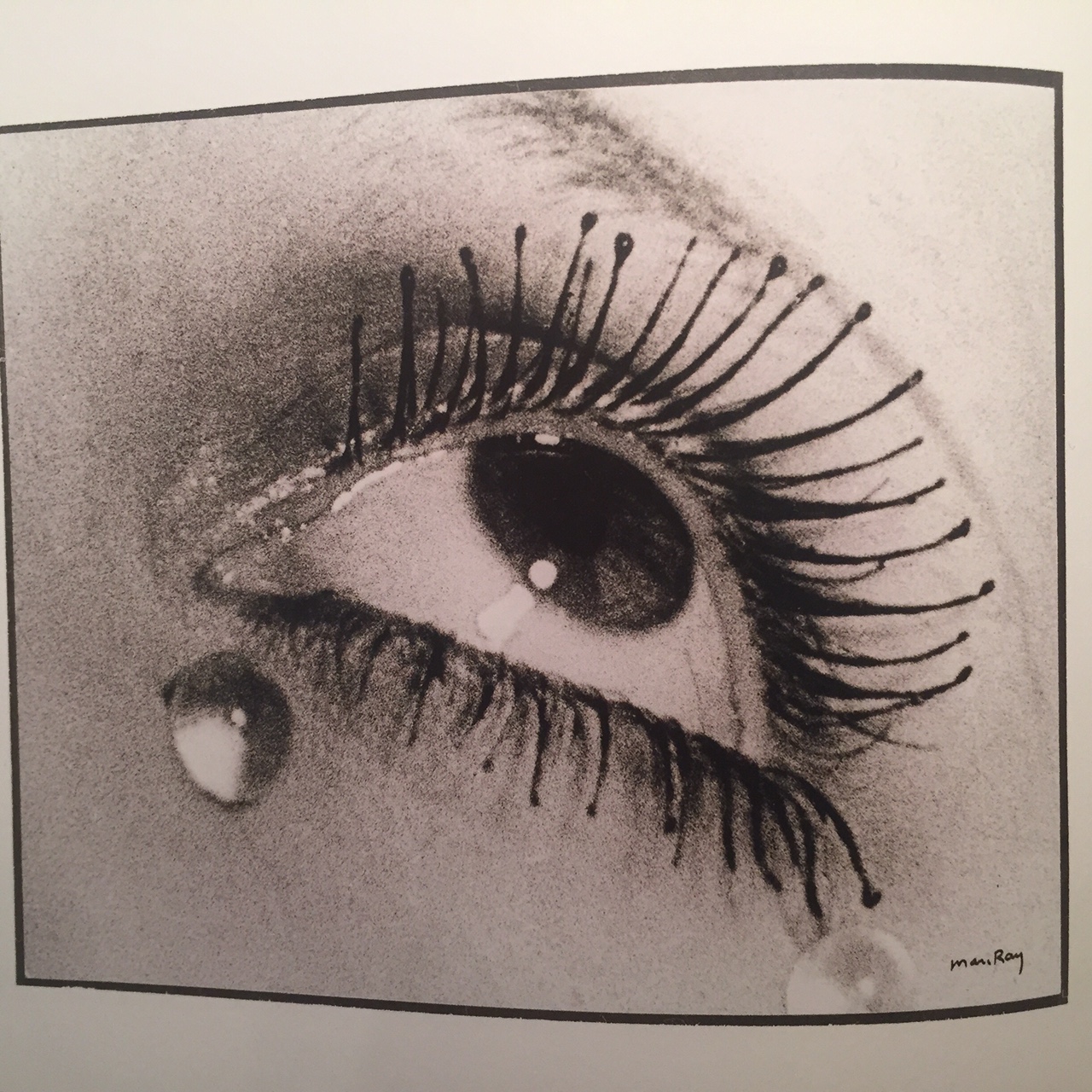
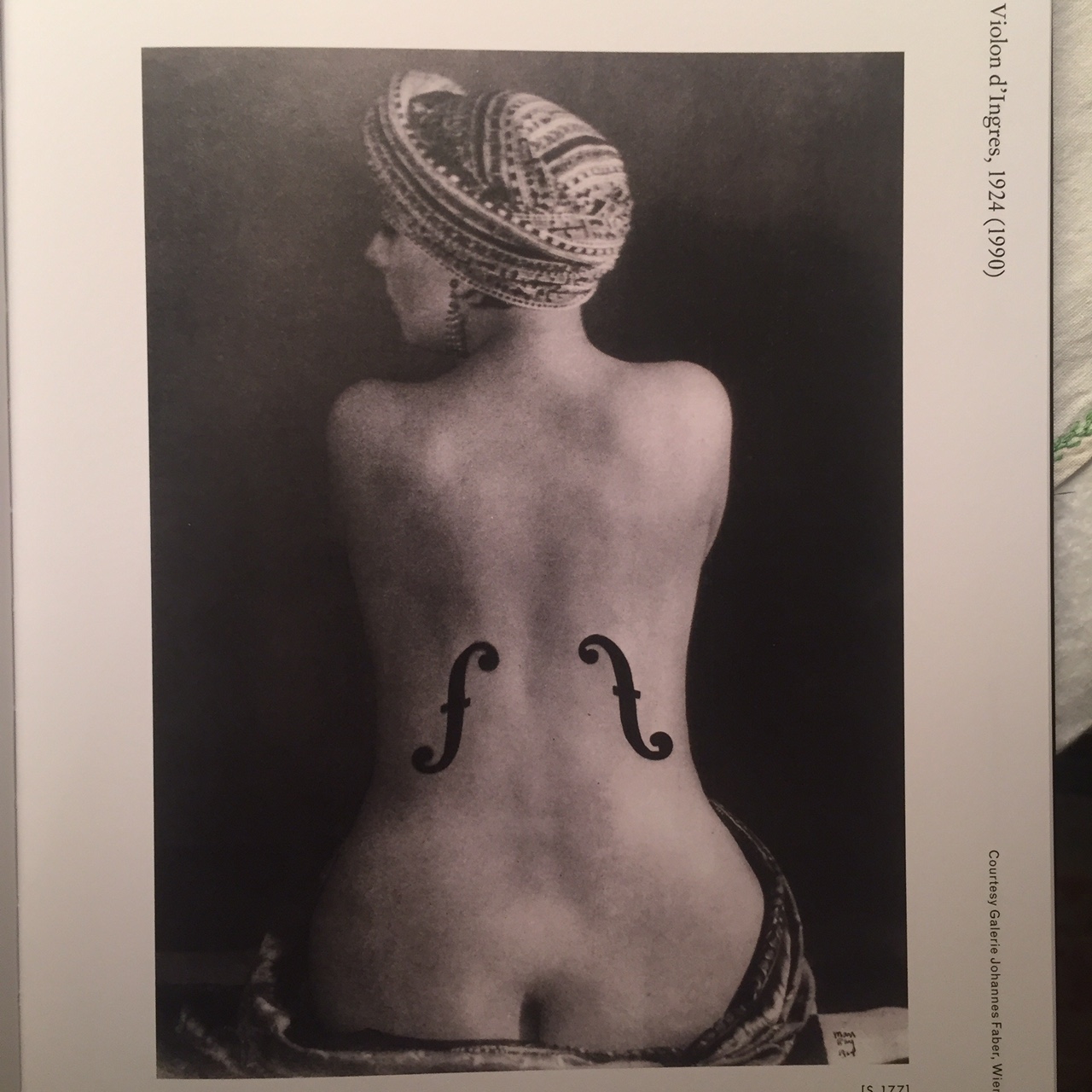
Man Ray is still mostly known for his photographs.  But the exhibition, for which Ortner-Kreil secured some very hard-to-get loans, is in keeping with some previous retrospectives in reviewing Man Ray’s discursive career which still has often left him slightly marginalized in art history.  The exhibition shows his fertile mind and practice and aims to correct some of that narrative. ‘I paint what I cannot photograph,' the artist said in 1973, 'My dreams, for instance. And I photograph what I cannot paint’.


Man Ray was a Brooklyn boy, Manny (Emmanuel) Radnitsky, son of Max and Minnie, by way of Philly who ended up in Paris with Marcel Duchamp as a bestie, in Hollywood photographing stars like Ava Gardner and in a double wedding ceremony with Max Ernst and Dorothea Tanning and then back in Paris after the war as a compatriot of Picasso,Paul Eluard, and other luminaries of the period.  That alone tells you of the ambition of this artist. Originally dedicating himself as a painter, he gradually came to understand through the filter of Dada and Surrealism—and Duchamp—the value of alternative ways of making art. 


Unconcerned but not indifferent is written on his tombstone in the Montparnasse Cemetery.  


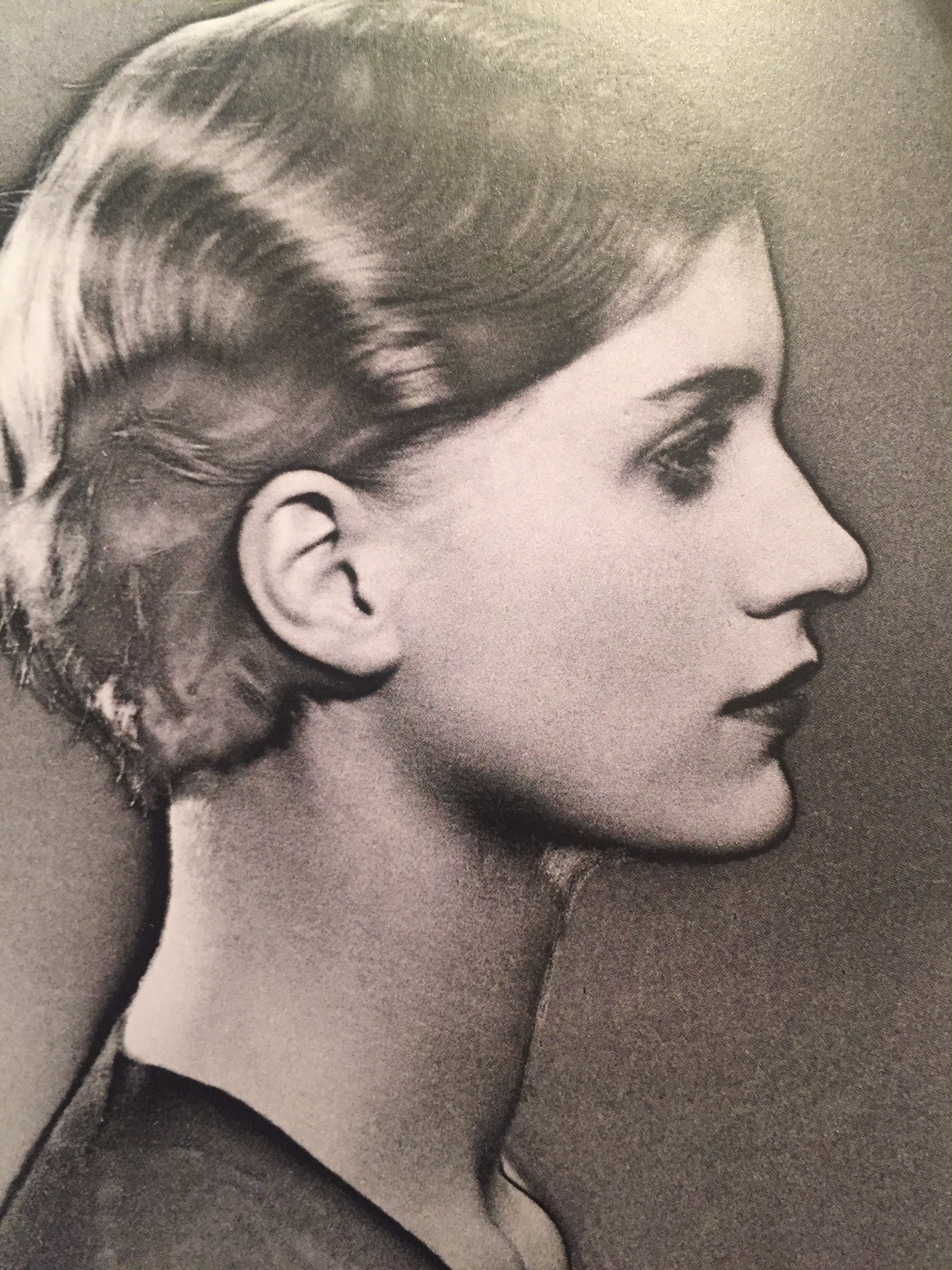
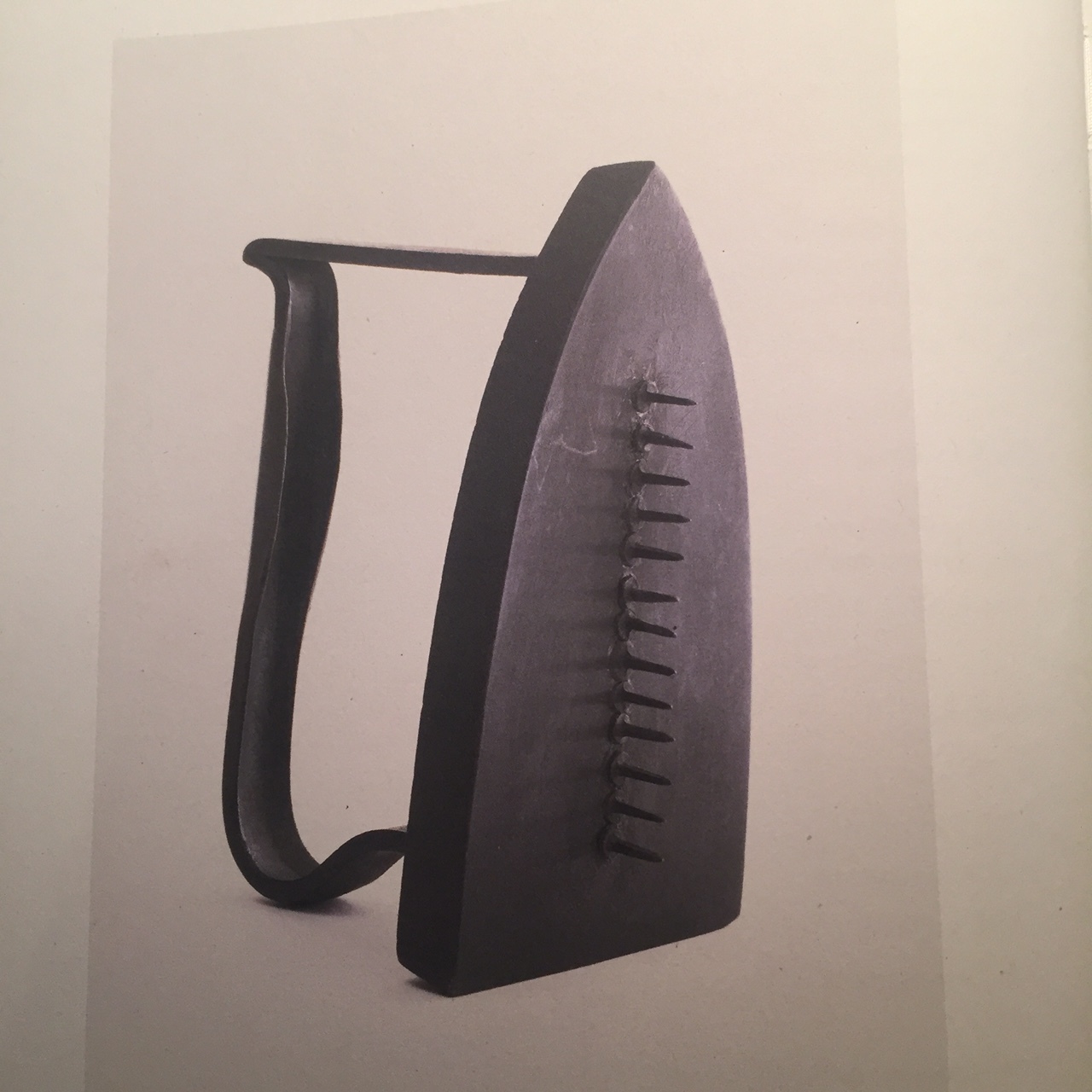
The exhibition tells the story of his path through photography (the self-named Rayograms, then Solarisations with Lee Miller, his muse and protege), fashion (Harpers Bazaar and Vogue), sculpture,(including readymades like his iron with spikes, his family had been in the clothing business and a number of his works relate to stitchery) filmmaking (both for his own films and work on others) and text (which he often incorporated directly on the canvas or paper). 


A much smaller show of some of the Hollywood images are currently at Gagosian Beverly Hills. His estate passed to Juliet’s brother, a car dealer, and has been the subject of much to-and-fro between auction houses, museums and dealers. Perhaps now there will be something of a corrective.


For many years, my favorite Man Ray painting, Pisces from 1938, certainly modeled by Lee Miller, which hangs in the Tate Modern, has been in rotation on my desktop with the Max Ernst portrait of Gala Eluard (Dali) which hangs in the Met from the same period. (Ortner-Kreil tried to get this painting but was not able to. The Parisian collector Marion Meyer was more generous) These two friends revered the smart and beautiful women they worked alongside and the paintings reflect the beauty and intelligence of the subjects.*


Vienna was a revelation to me, the sheer number of excellent museums and collections, plus outstanding curatorial quality.  The Kunstforum Wien show is another particularly rich Viennese sweet. 


All images courtesy Kunstforum Wien via the Penrose Collection, MoMA, Galerie Kicken, Galerie Faber, Museum Ludwig, Meyer Collection, Collection Hummel.


* Upon further reflection, the subject of the surrealist muses is more complicated. Please see the attached from the NYRB on this subject.  Lee Miller apparently partially fell out with Man Ray due to a credit dispute. 

Amidst the frou frou of the Habsburgs, I found my Vienna

February 16, 2018 Patricia Zohn
IMG_7123.JPG
ThirdManUSPoster.jpg
IMG_7121.JPG
IMG_7130.JPG
IMG_7127.JPG
IMG_7135.JPG
IMG_7137.JPG
IMG_7238.JPG
IMG_7268.JPG
IMG_7278.JPG
IMG_7282.JPG
IMG_7283.JPG
IMG_7150.JPG
IMG_7154.JPG
IMG_7156.JPG

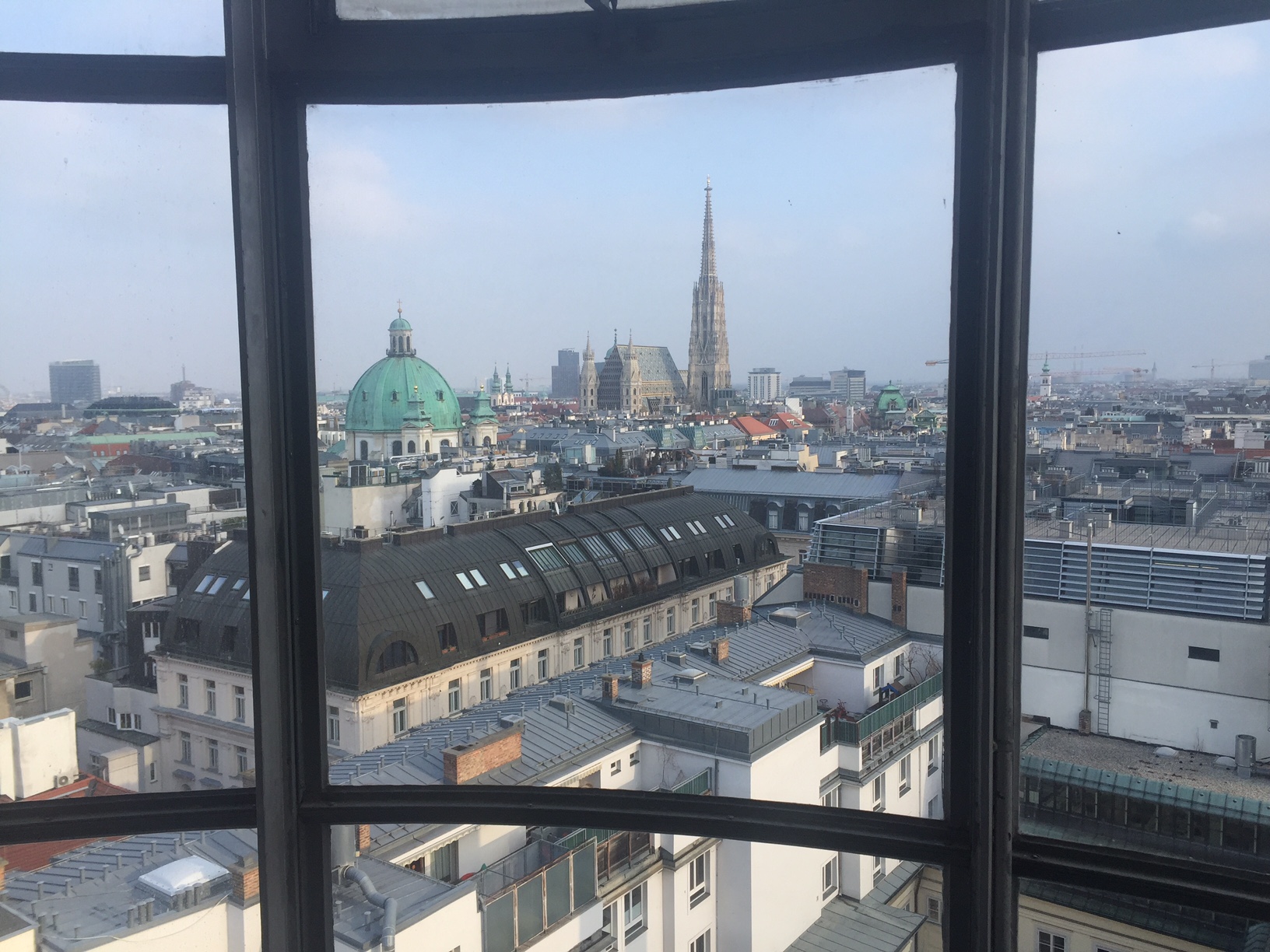
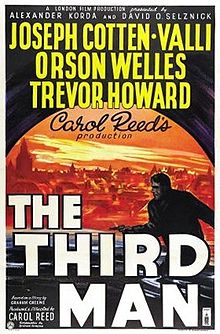
Just as I used Kundera in Prague as a warm up, I used Graham Greene to prepare for Vienna.  The Third Man was written for the screen, but in between, in order to get his story down, Greene wrote a novella which laid out the post war Vienna thriller he had been commissioned by Alex Korda.  We all love the film, but in fact this thin volume has some significant differences—and pleasures-- from the eventual film which Carol Reed, the director, shaped to his vision. 


The exterior of Vienna and some select buildings in the interior Ring had been destroyed during the war but more importantly the city had been carved up into four sectors delineating the different holdings of the Russians, Americans, British and French.  Greene took this divisiveness and ran with it, setting  Rollo Martins (who became Holly in the film) and his quest to discover the truth about his slippery old friend Harry Lime in the watery, dark, sewery, wintery and chilly city. The Vienna I experienced though cold was slightly sunnier.  In actual fact, I learned from Kerstin Timmerman whose family has the lock on the most engaging Third Man Tours that it was fall when they shot and Reed had them slick the cobbles down whenever necessary. Timmerman’s tours include lots of marvelous tidbits about the production of the film as well as a zither performance of the famous theme music—not to be missed.


Vienna felt like an overly-opulent bubble bath after the austere beauty of Prague at first glance. But I came to appreciate its more hidden spaces, once again through the meticulous offices of Insight Cities local expert guide, Felicitas Konecny, who is also part of her own network of architectural tours.


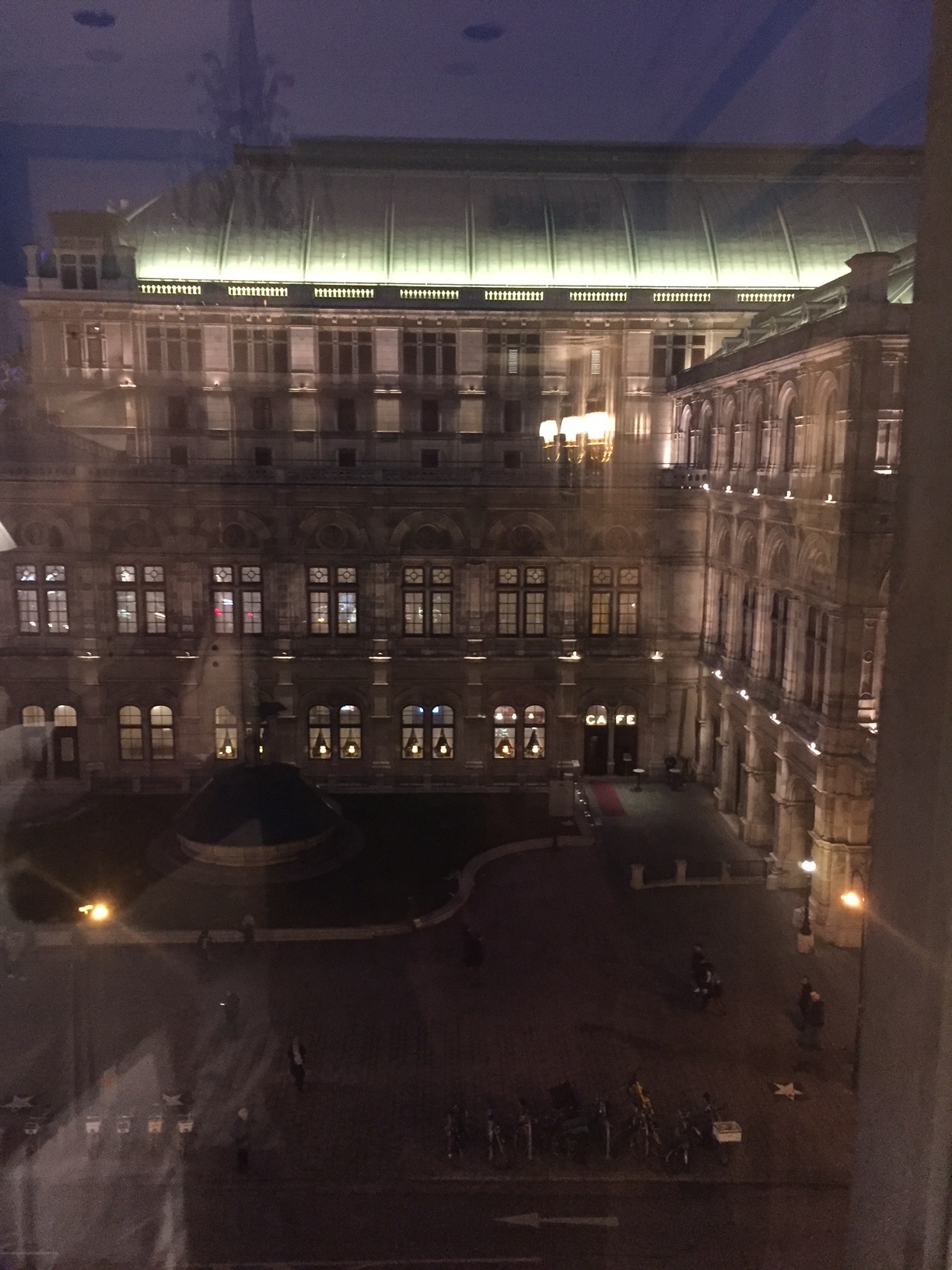
Felicitas was brilliantly prepared for our half day express tour of Vienna, and had done considerable homework for my visit, tailoring her tour to things she thought I might enjoy.  She was flexible and thorough, and was able to get entry into places most people can’t. Again, I was looking for modernist Vienna, the Vienna beyond the grand Opera House which I was able to see right from my window from the vintage Hotel Bristol, itself a pastiche of high Habsburg-ian curlicues and brass fittings, with a devoted Austrian clientele who had come for the most important ball of the season, the Opera Ball and stayed for others.


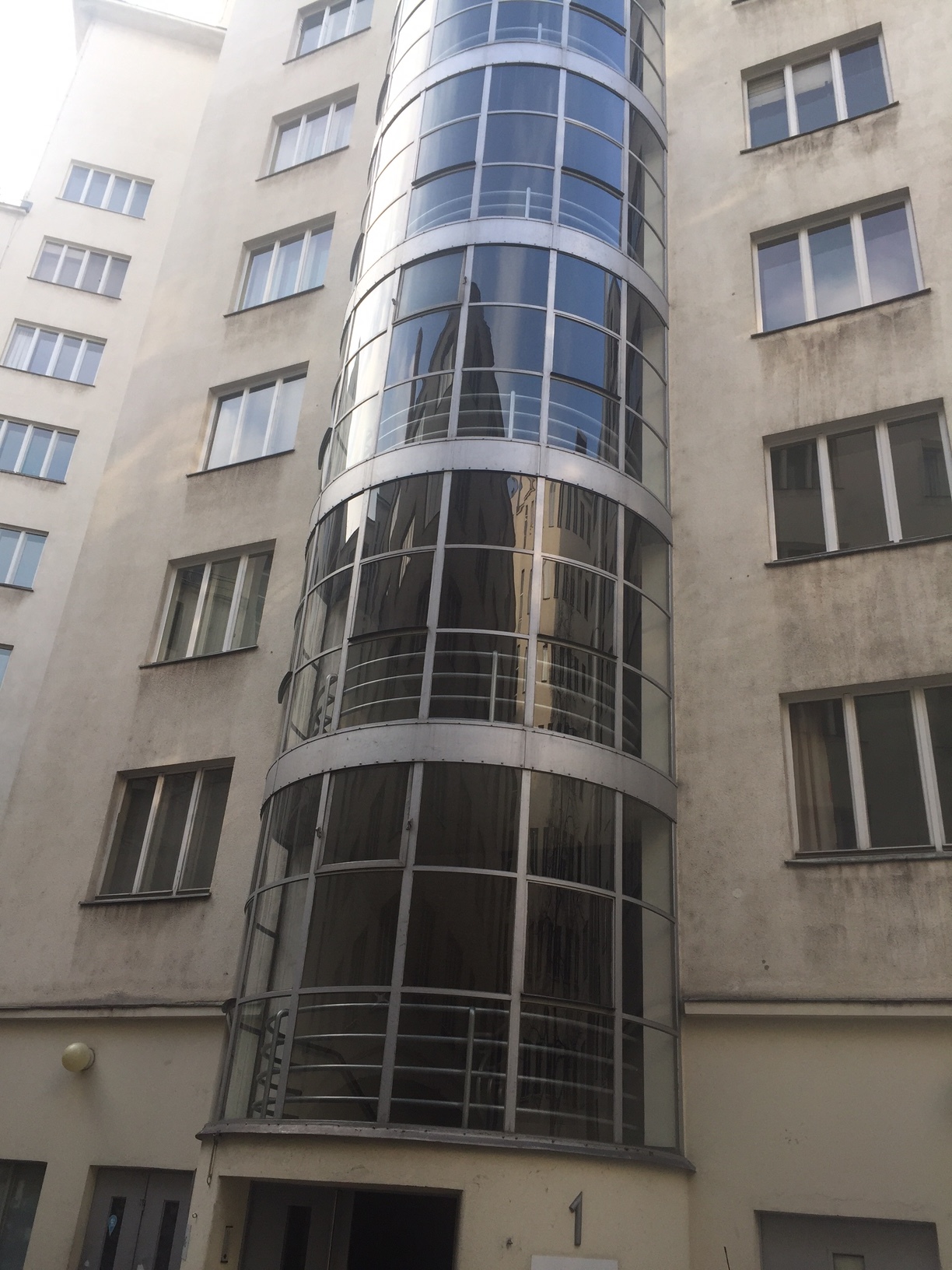
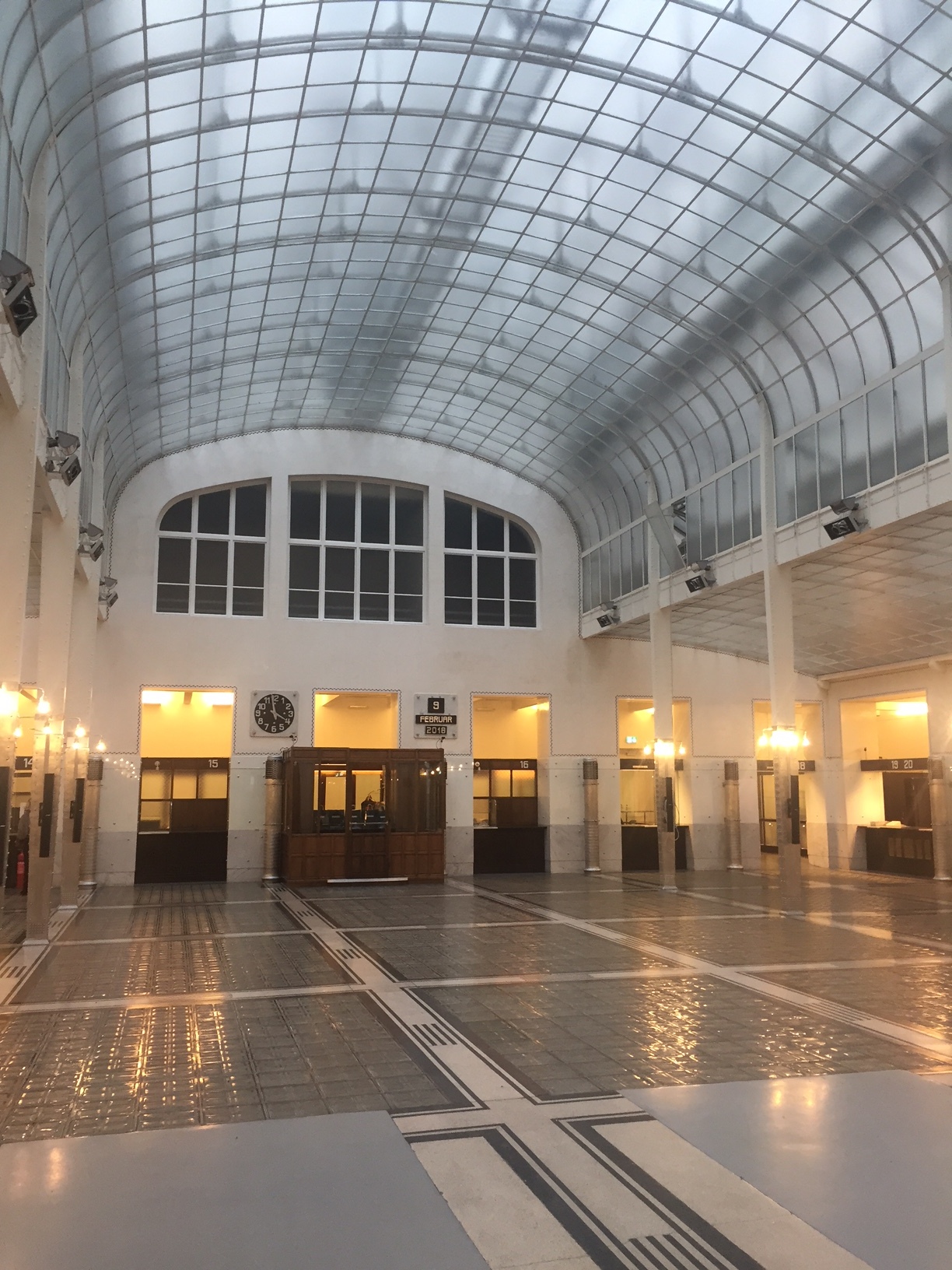
Thus again I was well situated in the center, within walking distance or short U-bahn distance of almost everything we saw that first day.  Felicitas was diligent in telling me about Viennese architectural history but I really began to perk up when we got to the Looshaus, originally a men’s clothing store and now a bank, having just been in his Villa Muller.   The Hochhaus Herrengasse consisting of shops, offices and apartments still has modernist charm inside despite the rather garish shops on the ground floor as does the modernist Wittgenstein house for his sister Margaret which is something of a rundown letdown on the inside now owned by the Bulgarian government which at least has saved it from the wrecking ball. The soaring Otto Wagner designed former post office, now sadly abandoned by the bank which had taken it over and whose fate is still undecided is luckily still in pristine shape. After a necessary break at the Provencale style Paremi bakery we visited my favorite site, the Josef Plecnik 1905 narrow mixed use building for Johann Zacherl an industrialist. Again, we immediately needed chocolate and stopped at Leschanz for a dark chocolate brick for me and a malted milk ball for Felicitas. Vienna is like that: you must take the sweet at every opportunity. Another Loos interior, the Knize men’s clothing store, with its original green linoleum flooring, polished wood walls, and vintage dressing rooms is also a treat. We finished with the Third Man tour and slipped into see Klimt’s Kiss at the Upper Belvedere Museum and then I happily collapsed at a charming restaurant Felicitas found, Zur Herknerin, completely authentic cooking as if mother had made it (generally mother does make it.)


The following two days I had to devote to Vienna’s overwhelmingly excellent museums. While they were building the over-the-top palaces, the Habsburgs were also voluminous—and largely discriminating-- collectors of art and they passed this tradition down to other Viennese.  I was in museum heaven in Vienna, first at the Albertina, which has among other lovely things, a very good encyclopedic modern painting collection and a wonderful survey of architectural drawings and then at the famous Kunsthistoriches  (soon to be parsed by Wes Anderson). Like the Metropolitan or the Prado, this can be exhausting but the museum has couches everywhere understanding that this plethora of A plus art can be overwhelming.


Then I shifted gears (and centuries) at the Leopold Museum on the adjacent square across the street.  I was unprepared for the fascinating historic time line and breadth of work of Egon Schiele, the attractive, louche, rebellious, bipolar disciple of Klimt’s whose work in this context was more important than I had ever seen it. (The Leopold also has a terrific cafeteria of Asian specialities)I then bisected the city through the many palaces as I ran to my appointment at the Kunstforum Wien Bank Gallery  (a separate post follows on the excellent Man Ray show there). 


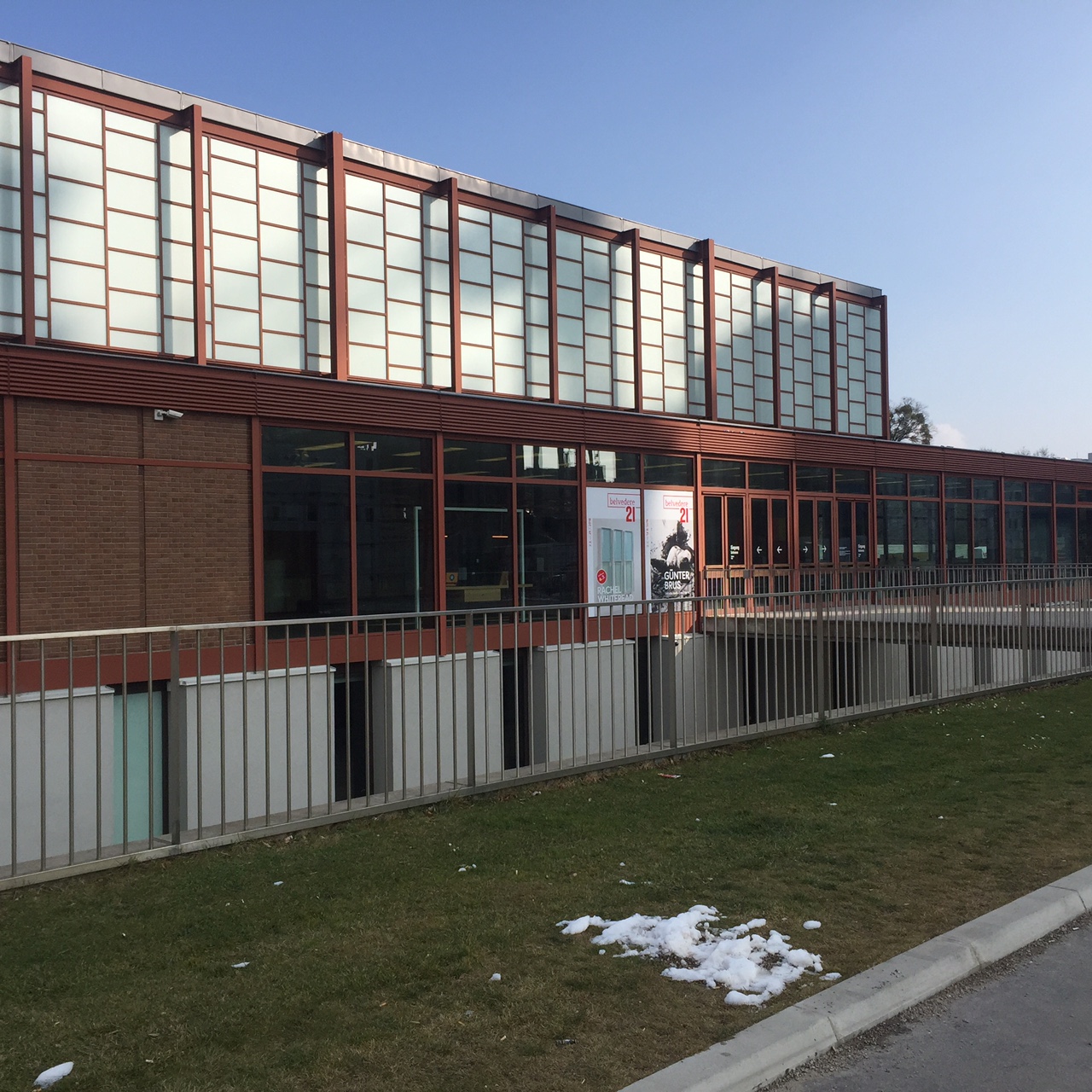
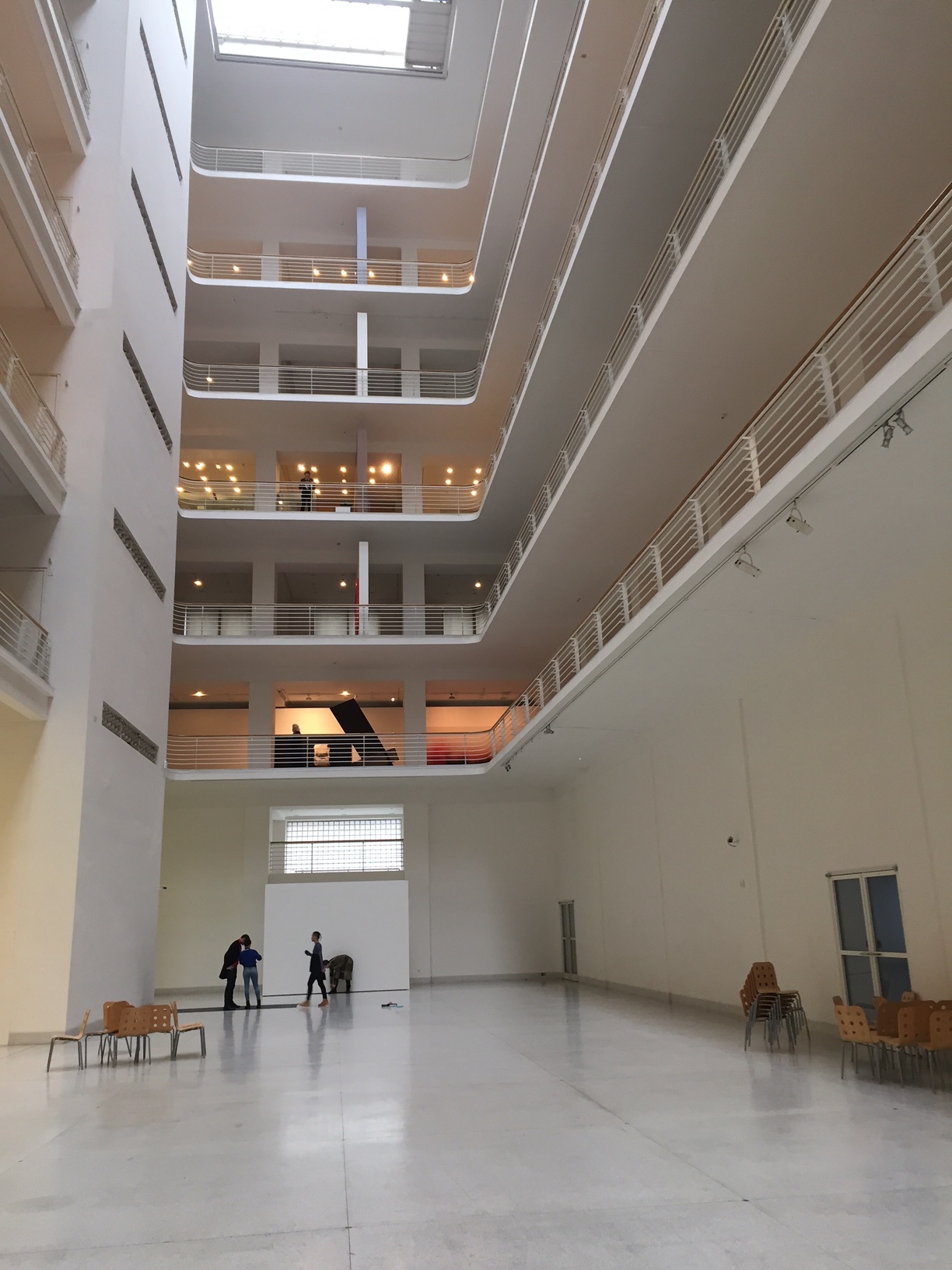
That night, I of course had to take a ticket to Elisir D’Amore at the opera, a fusty production but with an excellent young cast.  Again: absolutely packed with young aficionados.  I was up bright and early to take in the show Jason Farago had conveniently alerted me to just that morning at the Lower Belvedere on Aging (something preoccupying me of late, see Louise Bourgeois and Simone de Beauvoir, two heroines of mine, below) and then the adjacent slender but lovely show on Zagreb Modernism at the Orangerie. Then I climbed to the Belvedere 21 Museum , another building repurposed from the Brussels 58 fair, which has a riveting  if challenging show on the performative artist Gunter Brus who makes Marina Abramovich look positively tame. 


On the door to my room at the Bristol was a name that had intrigued me, Heinrich Karl Strohm and a date 1940-41. It turns out that the Bristol had dedicated each of its opera-facing rooms to a director of the Opera through the decades. I had resolutely avoided thinking about the Austrians during the war, and barely discussed this with Felicitas, but this made it virtually impossible to ignore..


When I got home, I did a little homework. In 1938, Anschulss had already occurred, fulfilling Hitler’s dream to annex Austria.  Shortly after, Kristallnacht destroyed almost all the synagogues and by 1940, the Jews were thoroughly driven from their homes, jobs and businesses.  6000 Jews had been deported to Dachau and the ones who remained like Jewish actresses were cleaning the theater--and likely also the Opera-- toilets (by the way, the Opera bathrooms are now a fifties delight, it must be said). By the end of 1941, 130,000 Jews had left Vienna. This then was the exact period when Strohm had overseen the Opera.  Had he actually stayed in my room? I don’t know.


Like the US, and Germany, and Poland and Holland, and Israel, Austria is listing to the right again and many Americans I spoke with said they would not travel to Austria.


I feel this is wrongheaded. After all, we live in a place where a racist, maniacal despot has taken control and we need make many apologies ourselves for allowing this state of affairs to occur.  I thought the Austrians were welcoming and warm (in fact warmer than the Czechs) and though they are still proudly sporting fur coats in the streets, there is a love of art and culture and music which binds us together. The more we interact, the less of a chance of the events of 1940-41 will likely re-occur. We must remember but we must move on.   


IMG_7177.JPG
IMG_7179.JPG
IMG_7167.JPG
IMG_7245.JPG
IMG_7256.JPG
IMG_7248.JPG

Winterlude in Prague

February 15, 2018 Patricia Zohn
IMG_6962.JPG
IMG_6948.JPG
syn.JPG
IMG_6954.JPG
IMG_6953.JPG
IMG_6960.JPG
IMG_6961.JPG

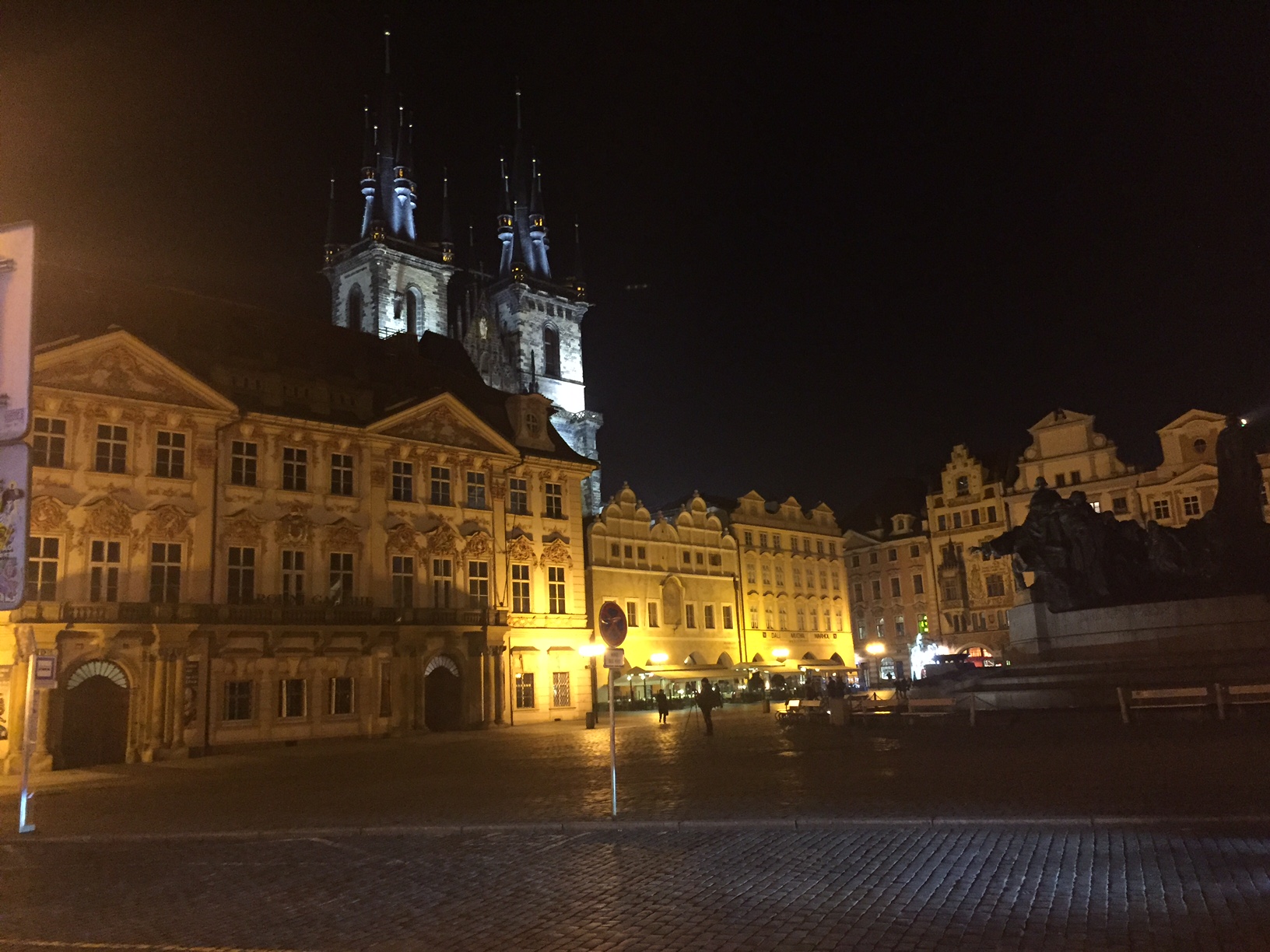
In preparation for my trip to Prague, I re-read for the fourth time Milan Kundera’s The Unbearable Lightness of Being. In the past I have read this when I want an erotic, romantic novel but also when I need reminding about how manipulative men can be even when you are brilliant and devoted or sexy and independent.  But this time I read it for its scenes of Communist Era Prague which was to be my focus, unlike most tourists who go to Prague for the cupcake architecture which though absolutely beautiful in its art nouveau/art deco splendor was not the Prague I was seeking. Somehow in these darker times, the more utilitarian architecture is what is speaking to me.


Kundera and Vaclav Havel are the twin lit/pol lights of post-war Czechoslovakia.  If the US can elect a reality tv star as president can't we elect a playwright?


Helping me in my search for this more modernist Prague was Insight Cities  which specializes in walking tours of some Eastern European and US cities and whom I can highly recommend for their excellent expertise.  They referred me out to a local architecture specialist, Alex Went, who is their representative there, a teacher and the founder of a marvelous website The Prague Vitruvius  In our half day of express architecture sightseeing, even Alex was able to see some things unfamiliar to him as I am generally intrepid about knocking on doors and ringing bells even if ‘no fly’ zones are clearly posted.


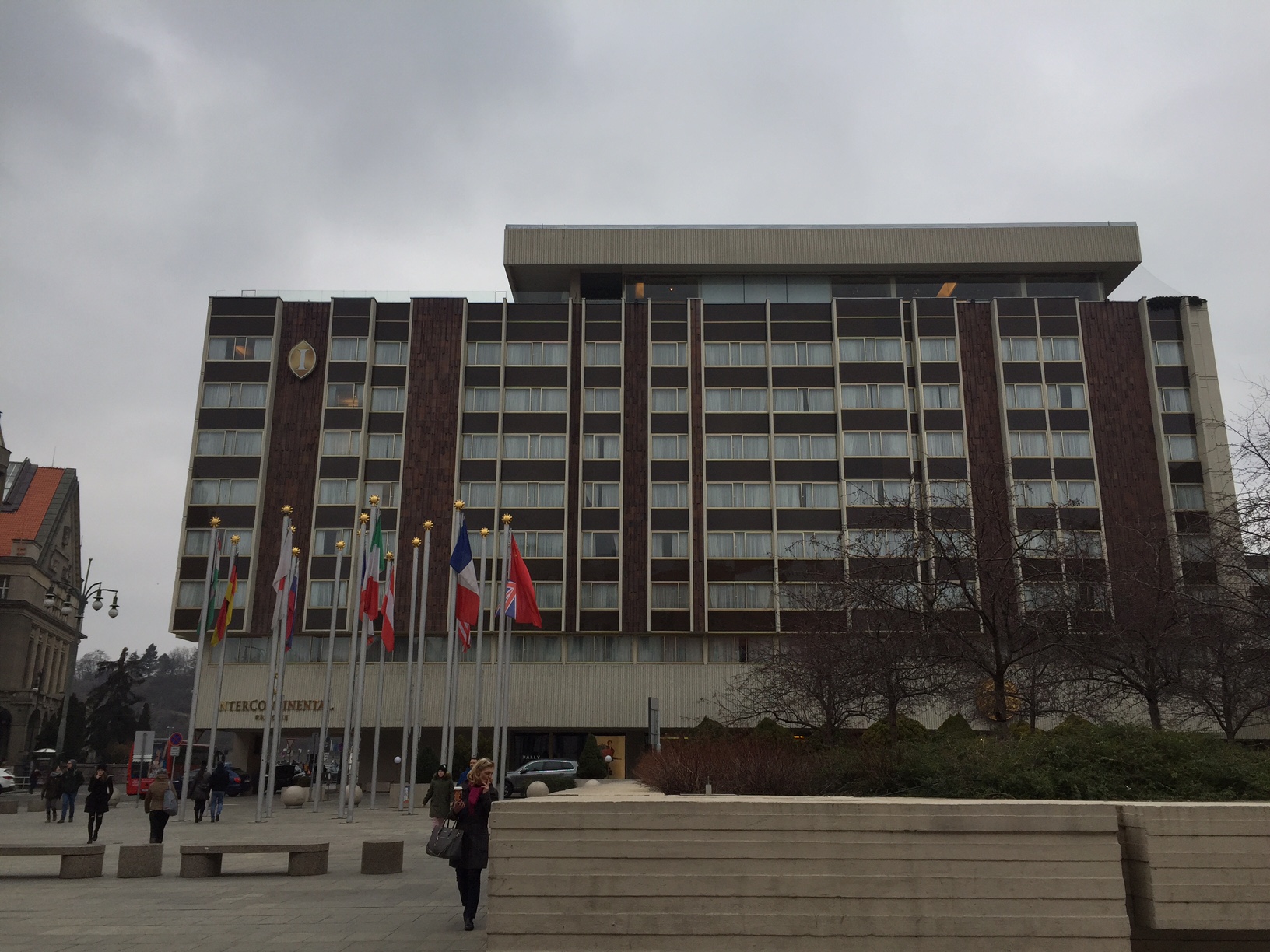
Prior to connecting with Alex I did do my homework.  I had received a very favorable winter rate from the absolutely perfectly situated Four Seasons, in the heart of the Jewish Quarter of old Prague. This turned out to be the wisest investment I made as it enabled me to do almost everything either by walking or by tram, only a few Ubers when I ventured to the other side of the river to see the Prague Castle, the least interesting part of my short stay but one I felt I had to incorporate, if only to try to see the Josef Plecnik bits that are very difficult to access as they are in the Presidential wing of the castle and still in use. It is 100% worth the splurge and rates do go down in low season.


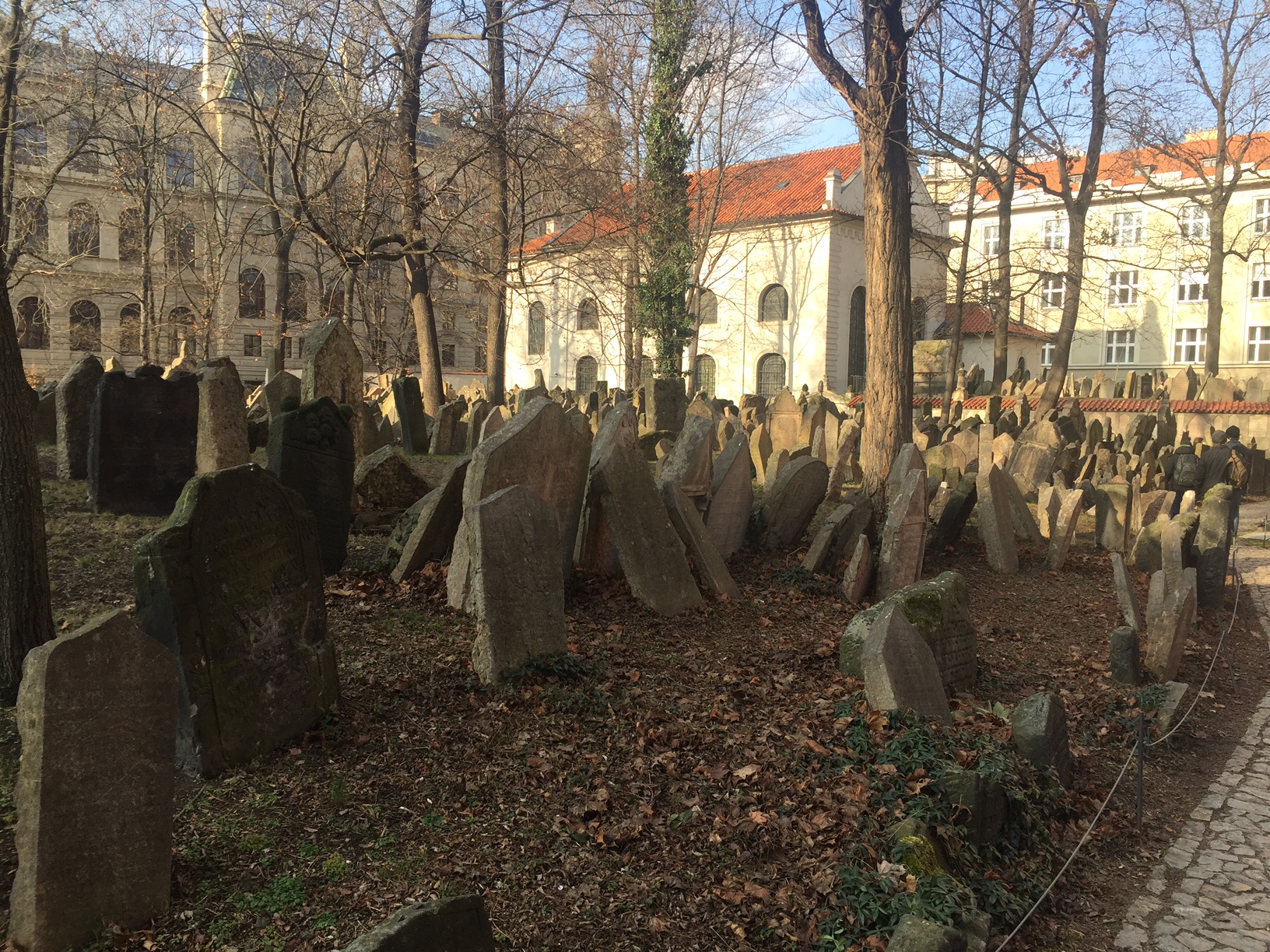
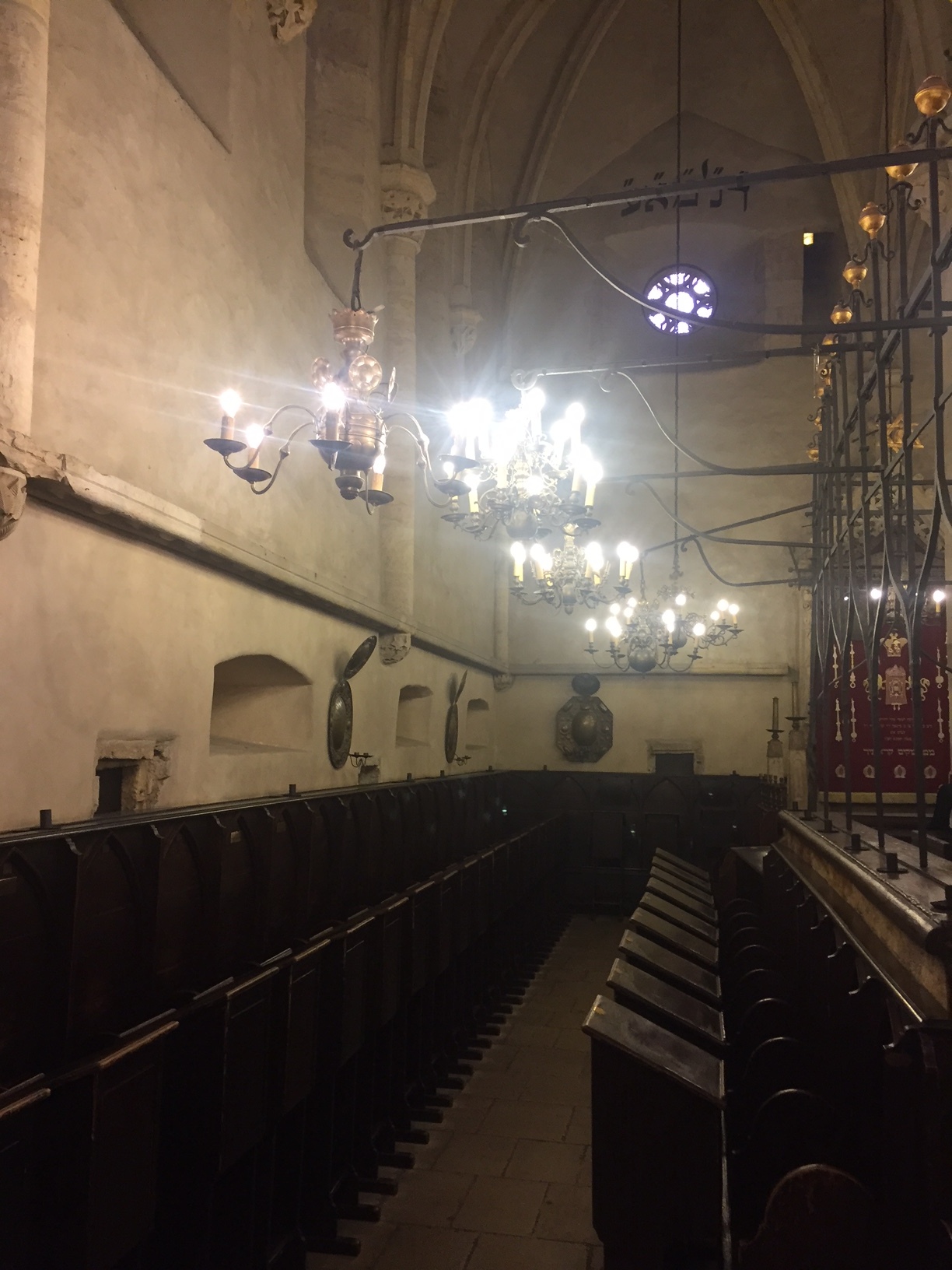
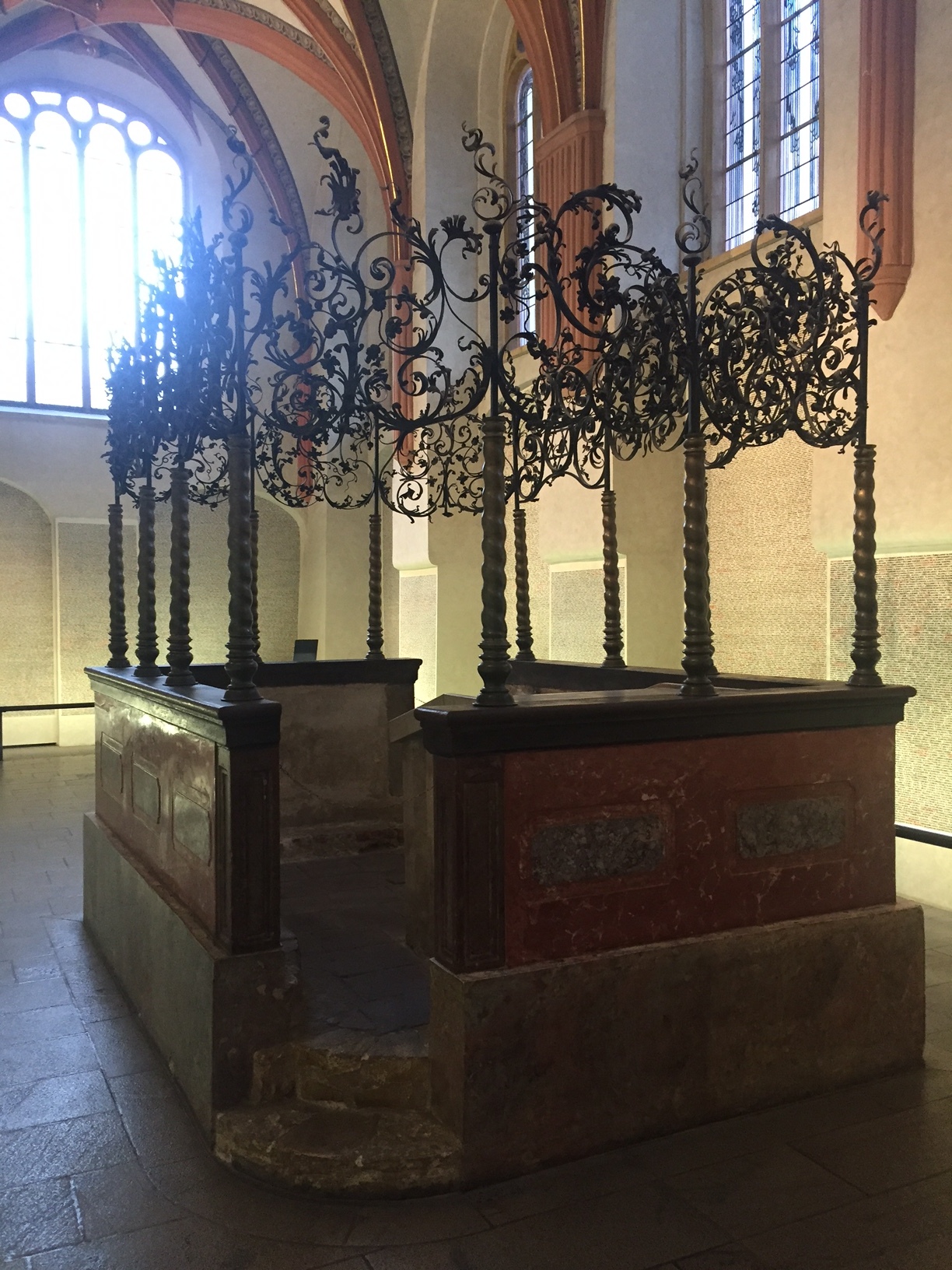
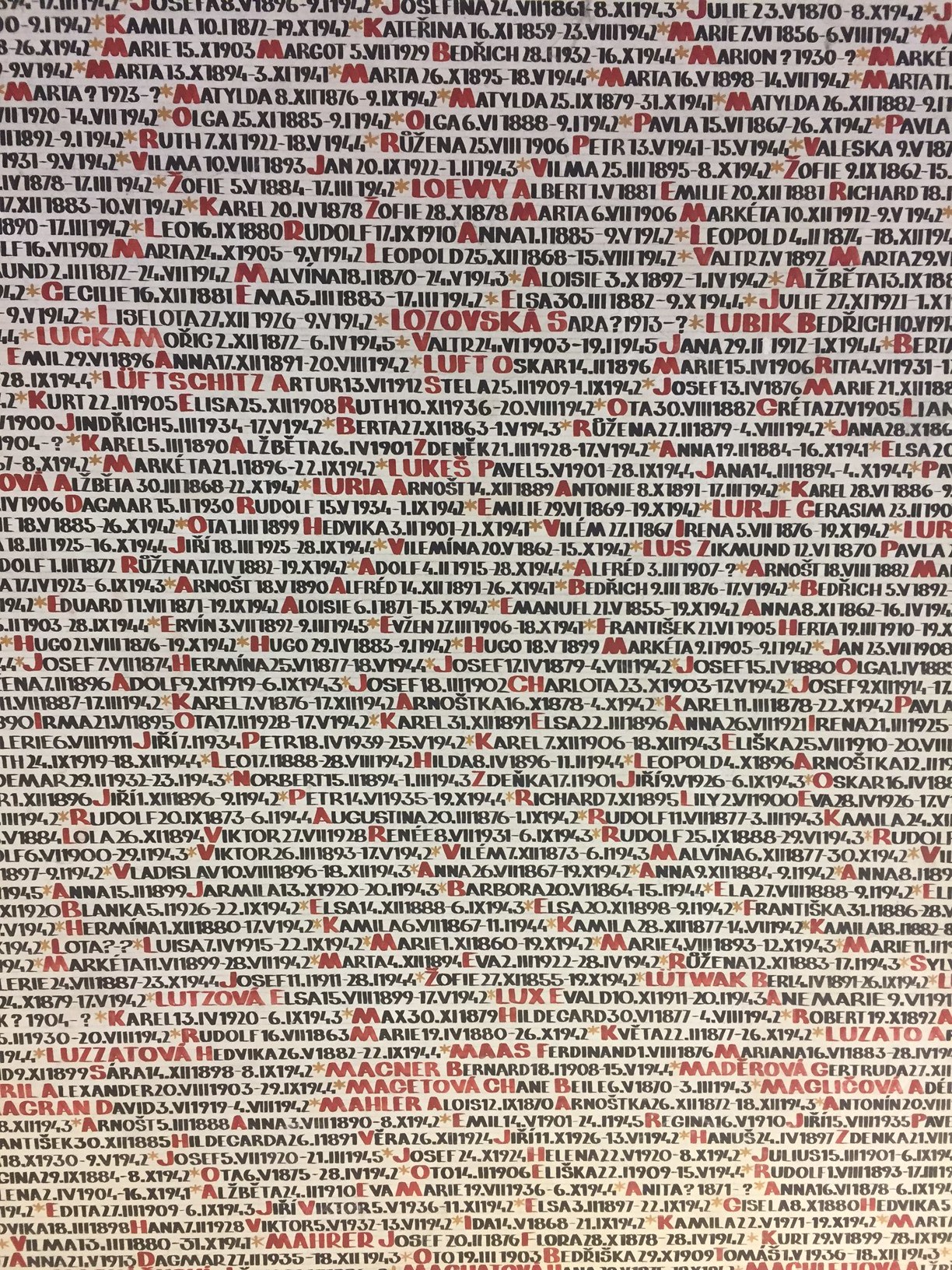
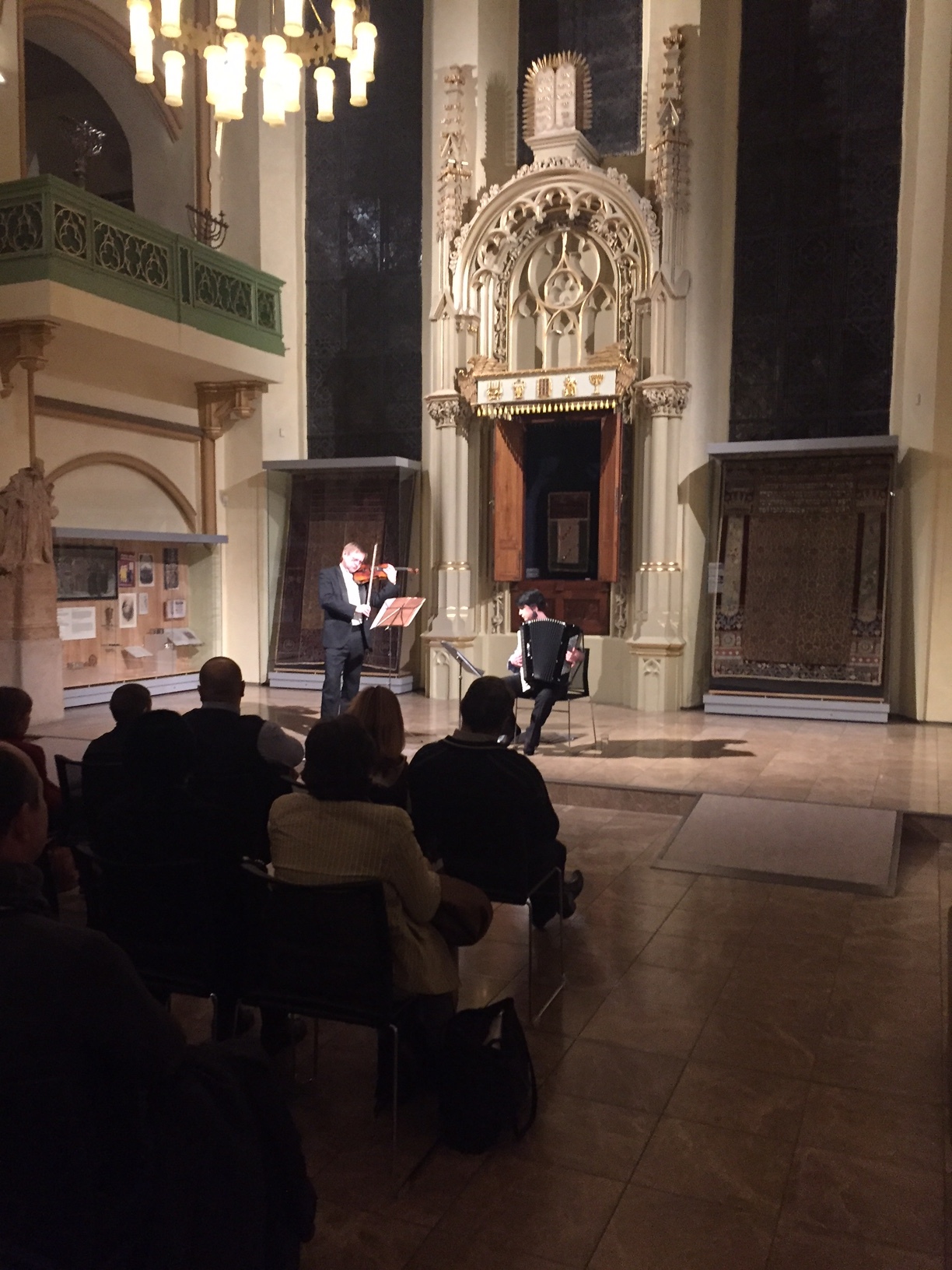
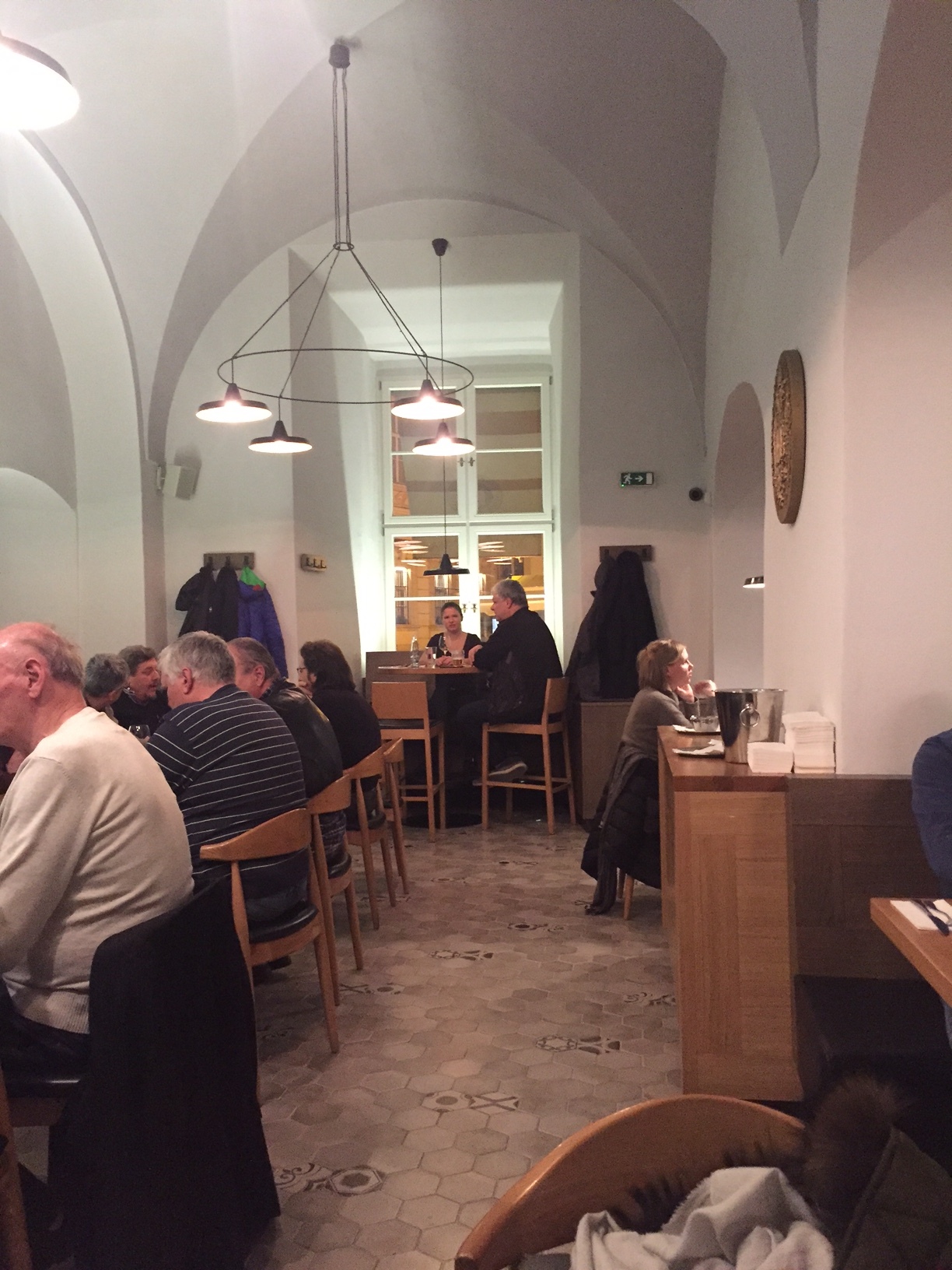
I thus was able to visit in an afternoon all seven nearby synagogues plus the famous Jewish cemetery and because it is winter, I did not have to wait on lines and had the places mostly to myself. This turned out to be ideal as it’s the right atmosphere for seeing the small but very different structures, the last remnants of a once thriving quarter.  The Spanish synagogue with its mosaic and the grand Jerusalem synagogue, also in the Spanish mode were to my mind pale comparisons of the ones one can actually see in Andalucia in more pristine, un-repainted states. My heart instead stopped at the Pinkas synagogue with its newly repainted but still evocative list of names of families who perished during WW 2 and the tiny but most ancient Staronova synagogue with its double nave and wooden choir stalls for male only parishoners more common in old churches(women sequestered outside naturally. Don’t get me started) I returned to the Maiselova synagogue one night for an hour long concert (this is a feature that is under reported, on most or many nights one can hear hour long concerts at the synagogues before dinner.) In my case I saw Jarmila Vlachova, accordianist and Miroslav Vilimec play a vibrant, diverse program including the John Williams theme from Schindlers List which just about made me weep. Dinner at Mincovna, just around the corner a local restaurant that has a mid century twist with excellent local fare was the perfect segue.


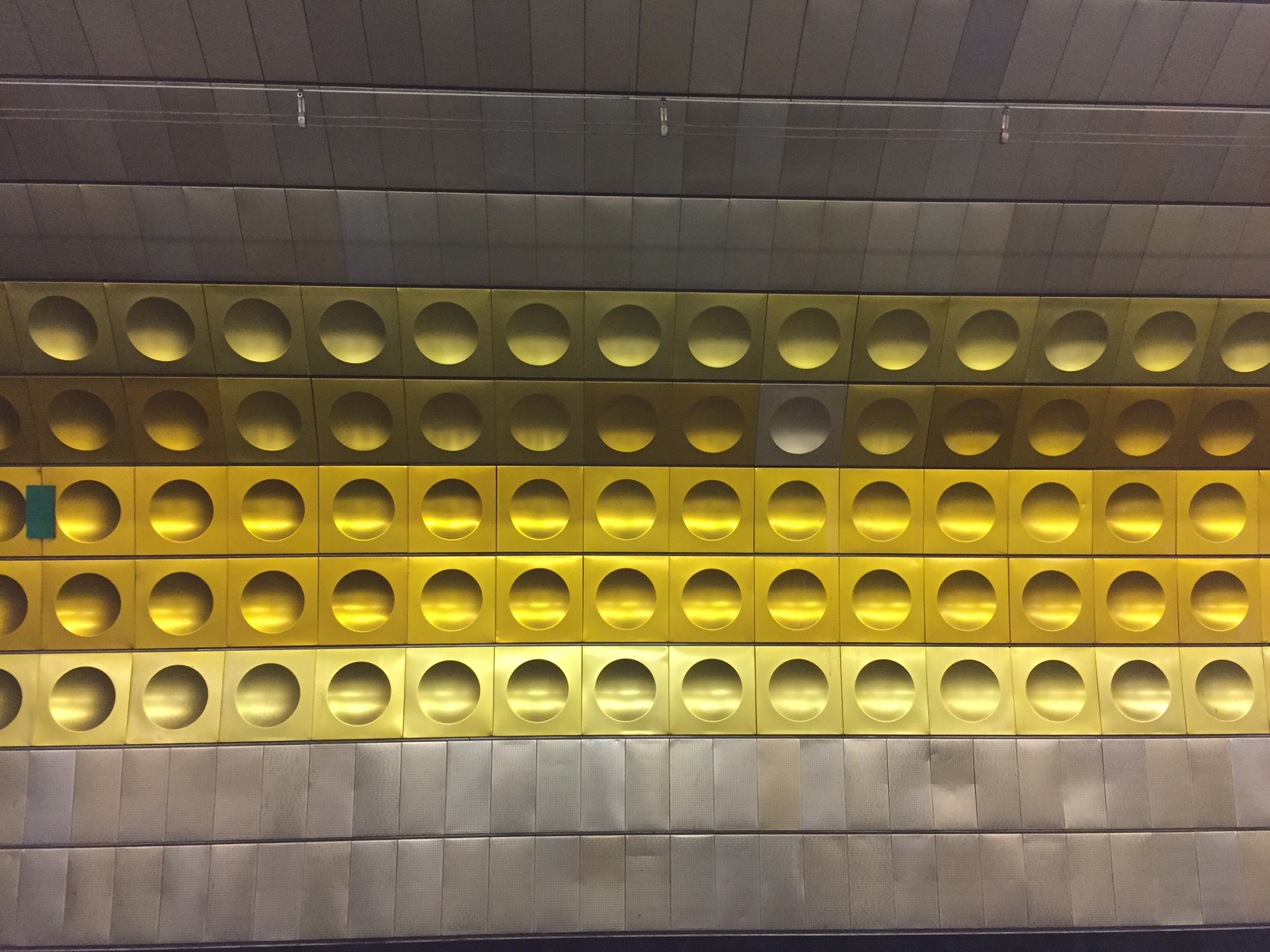
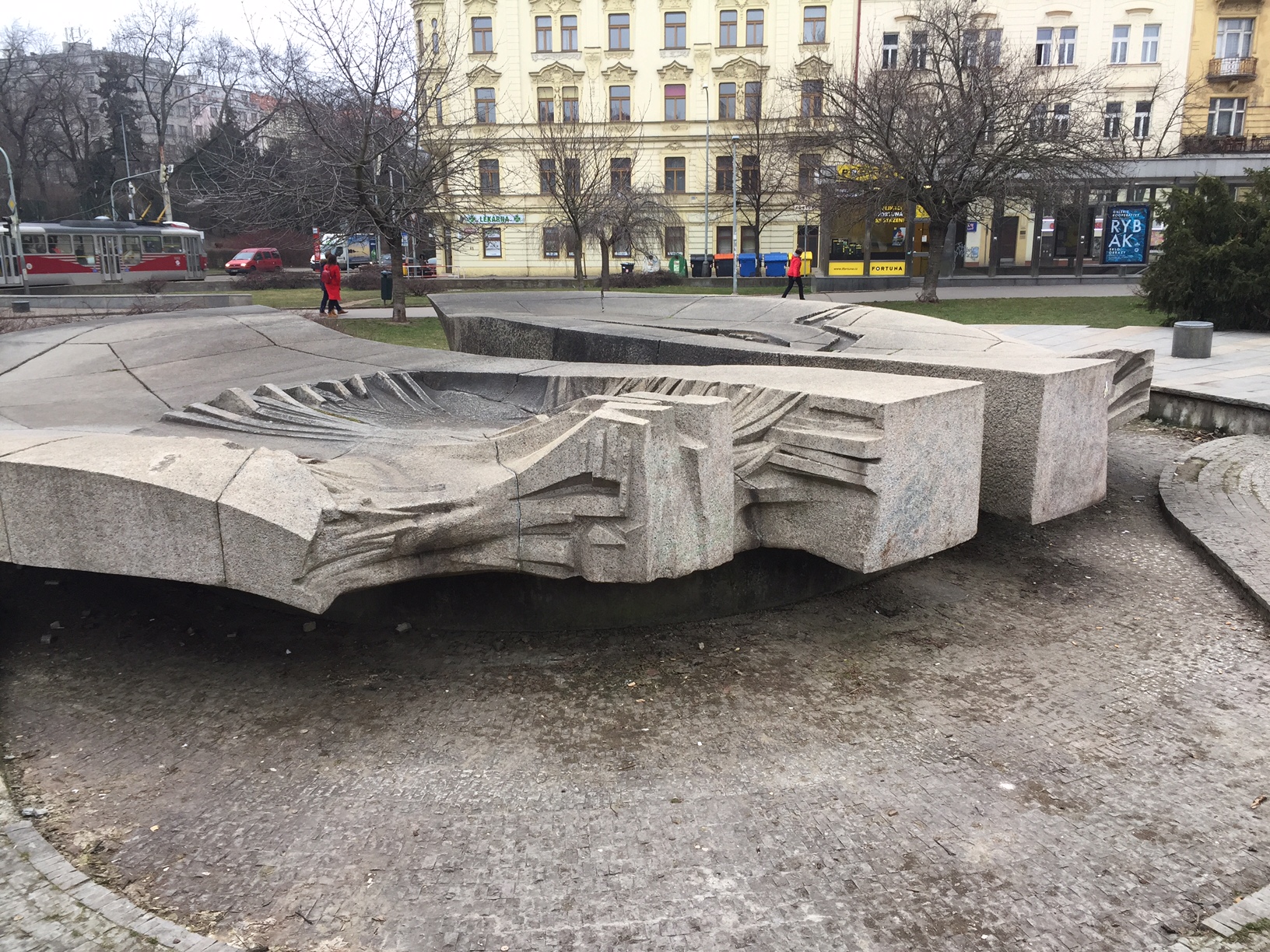
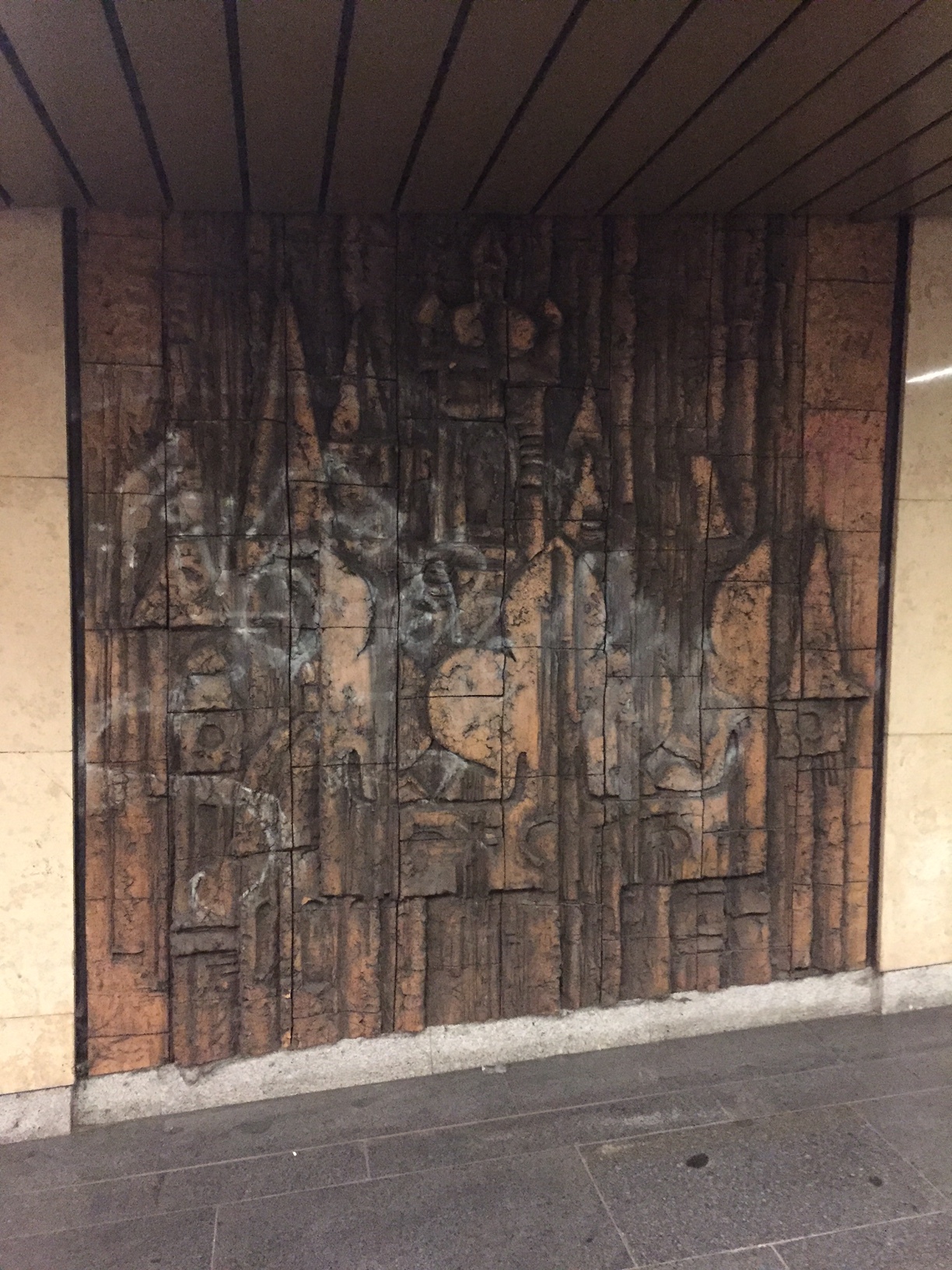
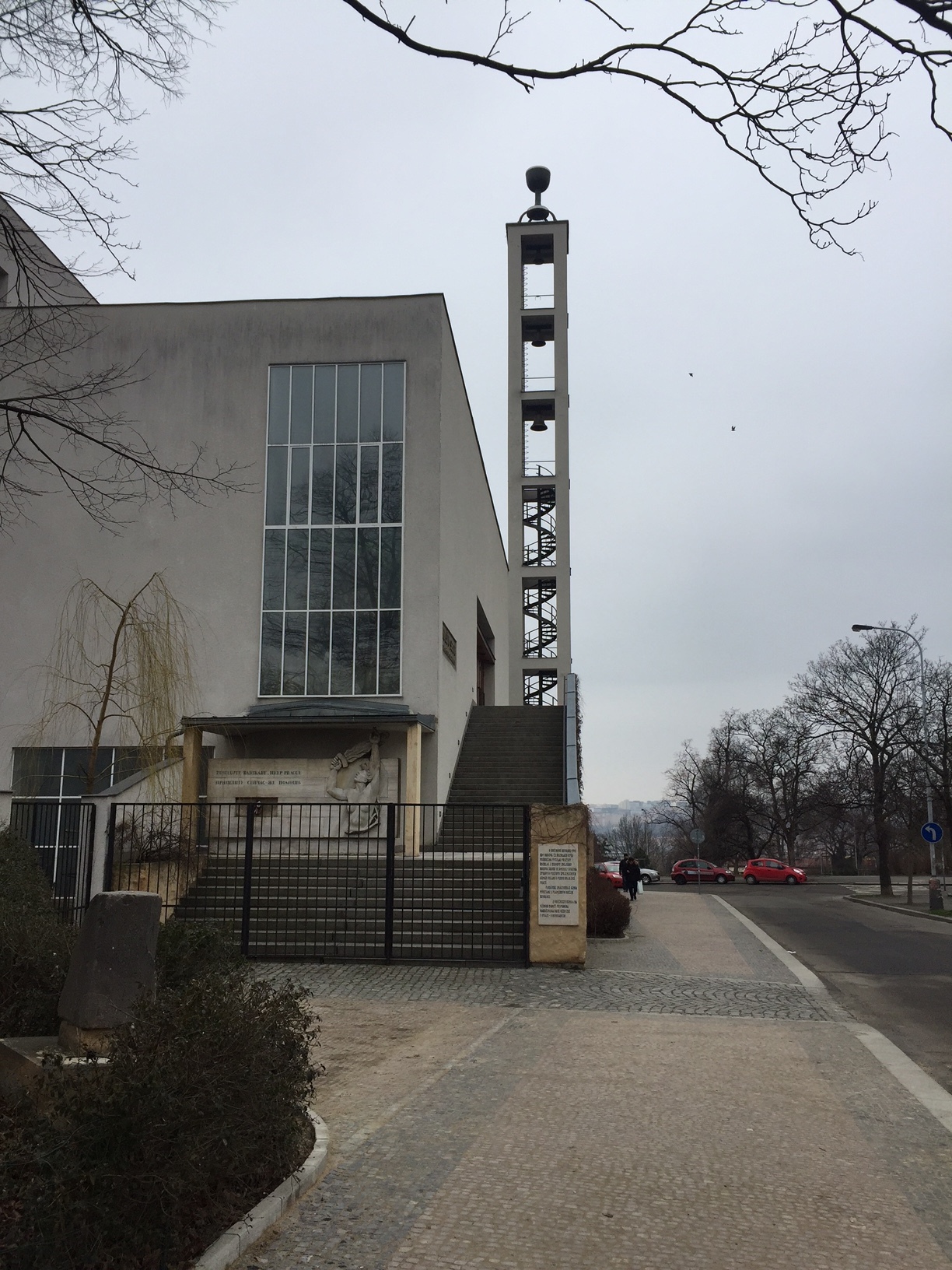
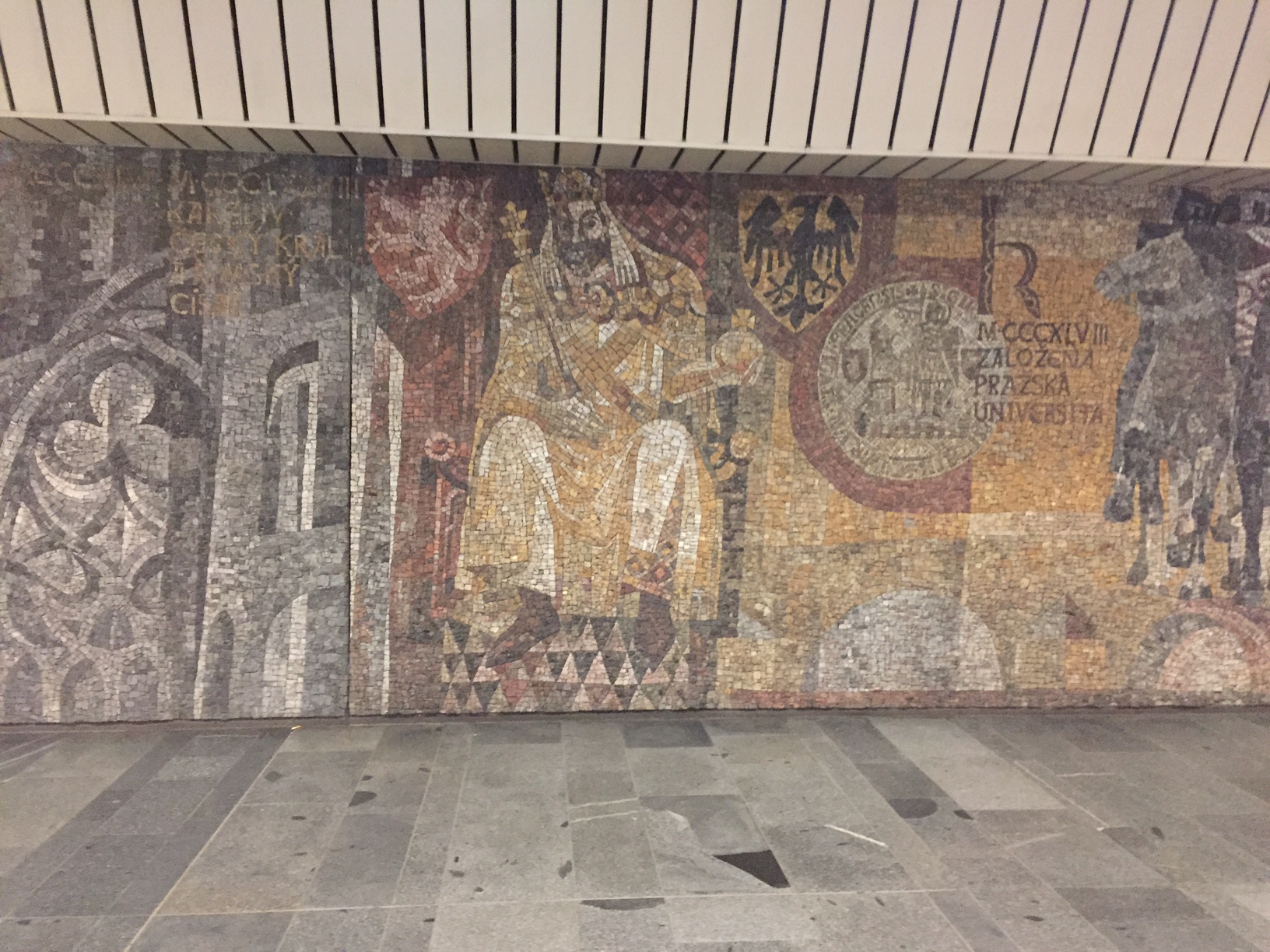
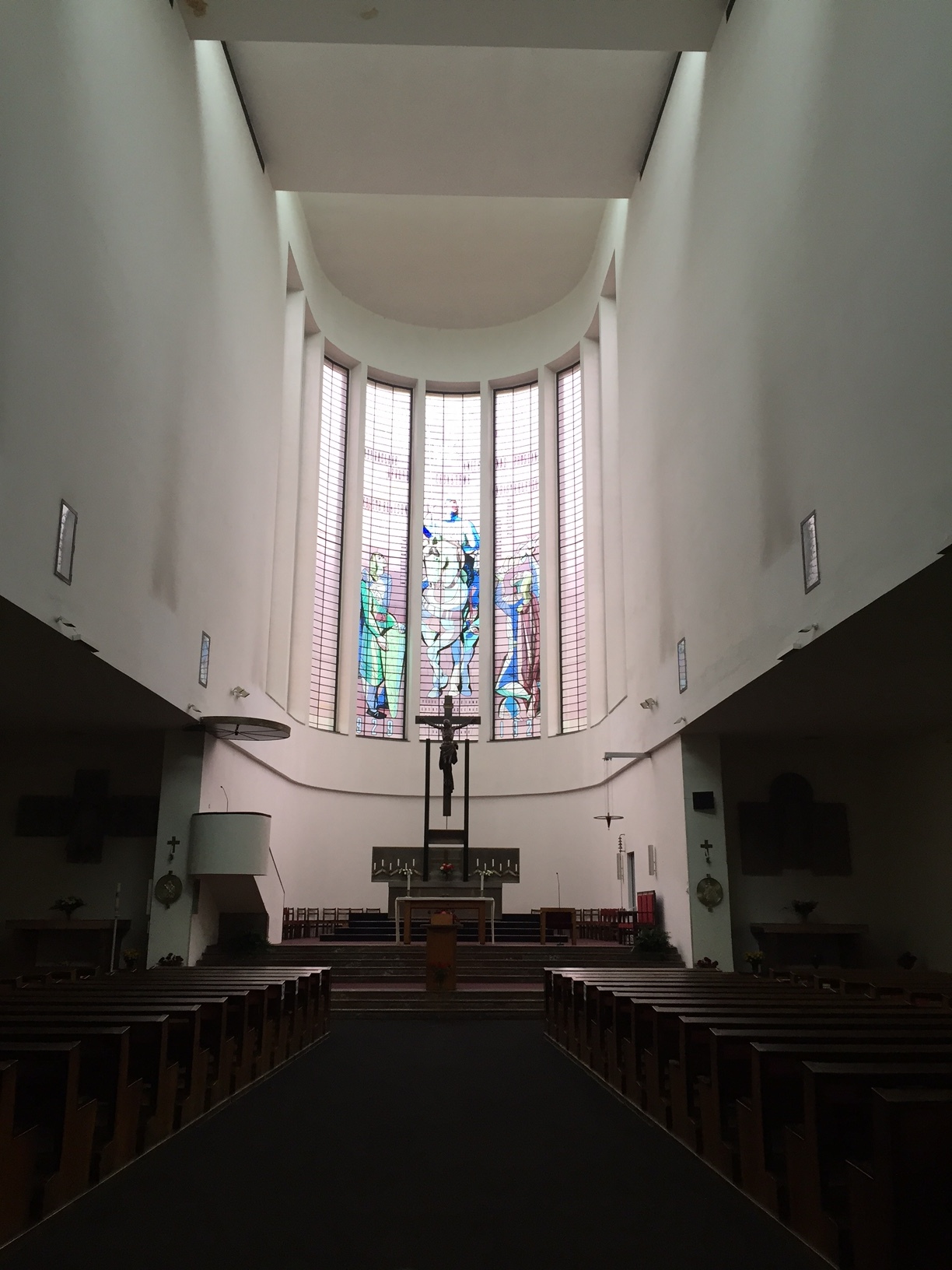
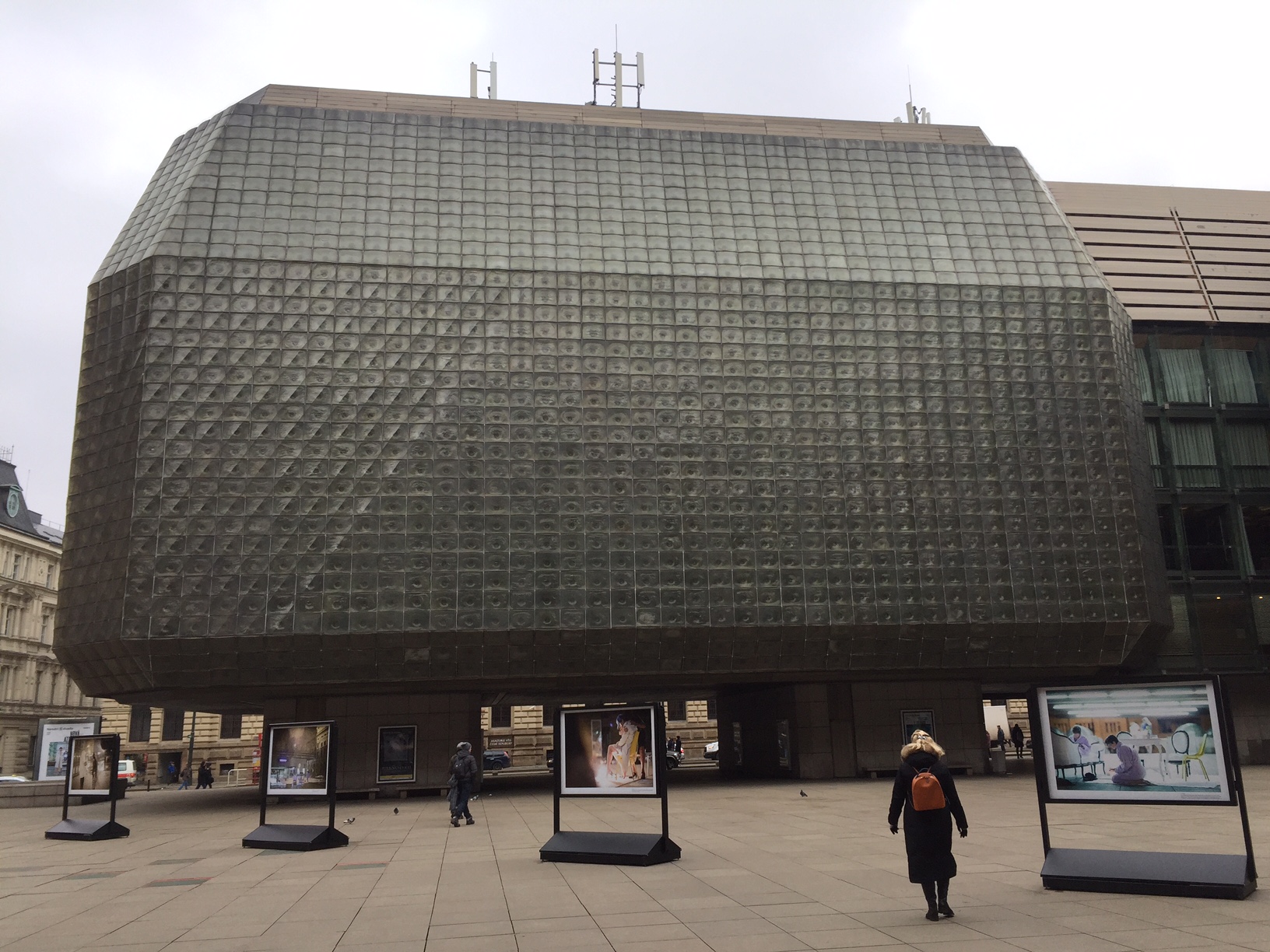
In our speed tour of Prague architecture, only some of which I am sharing here, I found plenty of remnants of Communist and between war architecture and statuary.  Highlights were three churches: the first a Hussite Congregational Church filled with reliquaries next to an austere but rich interior with a sloping floor, a Plecnik church I could not see inside, and the St Wencelas church which has an unusual pale rose colored stained glass window of Saint W atop his horse.  Went knew the quickest routes to everywhere and took me into the subways which also have a trove of Communist wall art which although very poorly maintained is still wonderful and into the outskirts of the city near where he lives and where an intellectual community of single family houses still exists along with Communist monuments that were very appealing. 


That night I walked from the hotel just across the street to the Rudolfinum, a grand but acoustically undistinguished concert hall, to hear the Pilsner Symphony under the direction of Kirk Smith, a young American, play Rach 3 and Dvorak 9. Again, as in Berlin, the place was packed with well-dressed young people, date night at the symphony.  Again, I bemoaned our impoverished US culture which does not incorporate enough music ed to get our kids up to speed.


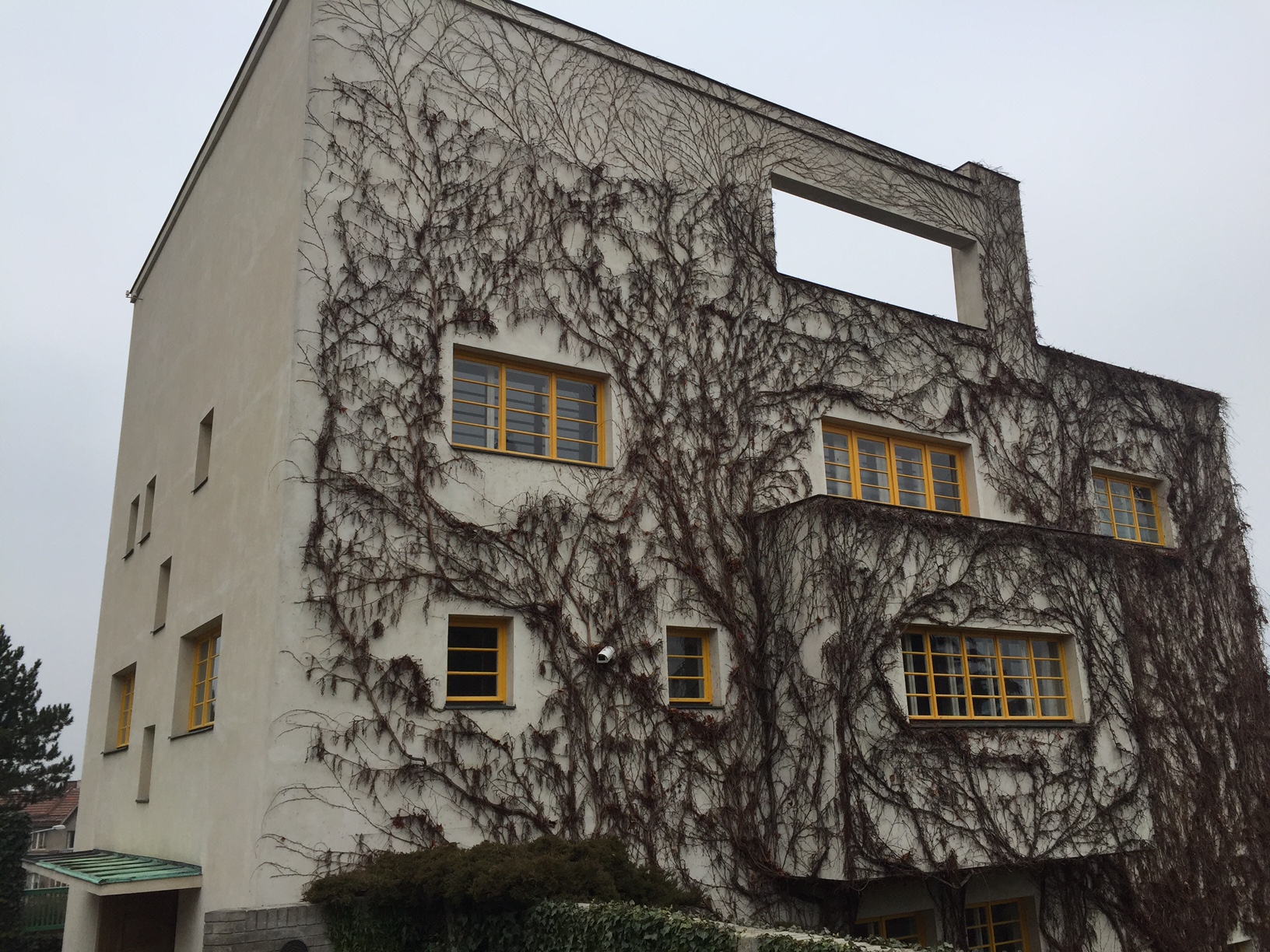
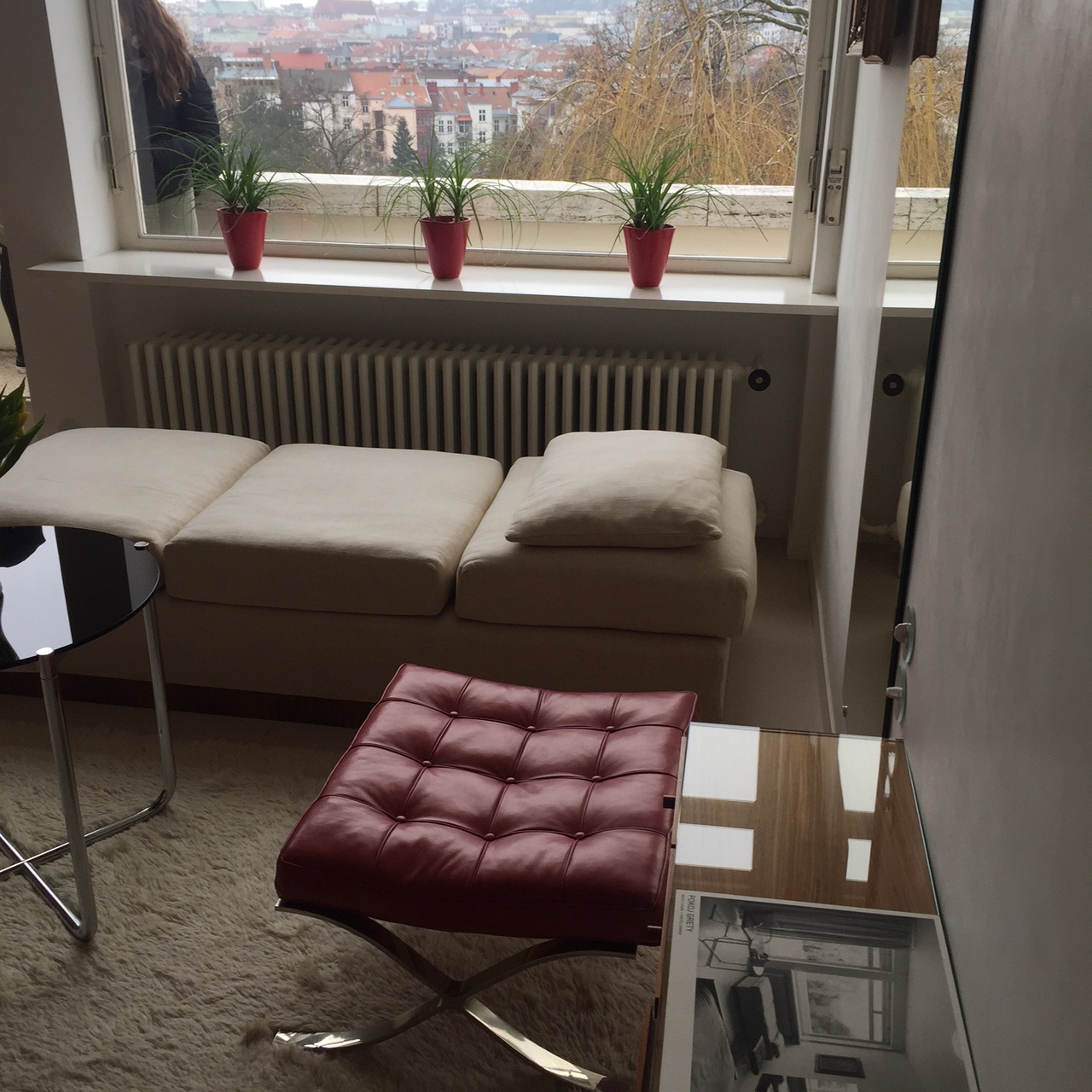
A visit to the Villa Muller, Adolf Loos’s impressive single family home which has been lovingly restored and curated and the Villa Rothmeyer, Plecnik's protégé's home which though much more pedestrian has a central stairway to die for, were a rich domestic interlude. Along with me on my tour was a young woman wearing an orange shortie jumpsuit with a cold shoulder shirt –it was only 30 degrees out but this did not seem to bother her in the slightest.  My toes were cold in Prague almost all the time, but the absence of tourists in this wintery moment was a small price to pay.. 

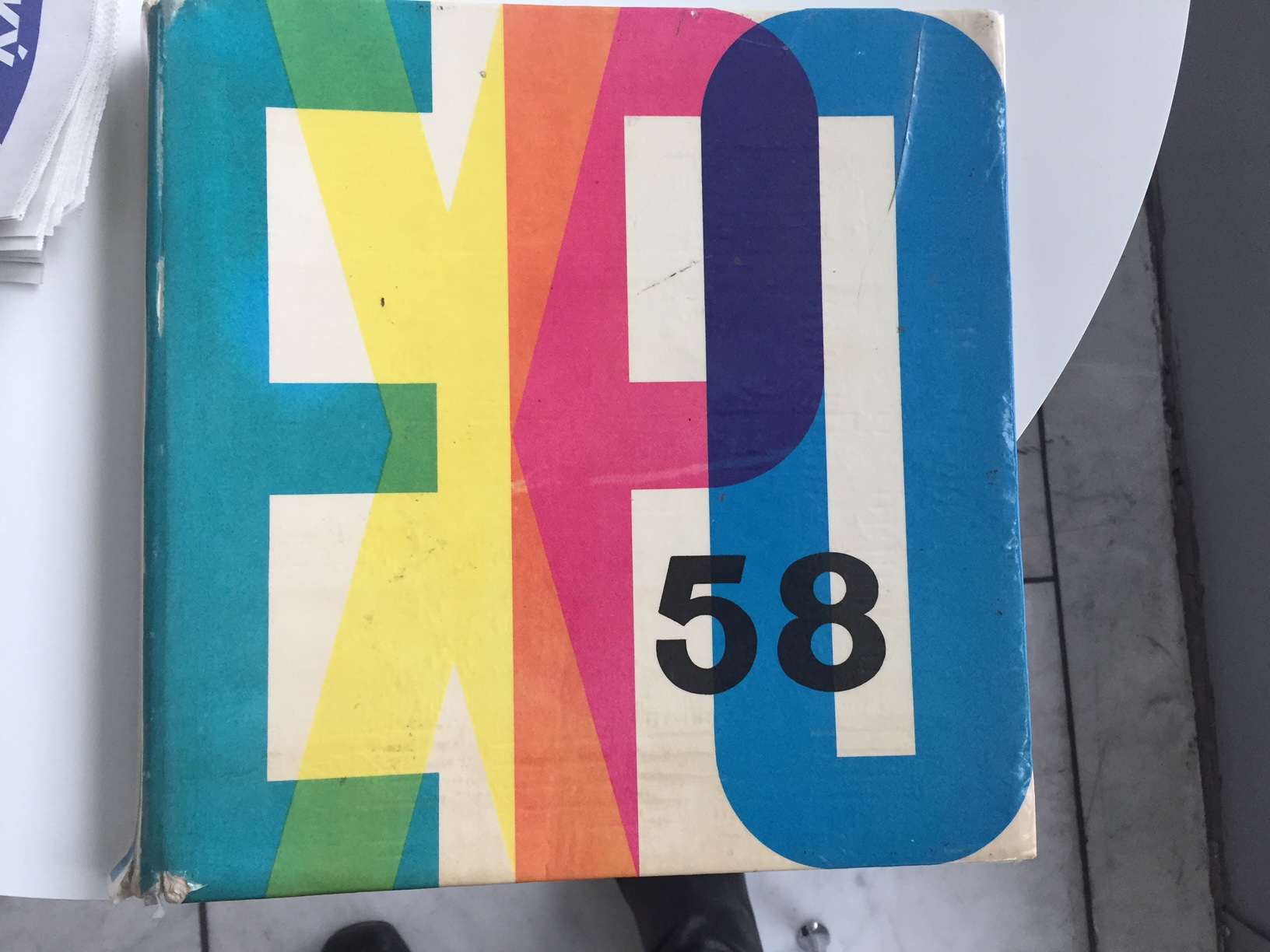
Finally, I saw the Communist Era building Expo 58 which had been the Czech pavilion at the Brussels Worlds fair which had exhibitions designed to show off each country’s specialities, in this case work, leisure, and culture

According to the literature, “the portrayal of technology as a force for good in the world resonated, in particular, with the committee putting together the program for the Czechoslovak Pavilion, which had its own motto, 'we live in 1958, the year of technological miracles, when all is possible.'” Multimedia theater shows like Laterna Magika a particular Czech speciality of live shows in front of films were in repertory and still exist in the capital.


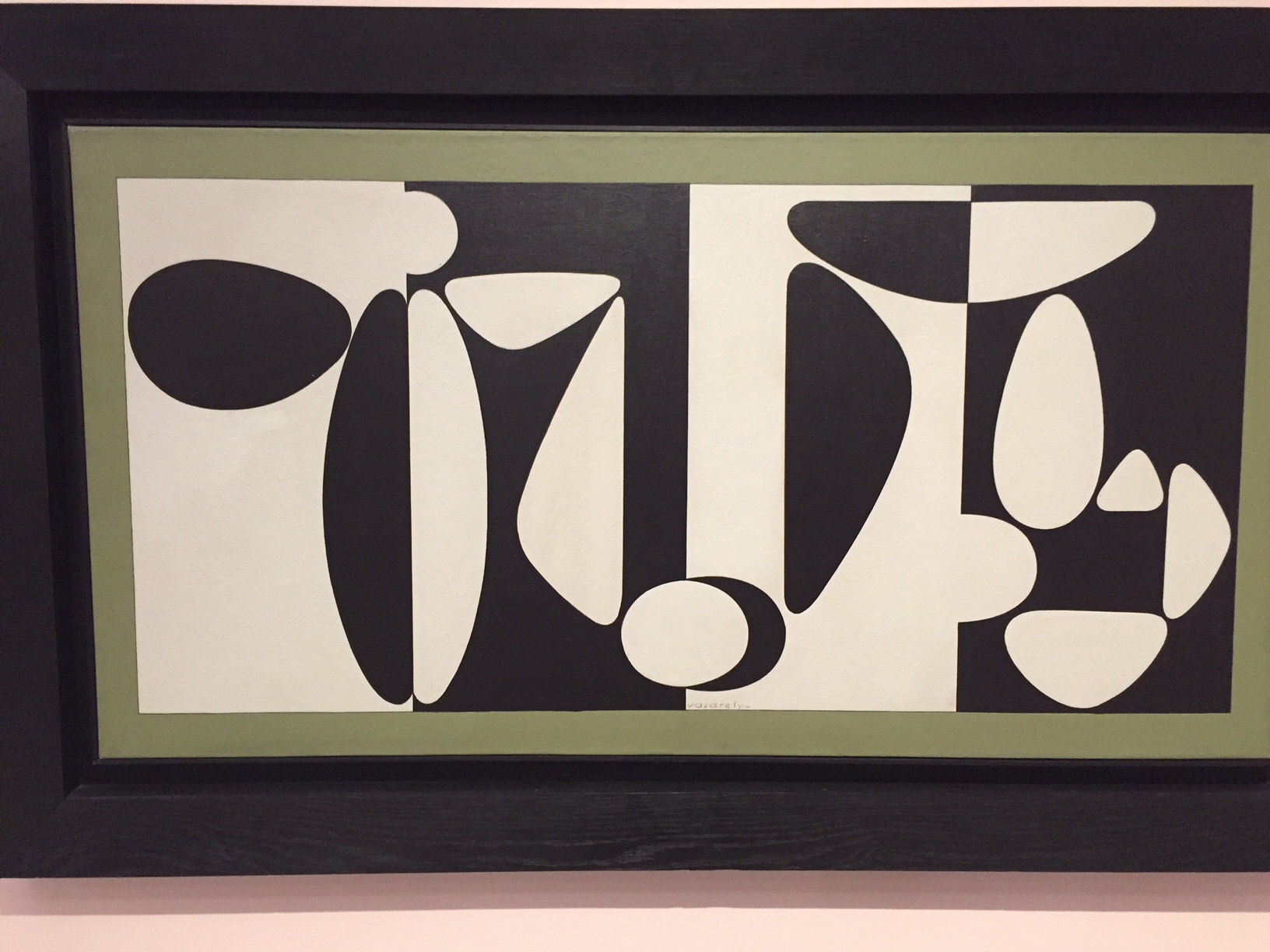
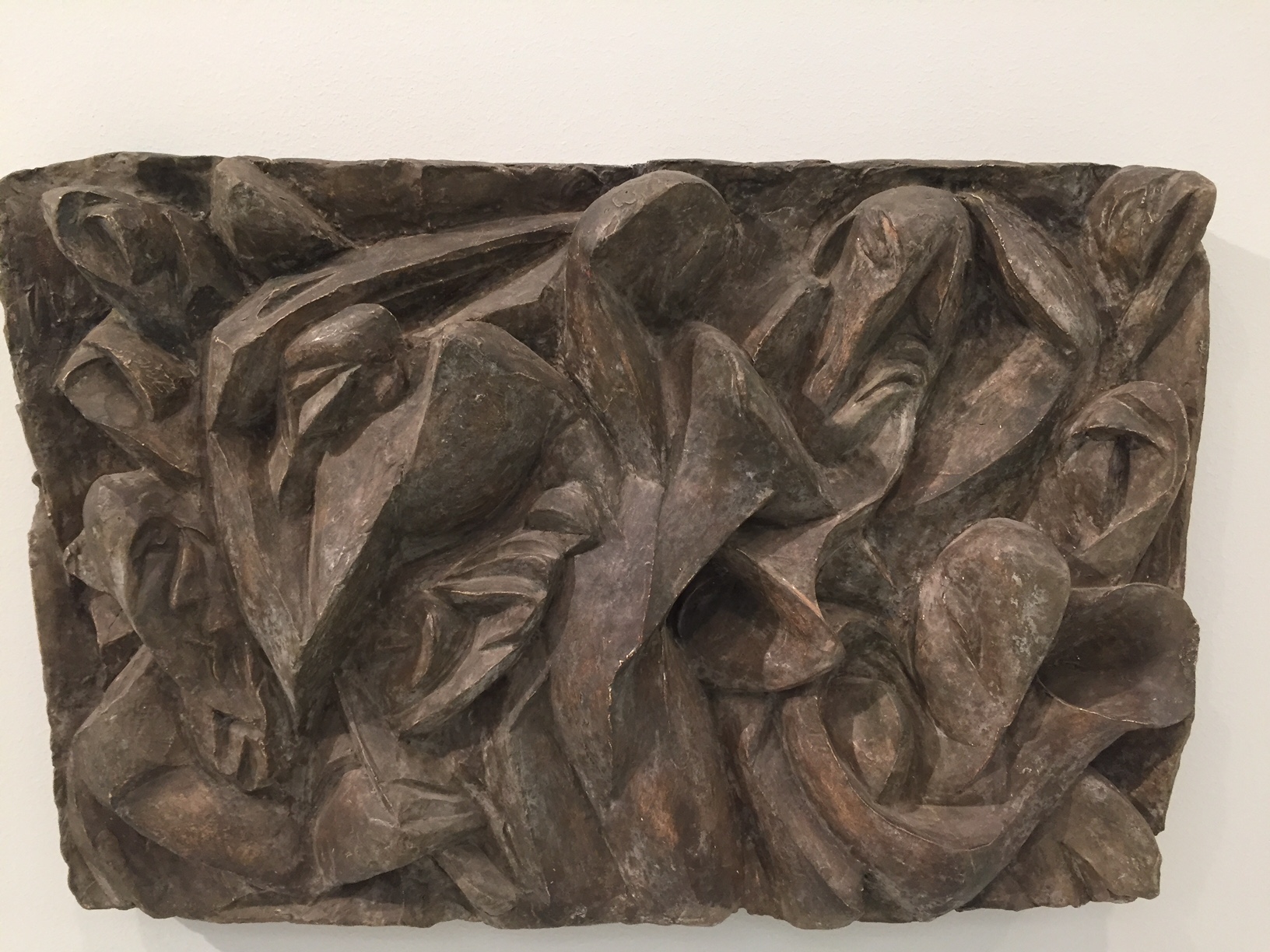
The modern branch of the National Gallery in Prague Trade Fair Palace  admired by Le Corbusier is another earlier building which intrigued with a wonderful collection of Czech surrealists unknown to me (see examples below). The museum, (which also has some Picasso treasures I had never actually seen), is the perfect austere setting for these small gems.


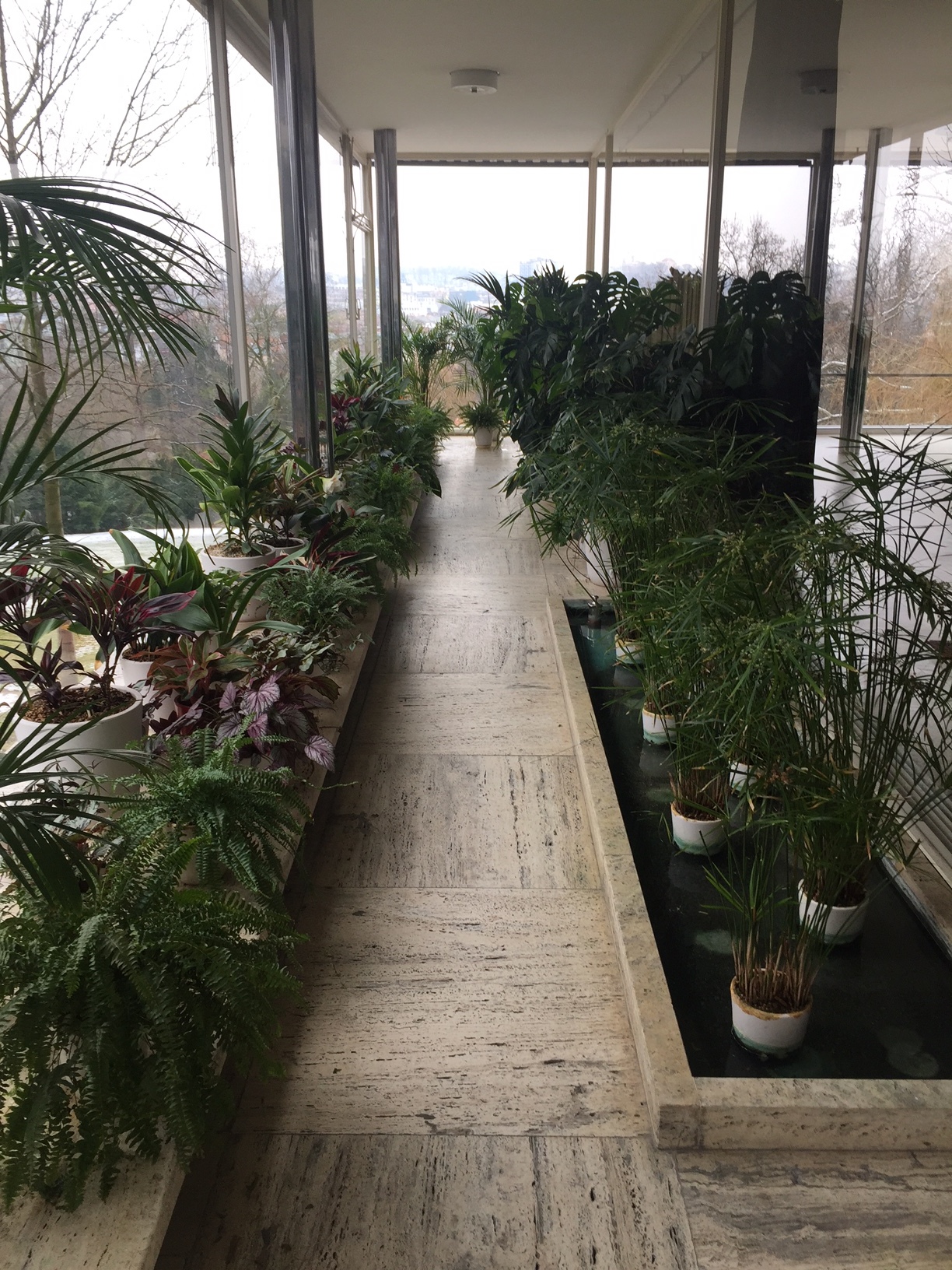
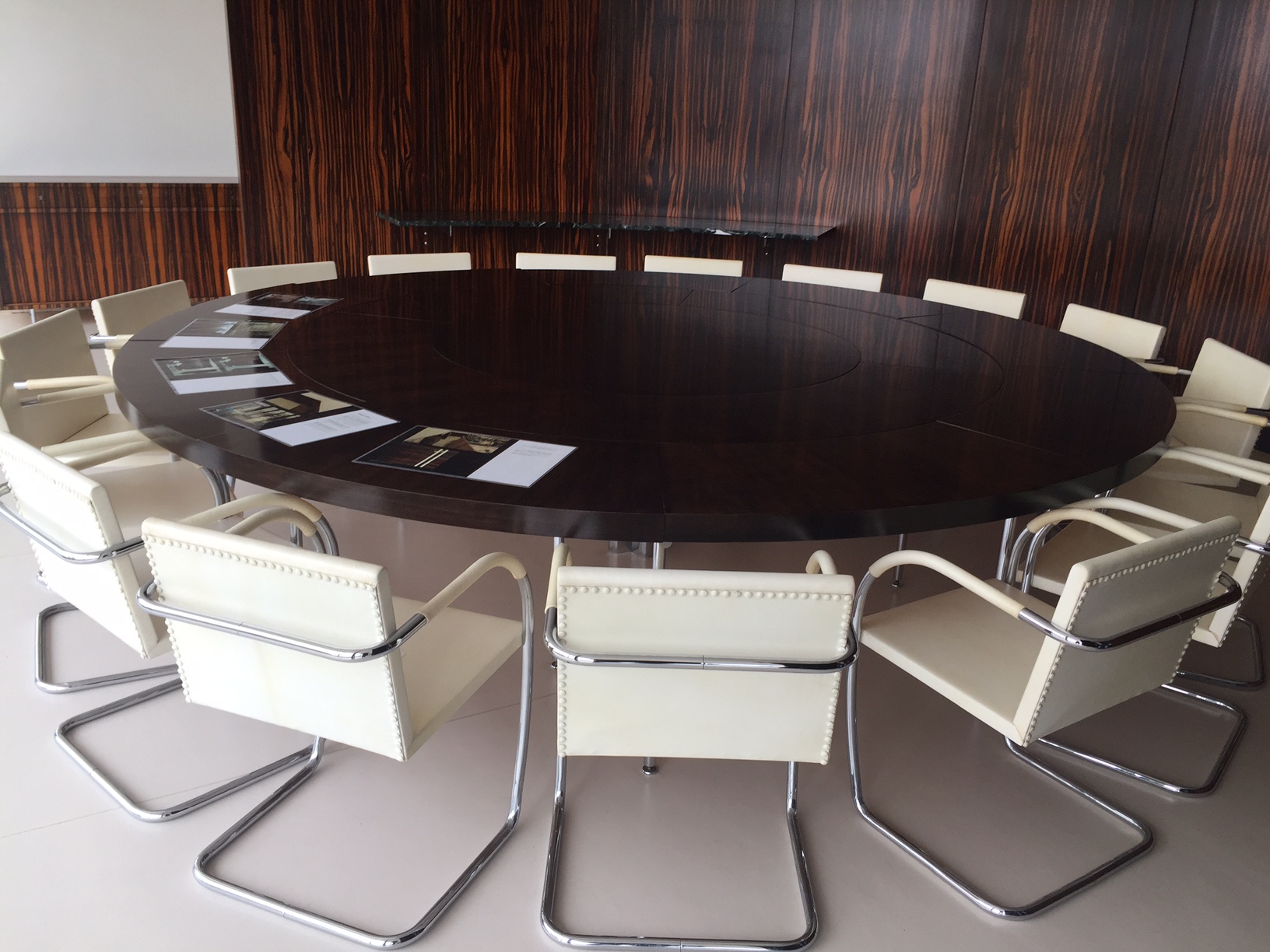
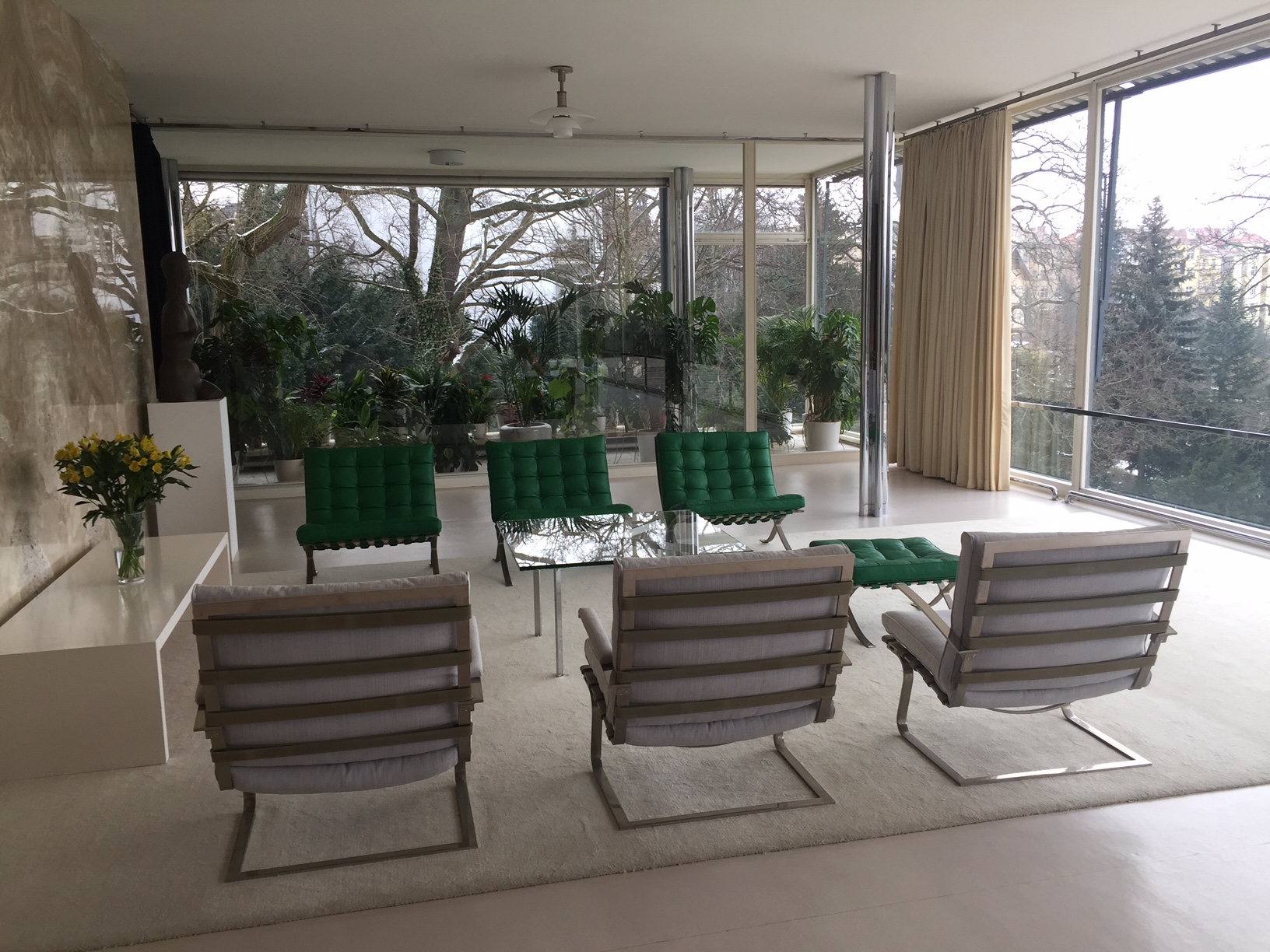
On the way south to Vienna I jumped off the train in Brno and went to the famous Mies Van der Rohe Villa Tugendhat which was simultaneously being scouted for a feature film location, much like the Villa Necchi was the star of I am Love. This villa also would upstage any actors.  It has been impeccably restored and is one of the Iconic Houses which deserve a special trip.  Mies had an unlimited budget from this wealthy Jewish textile family and it shows in the window construction, the furnishings, even the heating systems. When the client asked him to lower a doorway because he was afraid of it not being safe for the children, Mies threatened to walk off the job. A classic architect diva did produce a stunning building. 


Kundera was born in Brno into a musical family and I was sorry not to have more time in this city which also boasts modern architecture. He was exiled in 1979 and in 1981, he renounced his Czech citizenship and became a French citizen. He is still alive, at 88, but famously reclusive.  His spirit lingers however in his books and in the Czech Republic and wherever women who are struggling with their men are found.


(See slideshows below)


IMG_6980.JPG
IMG_6987.JPG
IMG_6989.JPG
IMG_6991.JPG
IMG_6995.JPG
IMG_7022.JPG
IMG_7019.JPG
IMG_7005.JPG
IMG_7003.JPG
IMG_7026.JPG
IMG_7041.JPG
IMG_7056.JPG
IMG_7061.JPG
IMG_7062.JPG
IMG_7048.JPG
IMG_7081.JPG
IMG_7085.JPG
IMG_7067.JPG
IMG_7096.JPG
IMG_7102.JPG
IMG_7115.JPG
IMG_7114.JPG
IMG_7112.JPG

Berlin Stories, Part two

February 13, 2018 Patricia Zohn
IMG_6886.JPG
IMG_6897.JPG
IMG_6888.JPG
IMG_6900.JPG
IMG_6899.JPG
IMG_6914.JPG
IMG_6931.JPG
IMG_6928.JPG
IMG_6932.JPG

In the few spare minutes I had while in Berlin, I did three things that are not to be missed.

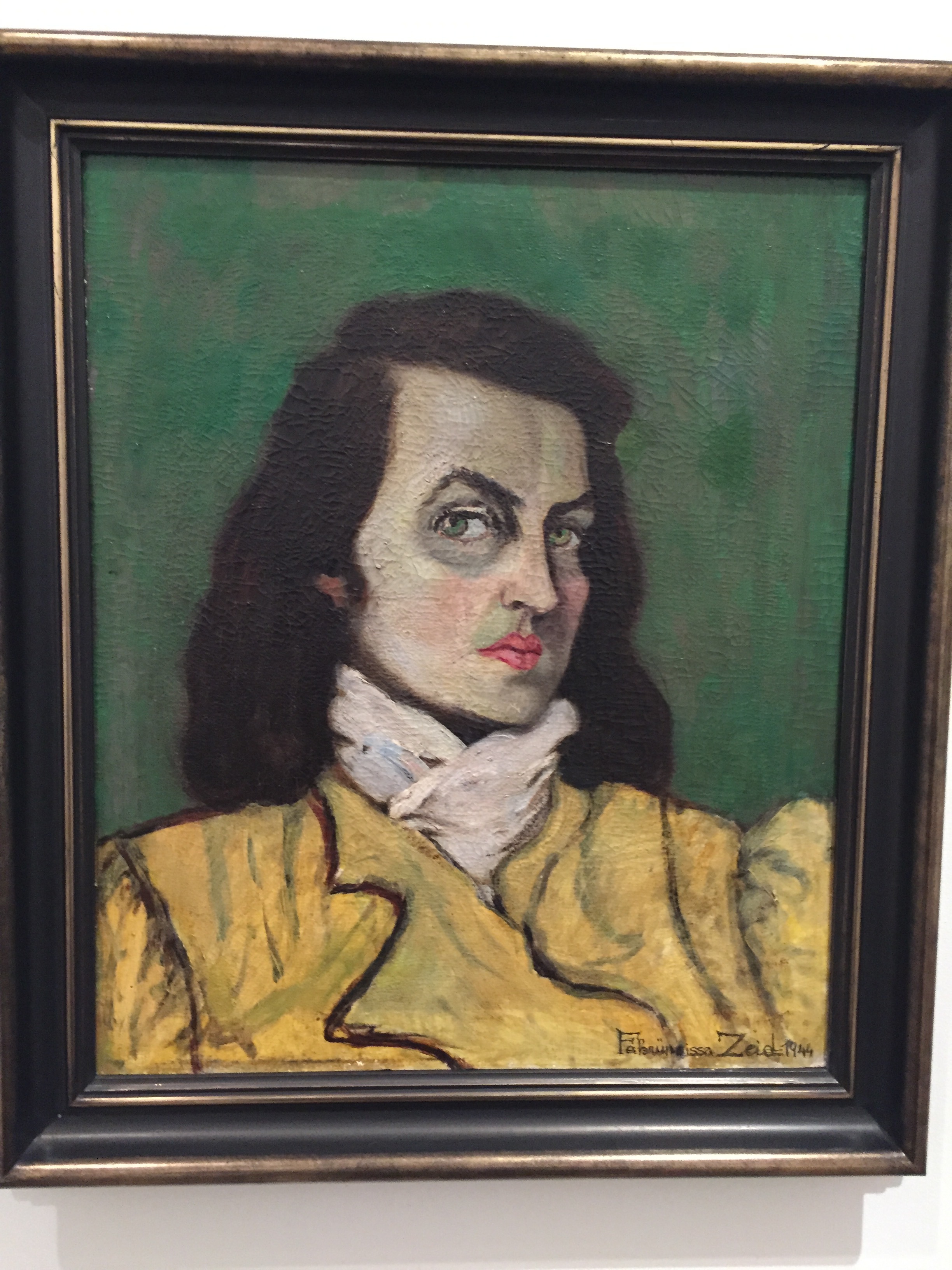
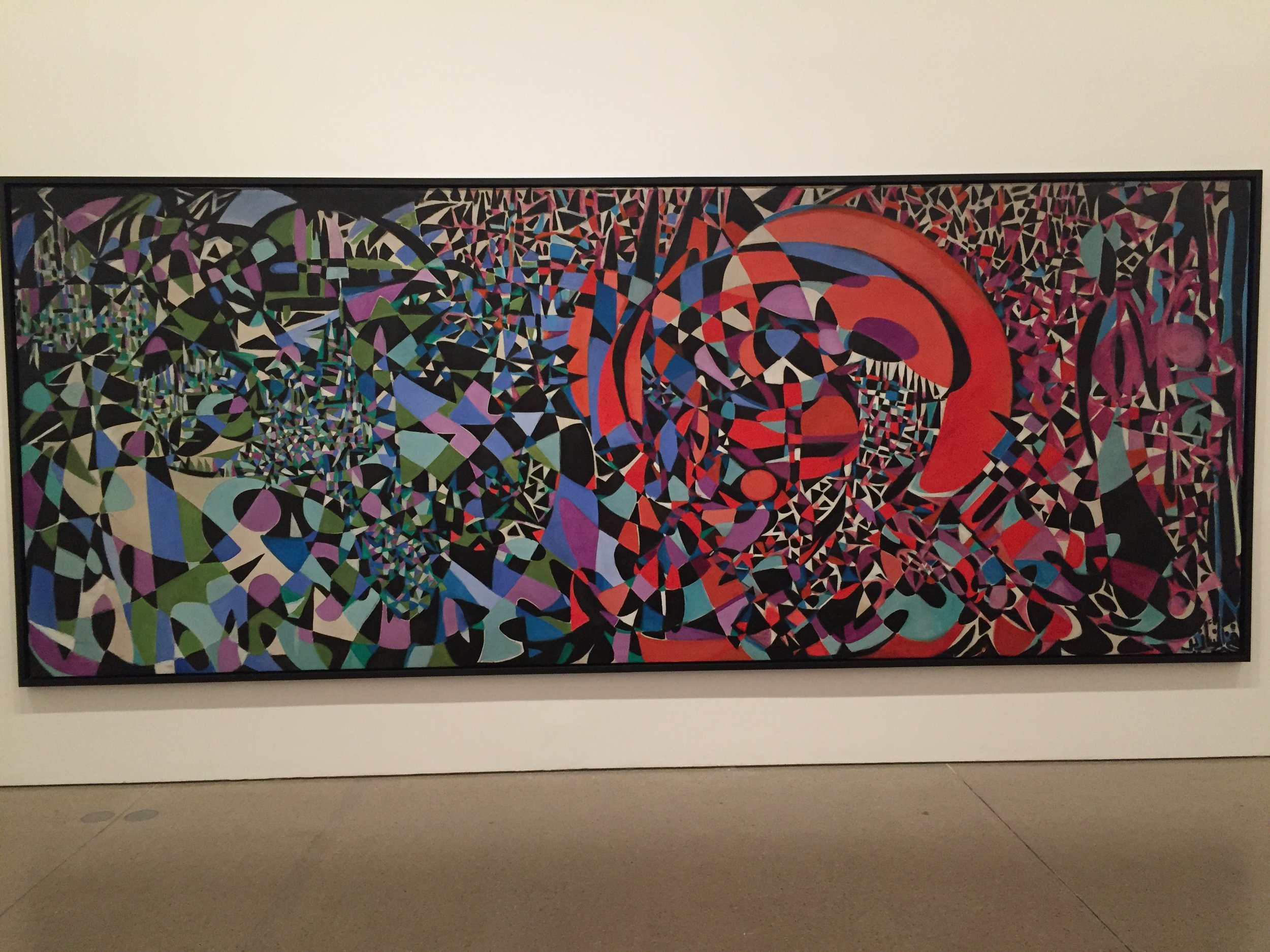
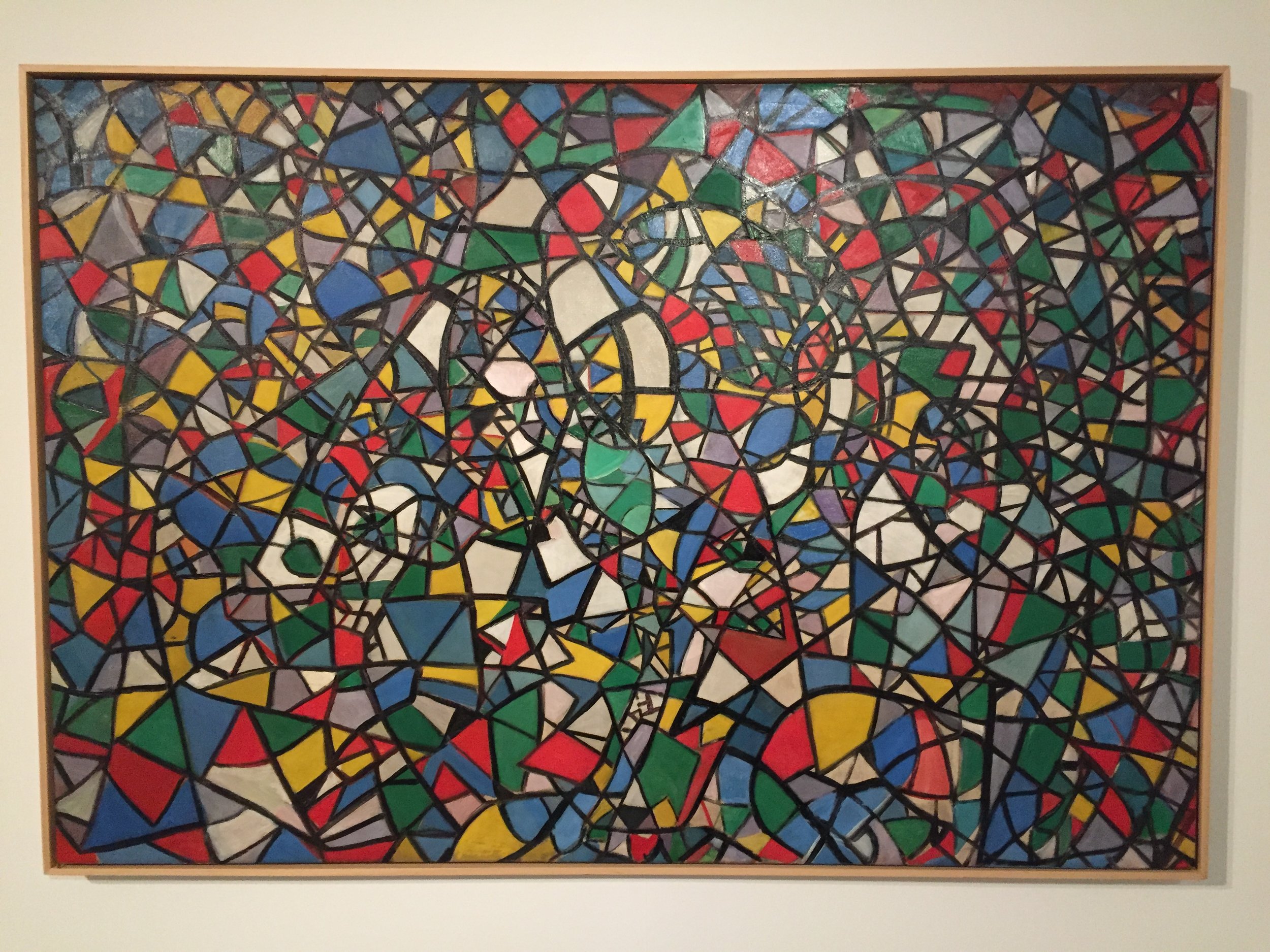
First: the KunstHalle DeutscheBank is the second home of a Tate Gallery show on Turkish artist Fahrelnissa Zeid, someone entirely unknown to me.  Zeid was born into Ottoman gentry in 1901. Her brother shot her father but this devastation did not prevent Zeid from going on to study first in Turkey and then in Paris and eventually to marry a writer and become a private painter.

Suddenly she divorced and married an Iraqi Prince who was appointed ambassador to Berlin.  She took up painting quite seriously and traveled widely, an itinerant painter. Finally after he was transferred to London, she narrowed her focus between London and Paris and became part of the Nouvelle Ecole. 

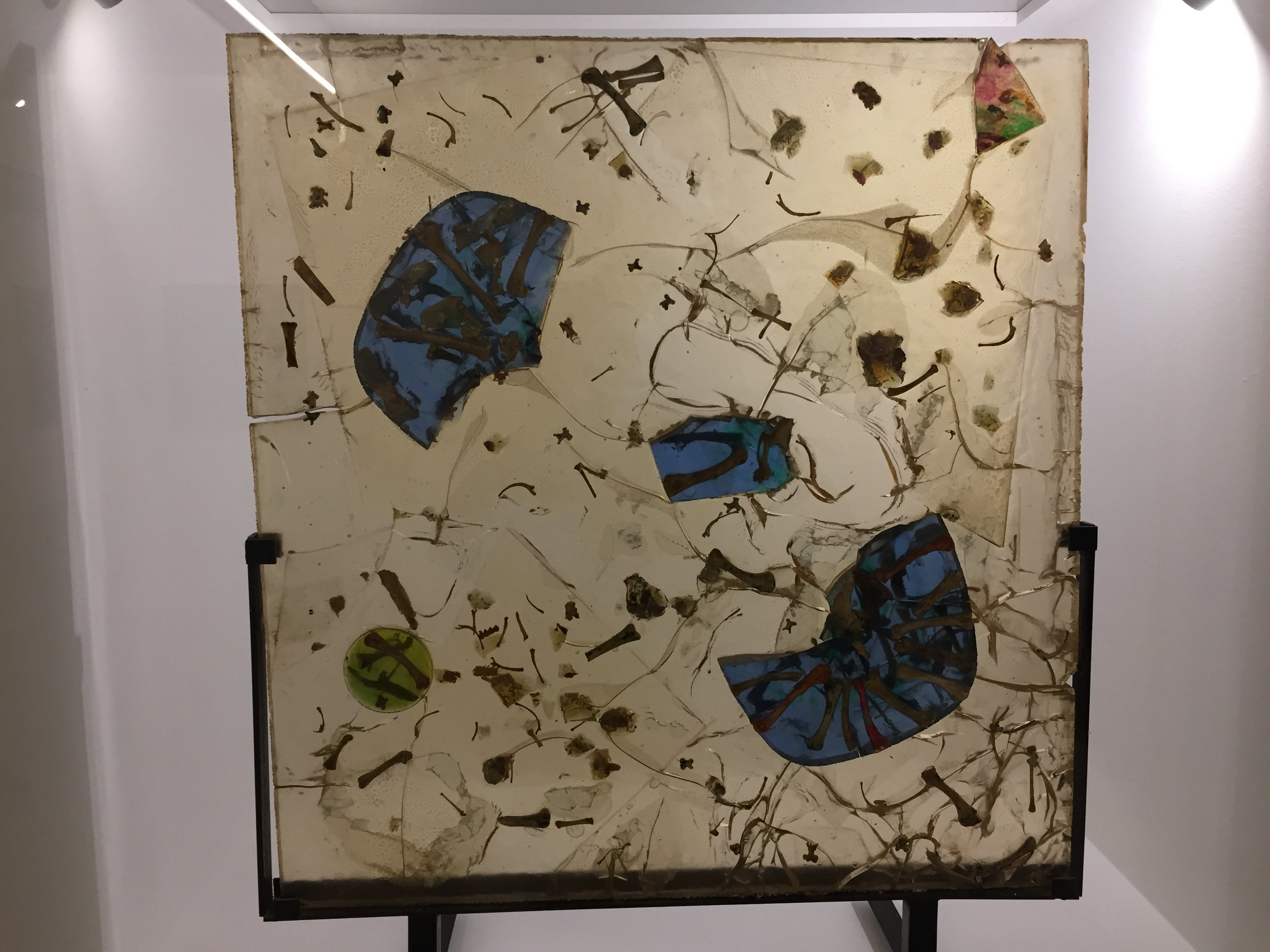
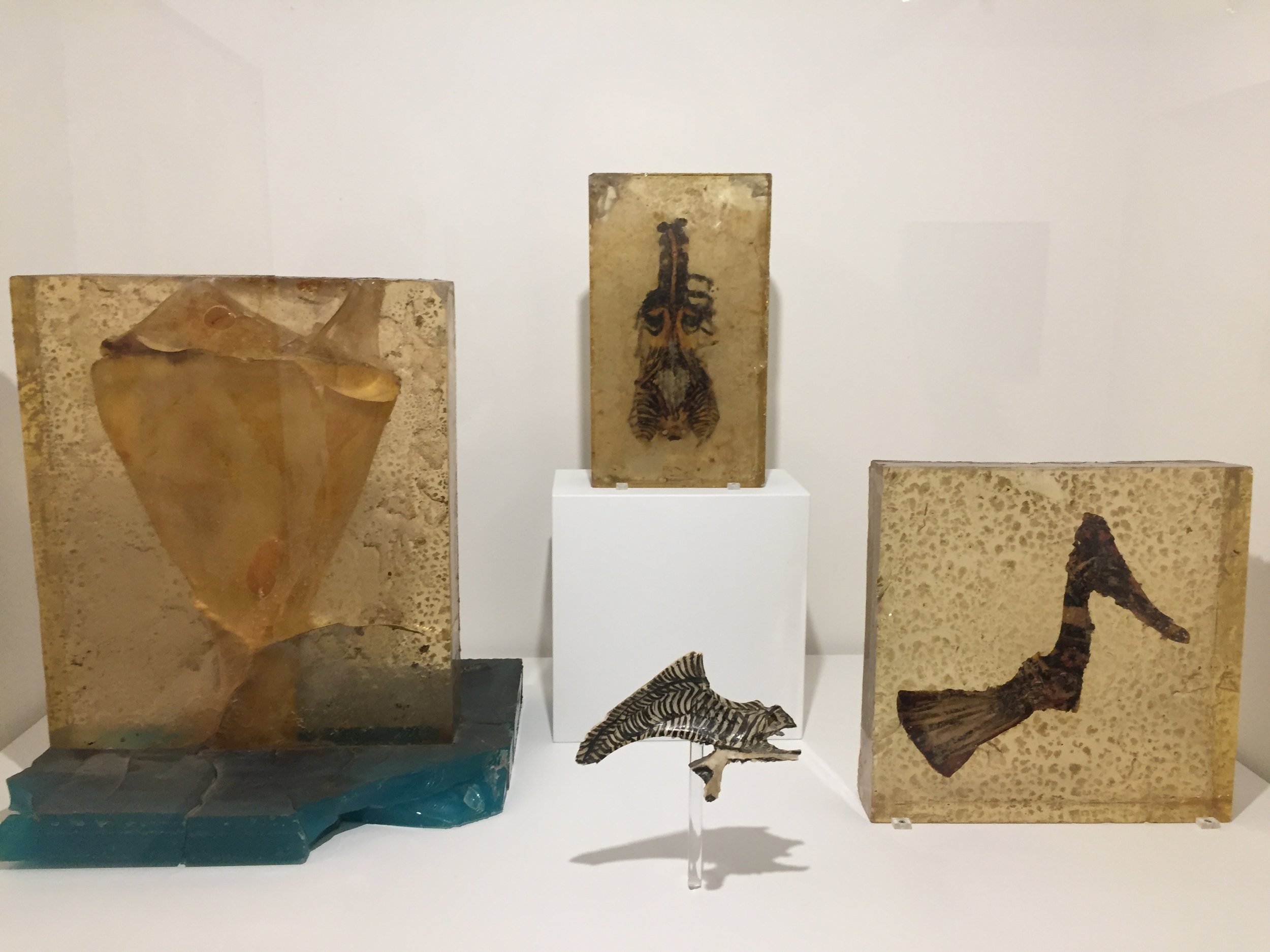
Her influences were eastern and western and her art reflects this intersectionality. After painting, she began some work in golden resin which reminded me of Rachel Whiteread and is so contemporary, capturing chicken bones which she used as talismans of destruction.

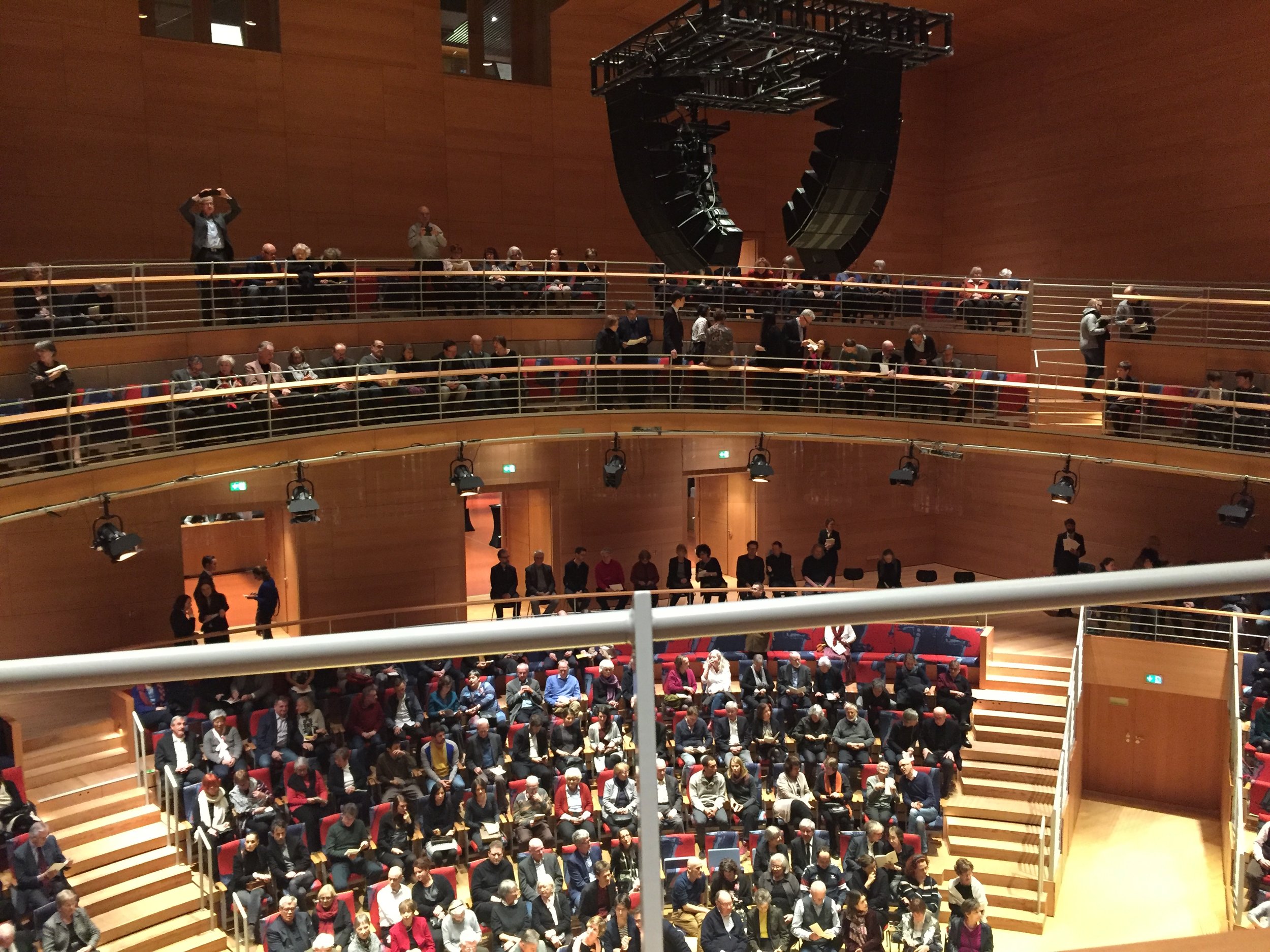
Second: I stole away on our one free night to listen to Christian Tetzlaff, his sister Tanja and Lars Vogt at the newish Frank Gehry designed Pierre Boulez Saal, home to the East West Orchestra of Daniel Barenboim.  Though not as sumptuous as Disney Hall, and slightly less perfect for viewing (I was in the upper tier, and a bar does obstruct the view somewhat), it is another acoustical marvel and the Tetzlaffs and Vogt showed it off to perfection with a rousing performance of Schumann, Brahms and Dvorak.  It's intimate and lively, and it renewed my feelings of jealousy of the youthful and serious audience for music in Berlin.  What a delight to feel that music is part of daily life and not an extravagance! I don't know why we can't replicate this in the US.  I understand about unions, I understand about costs, but there must be a way that we can inculcate young people with a delight in music that goes beyond pop (nothing against pop, I love it, but let's have both) 

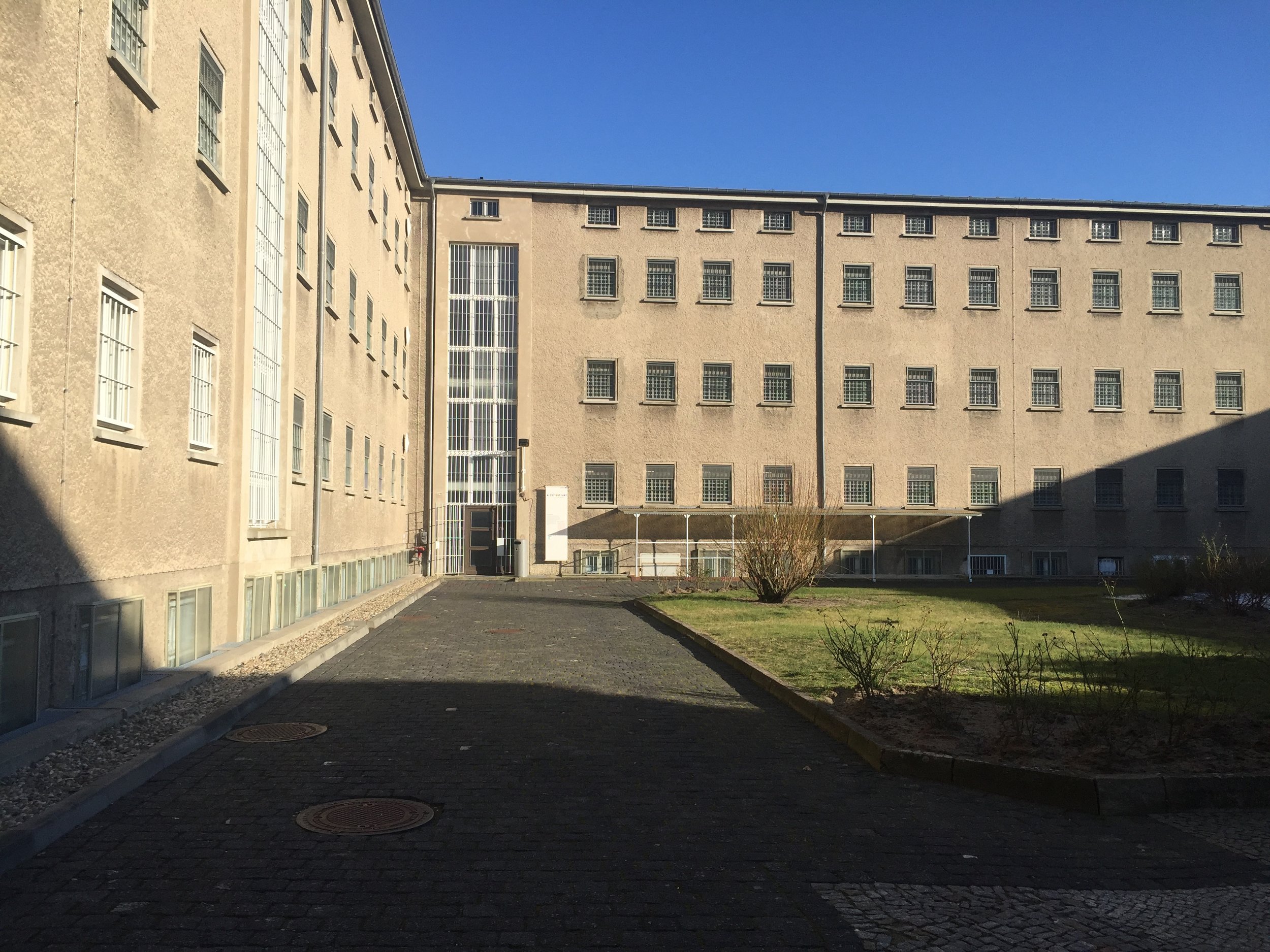
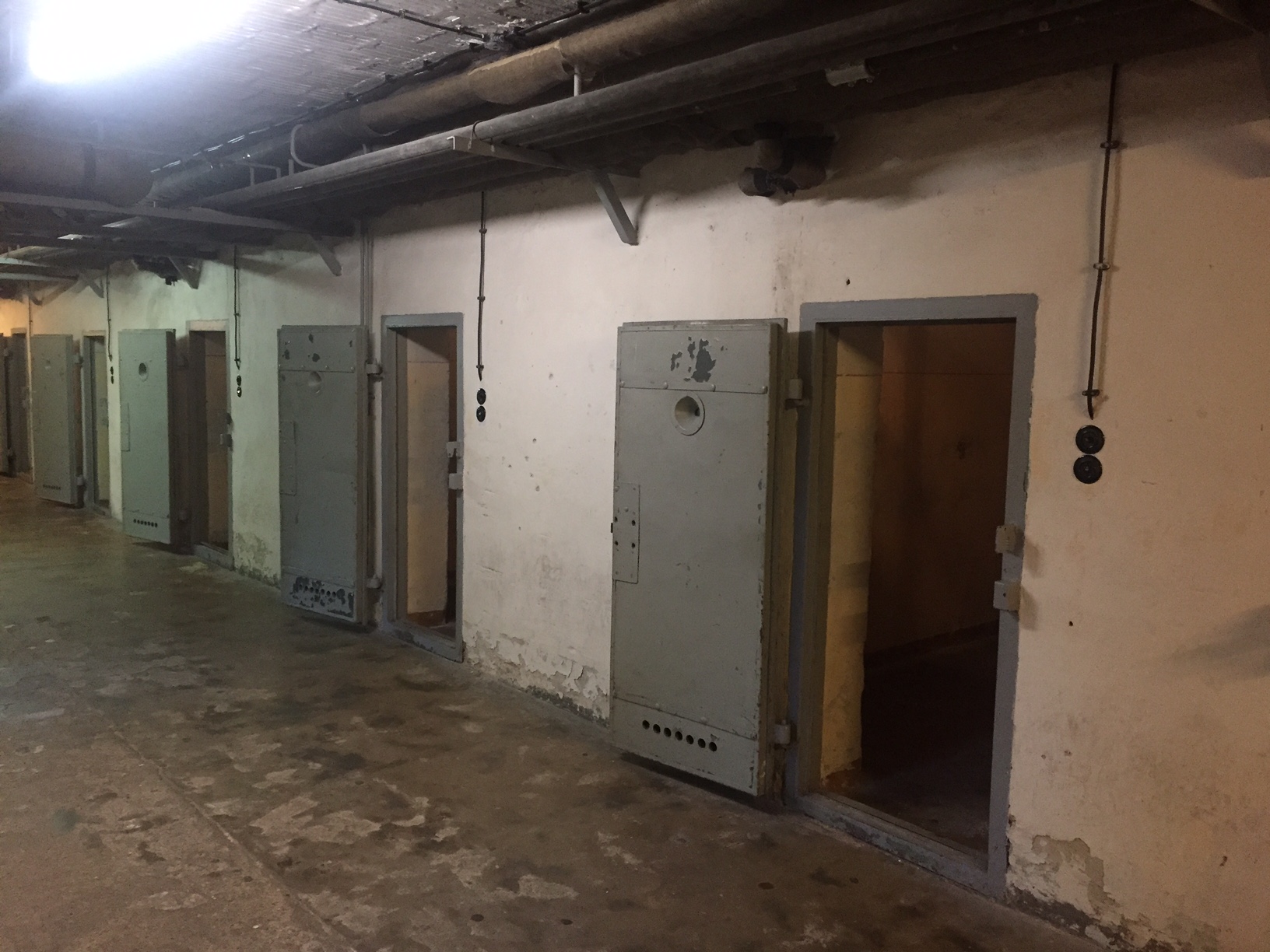
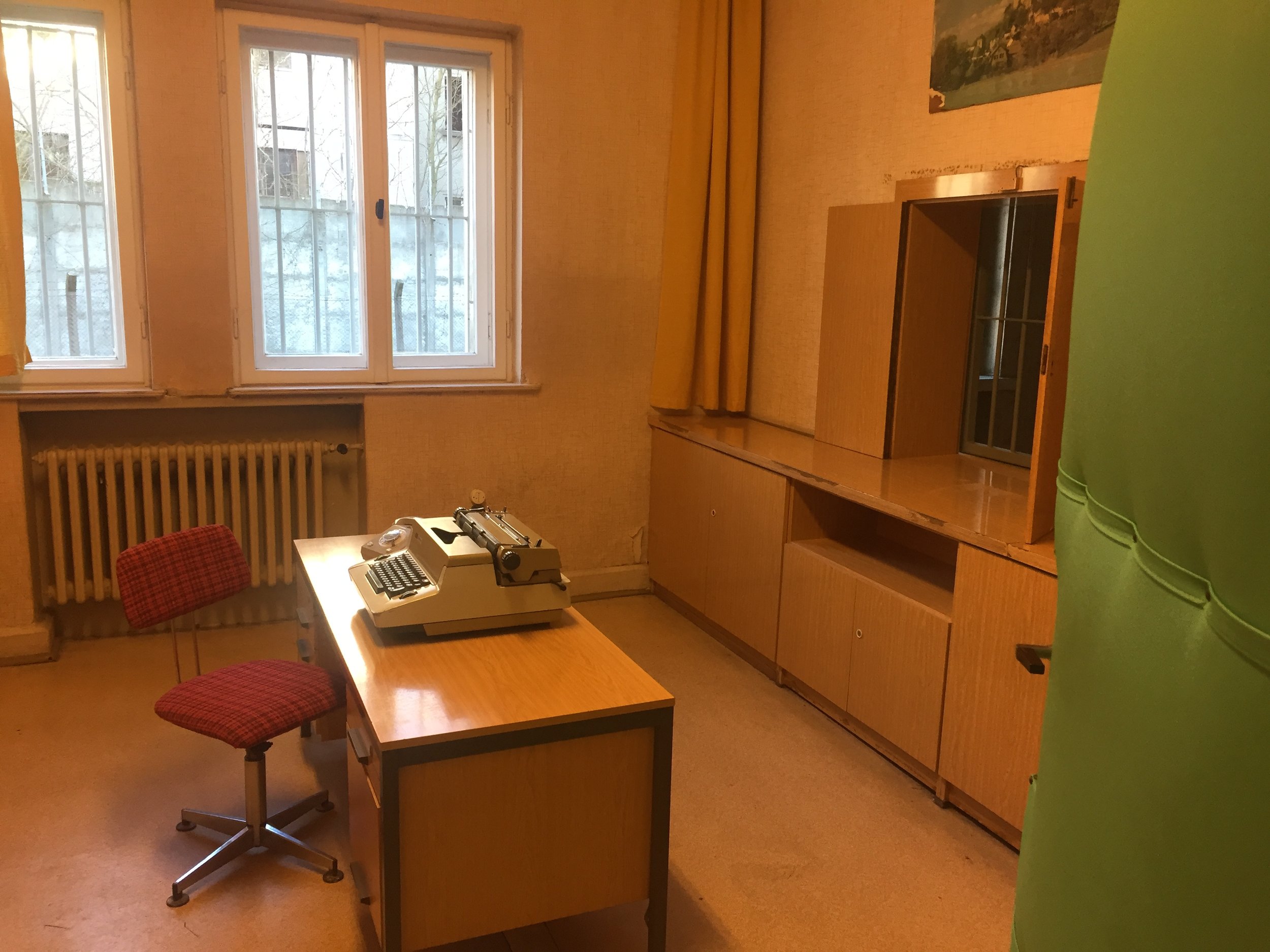
Finally, as mentioned, I visited the Stasi Prison on the outskirts of the former East Berlin. Entirely preserved down to the padded cells, the interrogation rooms, the windowless corridors, it is The Lives of Others come to life. It's a sobering but necessary reminder of what can happen when citizens are forced to turn against each other.  


In my next life, I want to return as a Rolex Protege

February 13, 2018 Patricia Zohn
IMG_6923.JPG
IMG_6940.JPG
IMG_6908.JPG
IMG_6879.JPG
IMG_6920.JPG
IMG_6941.JPG

When Christopher Isherwood came to Berlin in 1929 to follow his mentor W.H. Auden, he was looking for freedom and an artistic community that would nourish his unconventional spirit and early writings.


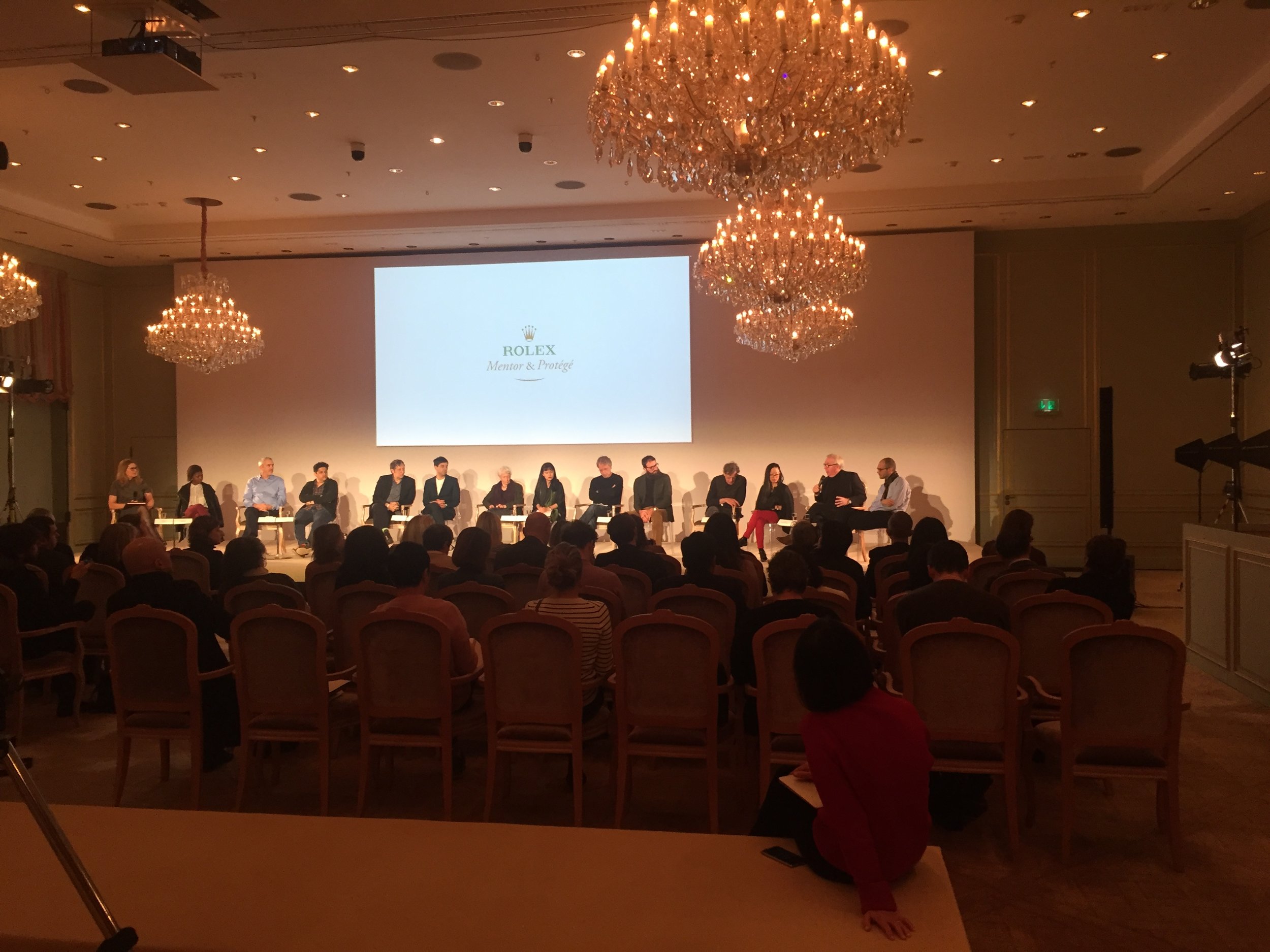
Last week, seven Rolex protégés in architecture, dance, film, theater, music, visual arts and literature followed their mentors to Berlin after more than a year of collaboration, learning from each other, hanging out, traveling and making something new and to present the fruits of their labors.


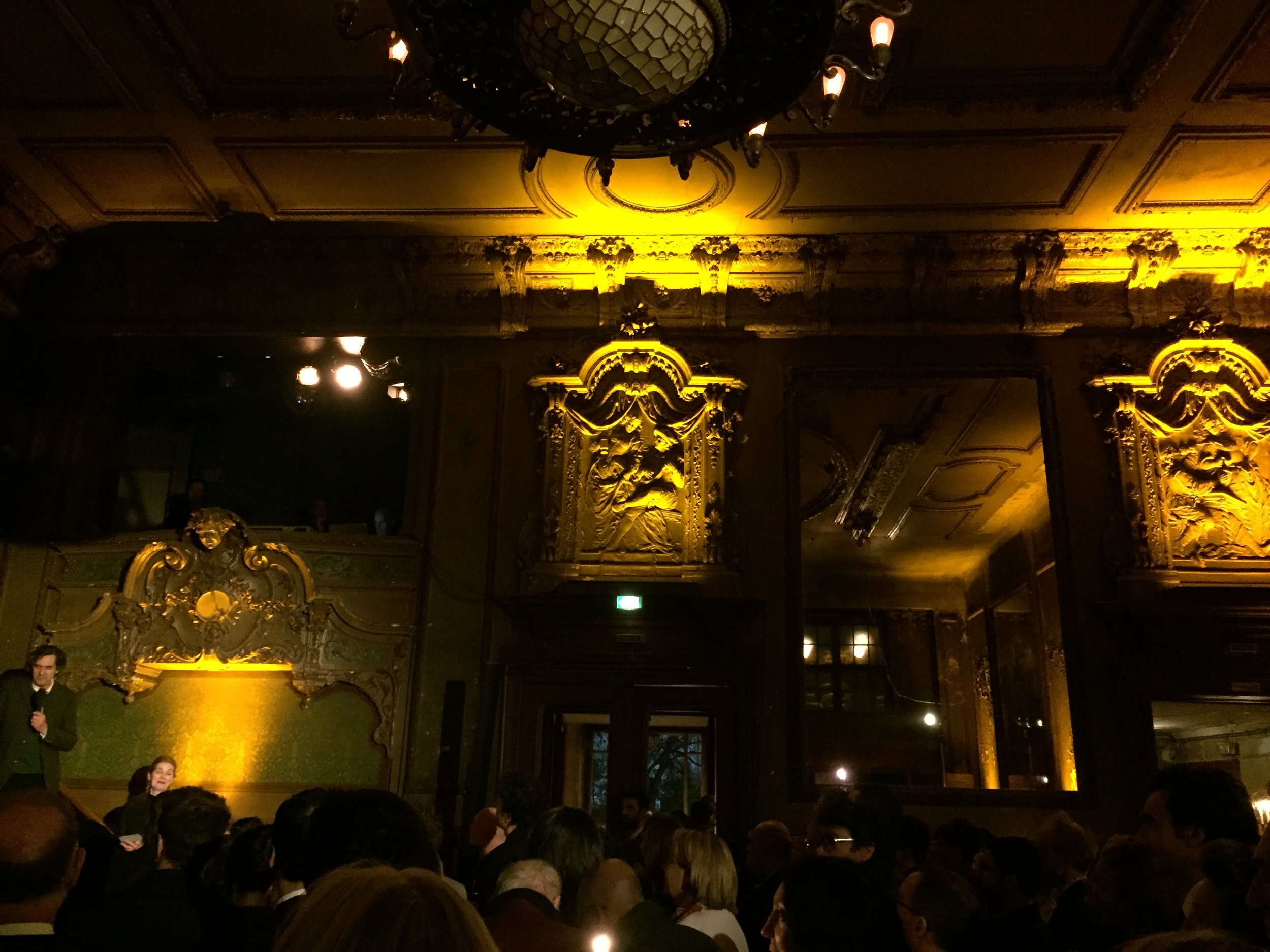
Berlin was a perfect location.   Though chillier than the last round of presentations (in Mexico City) outside, inside the spectacular locations Rolex had secured for the presentations and panels made one feel as if a kind of benevolent queen—in this case Rebecca Irvin, head of Rolex Philanthropy-- had opened her architectural jewelbox—just for us, the participants, mentors and protégés from past cycles as well as advisors in all the disciplines and the general public. To be in the Gemaldegalerie or the Staatsbiliothek or the Deutsches Theater or the Kammerspiele or the Staatsoper seated among so many talents was truly a ‘pinch-me’ moment.


But of course there is always the shadow of Berlin Wall—and the remnants of the Stasi Prison which I also visited on this trip, a troubling reminder that walls and intimidation only accomplish the desire to break free. In the middle ages walls were fortification against invaders. In Berlin they kept people in.


But Berlin is now so welcoming. Musician Protégé 2012, Dina El Wedidi (who was mentored by Gilberto Gil) tells me about what is happening politically in Egypt and has even come to Berlin to produce her new record which depends on the sounds of trains.


David Chipperfield Mentor 2016-7 who has had major commissions in Berlin and now has a second home there commends the openness and easy cross fertilization between the arts and politics that is hard to replicate in London.


It’s a challenging time for philanthopists.  Boards of Trustees and owners, once closeted in cushy board rooms and able to hide behind large edifices are now being held to account.  Are works to be repatriated, restituted or deaccessioned? Do the actions of your family business in the opioid epidemic make you an unfit patron? Are the owners of companies or publications or film studios responsible for the actions of the people they employ?


Rolex strives to be different. Other than the culminating dinner, the rest of the events are free, open to the public, and where anyone has the rare opportunity to find themselves seated beside a celebrated artist and engage in dialog and feel truly connected to those we so admire. During the course of their collaborations the mentors and protégés are left largely to themselves. If I sound gushy it’s not to be helped: looking around at the artistic firmament, it’s hard not to be impressed.


Though the Mentor Protégé program has the goal of helping artists (which it does, handsomely), it also allows an extremely rare opportunity for both leading and up and coming stars to mingle with each other.  All through the weekend I saw protégés from previous cycles huddling like football players sharing insights and strategies before they take the field:saving seats on the bus, hearing about the new symphonies, films, record albums, dance installations, and often, the colder bath that awaited them outside the program.


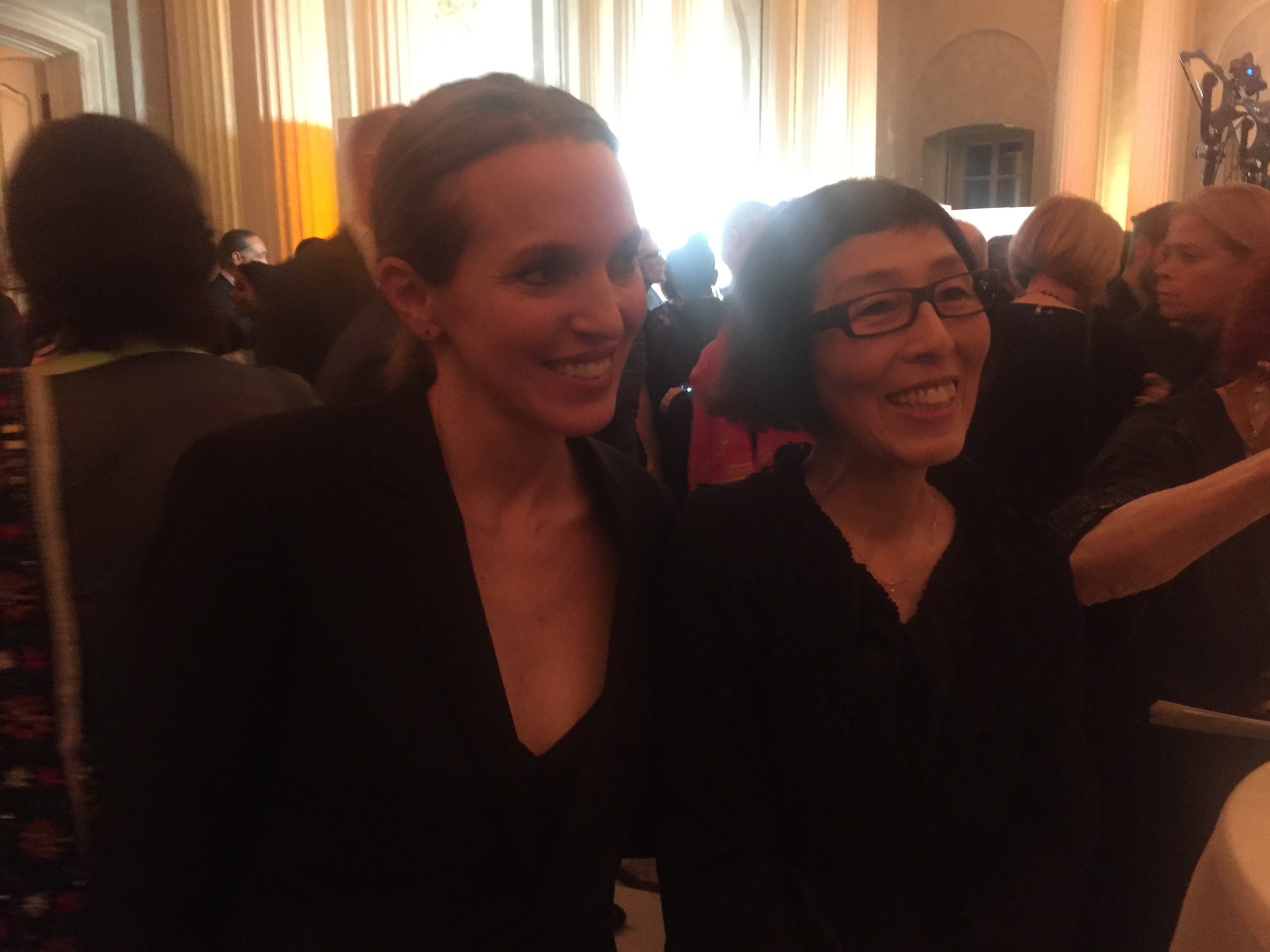
For the mentors and advisors too, it’s stimulating. Architect advisor Tatiana Bilbao tells about her new commission for a nearby monastery.  Architect Kazuyo Sejima sweeps by in a much admired black long skirt only the Japanese can do properly. Wayne McGregror, Lucinda Childs and Alexei Ratmansky—three very different style choreographers-- sit in the same row and watch Dance protege Londiwe Khoza and her mentor Ohad Naharin present his particular form of dance process he calls Gaga. Mia Couto and Julian Fuks share their experiences as writers processing the world from widely different parts of the colonial Portuguese era.  Olaffur Eliasson, whose studio is in Berlin, recounts memorable evenings at the Clarchens ballroom, where the particpants meet casually in open seating the first night. Alfonso Cuaron shows a few clips from his as yet unreleased new film which is already eliciting raves and says he is so happy to have returned to Mexico for its production after a series of huge budget international films. Anish Kapoor and Homi Bhabha huddle at the four-wall film presentation of Robert Lepage’s theater protégé Matias Umpierrez (in which Legpage is also an actor).  Film and Video stand out as the disciplines that are now in every proteges toolkit.  


Not all the events are equally well received.  Much is made of the fact that David Chipperfield’s panel is all-white male dealing with urban design fixes for London, a first world city. (David Adjaye, next cycle’s architecture mentor, will surely fix that.) At Bhabha’s panel discussion on power there is a feeling of more inclusiveness.  (His wife Mira, a human rights scholar and also a Harvard professor, expresses concern about government crackdowns in a quiet moment at breakfast.) Tackling big projects, big themes and big ideas are necessary as others try to shrink our world. Learning to listen. Learning to collaborate. Opening up boundaries.  These were the themes repeated over and over again by all participants.


The protégés—all of whom already have some reputation in their fields—are not daunted. Re-armed with individual attention from some of the best creative minds in the world, they jump over personal stumbling blocks and fears.


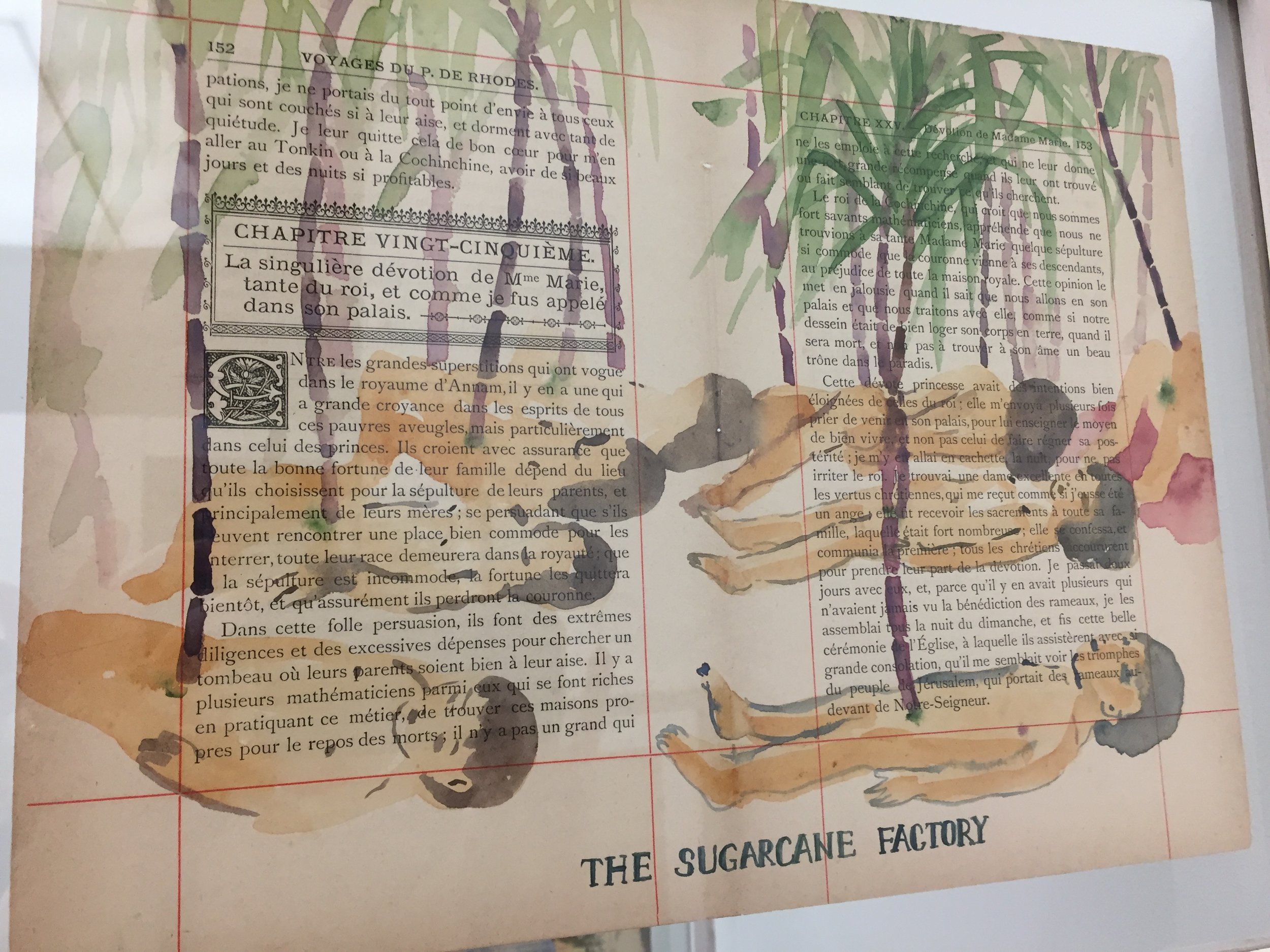
I was most impressed with Joan Jonas’s protégé, Thao-Nguyen Phan from Vietnam, a small, delicate, young woman whose size belies her ambitious historical body of work comprised of watercolor, construction, and most especially a brilliant video—really the beginnings of a feature film—on Vietnamese schoolchildren that references her own past. Pauchi Sasaki and her team of musicians, lighting and production designers end the weekend in a rousing production which has a bit of Philip Glass (her mentor) but mostly a lot of Pauchi, a violinist, and an exciting new female percussionist Aleksandra Suklar whom we all agree we want our daughters to emulate. Pauchi—also quite diminutive-- has made her own costume out of acoustical Styrofoam blocks that resemble a Pierre Cardin dress. These women, along with the many talented young women who have passed through the program, make me feel so hopeful.


Gossip is, of course, traded, especially fallout from the #MeToo scandals that have hit artistic circles close to home (Chuck Close, Peter Martins). Palestinian Annmarie Jacir and Argentinian Celina Murga, both previous film protégés, had thoughtful comments to add to this conversation. Malian Rokia Traore bemoans what is happening to artists under burgeoning repressive regimes. But in general, the atmosphere is supportive and upbeat and the few journalists who are there are not in an adversarial mode.


Still,life intervenes.  Film Editor/mentor Walter Murch’s son has just had surgery, Ohad Naharin’s father has just died, Julian Fuks carries his very young baby around for most of the presentations. 


The next cycle will be modified, reduced to four disciplines for two years, and then another three or four for a second round but individual funding for participants, already generous, will increase. I just wish so many more could benefit from this effort.


Not all protégés will end up with a hit like Christopher Isherwood's “Cabaret” (which, after all, was a fourth-gen iteration of The Berlin Stories). But the program gives permanent lie to the fear of encroachment and battening down the hatches against outside influences. Instead it is vibrant testimony that the freedom (and resources) for artists to interact and derive sustenance from each other is crucial not only to artistic practice but to our world. Global forces conspire to interrupt this flow and exchange. (Trump's new proposed budget once again flays the Arts and Humanities Endowments while ramping up defense.) To see Mariam Kamara, the new Architecture protege, get up on the dance floor in a spontaneous burst of exuberance or to watch South African dance protégé Londiwe Khoza leap to Do you want to Dance, an American hit from the 50s, after confessing to ‘releasing blockages” is to feel that we really are one connected human chain. 


Naharin’s Gaga method depends on taking away mirrors. Perhaps Gaga can be exponentially expanded.  We need to look inside ourselves and out, at each other, but not so much at our exterior image.


On my way to Berlin, the US government was headed to its second shutdown in as many weeks and Angela Merkel was in the last stages of finally being able to form a government.  In the face of so much unsettling and divisive news, it was encouraging to see citizen-artists from all over the world join together to celebrate the arts, and each other.


My story for Wallpaper* on William Wegman's video gifts to the Metropolitan Museum

January 28, 2018 Patricia Zohn
william-wegman-met-museum-01.jpg
william-wegman-met-museum-02.jpg

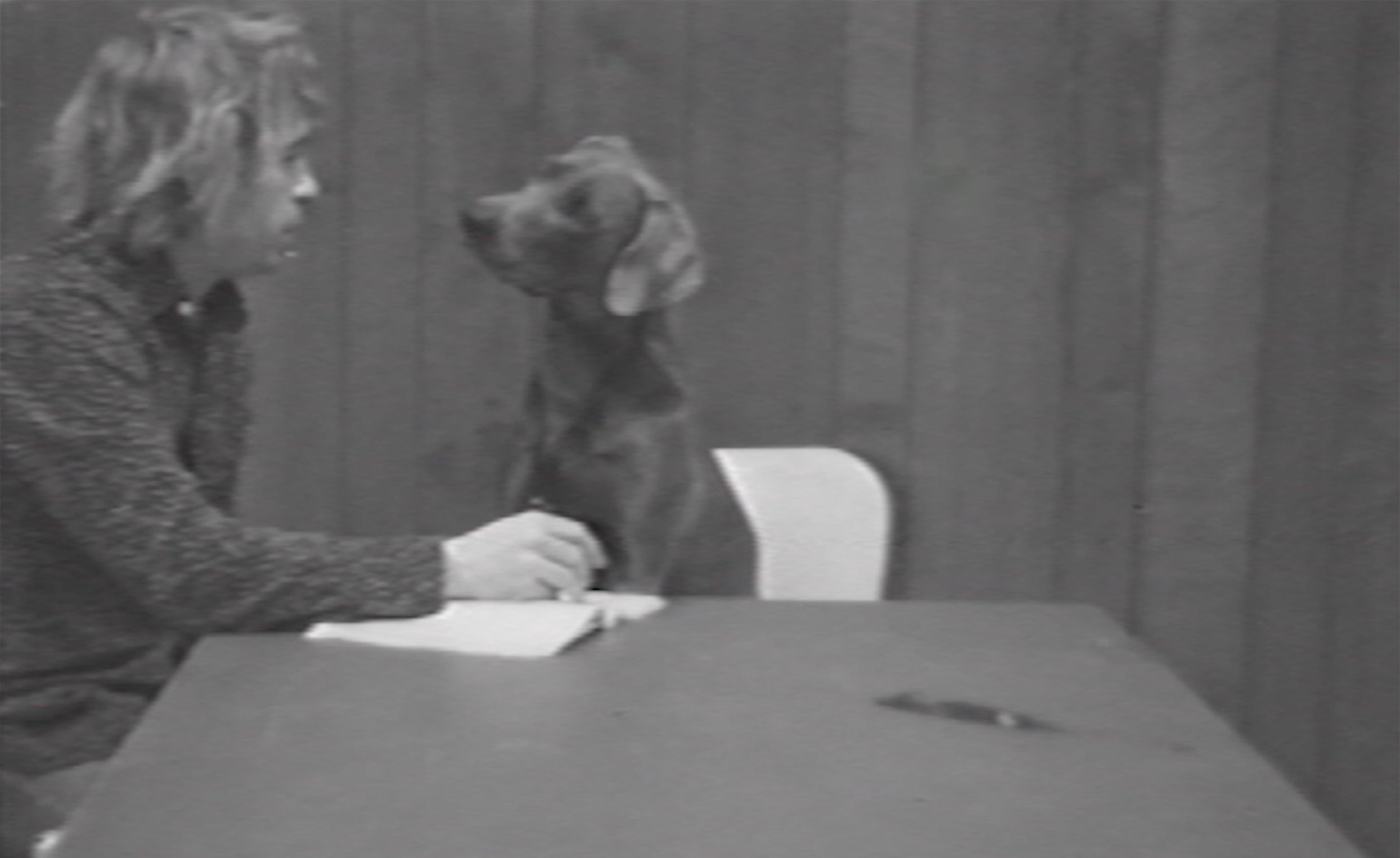
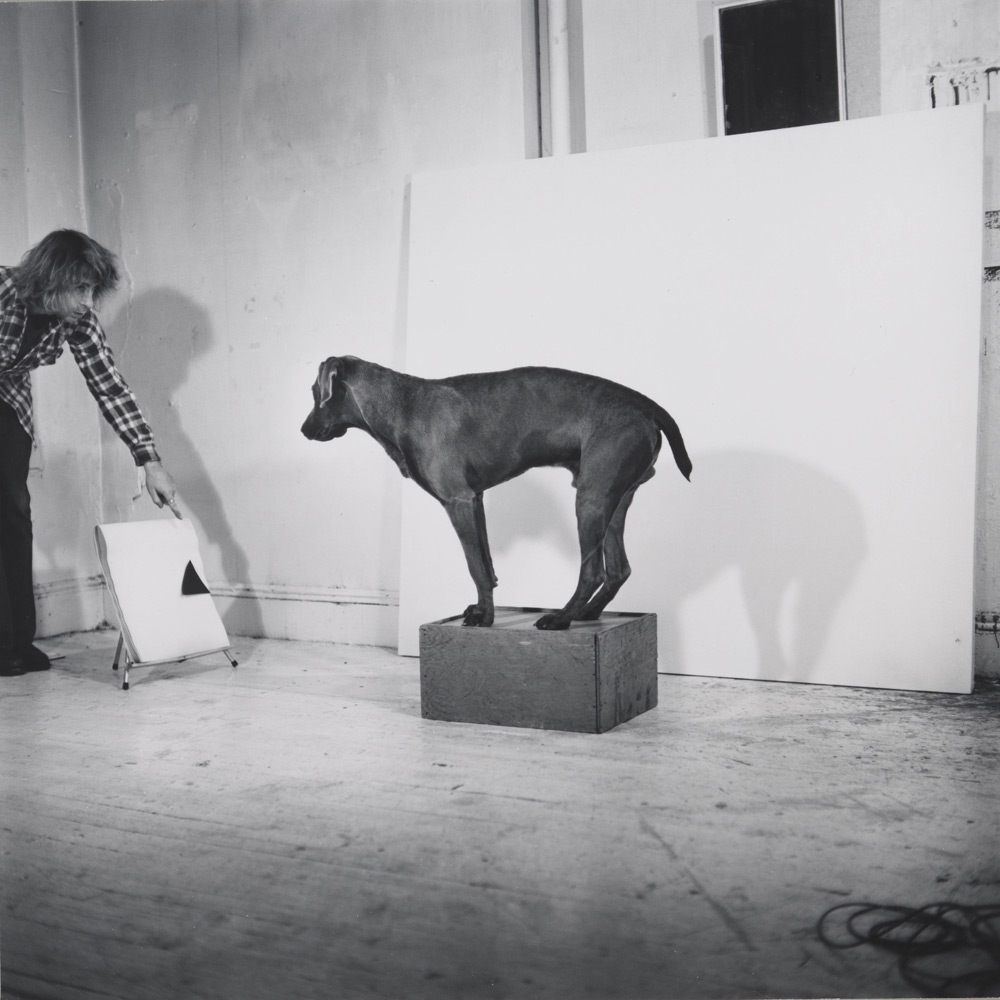
Please see my latest story for Wallpaper* about the new William Wegman video gifts to the Metropolitan Museum of Art including a charming early video, Spelling Lesson, co-starring his first Weimaraner, Man Ray and, below, an extract from the David Letterman show that introduced them into the wider, popular culture.  

(Above images Courtesy Metropolitan Museum of Art, and William Wegman bequest)

Threshold: An LA Phil world preem by Joseph Pereira is also a Birthday present to Gustavo Dudamel

January 28, 2018 Patricia Zohn
pereira-stairs-300x450.jpg

Second only to my crush on Gustavo Dudamel (now, at 37 as of Friday, a graying eminence, though still with a youthful salsa sway when the music overtakes him) has been my crush on Joseph Pereira, the heartthrob tympanist. Though Pereira sits at orchestra rear, he is a fierce and dynamic presence at every concert and also a drum whisperer. He puts his face down close to his beloved drums and settles them down with two fingers as if checking on a baby.


How lucky then to be at the world premiere of Pereira’s Threshold, a 25-minute score that is part sound bath, part conceptual art installation. The piece had a little Ravel, a little Stravinsky (a short burst of which preceded), Caribbean street performance, Latin American rhythm.  but a lot of Pereira who was seated gloriously at center stage bookended by his imported team of athletic percussionists, Maraca2 and for whom he actually wrote the piece at their suggestion. 


This would be an excellent piece to introduce the orchestra to young people as its list of ingredients shows that everyday objects can make music. In this case ceramic tiles, shakers, congas, bongos, gongs, thunder sheets, scrub brushes, wind chimes, spring coils, 2 rocks, cymbals, temple bowls and sleigh bells, tom toms and tam tams and many other percussive instruments were enlisted in a piece Pereira describes as reflecting the “tension and anxiety” with which society has become saturated.


However, I did not feel tension, but a marvelous feeling of appreciation at his ingenuity and flair.


Dudamel went on to conduct a stirring rendition of Brahms Symphony No 1 in C Minor which gave full vent to the other members of our wonderful Los Angeles Philharmonic and to Disney Hall’s acoustics. Neither his ardor, or ours, has diminished in the slightest.  


Happy Birthday, Gustavo, what a perfect way to celebrate.


( I am sending you to an LA Times link so you can see the marvelous installation on the stage.) 


The Wende Museum brings memories of the Cold War to LA with elegance and good timing

January 22, 2018 Patricia Zohn
IMG_6825.JPG IMG_6828.JPG IMG_6831.JPG
IMG_6833.JPG IMG_6850.JPG IMG_6831.JPG IMG_6828.JPG IMG_6825.JPG IMG_6832.JPG

A Museum of the Cold War in Culver City, California? The Wende Museum, a modest new jewel in a redone armory/bomb shelter by Paravant Architects with landscaping by Segal Shuart could be considered an odd subject choice for Los Angeles as its focus is strictly on the communist era in Russia and Eastern Europe.


And yet: what a treat. As I’m preparing for a trip to the region it was a welcome wealth of memorabilia, posters, photographs and and texts about this complicated period of public repression combined with private creativity.  On the outside, people had to conform to strict dictates. But in their homes and offices, outliers were able to continue their art or design practices. 

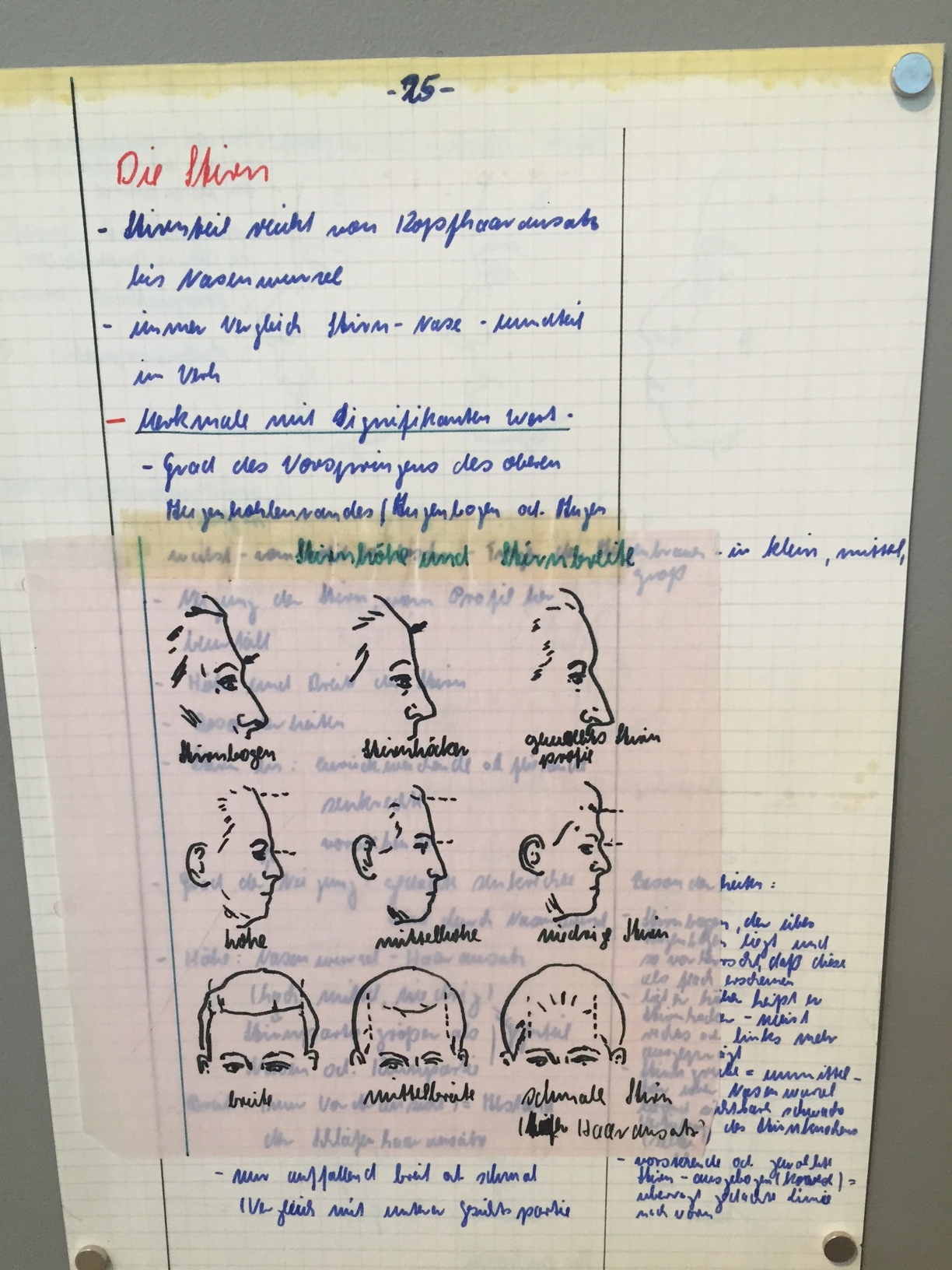
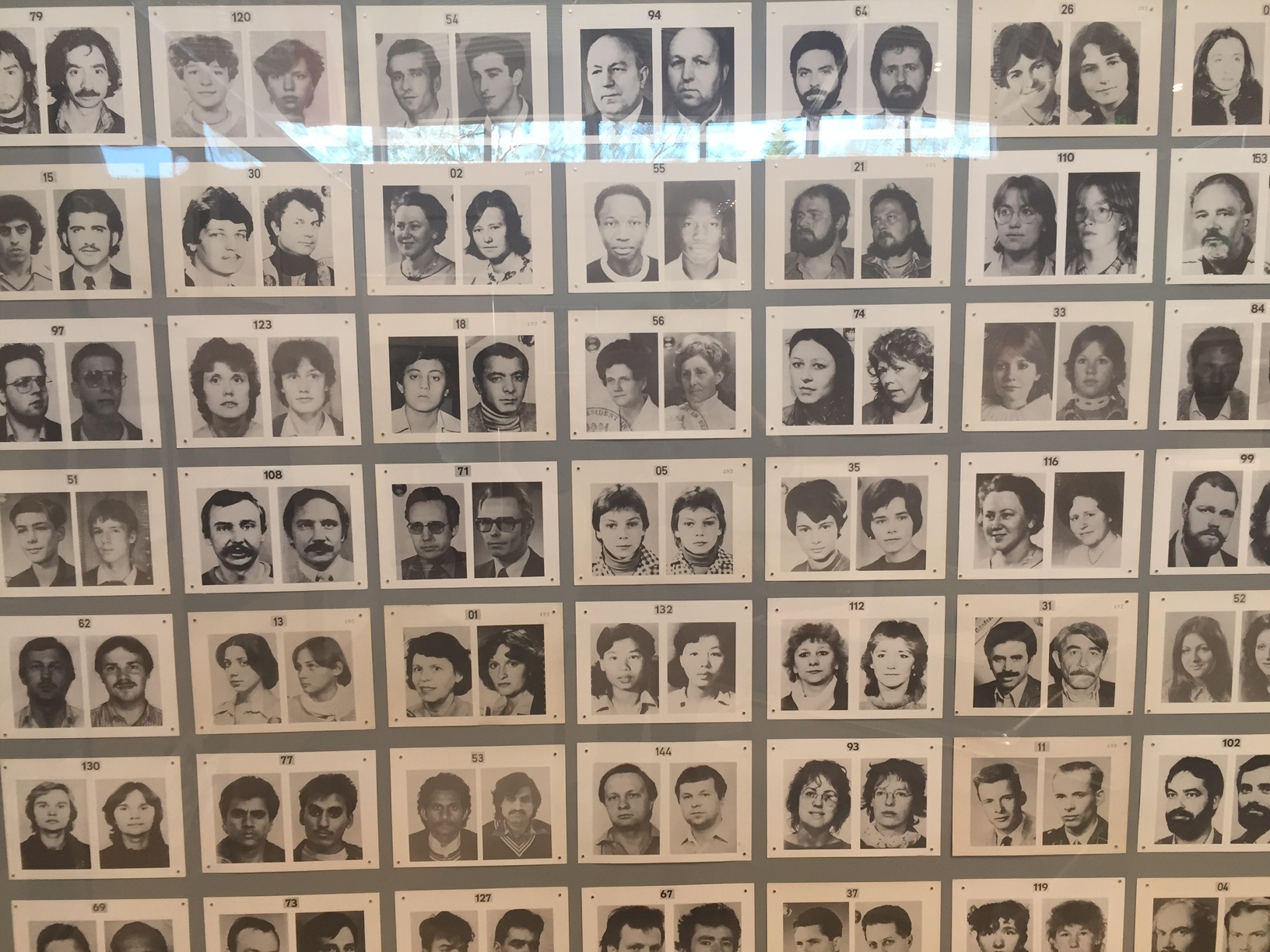
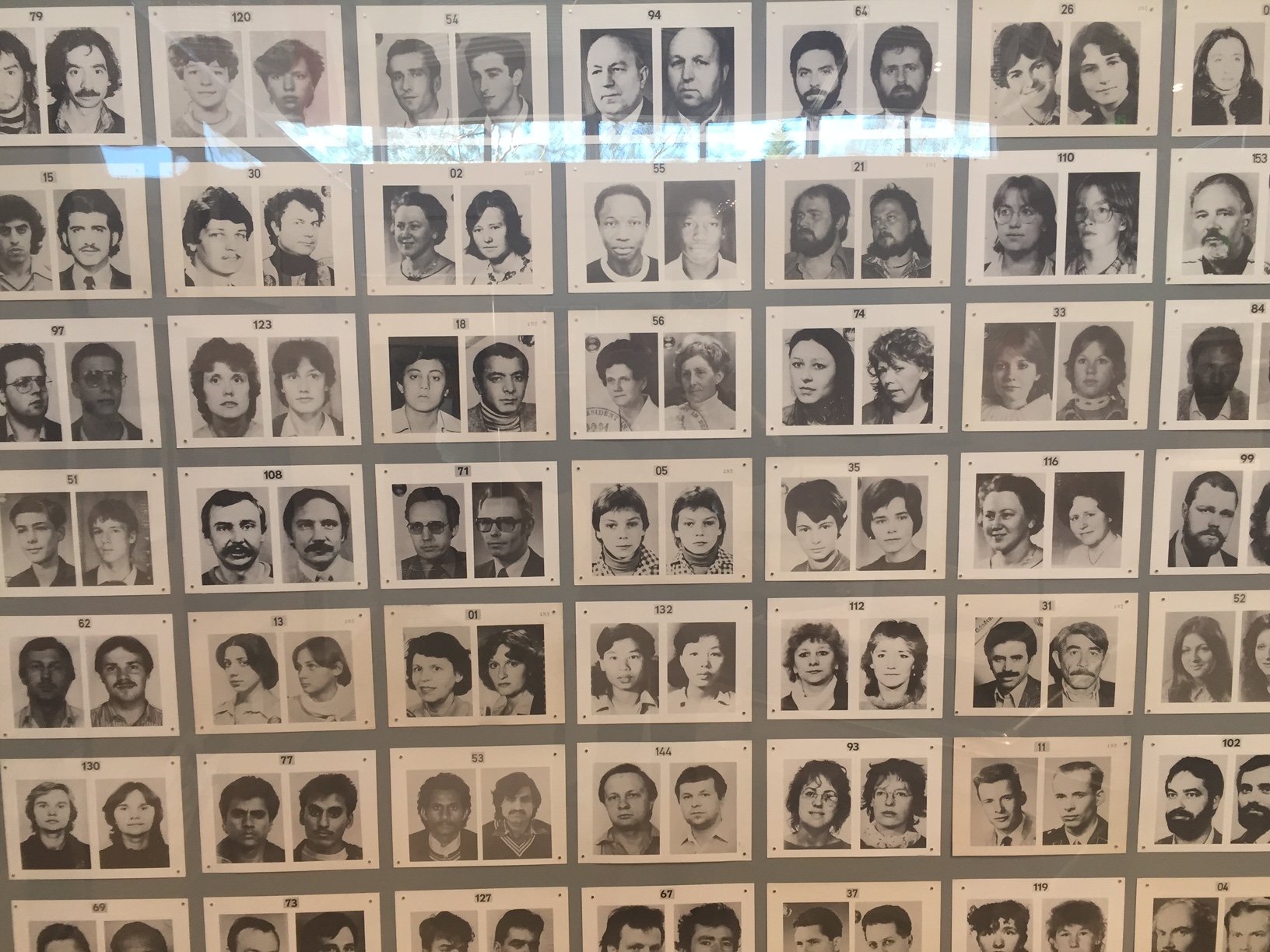
Some examples of facial recognition instructions for eastern block border guard training are scarily prescient but the decorative arts were still able to flourish out of sight of the watchful eyes. I am particularly looking forward to the upcoming exhibition they are jointly hosting with the Getty Research Institute on Hungary during this period.

It’s useful to go to the Wende in times such as ours to see that no matter how dictatorial and unfriendly governments become, the human spirit rises above. The Arcadia Fund, Benedikt Taschen and executive director Justinian Jampol, lead movers on the project are to be commended.

Eating Atom Bombs: Dana Schutz is not afraid to marry her art with politics

January 19, 2018 Patricia Zohn
To Have a Head .jpg
Conflict.jpg
Deposition.jpg
Rage.jpg
Self Exam.jpg
Shame.jpg
Bat.jpg
The Painter.jpg

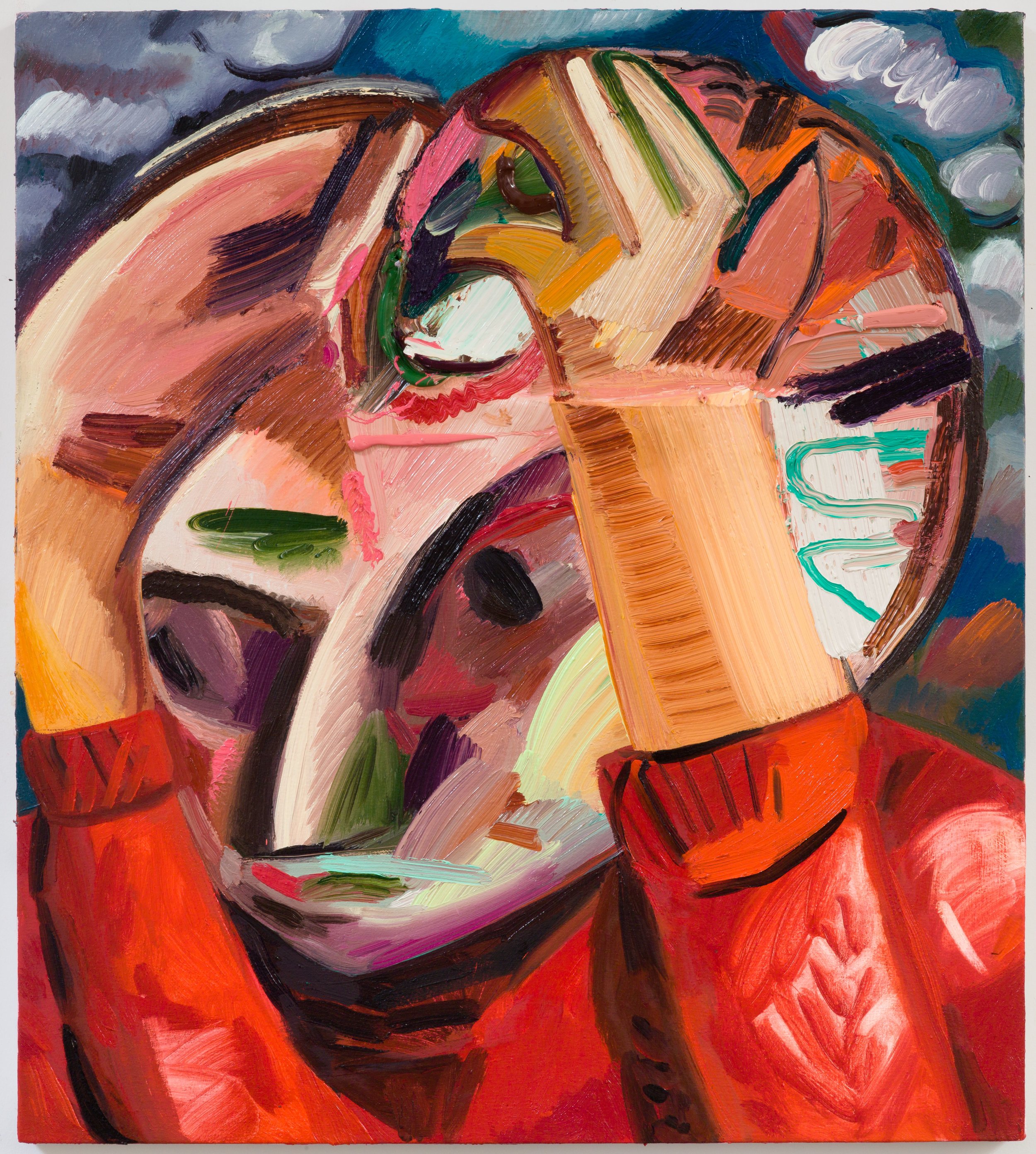
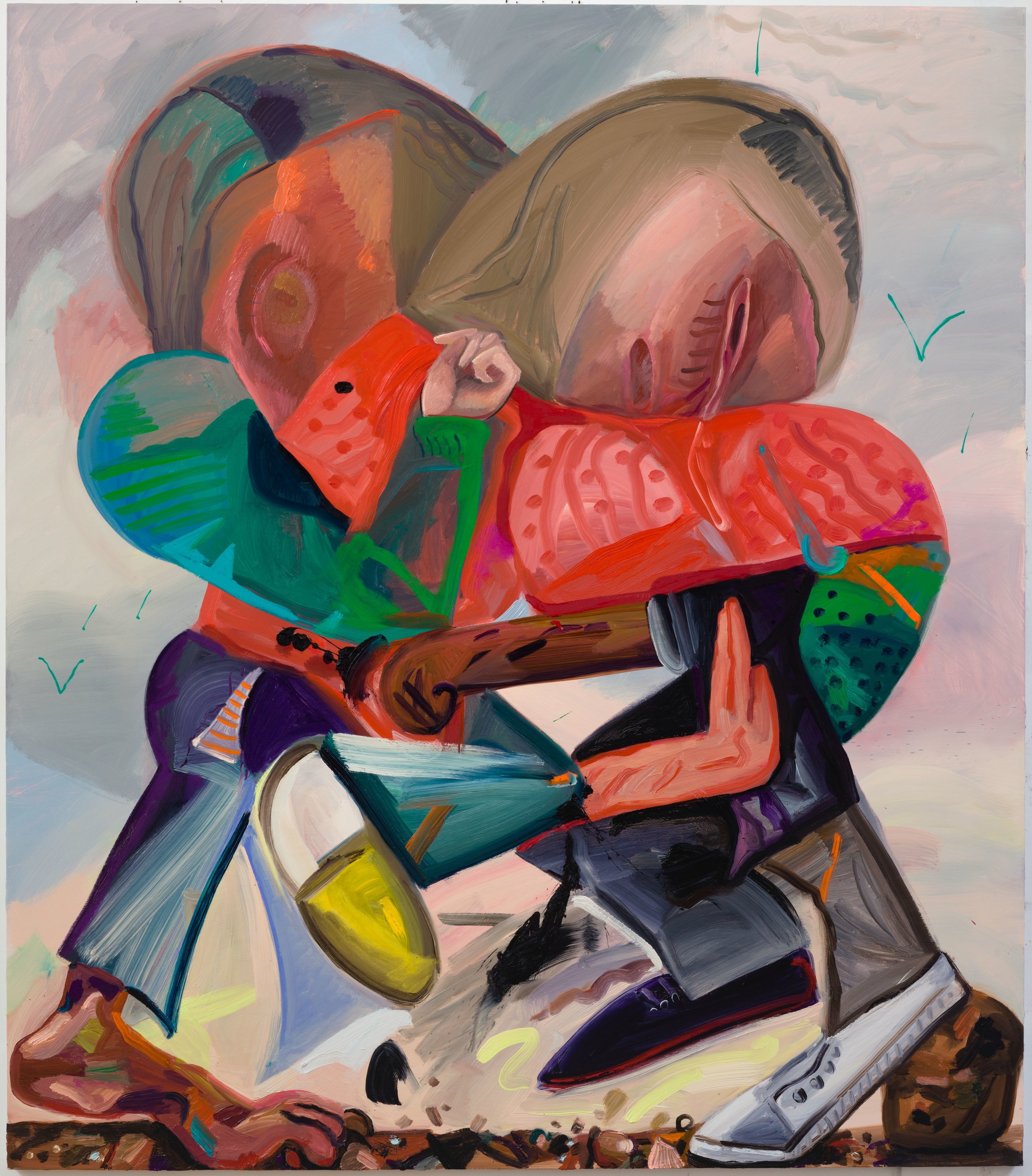
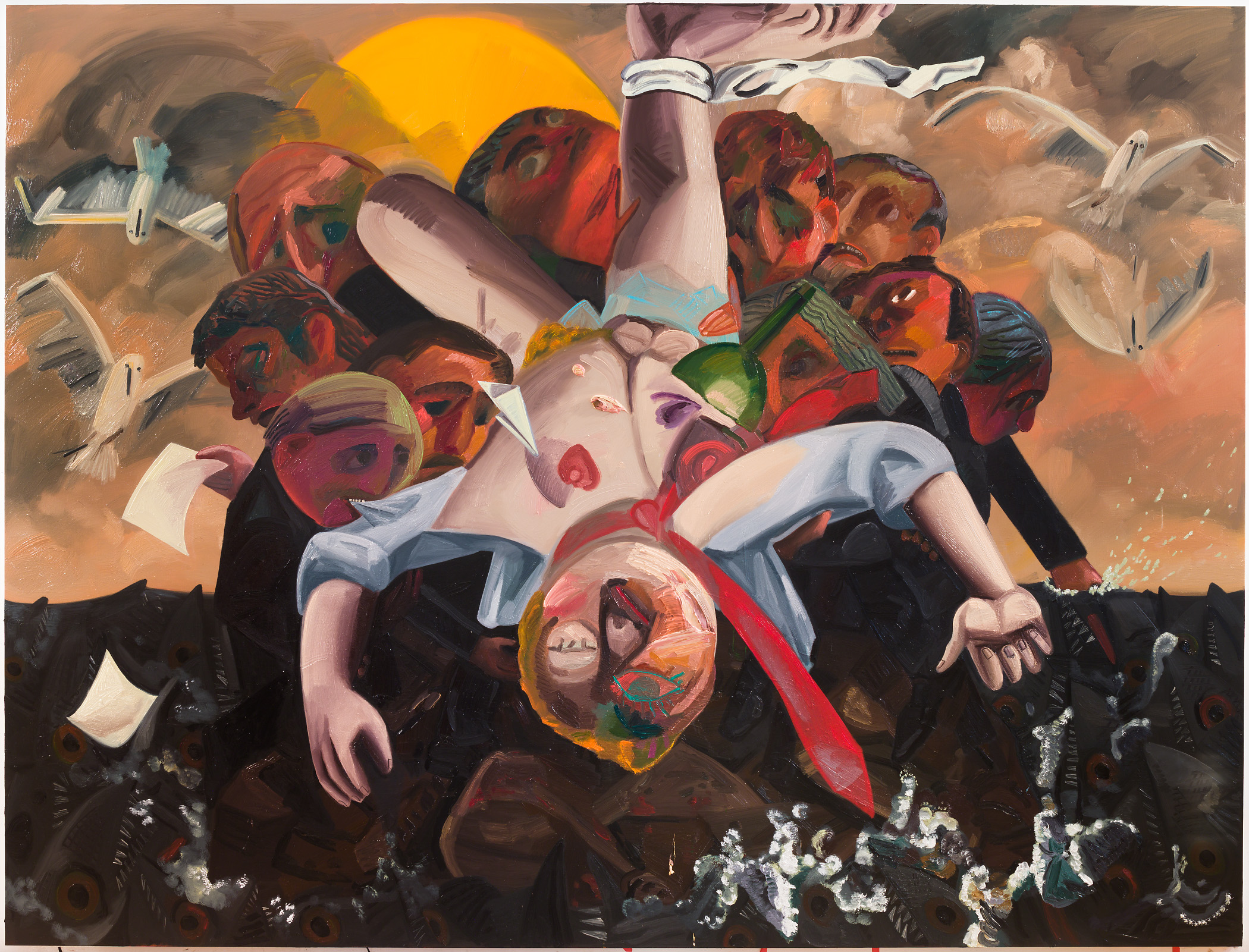
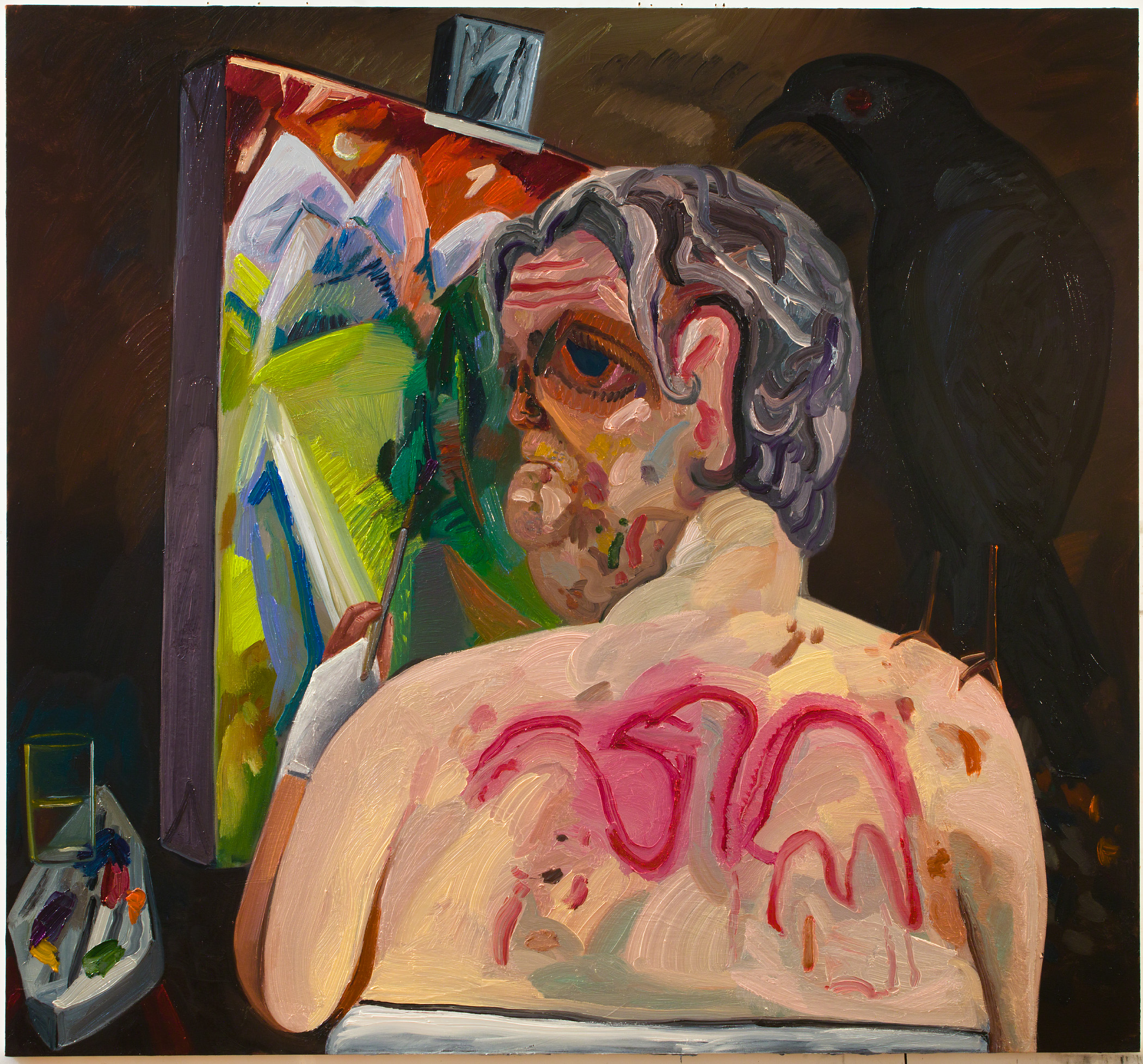
Eating Atom Bombs , the new Dana Schutz exhibition at the Cleveland Museum of Art Transformer Station features a series of paintings created mostly in the past year and shows that rather than being cowed by the protests which greeted her work on Emmett Till at the Whitney Biennal she has stayed the course in conflating the political with her practice. I commend her courage and applaud her efforts to encourage us not to look away in these challenging times.


Washington is mired in gridlock and grime.  “Many of the paintings depict dystopic scenes of conflict and shame,” Schutz says. “Subjects conceal and reveal themselves, trying to hold themselves—and the picture—together.”


Schutz is a semi-Clevelander, she attended art school there and clearly feels a loyalty as probably any museum in the country would have happily housed this exhibition.  I have always loved her work, now more than ever that she is wearing her heart on her canvas.  The black and white images hold as much anguish and emotion as the brilliantly colored ones, and becoming a mother has clearly made her fear for the future of our planet. Schutz has also been channeling Picasso, a self portrait and some heads are riffs on cubism and portraiture that felt very familiar and yet totally fresh.


I’m sorry the work isn’t coming to New York or LA, but truth be told, in these times, it’s almost better for them to be seen in Ohio where voters swing back and forth between reason and folly.


Beuys: a new film matches the energy and provocation of the celebrated artist

January 18, 2018 Patricia Zohn
13_BetaCinema_Beuys_copyright_zeroonefilm_bpk_ErnstvonSiemensKunststiftung_StiftungMuseumSchlossMoyland_UteKlophaus.jpg
17_BetaCinema_Beuys_copyright_zeroonefilm_bpk_StiftungMuseumSchloss_Moyland_UteKlophaus.jpg
06_BetaCinema_Beuys_copyright_zeroonefilm_bpk_ErnstvonSiemensKunststiftung_StiftungMuseumSchlossMoyland_Foto_UteKlophaus.jpg
33_BetaCinema_Beuys_copyright_zeroonefilm_StiftungMuseumSchloss_Moyland_Foto_RainerMysegaes.jpg

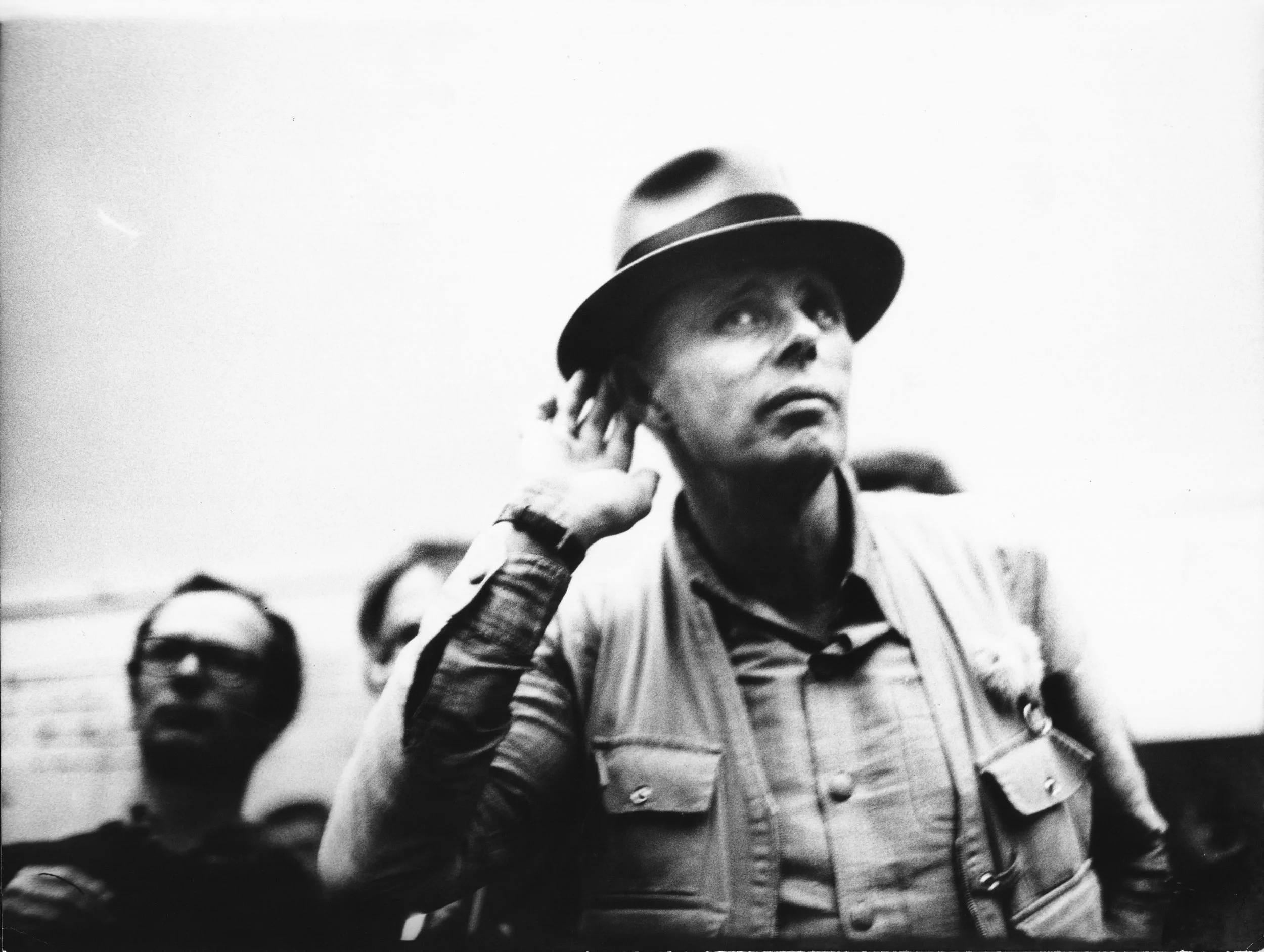
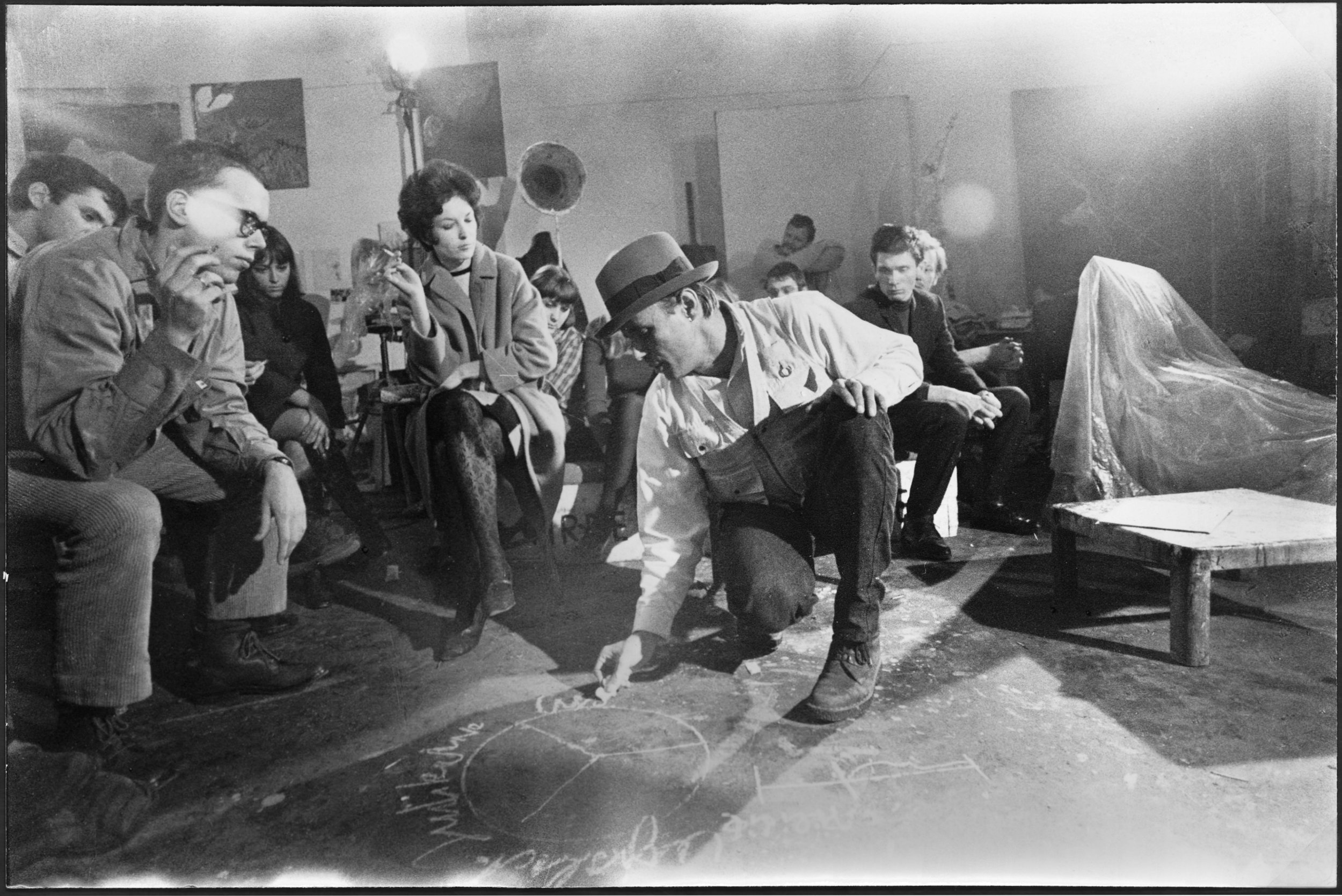
“Some people can walk into a room and see inside people,” says Joseph Beuys in a flak jacket (or is it a fishing vest?), white shirt and dark pants at the opening of a new film by Andres Veiel. Beuys then mounts a ladder. He takes some kind of gelatinous material off the wall and shakes it onto a tray.  A crowd of 1971 square black eyeglasses and dangle earrings surges around him.  It’s scary.  What will they do with or to this renegade?


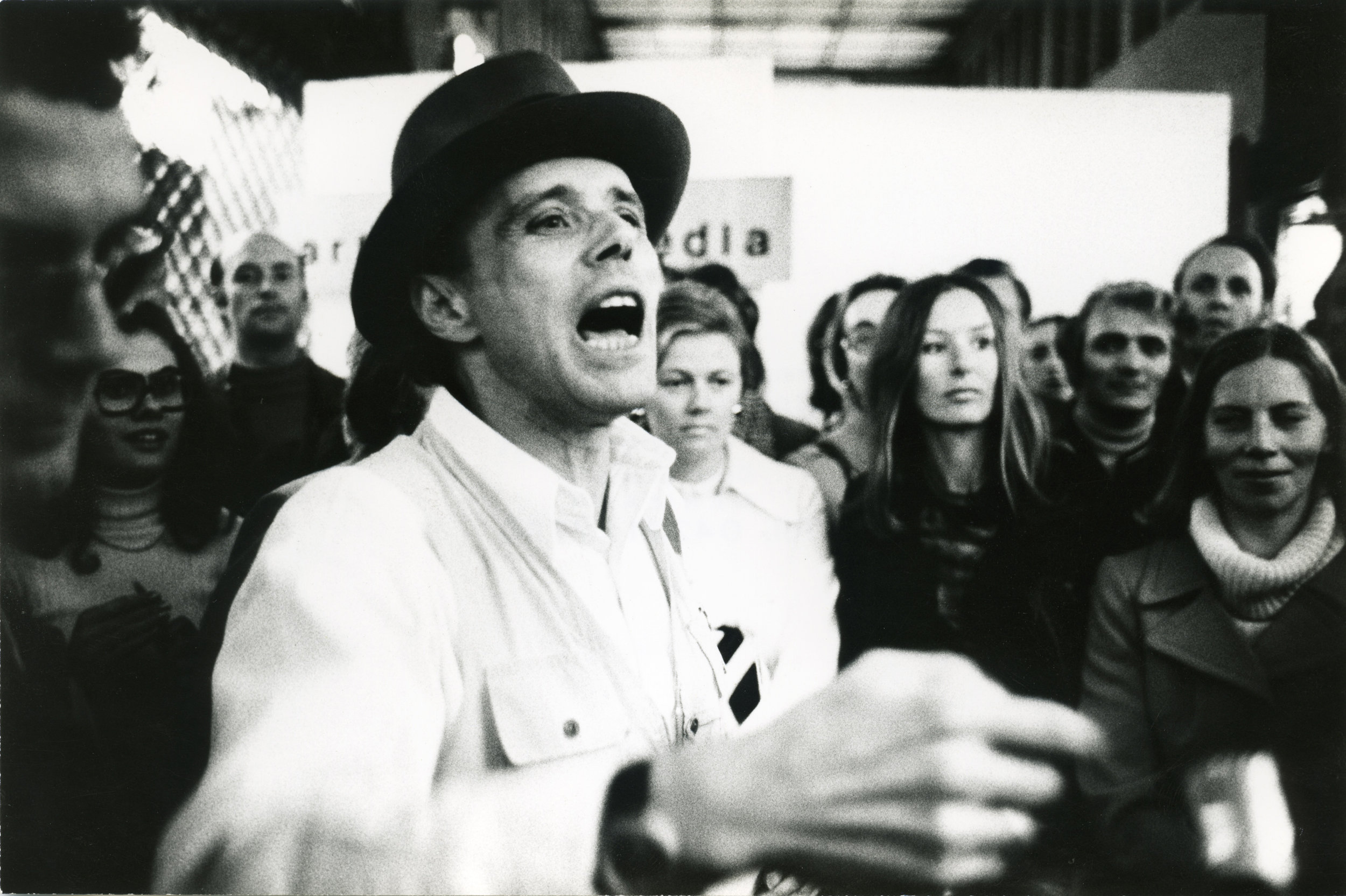
Josephy Beuys was many things: artist, filmmaker, provacteur, socio-political agitator, activist, professor. He wore many hats, but his one hat, his fedora which both made him stand out and hid him, also covered up his extensive war wounds (he had been shot down as a rear gunner for the Luftwaffe after having been in the Hitler Youth). As Warhol had his blonde wig and Haring his dreds and Wegman his dogs, Beuys had his signature hat and his complicated and sad family history informed his work which was both monumental and delicate.


He was catnip to journalists. At the Guggenheim, Beuys is having his first US retrospective in 1979.  They are trying to get close, to explain him. Viewers are trying to understand. The yards of gray felt nestled like a beehive, over a piano, a chair with a resin slope illustrates his anti-theory that art can be anything, made by anyone. As a social philosopher, a public debater about the role of art, the artist and and politics, he had few competitors. At a symposium, he is dripping sweat, feisty and contrarian in front of an elite audience. As the others try to maintain calm,  he is voluble and passionate. He wants to provoke people. Expand their consciouness. Forget theory.


"Whenever people ask me if I’m an artist I say.' Oh cut the crap.'”


He participates in Documenta—puts it on the map- in a time when art biennials and fairs were sparse. He foments a revolution at the Dusseldorf Academy of Art where he teaches. He comes to New York to spend three days with a coyote in a gallery—one shaman to another-- and returns to Germany without setting foot in the rest of the city.  The natural world held out its mysteries to him as well, evidenced also in a tree planting project he pursed for many years.


Beuys’s life and work was much documented. The animated contact sheets we see are a good substitute for video  as they break down his process. And I appreciated no narration for a change, and very few talking heads. Beuys and his images tell his own story.


Alas, his sharp mind and a penetrating gaze was beset by chronic depression and despair.  After the war he grew emaciated and stopped work. Gradually he came back to life, but had periods throughout his life that were crippling. His phoenix moments came in tribal rituals in fat and felt.


Beuys felt art is a joint task: viewer and artist are complicit. The artist must reach inside the viewer and activate him. This film succeeds very well in that regard.


The Shape of Water: Whimsical, charming....and sexy.

January 7, 2018 Patricia Zohn


The Shape of Water, Guillermo del Toro’s interspecies love story is really Beauty and the Beast in a new disguise.  There’s also some of Wes Anderson’s rich vintage hues and Amelie’s plucky heroine.


There’s also something of a script I tried to get going some years back which was the story of a scientist who turns a monkey into a man and his girlfriend falls in love with him. I could not get anyone to buy this as their credulity was strained.


But del Toro and his team leap over this hurdle and deliver an all-too-believable fable about a swamp creature with the eyes of Bambi and Eliza, a heroine who also is something of a watery Cinderella--without a voice.  Del Toro also loves old movies in general, and uses clips and soundtracks from vintage Hollywood to spark some of the storyline. 


It’s also impossible not to summon E.T. the loveable alien. But Del Toro, who alternates between horror/sci-fi/dystopia and fantasy films which have not been as accessible to me has hit the jackpot on this one.  It's charming and whimsical, but also sexy. 


The Shape of Water is truly original and I fear it may get lost in a year when we have so many real live monsters. All I can say is the Creature in this film with his scaly skin which glows when he feels emotion—needs no bathrobe or hotel-room bait-and-switch to disguise his marvelous ardor.

I spent New Year's Eve In Bed with My Absolute Darling

January 2, 2018 Patricia Zohn
9780735211179.jpeg

It has become something of a tradition at the CultureZohn to stay in bed on New Year's Eve with a hunky luminary in the form of--his book. Well, let's just say in the past it has been with Keith Richards, Richard Burton and Warren Beatty and I promise you watching the Ball Drop on Times Square in frigid weather cannot in any way compare.

But this year, I had no celebrity I wanted to spent the night in bed with.  I was left to choose between essays by women who were heartbroken or non fiction to do with Florida or Sicily, none of which seemed very appealing. 

The one novel I did have was My Absolute Darling, by Gabriel Tallent, a book which had received critical raves, so I snuggled in under the duvet (yes, even in LA where the weather this holiday season has been sublime everyone forgets we are a desert and it drops at least 20 degrees at night and gets cold) and began the book, which truth be told, I had tried to begin at least three earlier times but with the distractions of the holidays had proved heretofore challenging.

We know we are in the Wild West right away when Tallent's first chapter opens on Turtle, a 14 year old girl cleaning and caring for her gun as if it were her pet turtle while she practices her spelling words under her father Martin's watchful, sardonic, impatient eye. In school she is distracted and slow and when she is called in for an after school conference with him she is passive and hostile, on high alert for her father's anger, a lone survivalist who keeps them off the grid in Mendocino. She keeps her own counsel while the corpulent principal and benevolent teacher try to pierce Martin's angry screed on environmental apocalypse which he feels will render all of Turtle's (nee Julia Alveston) spelling errors and everything else they are teaching her in school pretty much moot. Turtle's plentiful self loathing (which she has clearly picked up from her 'daddy') during the meeting gives us the second set of clues that this is no ordinary father daughter relationship.  On the way home she is petrified of the consequences and mentally dodges and feints with his impending rage. Tallent mirrors his lady bird (and there is something of the Saoirse Ronan character in her) with stealth and cunning for suddenly by the end of chapter one we are in the darkest territory imaginable and I was literally holding my breath.

It's hard to write about the book without giving away things so I will say merely the following. Turtle reminded me alternately of Harper Lee's Scout, Truffaut's Wild Child, and Lord of the Flies. She eats raw eggs. She's feral.  After guns--and there are a lot of guns-- there are knives. She's a smart, damaged teenager caught in a twisted bramble--and there are plentiful brambles and fields and hikes and beaches redolent of Tallent's deep knowledge of the area--of pain and suffering which with like all abused children (or wives for that matter) is inflected with deep love. "I am a girl things go badly for," she says at the outset and that is no understatement. It's the first time I felt I could describe a relationship as S and M with a child.

Turtle does escape every once in a while and we get to breathe along with her. She is befriended by Jacob and Brett, two precociously intelligent and well read boys a year older than she is (shades of the young Tallent?)  when they get lost in the woods and they become two of the outside forces she knows she could rely on were she to spill the beans. Problem is: she can't get herself to do it. Like so many victims, she loves her abuser madly. 

Martin is good looking and strong (Sam Shepard in his younger days would have been perfect casting) and he's smart too, but he's totally unhinged and there's not a few moments when I thought of all the crazies who have been shooting people in Las Vegas et al.   Tallent gives him as much intelligence and savvy and self reliant skill set as he can muster but nothing really ends up mattering except his sick fixation on his daughter, whom, as he makes her swear, 'belongs only to him'. 

Her grandfather's death (he, another tiny drunken outpost of semi sanity) triggers a series of events which grow more twisted and gut wrenching, and which, I had to often skip over. It was like a movie where I cover my eyes when it grows too violent only with a book you can't do that. It's New Year's Eve I kept reminding myself, but I couldn't put the book down. Eventually Turtle even joins her father in abusing another young girl Cayenne, whom he brings into the house.  Come on Tallent, I wanted to say, isn't it already enough?  But no, apparently it isn't. He needs to show us precisely how corrupting being a victim is. Martin himself was his father's victim--and so it goes. 

I read that Tallent had been an outdoor guide himself, and it states clearly on the book jacket that he grew up with two moms which made me wonder if having a regular dad around might not have given him a shot at undemonizing Martin from time to time. Credulity is often challenged. Though Turtle is nervous the authorities are going to show up when she cuts school repeatedly or when people see her bedraggled, high strung state, they never do, so the hothouse, well, charnel house atmosphere is rarely pierced.

Tallent writes beautifully, the gorgeous prose still fragile ballast for the horrible things he is describing. All in all it was a fraught way to welcome the New Year and I spent New Year's Day lolling about in my nightgown making a vat of chicken soup.

Getty Gold and Concrete make for timely-and thoughtful- end of 2017 viewing

December 29, 2017 Patricia Zohn
IMG_6697.JPG
IMG_6683.JPG

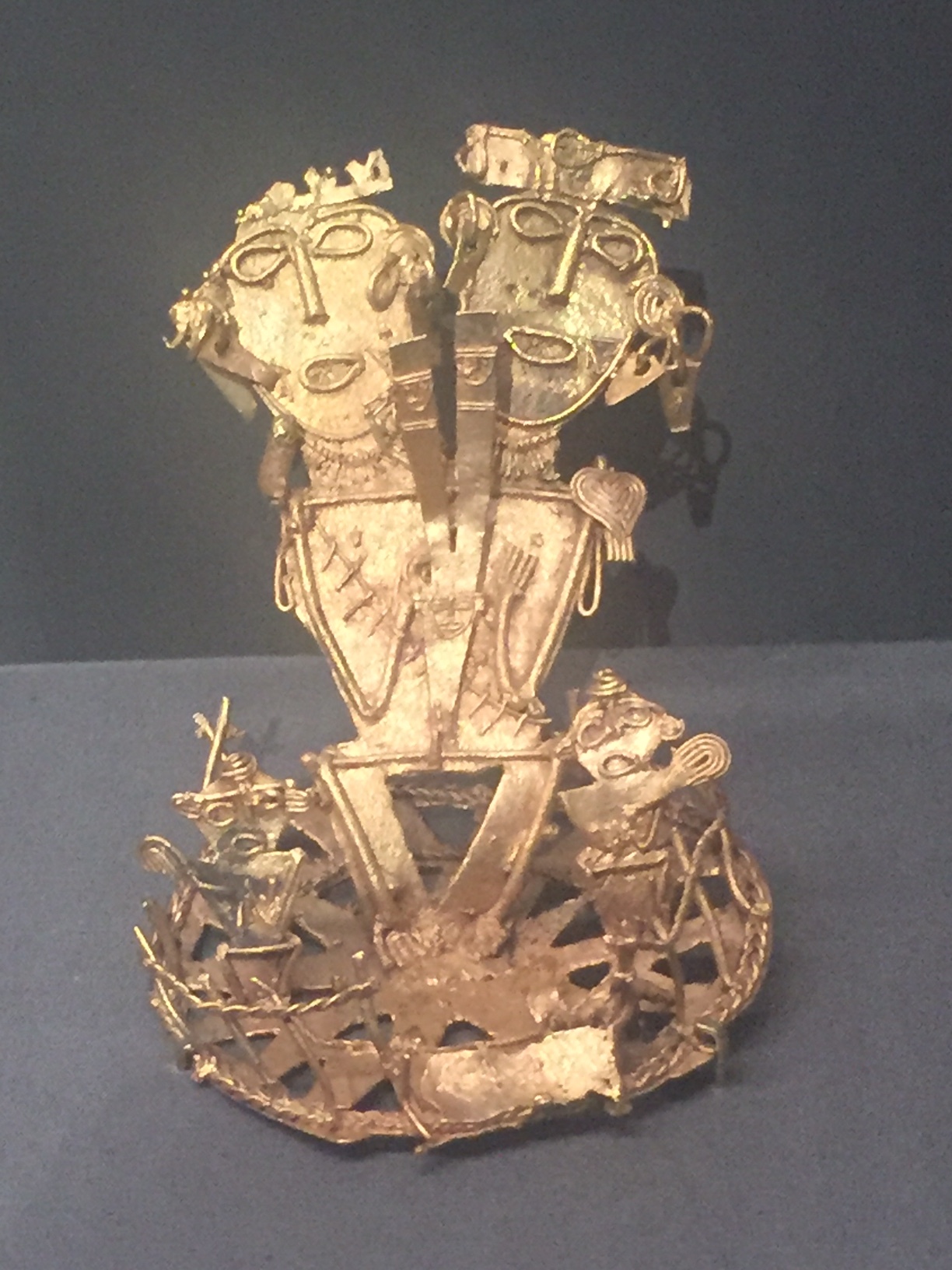
The Getty exhibition of Golden Kingdoms--part of PST-- is open for another month.  I am not normally a gold person but this exhibition is just so spectacular I urge all to race up the hill to see it. (Fair warning: the line for cars getting into the Getty from both north and south was at least an hour long. Perhaps wait until next week?). What especially drew my eye, even more than the magnificent masks, were tiny unpolished votive figures made by the Muisca who inhabited the Eastern Cordillera of Columbia.  These were placed in baskets or ceramic vessels and then deposited in lakes, caves, fields and mountaintops as offerings to divine powers.  

These two headed mini sculptures felt just right: we need to be canny and clever, thinking with two heads and not one in the coming year.  The gold, instead of being Trumpian and garish, is small, but even more powerful as it comes in on little wheels of hope. 

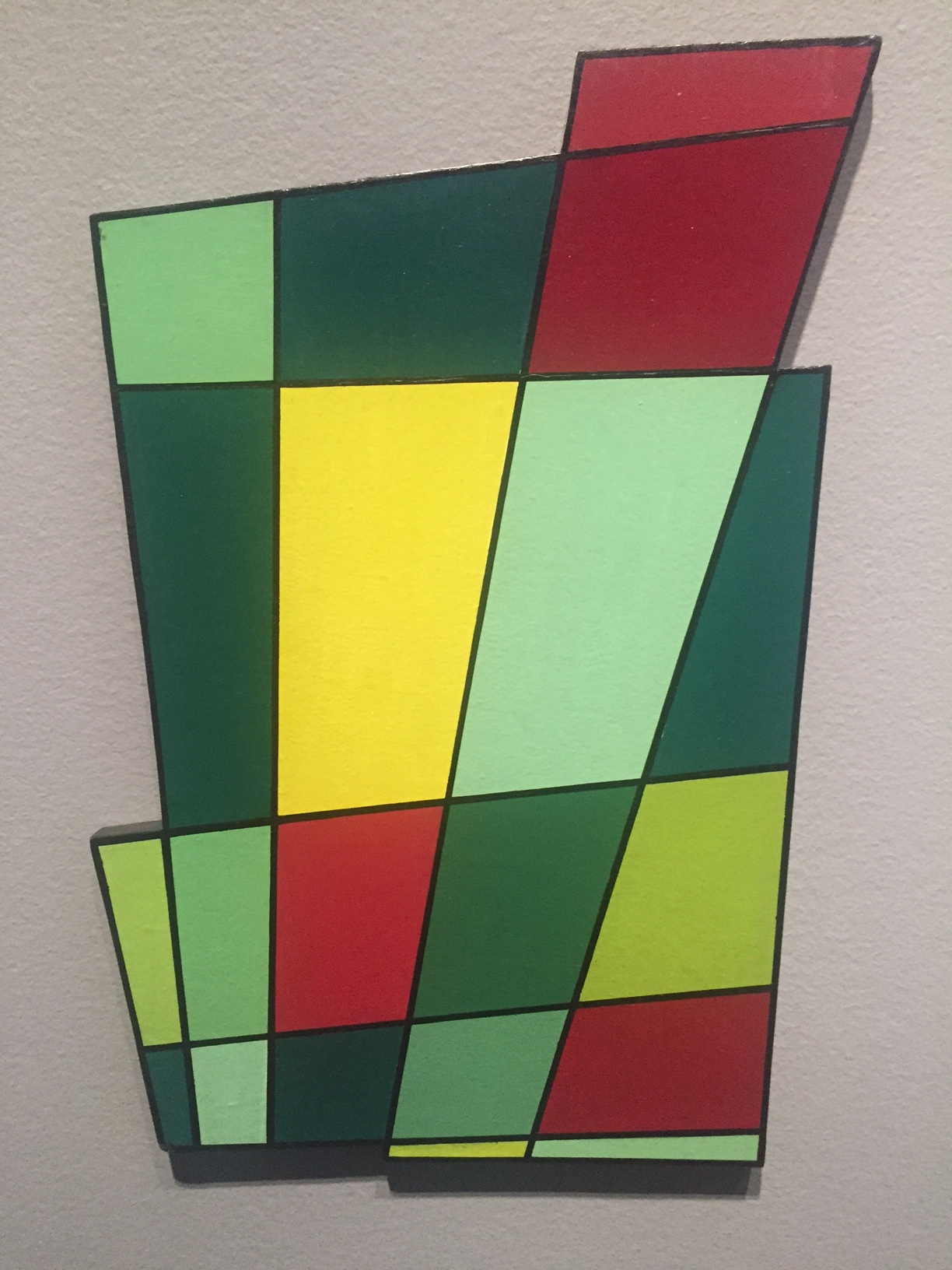
Also see the Concrete Art exhibition before it closes (here represented by a piece from Juan Mele, 1948).  Collector Patricia Cisneros looks positively prescient as her collection of Latin American jewels of another sort is equally refreshing.

Big, Mr. President, is not necessarily better.  Happy New Year to one and all. 

Contemporary architects take the time to look back in two rewarding tomes

December 18, 2017 Patricia Zohn
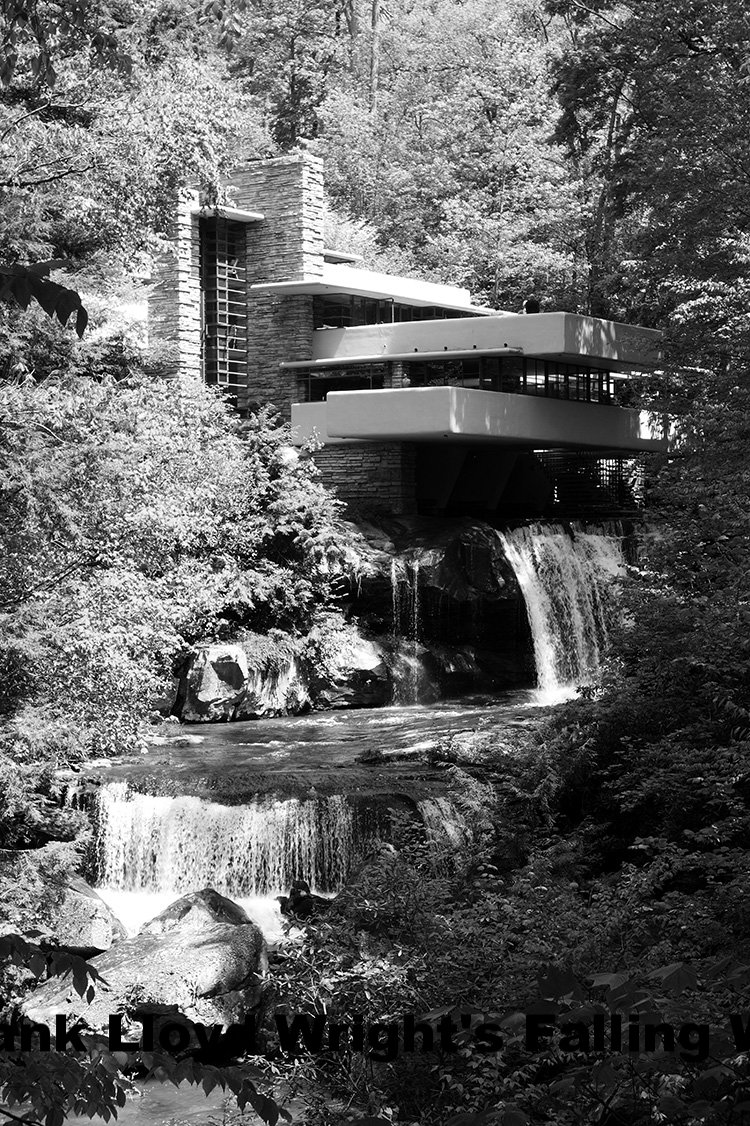
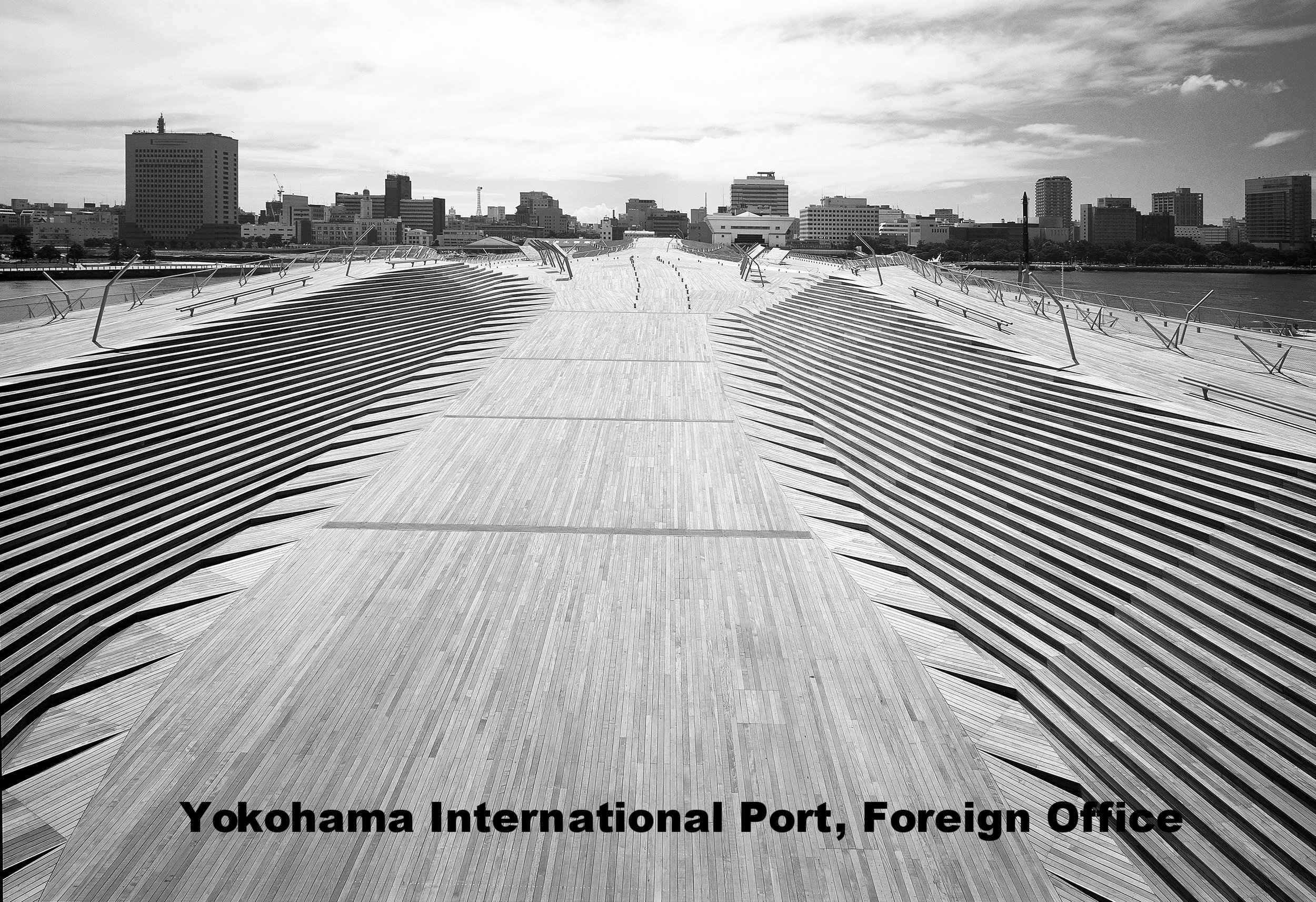
100bldg_Cover_Single_JPG.JPG 13 Fallingwater_JPG.JPG Yokohama International Passenger Terminal.jpg
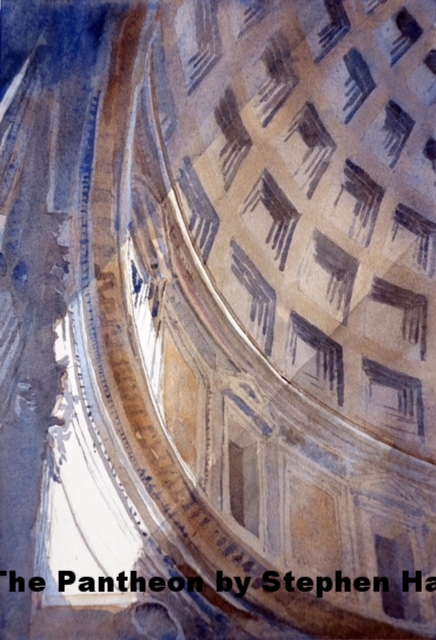
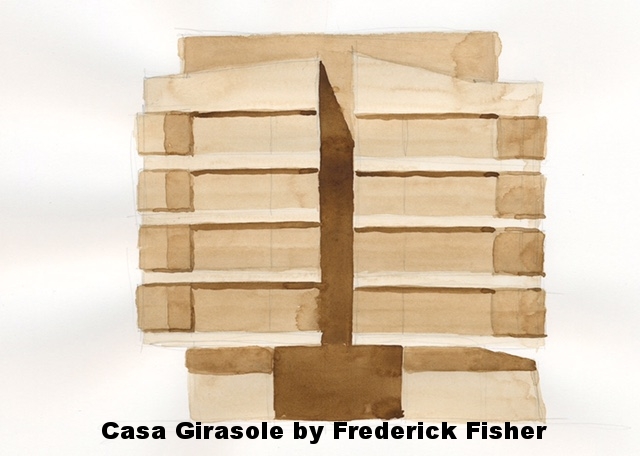
book cover image.jpeg The Pantheon, Rome, 118-125, Watercolor by Stephen Harby.jpg Casa Girasole (Apartment Building in Parioli, Rome), by Luigi Moretti, 1947-50, Watercolor by Frederick Fisher.jpg

It’s not often that well-known architects thoroughly engaged in their own contemporary practices have—or take—the time to look back at the work of their elders.  In a confluence of magnanimity, and, in the words of Thom Mayne, one of the authors, to serve as a prompt—“that students and laypeople alike would benefit from an awareness and appreciation of the most important and influential buildings that have come before and that will continue to inform the development of architecture beyond today,” these two, very giftable tomes reach out beyond the generations to some iconic, already-beloved structures, and bring to our attention some others that despite their excellence are still under the radar.


Mayne's book, 100 Buildings, a collaboration with Eui-Sung Yi and The Now Institute housed at UCLA, began when, in his role as architecture professor, he noticed that many of his talented design students were woefully uninformed about architectural history—much to their detriment.  He reached out to a broad swath of fellow practitioners to come up with this illustrated list of important buildings all over the world to which he wished to draw their attention.  Opening in splendor with Corbusier’s Villa Savoye and the Chappelle de Notre Dame at Ronchamp, both of which I have visited, and ending with the Yokohama International Port Terminal, which I have not, the book has many beloved treasures, but just as many which have now gone onto my ever lengthening bucket list.


Fred Fisher, in collaboration with Stephen Harby, both Rome Prize fellows, took as their underlying thesis the historic work that another generous architect and Rome Prize winner, Robert Venturi, had singled out in Rome in his legendary tome, Complexity and Contradiction in Architecture.  With the benefit of future sight, in Robert Venturi's Rome, Fisher and Harby revisited some of these buildings and in elegant and graceful watercolors and text showed why these buildings-some even twentieth century-- are still more than relevant today.


As someone who often travels the world with the organizing principle of architecture as the way into a foreign culture, I am grateful to Mayne and Fisher--both Los Angeles based--and their colleagues, for helping re-light the way.


I often accuse architects of being myopic and/or overly wordy and verbose when they write, as if the technical requirements of buildings with their exacting codes and mathematical precisions also have application in prose (n.b. to Mayne, they also should be teaching architects how better, and more simply, to convey their messages). In this case I am happy to say, it is the images with brief but engaging texts that makes both projects so rewarding, and as useful for the lay traveler or reader as for students. 


Two great stocking stuffers!  Happy Holidays.


The Fountainhead comes to Brooklyn by way of Amsterdam: is it still the over the top guilty pleasure we remember?

November 30, 2017 Patricia Zohn
The-Fountainhead_LtoR_Hans-Kesting_Ramsey-Nasr_Halina-Reijn_PC-Richard-Termine.jpg

In the current Toneelgroep Amsterdam production of The Fountainhead that is playing at BAM for four performances only, the Belgian director Ivo van Hove makes the over-the-top Ayn Rand novel respectable. 

To get ready for the event, I reread the 1943 novel on which van Hove based his production over Thanksgiving (no mean feat, it’s 720 pages). Ok, I didn’t read every page, skipping the tiresome screeds that Rand-ites devour for their politically conservative perspectives on the power of the individual and f ---the masses. (Rand was Russian born, Alissa Rosenbaum and reinvented herself when she got to the US)  But I read every juicy scene about architect Howard Roark and journalist Dominique Francon and the twisted revenge scheme she puts in place by marrying two other men because she desires Roark so very badly. Francon and Roark are conjoined in a whopping narcissistic frenzy of love and revenge on each other, the people who care for them, their colleagues, and the dumb rest of us that makes the anti-proletarian pap that Rand spews sustainable. They are conjoined in body and in belief in Roark’s greatness. The plot of the talented architect who cannot get arrested, well actually he does get arrested, who sees through everyone else’s false humblebrag was still a sideshow for me. (In the new paperback copy that I took out from the library, there was a tear out insert to join the Ayn Rand Society.  Rand still is a touchstone for the Trumpian sector of society.  Damn the torpedos and the DACAs too.)  

I hate to be the wet blanket but this rigorous, well-staged, well-crafted touring production was not nearly the guilty pleasure of either the novel or the film, which in an interview van Hove said he had expressly chosen not to watch. I think that may have been an error. Though the film got terrible notices when it was released, it is the film that most people remember along with their other guilty pleasures.  It matched the lurid, pulp-iness if not the politics, of the didactic, wordy novel which Rand used as a mouthpiece for her anti-Communist ideals.

The set is a wonder of spareness and tech, the musicians and the overhead screen add elements that help the four hour production move along.  I admire van Hove, but watching The Fountainhead with supertitles in Dutch just did not work for me. (It’s not that there aren’t brilliant, sexy Dutch architects eg. Rem Koolhaas) His correct Dutch actors had not the heft or grace I had always imagined and rather a stolidity and aridity that just did not fit. 

Roark was a silent, cunning man, more like the Gary Cooper figure in the film. Roark’s power lay in his permanent intractability along with his pumping iron pecs. He did not yell to make his point, unlike Ramsey Nasr, the actor who plays him. The other characters, the conniving, opinion writer Ellsworth Toohey (Bart Slegers), the milksop, no-idea young turk Peter Keating who washes up (Aus Greidanus Jr), Guy Francon, the leading society architect and Dominique-pere and Henry Cameron ( both played by Hugo Koolschijn), the once great architect-mentor, acquit themselves well enough, but there is a sameness about them, the same size, the same volubility, that does not help us to leap over the language and to distinguish things in this four-hour production.

During the intermission, which does not come for almost two hours, people were talking about the many full frontal nude sex scenes and if they were gratuitous. (Roark has his pants on during the early rape--which is portrayed in the novel as quasi-consensual--but off for the rest.) The direction is so stylized and acted for an overhead camera that van Hove removes us from any stirring passion we, or they?, might have felt. It is not sexy.  (Does she have implants was all I could wonder besides her great, full Brazillian, and was that an erection I actually might have seen?). Their naughty secret relationship with its S and M-like verbal whips and chains of remonstrance is nowhere to be found.

There is instead an operatic quality to it: I’m thinking it could have been the basis instead for a wonderful opera as it has all the elements.

Architects design things. Others build them.  Roark is the rare exception: he does both. I don't know how many have been inspired by this novel or film to be architects in the damn-society Frank Lloyd Wright-iness of Henry Cameron and Howard Roark (and we now also have the secrets of Louis Kahn with his many women).  Was it Roark who fed the flame of arrogance and hubris that marked some of the starchitects of recent years? Roark is indifferent to most of his clients, they are not allowed to intervene after the first meetings, they are not allowed to make changes. Roark designs a low-income housing project and then detonates it because they’ve had the audacity to change some elements.  No, there are only two people who get it: Dominique and Howard.  The clients, the critics, the unwashed masses: Phooey.

As a young adolescent, when I came to The Fountainhead, I had little idea that I would become a journalist who married an architect and so perhaps I’m no longer able to see the glory of it all.  Architecture and journalism are laudable practices but also brutal: architects are put in public line ups and forced to compete against each other, often using their own funds (journalists too!). 

Still it’s nice to see us up there along with the other professions as larger than life.


Photo credit: Richard Termine, courtesy BAM


. 


Emma Dante's Le Sorelle Macaluso, a hot-blooded Sicilian import at Peak Performances

November 19, 2017 Patricia Zohn
IMG_2280.jpg
IMG_2356.jpg

The elusive dream to take a trip to Sicily, infinitely planned and postponed, was reignited last night on a trip to the much closer Peak Performances at Montclair State presenting for the first time in the US, Emma Dante’s Le Sorelle Macaluso.  The first leg of my journey to Sicily, it was well worth the short trip to New Jersey. 


I was rewarded with an hour of the most nuanced direction and the most vibrant acting on the most profound of subjects—death and family—even as the piece came across as the most life-affirming and original I have seen in a long time.  Jed Wheeler, the Peak impresario, designated this year of his programming as one dedicated to women artists—not, as he insists because he wanted to lump them together—but because most of the work coming into his veteran sightlines was, indeed, by women.


That said, Emma Dante, who alas could not appear with her company, is a gem among gems and her actors, seven women (who play the sisters) and two men, later additions to a piece originally conceived for all women (the father and a son) are fierce, intelligent, fearless.  The sisters convene to mourn the dead, and as wakes must, summon their childhood memories: the harsh father, the angry, manipulative sister, the pushy mother, the eldest caregiver, the youth athlete on his way to success.  All of these potentially clichéd icons come fully to searing and individual life, giving lie to some of their most vivid recollections, as the sisters engage with each other and their communal ghosts.


In simple long-sleeved black shirts and pants the sisters march in formation to open the piece, almost Mussolini-esque in their presentation, but this bleak regiment soon gives way to a septet with colorful slips and ultimately bathing suits as the characters strip down to their very essences.  A cast member in the post performance Q and A said simply that Dante wanted to accentuate the fact that it is mourners who wear black---that the dead are in fact captured in the midst of life, of color.


The cast speaks Sicilian, a dialect I could not easily grasp even though I understand Italian, but the supertitles were elegant and not at all distracting.  The mere mention of Sicily brings colorful baggage (the Corrleones, Pirandello, the Greek influence, the refugees et al) but Dante instead imbues the work with surprising layers through her method of physical and emotional improvisation, which with aching specificity, wrenches our hearts.


It stood in unexpected weekend juxtaposition with Call Me By Your Name, a cool, beautiful film set in the very north of Italy about a gay love affair made from a James Ivory script by Luca Guadagnino, a master of surfaces, of masking emotion, of hidden agendas. I much preferred the Sorelle and their undisguised grasp of life and each other.


It is a shame that Peak is not in our NYC laps, one must take a bus, but so what.  Wheeler has drafted a season that is barely midway through and I could not recommend more highly keeping up with his keen eye.


Photos: Marina Levitskaya for Peak Performances.

← Newer Posts Older Posts →