• Home
  • About
  • Writing
  • [Cultured] Pearls
  • Contact
Menu

CultureZohn

Street Address
City, State, Zip
Phone Number

Your Custom Text Here

CultureZohn

  • Home
  • About
  • Writing
  • [Cultured] Pearls
  • Contact

Rakka Ta Bee Bee: William Kentridge re-mixes Kurt Schwitters in Ursonate for Performa 17

November 7, 2017 Patricia Zohn
220px-Schwitters.jpg
Kentridge-William-450x450.jpg
IMG_1229_William-Kentridge-Ursonate-Performa17-Photo-Paula Court.jpg
FullSizeRender-7.jpg

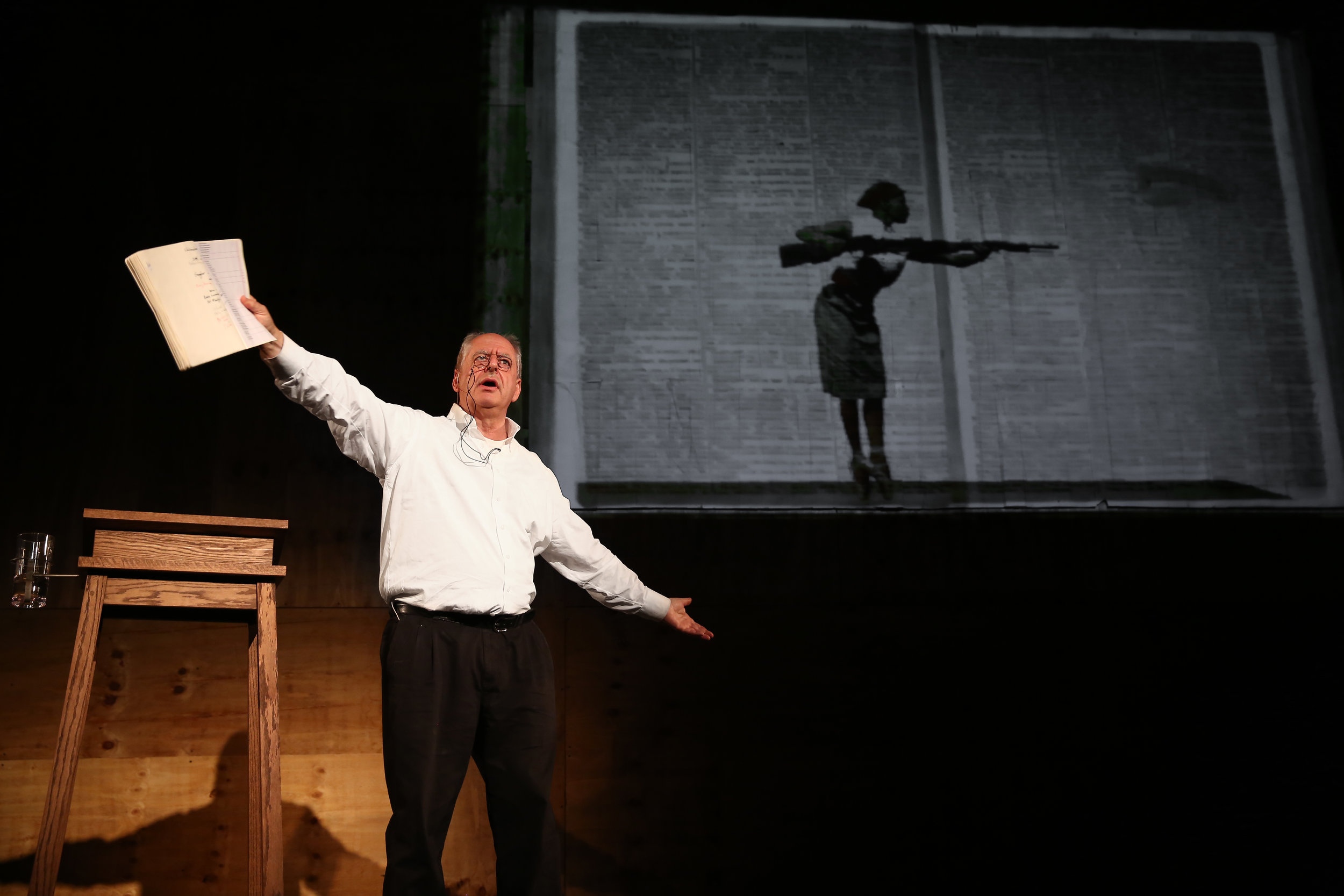
William Kentridge, in a burst of his usual high energy, premiered his Performa 2017 commission Ursonate at the newly refurbished Harlem Parish, a perfect setting for his updating or re-imagining of Kurt Schwitters’ Dada piece first performed by him in Potsdam in the home of a patron in 1925.

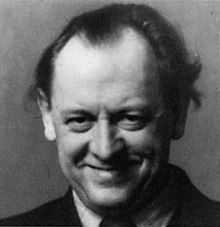
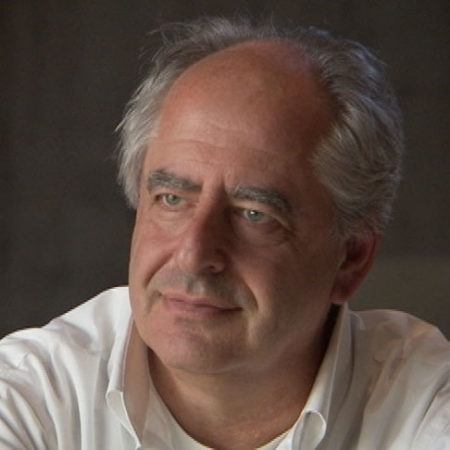
These images of Schwitters and Kentridge show a certain separated-at-birth of devlish and madcap, two essential qualities for Ursonate.

Schwitters was apparently at odds with his own Berlin Dada group and this sound poetry piece was itself a rebellion from the rebellion.  The Dada movement--founded to protest conventional ‘capitalist’,  ‘bourgeois’ art--was home to many splinter groups.  Once you have anarchy and nonsense as structural themes, all bets are off.

Alternately impressing me as Latin, Pig Latin, Africaans and an entirely made up nonsense language (Schwitters was German,after all) , Kentridge re-mixed the piece as a point of departure for his video work which typically combines his drawings (in this case, himself climbing endlessly over a chair, colored geometric shapes, newsprint, notebooks, a ballerina brandishing a rifle, portraits, birds in flight et al) and which come to impart a sketchy narrative of South African apartheid. 

Though Ursonate has previously been sampled by other artists, the thrill—and the challenge-- of a Kentridge piece, is his refusal to tolerate artistic boundaries. We must keep up with his synaptic segues which we would ideally have more time to process.You can hear an original recording of Schwitters' Ursonate piece here. 

Repetition of words and sounds bring attention to how language can be both a link and a barrier to communication. The art of listening closely to others is something in increasingly short supply


 In my 2010 interview with him at the time of his US museum retrospective, Kentridge was working on The Nose, an opera commission from the Met. Kentridge has worked extensively in opera (also The Magic Flute) and video, and his performance, ably joined in the end by a (Venice Beach-hooray!) singer Ariadne Greif, and musicians, is technically as demanding as an opera, the vocal rolling ‘r’s of the sound poem especially pungent in the vast vaultings of the former church. But by the finale, with Kentridge and Greif punctuating by leaning into each other, the piece felt ultra contemporary.

Rakka Ta Bee Bee is what the opening bars sound like—a hip hop like no other. 


(A friend told me he had tried to get one of the Performa 17 Barbara Kruger metro cards to no avail. I think they are still being randomly distributed at certain stations. What a souvenir that would be!)
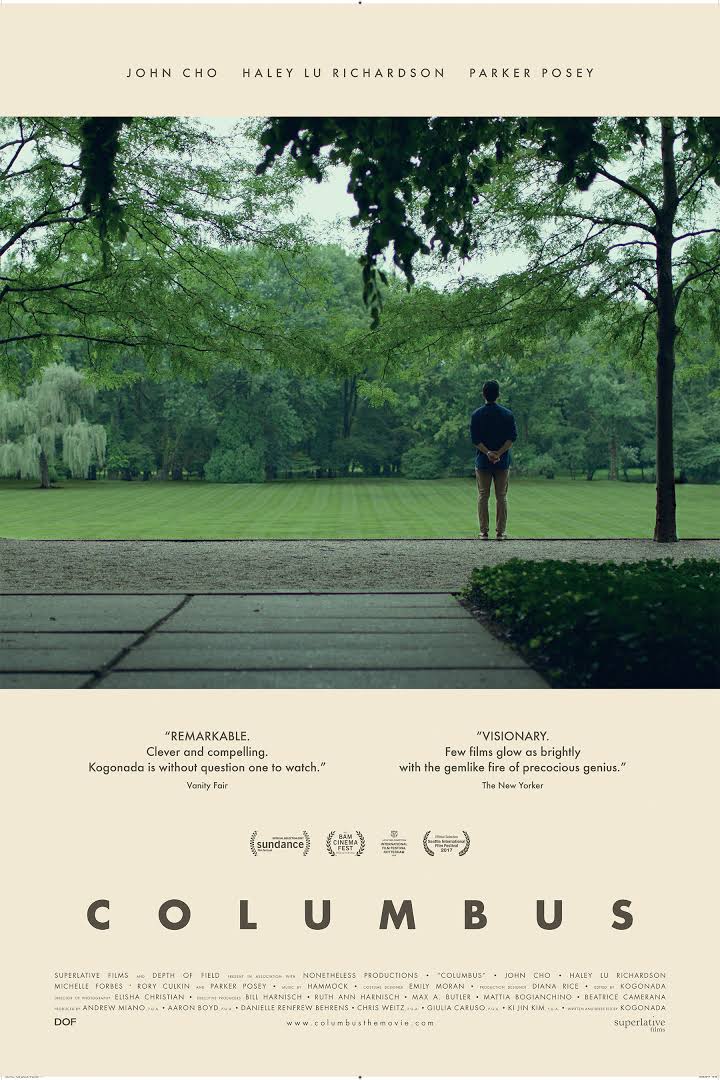
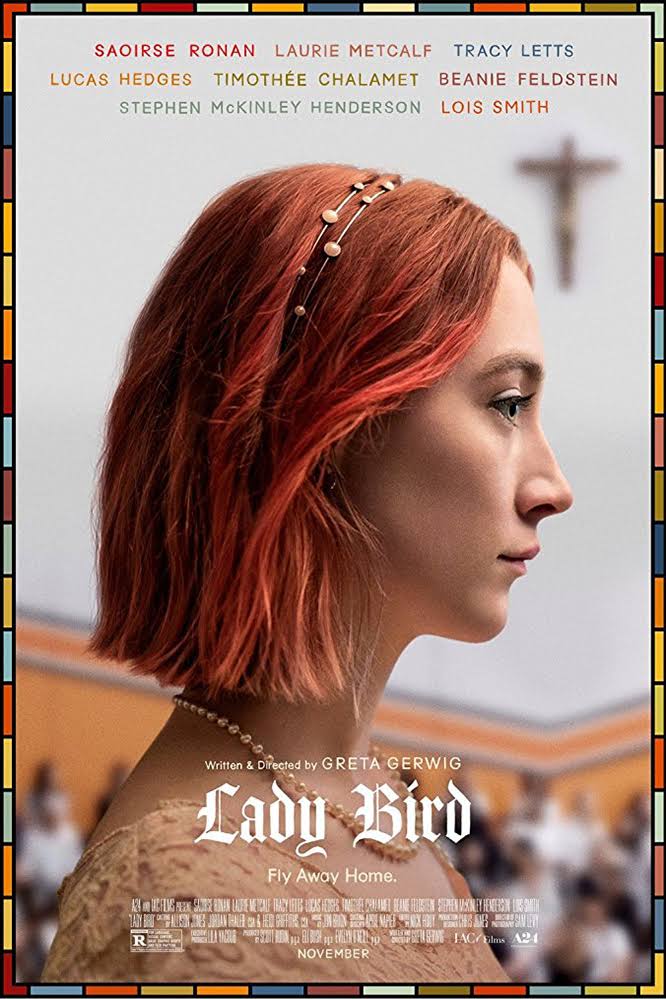
Columbus and Ladybird: skinning the Coming of Age cat

November 5, 2017 Patricia Zohn
images.jpeg
images-1.jpeg

Last night at the Architecture and Design Film Festival, besides the many architects in black in a lounge filled with Hastens beds which gave it the air of a Tinder musical-beds meet up, a dance performance piece therein which was apparently meant to say something about the human body in space but instead continued the vaguely sexual theme as they writhed-against-columns,  legendary Kevin Roche passing by in all his nonagenarian wonderfulness (also the subject of a film biography), Kogonada's film Columbus was being presented, the first time a narrative film had broken through the stated mission of the festival which is to show non-fiction documentaries. 


Columbus has been on the festival circuit and in sporadic release for a while and is now on Itunes, but it was an excellent film to see on the wide screen.  Beautifully shot in Columbus, Indiana, the home of Irwin Miller’s (Cummins Engine) city wide 20th century project to bring worthy modernist architecture to an industrial town in the Midwest, it is the coming of age story of a young woman, a high school graduate who is trying to find her way in the world—and it turns out her way is through the architecture around which she has grown up. 


The story is simple. An architecture professor is visiting the sites of Columbus. He collapses at   Eliel Saarinen’s glorious church despite the presence of his devoted but momentarily inattentive minder Eleanor (Parker Posey, the ever faithful indie actress), and he is taken to the medical center for an indeterminate stay. His son,Jim (John Cho) a translator, arrives from Korea to manage things, and instead falls in step with Casey (Haley Lu Richardson) as she shows him the city from her distinctly home grown perspective.  People are trying to push Casey away from home, but she has come to love and respect her hometown.The son who is estranged from his father ends up staying, the daughter who has been her ex meth-head mother-in-recovery caregiver, leaves. 


 What a pleasure to be able to see inside and outside so many thoughtful architectural projects, especially the Alexander Girard conversation pit at the Miller house. The film is the best advertisement for architecture I’ve seen in a long while and I am making plans to visit Columbus (along with another Midwestern pilgrimage to Cranbrook)  However, much self regarding, portentous dialog ensues.  Think Last Year at Marienbad, also a film about finding one’s way amidst architecture.


The filmmaker was on hand to discuss his reverence for architecture and his interest in familial relationships and portraying the concept of negative space. But alas, I had just seen Greta Gerwig’s marvelous film LadyBird which is also a young girl’s coming of age story  about her relationship with her parents and her much less architecturally splendiferous city, Sacramento, and it suffers in counterpoint.  Gerwig’s film isn’t a masterpiece, but it has some of the most un self conscious, truly inspired dialog I have heard in a long time, a very winning set of performances, no affectation, and very little negative space. The characters are instead bunched up against each other, amidst Sacramento’s largely pedestrian core (though a spectacular bridge) and its through line is the very opposite, in fact, it is centered around the girl’s overwhelming desire to get away from home.

The problem with Columbus is that it takes as its goals a mirror of architectural imperatives, which are not the same as film making imperatives, in fact quite the contrary.  Though its goals are admirable, in serving the architecture, it serves less well the film. Still, I recommend it as an introduction to a homegrown architectural wonderland. 

Jean Pigozzi and his Selfies: Me + Co

November 3, 2017 Patricia Zohn
images.jpeg

When I first met Johnny Pigozzi--probably before the time of this photo with Clint Eastwood-- we were both finding our way in the media landscape. We hadn't been out of school that long--I was working for the French Government helping French films find outlets in the US  and he was working for a French distributor.  Sometimes we would drive to my mother's house in his little Volkswagen and have a picnic with friends, and I remember being struck from the outset about his flouting of convention and his effervescent high spirits.  Tame would be the furthest adjective one would have used.

Johnny always had his little Leica with him.  I don't know if he had already been hanging out at the Factory with Andy Warhol and seen how Warhol used his camera, but I had never seen anyone deploy the camera quite as much as a diary as Johnny did.  

Now it's quite clear that he was one of the original purveyors of the Selfie and his new collection of photos, Me + Co is further testament to that.  Yes, it's true that he hangs out with celebs and can deploy his wealth to that end, but he has made his own way in that world as an original well before the concept of selfie was even on the horizon, and unlike most selfie-takers, not only as a photographer, but as a participant.  Johnny attributes his long arm and his flash for helping secure images of people like Mick Jagger and Cate Blanchett but he is just as apt to catch his shampoo technician or a cat.  


After the Blast: Zoe Kazan takes on the future at LCT3

October 30, 2017 Patricia Zohn
Photo by Jeremy Daniel  Cristin Milioti as Anna with Arther (voiced by Will Conolly)

This lighthearted image of Cristin Milioti as Anna talking with her Bot Arthur in Zoe Kazan's new play After the Blast at LCT3 is somewhat deceptive.  When she, at first reluctantly, agrees to "train" the Bot in lieu of being able to be approved for fertility treatments with her husband she is defensive and wary.  Then as with all 'mothers', she becomes completely obsessed with every sign of incremental progress, every utterance which shows language development, every movement which indicates intelligence, or communication and motor skills.  They can't go outside to the park, we are post-apocalyptic, deep underground in a global fallout shelter, hiding out with what remains of humanity. These playful interchanges between the two of them are the heart of Kazan's look into marriage and interpersonal relationships after a holocaust. In fact we too forget for a while that they are in the most dire of predicaments, and laugh and delight and hope along with Anna.

All too soon, the second act goes very dark, dystopian, filled with betrayal, anger, despair, and pessimism.  Kazan has to bring us back down--or up--to earth's scorched, bleak reality.

I, along with Anna, wanted to stay on the bright side.  I was tearful when she learns she has been duped by her husband so that she will pass their fertility test (even though we knew all along) but became impatient with some of their more prosaic interchanges. It can be dispiriting to eavesdrop on a tortured marriage, above or below ground.  Still, my admiration for Kazan who is managing a successful dual career as both writer and actress remains high. 

In these times when the renewed threat of nuclear devastation seems all too real, the play is a prescient reminder of what might befall us, and the need for vigilance. 

(The LCT3 theater, by recently deceased architect Hugh Hardy --full disclosure: my husband's former partner--which I am fully embarrassed to say I had not visited before, is really a jewel and another reason to catch the play.)

Photo by Jeremy Daniel

Benjamin Millepied makes Philip Johnson's Lincoln Center theater newly fabulous

October 26, 2017 Patricia Zohn
Millepede's Counterpoint for Philip Johnson

Over the years, the critical assessment of the architecture of the original Lincoln Center project has risen and fallen with changing tastes.  I remember leaving the Moorish splendor of the New York City Center where ballet was red carpet magical and beginning at the NY State Theater (always, always it will be named this in my mind instead of its current incarnation) and finding everything so antiseptic.  

No longer! I've come to love the NY State Theater (and the Met, though not Phil/Avery Fisher/Geffen Hall) especially for it's clean lines and nicely raked orchestra (redone). I admire the Jasper Johns and the Lee Bontecou in the lobby. But mostly I have always enjoyed going to the first ring level at Intermission and wandering among the oversized Elie Nadelman sculptures. 

Last night Benjamin Millepied made this Johnson space newly fabulous.  Working with terrific, high spirited young dancers from the Jacqueline Kennedy ABT School who rushed the interior courtyard balconies like a plethora of modern day Romeos and Juliets they undulated and kicked up their heels (literally) in a short but excellent presentation Counterpoint for Philip Johnson at the intermission.  Though Millepied's premiere of his new ballet for ABT (I feel the Earth Move) and his Daphnis and Chloe were also on the program (hats off to Herman Cornejo who thrilled in both pieces), for my money, it was this entr'acte that made my heart beat faster. 

Millepied thinks big.  His LA Dance Project now has a permanent home in LA and tours the world,  he is directing a film of Carmen, he partners in a website.  Leaving the Paris Opera seemed wildly Call me crazy but the dancers of yore could never have kept up with his vision and ambition.  I think Philip Johnson who loved new things would have been delighted.

(I am eager to see a companion exhibit at NYU's Gray Art Gallery on Johnson and Alfred Barr introducing design into America at MoMA)

Kara Walker bears witness

October 9, 2017 Patricia Zohn
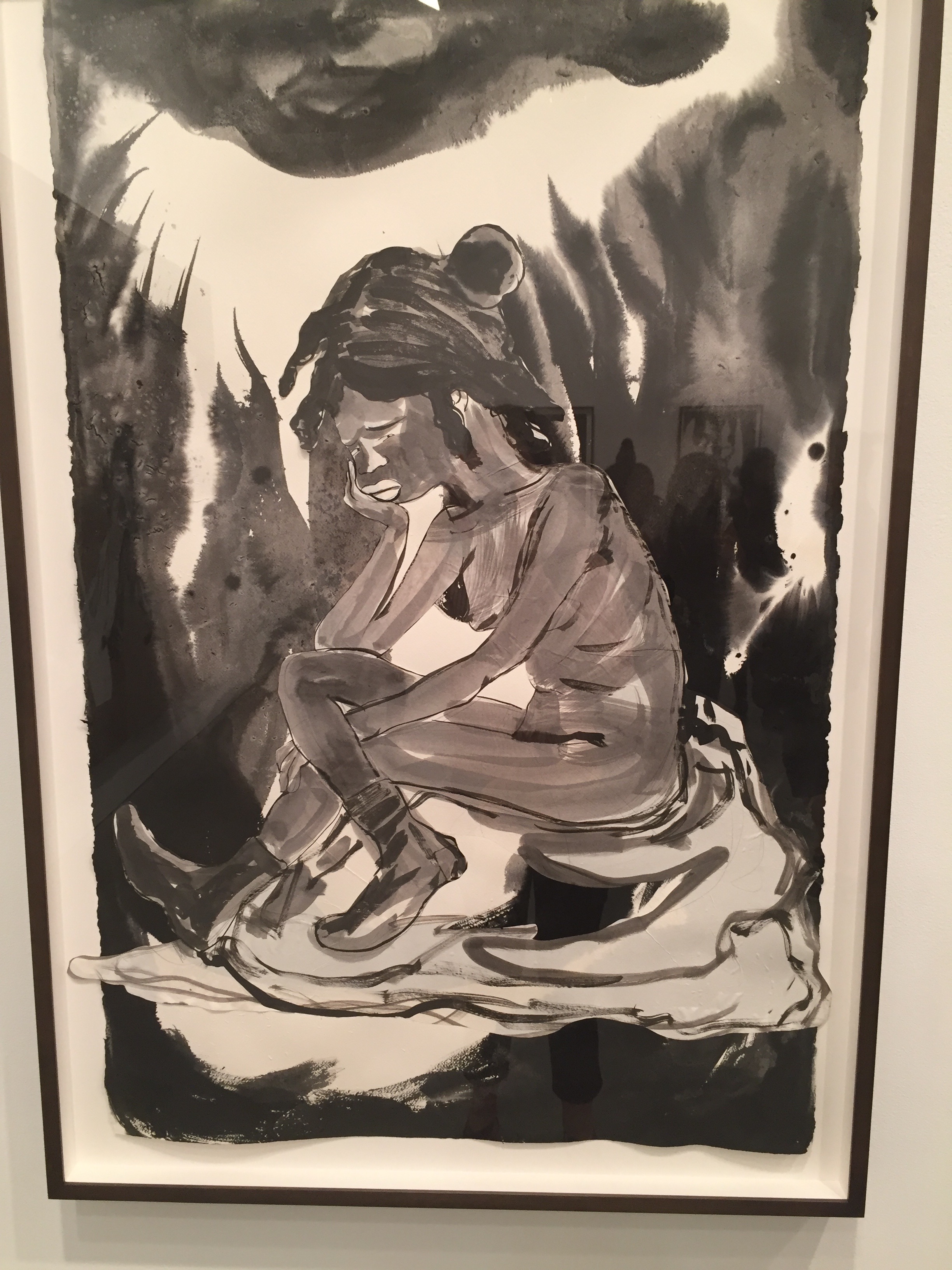
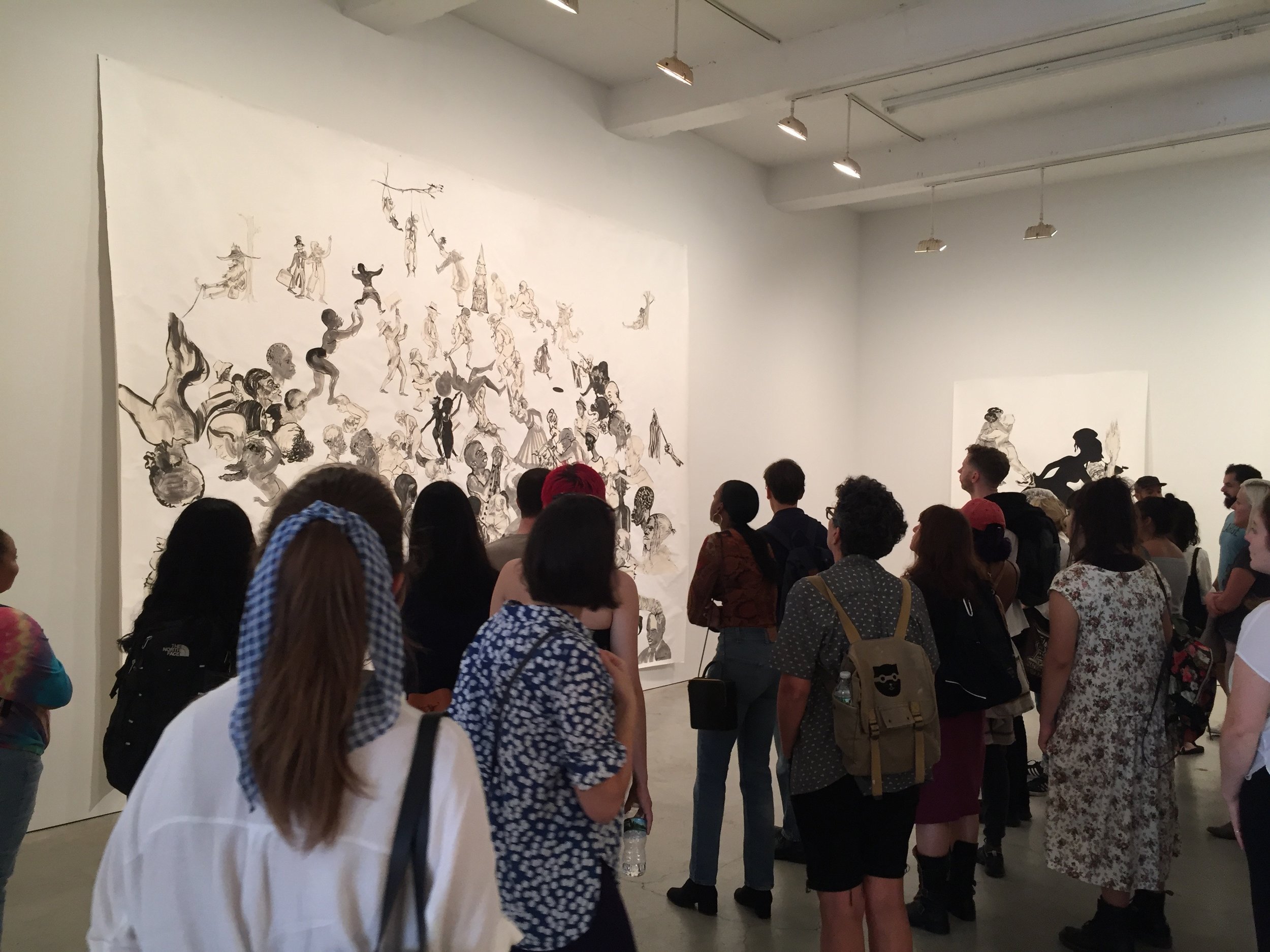
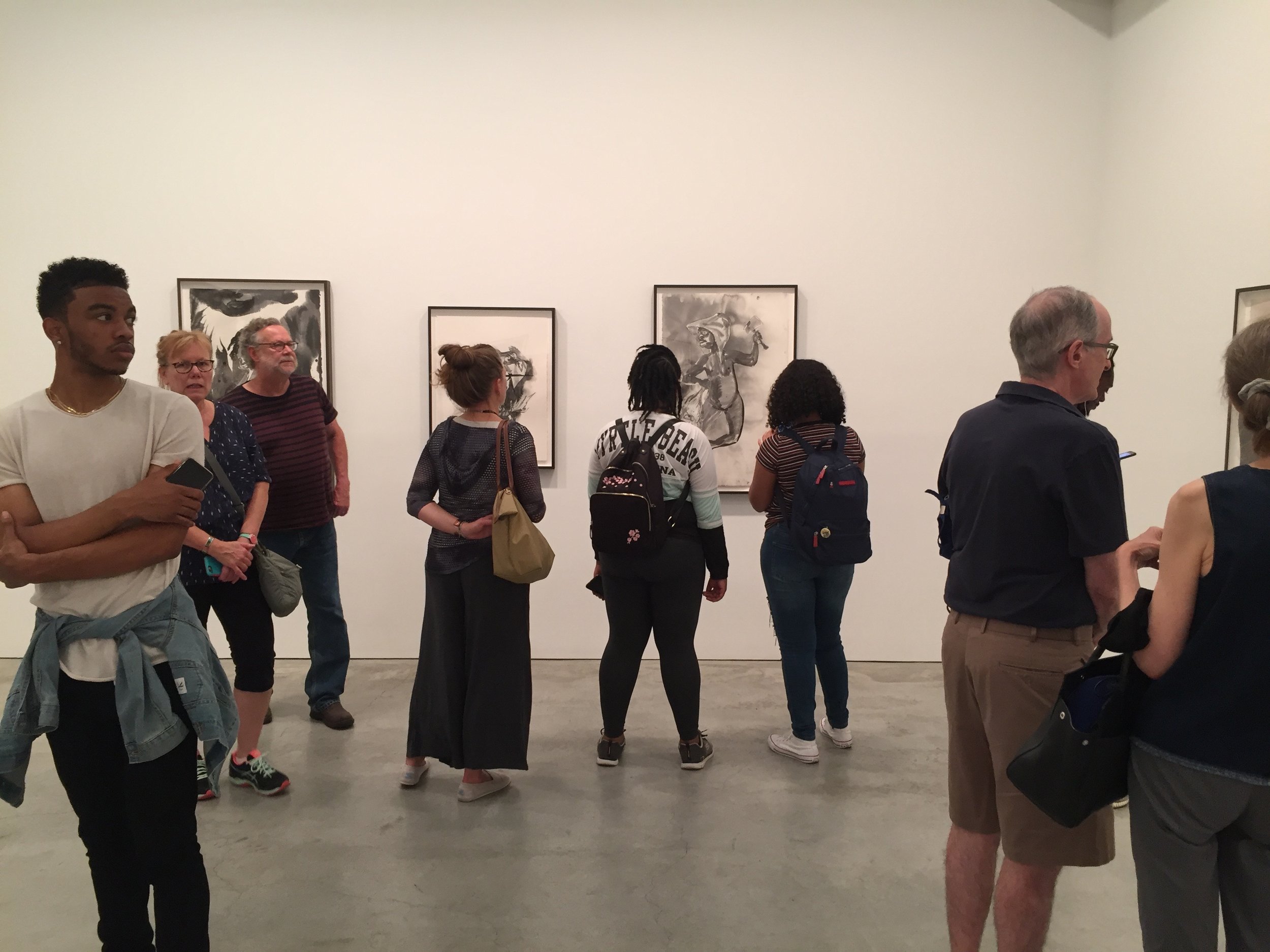
IMG_6419.jpg IMG_6418.jpg IMG_6422.jpg IMG_6421.jpg


The Kara Walker show at Sikkema Jenkins is only open for one more week.  You do not want to miss this if you are in New York.  The galleries were full when I was there on Saturday.  Like when Misty Copeland is dancing at ABT, the diversity of the viewers is so welcome and apparent.  The show which has been ebulliently received is really spectacular. Walker repurposes some of her earlier imagery but the scope and ambition of this work seems beyond anything else she has done. Besides the content, her style is more and more fluid and expressive: each face, each body, each hatchet jumps off the wall.  Walker does not choose the easy road or even the high road.  Her work is both pure art and scathing documentary. Like Louise Bourgeois (see below), she is exorcising her demons.  Or rather our demons. She is bearing witness on behalf of all of us. 

Faces Places: Agnes Varda and JR team up in a film that prizes reaching out

October 7, 2017 Patricia Zohn
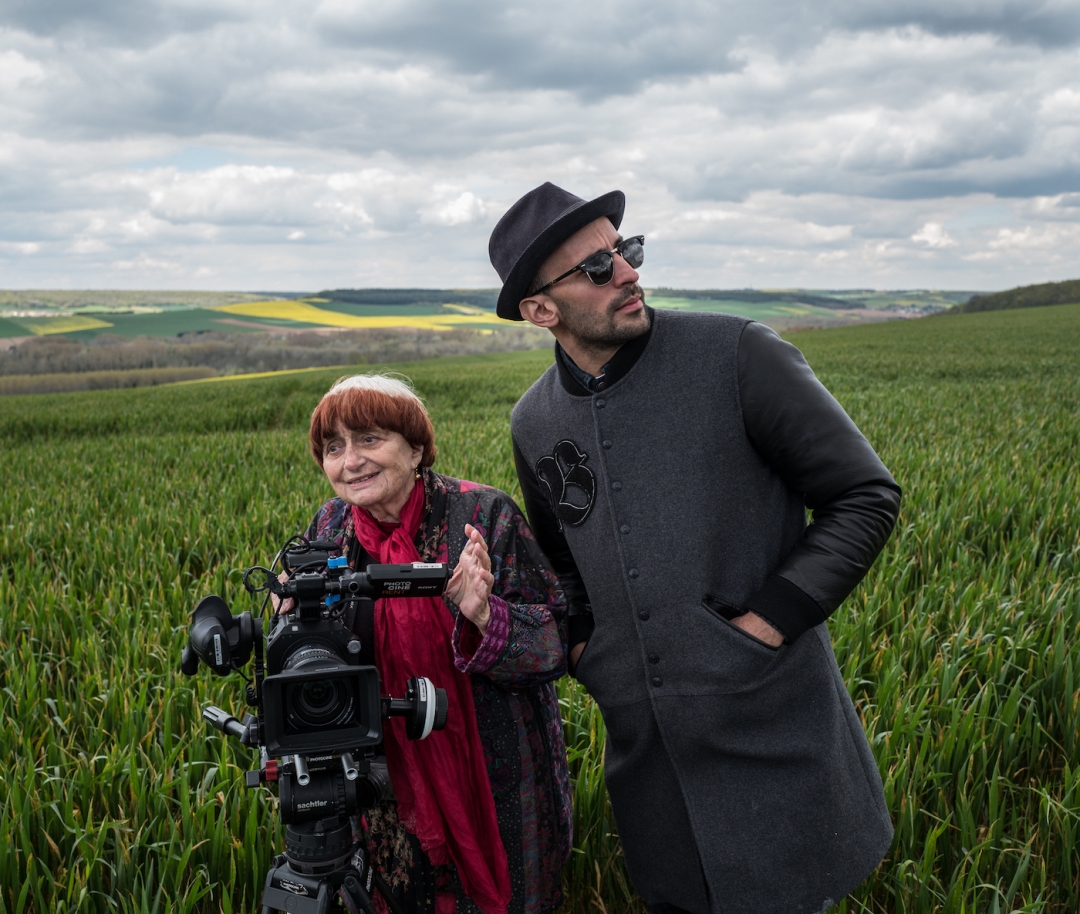
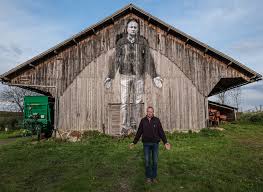
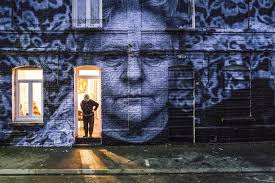
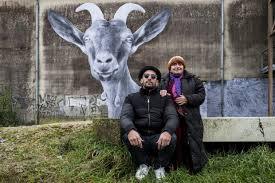
Faces_Places_4-1080x914.jpg images-2.jpeg images-1.jpeg Unknown-1.jpeg Unknown.jpeg images-3.jpeg varda-agnes.jpg

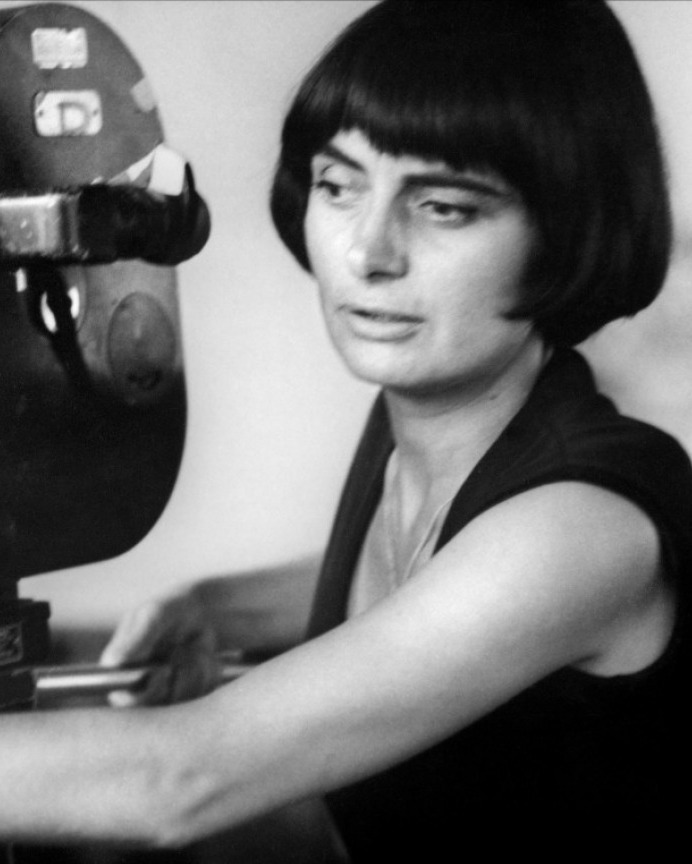
Agnes Varda, a heroine of mine from the New Wave and beyond is still challenging herself, looking forward. At 89, she is truly a force of nature.


And yet: Varda looks back to the past as well.  Her newest film, Faces Places, an ingenious collaboration with photographer/muralist JR, has as a point of departure her desire to meet new people and hear their stories, beginning with JR himself.  Varda and JR visit the last inhabitant of a condemned miner’s dwelling, an independent farmer, a mother of two, a cheese maker, three wives of dockworkers, slowly piecing together their stories while writing them large on the sides of silos, buildings, containers.  JR’s camera-on-wheels which blows things up so that we can really see them, slowly makes its way towards Varda's own infirmities (her eyes), and her friends and colleagues: (the tombs of) photographers Henri Cartier Bresson and Martine Franck,  photographer Guy Bourdin, and in the end, Jean Luc Godard, erstwhile collaborator and friend, who after agreeing to meet her does not show up or even answer his door when she calls.


Though it goes dark as her revenge is to show this depressing episode in the film, it is still as inspiring a document as one could find.  JR, who has insisted on wearing his hat and sunglasses throughout (very much like Godard always did) despite Varda’s pleas to remove them so she can really see him, finally does so once he sees how upset she is by Godard’s betrayal. Godard was quoted as saying all you need for a film is a girl and a gun. Well, he’s got them here.


How we reveal ourselves to the world, how others see us, how we age, how we grow up, how we maintain our old friendships (or do not), all this is present as we journey with these two very talented, insatiably curious artists. 

Paul Rudolph's Modulightor Building: A hidden masterpiece

October 7, 2017 Patricia Zohn
IMG_6379.jpg Paul_Rudolph_(architect).jpg 25.jpg dscn5783.jpg IMG_6406.jpg IMG_6397.jpg IMG_6404.jpg IMG_6400.jpg IMG_6405.jpg IMG_6399.jpg IMG_6395.jpg IMG_6384.jpg IMG_6402.jpg IMG_6408.jpg IMG_6378.jpg IMG_6396.jpg DSCN6117.jpg 1024px-Yale_Art_and_Architecture_Building,_October_20,_2008.jpg

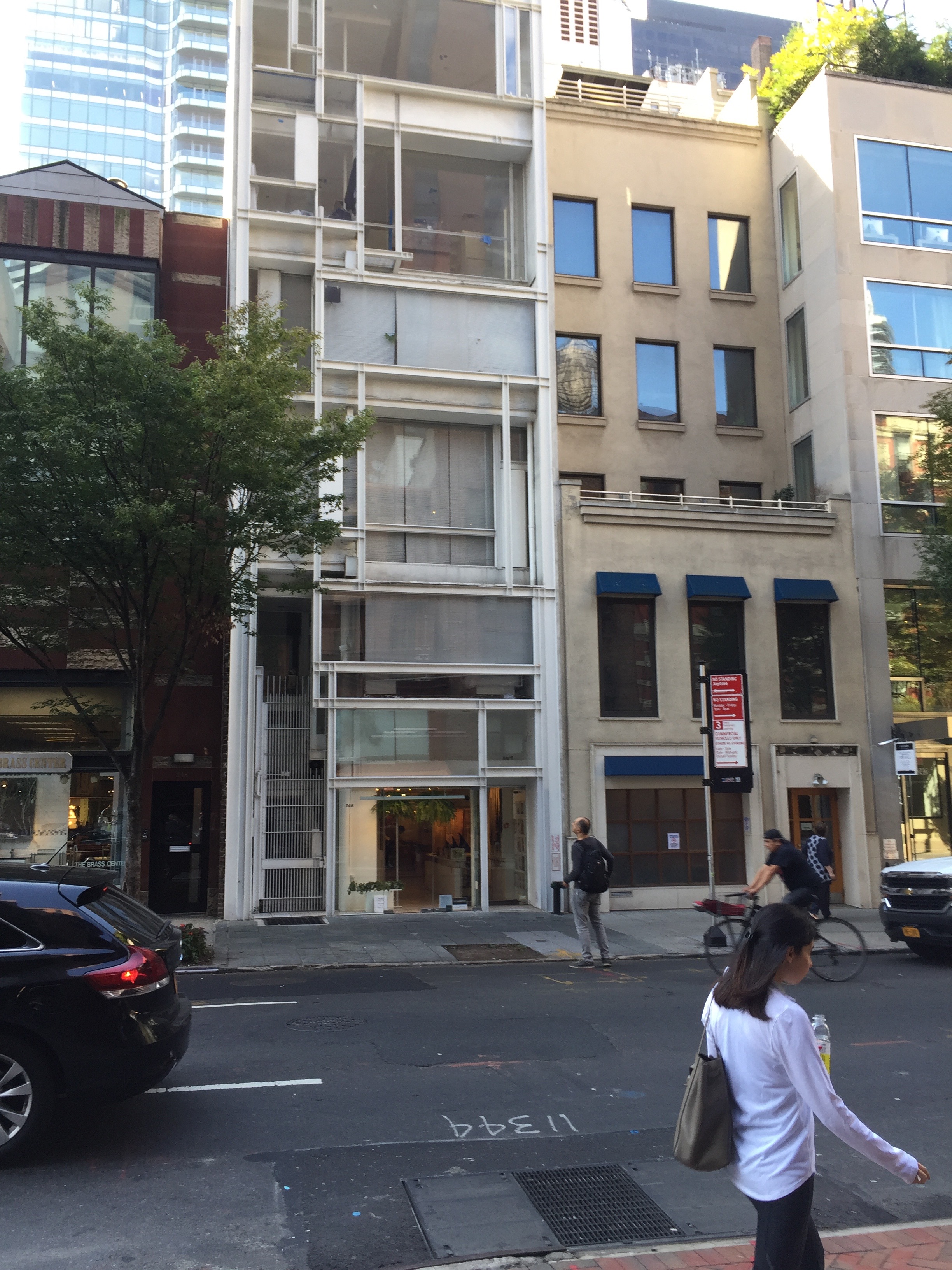
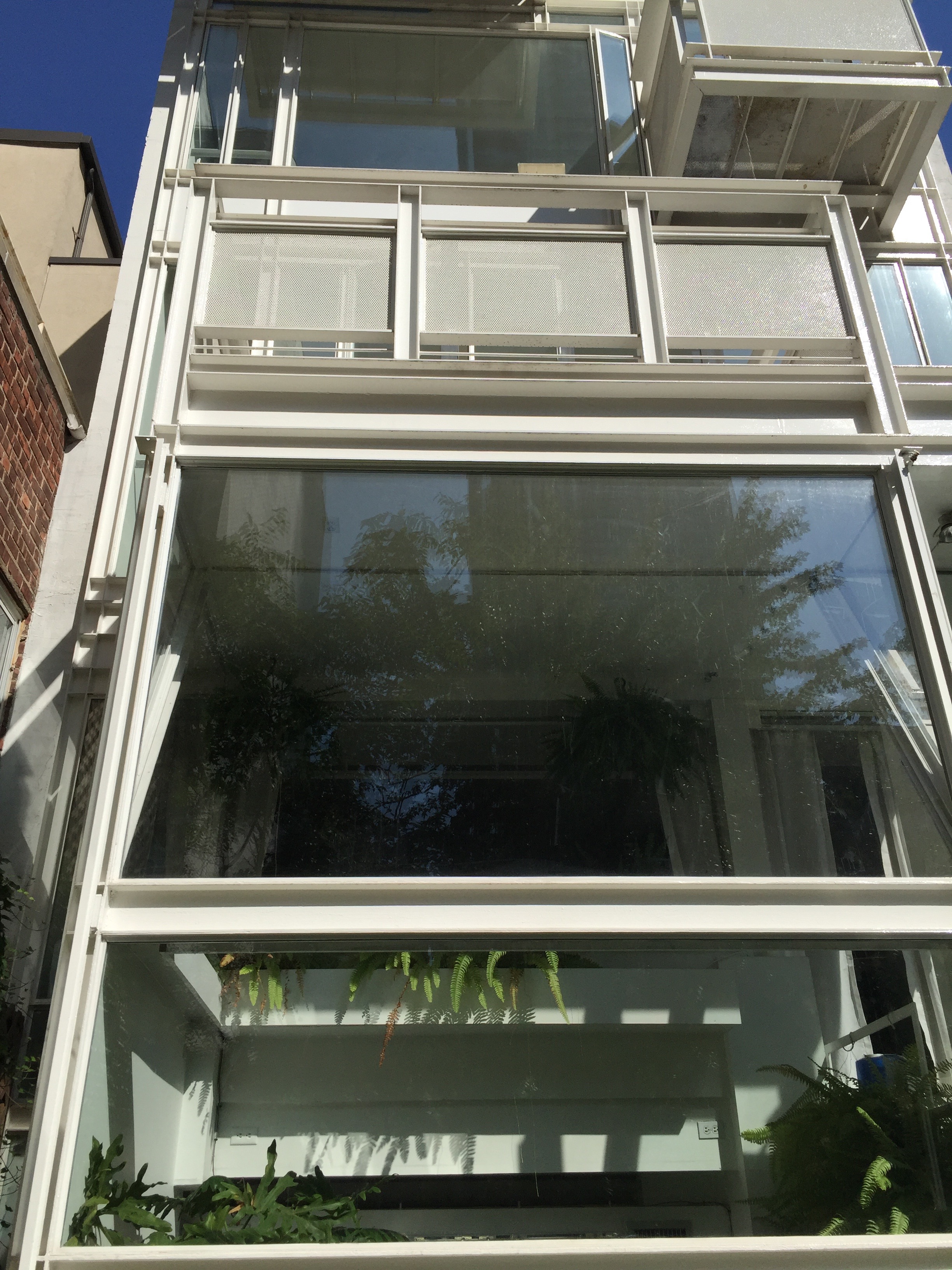
When I first came upon Paul Rudolph’s Modulightor building as part of the wonderful series of events that comprises Archtober , I was kicking myself. I’ve lived in NY for a good part of my life and must have walked by the building countless times. 


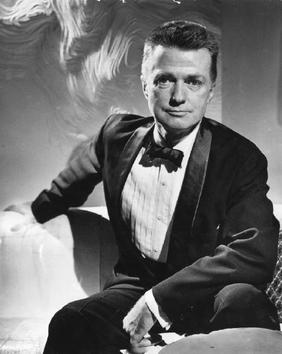
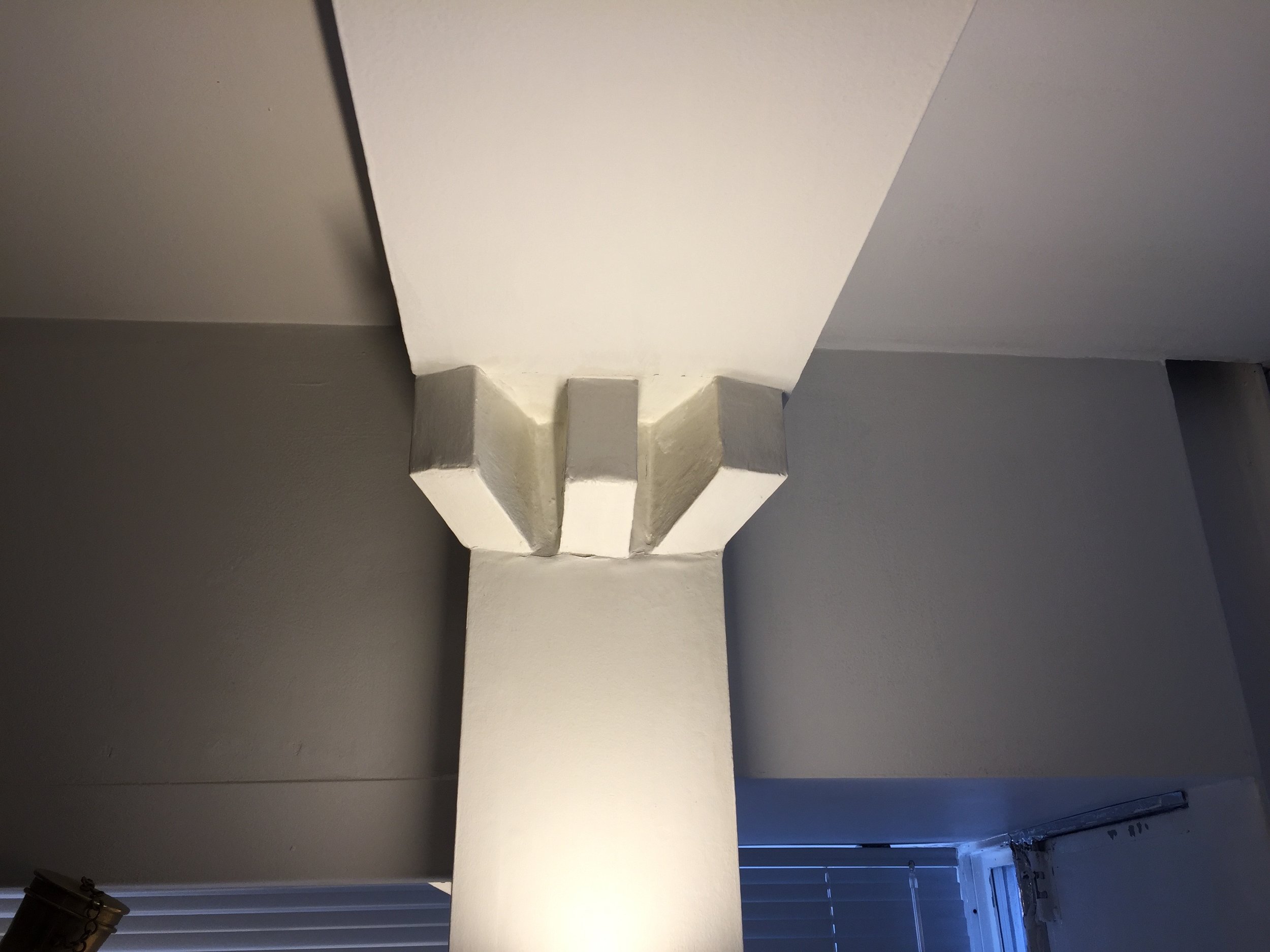
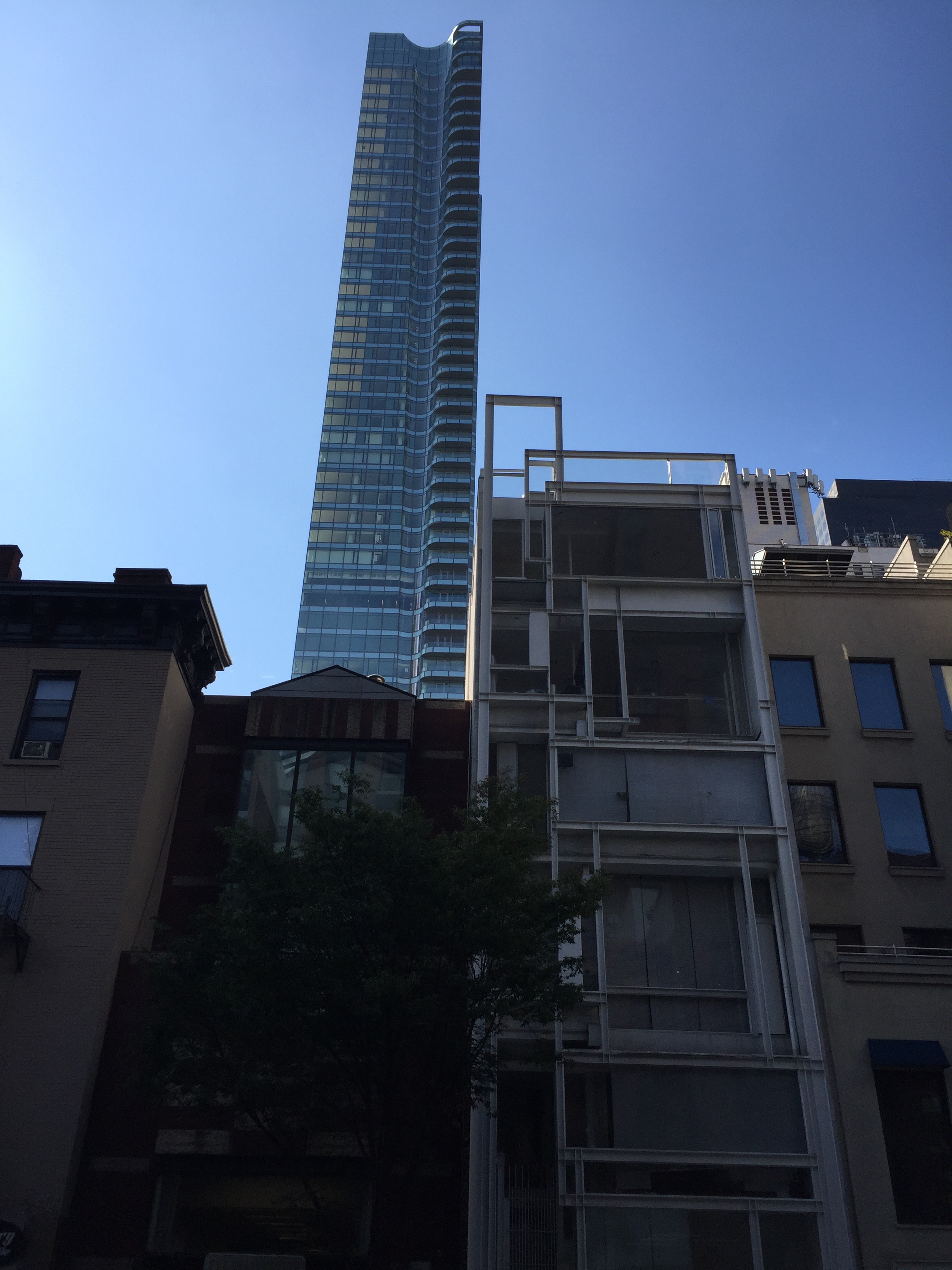
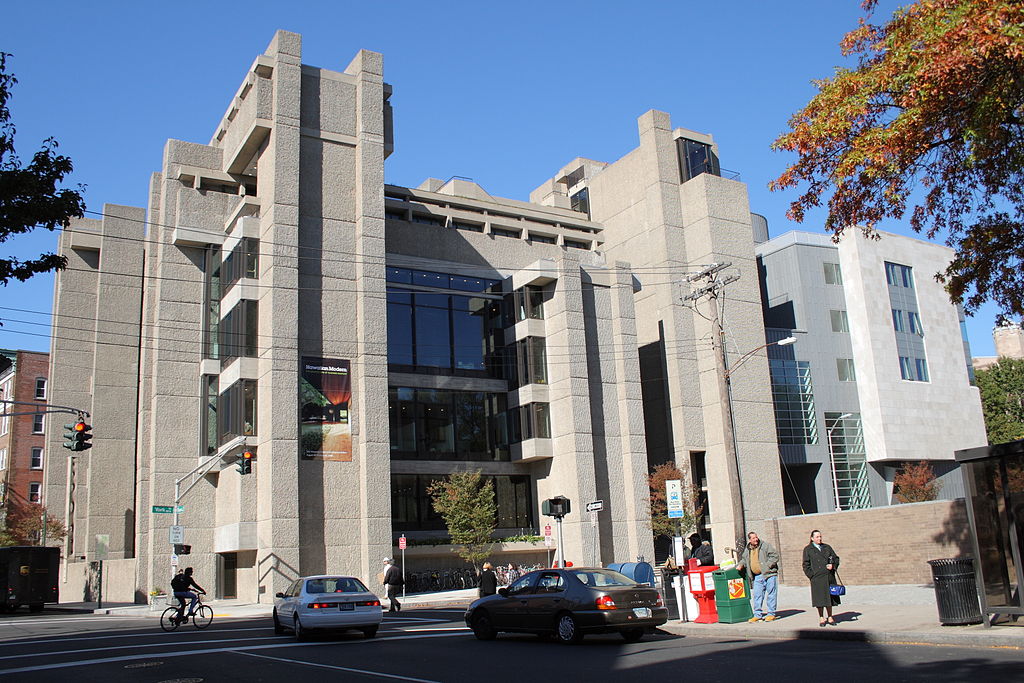
There’s no way you can miss this modernist structure at 246 East 58th Street.  Unlike Rudolph’s more brutalist works (Yale Architecture School), once threatened themselves, the Modulightor builiding which houses a ground floor showroom for the company he began with his business partner Ernst Wagner (who still lives in the duplex) is a light, airy, white structure that has not come under the withering, revisionist glance of the architecture fashionistas who readily take up one mode for another.


Wagner, now one of his most ardent preservationists, says this house will not be eligible for landmark status for a few more years.  Fie on the Landmark’s Preservation Commission if this interior/exterior is not maintained.  Wegner is refurbishing the top two floors for Rudolph’s centenary a year from now and if you want a thrilling place to give a cocktail party or private dinner you can do that. (Rudolph apparently gave great parties.) 


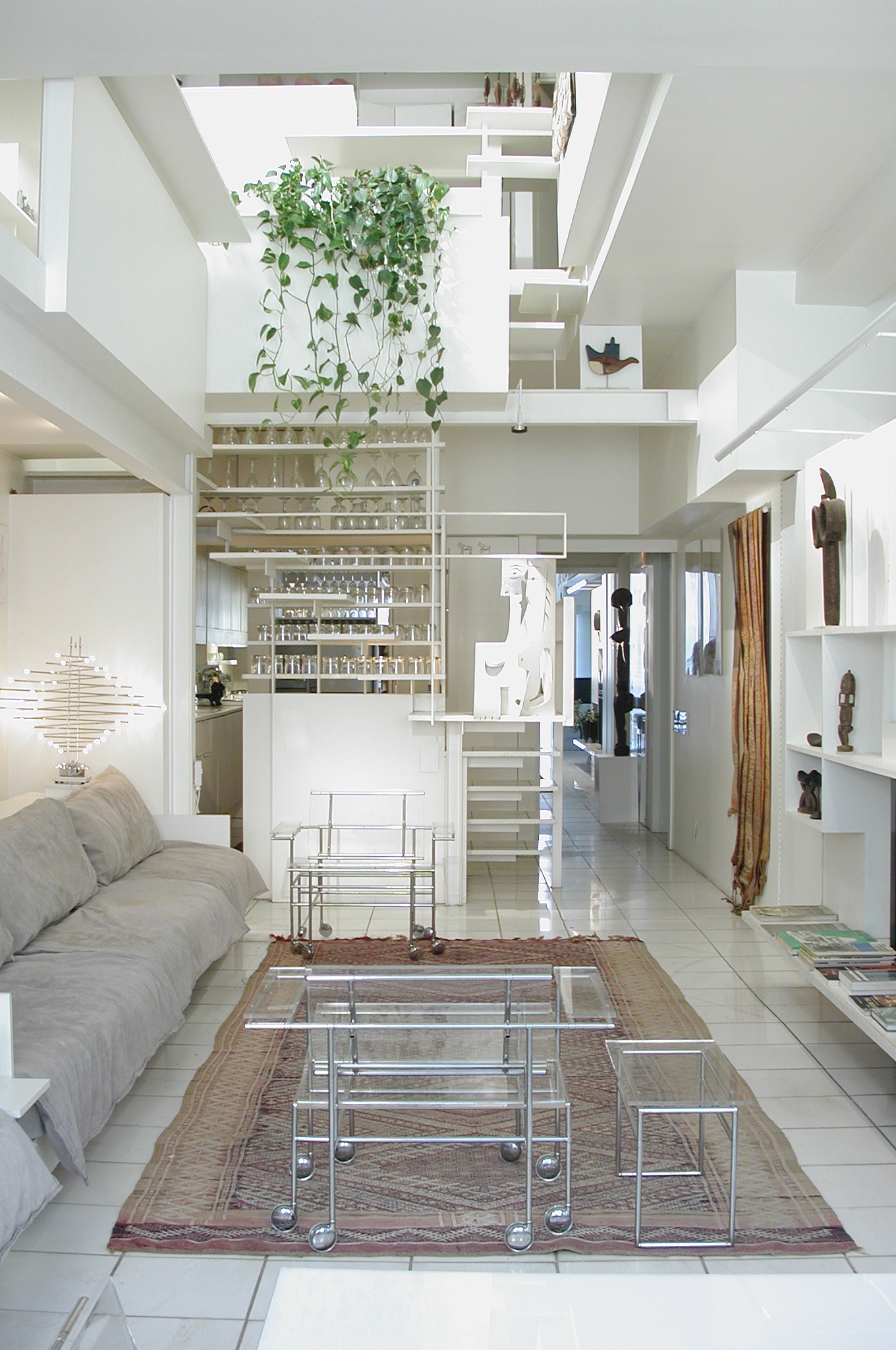
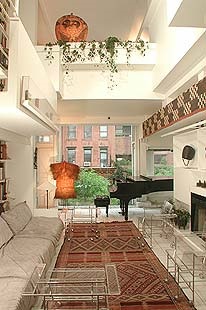
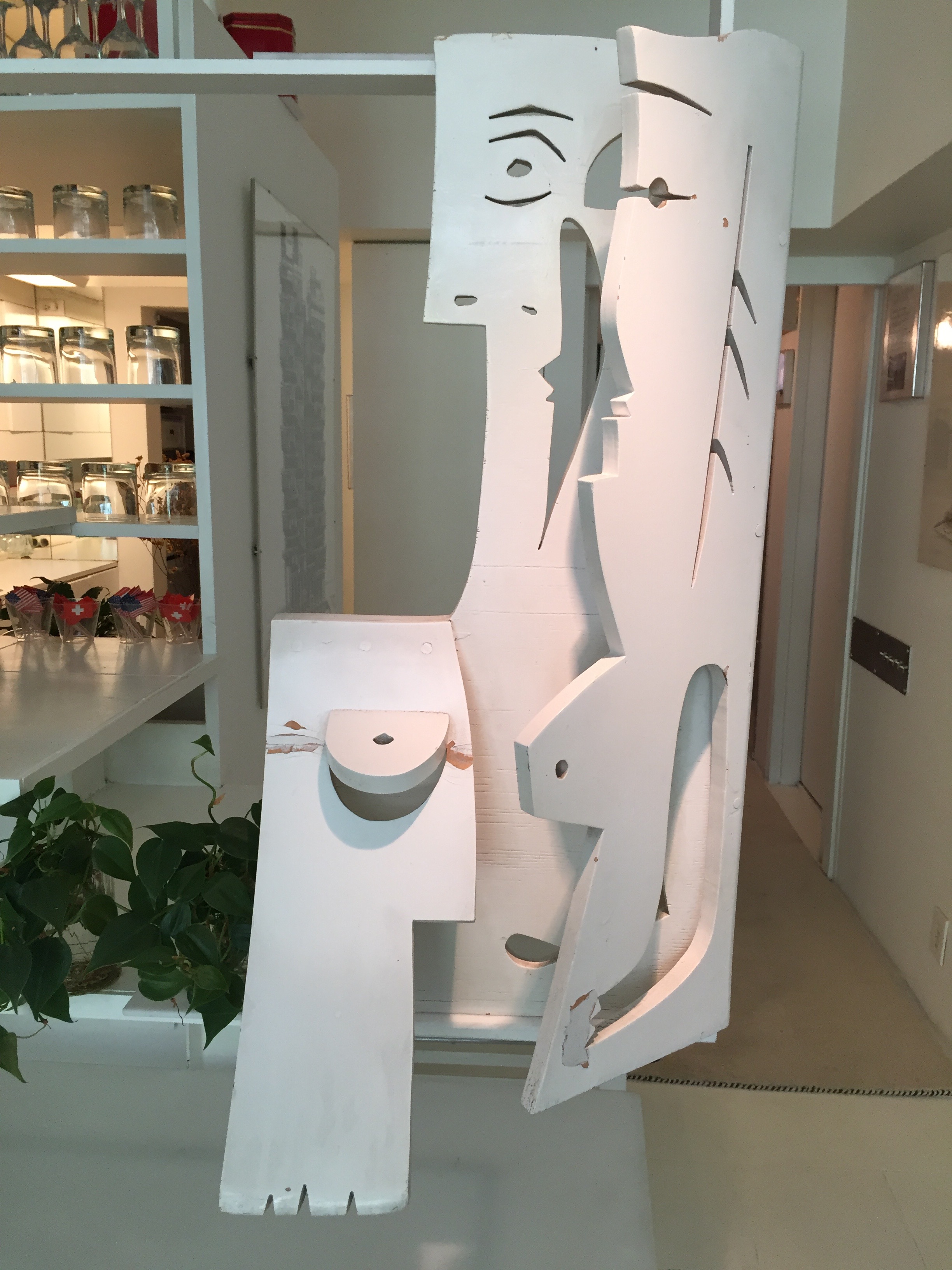
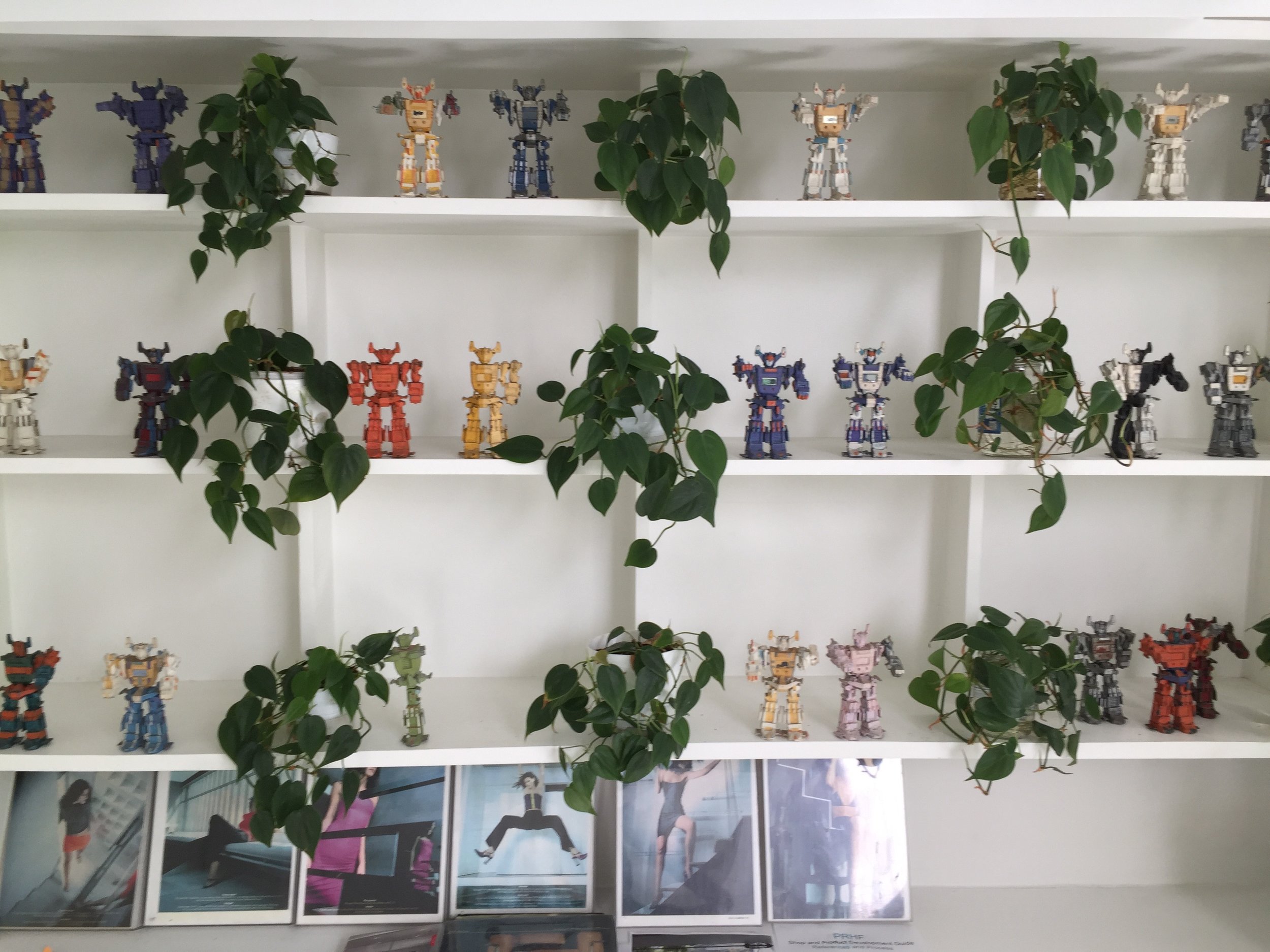
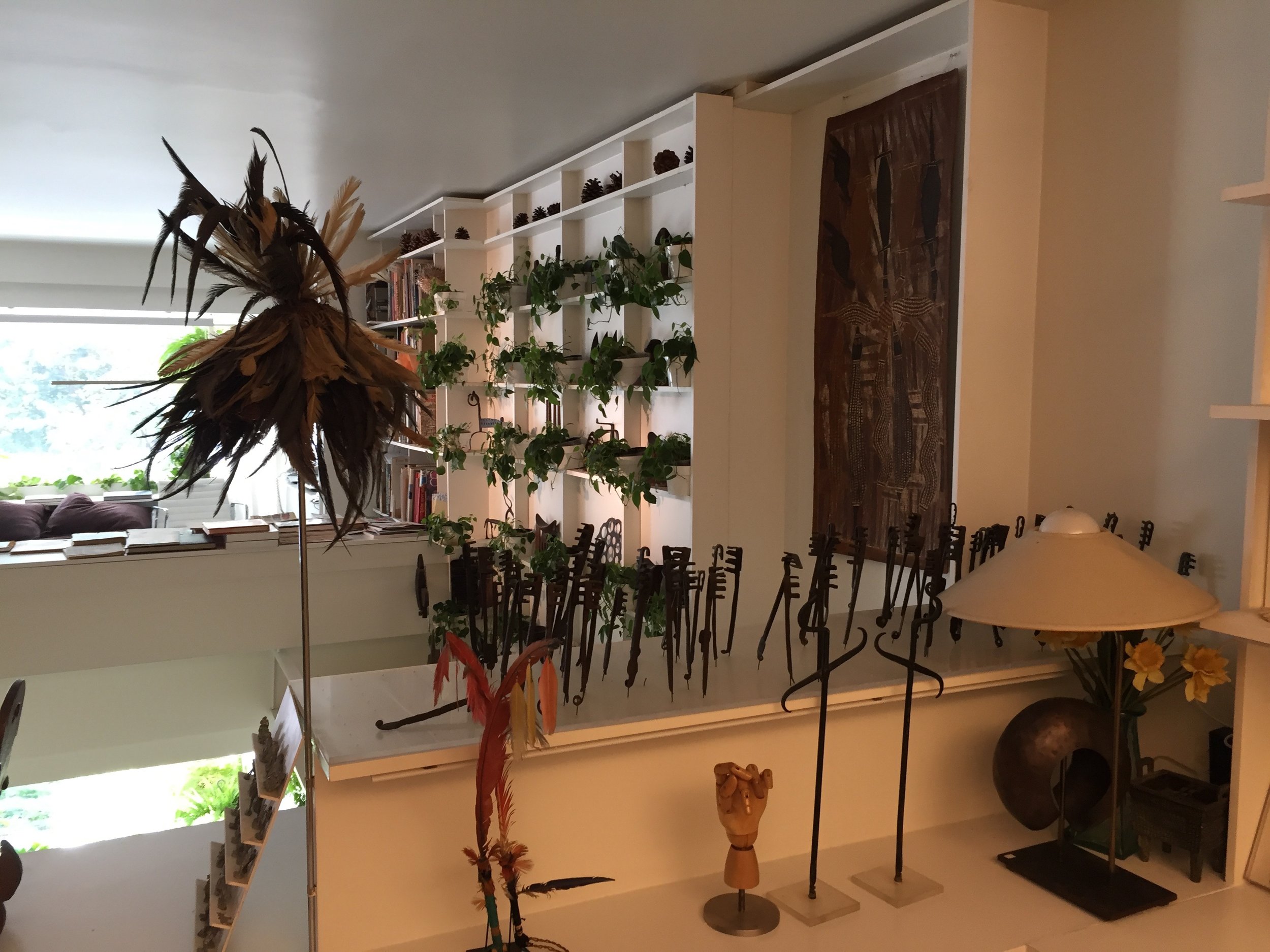
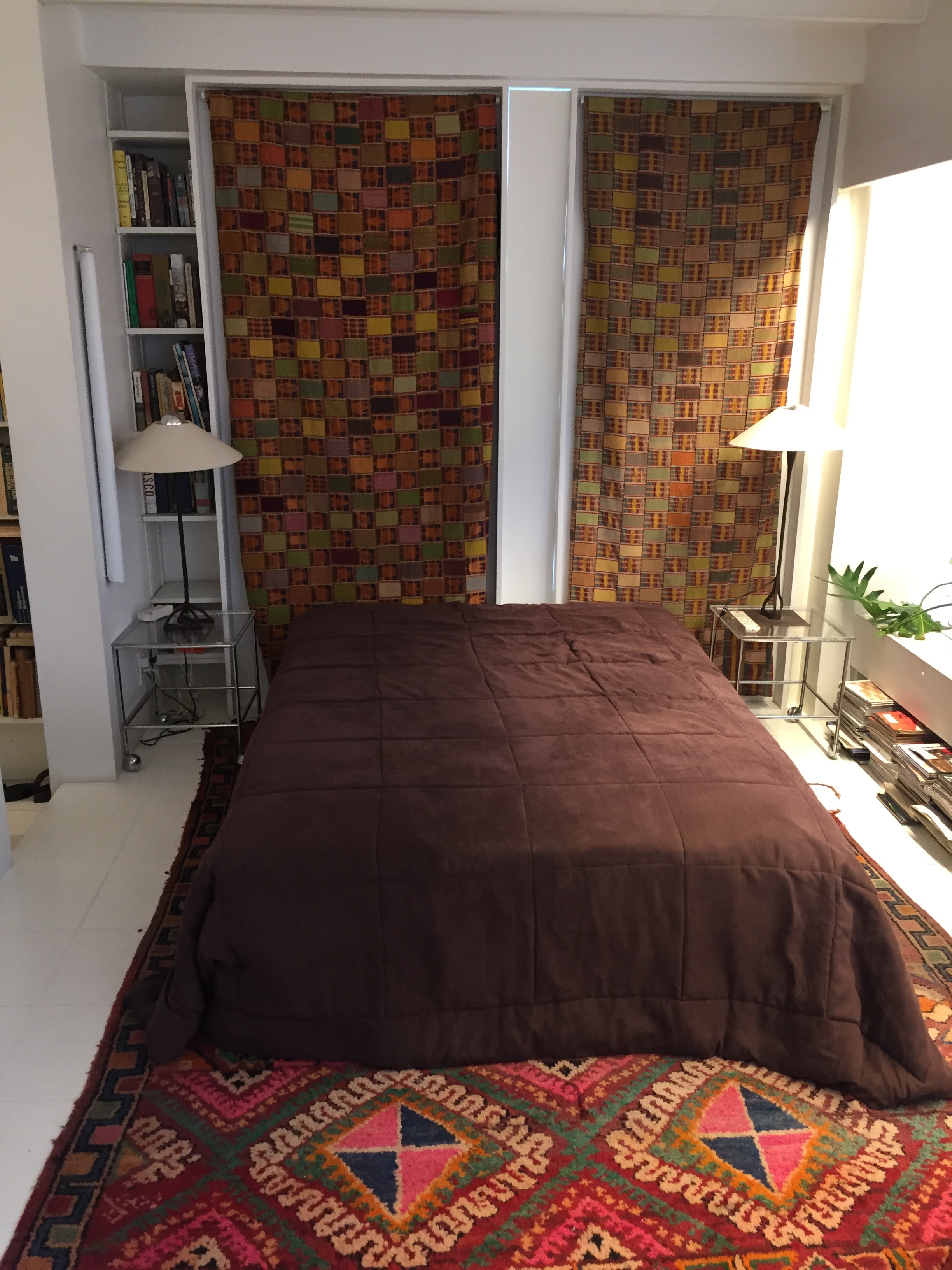
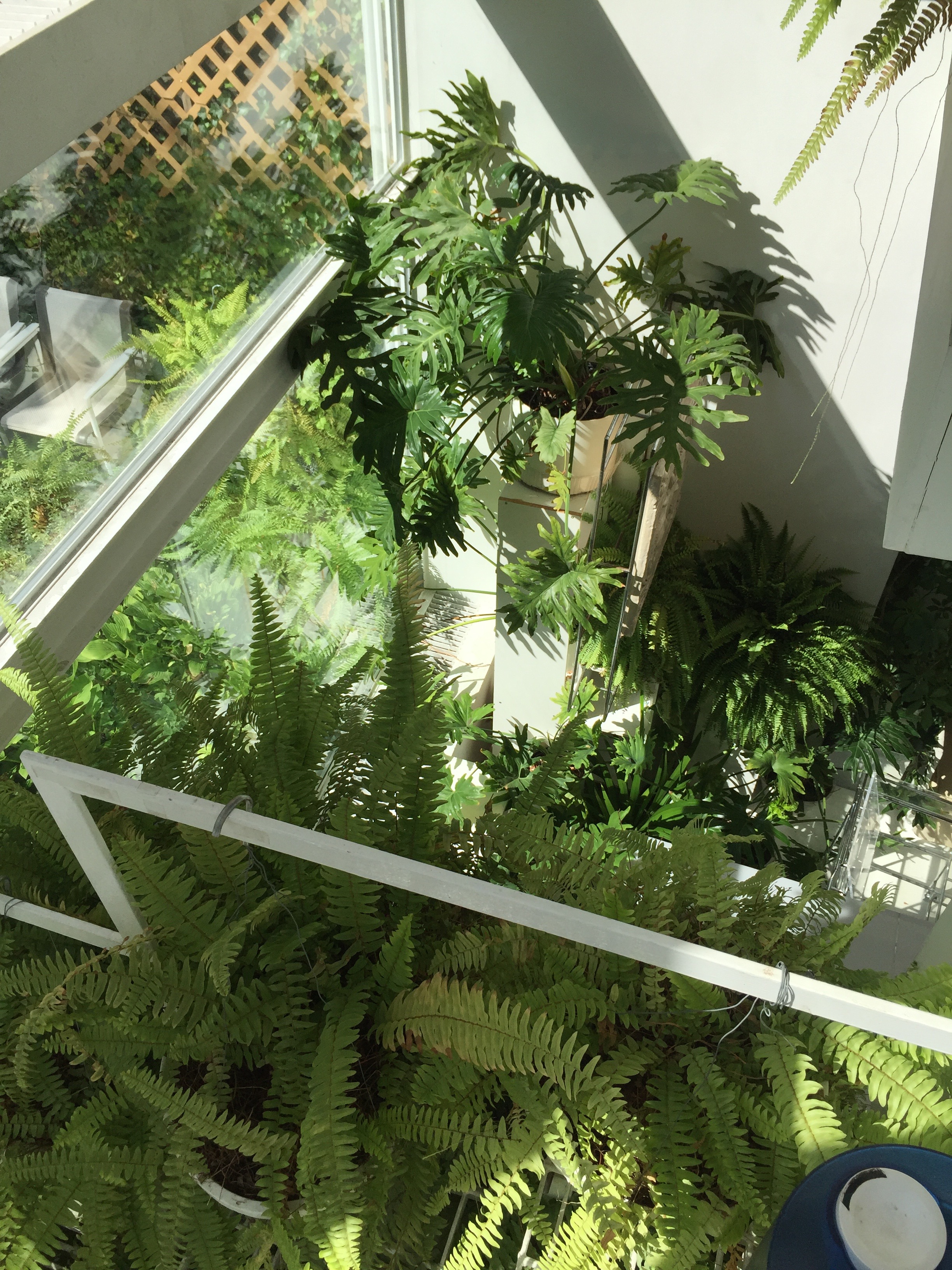
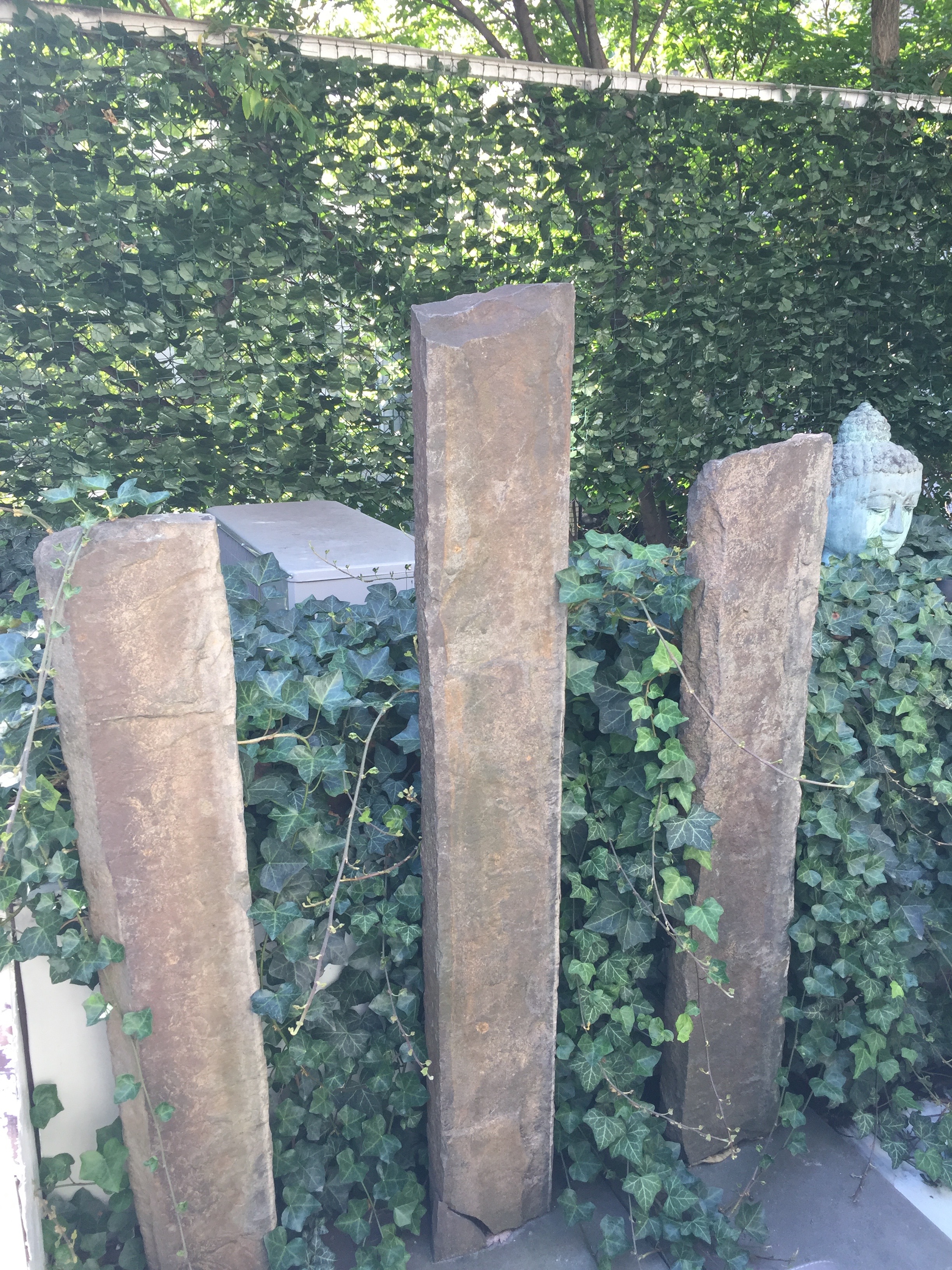
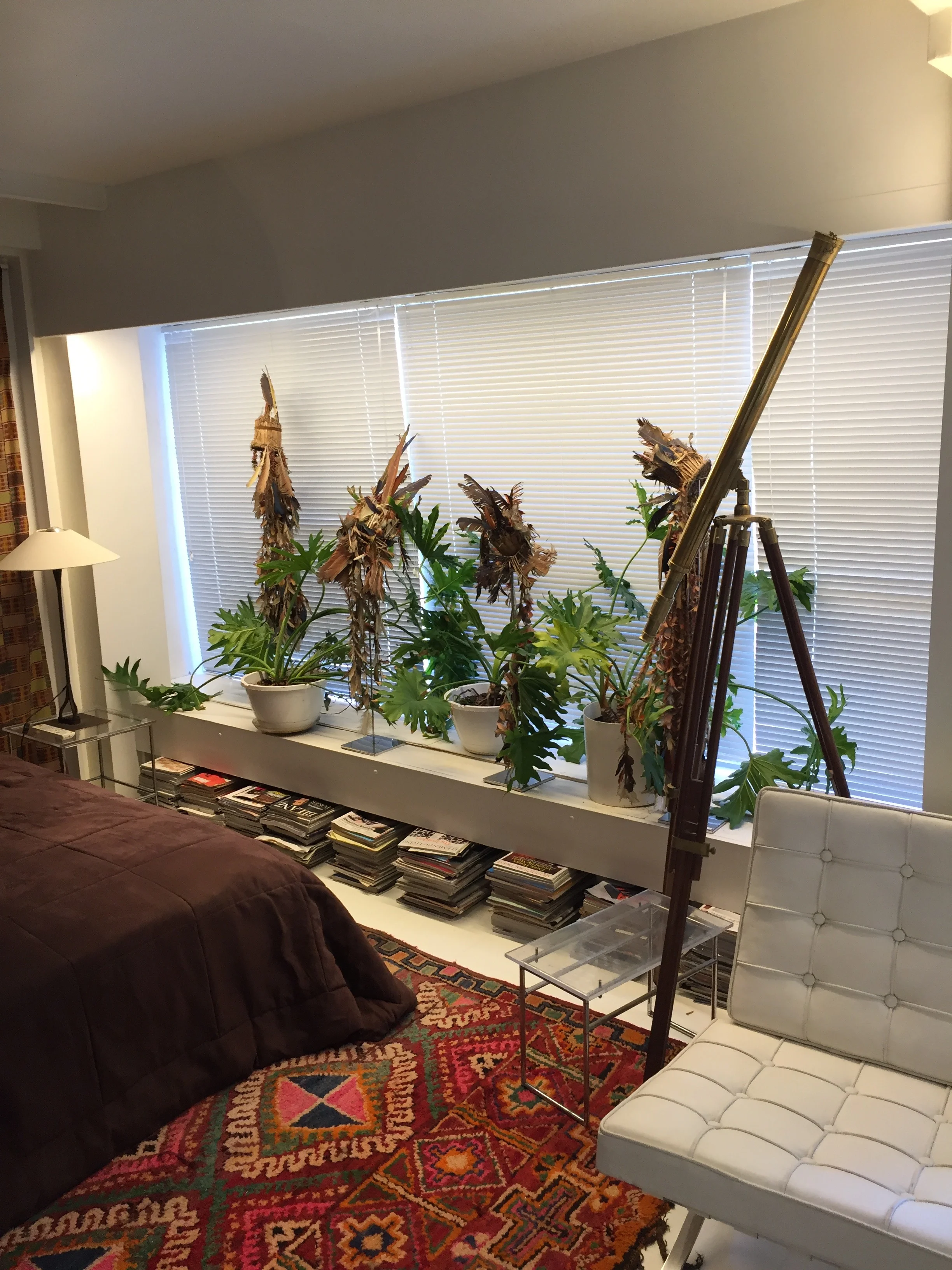
The house is not wide (20 feet) but its white backgrounds, kilims, African sculptures, fenestrated Picasso knock-off, see through kitchen shelving, indoor outdoor greenery, thin, elegant lighting, multi level flooring and Plexiglas chairs all make for a light-filled space which does not feel confined in any way.  Because it is lived in, it has the added charm of feeling lively.


Alas, a California buyer (who is this?!!) bought Rudolph’s Beekman Place residence—purportedly even more spectacular-- and after promising to preserve it, gutted it. All that’s left are some marvelous photographs. And behind Rudolph's diminutive Modulightor masterpiece you can see the hulking Macklowe tower as a symbol of an entirely different aesthetic. 
 

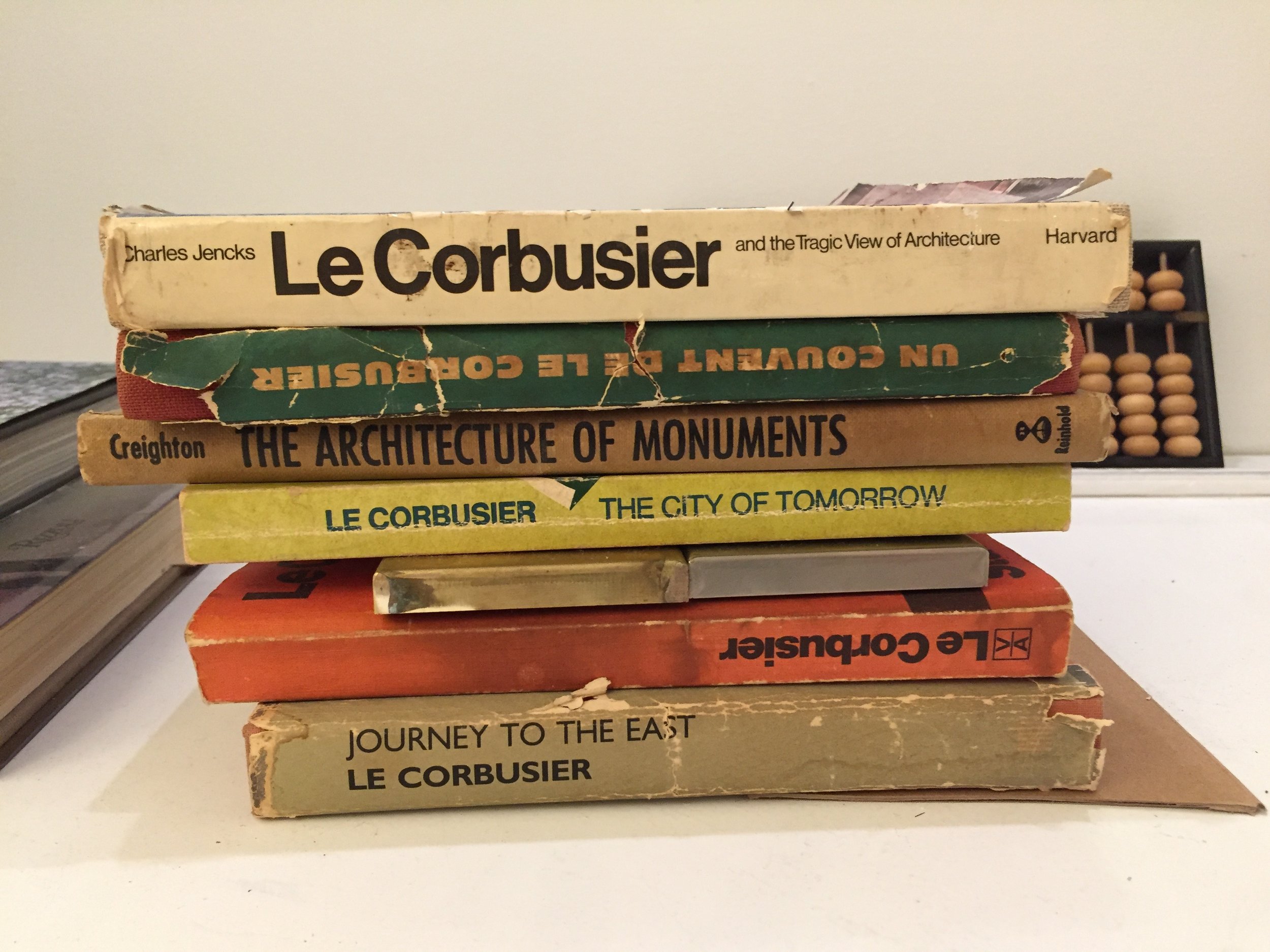
Having recently read Wendy Lessser’s wonderful biography of Louis Kahn, I have my antennae up for the men behind these architectural wonders.  Rudolph had his travails with the Yale Architecture School (now brilliantly refurbished and sparkling) where he had been dean, and had some rough years after his brutalist style went entirely out of fashion but now has come roaring back into the public eye as the true innovator he was.
 

A number of his Florida residences and projects near Sarasota  are open to the public from time to time and it’s easy to get to Yale (New Haven). I once was lucky enough to see another private commission from the 70’s which though much larger still had an elegance within its heavier modernist structure that shone through.  Rudolph gave all of his archives to the Library of Congress but Modulightor is a great place to begin a Rudolph expedition. 

The Times are Racing: Justin Peck's latest for New York City Ballet captures the pulse of our contemporary world

October 5, 2017 Patricia Zohn
images.jpeg
images-1.jpeg

Justin Peck’s latest work for the New York City Ballet, The Times are Racing premiered last spring but I just caught up with it as their short repertory season opened after weeks of Swan Lake. All I could think was, as much as I love Swan Lake (and I do still love it even after umpteen viewings since I was a girl and George Balanchine did his one act Swan Lake-lite version at City Center), the company was ready to let loose on some more contemporary work.


And revel they did in the hip-hoppy, tap-dancey, lightening speed steps that Peck has created for them to the the last four cuts on Dan Deacon’s America album.  The Opening Ceremony costumes don’t add much (ok, for me Opening Ceremony design is like my closet when I’m ready to shed years worth of swap meet stuff) but this ballet, or dance, really, is so high energy and fast paced that Balanchine, who prodded his dancers to always go faster, would certainly be impressed. 


Peck himself dances in this piece with Ashly Isaacs looking unisex in her white ‘wife-beater’(don’t like that term) and jeans and he samples Dorrance style tap (which summons all the other great tap dancers) and jerky moves from music video. But the really show stopping moments are the great pas de deux from Tiler Peck and Amar Ramasar, here, the stupendous couple dancing their hearts out, bicycling their legs and arms, freezing, faking, just giving it up for Peck.


After what I felt was one of Alexei Ratmansky’s lesser efforts (Odessa) with its chorus lines and messy combinations, The Times Are Racing came as a contemporary-if musically jolting-- tonic. The times are racing, the news cycle is racing, the internet is delivering everything too fast: we hardly can catch our breath waiting for the next shoe to drop.  Peck captures all that and more. 

(Please forgive the blurry images. I requested some from NYCB and did not receive)

Spoor: Agnieszka Holland's film Spoor joins the conversation about animal cruelty

October 1, 2017 Patricia Zohn
MV5BMzJhZGQ0ODAtZGYyNC00OWVlLThmZTgtMWJlODY5ODk2YzAyL2ltYWdlL2ltYWdlXkEyXkFqcGdeQXVyMTc4MzI2NQ@@._V1_UY268_CR2,0,182,268_AL_.jpg

Agnieszka Holland, long a favorite for her uncompromising filmmaking on diverse political subjects as well as long form episodic television looks at the subject of animal rights through the lens of one upper middle aged woman living a solitary life in the Polish countryside.  The film is achingly beautiful, harsh, romantic, multi-generational and quiet.  It makes its point without histrionics even though Duszejko (Janine, but she won't let you call her that) has a number of very public meltdowns as the hunters in her village continue to lay waste to deer, hedgehogs, raccoons and even her beloved dogs.

It is not knee jerk, and though it will please PETA, it approaches from the personal rather than the didactic. The suppression of any art is not a good thing.  The suppression of animals is not a good thing.  When these two things come up against each other, as in the recent Guggenheim Chinese Art exhibit debacle,  its anyone's guess as to how to adjudicate.

But watching depictions of animal cruelty is the same thing to me as watching child cruelty: I must turn away. 

Items: Is Fashion Modern?

September 30, 2017 Patricia Zohn
IMG_6343 (1).jpg IMG_6342.jpg IMG_6345.jpg

Paola Antonelli, MoMA’s veteran design curator, has taken it upon herself to assemble our iconic fashion designs in Items: Is Fashion Modern, tipping her hat to Bernard Rudofsky who took on design for MoMA in the fifties.   Opening night guests were ooing and ahing over things they recognized or in some cases owned. In my case, I regretted the Armani pantsuit I had somehow mislaid along the way, I celebrated the Patagonia fleece that my children have recycled amongst themselves, I coveted the 40’s era black suede sandals  that would still look perfect today.


Unlike most of the museum costume shows this does not focus on one designer which sometimes makes its discursiveness distracting.


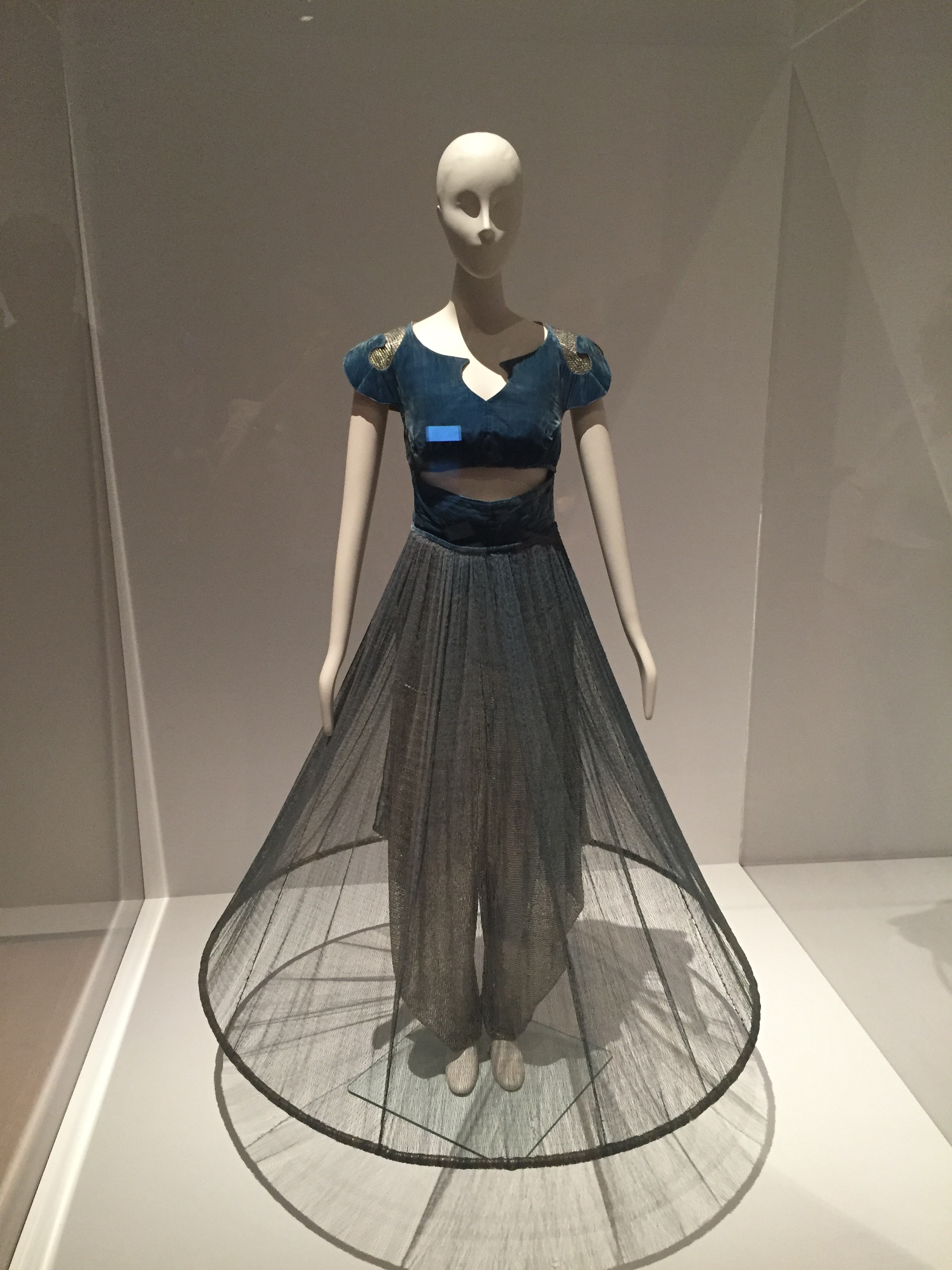
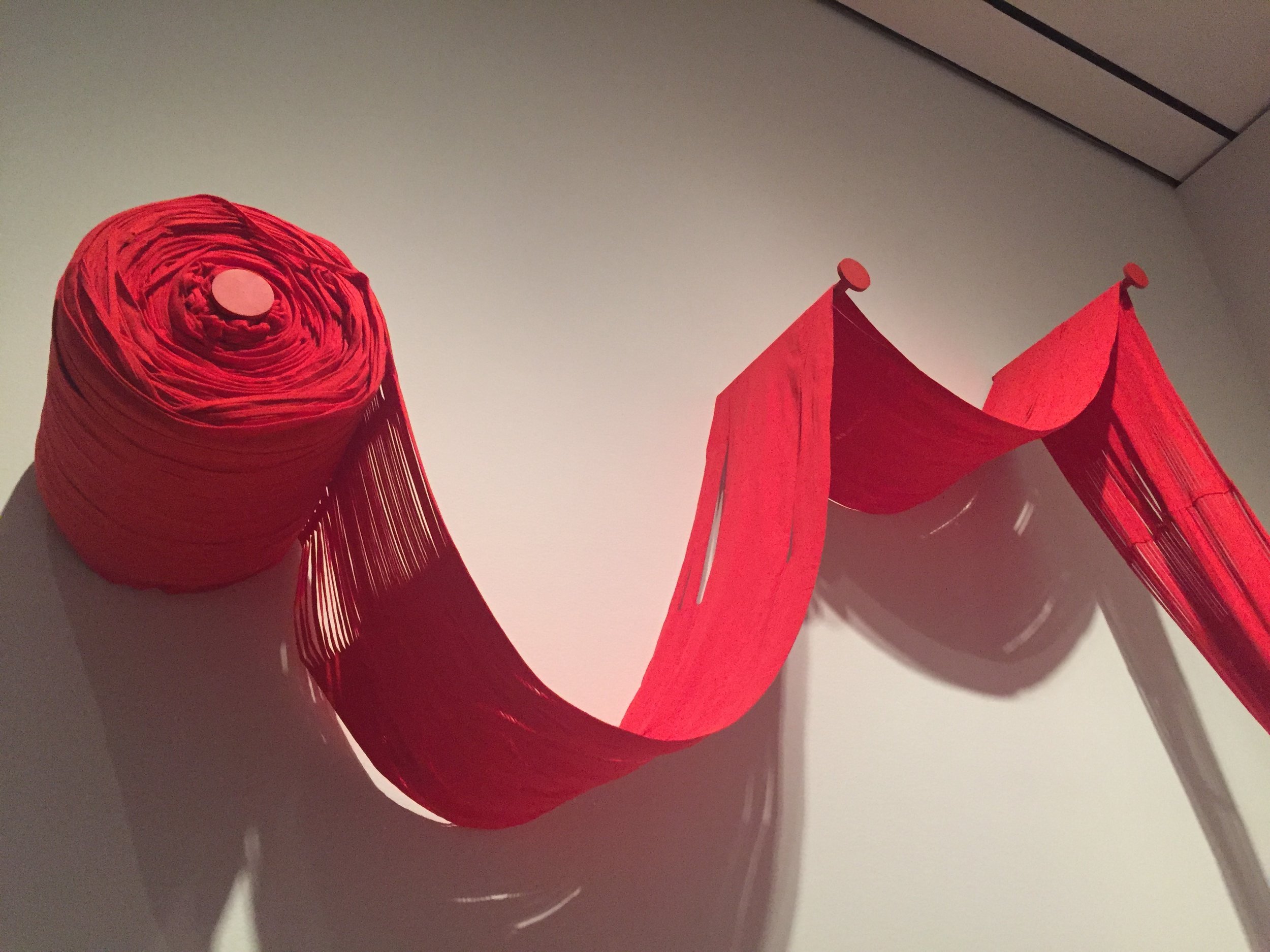
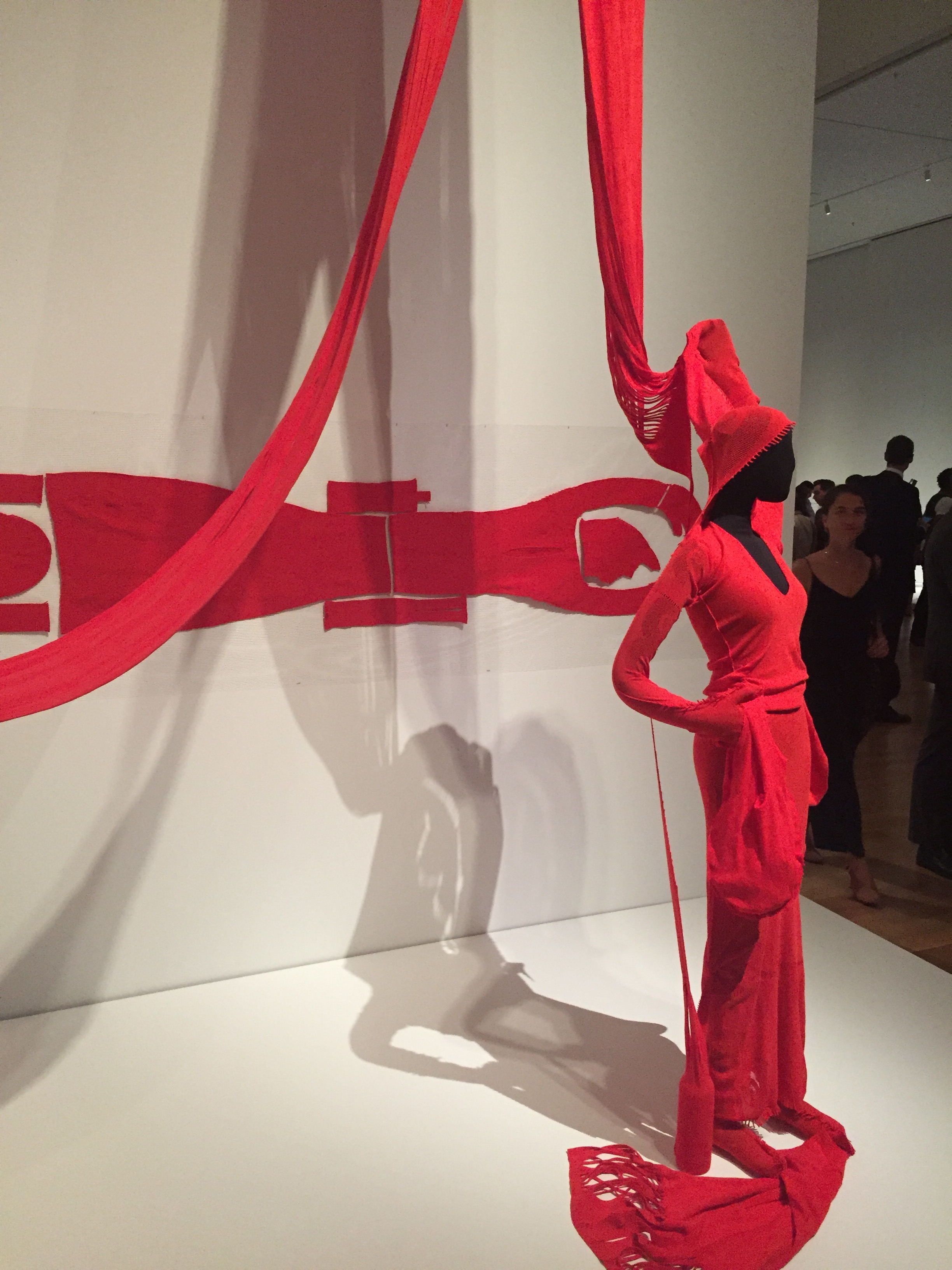
Nevertheless, a few spectacular designs that did not feel that they could have ever been incorporated into my family did stand out. Among them, an Issey Miyake red number generated by a computer from only one thread, and a Paul Poiret ensemble that is a smashing precursor to today's see-through-everything trend. 

Women as Wild Animals at the Guggenheim

September 30, 2017 Patricia Zohn
IMG_6339.jpg IMG_6333.jpg IMG_6337.jpg

Closing this week and worth a quick visit is the Salon de la Rose + Croix at the Guggenheim which highlights a little remembered Parisian series of exhibitions with a Rosicrucian underpinning. The paintings now mostly seem pedantic and overly symbolic, but at the time the movement countered the 19th century realism that was ascendant in the arts.


Instead, followers of the Rose + Croix dabbled in the spiritual power of art.  What is most striking is the way women were portrayed: the animalistic femme fatale, lower on the evolutionary scale, aggressively sexual, ferocious and uncivilized, Orpheus dismembered by wild female followers of Dionysus, for example. 

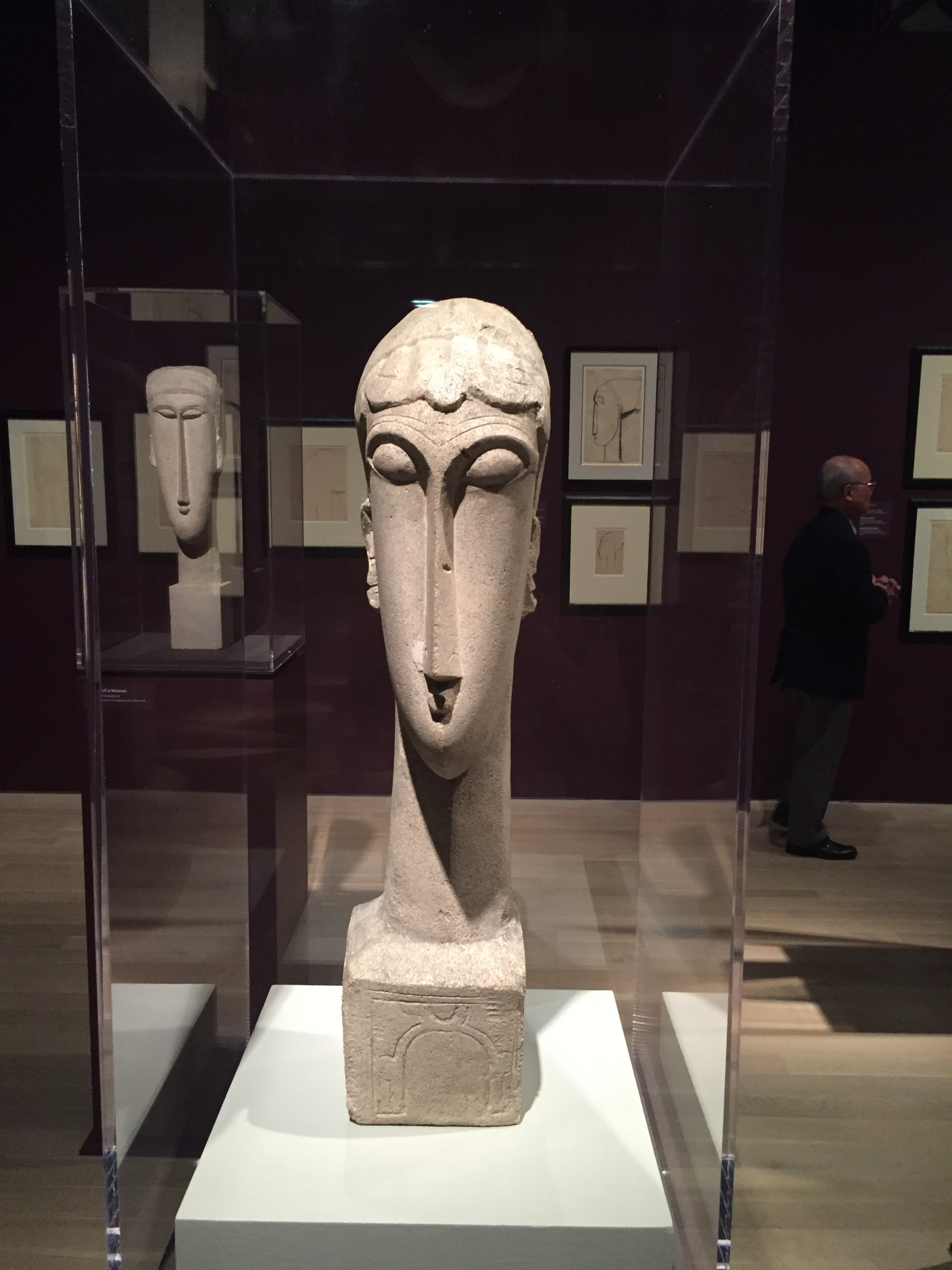
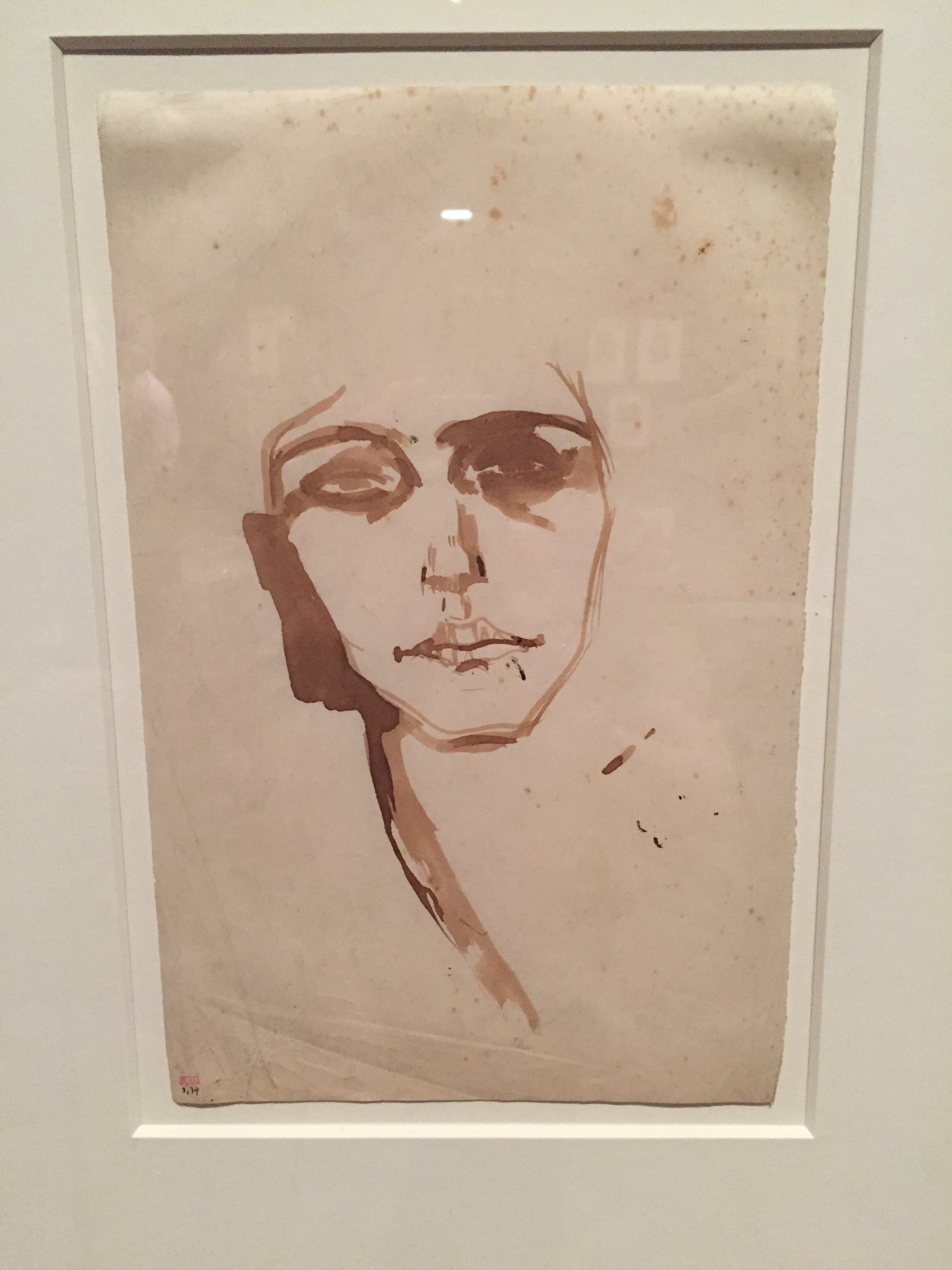
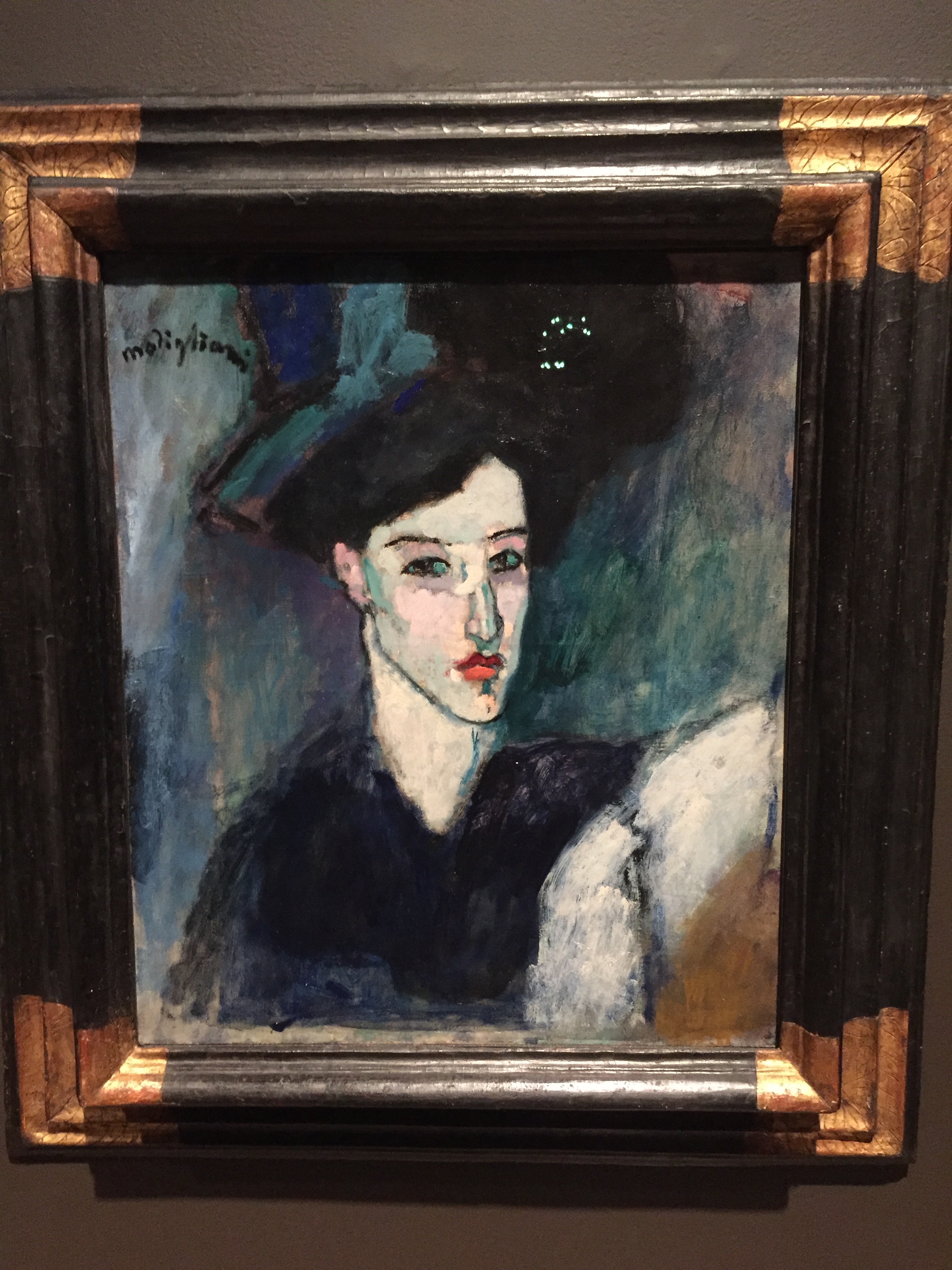
“My Name is Modigliani, I am Jewish”: Modigliani Unmasked at the Jewish Museum

September 30, 2017 Patricia Zohn
IMG_6330.jpg IMG_6329.jpg IMG_6325.jpg IMG_6322.jpg

The Modigliani exhibition at the Jewish museum continues their tradition of finding new ways of seeing artists and architects we think we knew everything about.

Modigliani is hugely popular, so much so that a recent museum show in Italy had to be dismantled because of the number of fakes that were ultimately discovered. His auction prices are on the moon.  Here, in this collection of early drawings derived principally from the collection of his early patron, Dr. Paul Alexandre, I learned instead of his ownership of his Judaism, his married American lover Maud Abrantes, his relationship and mutual respect for Russian poet Anna Akhmatova and his obsession with non western art.  

The exhibition is quiet and important. With Louise Bourgeois (see below) unfolding and Modigliani unmasked, it is a good moment in New York. 

Unfolding Louise Bourgeois at MoMA

September 25, 2017 Patricia Zohn
IMG_6311.jpg IMG_6302.jpg IMG_6301.jpg IMG_6296.jpg IMG_6297.jpg IMG_6298.jpg _nas_content_live_momapress_wp-content_files_mf_cache_a10043b59dd86cb48cf6b381e29c4502_sequence3c.jpg _nas_content_live_momapress_wp-content_files_mf_cache_a10043b59dd86cb48cf6b381e29c4502_4spiralwoman30.jpg _nas_content_live_momapress_wp-content_files_mf_cache_a10043b59dd86cb48cf6b381e29c4502_femme2.jpg 2010-06-10-hedisappeared_472232flat_9CB.jpg 2010-06-10-hedisappeared_472232flat_7CB.jpg 2010-06-10-hedisappeared_472232flat_1CB.jpg

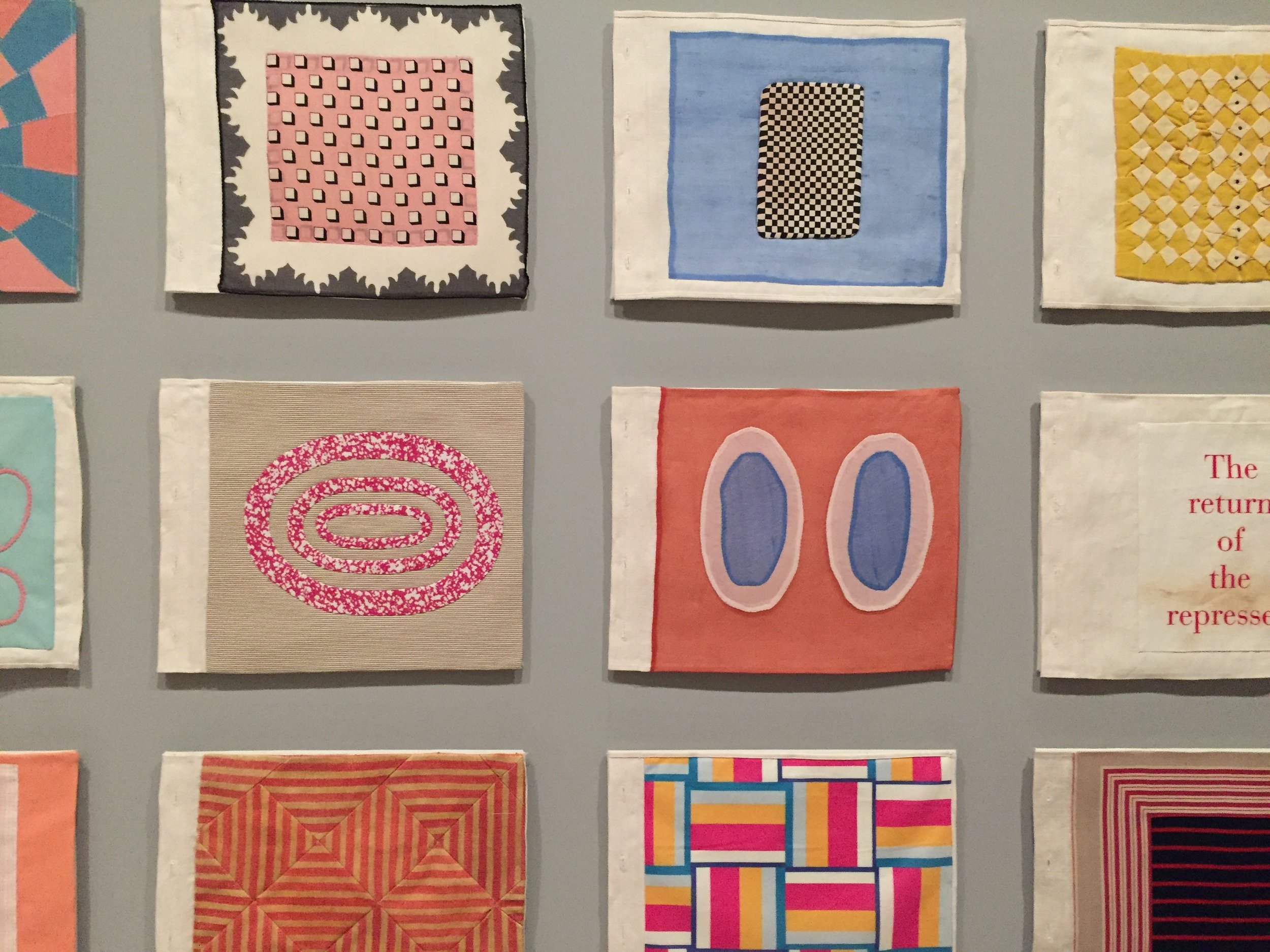
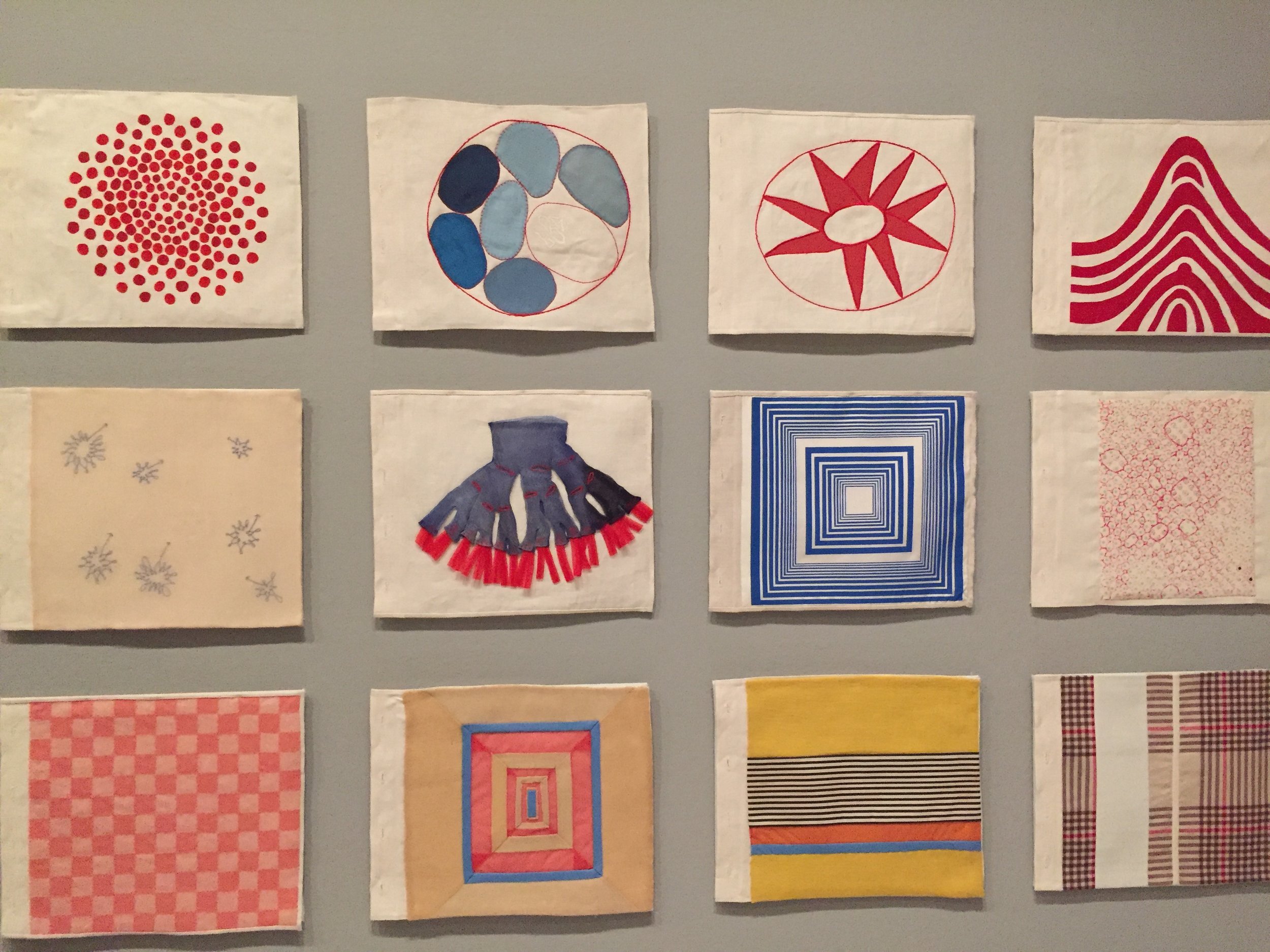
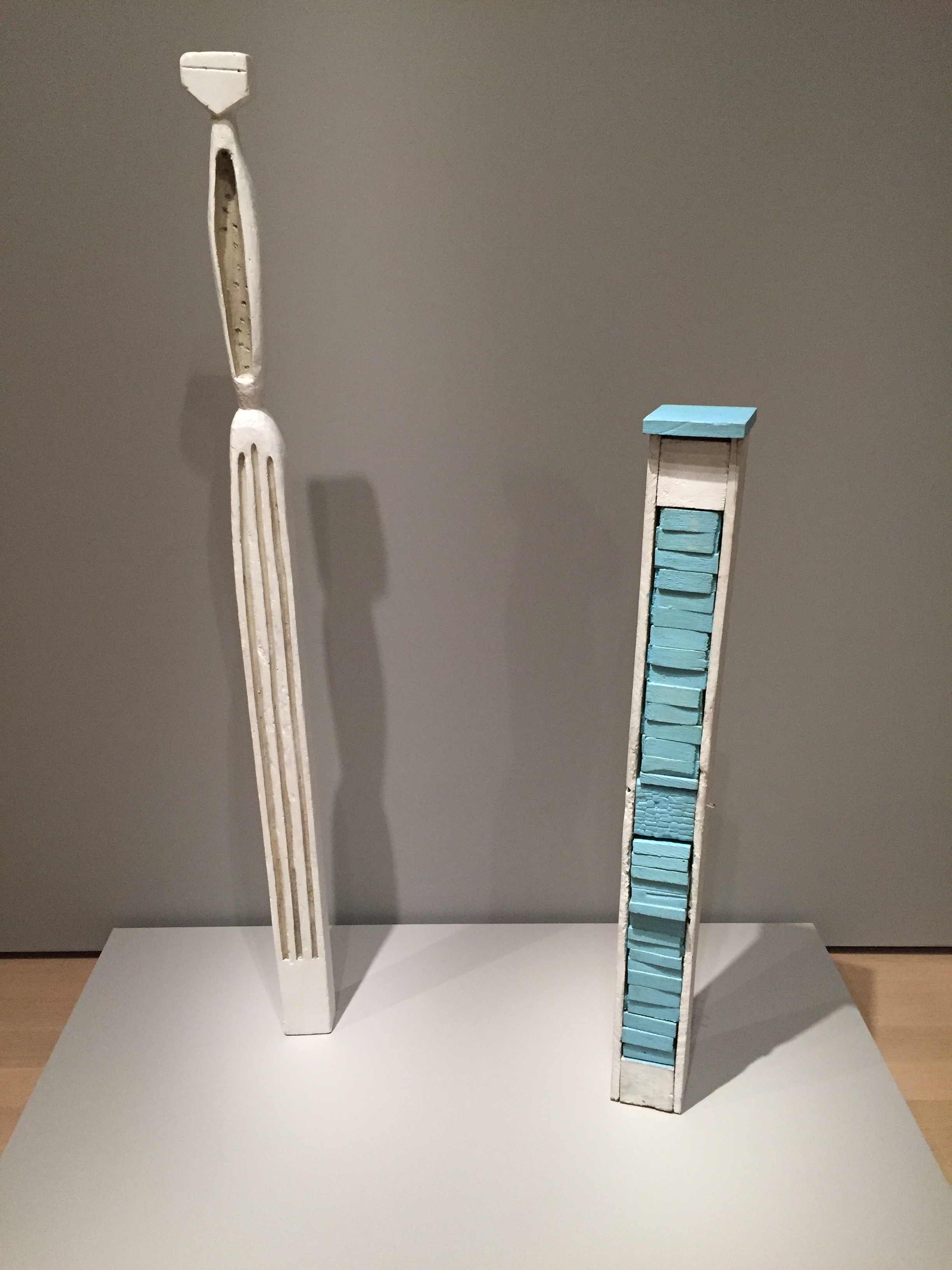
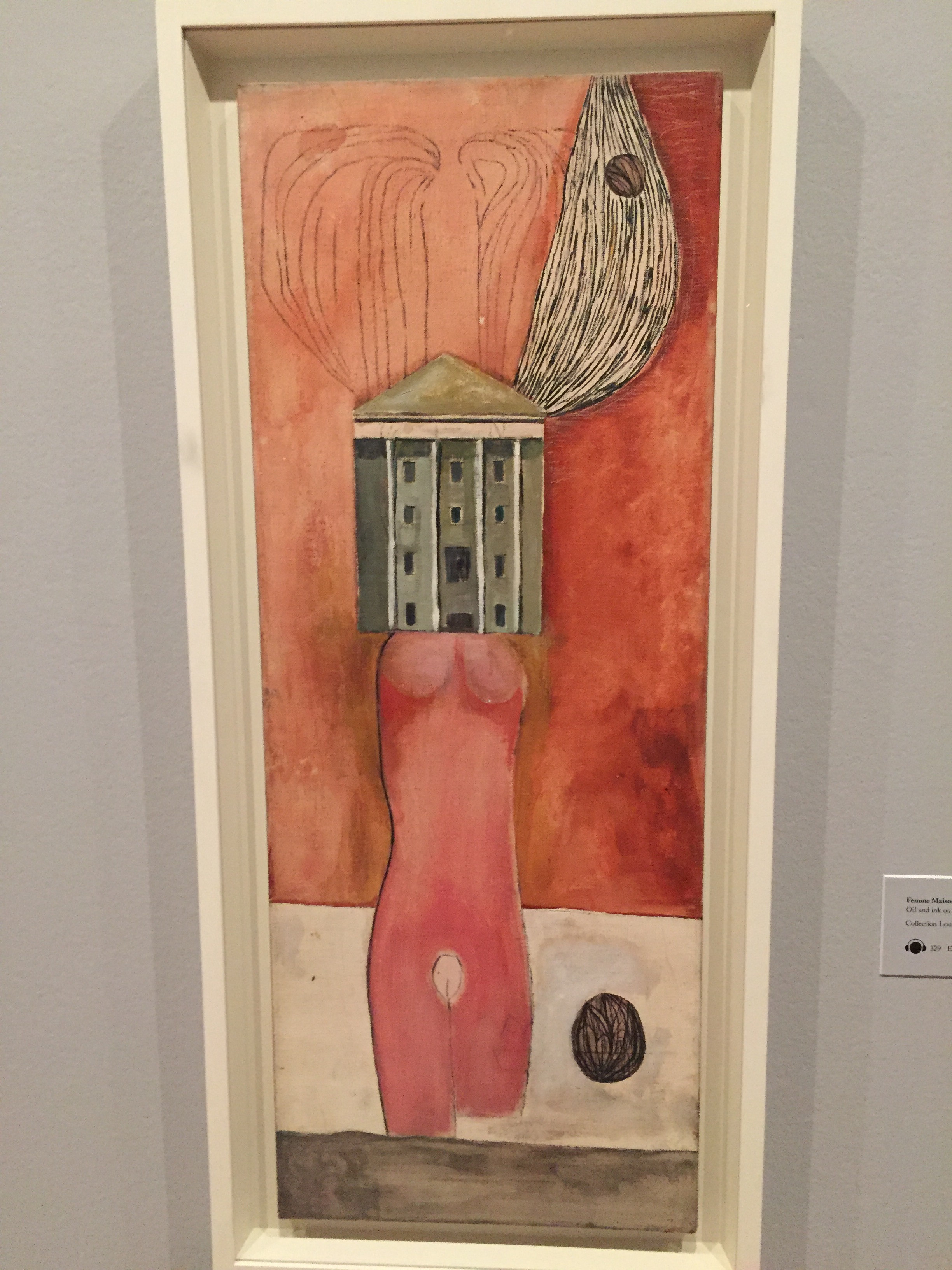
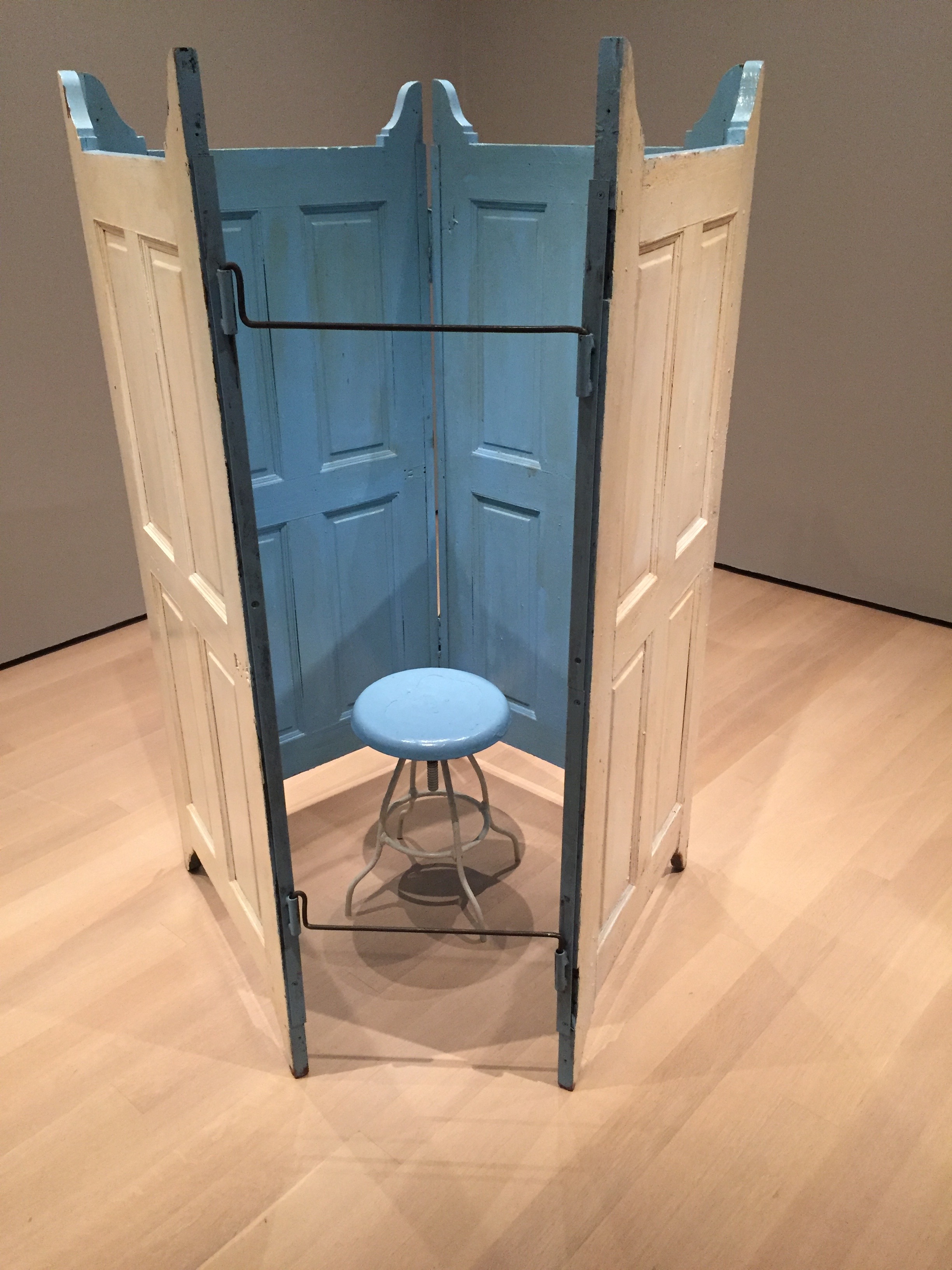
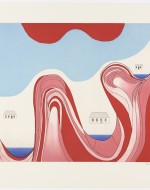
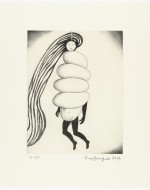
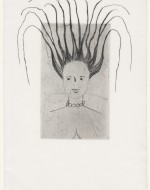
The Louise Bourgeois show at MoMA unfolds like the paper flowers you used to drop in water.


Eschewing the merely chronological, Deborah Wye, MoMA’s (now ex) longtime Bourgeois expert, instead takes a thematic approach which allows for the graphic work—this exhibition’s focus-- to bump up against sculpture, textiles, other artists who influenced her, and in a revelatory way, her personal demons.


Those who have previously followed Bourgeois’s trajectory from mistress of a tiny art book corner of her father’s bookstore in France to wife of important art historian to ardent, diffident, insecure Art Students League student, to colleague of expat Surrealists to important NY art personage with a weekly salon and many acolytes will recognize some of the works on display.


Some things however are very raw and newly poignant: the incorporation of Bourgeois’s intimate diaries, the late textile books which returned her to “women’s work” in an entirely fresh way, her kinship to other artists--Picasso (in the wooden sculptures), Frankenthaler (in the blacks), the role of architecture, then considered men’s work, but appropriated by Bourgeois in a highly original fashion.


Bourgeois was impelled to claw back dark, unhappy feelings and memories (WW1 and the disappearance of her father and death of her relatives, consequent physical displacement, the death of her mother, a family history of instability, her father’s long term affair with her governess) all of which inhabits the work in original and often lighthearted ways; indeed the juxtaposition of the painful, sentiments of isolation and the free hand with which she tried to dispense with them is truly her work’s greatest power. 


Fresh off the Hammer’s Radical Women exhibition (see below) in which pain and anger are displayed with much less opacity, I was surprised at how coming in on little cat feet instead could invoke an equally strong heightened awareness of just how diminished a woman can feel.


According to Wye in the excellent accompanying catalog,


“Bourgeois fought against despair with a fierce will and directed her formidable intelligence to comprehending her emotions. Art was the tool, and making it was empowering. It allowed her, she said, 'to re-experience the fear, to give it a physicality so I am able to hack away at it.' “


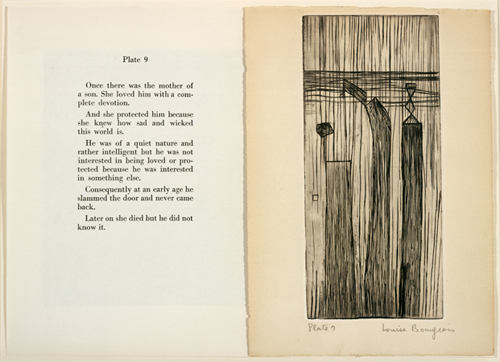
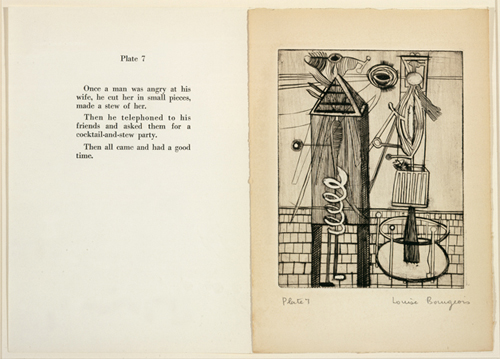
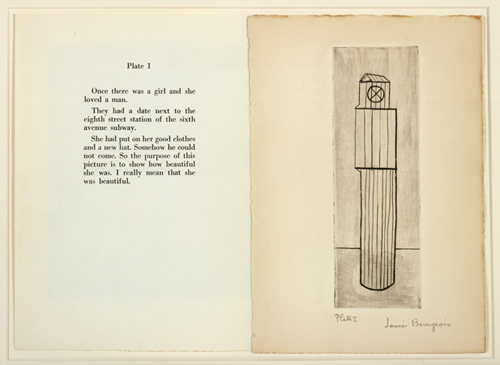
Holding your demons at bay by enlisting your work as the front line against failure resonates with many of us and there is no shortage of Bourgeois idolatry. At the Guggenheim in 2008, there was a Bourgeois retrospective which belatedly woke me to the power and incision of her printed work, writings and parables. Tucked into one of Frank Lloyd Wright’s famous ramp corners in the museum was her most famous art book, He Disappeared into Complete Silence which tells an Aesop's fable of girls and women who have somehow been forgotten. 


Once there was a girl and she loved a man.

They had a date next to the eighth street station of the sixth avenue subway.

She put on her good clothes and a new hat.  Somehow he could not come.  So the purpose of this picture is to show how beautiful she was. I really mean that she was beautiful.


Though I did not know it at the time, I was overdue for a rupture of my own: nevertheless there was something about Bourgeois’s expressive and personal architectural imagery in which she both inhabits and melds her body with the tall NYC skyscrapers she so admired which lodged in my brain.  I returned to these texts later on with a feeling of solidarity that only great art can invoke.


At MoMA this series is more fully explored and set within the context of the rest of her work. Though Wye says she did not have an actual affair with Alfred Barr, then head of MoMA, clearly, despite her happy marriage (husband Robert Goldwater’s support was crucial to her as she made her way from Paris-New York and anxiety-ridden mother of three to art world giant) she highly valued Barr’s careful attention to her and her work. 


Many powerful women have written about overcoming fear—but none so eloquently, with so few words, as Bourgeois. Bourgeois’s writings, both the ones she incorporated into her art and the more private journals that have now come to light show she was an excellent writer and stylist, both poetic and psychologically intuitive and precise.


Another revelation was her work with textiles rather late in her career, going back to a domestic art after the huge spiders and sculpture, easier to manage certainly, as she aged, but also an acknowledgement that she had never abandoned this “feminine” side and its application to her work. No longer needing to impress “the guys”, she was able to set her hand to whatever she liked.


Take a look at Wye’s talk at MoMA for futher intimate details of Bourgeois’s life from her trusted curator and devoted friend. The show is brilliantly installed, a muted gray background the perfect choice to show off the works which speak softly but carry a big stick.


PST LA/LA: Radical Women dominate the Hammer Museum and remind us of how far we haven't come

September 19, 2017 Patricia Zohn
IMG_6267.jpg IMG_6290.jpg IMG_6282 (1).jpg IMG_6280.jpg IMG_6284.jpg IMG_6270.jpg IMG_6288.jpg IMG_6268.jpg IMG_6275.jpg IMG_6271.jpg

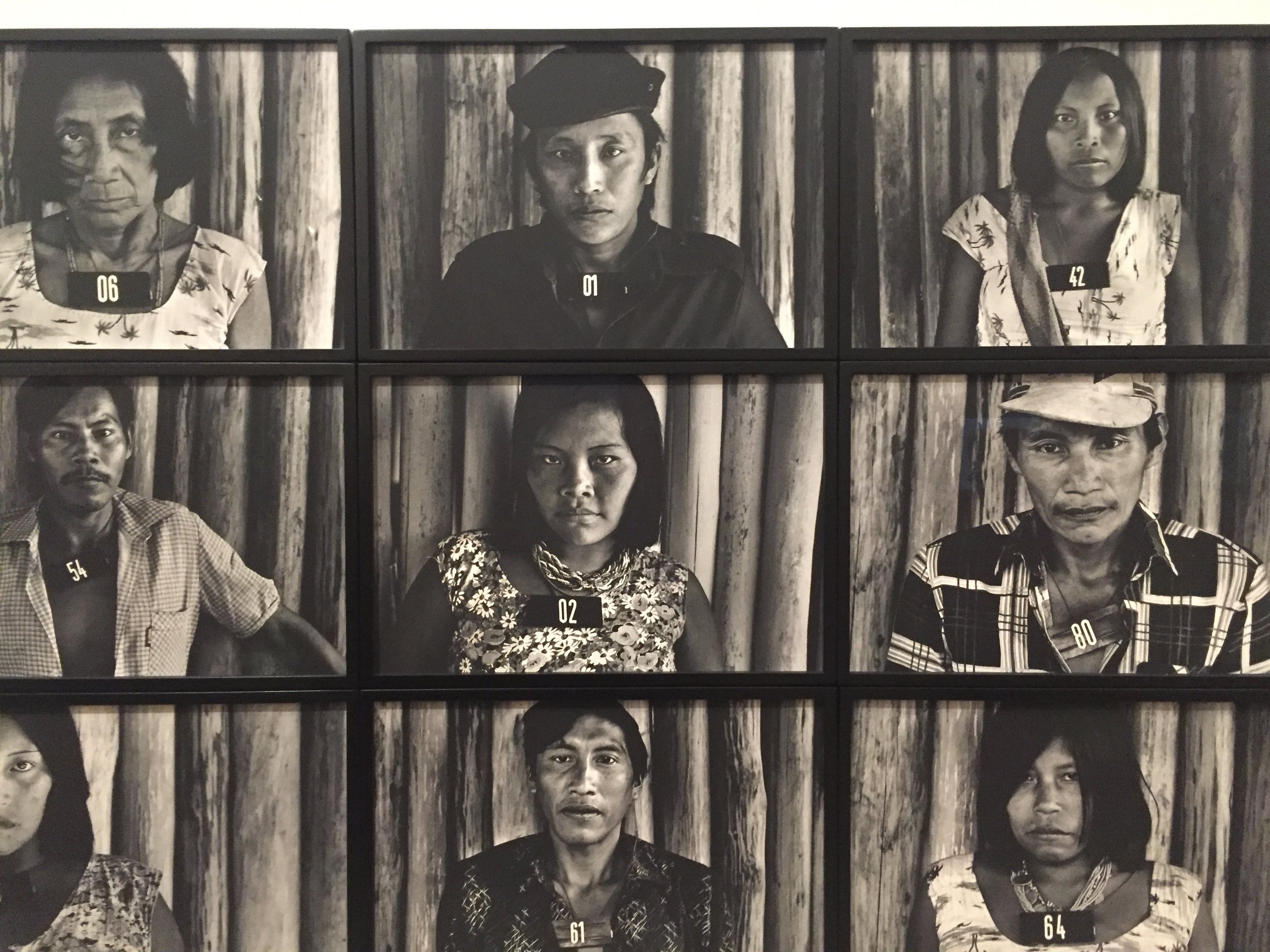
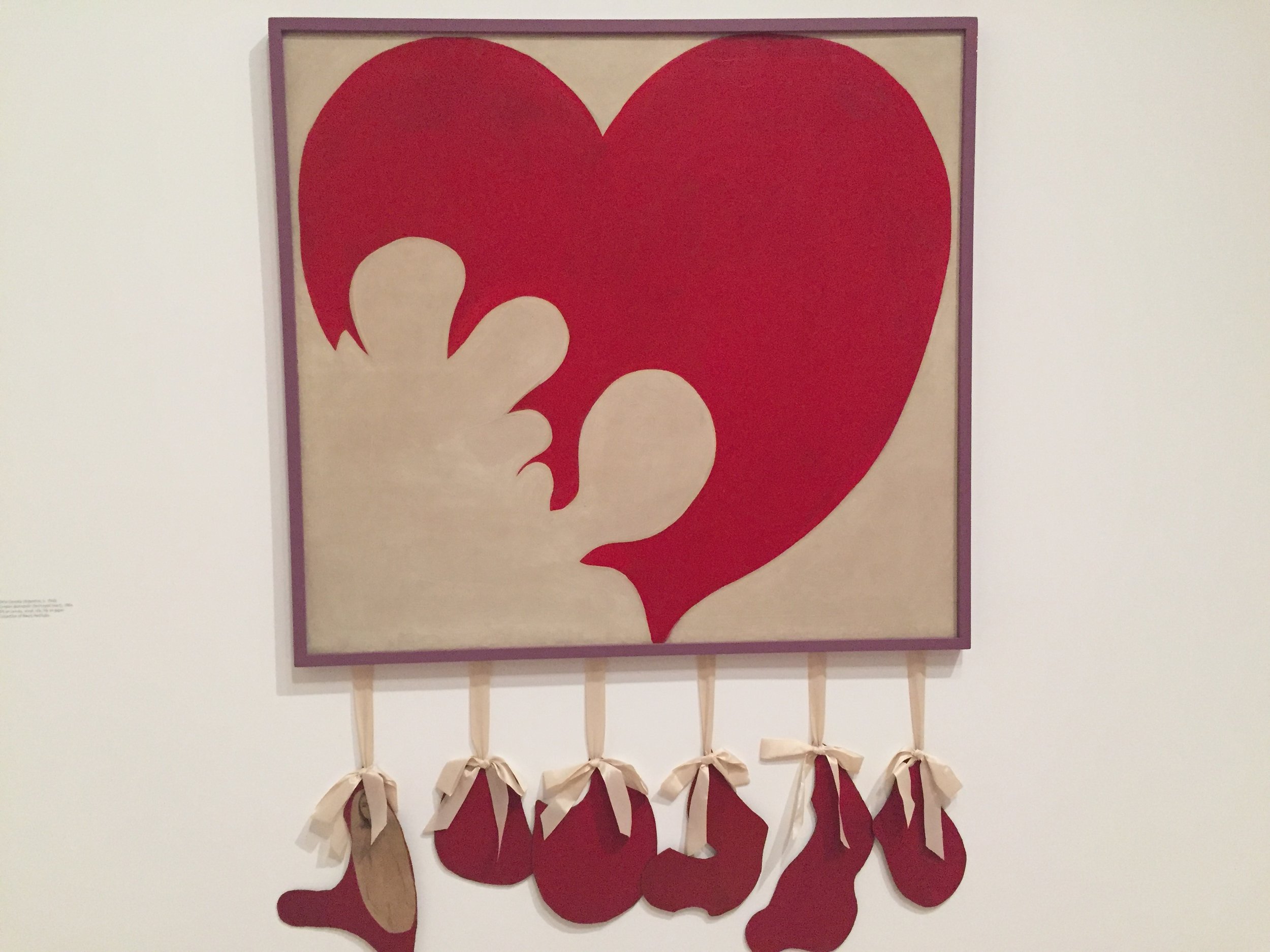
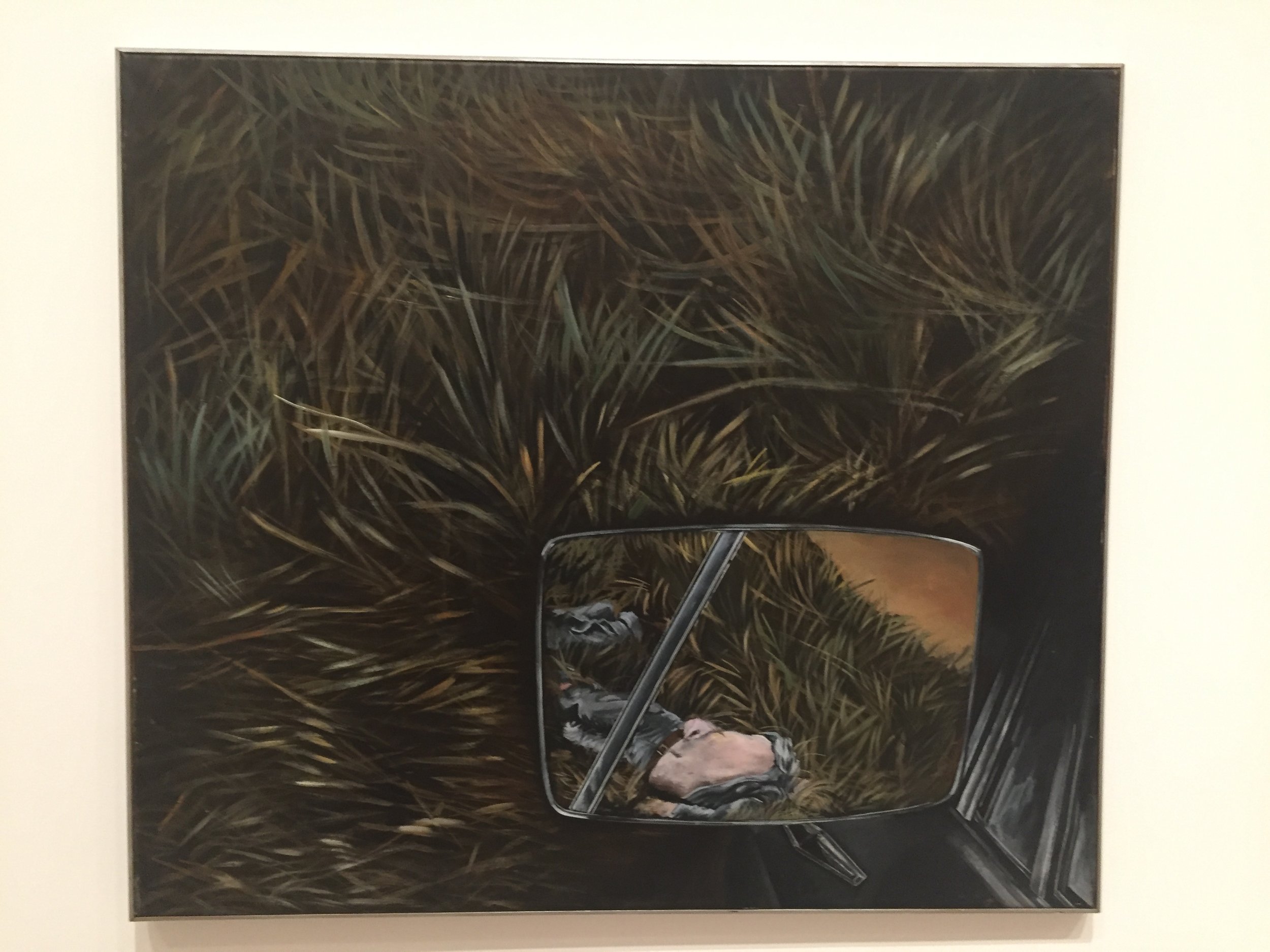
To see the Radical Women show at the Hammer Museum is to be reminded of how powerfully angry and forceful women artists were from 1960-1985. I say women artists and not Latina artists which is what this show is focussed on, because it made me recall WACK, the Moca show that treated roughly the same period--and same energy--of the women artists in California. 

Nevertheless, Latinas, already in a culture which often subjugates women even more than our own rose up with a collectivity that belied their different countries of origin, their different media, their different life circumstances.

The curators have done a mistress-ful job of collecting these works and more than one visit is required to absorb the copious texts that accompany each install.  I bought the catalog immediately, it is a worthy investment. 

The imagery is consistent: we are bound, we are open in our many orifices, we are marginalized, we are silent, we are too outspoken, we are mothers, we are wives, we neglect ourselves, we examine ourselves, we want love but not to be restricted artificially by how we find it.

I admired the energy and the anger, but one of our group was older and she was frightened and somewhat offended by the persistent in-our-face imagery.  She reminded me of my mother.  Young women should see this show.  Until recently they were not as "woke" as we were. Now however, I am sensing another cultural shift to the angry days.  That's all too the good. Just as PST LA/LA is raising our consciousness about Latin American artists, so a number of the exhibitions are raising our consciousness about women.  I am happy to be typing that phrase again.

This exhibition is a must-see.  

PST LA/LA: MOCA presents Anna Maria Maiolino walking on eggs, stitching threads, and entering holes

September 18, 2017 Patricia Zohn
IMG_6252.jpg IMG_6239.jpg IMG_6245.jpg IMG_6249.jpg IMG_6260.jpg

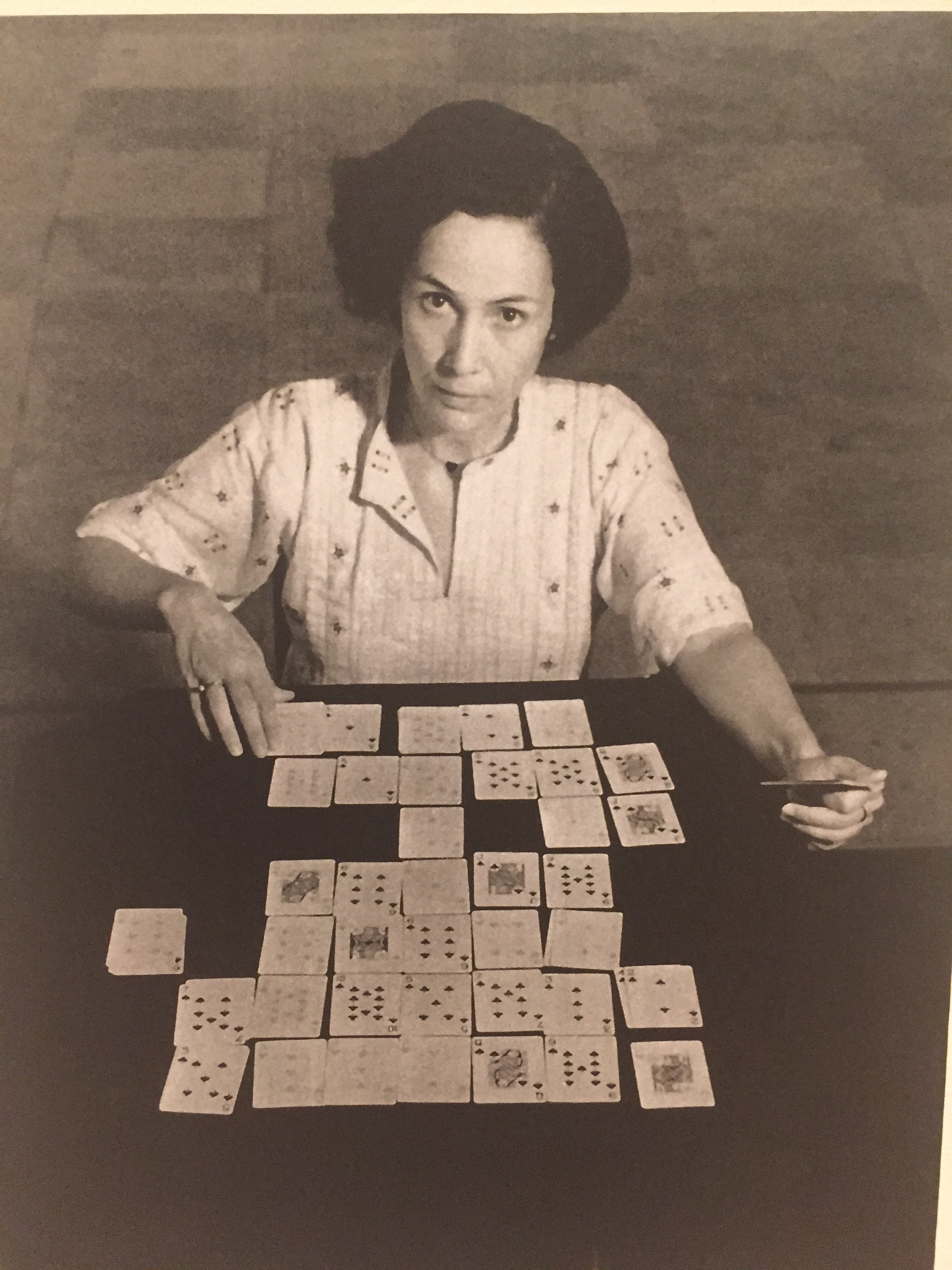
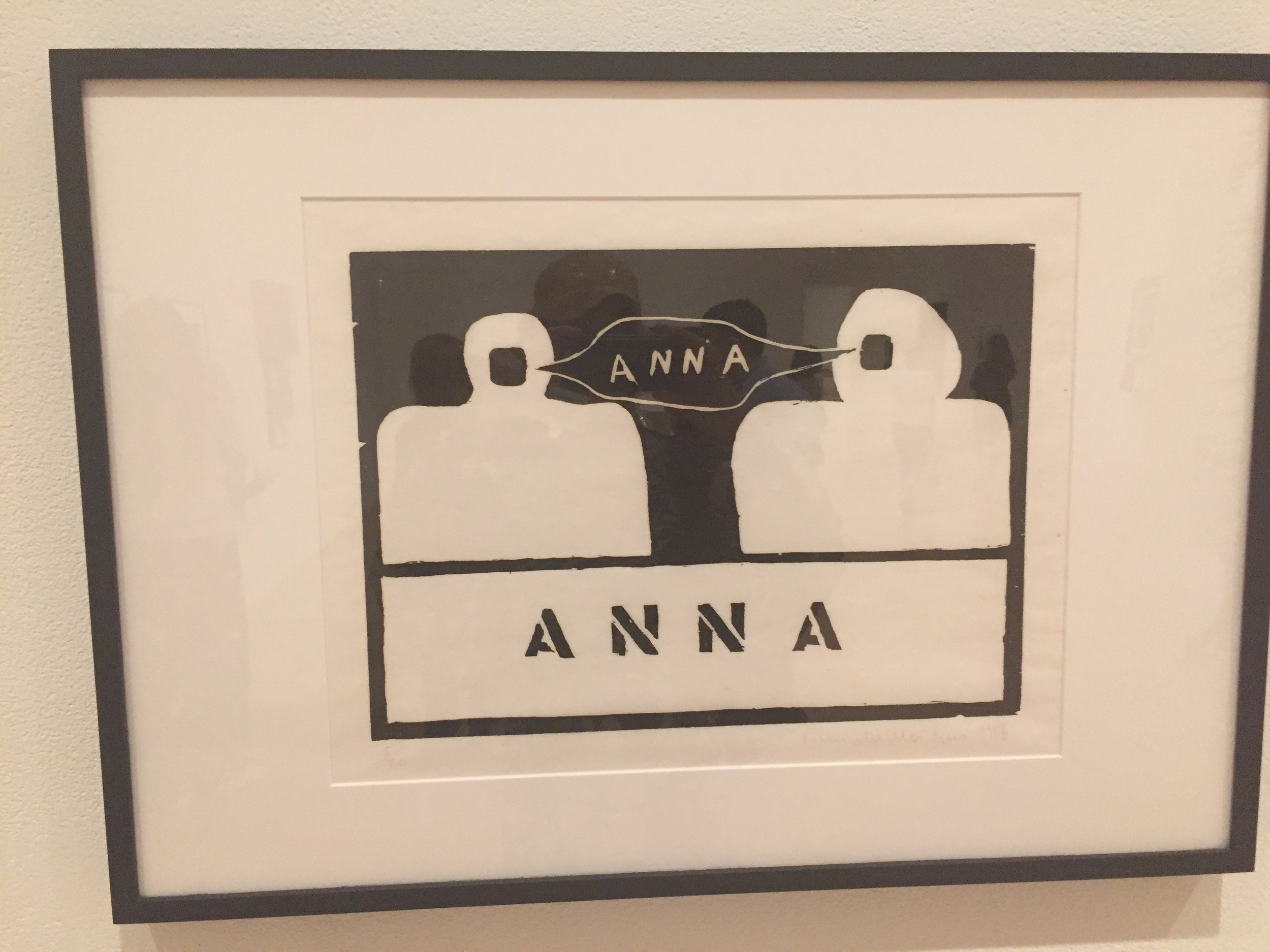
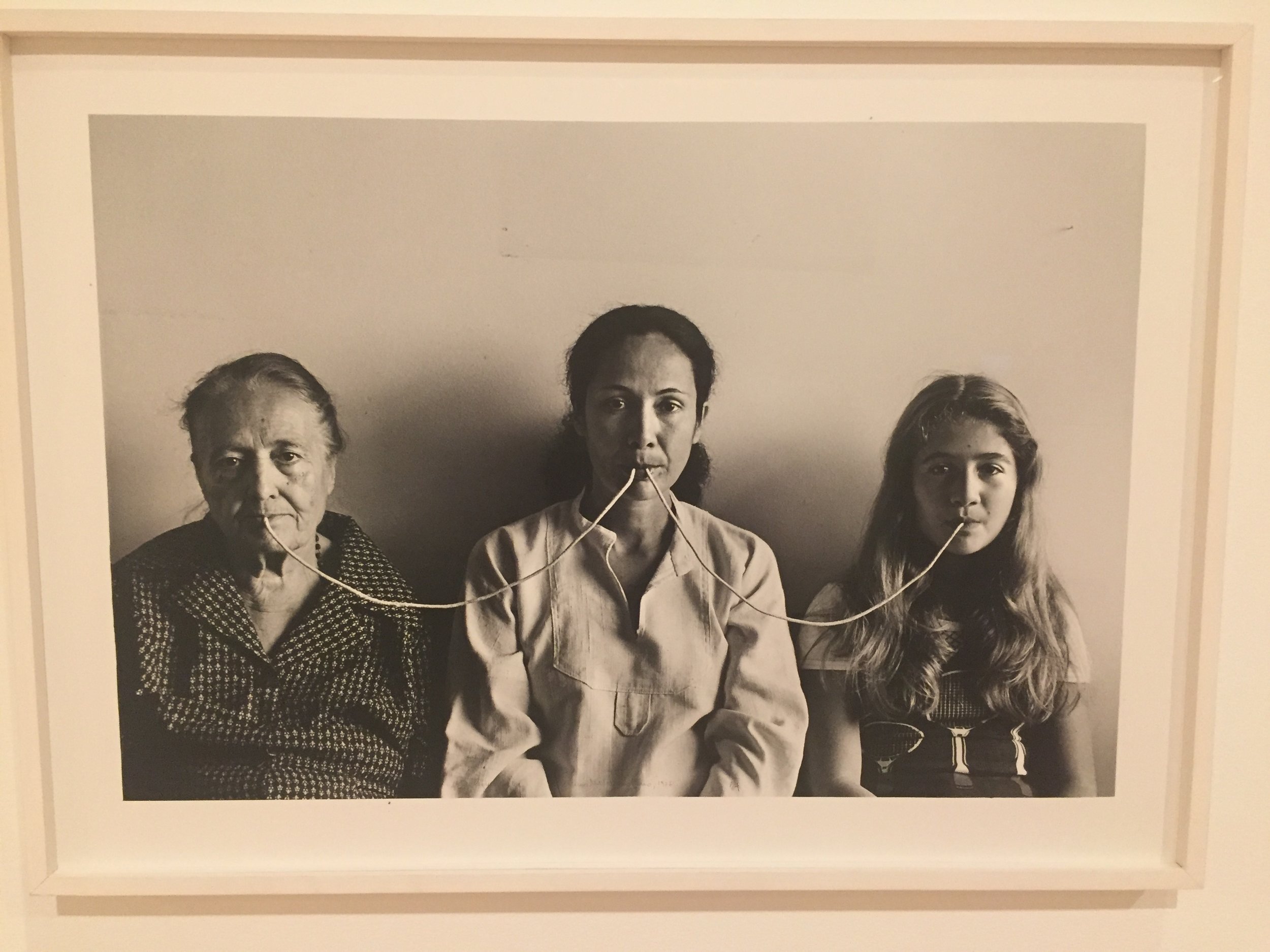
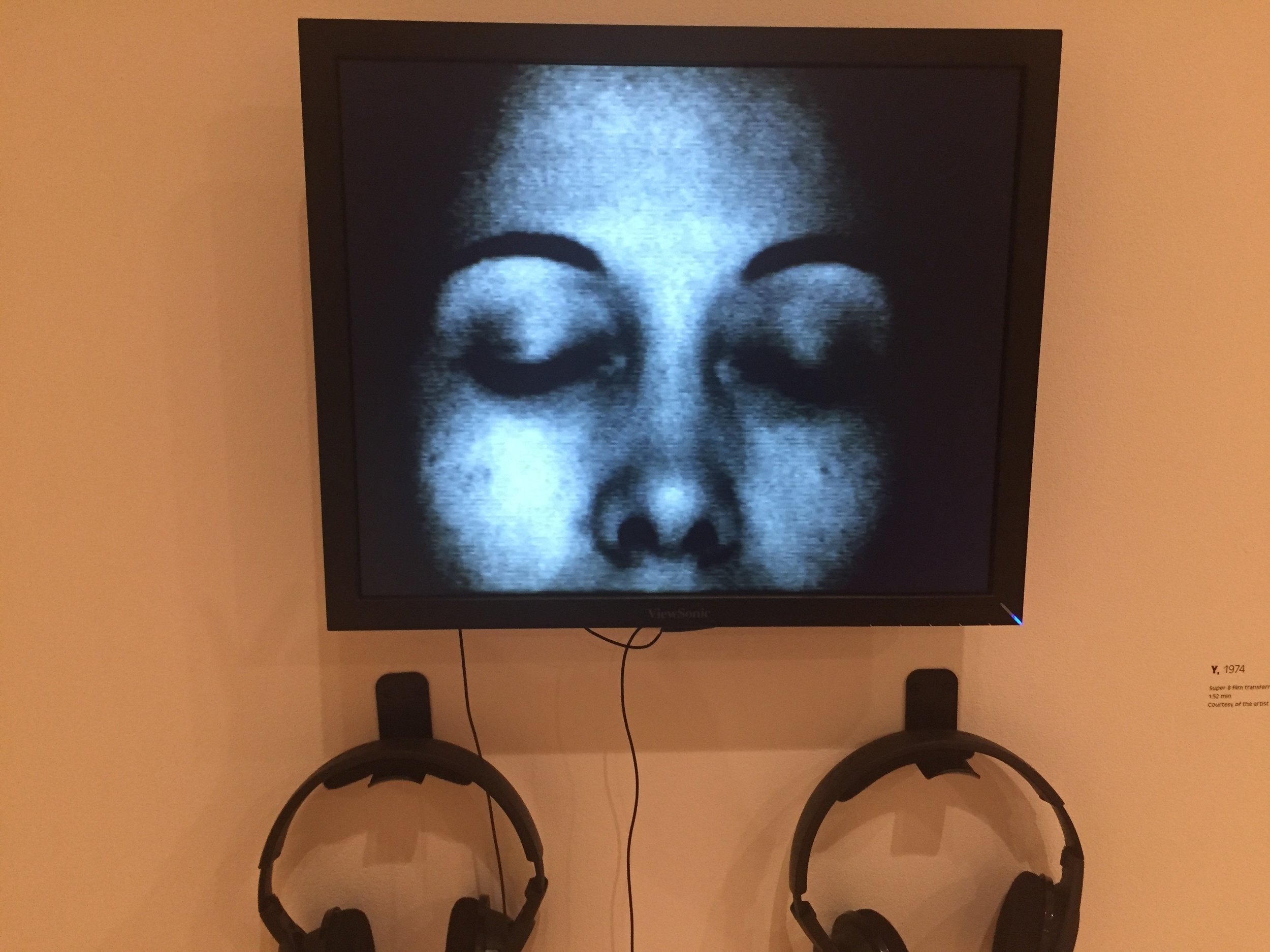
 Moca brings another Brazilian artist to our attention.  Anna Maria Maiolino like Lygia Pape and Marisa Merz marched, stitched, carved, painted, sculpted, performed and wrote to her own drum. Her political art has taken women's work, women's bodies, women's anger, women's role as mothers and wives as their subjects in a consistently imaginative way. Very much of her time (see related Hammer Museum post above), Maiolino allowed herself to explore each medium with a fresh eye.  Also represented in the Hammer exhibition, she joins a parade of talented women with heightened awareness of their place in the world who bring our attention to the ways in which we our often our own worst enemies.  

PST LA/LA: Hauser and Wirth joins the conversation with Building Material

September 18, 2017 Patricia Zohn
Erika Verzutti

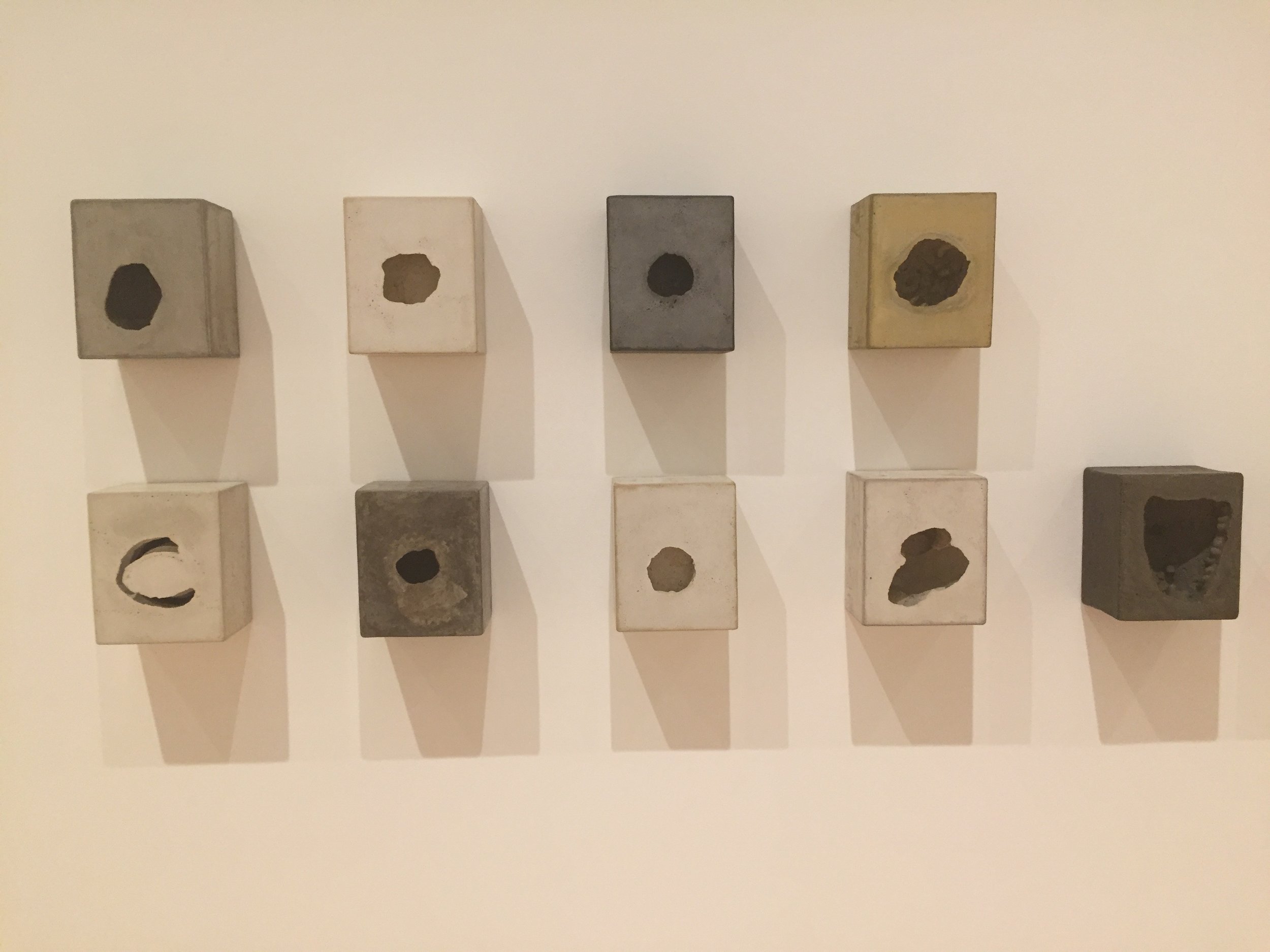
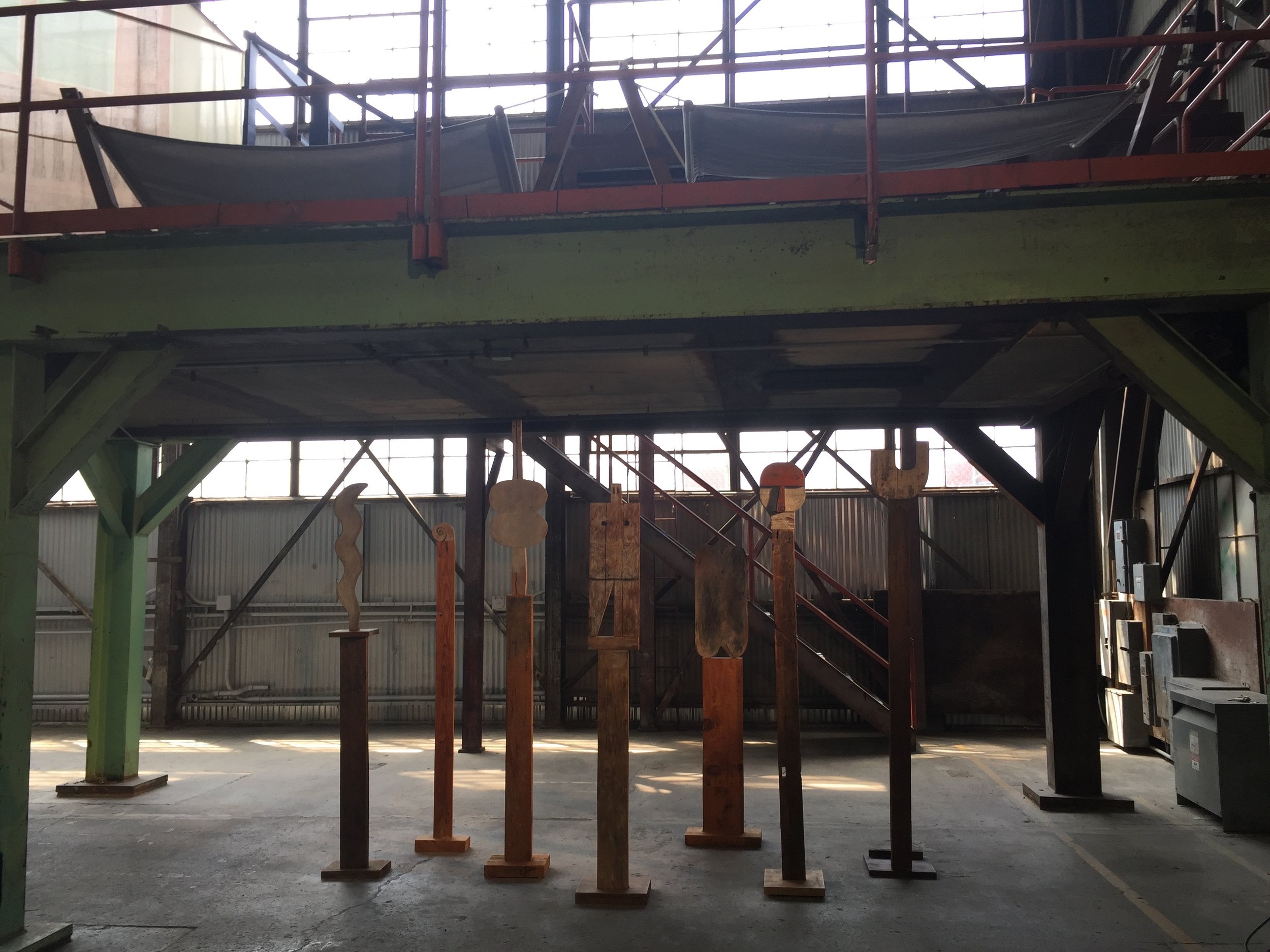
 Hauser and Wirth Los Angeles adds to the PST mix with its exhibition of Building Materials: Process and Form in Brazilian Art. Time and again I see that more than its neighbors, Brazil was  in the avant garde of art, architecture, design and performance. Two examples of Brutalist concrete art especially struck my eye, one by Erika Verzutti and one by Monika Sosnowska that hark back to the the extruded concrete of Frank Lloyd Wright and Neutra but also to the early temples and monuments to the gods. Sosnowska's piece is embedded with door handles--to another life? 

Monika Sosnowska

PST LA/LA: proyectosLA brings the vibrant energy and many voices of contemporary Latin America to a warehouse

September 18, 2017 Patricia Zohn
IMG_6218.jpg IMG_6217.jpg IMG_6212.jpg IMG_6220.jpg IMG_6213.jpg

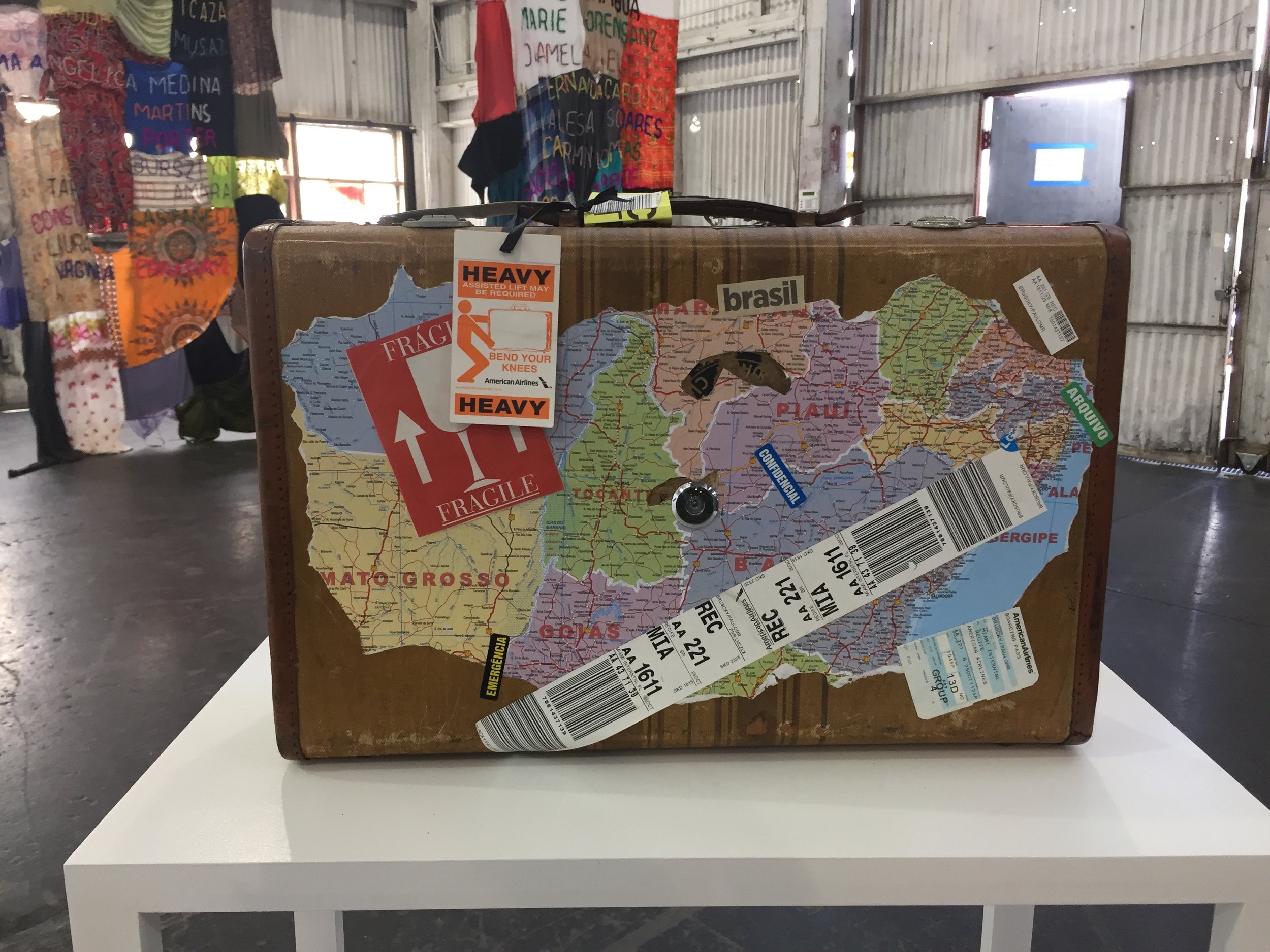
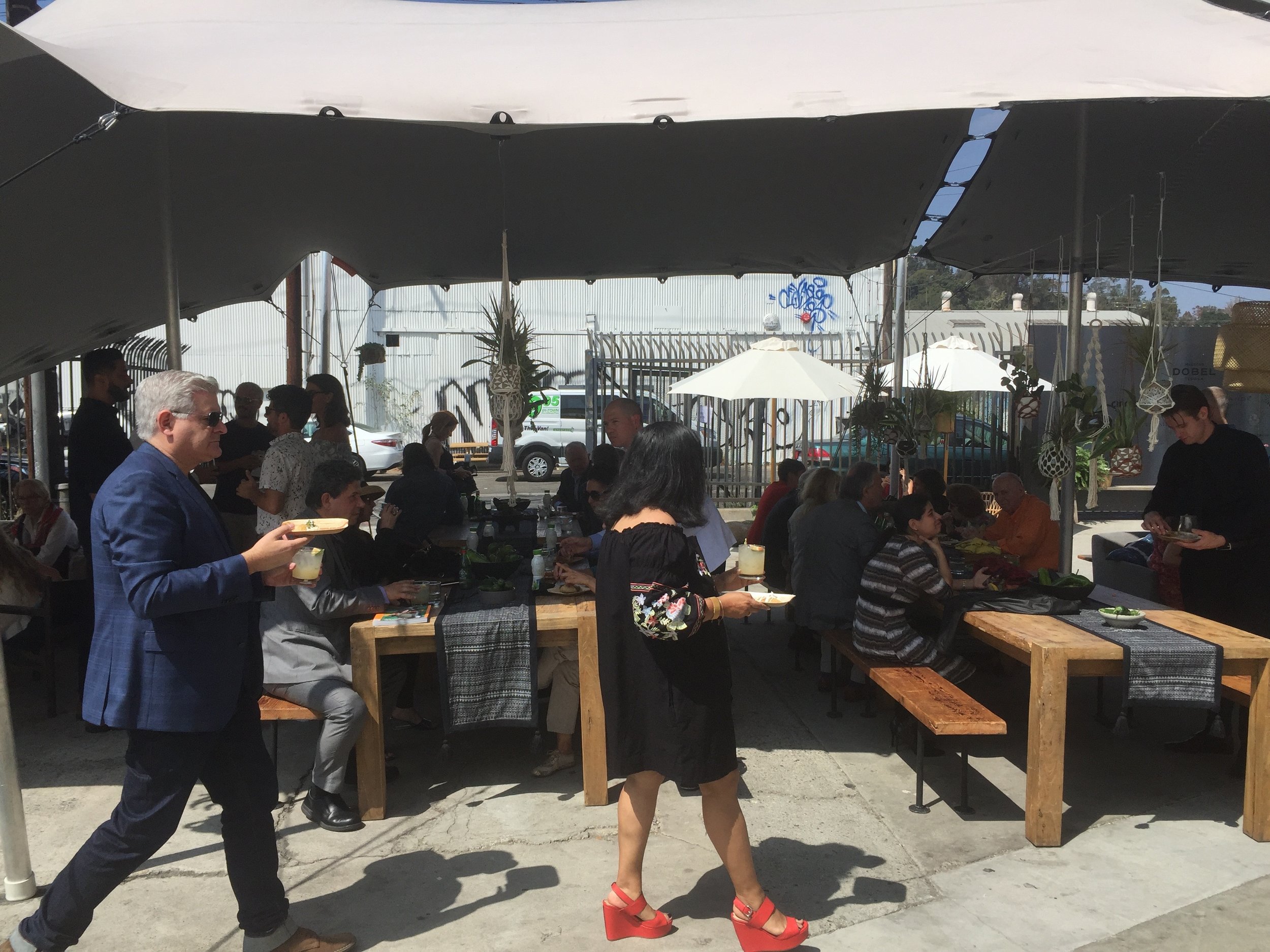
proyectosLA  brought the full energy of Mexico City and other Latin American ports to their Union Station adjacent space beginning Saturday for six weeks.  The commercial warehouse space is conducive to showing many different kinds of art, from graphic text based conceptual pieces to large scale installations.  But the most engaging thing was the confluence of global interchange at the opening reception, transforming Los Angeles into the multi culti world it is, but has not take  enough advantage of. I felt as if I was in a square in Mexico City or Morelia where people had gathered to be together to enjoy art, life and each other.  Los Angeles is known for its pedestrian-adverse inabilities and this was a day instead of coming together. One highlight was the Peregrina--or female pilgrim--container that the Mexico City design boutique Onora had filled with local, indigenous crafts from all over Mexico.  The energy of PST continues and makes me feel that Los Angeles has not only arrived in terms of art, but in terms of its ability to lead the way for our country.  Take notice!

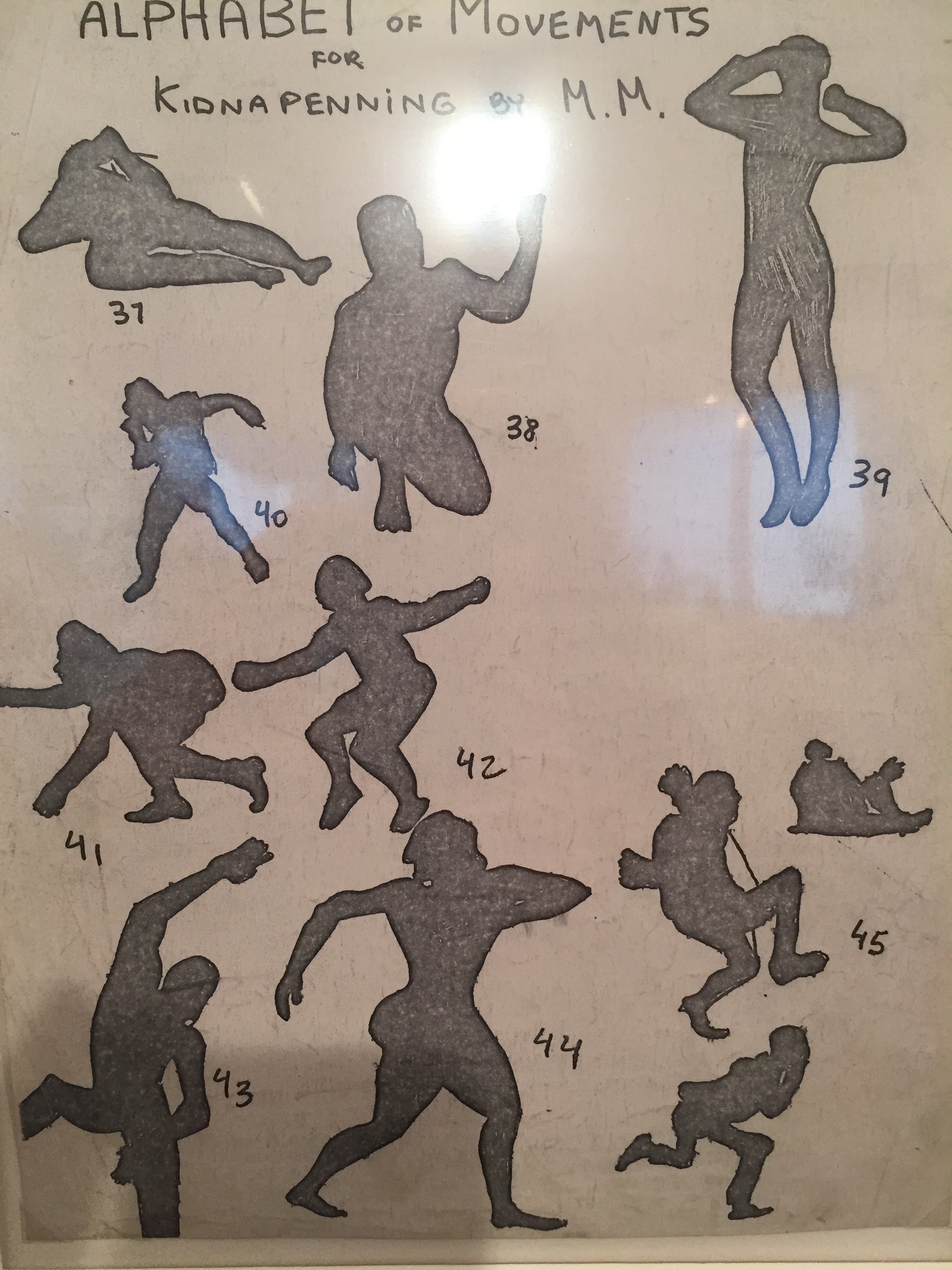
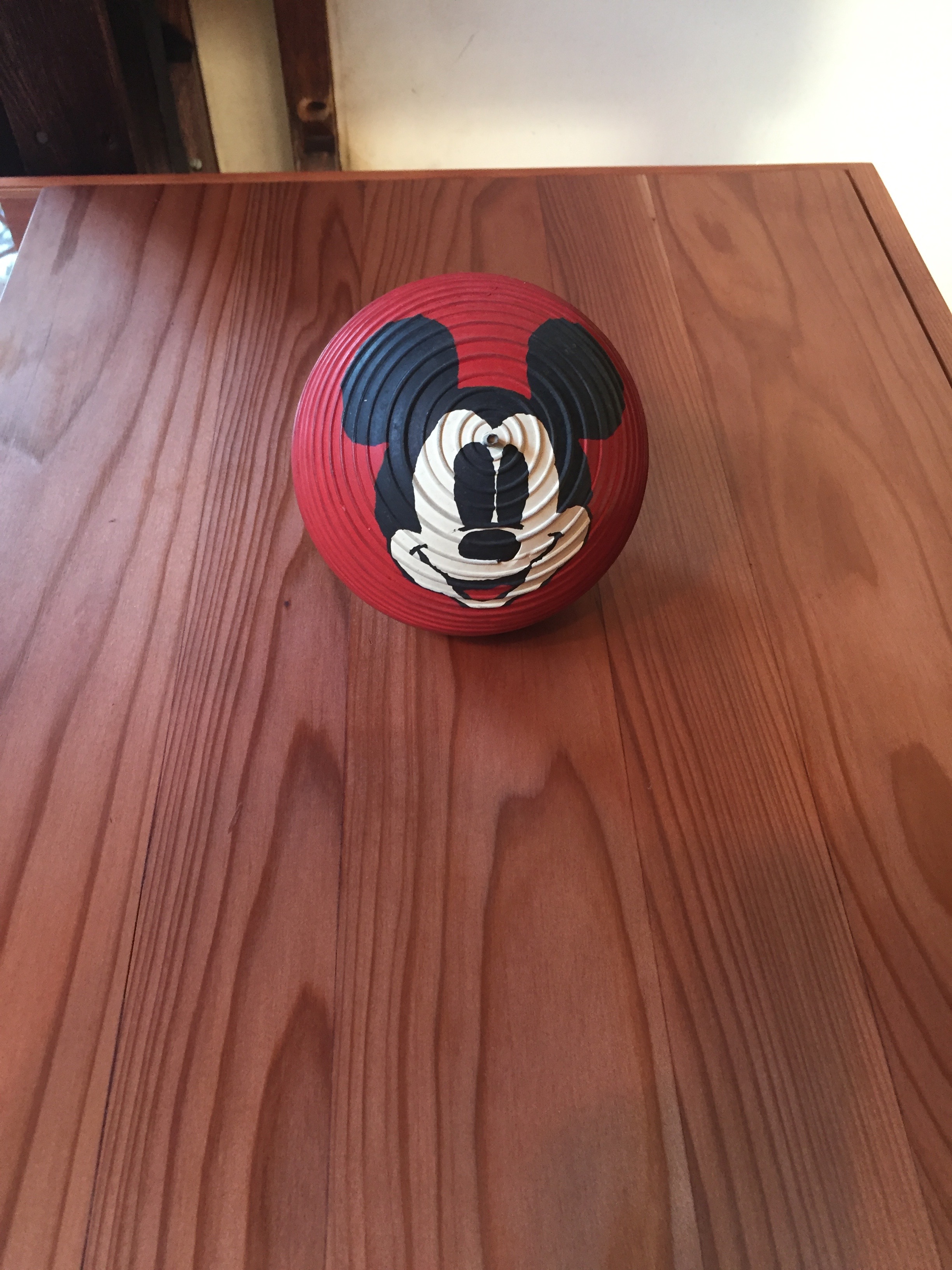
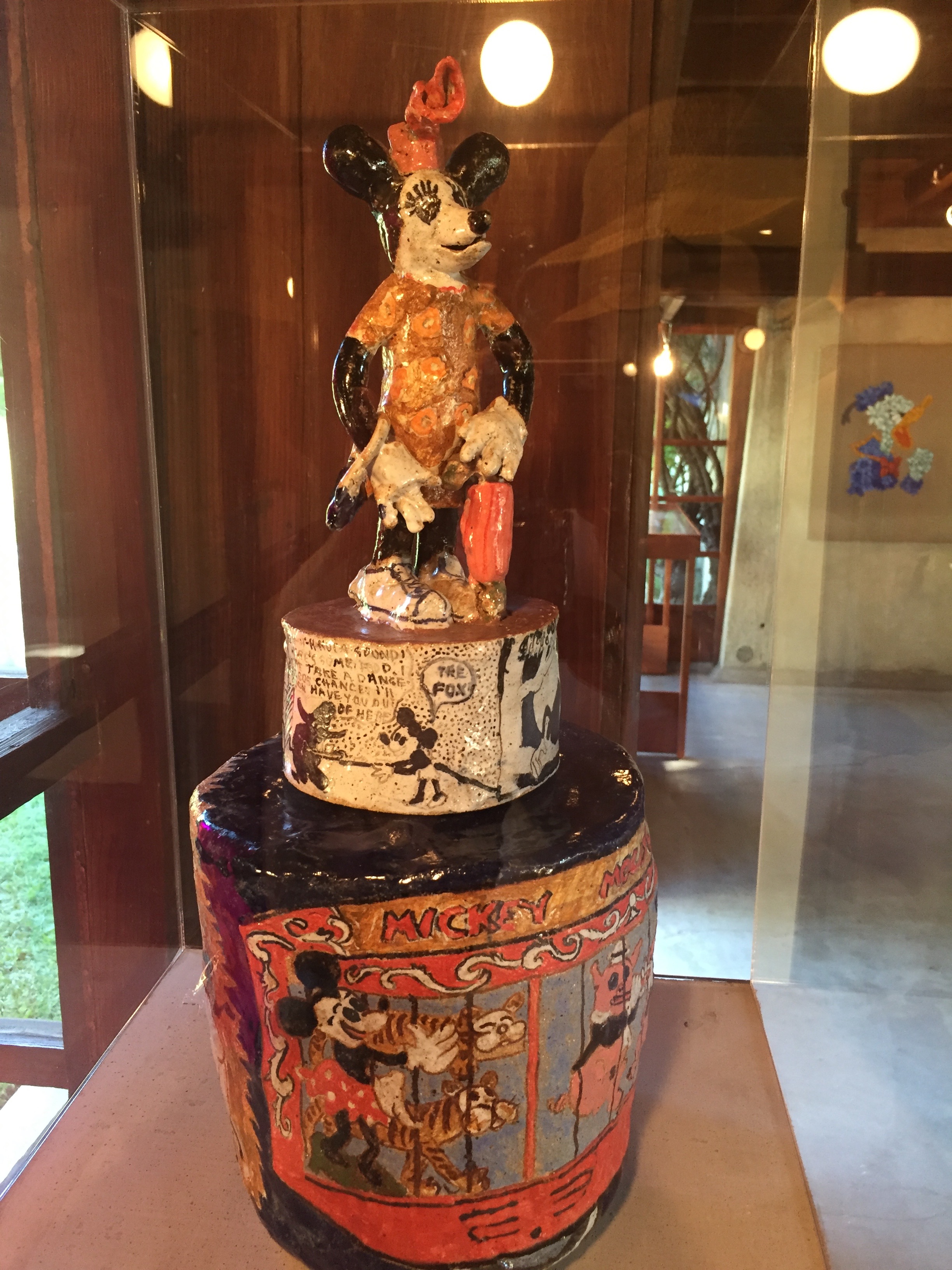
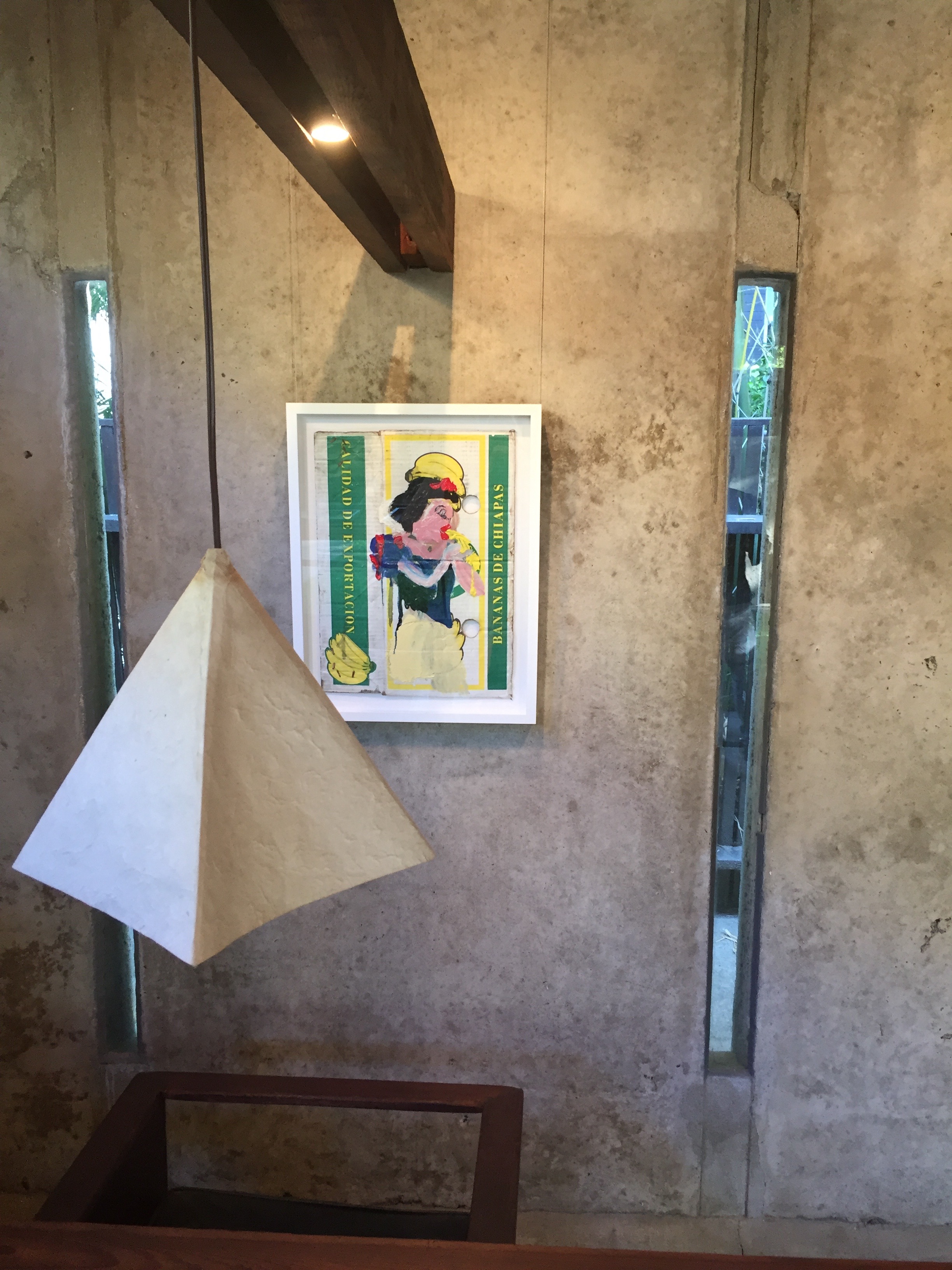
Pacific Standard Time LA/LA: Jesse Lerner and Ruben Ortiz-Torres use The MAK Center to explore how Walt Disney's imagery informed--and challenged-- artistic and commercial practice in Latin America

September 10, 2017 Patricia Zohn
IMG_6195.jpg IMG_6191.jpg IMG_6199.jpg IMG_6198.jpg IMG_6194.jpg IMG_6184.jpg IMG_6201.jpg IMG_6186.jpg IMG_6193.jpg

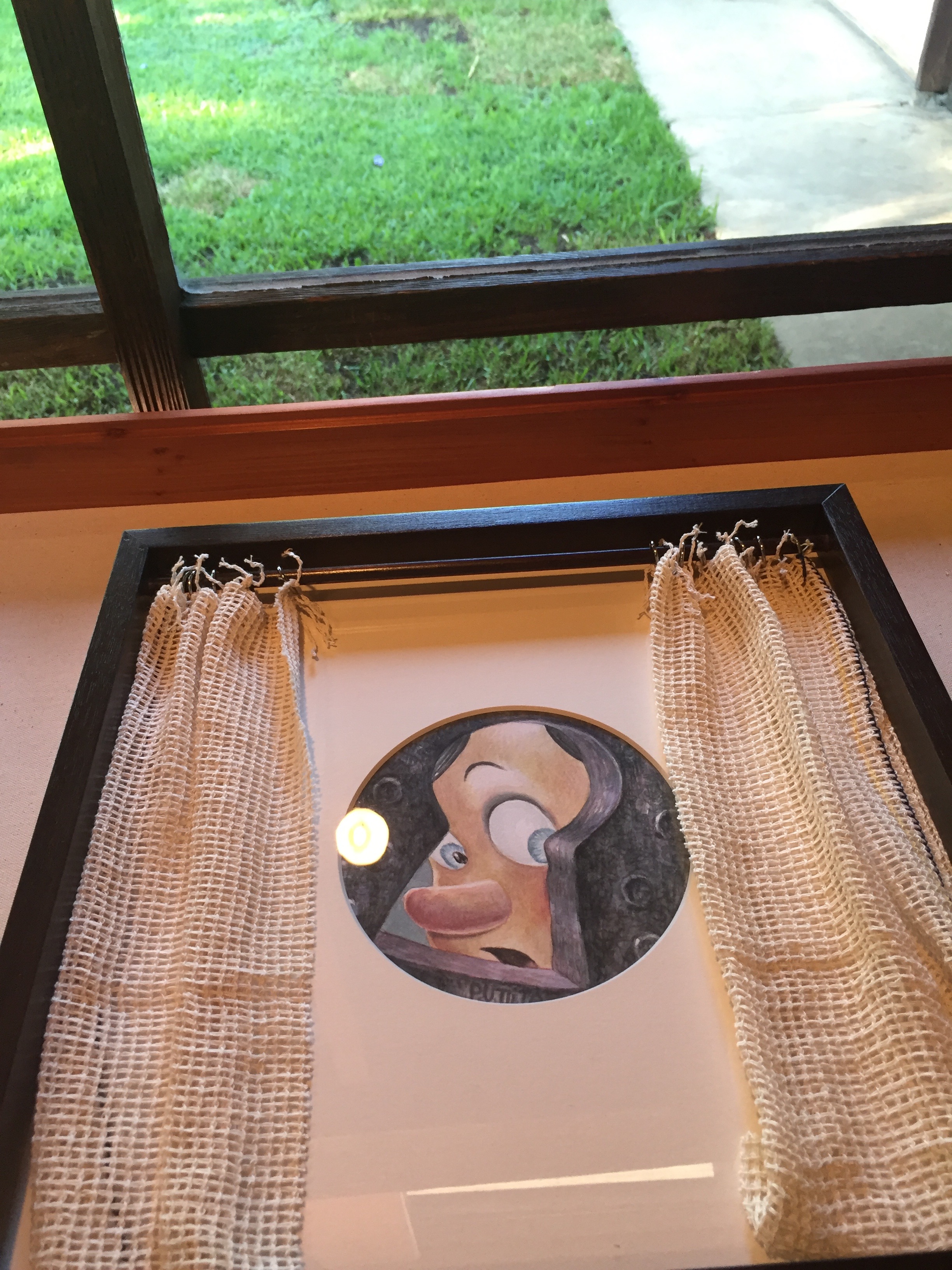
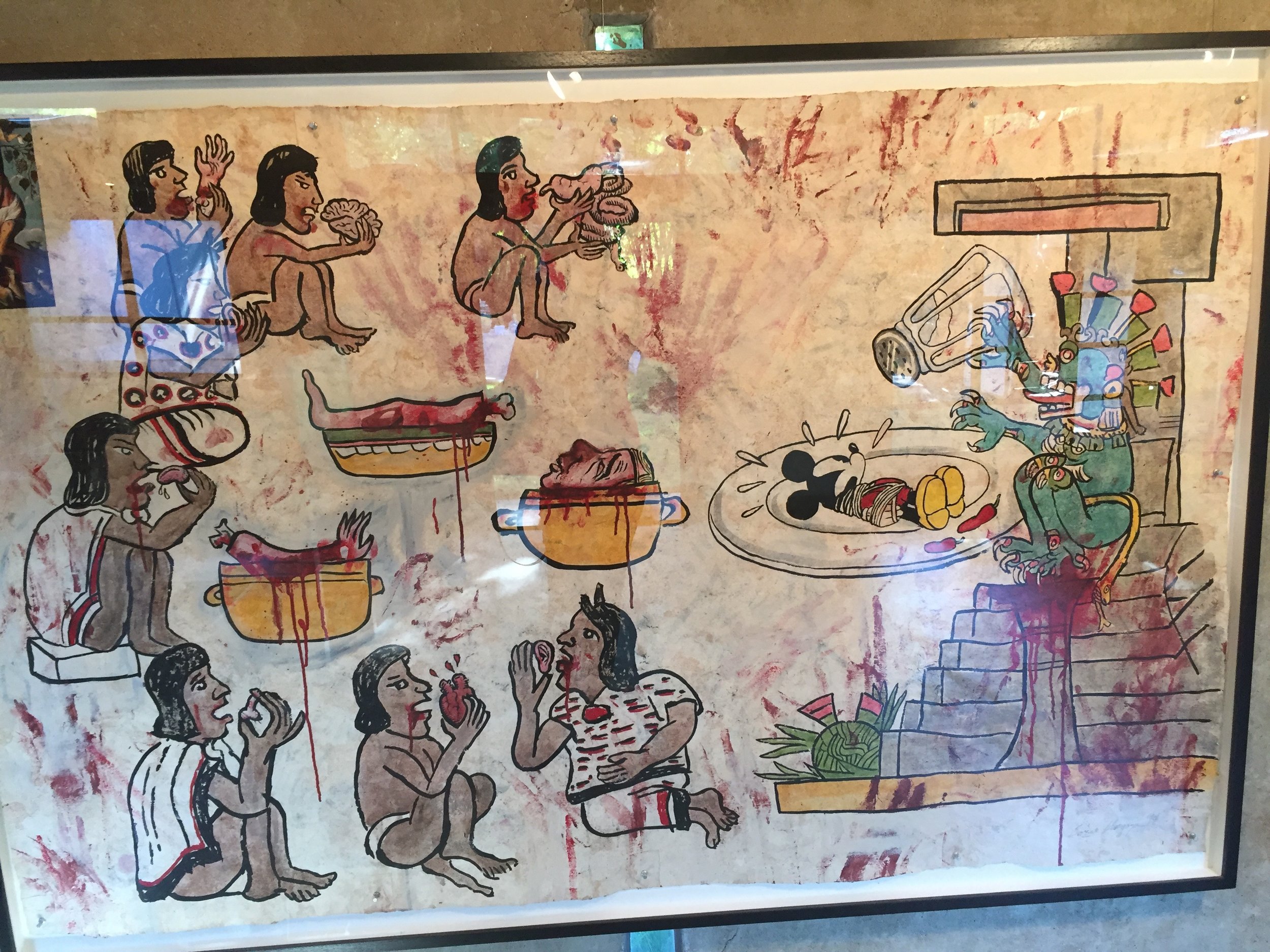
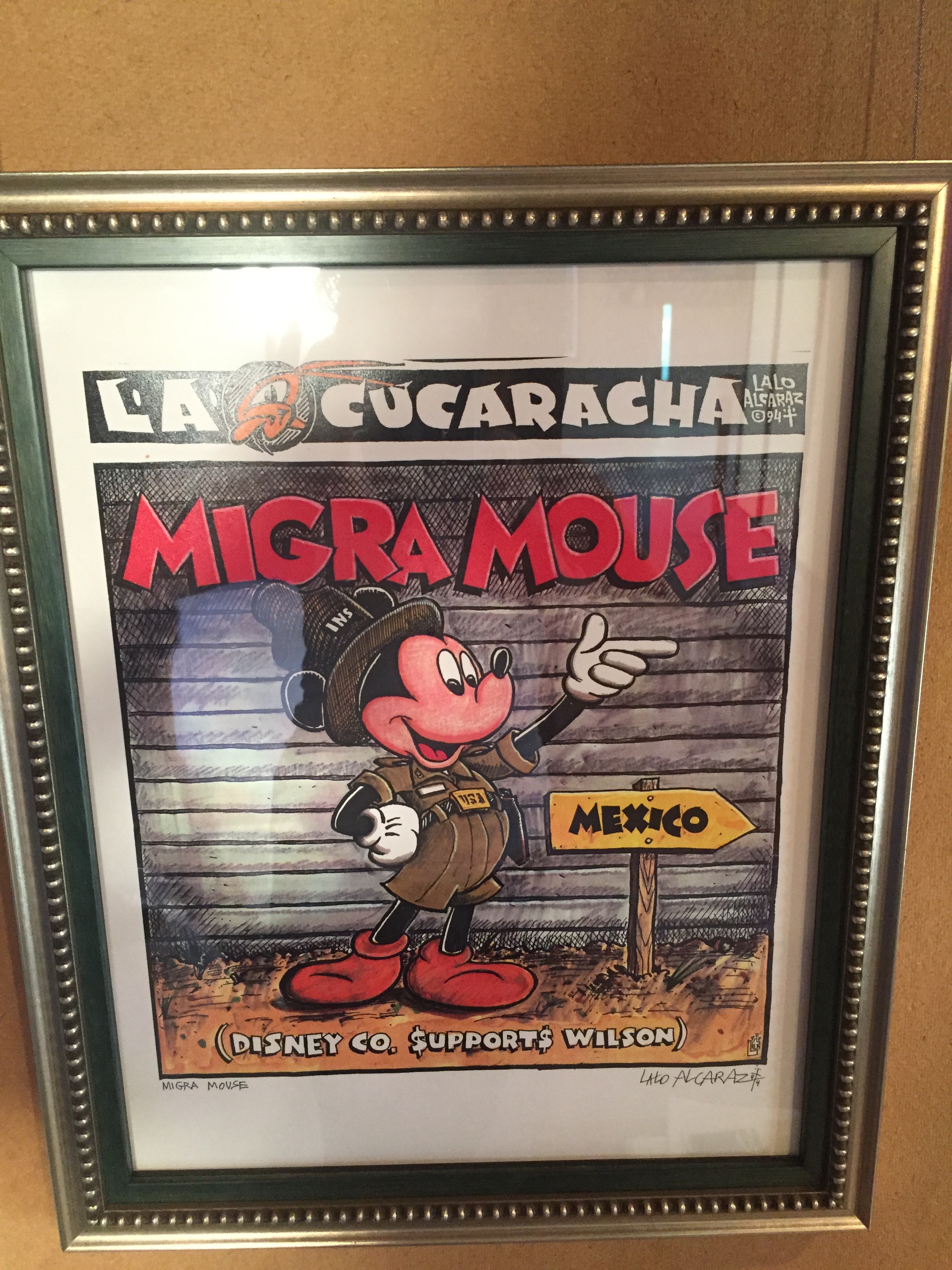
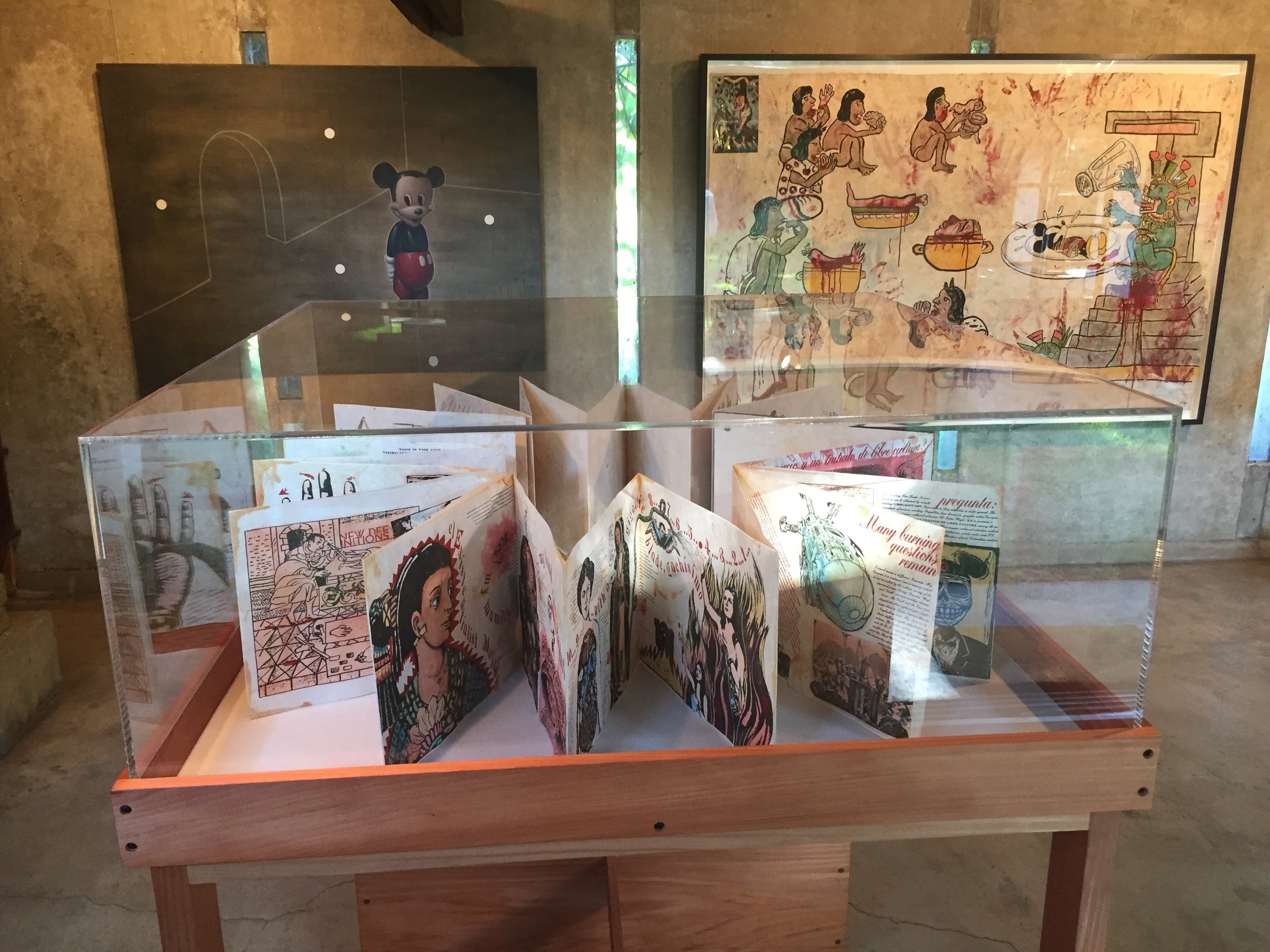
In a perfect juxtaposition of opening events, the MAK Center (at Schindler's modernist house in West Hollywood) reverses the Regen Projects through line (see below) to instead explore the influence of the US culture on Latin America, taking one of our most recognizable exports, the imagery of Walt Disney, and tracing its path through art, artifact, film and text.  (Co-hosted by Cal State Luckman--I haven't made it there yet)

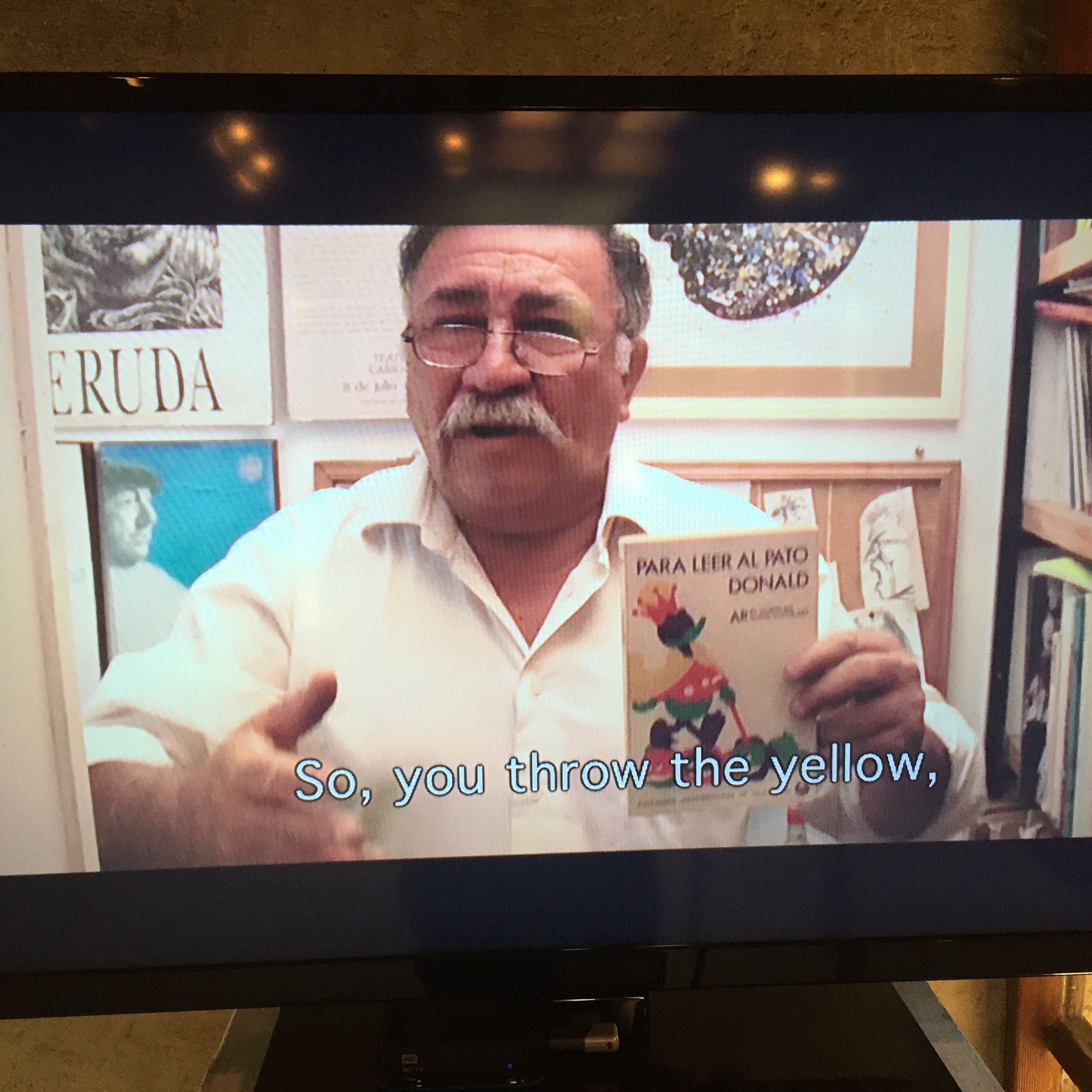
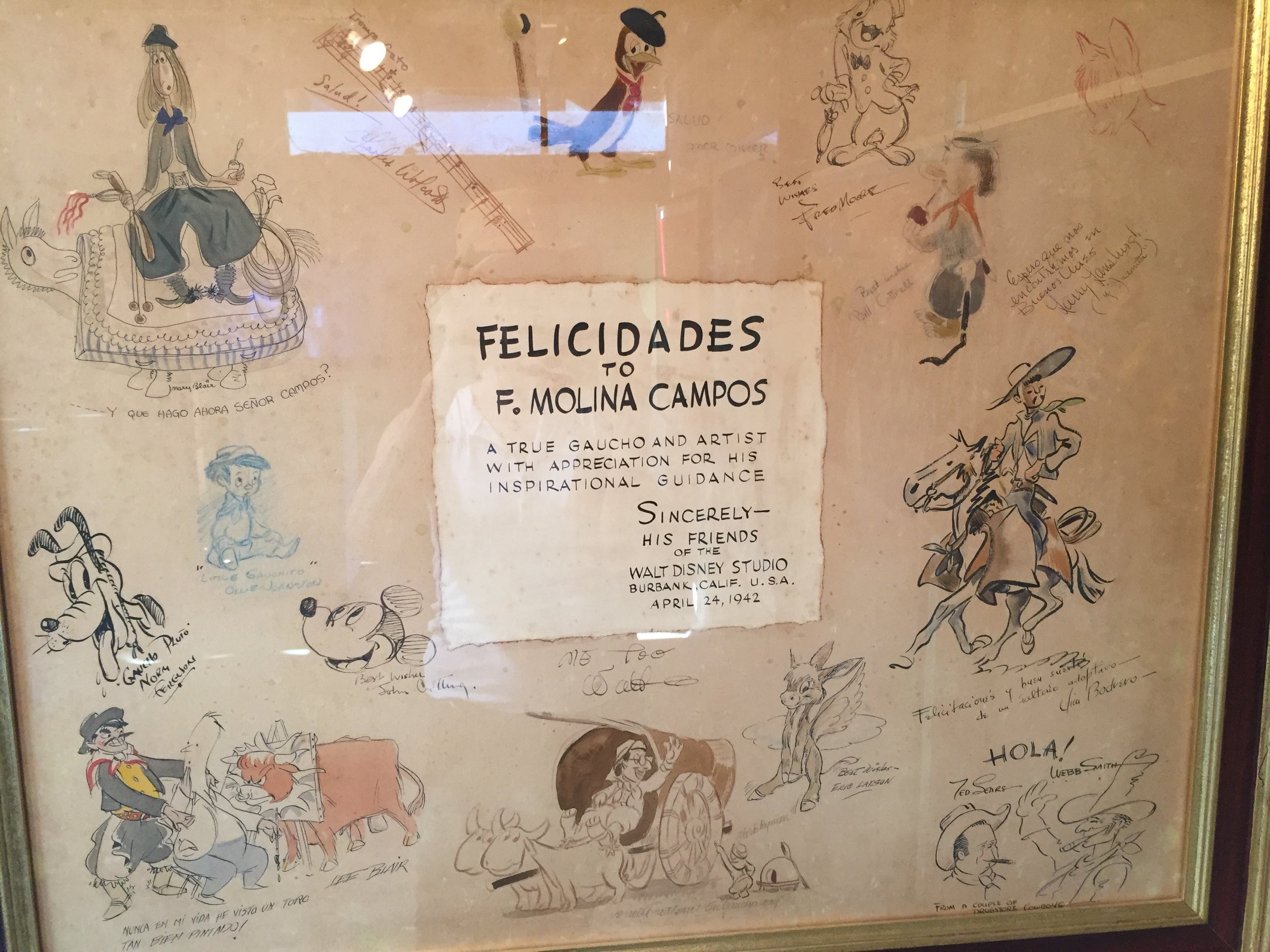
Donald Duck, Mickey Mouse and Minnie too, stud this carefully curated exhibition which cannot help but plumb the conflicted mind set of Latinos who for years absorbed our popular culture as we confined theirs to Mariachi Bands and salsa. The art of Walt Disney--and his staff-- has been subjected to a huge bibliography of political commentary over the years and this look at the influence on Latin American artists of the reach of his iconography is a strong addition to the conversation.  Jesse Lerner, who walked me through the exhibit, told me they took as their point of departure Saludos Amigos, the film Disney made when he was urged to leave Burbank for South America so that the contentious strike of 1941 could finally be settled. (A documentary on this film has also been made by a Disney family member). 

When I interviewed Volus Jones, one of the fine Disney animators who self identified as a "Duck specialist"--and a striker--for my Vanity Fair story on the Ink and Paint department (archived here under Writing/Visual Arts), he himself mourned the post-strike era of fear and highly personal political retribution at the studio. All was not golden during the Golden Age. 

Two film highlights of the exhibition: a short film riff How to read Donald Duck Redux on his father Ariel Dorfman's longer documentary by his son Rodrigo about the Disney effect in Chile, and Florencia Aliberti's sly Variations on Alice (in Wonderland).

How our American culture, especially our Hollywood culture, has affected the global practice of artists, filmmakers, writers and creatives of all stripes is a topic that can never have enough exploration.  Perhaps the balance of power will shift with the extraordinary outpouring of commentary in PST LA/LA. 


Pacific Standard Time: LA/LA: Abraham Cruzvillegas and Gabriel Kuri transform Regen Projects into a testament to global Latino power

September 10, 2017 Patricia Zohn
IMG_6178.jpg IMG_6176.jpg IMG_6175.jpg IMG_6180.jpg IMG_6181.jpg

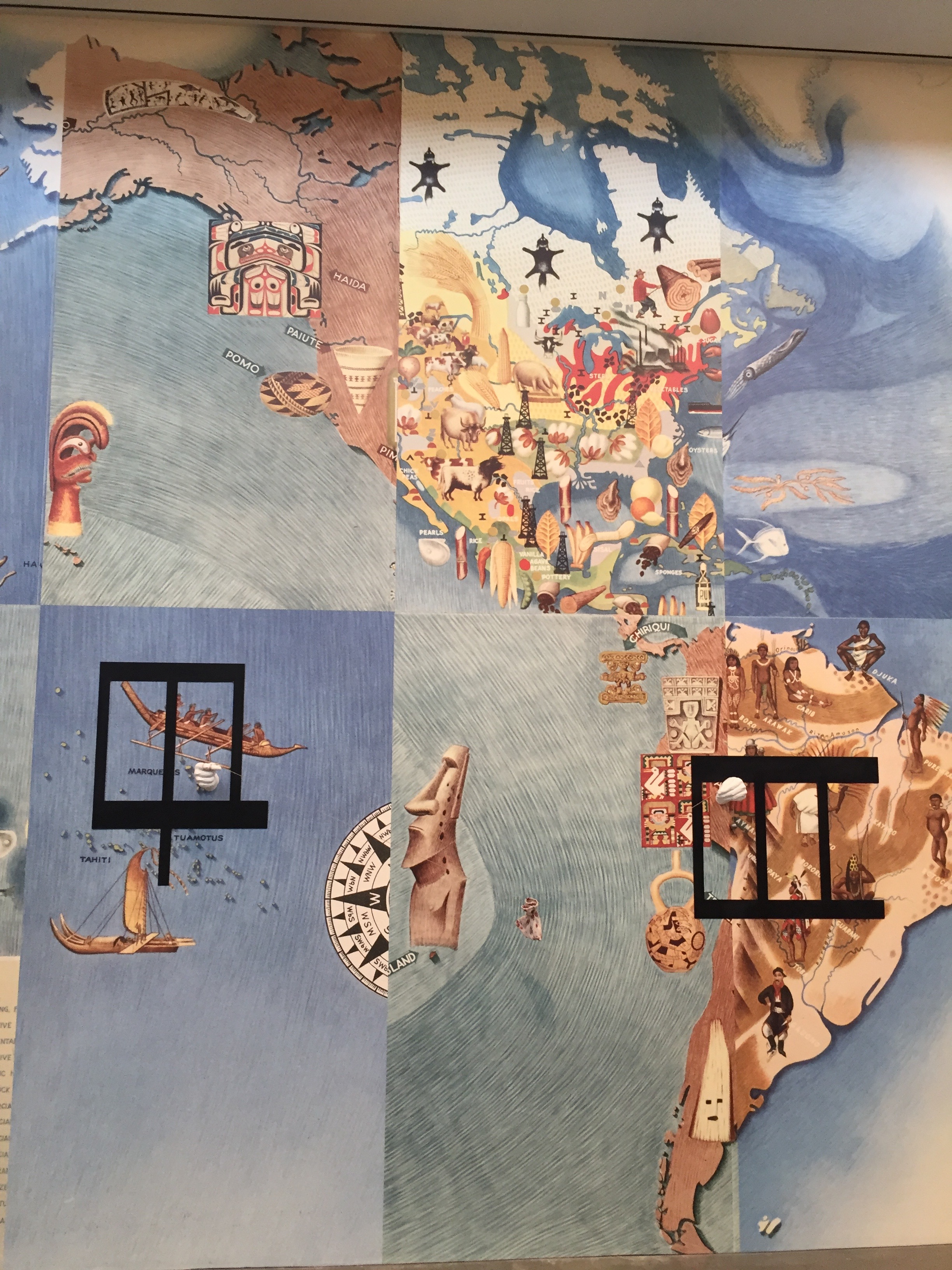
Taking as their point of departure the magnificent socio political murals of Miguel Covarrubias, Pageant of the Pacific, which also inaugurated the San Francisco Pan Pacific Expo of 1939, co curators Cruzvillegas and Kuri launch me on my way through the second, even more expansive effort by the Getty and its many partners all over California to expose, inform, distill and highlight our most distinguishing historical feature: the enormous contributions of Latin and South America in our California, American and other cultures.  

The first Getty effort, a more domestic one, looked at California's great contribution to modern art through its California artists.  This current effort promises to be both exhilarating and documentary, and to be honest, almost impossible to fully absorb: finally, our city, our state, and hopefully our nation, will recognize the enormous importance and influence of the Latino culture on our home shores and in the world.  

When I first moved to Los Angeles, I was struck by how little most people had explored Latino culture in California where, as of the last census, they were the dominant ethnic majority(close to 15 million).  They had never been to our glorious missions, or many homesteads of our founding fathers and mothers.  When they went to Mexico, our closest neighbor, they went to the beach, ignoring the sophisticated majestic cities of Mexico City, Guanajuato, San Miguel, Queretaro, Morelia, Oaxaca, equal to anything Europe has to offer.  

Though this has changed slightly, in fact most people I know still have not explored these culturally dynamic resources so close to home. 

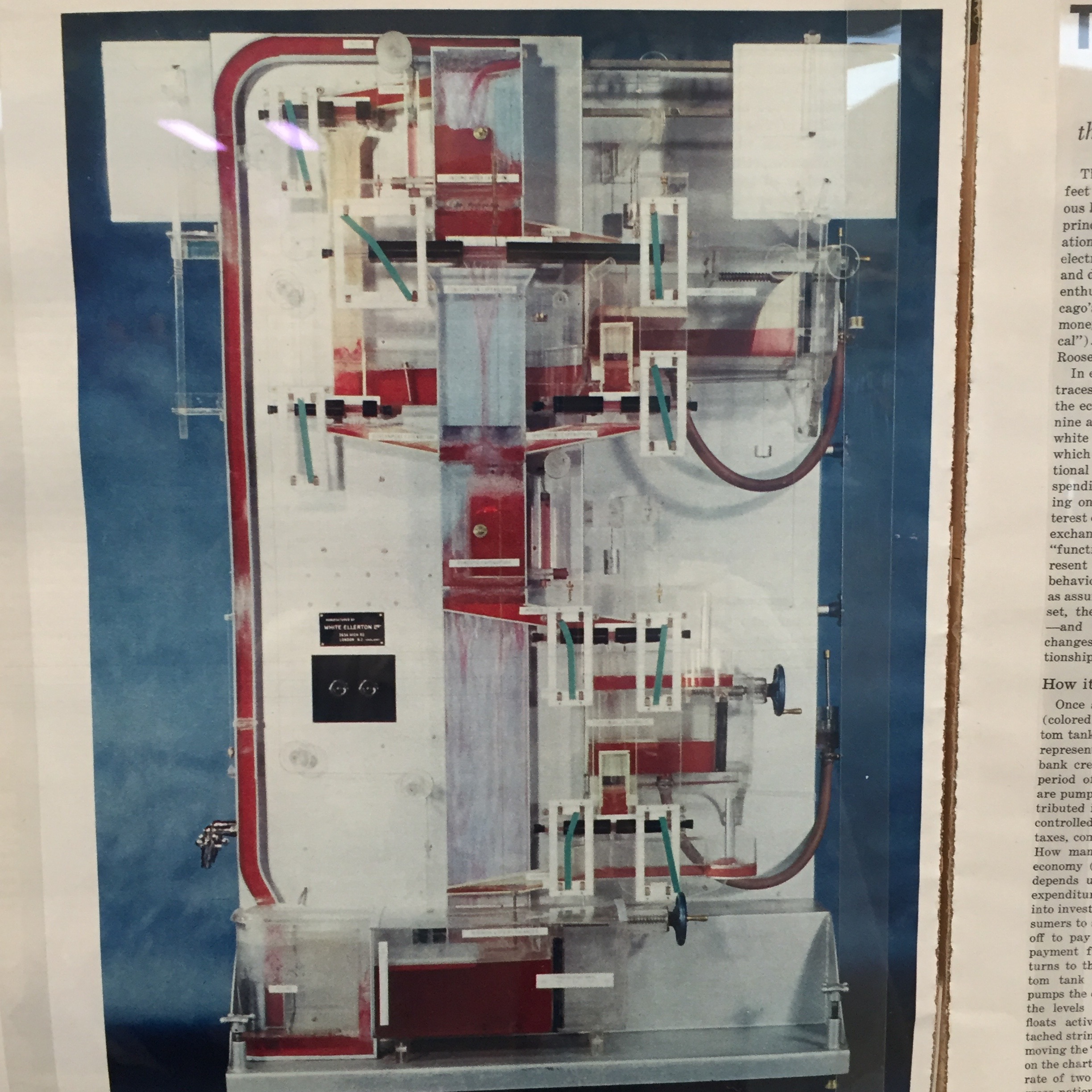
Now, they have a chance to change all this, and the Regen Projects show is an excellent way to begin.  The curators have been clever to sample and spin the Covarrubias murals. And by introducing us to some lesser known modern and contemporary artists (both Latino/a and other) we see juxtaposed in the best possible way how fertile this import/export energy has been and can be.  

This monumental PST LA LA effort, with perfect timing, stands up to every Obama-era immigration rollback our President has taken and intends to further push back.   How fortunate we are then to get more ammunition with which to confront his mindset.  This is a must-see collection of important exhibitions. Those of you in other parts of the US and the world should also make their way.  California is leading the country now, both politically in terms of immigration and climate policy. This iteration of PST shows we are firmly in a leadership role in the arts.  

← Newer Posts Older Posts →